Support

Boswell Bay

About

Tucked away in the breathtaking wilderness of Alaska, Boswell Bay is a destination that defines serenity and natural beauty. Unlike bustling metropolises, this secluded spot offers a rare connection to the untamed landscapes of the United States. It is an ideal retreat for travelers seeking solitude, rugged coastlines, and the peaceful rhythm of nature away from the noise of modern life.

Geographically, Boswell Bay is located on the eastern tip of Hinchinbrook Island, facing the majestic Gulf of Alaska and Prince William Sound. The area is characterized by a maritime climate, with lush forests meeting rocky shores. While the permanent population is minimal, the area comes alive during the warmer months as nature enthusiasts and fishermen arrive to experience the pristine environment.
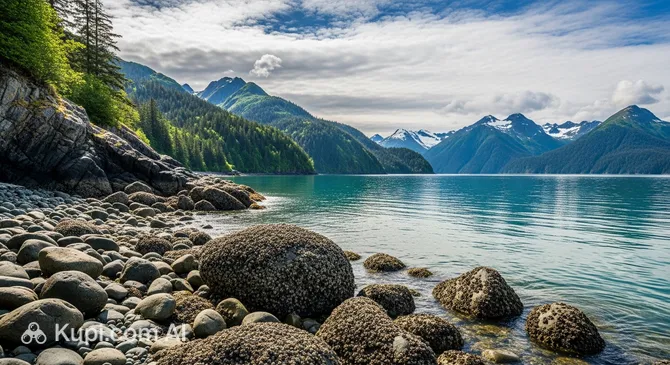
Boswell Bay. Source: Kupi.Binoculars

Despite its remote feel, the area is not without its stories. Exploring the history of Boswell Bay reveals a past intertwined with maritime navigation and the resourcefulness required to thrive in such a wild setting. Today, it remains a testament to the enduring spirit of the Alaskan coast.

Visitors are drawn here primarily for the exceptional outdoor opportunities. The Boswell Bay State Marine Park is a highlight, offering spectacular sandy beaches—a rarity in this region—and excellent opportunities for beachcombing. Fishing is a major draw, with waters teeming with salmon and halibut, while wildlife watchers might spot Sitka black-tailed deer or observe marine life along the shoreline.

If you are looking for an authentic Alaskan adventure that combines breathtaking scenery with absolute tranquility, Boswell Bay awaits. It is a place to disconnect, breathe in the fresh ocean air, and witness the raw beauty of the north.

Weather Overview

The climate in this coastal region is defined by its maritime nature, ensuring that temperatures remain relatively moderate throughout the year compared to inland Alaska. For travelers planning a trip, it is helpful to check the current weather in Boswell Bay to pack appropriately for the conditions. Generally, the area does not experience extreme heat or bitter sub-zero cold, maintaining a cool and damp atmosphere year-round.

Summers are pleasant but cool, with August being the warmest month, featuring average temperatures around 13.4°C and highs reaching up to 14.6°C. Winters are chilly, though the ocean influence keeps the average temperature in January and February just below freezing, hovering around -0.1°C to -0.4°C.

Precipitation is a constant factor in the local environment, with a high number of wet days recorded in every season. December is typically the wettest month in terms of frequency, with precipitation occurring on about 24 days, while even the drier months like April still see around 15 wet days. Expect mild, cool summers with frequent showers and chilly, wet winters, so waterproof clothing is a must regardless of when you visit.

Interesting Facts

Beyond its scenic beauty, Boswell Bay holds fascinating stories of geological power and historical intrigue. From the echoes of the Cold War to the shifting earth itself, this remote corner of Alaska offers more than meets the eye.
  • The Shifting Earth: The landscape of Boswell Bay was dramatically altered by the 1964 Good Friday Earthquake, the most powerful recorded earthquake in North American history. The seismic event significantly uplifted the land, exposing vast tidal flats and permanently changing the shoreline. Visitors can witness the results of this massive geological force in the area's topography today.

  • Strawberry Hill: Located adjacent to the bay at Point Bentinck, Strawberry Hill is a unique geological feature worth noting. It is composed of a series of uplifted beach ridges, which provide a visual timeline of the land's interaction with the sea over centuries. This formation serves as a distinct landmark for those navigating the waters near Hinchinbrook Island.

  • Cold War History: Hidden within the wilderness are the traces of a White Alice Communications System (WACS) site. Built in the mid-20th century, these massive tropospheric scatter dishes were part of a defense network designed to facilitate communication across the rugged Alaskan terrain during the Cold War. The site stands as a silent reminder of the area's strategic importance in decades past.

  • Maritime Mysteries: The waters surrounding the bay and Hinchinbrook Island have a reputation for being treacherous. The area's maritime history is dotted with tales of shipwrecks, such as the foundering of the Myrtle H in 1926. These stories add a layer of somber history to the breathtaking views of the Gulf of Alaska.

  • True Wilderness Access: Boswell Bay remains one of the few places where "getting away from it all" is a literal truth. There are absolutely no roads connecting this area to the rest of Alaska. Access is exclusively by boat or bush plane, preserving a level of solitude and quiet that is increasingly rare in the modern world.

How to Get There

Reaching the secluded wilderness of Boswell Bay is an adventure in itself, often involving a combination of air travel and a boat or floatplane ride. Since there are no direct roads connecting this remote destination to the main highway system, visitors typically fly into a nearby hub before making the final leg of the journey. For detailed logistics and route planning, you can read more about how to get to Boswell Bay.

The city of Boswell Bay does not have its own airport. The most convenient regional entry point is Mudhole Smith Airport (CDV) located in Cordova, approximately 37.5 km from Boswell Bay. This small regional airport connects travelers to the area, though the final stretch to Boswell Bay must be completed by boat or bush plane. For those arriving from further afield, the major gateway is Ted Stevens Anchorage International Airport (ANC) in Anchorage. Situated about 227 km away, this large international hub receives flights from around the world. From Anchorage, travelers usually catch a connecting flight to Cordova to continue their trip.

For clarity, here is a summary of the main airports:

Airport Name City Passenger Traffic Km from City
Ted Stevens Anchorage International Airport Anchorage Large 227.4
Kenai Municipal Airport Kenai Medium 281.5
Mudhole Smith Airport Cordova Small 37.5

Main Attractions

Boswell Bay is not a typical tourist hub filled with museums and paved boulevards; instead, its attractions are etched into the wild landscape of Hinchinbrook Island. For visitors, the appeal lies in the raw, untouched nature and the unique geological features that tell the story of the earth's power. Here are the top places to explore in this remote Alaskan wilderness.

Boswell Bay State Marine Park is the crown jewel of the area and the primary reason travelers venture to this secluded coast. Encompassing a rugged stretch of shoreline and dense forests, the park offers a quintessential Alaskan experience. It is particularly famous for its expansive beaches, which are perfect for beachcombing; lucky visitors often find glass fishing floats and interesting driftwood washed ashore from the Gulf of Alaska. The park also serves as a prime spot for digging razor clams during low tides, providing both a recreational activity and a delicious reward.

For those interested in geology and scenic hikes, Strawberry Hill is a must-see landmark located near Point Bentinck. This distinct formation is composed of a series of uplifted beach ridges that look like giant steps ascending from the sea. These ridges are a visible record of the land's dramatic rise during the massive 1964 Good Friday Earthquake. Hiking around this area offers not only a lesson in geology but also panoramic views of the crashing waves and the surrounding wilderness.

History buffs willing to trek through the brush will find the Boswell Bay White Alice Site to be a hauntingly beautiful attraction. This abandoned facility was once part of the White Alice Communications System (WACS), a defense network built during the Cold War to transmit signals across the challenging Alaskan terrain. Today, the massive tropospheric scatter dishes and crumbling structures stand as silent, rusting sentinels amidst the encroaching forest, offering a surreal photographic opportunity and a tangible connection to the past.

Finally, the Waters of Boswell Bay themselves are a major attraction for anglers and wildlife enthusiasts. The bay is renowned for its rich marine life, including halibut and salmon, drawing fishermen from Cordova and beyond. Even if you aren't fishing, a boat trip here offers the chance to spot sea otters, seals, and migrating whales, while the shoreline is frequently visited by Sitka black-tailed deer and brown bears, making it a paradise for wildlife photographers.

Local Cuisine

In the secluded wilderness of Boswell Bay, the local "cuisine" is a reflection of the landscape itself: wild, fresh, and self-reliant. Unlike typical tourist destinations filled with bistros and cafes, this remote area does not have commercial restaurants or street food stalls. Instead, the culinary experience here is defined by what you catch, gather, or bring with you. It is a place where the "catch of the day" is literally what you pull from the ocean that morning, cooked over a campfire or a portable stove amidst breathtaking scenery.

The star of the menu in this region is undoubtedly the seafood. The waters of Prince William Sound and the Gulf of Alaska are teeming with world-class fish. Pacific Halibut and all five species of Pacific Salmon—especially the prized Copper River salmon found in the broader region—are staples for those visiting the bay. The freshness of a fillet grilled over an open fire on the beach, seasoned only with sea air and simple spices, offers a gastronomic quality that rivals high-end dining establishments.

A true local specialty unique to the Boswell Bay State Marine Park area is the Razor Clam. The sandy beaches here are prime grounds for clam digging during low tides. For many visitors, the effort of digging is rewarded with a feast of tender clams, which are traditionally battered and fried or simmered into a hearty chowder. This hands-on approach to dinner is a quintessential part of the Boswell Bay experience, connecting travelers directly to the food source.

On land, the culinary adventure continues with foraging. During the summer months, the surrounding forests and meadows are often dotted with wild berries. Blueberries, salmonberries, and highbush cranberries can be found in abundance. These tart and sweet treats make for an excellent addition to morning pancakes cooked at a cabin or simply enjoyed as a fresh snack while hiking through the lush terrain.

Regarding beverages, the culture is practical and comforting. Due to the cool, maritime climate, hot drinks like freshly brewed coffee, tea, or hot chocolate are essential companions for any trip. While there are no bars in Boswell Bay, many visitors bring along craft beers from nearby Cordova or other Alaskan breweries to enjoy by the fire in the evenings. Sipping a cold Alaskan Amber or a local stout while watching the sunset over the Gulf is a favorite pastime for campers.

Since there are no markets or grocery stores in Boswell Bay, food culture here revolves entirely around preparation and picnicking. Travelers typically stock up on supplies in the nearby hub of Cordova before flying or boating in. The "restaurant scene" is effectively your own campsite or cabin, where meals are shared communally under the open sky. For those craving a prepared meal served at a table, a return trip to Cordova is necessary, where one can find local eateries serving the region's famous seafood in a more traditional setting.

Travel Tips

Visiting Boswell Bay is less about touring a city and more about stepping into the raw, unfiltered Alaskan wilderness. To ensure your adventure in this remote paradise is safe and enjoyable, proper preparation is not just recommended—it is essential for survival and comfort.

  1. Clothing and Gear: The weather in this region is unpredictable and often wet, regardless of the season. Your wardrobe should be built around the "onion principle"—dressing in layers. Bring moisture-wicking base layers, insulating fleece or wool mid-layers, and a high-quality, waterproof outer shell (jacket and pants). Since you will likely be landing on a beach or hiking through damp terrain, knee-high rubber boots (often called "Alaskan sneakers") are the most practical footwear. Don't forget a warm hat and gloves, even in summer.

  2. Transportation: Forget about subways, taxis, or car rentals; Boswell Bay is completely off the road system. The only way to get here is by boat or floatplane, typically chartered from the nearby town of Cordova. You must arrange your transport well in advance. Once you arrive at the bay, your only mode of transport is your own two feet, so be prepared for hiking on sand, gravel, and uneven forest trails.

  3. Finances: The local currency is the United States Dollar (USD), but you will find no use for cash or credit cards once you land at Boswell Bay. There are no ATMs, shops, or restaurants in the area. You must purchase all your food, fuel, and supplies in Cordova or Anchorage before your departure. It is wise to carry a small amount of emergency cash, but your primary financial preparation should be ensuring you are fully stocked with provisions.

  4. Health and Safety: You will be miles away from the nearest doctor or pharmacy. A comprehensive first aid kit is mandatory, and you should know how to use it. This is bear country, so carrying bear spray and knowing how to store food safely (using bear-proof containers) is critical for your safety. Always have an evacuation plan in case of a medical emergency, as help can be weather-dependent and hours away.

  5. Communication: Do not expect to have mobile phone service at Boswell Bay. The isolation is part of the charm, but it poses a challenge for communication. English is the main language of the region, but you likely won't meet many people to talk to. For safety, it is highly recommended to rent or buy a satellite phone or a satellite messenger device (like an inReach) to communicate with your air taxi or boat pilot and to send emergency signals if needed.

  6. Local Etiquette: In the wilderness, the code of conduct revolves around respect for nature. Follow strictly the "Leave No Trace" principles: pack out everything you pack in, including trash and food scraps. If you encounter other campers or fishermen, maintain a respectful distance to preserve the sense of solitude that everyone comes here to seek. Quiet observation is the best way to enjoy the wildlife.

  7. What to Avoid: Never, under any circumstances, keep food or scented items (like toothpaste or deodorant) inside your sleeping tent. This can attract bears and lead to dangerous encounters. Additionally, avoid wandering onto the tidal flats without knowing the schedule; the tides in the Gulf of Alaska can shift rapidly and trap unsuspecting hikers.

  8. Tide Awareness: Since much of the exploration involves the coastline, carrying a printed tide table specific to the area is one of the most useful "life hacks" for Boswell Bay. Knowing when low tide occurs is essential for digging razor clams, exploring geological formations, and ensuring your boat (if you have one) doesn't get stranded high and dry.

A trip to Boswell Bay is a true test of self-reliance, offering a reward that few other destinations can match: total immersion in the wild. By packing smart and respecting the power of the landscape, you will be set for an unforgettable experience on the rugged Alaskan coast.

Entertainment & Nightlife

Travelers expecting the pulsing energy of nightclubs, neon-lit bars, or bustling entertainment districts will find Boswell Bay to be a completely different world. In this remote Alaskan wilderness, there is absolutely no traditional nightlife—no discos, no pubs, and no late-night restaurants. Instead, the evening entertainment is defined by the serenity of nature, the crackle of a campfire, and the spectacular display of the night sky.

The "nightlife scene" here revolves entirely around self-reliance and the company you bring with you. Since there are no commercial establishments, the best place to spend the evening is often the Boswell Bay Cabin. This rustic public-use cabin serves as the social hub for visitors, offering a warm shelter where you can enjoy a hot drink, share stories with fellow travelers, and listen to the sounds of the surrounding forest. It provides an intimate and authentic Alaskan experience that no city bar can replicate.

For those willing to brave the evening chill, the beaches of Boswell Bay State Marine Park transform into a premier venue for stargazing. Far from the light pollution of any city, the darkness here is absolute, offering unrivaled views of the Milky Way. If you visit during the darker months, the sky often becomes a stage for the Aurora Borealis, painting the horizon with dancing ribbons of green and violet—a natural light show that surpasses any club's laser display.

Another unique spot for an evening exploration is the Boswell Bay White Alice Site. While not a concert hall, these abandoned Cold War-era structures possess a haunting atmosphere at twilight. Photographers and history enthusiasts often visit this area to capture the eerie silhouette of the massive tropospheric dishes against the fading light, treating the site as an open-air museum of military history.

Practical preparation is key to enjoying the evenings here. Since there are no shops, you must bring your own beverages, whether it’s a craft beer from a brewery in nearby Cordova or hot cocoa for the kids. Dress in warm, layered clothing, as temperatures drop significantly after sunset. Safety is paramount; this is bear country, so always keep a clean camp, store food in bear-proof containers, and carry a flashlight or headlamp when moving around at night.

During the day, the concept of entertainment remains rooted in the outdoors. There are no movie theaters or amusement parks; instead, visitors find amusement in beachcombing for glass floats, hiking the rugged terrain of Strawberry Hill, or watching sea otters play in the surf. The wilderness itself provides the drama, history, and excitement, making every moment in Boswell Bay a memorable adventure.

Parks & Museums

Boswell Bay is not a traditional city with manicured gardens and curatorial halls; rather, it is a vast, living exhibition of the Alaskan wilderness. In this remote destination, the "parks" are untamed expanses of coastline and forest, while the "museums" are historical remnants left standing against the elements, offering a unique cultural experience for those adventurous enough to seek them out.

Boswell Bay State Marine Park serves as the region's primary natural sanctuary, encompassing a rugged and beautiful stretch of Hinchinbrook Island. Unlike an urban park with paved paths, this protected area offers raw, wild landscapes where the dense rainforest meets the Gulf of Alaska. Visitors are drawn here for its expansive sandy beaches—a distinct feature in a region often dominated by rocky shores. It is a haven for beachcombers looking for glass floats and driftwood, as well as a prime location for digging razor clams during low tides. The park is also a wildlife corridor, where you might observe Sitka black-tailed deer emerging from the trees or sea otters rafting in the surf.

While there are no indoor art galleries or climate-controlled exhibit halls in Boswell Bay, the Boswell Bay White Alice Site acts as a fascinating open-air museum of Cold War history. These abandoned tropospheric scatter dishes, once part of a crucial defense communication network, now stand silent amidst the encroaching vegetation. Walking among these massive, rusting structures offers a surreal glimpse into the mid-20th century, allowing visitors to touch history in a way that few traditional museums permit. It is a hauntingly photogenic site that tells the story of human ingenuity in extreme environments.

Another significant site that functions as a natural monument is Strawberry Hill. Located near Point Bentinck, this geological formation is a testament to the earth's power. It features a series of uplifted beach ridges created by the massive 1964 Good Friday Earthquake. For those interested in geology and natural history, hiking this area provides a direct look at how seismic events have physically shaped the Alaskan coastline over decades, serving as an outdoor classroom for the forces of nature.

For travelers seeking a more traditional museum experience, a trip to the nearby hub of Cordova is recommended before or after visiting the bay. The Cordova Historical Museum (located in the Cordova Center) houses extensive exhibits on the region's copper mining, railroad history, and indigenous Eyak culture, providing the context that enriches one's understanding of the broader Prince William Sound area.

Insider Tip: Treat the entire shoreline as an ever-changing gallery. After a storm, the beaches often reveal "new exhibits" in the form of ocean artifacts, shells, and geological curiosities washed ashore. Bringing a guidebook on local marine life and geology can turn a simple walk into an educational tour of this dynamic ecosystem.

Getting Around

Travelers planning a visit to Boswell Bay should be aware that this is a remote wilderness destination rather than a developed urban center. Consequently, there is absolutely no public transport system in the traditional sense. You will not find buses, trams, trolleys, or a metro network operating here, nor are there paved roads that would support such infrastructure. The area is defined by its isolation, and movement is dictated by the natural landscape rather than a transit authority.

Since standard public transit is absent, the effective "transport system" for reaching and leaving the area consists exclusively of air taxis and boat charters. These services are typically based in the nearby town of Cordova. There are no travel passes, transit cards, or mobile apps for ticketing. Instead, payment is handled directly with the charter companies, usually requiring a credit card or cash payment in full at the time of booking. Costs are significantly higher than a standard bus fare, reflecting the specialized nature of bush planes and marine vessels.

Once you have arrived at the bay, the only available alternative for getting around is hiking. There are no taxi services, ride-sharing apps, or car rental facilities. Even bicycle rentals are not an option unless you transport your own gear, though the sandy and rugged terrain makes cycling impractical in most areas. Visitors must be prepared to walk to their campsite, cabin, or fishing spot, carrying all necessary gear on their backs.

Practical advice for navigating this logistics-heavy trip involves careful planning well before your arrival. Since transport relies on small aircraft and boats, schedules are heavily dependent on weather and tides rather than a fixed timetable. It is essential to confirm your drop-off and pick-up times with your charter operator and to have a backup plan in case of delays. Always arrange your return transport before setting out, as there is no way to flag down a ride once you are in the wilderness.

Accommodation

When planning a stay in Boswell Bay, it is crucial to recognize that this is a remote, undeveloped wilderness area located within a State Marine Park. There are absolutely no commercial hotels, luxury resorts, hostels, or vacation rentals located directly at the bay. The accommodation experience here is defined entirely by the great outdoors, offering a rugged adventure for self-sufficient travelers.

The primary option for overnight stays is wilderness camping. The area around Boswell Bay offers excellent spots for pitching a tent, particularly along the upper beach areas above the high tide line. Camping here is a true backcountry experience; there are no designated campgrounds with facilities like showers, flush toilets, or running water. Visitors must practice "Leave No Trace" principles, bring their own water filtration systems, and be diligent about storing food in bear-proof containers to ensure safety in this wild environment.

Travelers seeking traditional comforts such as hot showers, Wi-Fi, and restaurant service will need to base themselves in the nearby town of Cordova. Since most visitors access Boswell Bay via boat or floatplane, it is common to stay in a hotel, lodge, or bed and breakfast in town and treat the bay as a day trip or a short excursion. Cordova offers a selection of mid-range hotels and lodges that cater to fishermen and tourists exploring the Prince William Sound region.

For those who prefer a roof over their heads but still want a remote experience, there are public-use cabins located elsewhere on Hinchinbrook Island. While there is no specific cabin at Boswell Bay itself, visitors with boat access can book other Forest Service cabins on the island. These rustic "pan-abode" structures typically offer wooden bunks and a heating stove but lack electricity and plumbing, requiring guests to bring their own sleeping bags and gear.

Booking and Prices:
Accommodation options vary significantly in terms of cost and preparation:

  • Camping: generally requires no fee or a minimal permit fee within the State Marine Park, but the cost of chartering transport to the bay is significant.
  • Hotels in Cordova: typically range from mid-range to higher prices, especially during the peak summer fishing season. Early booking is recommended.
  • Public-Use Cabins (Hinchinbrook Island): These are affordable but extremely popular. It is essential to book months in advance through official government recreation portals if you plan to stay in one of the cabins nearby.

Nearby Cities

While Boswell Bay offers a secluded wilderness experience, it is situated within the broader Southcentral Alaska region, which is home to several vibrant communities. Since the bay itself is an isolated destination accessible only by boat or plane, the surrounding cities serve as essential gateways and cultural hubs that travelers often explore before departing for or after returning from their remote adventures on Hinchinbrook Island.

Anchorage is the metropolitan heart of the state and the primary logistical starting point for almost any Alaskan expedition. As the largest city in Alaska, it provides a stark contrast to the solitude of the wilderness. Visitors can spend time here stocking up on supplies, exploring the Anchorage Museum to learn about indigenous history, or walking along the scenic Tony Knowles Coastal Trail. It is the ideal place to enjoy urban comforts and fine dining before heading out into the elements.

Located north of Anchorage, Wasilla offers a glimpse into the state's rugged dog-mushing heritage. It is famously known as the headquarters of the Iditarod Trail Sled Dog Race. Travelers passing through can visit the headquarters to meet sled dog puppies and learn about the history of the "Last Great Race on Earth." The town is also a gateway to outdoor recreation in the Matanuska-Susitna Valley, surrounded by lakes and mountain views.

Further to the southwest lies Kenai, a historic city situated at the mouth of the world-famous Kenai River. Known as a premier destination for anglers chasing massive King Salmon, it also boasts a rich cultural history reflected in its Russian Orthodox church and old town district. For those extending their trip in the region, Kenai offers dramatic views across the Cook Inlet toward active volcanoes, combining history with spectacular scenery.

City Population Distance (km)
Anchorage 292545 224
Knik-Fairview 18282 226
Tanaina 10314 226
Wasilla 9098 222
Kenai 8000 282

These regional hubs provide the necessary infrastructure and cultural experiences that complement a wilderness trip to the remote coast.

Shopping & Souvenirs

General Overview: It is important for visitors to understand that Boswell Bay is a remote wilderness area and not a commercial destination. There are absolutely no shops, boutiques, grocery stores, or malls located within the bay or the surrounding state park. "Shopping" here does not involve browsing racks of clothes or visiting souvenir stands; rather, it is purely a logistical necessity of preparation before you arrive. All supplies, from food and fuel to batteries and camping gear, must be purchased in the gateway cities before you board your boat or floatplane.

Main Shopping Areas: Since Boswell Bay has no retail infrastructure, the nearest "shopping district" is located in the town of Cordova, approximately 37 kilometers away. Cordova serves as the primary supply hub for expeditions into Prince William Sound. Here, travelers can find a well-stocked supermarket for provisions, hardware stores for outdoor equipment, and marine supply shops. For more specialized gear or extensive shopping needs, it is advisable to visit the larger malls and outfitters in Anchorage before connecting to your regional flight.

Markets: There are no markets in Boswell Bay. However, if your travel itinerary includes a stopover in Cordova, you may find seasonal pop-up markets where local artisans and fishermen sell their goods. These small community events are excellent places to buy fresh seafood, homemade jams made from local berries, or hand-knitted items, but they are strictly located in the town, not the wilderness area.

Souvenirs: In Boswell Bay, the best souvenirs are the ones you find, not the ones you buy. The area is famous among beachcombers for glass fishing floats—historic relics from Japanese fishing nets that wash ashore after traversing the Pacific Ocean. Finding one is a coveted prize for any visitor. Additionally, unique pieces of driftwood and sea glass are common treasures. For traditional gifts like T-shirts, native Alaskan art, or smoked salmon, you will need to visit the gift shops and galleries in Cordova or the airport shops in Anchorage upon your return.

Opening Hours and Payment: Because there are no stores, there are no opening hours to worry about in Boswell Bay. In the nearby hub of Cordova, businesses typically operate from morning until early evening, with reduced hours on Sundays. While credit cards are widely accepted in Cordova, they are useless in Boswell Bay. It is always wise to carry a small amount of cash for unforeseen circumstances during your transit, but once you land on the beach at Boswell Bay, your wallet will stay packed away until you return to civilization.

Reached the end of the page?

That means the route is fully explored