Support

Juneau

About

Juneau is a truly distinct destination, serving as the capital of Alaska. Unlike any other state capital in the United States, it is not connected to the rest of the continent by road, making the journey here an adventure in itself. Surrounded by water, forest, and towering peaks, the city offers an atmosphere of secluded wilderness combined with vibrant local culture.

Situated at the base of Mount Juneau and across the channel from Douglas Island, the city is immersed in the stunning landscapes of the Tongass National Forest. With a population of approximately **32,240** residents, it maintains a close-knit community feel despite its political significance. The climate here is maritime, characterized by mild temperatures and frequent rainfall, which keeps the surrounding rainforest lush and green.
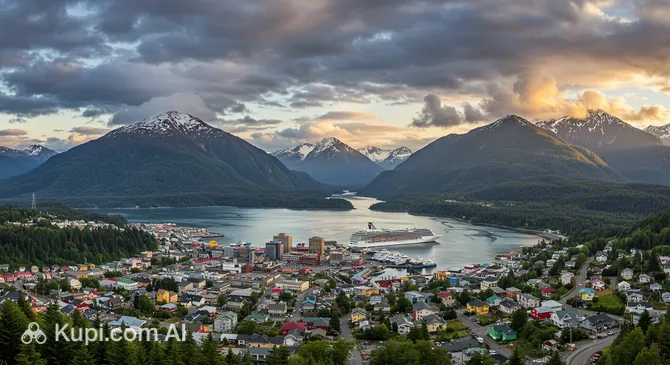
Juneau. Source: Kupi.Binoculars

The city's roots are deeply intertwined with the quest for precious metals. Visitors interested in the past can explore the fascinating history of Juneau, which was founded during the gold rush era before becoming the territorial capital. This rich heritage is still visible in the historic downtown architecture and local museums.

Nature is the main draw here, with the spectacular **Mendenhall Glacier** located just a short drive from downtown. Outdoor enthusiasts can also take the **Mount Roberts Tramway** for panoramic views of the Gastineau Channel or embark on unforgettable whale-watching excursions. Whether you are hiking through pristine trails or exploring the waterfront, the scenery is consistently breathtaking.

Juneau invites travelers to step away from the ordinary and embrace the wild beauty of the Last Frontier. It is a perfect destination for those seeking both relaxation and outdoor excitement in a truly majestic setting.

Weather Overview

The climate in Juneau is characterized by its maritime nature, resulting in mild temperatures compared to the Alaskan interior, though visitors should always be prepared for precipitation. The weather in Juneau tends to be cool and humid throughout the year, with significant cloud cover and frequent wet days. Regardless of when you visit, packing waterproof layers is essential, as rain or snow can occur in any season.

Winters are cold but generally moderate, with average temperatures in January and February hovering around -6°C and lows reaching approximately -8°C. Summers offer a pleasant respite with cooler conditions; July and August are typically the warmest months, seeing average temperatures of about 10°C and highs near 13°C. Precipitation is a constant companion here, with the number of wet days ranging from 17 to 24 per month, ensuring the surrounding rainforest remains lush and vibrant.

Interesting Facts

Beyond its famous glaciers and government buildings, Juneau holds plenty of surprises for the curious traveler. Here are a few fascinating details that make this Alaskan capital truly unique.
  • A Giant Among Cities: In terms of land area, Juneau is one of the largest municipalities in the United States. Spanning over 3,200 square miles, the city’s limits encompass a territory larger than the entire state of Delaware, meaning most of the "city" is actually pristine wilderness.

  • Gold Rush Origins: Long before it became the seat of government, the town was a rough-and-tumble mining camp founded by prospectors Joe Juneau and Richard Harris. Visitors can explore this glittering past and view authentic historical treasures at the Alaska State Museum, which preserves the region's rich cultural heritage.

  • Icefield in the Backyard: The city is backed by the massive Juneau Icefield, a frozen remnant of the last Ice Age that covers approximately 1,500 square miles. This colossal expanse of ice feeds nearly 40 large glaciers, creating a dramatic and ancient landscape just beyond the downtown streets.

  • Fortress of the Bears: The wilderness surrounding the capital supports a thriving wildlife population, particularly brown bears. Nearby Admiralty Island has one of the highest densities of brown bears in the world, outnumbering the human residents on the island.

Alaska State Museum. Source: Kupi.Binoculars

How to Get There

Reaching the capital of Alaska is an adventure in itself, as the city is uniquely isolated from the continental road network. There are no roads connecting it to the rest of North America or even other major Alaskan cities, so visitors must arrive by air or water. For detailed planning, you can find more about how to get to Juneau and choose the route that best suits your itinerary.

The primary and most convenient entry point is Juneau International Airport (JNU). Located approximately 11 km from the city center, it serves as the main hub for the region. Travelers can expect a transfer to downtown via taxi or shuttle to take around 35 to 40 minutes. This airport handles a significant volume of passengers annually and connects the city with major hubs like Seattle and Anchorage.

Another regional option is Sitka Airport (SIT), situated in the city of Sitka, about 150 km away. While it does not provide direct ground access to Juneau, it is a key stop in Southeast Alaska. Visitors might fly here and then connect via a smaller flight or the ferry system. The airport serves a smaller volume of travelers but remains an essential link for the archipelago.

Since there are no railway stations or highway connections, many visitors also choose to arrive via the Alaska Marine Highway System. Ferries and cruise ships offer a scenic alternative, gliding through the Inside Passage to dock directly at the city's port.

For clarity, here is a summary of the main airports:

Airport Name City Passenger Traffic Km from City
Juneau International Airport Juneau Large 11.0
Whitehorse Airport Whitehorse Medium 270.9
Sitka Airport Sitka Small 150.5
Kake Seaplane Base Kake Small 150.5

Main Attractions

Juneau offers a mix of cultural heritage, maritime history, and stunning natural encounters. The city's attractions allow visitors to explore everything from the lifecycle of local marine species to the rich traditions of Alaska's native peoples.

One of the most fascinating stops for nature enthusiasts is the Macaulay Salmon Hatchery. This facility provides a unique window into the local ecosystem, allowing guests to witness the incredible journey of Pacific salmon. During the summer months, you can watch adult salmon fight their way up the fish ladder, while the indoor aquarium showcases over 150 species of local marine life, offering an educational experience for all ages.

Macaulay Salmon Hatchery. Source: Kupi.Binoculars

For those interested in the deep roots of the region, the Alaska State Museum is a premier cultural institution. The museum houses an impressive collection that spans the state's Russian colonial era, the gold rush, and the diverse artistry of Alaska Native cultures. It is an excellent place to gain perspective on the history and art that shape the identity of the Last Frontier.

Alaska State Museum. Source: Kupi.Binoculars

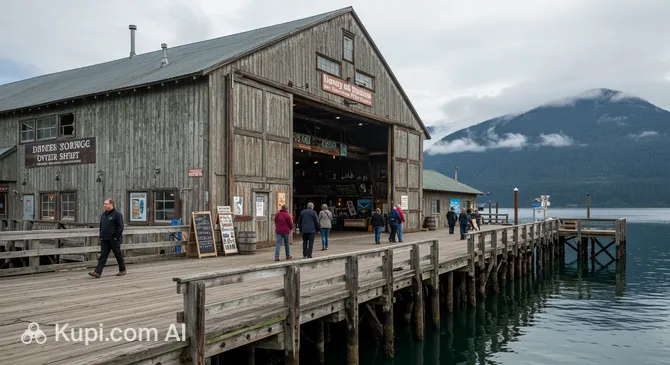
Dining in Juneau often comes with a side of history and scenery, particularly at The Hangar on the Wharf. Located in a historic building that once served as a hangar for floatplanes, this spot is a favorite for both locals and tourists. Visitors love the large windows that offer uninterrupted views of the Gastineau Channel, making it the perfect place to watch seaplanes take off while enjoying fresh local seafood.

The Hangar on the Wharf. Source: Kupi.Binoculars

For a drink with a view, the Timberline Bar at Mount Roberts offers an elevated experience in every sense. Situated at the top of the tramway, this venue provides sweeping panoramic vistas of the city, the channel, and the surrounding peaks. It is an ideal spot to relax after a hike or simply to soak in the majestic Alaskan landscape from a comfortable vantage point.

Local Cuisine

Juneau's culinary scene is an extension of its wild surroundings, offering some of the freshest seafood in the world. The cold, nutrient-rich waters of the Inside Passage provide an abundance of Pacific salmon, halibut, and rockfish, which form the backbone of local menus. Visitors simply cannot leave without trying Alaskan King Crab, often served simply with drawn butter to highlight its sweet, tender meat. Whether it is grilled Sockeye salmon or a hearty seafood chowder, the flavors here are authentic and unpretentious.

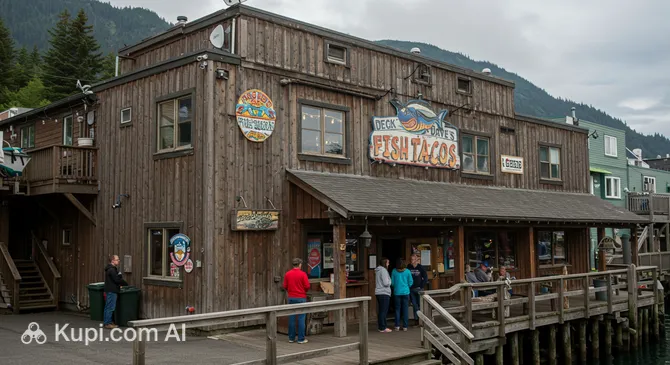
For a quintessential taste of the city's street food culture, Deckhand Dave's Fish Tacos is a must-visit spot. Located in the downtown area, this popular eatery serves locally caught fish in a casual, open-air setting. It perfectly captures the spirit of Juneau dining: high-quality ingredients served in a relaxed, friendly atmosphere where the focus is entirely on the food.

Deckhand Dave's Fish Tacos. Source: Kupi.Binoculars

When it comes to beverages, Juneau takes its craft seriously. The city is famous for its craft beer scene, with local breweries often using unique ingredients like spruce tips or glacial water to create distinct Alaskan ales. To experience the local pub culture, travelers can visit The Tr'Ale House, a welcoming bar that offers a wide selection of brews. For non-alcoholic options, coffee culture is thriving here, providing a warm and comforting way to start a misty morning or recharge after a hike.

The general dining atmosphere in Juneau is laid-back and welcoming. You will rarely find strict dress codes; instead, you will find a community that values comfort and warmth. During the summer tourist season, food trucks and outdoor stalls become a vibrant part of the landscape, allowing visitors to grab a delicious bite while exploring the waterfront. From upscale restaurants with harbor views to cozy cafes, the food scene is designed to fuel your adventures in the Last Frontier.

Travel Tips

Welcome to Juneau, where the rainforest meets the sea and urban life exists on the edge of the wilderness! To ensure your adventure in Alaska's capital is as smooth as it is spectacular, we have compiled a set of essential practical tips for your journey.

  1. Clothing and Gear: The weather here is famously wet, so packing high-quality waterproof layers is non-negotiable, regardless of the season. Locals often live in rubber boots (affectionately known as "Juneau sneakers"), so bring comfortable, water-resistant walking shoes. If you plan to hike, moisture-wicking fabrics are essential to stay warm and dry.

  2. Transportation: Downtown Juneau is compact and very walkable, but to reach key sites like the Mendenhall Glacier, you will need a vehicle. The public bus system, Capital Transit, is an affordable way to get around the main areas, though it does not go all the way to the glacier visitor center. Taxis and ride-sharing apps are available but can be in high demand when cruise ships are in port.

  3. Finances: The currency is the US Dollar (USD). Credit and debit cards are accepted almost everywhere, including most taxis and souvenir shops. However, carrying some cash is useful for small vendors or tipping guides. Be aware that prices for food and goods are generally higher than on the mainland due to shipping costs; standard tipping in restaurants is 15-20%.

  4. Health and Safety: Juneau is a safe city for tourists, but the wilderness poses unique risks. Black bears are common even near residential streets; never leave food unattended and always keep a safe distance. For medical issues, Bartlett Regional Hospital is fully equipped to handle emergencies, and pharmacies are available in the main shopping districts.

  5. Communication: English is the primary language spoken. Major US mobile carriers like AT&T and Verizon provide strong coverage within the city, but be prepared for the signal to drop quickly once you venture onto hiking trails or out on the water. Wi-Fi is widely available in hotels, cafes, and the public library.

  6. Local Etiquette: Alaskans are known for being friendly, practical, and unpretentious. It is customary to greet people with a smile, but be mindful of spatial awareness in downtown; when thousands of cruise passengers disembark, the sidewalks can get crowded, so try not to block the flow of foot traffic.

  7. What to Avoid: Do not approach wildlife for photos, no matter how calm an animal appears; this is dangerous for you and stressful for the animal. Additionally, avoid planning a road trip out of the city—remember, there are no roads connecting Juneau to the rest of Alaska, so you cannot drive to Anchorage or Fairbanks!

  8. Additional Tip: Check the cruise ship schedule before planning your day. Popular attractions like the Mount Roberts Tramway can be very busy when multiple ships are docked. Visiting these spots early in the morning or later in the evening often guarantees a more peaceful and personal experience.

With these practical tips in mind, you are fully prepared to navigate the unique geography and culture of this isolated capital. Embrace the misty air, respect the wild surroundings, and enjoy the unforgettable experience of exploring the Last Frontier!

Entertainment & Nightlife

Juneau's nightlife is distinctively Alaskan: unpretentious, friendly, and often centered around a good brew and a view. You won't find sprawling nightclubs or exclusive velvet ropes here. Instead, the evening scene revolves around cozy pubs, historic saloons, and lively bars where locals and visitors mingle effortlessly. The heart of the action is found in downtown Juneau, particularly along South Franklin Street, which buzzes with activity and music, especially during the long daylight hours of the summer season.

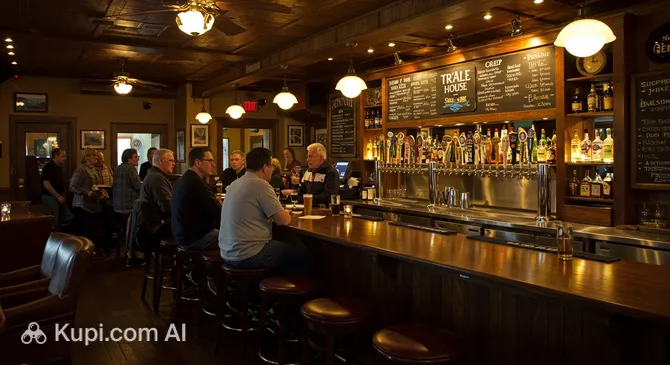
For a true taste of the local pub culture, The Tr'Ale House is a fantastic choice. Known for its welcoming atmosphere, it is a great place to unwind with a pint after a day of exploration. The venue captures the community spirit of the city, offering a wide selection of beverages in a setting that feels like a home away from home for residents and travelers alike.

The Tr'Ale House. Source: Kupi.Binoculars

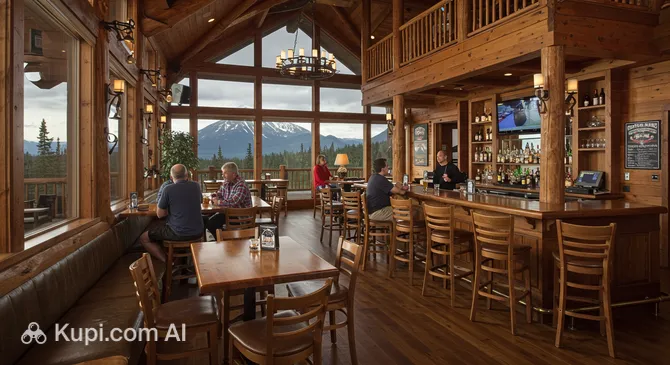
If you prefer your evening drinks accompanied by breathtaking scenery, you should head to the Timberline Bar at Mount Roberts. Perched high above the city at the top of the tramway, this venue offers what is arguably the best view in town. It is the perfect spot to watch the sunset over the channel while enjoying a cocktail. For those staying closer to the water, The Hangar on the Wharf transforms from a bustling restaurant into a lively evening spot where you can watch the seaplanes dock one last time for the night.

Timberline Bar at Mount Roberts. Source: Kupi.Binoculars

The atmosphere in Juneau's nightlife venues is casual and relaxed. The dress code is almost universally "Alaska casual," meaning jeans, flannel shirts, and sturdy boots are perfectly acceptable everywhere. Prices for drinks are comparable to major US cities, though imported beers and specialty cocktails might carry a premium due to shipping costs. Most venues are open until late, with bars typically closing around 2:00 AM on weekends.

Practical advice for a night out includes planning your transportation in advance. Ride-sharing services exist but can be sporadic, especially late at night. Local taxi companies operate, but wait times can be significant when bars close. Downtown is generally very safe for walking at night, but always stay aware of your surroundings. If you venture to the outskirts or unlit areas, be mindful that wildlife, including bears, can be active at night, even near the city.

While the city is famous for its outdoor pursuits, daytime entertainment also offers cultural depth. Visitors can explore local galleries, visit the city's numerous museums to learn about Native heritage, or catch a performance at the Perseverance Theatre, Alaska’s professional theater company. However, the transition from a day of hiking or cultural exploration to a relaxed evening at a warm saloon is what truly defines the Juneau experience.

Parks & Museums

Juneau is a city where the line between urban culture and untamed wilderness is beautifully blurred. The capital offers a remarkable selection of green spaces that serve as gateways to the Tongass National Forest, alongside cultural institutions that preserve the rich heritage of Alaska’s Native peoples and the spirited history of the gold rush era.

The most iconic natural area is undoubtedly the Mendenhall Glacier Recreation Area. While it is famous for the massive river of ice that terminates in Mendenhall Lake, the surrounding parkland offers an extensive network of trails suitable for all skill levels. Visitors can take an easy walk to the thundering Nugget Falls or explore the boardwalks over steep creeks where bears are often seen fishing for salmon. It is a quintessential Alaskan park where glaciers, rainforests, and wildlife converge.

For a more curated botanical experience, the Glacier Gardens Rainforest Adventure offers a unique perspective on the local flora. Situated within the temperate rainforest, this botanical garden is renowned for its "flower towers"—upside-down trees with their roots planted in the ground, forming natural flower baskets. A guided tour here takes visitors up Thunder Mountain for sweeping views of the channel, making it a perfect blend of horticulture and panoramic sightseeing.

When it comes to history and culture, the Alaska State Museum stands as the city's premier institution. Recently renovated, this facility houses an extensive collection that covers everything from the Russian colonial period to the state's purchase by the United States. Its exhibits on Alaska Native cultures are particularly compelling, featuring intricate weaving, totem poles, and ceremonial objects that tell the story of the Tlingit, Haida, and Tsimshian peoples.

Another significant cultural venue is the Juneau-Douglas City Museum, located just steps from the State Capitol. This intimate museum focuses specifically on the local history of the Juneau area, with a strong emphasis on the hard-rock gold mining that founded the city. It offers a deep dive into the daily lives of the miners and the early development of the town, providing context to the historic buildings you see downtown.

For an authentic and quieter experience, seek out the Jensen-Olson Arboretum. Located "out the road" (as locals say) about 23 miles north of downtown, this hidden gem is a historic homestead turned public garden. It holds national recognition for its collection of primroses and offers a peaceful, stony beach with stunning views of the Chilkat Mountains, far removed from the bustle of the cruise ship docks.

Getting Around

Navigating Juneau is relatively straightforward, though the public transport options are quite different from those found in larger metropolises. Due to the city's compact size and unique geography, there is no subway, light rail, or train system. Instead, the primary mode of public transportation is the bus network, known as Capital Transit. This reliable service connects the main hubs of the area, including downtown, the Mendenhall Valley, and Douglas Island, making it a cost-effective way for visitors to move between major districts.

For tourists, the bus system is useful but comes with specific limitations. While Capital Transit routes cover many residential and commercial areas, they do not provide direct service to the visitor center of the famous Mendenhall Glacier. The closest stop is approximately 1.5 miles away, requiring a significant walk. For this specific attraction, most travelers opt for private "Glacier Express" shuttles or tour buses, which are tailored specifically to visitor needs and operate frequently from the downtown cruise ship terminal.

Paying for public transport is simple but requires preparation. The fare is very affordable, typically around $2.00 for a one-way adult ticket. Drivers cannot give change, so it is essential to have the exact cash fare ready when you board. For those planning to use the bus frequently, day passes or token books can be purchased at local libraries, City Hall, and major grocery stores. There is currently no tap-to-pay system or mobile app for direct ticket purchases on the bus, so keeping small bills and coins on hand is highly recommended.

Taxis and ride-sharing services like Uber and Lyft offer a convenient alternative, especially for reaching destinations not served by the bus or for late-night travel. Taxis are generally reliable and can be hailed downtown or booked by phone. Ride-sharing availability can fluctuate depending on the season and the number of cruise ships in port, so allow extra time when booking a ride during peak hours. For short distances within the historic downtown area, walking is often the best option, as most shops, restaurants, and museums are clustered close together.

A unique form of vertical transport in the city is the Mount Roberts Tramway. While primarily a tourist attraction, this aerial cable car serves as a functional link between the downtown waterfront and the mountain trails above. Rising 1,800 feet through the rainforest, it offers not just a ride but a spectacular panoramic view of the channel and the city below, making it the most scenic way to travel in the region.

Accommodation

Accommodation in Juneau ranges from standard chain hotels to charming bed-and-breakfasts and rustic wilderness lodges. While you won't find the massive, sprawling luxury resorts typical of tropical destinations, the city offers comfortable and authentic places to stay that reflect the local character. Options include full-service hotels, cozy inns, private vacation rentals, and even cabins for those looking to immerse themselves in nature.

The most popular area for tourists to stay is Downtown Juneau. Staying here places you within walking distance of the historic waterfront, the cruise ship terminals, and many of the city's best restaurants and museums. It is the most convenient location for travelers who prefer not to rent a car, as many tour operators pick up directly from downtown hotels. Alternatively, the Mendenhall Valley, located near the airport and the glacier, offers a quieter atmosphere. This area is ideal for those with a vehicle or those who prioritize proximity to the airport and outdoor trails over the bustle of the town center.

A crucial tip for visiting Juneau is to book your accommodation well in advance. The summer season, spanning from May to September, sees a high influx of visitors, and the limited number of rooms in the city can fill up months ahead of time. This is particularly true for independent travelers, as large tour groups often secure block bookings early in the year. Waiting until the last minute can result in very limited choices or significantly higher rates.

Prices in Juneau tend to be higher than the national average, reflecting the general cost of living in Alaska. Travelers should be prepared for the following general ranges:

  • Budget: True budget options like hostels are scarce; camping or modest guesthouses are the main alternatives for cost-conscious travelers.
  • Mid-range: Standard hotels and motels provide reliable comfort but can still be relatively pricey during the peak summer months.
  • High-end: Boutique hotels and waterfront lodges offer premium services and exceptional views, commanding the highest rates.

Most accommodations can be booked via major online travel platforms, which is convenient for comparing prices. However, for smaller bed-and-breakfasts or remote lodges, booking directly through their websites or calling them can sometimes yield better availability or more personalized service.

Nearby Cities

Nearby Cities:

For those looking to explore the surroundings, Juneau serves as an excellent base for day trips to several interesting nearby locations:

City Population Distance (km)
Craig 9026 324
Sitka 8518 149
Haines 2500 120
Wrangell 2369 238
Skagway 1200 139

Among these destinations, Skagway is arguably the most popular choice for a historical adventure. Known as the "Gateway to the Klondike," this town preserves the spirit of the 1898 Gold Rush with its well-maintained wooden boardwalks and historic storefronts. Visitors can ride the famous White Pass & Yukon Route Railroad, which offers breathtaking views of mountains and gorges, making it a perfect excursion for history buffs and nature lovers alike.

Another fantastic option is Haines, located just a scenic ferry ride away up the Lynn Canal. Unlike the busy tourist atmosphere of other ports, this town offers a more authentic, small-town Alaskan vibe. It is world-renowned for the Alaska Chilkat Bald Eagle Preserve, where thousands of eagles gather, particularly in late autumn. The area is also a haven for artists and outdoor enthusiasts, offering incredible hiking and kayaking opportunities in a serene setting.

For those willing to travel a bit further, Sitka offers a unique blend of Tlingit culture and Russian colonial history. Situated on the outer coast of the Inside Passage, it features the beautiful Sitka National Historical Park and the Russian Bishop's House. While it may require a short flight or a longer ferry ride, the stunning coastal scenery and rich heritage make it well worth the visit.

These nearby destinations offer a glimpse into the diverse culture and landscapes of the region.

Shopping & Souvenirs

Shopping in Juneau is a delightful exploration of Alaskan culture, focusing on locally made handicrafts, outdoor gear, and regional delicacies rather than large international fashion chains. The city is renowned for its authentic Native Alaskan art, jewelry, and high-quality winter apparel. Visitors will find that the retail experience here is intimate and personal, often providing a chance to meet the artists and makers behind the products.

The primary hub for retail therapy is historic South Franklin Street in the downtown area. Conveniently located near the cruise ship terminals, this bustling corridor is lined with restored Victorian-era buildings that now house galleries, gift shops, and furriers. It is the perfect place to stroll while admiring the architecture and browsing for unique treasures. Another key area is the Merchant’s Wharf, located right on the waterfront, offering a selection of specialty boutiques with scenic views of the channel.

For those seeking a more conventional shopping experience or needing to restock on travel essentials, the Nugget Mall in the Mendenhall Valley is the city's main shopping center. located about 15 minutes from downtown, it features a variety of retail stores, including outdoor outfitters that are perfect for equipping yourself for Alaskan adventures. The nearby Mendenhall Mall also offers a range of services and shops, serving as a practical stop for locals and visitors alike.

While Juneau does not have a permanent grand bazaar, the summer season brings a market-like atmosphere to the waterfront. Various outdoor vendors and pop-up stalls often set up near the docks, selling everything from handmade soaps to local photography. Additionally, during the holiday season, the Juneau Public Market is a major event, though summer visitors will mostly find local artisans showcasing their work in galleries and smaller seasonal setups throughout the city.

When it comes to souvenirs, authentic items are the best choice. Smoked salmon is a classic gift, often sold in travel-safe pouches that require no refrigeration until opened. Native Alaskan art, such as hand-carved wooden totems, silver jewelry with Tlingit designs, or traditional beadwork, is highly prized; look for the "Silver Hand" seal to ensure authenticity. Another popular keepsake is the ulu knife, a traditional curved blade used by Indigenous peoples, which serves as both a practical kitchen tool and a beautiful display piece.

Store hours in the downtown tourist district are heavily influenced by the cruise ship schedule. During the peak summer season (May to September), many shops open early and stay open as late as 9:00 PM or 10:00 PM to accommodate visitors. In the off-season, hours are significantly reduced. Major credit cards are widely accepted throughout the city, though carrying small amounts of cash can be useful for smaller vendor stalls.

Travelers should be aware that Juneau collects a city sales tax of 5% on goods and services. Unlike many European destinations, the United States does not typically offer a Value Added Tax (VAT) refund system for international tourists. Therefore, the price you see on the shelf will usually have this local tax added at the register, and it is not refundable upon departure.

Reached the end of the page?

That means the route is fully explored