Support

Wrangell

About

Wrangell is a captivating destination nestled in the heart of the Inside Passage of Southeast Alaska. As one of the oldest non-Native settlements in the United States, this charming town offers a perfect blend of rich heritage and breathtaking wilderness. Unlike the busier cruise ports nearby, Wrangell retains a quiet, authentic atmosphere that allows visitors to truly connect with the rugged beauty of the region without the crowds.

Geographically, the city is situated on the northern tip of Wrangell Island, serving as the gateway to the mighty Stikine River. The local climate is typical of a temperate rainforest, characterized by mild temperatures and frequent rainfall that keeps the surrounding landscape lush and vibrant green. With a population of roughly 2,400 residents, the community is tight-knit and welcoming, offering a distinctively cozy and friendly vibe to all who visit.
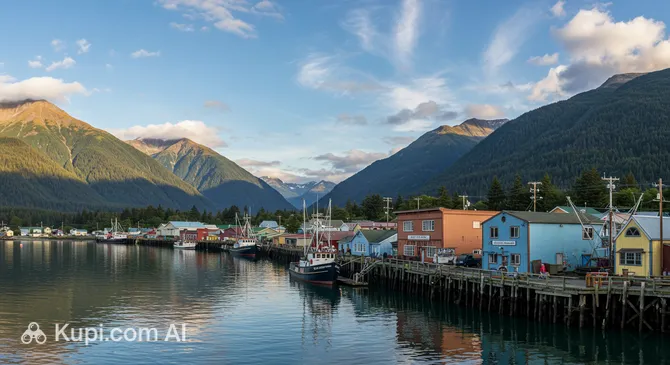
Wrangell. Source: Kupi.Binoculars

The area boasts a deep and complex past that is unique in the region. It is often celebrated as the only Alaskan city to have been governed under four different flags: the Tlingit, Russia, Great Britain, and the United States. Exploring the history of Wrangell reveals a fascinating tapestry of indigenous culture, fur trading, and gold rush excitement that has deeply shaped the town's identity over the centuries.

Travelers are drawn here for exceptional outdoor experiences and cultural sites. Petroglyph Beach is a standout attraction, featuring one of the highest concentrations of ancient rock carvings in the region, which are best viewed at low tide. Nature enthusiasts often flock to the Anan Wildlife Observatory, a world-class location for observing brown and black bears feeding on pink salmon. Additionally, Chief Shakes Island provides a serene setting to admire a meticulously restored Tlingit tribal house and impressive totem poles.

Whether you are looking to explore the untouched wilderness of the Stikine River delta or immerse yourself in local legends, Wrangell offers an unforgettable journey. It is an ideal destination for those seeking an off-the-beaten-path adventure in the Last Frontier, inviting you to experience the true spirit of Alaska.

Weather Overview

The climate in this region is defined by its maritime setting, resulting in moderate temperatures and a significant number of wet days throughout the year. To get a detailed forecast for your specific travel dates, you can check the current weather in Wrangell. Generally, the air remains moist and cool, sustaining the dense rainforests that surround the town.

Winters are chilly but usually avoid the deep freeze typical of interior Alaska, with average temperatures in January and February sitting around -1.6°C to -2.4°C. Precipitation is very frequent during this time, with up to 22 wet days a month, often manifesting as rain or light snow. Travelers should pack warm, waterproof layers to stay comfortable during the cooler months.

The summer season offers milder conditions, though it rarely gets hot. Average temperatures in July and August reach about 14.2°C, with highs peaking near 17.3°C. Even during the warmest months, rain is common, with approximately 18 to 20 wet days per month. Expect mild, temperate summers with frequent showers and cool, damp winters.

Interesting Facts

Beyond the main attractions, Wrangell holds many fascinating secrets that reveal its wild and colorful past. From famous lawmen to unique local traditions, this small island community has stories that rival any major metropolis.

  • Wyatt Earp’s Brief Tenure: The famous Wild West lawman Wyatt Earp once walked these streets. During the Klondike Gold Rush in 1898, Earp spent a winter in Wrangell and served as a volunteer deputy marshal for just ten days. Legend has it that he decided to move on because the town was "too wild" even for him, although he was likely just continuing his journey north to the gold fields.

  • A Gemstone Tradition for Children: The nearby Garnet Ledge has a history unlike any other mine. It was once owned by the first all-female corporation in the United States, but today it operates under a charming local rule. The site is held in trust for the children of Wrangell, and by tradition, only the local children are allowed to sell the ruby-red garnets to visitors at the docks, teaching them entrepreneurship from a young age.

  • Golfing with Ravens: The local golf course, Muskeg Meadows, is known for a peculiar hazard not found in standard rulebooks: thieving birds. Ravens in the area are notorious for swooping down and stealing golf balls from the fairways. The behavior is so common that the course has adopted a specific local rule allowing players to replace a stolen ball without incurring a penalty.

  • Alaska’s Oldest Newspaper: Wrangell is home to the oldest continuously published newspaper in the state. The Wrangell Sentinel has been in print since 1902, serving as a vital chronicler of the region's history. It has documented everything from the gold rush era to modern-day life, providing an unbroken narrative of the community's resilience and evolution long before many other Alaskan settlements had a press.

How to Get There

Reaching Wrangell is an adventure in itself, often involving a scenic journey through the waterways or skies of Southeast Alaska. Since the city is located on an island, visitors typically arrive by air or sea. For those planning their logistics, you can find more about how to get to Wrangell and the specific transport options available to suit your itinerary.

The city of Wrangell does not have its own major international airport listed here, but you can fly into neighboring hubs and connect from there. One of the closest options is Ketchikan International Airport (KTN), located in the city of Ketchikan, approximately 131 km from Wrangell. This airport handles a significant volume of regional traffic. Since there are no roads connecting these islands, travelers typically board a short connecting flight or take a scenic ferry ride to cover the distance.

Another major gateway is Juneau International Airport (JNU), situated in the state capital, Juneau. It is located about 247.8 km from Wrangell and serves as a primary hub for the region with substantial passenger traffic. From Juneau, visitors usually transfer to a regional flight or embark on a voyage with the Alaska Marine Highway ferry system to reach Wrangell.

For clarity, here is a summary of the main airports in the vicinity:

Airport Name City Passenger Traffic Km from City
Juneau International Airport Juneau Large 247.8
Ketchikan International Airport Ketchikan Medium 131.0
Sitka Airport Sitka Medium 193.2
Digby Island Airport Prince Rupert Small 272.4
Kake Seaplane Base Kake Small 110.9

Rail travel is not a direct option for reaching Wrangell, as the city is not connected to the continental rail network. However, for those exploring the broader region, the Prince Rupert Railway Station (XDW) is the nearest significant rail hub. It is located in the city of Prince Rupert, roughly 274.3 km away. Since there is no road access to Wrangell from here, travelers arriving by train must switch to the Alaska Marine Highway ferry system to continue their journey north.

Below is the information regarding the nearest railway station:

Station City Passenger Traffic Km to Center
Prince Rupert Railway Station Prince Rupert Small 274.3

Main Attractions

Petroglyph Beach State Historic Park is a must-visit destination for those interested in the ancient history of the region. Located just a short distance from the town center, this beach contains one of the highest concentrations of Native American rock carvings in Southeast Alaska. The mysterious symbols, including spirals, faces, and animals, are believed to be thousands of years old. It is particularly interesting for tourists because the carvings are best revealed at low tide, turning a beach walk into an exciting historical scavenger hunt.

Anan Wildlife Observatory offers one of the most spectacular wildlife viewing experiences in the state. Accessible by boat or floatplane, this site features a maintained observation deck overlooking a waterfall where pink salmon run in the summer. It is unique because it is one of the few places where visitors can safely watch and photograph both black and brown bears fishing together in the same stream, making it a world-class location for nature photography.

Chief Shakes Island sits peacefully in the center of the inner harbor, connected to the main town by a scenic wooden footbridge. The island is home to the Shakes Community House, a replica of a traditional Tlingit tribal house, surrounded by impressive totem poles. This site is fascinating for travelers as it provides a tangible connection to the rich indigenous culture of the area and honors the lineage of the local Tlingit chiefs.

The Wrangell Museum, located within the James & Elsie Nolan Center, serves as the cultural heart of the community. The museum houses a diverse collection of artifacts ranging from Tlingit tools and Russian trading beads to memorabilia from the gold rush era. It is an essential stop for tourists who want to understand the city's unique distinction of being governed under four different flags throughout its history.

The Stikine River is a massive, fast-flowing waterway that serves as a gateway to the true Alaskan wilderness. Known as "The Great River," it flows from British Columbia through the Tongass National Forest to the delta near Wrangell. It is a major draw for adventure seekers who take jet boat tours to witness the breathtaking Shakes Glacier, navigate through icebergs, and spot moose, eagles, and seals in their natural habitat.

Local Cuisine

The culinary experience in Wrangell is inextricably linked to the bountiful waters of the Inside Passage, making it a paradise for seafood lovers. As a working fishing community, the town offers an authentic ocean-to-table dining scene where freshness is guaranteed. Dungeness crab is a local highlight, renowned for its sweet, tender meat, and is often served simply steamed or as rich crab cakes. Another staple is Pacific halibut, which locals and visitors alike enjoy grilled, baked, or fried into the freshest fish and chips you can imagine.

Beyond the catch of the day, the region's forests provide their own delicious ingredients. During the summer months, berries grow wild in the surrounding wilderness, finding their way into the local cuisine. You should definitely try desserts made with huckleberries or blueberries, such as pies, cobblers, and jams. Smoked salmon is another signature treat, often prepared using traditional methods that have been passed down through generations, making for a perfect savory snack or a souvenir to take home.

When it comes to beverages, the local culture is heavily influenced by the cool, rainy climate. Coffee culture is strong here, with cozy spots serving hot drinks to warm up hikers and fishermen. For something stronger, the region embraces the craft beer movement of the Pacific Northwest. You can find a selection of Alaskan ales and stouts on tap, including unique seasonal brews flavored with local spruce tips, offering a distinct taste of the rainforest.

The food culture in Wrangell is unpretentious and deeply welcoming. There are no strict dress codes or high-end formalities; instead, dining is a casual affair focused on hearty portions and community. Locals and tourists mingle in the town's few restaurants, hotel dining rooms, and burger shacks, sharing stories of the day's adventures. Whether you are grabbing a quick bite at a harbor stall or sitting down for a seafood feast, the atmosphere is always relaxed and friendly.

Travel Tips

Visiting Wrangell requires a bit more foresight than the average destination due to its remote island location and deep wilderness setting. These practical tips will help you navigate the logistics and local customs, ensuring your adventure in the Stikine region is smooth, safe, and enjoyable.

  1. Clothing and Gear: Since the city is located in a temperate rainforest, waterproof gear is your best friend regardless of the season. Pack a high-quality rain jacket, rain pants, and sturdy, water-resistant boots. Dress in layers using wool or synthetic materials, as cotton takes a long time to dry. If you plan to visit churches or community halls, casual but neat and respectful attire is the standard.

  2. Transportation: The downtown area and harbor are compact and easily walkable, but to explore the rest of the island, you will need a vehicle. Public mass transit is not available, and ride-hailing apps like Uber or Lyft do not operate here. It is highly recommended to rent a car well in advance or use local taxi services, though availability can be limited, especially during the summer season.

  3. Finances: The currency used is the US Dollar, consistent with the rest of the United States. While most hotels, restaurants, and tour operators accept credit cards, it is wise to carry cash. You will need it for small purchases, tipping, or buying garnets from the local children at the ferry terminal. ATMs are available but can be scarce, so withdraw cash before leaving the town center.

  4. Health and Safety: Wrangell has a medical center and a pharmacy, but hours are generally limited to business days and they are not open 24/7. Bring a personal supply of essential medications. The primary safety concern is wildlife; be bear aware. Carry bear spray, travel in groups, and make noise when hiking to avoid startling animals.

  5. Communication: English is the main language spoken. Mobile coverage is generally reliable within the town limits (providers like AT&T and GCI work best) but expect the signal to vanish quickly as you travel out the road or onto the water. Wi-Fi is standard in accommodations and cafes, though speeds may be slower than on the mainland.

  6. Local Etiquette: This is a tight-knit community where people often greet strangers on the street. It is polite to return a wave from passing drivers or a "hello" on the sidewalk. When visiting Tlingit cultural sites, such as Chief Shakes Island, show deep respect. Do not touch totem poles or artifacts unless explicitly told it is permitted, and always ask before photographing locals.

  7. What to Avoid: Never attempt to feed or approach wildlife, including eagles, bears, and moose. It is dangerous for you and detrimental to the animals. Additionally, avoid trespassing on private property; while much of Alaska looks like open wilderness, many areas near the road system are privately owned.

  8. Ferry Schedule Awareness: If you are traveling by the Alaska Marine Highway, remember that the ferry schedule can be subject to weather delays or mechanical changes. A useful local tip is to always double-check the departure times 24 hours in advance and keep your travel itinerary flexible to accommodate the "island time" logistics.

By packing the right gear and embracing the slower, nature-focused pace of island life, you will fit right in with the locals. Enjoy the pristine air, the rich history, and the warm hospitality that make this Alaskan town a truly special place to visit.

Entertainment & Nightlife

Entertainment in Wrangell is deeply rooted in its community spirit and the stunning natural environment that surrounds it. Unlike the bustling entertainment districts found in many major cities across the United States, this island town offers a more relaxed pace where leisure activities revolve around local gatherings, cultural events, and outdoor recreation. Visitors will find that the best way to enjoy their time here is to embrace the local lifestyle, attending town festivals and exploring the unique offerings of local artisans.

The town is famous throughout Southeast Alaska for its enthusiastic celebrations. The Fourth of July is the biggest event of the year, transforming the quiet community into a lively hub of activity. The festivities last for several days and include a parade, a logging show, fireworks, and street games, drawing visitors from all over the region. Another major event is the Alaska Bearfest in the summer, which celebrates the area's wildlife with educational workshops, art exhibitions, and a marathon, offering a fun and informative experience for all ages.

For a cultural evening or a rainy day activity, the James & Elsie Nolan Center is the primary venue for indoor entertainment. This modern facility serves as the town's gathering place, featuring a theater that screens current movies and hosts community performances. It provides a comfortable setting to enjoy a film or attend a lecture, keeping travelers connected to the arts even in this remote setting.

Active leisure is a key part of life here, and golfers can enjoy a round at the Muskeg Meadows Golf Course. This course is distinct for its setting amidst the rainforest and its construction on ancient peat bogs. It offers a challenging and scenic game surrounded by mountains and tall trees, providing a sporting experience that is harmoniously integrated with the wild Alaskan landscape.

Shopping in Wrangell is a personal and authentic experience. The town does not have chain stores; instead, you will find small galleries and shops featuring works by local artists. Look for traditional Tlingit carvings, hand-knit woolens, and jewelry. A unique local tradition involves purchasing Wrangell garnets directly from the town's children near the ferry terminal, a charming interaction that yields a beautiful natural souvenir.

Nightlife in the city is casual and welcoming. There are a few friendly bars and the local Elks Lodge where visitors can unwind with a drink, play a game of pool, and chat with the locals. These spots are less about loud music and more about sharing stories of the day's adventures, offering a warm and inviting atmosphere to end the evening.

Parks & Museums

Wrangell invites visitors to step into a landscape where lush rainforests meet rich indigenous heritage. The city’s green spaces are not merely manicured gardens but gateways to the wild Alaskan environment, seamlessly blending recreation with the rugged beauty of the island. Exploring these sites offers a deeper understanding of the community's connection to the land and sea, providing accessible adventures just minutes from the town center.

Shoemaker Bay Recreation Area is a versatile hub for outdoor activity located just a few miles south of the downtown harbor. It serves as a favorite gathering spot for locals and travelers alike, featuring a protected small boat harbor, picnic shelters, and a designated camping area nestled against the forest edge. The site is equipped with tennis courts and a playground, making it ideal for families, while the waterfront offers stunning views of the Zimovia Strait, especially during sunset. It is a perfect location to relax by the water before or after an adventure, as it sits directly across from the trailhead for the Rainbow Falls hike.

For a panoramic perspective of the area, the Mount Dewey Trail offers a rewarding historical hike. Known locally as "Muir’s Mountain," this trail follows the path once taken by naturalist John Muir in 1879, who famously described his experience here in his writings. The route winds through a dense canopy of spruce and hemlock, leading to an observation deck that overlooks the town, the harbor, and the surrounding waterways. It is an excellent short excursion for those wanting to immerse themselves in the rainforest atmosphere without committing to a full-day expedition.

In the heart of the downtown district, Kiksetti Totem Park stands as a significant cultural pocket park. Unlike the larger historical sites on the island, this intimate green space allows for a quiet moment of reflection amidst towering totem poles. The park is dedicated to the history of the Kiks.ádi clan and features impressive replicas of traditional poles, including the renowned Kiks.ádi Totem. It serves as a daily reminder of the indigenous heritage that is deeply woven into the fabric of the community, offering a unique blend of art, history, and nature in an urban setting.

Just across the road from Shoemaker Bay, the Rainbow Falls Trail provides a quintessential Southeast Alaskan sensory experience. The trail is well-maintained with boardwalks and stairs that climb through the lush, moss-draped forest. The highlight is the waterfall itself, which cascades down a steep rock face and is particularly robust after a rainfall. The mist from the falls and the vibrant green of the surrounding vegetation create a magical atmosphere, making it a favorite spot for photographers and nature lovers seeking the tranquility of the woods.

For a relaxing stroll that captures the local community spirit, Volunteer Park is another excellent option. Located near the town's recreational fields, this park features a gentle nature trail loop that meanders through a mix of forest and muskeg landscapes. It offers a softer, flatter terrain compared to the mountain hikes, making it accessible for visitors of all ages. The trail is a fantastic place to observe local flora, such as skunk cabbage and wild berries, and to enjoy a peaceful walk in the fresh island air.

Getting Around

Travelers visiting Wrangell should be aware that the city does not have a public mass transit system. Due to its small population and remote island setting, you will not find buses, subways, trams, or trains operating within the town. The community is compact, and the infrastructure is designed primarily for private vehicles and pedestrian traffic, meaning visitors need to plan their mobility independently rather than relying on a municipal network.

Since there are no public transport routes, there are no travel passes, transit cards, or mobile ticketing apps to worry about. For the available transport alternatives, such as taxis or rentals, the payment system is straightforward. Transactions are typically conducted in US dollars. While credit cards are increasingly accepted, it is highly advisable to carry cash, especially for shorter taxi rides or independent shuttles, as electronic payment systems can sometimes be unreliable due to connectivity issues.

The most practical alternative for getting around is using a local taxi service. There are a few independent operators in the city, but they do not function like the fleets in major metropolitan areas. You cannot simply hail a cab on the street. Instead, you must call ahead to schedule a pickup. It is recommended to book your rides in advance, particularly if you need to get to the ferry terminal or airport early in the morning or late at night, as 24-hour service is not guaranteed.

For those wishing to explore beyond the immediate downtown area, renting a car is the most convenient option. This allows you to access attractions located further out the road, such as the start of hiking trails or scenic viewpoints, at your own pace. However, the fleet of rental vehicles on the island is very small. Tourists are strongly advised to reserve a vehicle weeks or even months prior to their trip, especially during the peak summer season, as cars often sell out completely.

Within the heart of the town, walking is a delightful and viable way to navigate. The downtown area, including the ferry terminal, main hotels, museums, and the harbor, is concentrated and easily accessible on foot. For a slightly faster pace, some local businesses may offer bicycle rentals during the summer months, allowing you to pedal along the coastal road and enjoy the fresh island air. Ride-sharing apps like Uber or Lyft generally do not operate in this location, so do not rely on them for your transportation needs.

Accommodation

Accommodation in Wrangell is characterized by its small-town charm and authentic Alaskan hospitality. Unlike larger cities in the United States, you will not find major international hotel chains or sprawling resorts here. Instead, the options are primarily locally owned and range from historic waterfront hotels and rustic lodges to cozy bed and breakfasts run by welcoming families. This selection allows visitors to experience a more personal connection with the community and the surrounding wilderness.

The most convenient area to stay for many travelers is the downtown district, particularly near the harbor and the ferry terminal. Choosing a hotel or inn in this location places you within easy walking distance of the main attractions, such as Petroglyph Beach and the Wrangell Museum, as well as local restaurants and shops. For those seeking a quieter retreat, the area along the Zimovia Highway offers several bed and breakfasts and vacation rentals that provide stunning views of the water and easy access to hiking trails, though you may need a vehicle to get back to the town center.

For visitors interested in fishing or wildlife viewing, there are specialized lodges often located a bit further from the main town or accessible by boat. These establishments typically offer package deals that include guided adventures and meals, catering to those who want an immersive outdoor experience. While they can be pricier than standard hotels, they provide a unique opportunity to stay right on the edge of the pristine Tongass National Forest.

Booking accommodation in Wrangell requires some forward planning, especially if you intend to visit during the peak summer season from late May to early September. Because the inventory of rooms is limited compared to major tourist hubs, places can fill up months in advance. It is highly recommended to secure your reservation as soon as your travel dates are confirmed to avoid disappointment.

Prices generally fall into the mid-range category, though costs can vary significantly depending on the type of lodging. Standard hotel rooms and B&Bs are usually affordable, while exclusive fishing lodges represent the luxury end of the spectrum. Most accommodations can be booked via online travel platforms, but due to the local nature of many businesses, some of the best smaller guest houses and rentals may require direct booking through their own websites or by phone.

Nearby Cities

For those looking to explore the surroundings, Wrangell serves as an excellent base for day trips or short visits to several interesting nearby locations. While travel between these communities typically involves a scenic flight or a ferry ride due to the island geography, the journey itself offers breathtaking views of the Inside Passage.

Ketchikan is one of the most popular nearby destinations, known famously as the "Salmon Capital of the World." It is a vibrant town where visitors can stroll along the historic Creek Street boardwalks, explore the Tongass Historical Museum, and admire the world's largest collection of standing totem poles. Juneau, the state capital, is another fantastic option accessible by a short flight. Here, travelers can witness the majestic Mendenhall Glacier, take the tram up Mount Roberts for panoramic views, or explore the lively downtown area nestled at the base of towering mountains. For those interested in history, Sitka offers a unique blend of Tlingit culture and Russian heritage, set against a backdrop of dramatic coastal scenery on the outer edge of the archipelago.

City Population Distance (km)
Juneau 32240 238
Ketchikan 13948 134
Craig 9026 120
Sitka 8518 192
Haines 2500 358

These nearby destinations offer a glimpse into the diverse culture and landscapes of the region, allowing travelers to experience the distinct character of Southeast Alaska beyond Wrangell.

Shopping & Souvenirs

Shopping in Wrangell offers a refreshingly authentic experience that stands in stark contrast to the commercialized retail scenes of larger cities. You will not find sprawling shopping malls, high-end fashion chains, or generic souvenir traps here. Instead, the city prides itself on a selection of locally owned businesses, small galleries, and specialty stores that reflect the unique character of Southeast Alaska. Visitors can expect to find high-quality handcrafted items, regional art, and practical outdoor gear, all while enjoying friendly conversations with shop owners who are often the artists themselves.

The primary shopping district is concentrated along Front Street in the downtown area, making it easily accessible on foot for anyone arriving by ferry or staying in local lodgings. This walkable stretch serves as the commercial heart of the community, where historic buildings house a variety of enterprises. A stroll down this street allows you to visit nearly all the town’s key retailers, from hardware stores stocking essential fishing supplies to charming boutiques filled with books, gifts, and Alaskan apparel.

Travelers looking for large shopping complexes or department stores will not find them in this remote island community. Wrangell does not have any shopping malls. The retail landscape is defined strictly by small, independent proprietors. This absence of big-box retail preserves the town's quaint atmosphere and ensures that the money you spend stays directly within the local economy, supporting the families who live here.

While there are no traditional covered markets, the town offers one of the most unique "market" experiences in Alaska right at the ferry terminal and cruise ship dock. By local tradition and law, the children of Wrangell are the only ones permitted to sell Wrangell garnets to visitors. These deep red semi-precious stones are harvested from a nearby ledge held in trust for the town's youth. Buying a garnet directly from a local child is not just a transaction; it is a charming interaction and a rite of passage for the young sellers learning entrepreneurship.

When it comes to souvenirs, the best items to bring back are those that capture the spirit of the region. Tlingit art is a highlight, with local carvers creating exquisite wooden masks, paddles, and silver jewelry featuring traditional formline designs. Food items are also popular, particularly shelf-stable smoked salmon and jars of jam made from wild Alaskan berries like huckleberries and nagoonberries. Of course, the locally mined garnets remain the signature keepsake of any trip to this island.

Store hours in the city generally follow a standard schedule, typically opening around 9:00 AM or 10:00 AM and closing by 5:00 PM or 6:00 PM. Be aware that many shops may close on Sundays or have reduced hours during the off-peak winter season. In terms of payment, major credit cards are widely accepted at established businesses and the museum gift shop. However, carrying US dollars is essential, especially for purchasing garnets from the children at the docks, as they operate strictly on a cash basis.

Regarding taxes, it is important to note that while the state of Alaska does not have a statewide sales tax, local municipalities are free to levy their own. Wrangell charges a local sales tax (typically 7%) on goods and services. There is no tax refund system for tourists in the United States, so the price you pay at the register, including the local tax, is final.

Reached the end of the page?

That means the route is fully explored