Support

Terrace

About

Terrace is a captivating destination nestled in the heart of the Skeena River Valley. Known for its stunning natural beauty and friendly community atmosphere, this city serves as the vital service hub for the northwestern region of British Columbia. Surrounded by the majestic Coast Mountains, it offers a perfect blend of urban convenience and wilderness adventure, making it a strategic stop for travelers exploring the north.

Geographically, the city is situated on a series of natural flat benches, or terraces, rising from the river, which inspired its name. Located in Canada, roughly 500 kilometers west of Prince George, Terrace enjoys a unique microclimate that is often milder than the surrounding northern areas, fostering lush forests and productive gardens. With a population of approximately 15,700 residents, it maintains a cozy small-town feel while providing essential amenities. To understand how this community evolved from a simple railway siding into a bustling regional center, you can explore the fascinating history of Terrace.
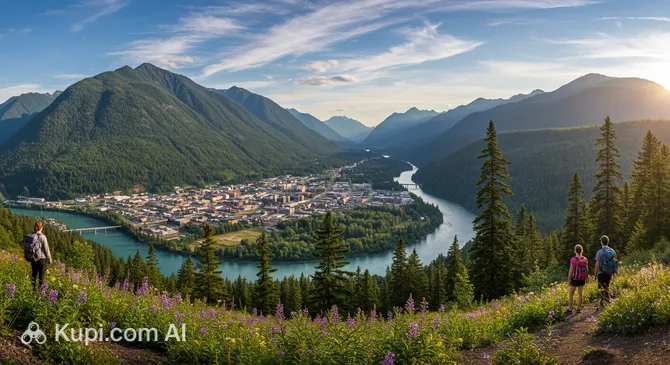
Terrace. Source: Kupi.Binoculars

Nature enthusiasts are drawn here for the incredible outdoor opportunities available year-round. Terrace is world-renowned for its exceptional fishing, particularly for massive salmon and steelhead in the Skeena River. It is also celebrated as the gateway to the habitat of the rare Kermode bear, also known as the Spirit Bear, a unique white subspecies of the black bear found in the nearby Great Bear Rainforest. Additionally, the city is a hotspot for winter sports, with Shames Mountain offering some of the deepest powder skiing in the region.

Whether you are seeking a thrilling outdoor expedition or a peaceful retreat surrounded by mountain vistas, Terrace welcomes you with open arms. It is an ideal starting point for discovering the wild and untamed beauty of Northern British Columbia.
Weather Overview

Understanding the local climate is essential for planning your outdoor adventures in this region. The weather in Terrace is characterized by distinct seasonal changes and a relatively high frequency of precipitation throughout the year. Visitors can generally expect mild, comfortable summers and cold winters, with consistent moisture keeping the surrounding forests lush.

During the warmest months of July and August, average temperatures sit around 14°C, with daytime maximums reaching up to 18.4°C, offering ideal conditions for hiking and fishing. Conversely, the winter period from December through February brings colder air, with average temperatures dropping to approximately -5°C and lows dipping near -8°C. Regardless of when you visit, be prepared for damp conditions; the city typically experiences between 16 and 23 wet days per month, so a good rain jacket is a travel essential.

Interesting Facts

Beyond the main attractions and scenic river views, Terrace holds fascinating secrets and historical quirks that often surprise visitors. From ancient geological events to pivotal moments in military history, the city's backstory is as dramatic as its mountainous backdrop.

  • Canada's Youngest Lava Flow: Just north of the city lies the site of Canada's most recent volcanic eruption. Approximately 250 years ago, the Tseax Cone erupted, creating extensive lava beds that dammed rivers and formed a unique landscape that is now preserved as a provincial park.

  • The Terrace Mutiny: In 1944, the city was the setting for the longest-lasting mutiny in Canadian military history. Conscripted soldiers stationed in Terrace revolted for several days in protest against the government's decision to send them overseas, a tense event that remains a unique chapter in the nation's World War II narrative.

  • An Ancient Trade Hub: Long before modern highways were built, the area served as a critical junction for the "Grease Trails." These extensive overland routes were used by First Nations peoples to transport valuable Oolichan grease—rendered from a small, oily fish caught in the river—from the coast to the interior, establishing the region as an economic center for thousands of years.

How to Get There

Reaching this hub in the Skeena Valley is relatively straightforward given its role as a regional service center. Whether you prefer flying directly into the heart of the region or taking a scenic overland route, there are several options available. For a complete breakdown of routes and transport tips, you can read more about how to get to Terrace in our detailed guide.

The most direct way to arrive is via the Northwest Regional Airport (IATA: YXT). Conveniently located just 5.8 km from the city center, it serves as the primary aviation gateway for the area. A taxi or shuttle ride from the terminal to downtown Terrace typically takes about 10 to 15 minutes. This facility handles a significant volume of passengers annually, connecting the city with major hubs like Vancouver.

Alternatively, travelers might consider flying into Smithers Airport (IATA: YYD), situated in the neighboring town of Smithers. It is approximately 98 km away from Terrace. While this option requires renting a car or arranging a transfer, the drive offers beautiful views along Highway 16 and takes roughly 1 hour and 15 minutes. It is a smaller regional airport but serves as a viable backup for reaching the area.

For clarity, here is a summary of the main airports in the vicinity:

Airport Name City Passenger Traffic Km from City
Ketchikan International Airport Ketchikan Medium 220.1
Northwest Regional Airport Terrace Medium 5.8
Smithers Airport Smithers Small 97.8
Digby Island Airport Prince Rupert Small 122.3
Sandspit Airport Sandspit Small 253.7

If you are traveling by rail through Northern British Columbia, the nearest major terminal listed is the Prince Rupert Railway Station (IATA: XDW). Please note that this station is located in the coastal city of Prince Rupert, not in Terrace itself. It is approximately 116 km west of Terrace. Travelers arriving here would need to arrange onward transport, such as a bus or rental car, with the journey to Terrace taking about 1 hour and 30 minutes along the scenic Skeena River.

Below is the information for the nearest railway station:

Station City Passenger Traffic Km to Center
Prince Rupert Railway Station Prince Rupert Small 116.3

Main Attractions

Terrace offers a delightful mix of cultural heritage and outdoor splendor, making it a rewarding stop for visitors exploring Northern British Columbia. While the surrounding wilderness is the primary draw for many, the city itself hosts several landmarks that provide deep insight into the region's pioneer history and artistic spirit. From open-air museums to enchanted forest trails, the local attractions cater to a wide range of interests.

One of the best places to start your exploration is the Heritage Park Museum. This open-air site authentically recreates the atmosphere of the early 20th century with a collection of original log cabins and historic buildings relocated from the surrounding area. Visitors can wander through a trapper's cabin, a forestry lookout, and a general store, gaining a tangible sense of how pioneers lived and worked in this rugged environment. The museum also hosts engaging events and markets, making it a lively community hub during the summer months.

For a truly unique nature walk, head to Ferry Island Municipal Park, located right in the middle of the Skeena River. Accessible by a bridge, this park is famous for its network of walking trails that wind through a lush cottonwood forest. What makes it special are the dozens of "Spirit Faces" carved into the bark of the trees by a local artist. Searching for these whimsical and mysterious carvings turns a simple nature walk into an exciting treasure hunt, which is particularly popular with families and photographers.

Those interested in local architecture and arts should visit the George Little House. Built by the city's founder, this beautifully preserved home now serves as a VIA Rail station, a gift shop featuring local artisans, and a ticket center. It stands as a testament to the city's early days and offers a charming spot to pick up unique souvenirs or learn more about the town's founding father. Its central location makes it an easy addition to a downtown walking tour.

Just a short drive east of the city, Kleanza Creek Provincial Park is a must-visit for its stunning natural scenery. The park features a dramatic canyon where the creek rushes through rocky gorges, creating picturesque waterfalls and pools. It is a historically significant site as well, having been a location for early gold mining. Today, it offers excellent hiking trails and picnic spots, providing a perfect backdrop for relaxation amidst the sound of rushing water.

Local Cuisine

Local Cuisine:

The culinary scene in Terrace is a reflection of its northern geography and multicultural community. Visitors can expect a dining atmosphere that is largely casual and unpretentious, focusing on hearty meals that provide comfort after a day of outdoor adventure. Given the city's location in the Skeena Valley, local ingredients often take center stage, with wild salmon and freshwater fish being regional highlights during the fishing season. The area also supports a variety of gardens and farms, contributing fresh produce to local tables during the warmer months.

For travelers looking for a reliable and familiar dining experience, Boston Pizza is a well-known establishment in the city. It serves a wide range of gourmet pizzas, pasta dishes, and appetizers, making it a convenient option for families and large groups seeking a relaxed meal.

Boston Pizza. Source: Kupi.Binoculars

Another spot for a substantial meal is Steakhouse Casual. This venue focuses on grilled steaks and classic meat dishes, offering a warm and inviting environment. It is a suitable choice for those wanting to enjoy a traditional steakhouse dinner in a laid-back setting.

Steakhouse Casual. Source: Kupi.Binoculars

In addition to these restaurants, Terrace features a selection of coffee shops, bakeries, and small eateries that serve everything from quick bites to home-style cooking. The local farmers' market, typically held on weekends during the season, is also a great place to discover homemade treats, preserves, and artisanal goods that showcase the flavors of the region.

Travel Tips

Welcome to Terrace, a friendly hub where wilderness adventure meets small-town charm. To help you make the most of your visit to this beautiful part of the Skeena Valley, we have compiled a list of practical advice covering everything from packing essentials to local customs.

  1. Clothing and Gear: Given the region's coastal rainforest climate, the most important item in your suitcase is a high-quality waterproof jacket. Rain can occur at any time of year, so water-resistant footwear is also highly recommended. If you plan to hike, dress in layers—mornings can be crisp even in summer. For winter visits, thermal underwear, a heavy coat, and insulated boots are necessary to handle the snow and freezing temperatures.

  2. Transportation: While there is a local bus service operated by BC Transit, it is primarily designed for commuting within the city and runs on a limited schedule. To truly explore the surrounding lakes, trails, and mountains, renting a car is virtually essential. Taxis are available for short trips around town, but ride-hailing apps are not widely established here, so plan your transport in advance.

  3. Finances: The local currency is the Canadian Dollar (CAD). Credit and debit cards are widely accepted at hotels, restaurants, and supermarkets. However, it is wise to carry some cash for smaller purchases at the farmers' market or if you venture to more remote lodges. ATMs are readily available at banks and convenience stores throughout the city center. Tipping 15–20% in restaurants and for taxis is standard practice.

  4. Health and Safety: Terrace is generally a very safe community, but the real "wild" factor here is nature itself. You are in bear country; always carry bear spray when hiking and know how to use it. Never feed wildlife. For medical needs, the Mills Memorial Hospital provides emergency services, and there are several pharmacies in the downtown area, though they generally do not operate 24/7.

  5. Communication: English is the primary language spoken. While mobile coverage is good within the city limits, be aware that signals often drop off quickly once you drive onto logging roads or into the mountains. It is a good idea to download offline maps or carry a physical map if you plan to explore the backcountry. Free Wi-Fi is commonly available in cafes and hotels.

  6. Local Etiquette: The vibe in Terrace is laid-back and friendly. It is common to greet strangers with a smile or a nod on walking trails. The region is situated on the traditional territory of the Tsimshian Nation; showing respect for local Indigenous culture and land is important. When driving on active logging roads, always yield to logging trucks—they have the right of way and cannot stop quickly.

  7. What to Avoid: Do not leave food, garbage, or scented items in your car or outside your accommodation overnight. This attracts bears and other wildlife into town, creating dangerous situations for both you and the animals. Also, avoid underestimating the river currents; the Skeena River is powerful and cold, so always wear a life jacket when boating.

  8. Additional Tip: If you are visiting between May and October, make sure to stop by the Skeena Valley Farmers Market on Saturday mornings. It is the social heart of the town where you can buy fresh local produce, unique crafts, and meet the locals to get the best insider tips on current fishing or hiking conditions.

By keeping these tips in mind, you will be well-prepared to enjoy the stunning landscapes and warm hospitality that define this northern gem. Whether you are here to fish the world-class rivers or simply relax in the fresh mountain air, Terrace promises an unforgettable experience.

Entertainment & Nightlife

Entertainment and Nightlife:

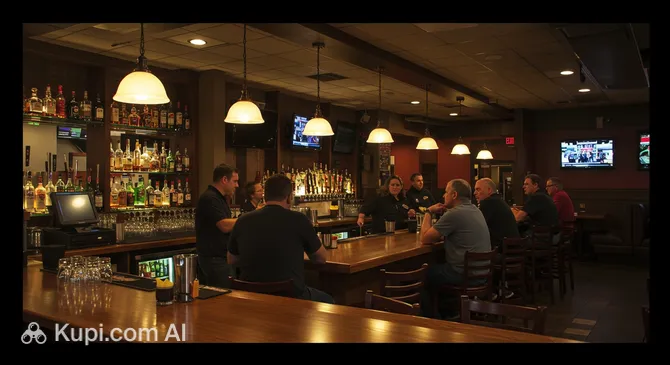
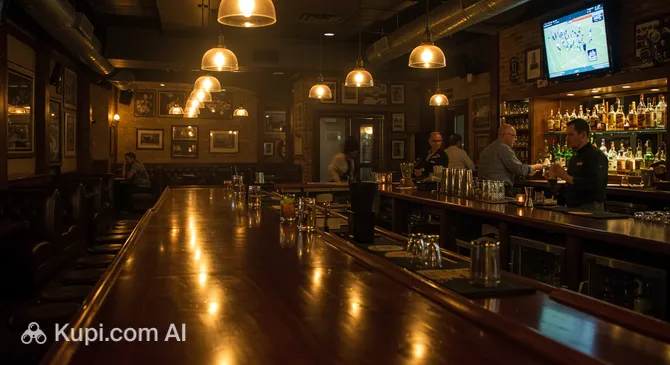
Terrace is a community where the nightlife reflects the town’s laid-back and friendly character. Rather than high-energy dance clubs or sprawling entertainment complexes, the evening scene here is defined by cozy pubs, sports bars, and lounges where locals gather to unwind after a day of work or outdoor adventure. The atmosphere is consistently casual and welcoming, making it easy for visitors to strike up a conversation with residents and get a feel for the true spirit of the Skeena Valley.

The heart of the action is primarily concentrated in the downtown core, particularly along Lakelse Avenue and Greig Avenue. This walkable district is where you will find the majority of dining and drinking establishments. On weekends, these streets have a gentle buzz as people move between venues. The dress code throughout the city is informal; jeans and flannel are far more common than cocktail attire, fitting perfectly with the rugged, outdoorsy vibe of the region.

For those looking to catch a game or enjoy a lively atmosphere, Boston Pizza is a popular choice. While known as a family restaurant, its sports bar section serves as a central social hub where you can watch live sports events on big screens and enjoy a wide selection of beverages. It is a reliable spot to experience the local social scene in a comfortable setting. Similarly, Steakhouse Casual offers a relaxed environment that transitions well from dinner to evening drinks. It is an excellent place to enjoy a glass of wine or a cocktail while soaking in the rustic charm that defines Terrace's hospitality.

Most venues in Terrace close earlier than in major cities, with pubs typically winding down between 11:00 PM and 1:00 AM, even on weekends. Prices are generally reasonable and lower than what you would find in Vancouver. For getting around at night, walking in the downtown area is considered safe, but if you are venturing further out or returning to your accommodation late, it is advisable to call a taxi. Ride-sharing services may be limited, so keeping the number of a local cab company handy is a practical tip for a hassle-free night out.

When the sun is up, entertainment in Terrace shifts towards culture and recreation. Visitors can explore the Terrace Art Gallery, which showcases impressive works by local and regional artists, often highlighting Indigenous themes. For a classic pastime, the city features a cinema for catching the latest movies, and a bowling alley that provides fun for all ages. During the summer, the long daylight hours often mean that "evening" entertainment involves staying outdoors, enjoying a campfire, or fishing by the river until dusk.

Parks & Museums

Terrace is a city where the boundary between urban living and the wilderness is delightfully blurred, offering visitors immediate access to lush green spaces and rich cultural institutions. The local parks serve as gateways to the ancient forests of the Skeena Valley, while the city's museums and galleries provide a deep dive into the region’s Indigenous heritage and pioneer roots.

For those seeking a pristine natural escape just a short drive from the city center, Lakelse Lake Provincial Park is a favorite destination for both locals and tourists. Surrounded by the mountains of the Kitimat Range, this park is renowned for having some of the warmest fresh water in Northern British Columbia, making it an ideal spot for swimming and water sports. The park features sandy beaches, expansive picnic areas, and a network of trails that wind through impressive stands of old-growth cedar and hemlock trees. It is a perfect location for a family day out or a peaceful afternoon of birdwatching.

Right in the heart of downtown, George Little Park serves as the community's living room and a vibrant green hub. Unlike the wilder provincial parks, this manicured urban space is the focal point for city events, including outdoor concerts and community gatherings. It features a charming gazebo, a well-equipped playground for children, and ample seating for a relaxing break during a city tour. It is also the venue for the seasonal farmers' market, bustling with activity and local flavor on weekend mornings.

To truly understand the cultural depth of the region, a visit to the Kitselas Canyon National Historic Site is essential. Located just east of Terrace on the banks of the Skeena River, this site offers an immersive look into the history of the Gitselasu people, who have inhabited the area for over 5,000 years. Visitors can explore traditional longhouses, view stunning totem poles, and walk along interpretive trails that explain the significance of the canyon as a strategic trade and fishing location. It stands as a powerful testament to the enduring Indigenous culture of the Pacific Northwest.

Art enthusiasts should make time for the Terrace Art Gallery, a key cultural venue dedicated to showcasing the visual arts of the region. The gallery frequently rotates its exhibitions to feature works by local, regional, and international artists, with a strong emphasis on contemporary and traditional Indigenous art. It serves as an important platform for dialogue and creativity, offering visitors a chance to see the landscape and culture through the eyes of its talented residents.

While the Heritage Park Museum is the primary custodian of the city's pioneer history with its collection of historic log buildings, the surrounding area is also dotted with smaller historical markers. The city's layout itself reflects its past as a cedar pole capital and a military hub during World War II, with various plaques and monuments offering glimpses into these eras.

For a quieter, authentic experience often overlooked by visitors, try walking the Howe Creek Trail. This extensive trail system runs directly through the city, following a creek ravine that makes you feel miles away from civilization while being just steps from residential streets. It is a favorite among locals for jogging and dog walking, offering a cool, shaded retreat on warm summer days.

Getting Around

The public transport system in Terrace is relatively small and straightforward, designed primarily to serve the local community's daily needs rather than a high volume of tourists. There is no metro, tram, or trolleybus network in the city. Instead, the public transportation infrastructure consists entirely of a bus service operated by BC Transit. This bus system connects the downtown core with residential neighborhoods, shopping centers like the Skeena Mall, the Northwest Community College, and key facilities such as the Mills Memorial Hospital. Additionally, there are regional connector routes that link the city to nearby communities, such as Kitimat.

For payment, the system is quite traditional, though modernizing. The most common way to pay for a single trip is by using cash upon boarding. It is crucial to note that bus drivers do not carry change, so you must have the exact fare ready in coins. For visitors planning to use the bus frequently, sheets of tickets or monthly passes can be purchased at authorized vendors, which include the City Hall, the Terrace Sportsplex, and select local grocery or drug stores. A DayPASS option is also available, allowing unlimited travel for a single day, which is often the best value for tourists exploring the area.

When using the bus, practical planning is essential. The service generally operates from early morning until early evening on weekdays, with reduced schedules on Saturdays and limited or no service on Sundays and holidays. Frequency can vary, with buses often running every 30 to 60 minutes depending on the route. Visitors are strongly advised to check the "Rider’s Guide" or the official website for the latest schedules before heading out. Bus stops are marked with signs, but they may not always have shelter, so dressing for the weather is important while waiting.

Given the limited reach and operating hours of the bus system, many visitors find that renting a car is the most practical option for getting around. A vehicle provides the freedom to explore the surrounding lakes, hiking trails, and the airport, which are not all conveniently accessible by public transit. For those who do not drive, taxis are the primary alternative. Local companies like Kalum Kabs offer reliable service, though it is recommended to book in advance during peak times or late at night, as there is no flagging system on the street. Ride-sharing apps are generally not available or have very limited presence compared to larger metropolitan areas.

Cycling is another viable way to navigate the city, particularly during the warmer months. Terrace is relatively compact, and the flat terrain of the downtown "bench" makes biking pleasant. While there isn't a dedicated public bike-share program, the layout of the city allows for easy pedestrian and bicycle movement between the main shops and restaurants. However, for any excursions into the mountainous outskirts, motorized transport remains the standard choice.

Accommodation

Finding a place to stay in Terrace is generally a straightforward experience, with options that cater primarily to road travelers, outdoor adventurers, and business visitors. The accommodation landscape consists largely of reliable mid-range hotels, classic highway motels, and charming bed-and-breakfasts. While you won't find sprawling luxury resorts within the city limits, the available lodgings are known for being clean, comfortable, and practical, offering a warm welcome after a day of exploring the rugged wilderness.

For those prioritizing convenience, the most popular area to stay is along Highway 16 (Keith Avenue) and the downtown core near Lakelse Avenue. Staying in these central zones places you within walking distance or a very short drive of local restaurants, grocery stores, and the Skeena Mall. This is the best choice for travelers without a car or those who want quick access to city amenities. Alternatively, visitors seeking a quieter, more immersive nature experience can look for fishing lodges and cabins located on the outskirts of town near the Skeena River, which offer stunning views and a peaceful atmosphere.

The price range for accommodation in Terrace is typically moderate, fitting well within a mid-range budget. Standard hotel rooms and motel units generally offer good value, often including amenities like free Wi-Fi and parking. During the peak summer months and the prime fishing season in the fall, demand increases significantly as anglers from around the world flock to the region. Therefore, a key booking tip is to reserve your room well in advance if you plan to visit between June and October, as the best spots can fill up quickly.

Booking can be easily managed through major online travel platforms, which list most of the city's hotels and motels. However, for smaller bed-and-breakfasts or specialized fishing lodges, contacting the property directly is often the best way to secure a reservation and get specific advice on local conditions.

Nearby Cities

For those looking to explore the surroundings, Terrace serves as an excellent base for day trips to several interesting nearby locations. The region offers a mix of coastal charm and alpine beauty, allowing visitors to experience diverse landscapes within a few hours of driving.

One of the most popular excursions is to Smithers, located just over an hour east along Highway 16. Known for its distinct alpine theme and red brick sidewalks, this picturesque town sits at the foot of Hudson Bay Mountain. It is a fantastic destination for outdoor enthusiasts, offering excellent hiking trails to the Twin Falls and the glacier gulch, as well as a vibrant downtown filled with local boutiques and cafes.

Heading west towards the coast, travelers can visit Prince Rupert. This scenic drive follows the Skeena River to its mouth at the Pacific Ocean. Once there, you can explore the historic Cow Bay district, visit the renowned Museum of Northern BC to learn about First Nations history, or enjoy fresh seafood right by the water. The maritime atmosphere provides a refreshing contrast to the interior valleys.

City Population Distance (km)
Prince George 74003 388
Prince Rupert 12220 114
Quesnel 9879 438
Smithers 5500 97
Port Hardy 4000 429

These nearby destinations offer a glimpse into the diverse culture and landscapes of the region, making them well worth the drive for anyone wishing to see more of Northern British Columbia.

Shopping & Souvenirs

As the primary service hub for Northwestern British Columbia, Terrace offers a surprisingly robust shopping scene that caters to both local residents and travelers passing through the region. While it may not have the high-end luxury boutiques of a major metropolis, the city provides a practical and pleasant retail experience. Visitors can find a mix of well-known national chains, essential outdoor outfitters, and charming independent stores that reflect the area's unique character.

The main shopping district is divided into two distinct areas. For a more traditional and walkable experience, head to Lakelse Avenue in the downtown core. This street is lined with locally owned businesses, gift shops, and cafes, making it perfect for a leisurely stroll. Conversely, Keith Avenue (Highway 16) serves as the commercial strip where larger big-box retailers, automotive services, and supermarkets are located, offering convenience for those stocking up on supplies for a road trip or camping expedition.

The city's principal indoor shopping destination is the Skeena Mall, located centrally on Lakelse Avenue. As the largest enclosed shopping center in the region, it houses a variety of fashion retailers, electronics stores, and service providers. It is a convenient one-stop spot if you need to replace travel gear, buy clothing, or simply take a break from the weather.

For a taste of local culture and flavor, the Skeena Valley Farmers Market is an unmissable highlight. Held seasonally on Saturday mornings at George Little Park, this vibrant market is the best place to find fresh regional produce, home-baked goods, and handcrafted items. It is an excellent spot to meet local artisans and purchase unique goods directly from the makers, ranging from pottery to knitwear.

When looking for souvenirs to take home, focus on items that represent the region's rich heritage and natural bounty. Terrace and the surrounding Skeena Valley are renowned for incredible Indigenous art, including hand-carved jewelry, prints, and wood carvings that reflect the traditions of the Tsimshian and other local First Nations. Additionally, locally produced foods such as smoked salmon, wild berry jams, and honey make for delicious and authentic gifts.

Standard store opening hours are typically from 9:00 AM to 6:00 PM, Monday through Saturday. larger supermarkets and chain stores often stay open later, until 9:00 PM or 10:00 PM. On Sundays, many smaller boutiques may be closed or operate with reduced hours, usually from 11:00 AM to 5:00 PM. Credit and debit cards are universally accepted throughout the city, though carrying a small amount of cash is recommended for the farmers market or smaller roadside stands.

Travelers should be aware that Canada does not currently offer a general sales tax refund program for international visitors on goods purchased for personal use. The price you see on the shelf typically excludes tax; a combination of the Goods and Services Tax (GST) and Provincial Sales Tax (PST) will be added at the register, amounting to a total of 12% in British Columbia.

Reached the end of the page?

That means the route is fully explored