Support

Anahim Lake

About

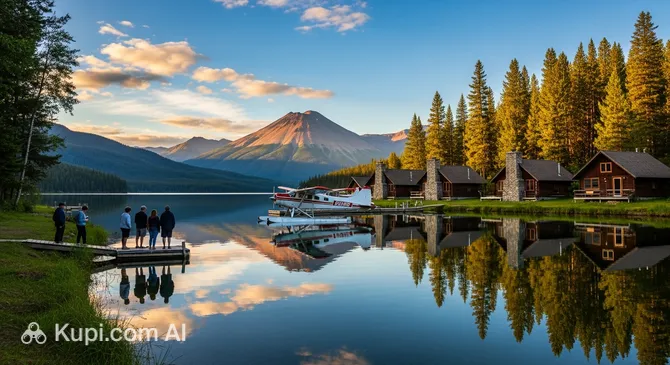
Nestled in the heart of the West Chilcotin region of British Columbia, Anahim Lake is a serene destination that captures the true essence of the wilderness. This small community, with a population of approximately 150 residents, serves as a vital hub for travelers exploring the vast landscapes of western Canada. Known for its breathtaking scenery and tranquil atmosphere, it offers a perfect escape for those seeking to reconnect with nature away from the crowds.

Anahim Lake. Source: Kupi.Binoculars

The area is geographically significant as the eastern gateway to the majestic Coast Mountains and the famous Tweedsmuir South Provincial Park. While the community is small, it is rich in culture and heritage. Visitors interested in the past can explore the fascinating history of Anahim Lake, which is deeply rooted in the traditions of the Ulkatcho First Nation and the legacy of early ranching pioneers. The climate here is typical of the high interior plateau, offering crisp air and distinct seasons that transform the landscape throughout the year.

Outdoor enthusiasts will find Anahim Lake to be a paradise for adventure. It is renowned for world-class fishing, particularly for wild rainbow trout, drawing anglers from all over. Additionally, the nearby Rainbow Range offers spectacular hiking opportunities with its vibrant, mineral-colored volcanic mountains. Whether you are looking for wildlife viewing, horseback riding, or simply a quiet spot by the water, this charming settlement invites you to experience the rugged beauty of the Chilcotin.

Weather Overview

The climate in Anahim Lake is defined by its high elevation and location within the Chilcotin Plateau, offering distinct seasonal changes. To ensure you are fully prepared for your visit, it is helpful to review the typical weather in Anahim Lake before packing.

Summers are generally mild and comfortable, making them the most popular time for outdoor activities. During July and August, average temperatures sit around 14°C, with daily highs often reaching a pleasant 20°C. While precipitation volume is generally low across the board, wet days are relatively common throughout the year, so carrying a rain jacket is advisable even in warmer months.

Winters bring a crisp chill to the region, creating a true northern atmosphere. From December to February, average temperatures drop to approximately -8°C, with overnight lows frequently falling below -12°C. Expect mild summers with occasional light rain and cold winters that require warm thermal clothing.

Interesting Facts

Beyond the main attractions, Anahim Lake holds fascinating secrets and unique claims to fame that might surprise you. This quiet community is not just a gateway to the wilderness but a place rich in history and unexpected distinctions.

  • A Hockey Phenomenon: Despite its tiny population, Anahim Lake is famously known as the hometown of NHL superstar Carey Price. It is statistically incredible for such a small, remote community to produce a world-class athlete of his caliber, putting the village on the map for hockey fans across Canada.

  • Volcanic Origins: The stunning Rainbow Range nearby is actually the remains of a massive shield volcano that formed eight million years ago. The mountains get their name from the vibrant spectrum of reds, oranges, and purples created by the heavy mineralization of the ancient lava rock.

  • The Grease Trail: The settlement sits along the historic Alexander Mackenzie Heritage Trail, also known as the Nuxalk-Carrier Grease Trail. This ancient route was used for thousands of years by First Nations to trade eulachon oil (grease) and was later the path taken by Alexander Mackenzie during the first recorded crossing of the continent north of Mexico.

  • Land of Wild Horses: The West Chilcotin region surrounding the lake is one of the few areas where you can still see wild horses, known locally as "cayuse," roaming free. These resilient animals are a living symbol of the area's untamed ranching spirit.

How to Get There

Reaching this remote community in the West Chilcotin is an adventure in itself, often involving a scenic drive through some of British Columbia's most rugged landscapes. While the village is secluded, there are several transport hubs in the wider region that serve as entry points. For a complete guide on planning your journey, you can read more about how to get to Anahim Lake and the various routes available.

The city of Anahim Lake does not have its own airport, but you can fly into Bella Coola Airport (QBC) in the city of Bella Coola, which is about 87.5 km away in a straight line. It is the closest option geographically, though the drive involves navigating the famous "Hill" on Highway 20, a steep and spectacular mountain pass. The journey by taxi or shuttle takes approximately 2 hours. Another common option is the Williams Lake Airport (YWL) in Williams Lake, located roughly 224.6 km away. This regional hub connects to Vancouver and marks the starting point of the Chilcotin Highway; the road transfer from here typically takes around 4 hours.

For those looking for more flight connections, the Prince George Airport (YXS) in Prince George is a significant regional facility situated about 237 km away in a straight line. As a larger hub, it handles a higher volume of passengers. However, due to the road network configuration, the drive from Prince George is substantial. Travelers should expect the road transfer to take approximately 7 to 8 hours to reach the destination.

For clarity, here is a summary of the main airports in the wider region:

Airport Name City Passenger Traffic Km from City (Straight Line)
Prince George AirportPrince GeorgeMedium237.0
Campbell River AirportCampbell RiverSmall279.9
Williams Lake AirportWilliams LakeSmall224.6
Port Hardy AirportPort HardySmall244.3
Bella Coola AirportBella CoolaSmall87.5

Travel by train is another way to approach the region, though it requires a significant transfer to road transport for the final leg. The city of Anahim Lake does not have a railway station, but you can arrive at the Prince George Railway Station in the city of Prince George. This station connects to the wider rail network, including VIA Rail services. From there, you will need to arrange a car rental or bus transfer, which takes about 7 to 8 hours.

Below is the information regarding the nearest railway station:

Station City Passenger Traffic Km to Center
Prince George Railway StationPrince GeorgeSmall235.8

Main Attractions

Anahim Lake serves as the eastern gateway to the magnificent Tweedsmuir South Provincial Park, one of British Columbia's largest and most rugged protected areas. This vast wilderness offers tourists an unparalleled opportunity to experience untouched nature, from dense forests to alpine meadows. It is a haven for wildlife enthusiasts, offering chances to spot grizzly bears, moose, and caribou in their natural habitat. Visitors can explore a network of trails or enjoy canoeing on the pristine chain of lakes that characterize this spectacular park.

One of the most visually striking features in the region is the Rainbow Range, located just inside the park boundaries. These ancient volcanic mountains get their name from the vibrant bands of red, orange, yellow, and purple mineralized rock that color their slopes. It is a favorite destination for hikers and horseback riders, offering trails that lead to panoramic views of the Chilcotin Plateau. The contrast between the colorful scree slopes and the surrounding green forests creates a photographer's dream landscape.

For those willing to venture a bit further, Hunlen Falls is a breathtaking natural wonder that should not be missed. Cascading 260 meters from Turner Lake into the Atnarko River valley, it is one of the highest waterfalls in Canada. While accessing the falls requires a hike or a scenic floatplane tour from Anahim Lake, the sheer power and beauty of the water plunging into the canyon make it a memorable highlight for any adventurer visiting the area.

The region is also world-famous for the Dean River, which has its headwaters near Anahim Lake. This legendary waterway is renowned among anglers globally for its exceptional fly-fishing opportunities, particularly for wild rainbow trout and steelhead. Whether you are an experienced fisherman or a novice looking to cast a line in serene waters, the river offers a tranquil setting and the thrill of a world-class catch.

Local Cuisine

The culinary scene in Anahim Lake is a reflection of its rugged, remote setting and deep-rooted ranching heritage. You will not find bustling food courts or high-end fine dining here; instead, the area offers hearty, homestyle cooking designed to fuel outdoor adventures. Most dining options are found within the local lodges and resorts, where the atmosphere is warm, communal, and unpretentious.

Given the world-class fishing in the region, fresh freshwater fish is a standout feature of the local diet. Rainbow trout is the star ingredient, often prepared simply—pan-fried with butter and herbs or smoked to perfection. While many visitors catch and cook their own dinners over a campfire, resort dining rooms frequently feature the day's catch on their menus, offering a true taste of the Chilcotin waters.

The area's history as a ranching community heavily influences the food culture, making high-quality red meat a staple. Travelers can expect to enjoy excellent steaks, roast beef, and substantial burgers. These dishes are typically served with generous portions of potatoes and vegetables, providing the comfort food needed after a long day of hiking or riding. Additionally, with the Ulkatcho First Nation nearby, lucky visitors might encounter bannock, a traditional fried or baked bread that pairs wonderfully with jams made from wild local berries like saskatoons and blueberries.

When it comes to drinks, the selection often highlights the broader flavors of the province. While Anahim Lake does not have its own breweries, local establishments typically serve a selection of British Columbia craft beers and wines from the famous Okanagan Valley. For a non-alcoholic option, nothing beats a hot coffee or tea enjoyed on a porch in the crisp morning air, a ritual that is an essential part of the local experience.

Travel Tips

Preparing for a trip to Anahim Lake means getting ready for a true wilderness adventure where self-reliance is part of the charm. To help you navigate this remote and beautiful corner of the Chilcotin safely and comfortably, here are some essential practical tips to keep in mind.

  1. Pack for All Elements: The weather in the high country can be unpredictable, so dressing in layers is essential regardless of the season. Even in summer, evenings can be quite cool, so bring a warm fleece and a waterproof jacket. Sturdy hiking boots are a must for exploring the trails, and if you plan to visit during shoulder seasons, thermal underwear will keep you comfortable.

  2. Transportation Essentials: There is no public transit, metro, or ride-hailing service like Uber in this small community. Renting a vehicle is absolutely necessary to get around. A vehicle with high clearance or 4-wheel drive is highly recommended, as many side roads leading to trailheads and fishing spots are gravel and can be rough.

  3. Manage Your Finances: The local currency is the Canadian Dollar (Canada uses CAD). While major lodges and the general store may accept credit cards, systems can go down due to remote connectivity. It is wise to carry sufficient cash for smaller purchases or tips, as ATMs are scarce and may not always be stocked.

  4. Health and Wilderness Safety: Medical facilities are limited in this remote village; the nearest full-service hospitals are quite a distance away in Bella Coola or Williams Lake. Bring a well-stocked personal first-aid kit and any prescription medications you need. Always practice bear safety by making noise while hiking and carrying bear spray, as you are in prime grizzly and black bear territory.

  5. Communication Expectations: English is the primary language spoken here. Be prepared for limited or non-existent cell phone service once you leave the main highway or the immediate village area. Download offline maps or bring physical backroad mapbooks, and check if your accommodation offers Wi-Fi if staying connected is a priority.

  6. Local Etiquette: The West Chilcotin is known for its friendly, small-town atmosphere. It is customary to give a friendly wave to passing drivers on rural roads—often called the "Chilcotin Wave." Also, respect that this is ranching country; always leave gates exactly as you found them (open or closed) to prevent livestock from wandering.

  7. What to Avoid: Never trespass on private ranch lands or First Nations reserves without permission. Additionally, avoid speeding on Highway 20 and local gravel roads; wildlife, including horses, moose, and deer, frequently cross the roads and can appear suddenly, especially at dawn and dusk.

  8. Fuel Management: Keep a close eye on your gas tank. Gas stations can be far apart in this region, and opening hours may not be 24/7. A good rule of thumb in the Chilcotin is to fill up whenever you can, rather than waiting until you are nearly empty.

By packing the right gear and respecting the remote nature of the region, you will be all set to enjoy the tranquility of Anahim Lake. Embrace the slower pace of life here, and you are sure to have an unforgettable experience in the Canadian wild.

Entertainment & Nightlife

When it comes to entertainment and nightlife, Anahim Lake offers a distinct departure from the bustling energy of a big city. There are no neon-lit nightlife districts, thumping clubs, or 24-hour party zones here. Instead, the evening scene is defined by rustic charm, tranquility, and social gatherings within the local lodges. The "nightlife" revolves around sharing stories by a crackling fire, enjoying a quiet drink under a spectacular canopy of stars, or relaxing in the cozy lounge of a wilderness resort. It is the perfect place to unwind and disconnect after a day of adventure.

The social hubs of the community are undoubtedly the resorts and lodges scattered along Highway 20 and the lake shores. Places like the Anahim Lake Resort and Eagle's Nest Resort often serve as the primary gathering spots for both locals and travelers. Here, the atmosphere is incredibly casual and welcoming; the "dress code" is strictly outdoor gear or comfortable flannel. You can expect to meet fishermen discussing their daily catch, hikers planning their next route, and friendly residents eager to share local lore. While there are no dedicated bars separate from these establishments, the resort dining rooms and lounges provide a warm environment to enjoy a beer or a glass of wine.

Practicality is key when planning an evening out in this remote settlement. Most venues close relatively early, typically around 9:00 PM or 10:00 PM, so it is best to start your evening with an early dinner. Prices are generally moderate, reflecting the cost of transporting goods to the region. Since there are no taxis or public transport services available at night, having a designated driver is essential if you plan to visit a lodge away from your accommodation. In terms of safety, the area is free from urban crime, but the real concern is the wilderness itself. Walking alone at night is discouraged due to the presence of wildlife, including bears and moose, and the lack of streetlights means a flashlight is mandatory.

During the daylight hours, the entertainment options remain focused on the outdoors rather than urban amusements. You will not find movie theaters, large museums, or amusement parks in Anahim Lake. However, the community comes alive during special events like the famous Anahim Lake Stampede, which offers a thrilling cultural spectacle that rivals any city show. For those seeking a slower pace, exploring the local general store or visiting nearby heritage sites provides a glimpse into the history of the Chilcotin without the need for ticketed attractions.

Parks & Museums

In Anahim Lake, the concept of a "park" extends far beyond manicured lawns and playgrounds; here, the entire region serves as a vast, open-air sanctuary. While the community does not feature traditional urban museums or botanical gardens, it is surrounded by some of the most spectacular protected wilderness areas in British Columbia. The cultural heritage is not kept behind glass but is lived daily through the traditions of the Ulkatcho First Nation and the local ranching families.

Tweedsmuir South Provincial Park is the defining natural feature of the area and a must-visit for any nature lover. As one of the largest parks in the province, it offers a dramatic landscape that transitions from the dry Chilcotin Plateau to the wet Coast Mountains. Visitors can explore the famous Rainbow Range, where the hiking trails lead through alpine meadows filled with wildflowers and offer panoramic views of multi-colored volcanic peaks. It is a true wilderness experience, offering solitude and the chance to see wildlife in their natural habitat.

For those seeking a more remote and rugged adventure, Itcha Ilgachuz Provincial Park lies to the north of the settlement. This unique park protects the Itcha and Ilgachuz mountain ranges, which are ancient shield volcanoes rising from the plateau. It is particularly significant as a habitat for the woodland caribou, and the landscape is dotted with wetlands and alpine tundra. While access is challenging and often requires a horse or a sturdy vehicle, the park offers an unparalleled opportunity to witness the raw, untouched beauty of the West Chilcotin.

Although Anahim Lake does not house a formal museum building, the Anahim Lake Stampede Grounds serve as the cultural heartbeat of the community. This venue comes alive every July, transforming into a living museum of the region's cowboy culture and ranching history. The annual stampede is one of the oldest and most authentic in the province, where visitors can witness traditional rodeo events that have been passed down through generations. It is a place where the history of the local pioneers and the Ulkatcho people intertwines, offering a genuine glimpse into the soul of the Chilcotin.

The region's history is also preserved along the Alexander Mackenzie Heritage Trail (Nuxalk-Carrier Grease Trail). This historic route, which passes near the community, acts as a linear museum stretching across the landscape. Used for thousands of years by First Nations for trade and later by explorer Alexander Mackenzie in 1793, the trail is marked by historic blazes and interpretive significance. Walking even a small section of this trail connects tourists directly with the footsteps of the past, offering a profound sense of history that no indoor gallery could replicate.

For an authentic insider experience, keep a lookout for the wild horses, or "cayuse," that roam the woodlands and meadows surrounding Anahim Lake. Unlike animals in a zoo, these horses are free-roaming descendants of stock brought by early settlers and First Nations. Spotting a herd grazing quietly by the roadside in the early morning mist is a magical and uniquely local encounter that perfectly captures the untamed spirit of the area.

Getting Around

Due to its remote location and small population, Anahim Lake does not possess a public transport system in the traditional sense. Travelers will not find a metro, tram, or municipal bus network operating within the settlement. The infrastructure is designed for a rural, wilderness lifestyle rather than urban commuting, meaning visitors cannot rely on public transit to navigate between accommodations, the general store, or nearby attractions.

The primary and most practical mode of transport for any tourist visiting the area is a private rental vehicle. Renting a car is not just an alternative but a necessity for exploring the region effectively. Since there are no local rental agencies directly in the village, it is highly advisable to arrange your vehicle rental at your point of arrival, such as Williams Lake or Bella Coola, before driving into the West Chilcotin. A vehicle with high clearance or four-wheel drive is recommended, as many access roads to trailheads and fishing spots are unpaved gravel.

Regarding payment systems for transport, there are no travel passes, transport cards, or mobile ticketing apps to worry about. Instead of budgeting for bus tickets, visitors should plan for fuel costs, which can be higher in remote areas. Most local businesses and fuel stations accept major credit cards and debit cards, but carrying some cash is always a smart precaution in case of electronic system outages, which can happen in the wilderness.

Taxis and ride-sharing services like Uber or Lyft do not operate in Anahim Lake. You cannot hail a cab on the street or book a ride via a smartphone app. If you do not have a rental car, your mobility will be severely limited. However, some local lodges and resorts may offer private shuttle services for their guests, particularly for transfers to and from the local airport or specific trailheads. It is essential to confirm and book these services in advance directly with your accommodation provider.

For short distances within the immediate community, walking is a feasible option, especially if your accommodation is near the general store or the lakefront. However, given the vast distances between the settlement and major sights like Tweedsmuir South Provincial Park or the Rainbow Range, walking is not a viable method for sightseeing. Cycling is popular among adventure tourists, but it is treated as a recreational activity rather than a means of public transport; if you plan to bike, ensure you are self-sufficient with repair kits and supplies.

A crucial piece of practical advice for navigating the area is to monitor your fuel levels constantly. Gas stations are few and far between along Highway 20, and operating hours may not be 24/7. Always fill up your tank when you have the opportunity, and consider carrying a physical map, as GPS signals can be unreliable in the mountainous terrain surrounding the community.

Accommodation

Where to Stay:

Accommodation in Anahim Lake is defined by its deep connection to the outdoors. You will not find towering glass hotels or international chains in this remote community. Instead, the area specializes in **wilderness lodges**, cozy **log cabins**, and family-run resorts that blend seamlessly with the natural surroundings. These establishments offer a rustic yet comfortable experience, often featuring stunning views of the water or the nearby mountains. For those traveling with their own "home," there are also well-equipped **RV parks** and campgrounds available, perfect for immersing yourself in the landscape.

The most popular places to stay are situated directly along the shores of **Anahim Lake** or just off **Highway 20**. Staying by the water provides immediate access to fishing and boating, which are the main draws for many visitors. Some of the more exclusive lodges are located further afield, sometimes requiring a floatplane or boat transfer, offering a truly secluded retreat deep in the Chilcotin wilderness where silence and solitude are the main amenities.

Booking accommodation in this remote region requires a bit of planning. The tourism season is distinct, peaking during the summer months from **June to September**. Because the number of rooms and cabins is limited compared to larger tourist hubs, it is highly recommended to **book well in advance**, especially if you plan to visit during the height of the fishing season. Note that many lodges operate seasonally and may close during the harsh winter months, although a few remain open to host winter sports enthusiasts.

In terms of pricing, options generally fall into the **mid-range** category. Costs can vary significantly depending on whether you are booking a simple cabin rental or an all-inclusive package that includes meals, boat rentals, and guided fishing trips. While some properties appear on major online booking platforms, many local operators prefer **direct bookings** via their websites or over the phone. It is often worth contacting them directly to inquire about specific packages, current conditions, and the best way to prepare for your stay.

Nearby Cities

While Anahim Lake offers a secluded wilderness experience, the wider region of British Columbia features several distinct cities that serve as excellent destinations for the next leg of a journey. Due to the vast nature of the landscape and the rugged terrain, these locations are best viewed as major stops on an extended itinerary rather than quick day trips.

As the primary hub for Northern British Columbia, Prince George acts as a crucial connection point for travelers navigating the province. It offers a return to urban amenities, featuring history museums, diverse dining options, and shopping centers that contrast sharply with the remote ranching country. It is a logical destination for those heading north or east after exploring the Chilcotin.

For those seeking world-renowned alpine adventure, the resort town of Whistler is a legendary stop further south. Famous for hosting the 2010 Winter Olympics, it provides a vibrant pedestrian village, luxury accommodations, and unparalleled skiing and mountain biking. Although reaching it requires a significant travel commitment, the transition from the quiet plateau to this energetic mountain resort offers a diverse travel experience.

Travelers heading towards the coast may consider Campbell River on Vancouver Island. Known as the "Salmon Capital of the World," this city offers spectacular ocean views and opportunities for marine wildlife tours. It serves as a gateway to the Discovery Islands and represents a dramatic shift in scenery from the interior forests to the rugged Pacific coastline.

City Population Distance (km)
Prince George 74003 236
Campbell River 36000 271
Courtenay 25599 310
Powell River 13165 298
Whistler 11854 309

These regional destinations highlight the diversity of the province, ranging from bustling northern capitals to coastal retreats, each offering a unique perspective on life in Western Canada.

Shopping & Souvenirs

Shopping in Anahim Lake is a unique experience defined by the community's remote wilderness setting rather than commercial retail therapy. Visitors should not expect bustling high streets, luxury boutiques, or sprawling department stores. Instead, the shopping scene here is practical and community-focused, catering primarily to the needs of residents, ranchers, and outdoor adventurers passing through. You will find essential supplies for your trip, alongside a charming selection of locally made goods that reflect the artistic heritage of the region.

The commercial heart of the settlement is located directly along Highway 20, which serves as the main thoroughfare through the village. There is no designated "shopping district" in the traditional sense; rather, activity centers around the local general store and trading post. This establishment functions as the lifeline of the community, stocking everything from groceries and hardware to fishing gear and camping supplies. For tourists, this is the go-to spot to restock fuel, buy snacks for the road, or pick up forgotten outdoor equipment before heading into the backcountry.

Travelers accustomed to urban conveniences should be aware that there are no shopping malls in Anahim Lake. The nearest large-scale retail centers are hundreds of kilometers away in cities like Williams Lake or Prince George. The retail landscape here is intimate and small-scale, consisting of standalone family-run businesses and gift shops attached to local lodges or resorts.

While there are no permanent daily markets, the community's spirit shines through in its seasonal and informal trading. During local events, such as the annual Stampede in July, you may find pop-up stalls where residents sell homemade baked goods, preserves, and handicrafts. These temporary markets offer a wonderful opportunity to mingle with locals and purchase authentic, home-grown products that you won't find on any supermarket shelf.

For those looking to bring home a memento, Anahim Lake offers distinctive souvenirs that are deeply connected to the land and its people. The area is home to the Ulkatcho First Nation, and you can often find beautiful indigenous handicrafts, such as beaded moccasins, jewelry, and buckskin items. Additionally, local artisans produce unique pottery, paintings of the Chilcotin landscapes, and woodwork. Another popular take-home item is locally smoked fish, a delicious reminder of the region's world-class freshwater fishing.

Opening hours in Anahim Lake are generally more limited than in larger cities. The main general store typically operates from morning until early evening, roughly 9:00 AM to 6:00 PM, though hours may be reduced on Sundays or during the quiet winter season. It is advisable to do your shopping during daylight hours. Regarding payment methods, major credit and debit cards are generally accepted at the main store and lodges. However, due to the remote location, telecommunication outages can occur, temporarily disrupting card machines. Therefore, carrying sufficient cash (Canadian Dollars) is highly recommended for small purchases or as a backup.

Tourists visiting Canada should be aware that goods are subject to the Goods and Services Tax (GST) and Provincial Sales Tax (PST). Prices displayed on shelves usually do not include these taxes; they are added at the register. There is generally no instant tax-free shopping or refund mechanism available at the point of sale in small communities like this, so visitors should budget accordingly for the final price at checkout.
Reached the end of the page?

That means the route is fully explored