Support

Nanaimo

About

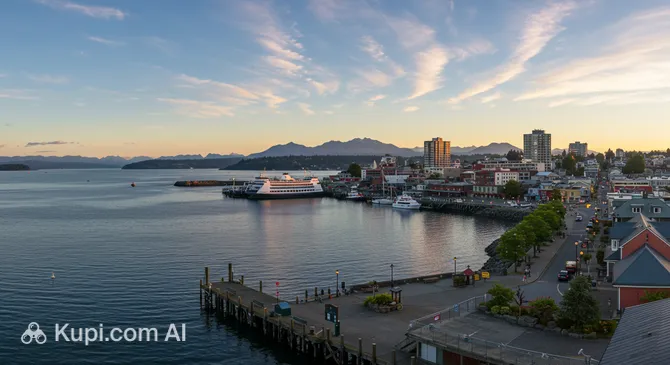
Welcome to Nanaimo, a vibrant urban centre located on the east coast of Vancouver Island in British Columbia. Often referred to as the "Harbour City," it offers a perfect blend of urban amenities and the great outdoors. As a key gateway to the island, this destination in Canada attracts travelers with its stunning waterfront views, friendly community, and relaxed West Coast lifestyle.

Nanaimo. Source: Kupi.Binoculars

With a population of approximately 90,504 residents, Nanaimo acts as a bustling hub while maintaining a welcoming atmosphere. The city enjoys a mild temperate climate, making it an accessible year-round destination for adventure. Those curious about the region's past can explore the fascinating history of Nanaimo, which traces the city's evolution from a Snuneymuxw First Nation village to a historic coal mining town and a modern port city.

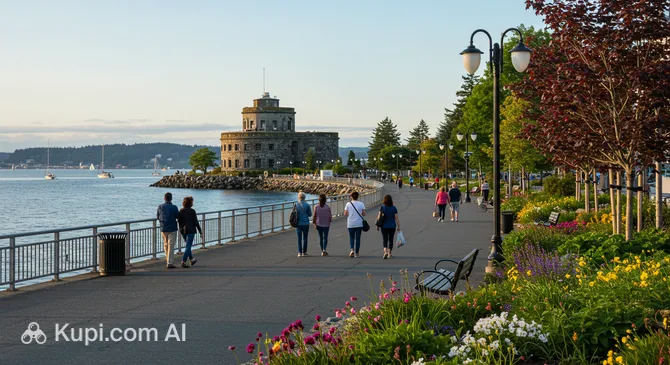
There are plenty of unique experiences to enjoy here. A stroll along the picturesque Harbourfront Walkway is a must, offering scenic views of the marina, local shops, and the chance to watch seaplanes take flight. Culinary enthusiasts should not miss the Nanaimo Bar Trail, a self-guided tour dedicated to the famous no-bake dessert that originated in this very city. For nature lovers, Newcastle Island Marine Provincial Park offers hiking, swimming, and kayaking opportunities just a short passenger ferry ride from downtown.

Whether you are eager to dive into the emerald ocean waters, hike through lush forests, or simply enjoy a sweet treat by the sea, Nanaimo promises a memorable stay. We invite you to discover the charm and natural beauty of this dynamic coastal city.

Weather Overview

Nanaimo features a mild coastal climate with distinct seasonal patterns that influence the best times for outdoor activities. Generally, visitors can expect warm, dry summers and cool, rainy winters. During the peak of summer in July and August, average temperatures hover around 19°C, with daily highs reaching up to 22.9°C and very little rainfall, making it an ideal time for exploring the outdoors.

The colder months bring more moisture, particularly in January, which sees an average temperature of 3.8°C and approximately 21 wet days. For a more detailed breakdown of seasonal conditions, you can check the weather in Nanaimo to help plan your trip. Spring and autumn serve as transition periods, with temperatures ranging from around 5°C in March to 15.5°C in September, offering a mix of crisp air and moderate precipitation.

Interesting Facts

Beyond its scenic waterfront and hiking trails, Nanaimo boasts a collection of quirky traditions and historical tidbits that surprise many visitors. Dig a little deeper to discover the unique stories that give the Harbour City its distinct personality.
  • Nanaimo is the birthplace of the world-famous dessert, the Nanaimo Bar. This three-layered no-bake treat became so iconic that it was voted "Canada's Favourite Confection," and the city now features a delicious trail where you can sample dozens of variations.

  • The city holds the official title of the "Bathtub Racing Capital of the World." Every summer, brave participants modify bathtubs with motors and race them across the ocean, a whimsical tradition that often centers around the waterfront at Maffeo Sutton Park.

  • For decades, the community was led by a "Pirate Mayor," Frank Ney, who was known for attending formal council meetings and public events dressed in a full pirate costume. His fun-loving spirit is honored with a statue on the waterfront, commemorating his role in launching the bathtub races.

  • The waters surrounding the city contain North America's largest artificial reef. The intentional sinking of the HMCS Saskatchewan in 1997 created a thriving underwater habitat, attracting scuba divers from around the globe to explore the sunken destroyer.

Maffeo Sutton Park. Source: Kupi.Binoculars

How to Get There

Reaching the "Harbour City" is an experience in itself, often involving scenic views of the Strait of Georgia and the coastal mountains. Whether you are arriving by air or land, there are several convenient routes to reach this destination on Vancouver Island. For a comprehensive guide on planning your journey, you can read more about how to get to Nanaimo.

The most direct way to arrive by air is via Nanaimo Airport (YCD), which is located approximately 13.6 km from the city center. This regional facility welcomes travelers with a quick transfer time, as a taxi or shuttle ride to downtown typically takes about 40 minutes. For international travelers, the primary gateway is often Vancouver International Airport (YVR) in the city of Vancouver. Although it is situated about 55.6 km away across the water, it is a large international hub with extensive connections. The journey from this airport to Nanaimo generally takes around 105 minutes, involving a combination of ground transport and ferry services.

For clarity, here is a summary of the main airports:

Airport Name City Passenger Traffic Km from City
Vancouver International Airport Vancouver Large 55.6
Victoria International Airport Victoria Medium 68.9
Coal Harbour Seaplane Base Vancouver Medium 61.7
Nanaimo Airport Nanaimo Small 13.6
Nanaimo Harbour Nanaimo Small 0.5

The city of Nanaimo does not have a passenger railway station for intercity travel, but you can arrive at the Vancouver Railway Station in the city of Vancouver, which is about 62.5 km from Nanaimo. From there, you can get a taxi or bus to the ferry terminal, with the total travel time estimated at approximately 115 minutes.

Below is the information regarding the nearest railway stations:

Station City Passenger Traffic Km to Center
Vancouver Railway Station Vancouver Small 62.5

Main Attractions

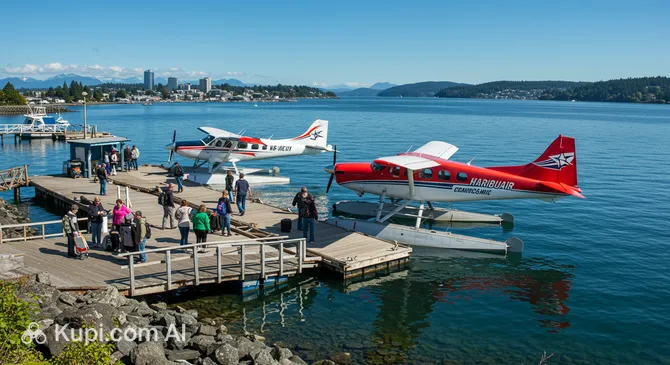
Nanaimo offers a diverse array of activities ranging from scenic flights to peaceful nature walks, ensuring that every traveler finds something to enjoy. One of the most iconic ways to experience the region is by taking to the skies with Harbour Air Seaplanes. Located right on the waterfront, this service offers scenic tours that provide breathtaking aerial views of the coastline and the Gulf Islands. It is a thrilling opportunity for visitors to see the "Harbour City" from a unique perspective and appreciate the vast beauty of the surrounding seascape.

Harbour Air Seaplanes. Source: Kupi.Binoculars

For those seeking tranquility within the city limits, Bowen Park is a magnificent urban sanctuary. Spanning 36 hectares along the Millstone River, the park features a picturesque waterfall, a duck pond, and an intricate network of trails. It is also home to a stunning rhododendron grove and historic totem poles, making it a perfect spot for a leisurely afternoon walk or a family picnic amidst lush greenery.

Bowen Park. Source: Kupi.Binoculars

Nature enthusiasts will find spectacular coastal scenery at Jack Point and Biggs Park. A trail leads visitors along a peninsula that juts out into the ocean, offering panoramic views of the Nanaimo River estuary and the Strait of Georgia. The location is particularly popular at sunset, where the rugged shoreline and the distant mountains create a dramatic backdrop for photographers and hikers alike.

Jack Point and Biggs Park. Source: Kupi.Binoculars

Steeped in local history, Colliery Dam Park serves as a recreational favorite for both residents and tourists. Originally built in the early 1900s to supply water for coal washing, the dams now form two beautiful freshwater lakes surrounded by forest. In the summer, the park becomes a bustling spot for swimming and fishing, while its shaded paths remain popular for hiking year-round.

Local Cuisine

The culinary landscape of Nanaimo is deeply rooted in its coastal geography, offering a delicious array of West Coast flavours. Unsurprisingly, fresh seafood plays a starring role on many menus. Visitors can indulge in locally caught salmon, halibut, and shellfish, often prepared with a farm-to-table approach that highlights the region's agricultural abundance. Whether you are dining at a waterfront bistro or a casual downtown eatery, the emphasis is frequently on fresh, seasonal ingredients sourced from Vancouver Island's fertile farms and surrounding waters.

No gastronomic tour of the city is complete without tasting its namesake confection, the Nanaimo Bar. This legendary no-bake dessert consists of three distinct layers: a wafer and coconut crumb base, a creamy custard-flavoured butter icing middle, and a rich chocolate ganache top. While you can find this sweet treat throughout the city, Red's Bakery is a delightful spot to explore local baked goods and satisfy your sugar cravings.

Red's Bakery. Source: Kupi.Binoculars

Beyond sweets and seafood, the city boasts a diverse dining scene that reflects a welcoming multicultural community. The historic Old City Quarter and the downtown area are hubs for international cuisine, ranging from authentic Asian dishes to Mediterranean classics. For those seeking a warm atmosphere and hearty meals, Asteras offers traditional Greek cuisine in a charming setting that is popular among both locals and tourists.

Asteras. Source: Kupi.Binoculars

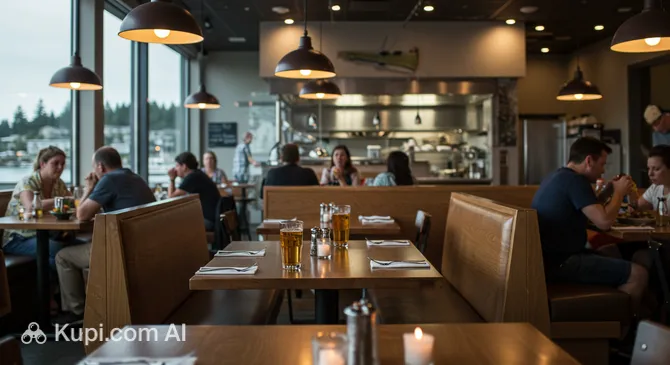
When it comes to beverages, the city has embraced the craft culture that thrives across British Columbia. Coffee lovers will find numerous independent cafes roasting their own beans, while those looking for something stronger can explore the local craft breweries and cideries. For a relaxed evening with a pint in hand, the Milton Street Public House provides a classic pub experience where you can unwind and mingle with friendly residents after a day of exploration.

Travel Tips

To help you make the most of your visit to the "Harbour City," we have compiled a list of essential travel advice. These practical tips will ensure your trip to Nanaimo is smooth, comfortable, and full of great memories.

  1. Pack for the West Coast weather. The climate here is generally mild, but it is famous for its changeability. Layers are key; bring t-shirts, sweaters, and a reliable waterproof jacket, especially if you are visiting between October and April. Comfortable, sturdy walking shoes are a must for exploring the trails and the waterfront.

  2. Transportation options. While the local BC Transit bus system covers the city well, renting a car is highly recommended if you want to explore the scenic outskirts or other parts of Vancouver Island at your own pace. Taxis and ride-hailing apps are also available for convenient travel within the city.

  3. Managing your finances. The local currency is the Canadian Dollar (CAD). Credit and debit cards (Visa and Mastercard) are accepted almost everywhere, from restaurants to souvenir shops. However, carrying a little cash is useful for small purchases at farmers' markets. The standard tipping culture is 15-20% for good service in restaurants and taxis.

  4. Health and safety. Nanaimo is a safe destination for tourists. Pharmacies are widely available for minor health needs, and some locations have extended hours. For any serious emergencies, dial 911. As in any urban area, keep an eye on your belongings in busy public spaces.

  5. Staying connected. English is the primary language spoken throughout the city. Free Wi-Fi is readily available in most hotels, cafes, and public buildings. If you need constant connectivity, you can easily purchase a prepaid SIM card from major mobile providers located in shopping malls.

  6. Local etiquette. Residents are known for their friendliness and politeness. It is customary to greet shopkeepers and bus drivers. Queueing is taken seriously here; always wait your turn in line at bus stops or counters to avoid offending locals.

  7. Respect the wildlife. You might encounter deer or other wildlife even in urban parks. Do not feed or approach them. It is important for your safety and the animals' well-being to observe them from a respectful distance.

  8. Ferry travel tip. If you are arriving by car via BC Ferries from the mainland, book your reservation in advance. Sailings can fill up quickly, especially on weekends and during the summer, and a reservation guarantees you won't be stuck waiting at the terminal for hours.

With these practical tips in mind, you are all set to navigate Nanaimo with ease and confidence. We hope you have a fantastic time exploring everything this beautiful coastal city has to offer!

Entertainment & Nightlife

Entertainment and Nightlife:

Nightlife in Nanaimo is defined by a relaxed and welcoming West Coast atmosphere rather than high-energy nightclubs. The city has a thriving pub culture and a growing craft beer scene, making it an excellent destination for those who enjoy socializing over a pint or catching a live band. The action is primarily concentrated in the Downtown core and the historic Old City Quarter, where heritage buildings house a variety of taprooms, lounges, and eateries that stay open late.

For a lively evening, a visit to the Milton Street Public House is highly recommended. Located in a character home, this venue offers a cozy, traditional pub environment that is popular with locals for its friendly service and selection of ales. It is the perfect spot to unwind after a day of exploring and mingle with the community in a setting that feels like a home away from home.

Milton Street Public House. Source: Kupi.Binoculars

Food lovers looking for a vibrant dining experience that extends into the night should consider Asteras. Situated in the Old City Quarter, this restaurant is known not just for its cuisine but for its warm, energetic atmosphere that often feels like a celebration. While the city lacks massive dance clubs, you can often find live music performances at various venues along Commercial Street and Victoria Crescent, ranging from jazz and blues to local rock bands.

Beyond the bars, the city offers other forms of entertainment. The Port Theatre on the waterfront is the premier venue for performing arts, hosting concerts, comedy shows, and theatrical productions throughout the year. For daytime cultural exploration before the evening begins, the Nanaimo Museum provides fascinating insights into the region's heritage. Those feeling lucky might also visit the local casino, which offers slot machines and table games for late-night amusement.

Practical advice for a night out includes dressing comfortably; the dress code in almost all venues is casual to smart-casual. Bars typically operate until 1:00 AM or 2:00 AM on weekends. The downtown area is generally safe for walking in the evening, particularly along the well-lit Harbourfront Walkway, but it is always wise to stay in populated areas. For transportation, local taxi services are reliable, and ride-hailing apps are available to ensure a safe ride back to your accommodation.

Parks & Museums

Beyond its bustling harbour and ferry terminals, the city offers an impressive array of green spaces and cultural institutions that invite visitors to slow down and explore. From windswept headlands perfect for sunset walks to galleries showcasing contemporary art, the parks and museums of Nanaimo reflect the region's deep connection to nature and its storied past.

For a quintessential West Coast experience, Neck Point Park is a local favourite that feels worlds away from the city centre. This 36-acre waterfront park is famous for its rugged cliffs, pebble beaches, and winding trails through Garry oak groves. It is particularly magical at sunset when the light hits the coastal mountains across the water. Families often visit to hunt for the whimsical "fairy doors" hidden among the trees, while divers frequent the waters off the point, hoping to spot the legendary friendly octopus said to inhabit the deep rock walls.

Another natural gem is Pipers Lagoon Park, located on a narrow isthmus that separates a calm tidal lagoon from the open ocean. A dyke trail leads hikers out to a rocky headland, offering spectacular views of the historic wooden cabins on nearby Shack Island. The park is a haven for birdwatchers, as great blue herons and kingfishers are often spotted fishing in the shallows. Its unique geography makes it an excellent spot for beachcombing or simply watching the waves crash against the rocky shore.

In the heart of downtown, Maffeo Sutton Park serves as the city's "living room" and a central gathering place for the community. While it is known for hosting events, the park itself is a beautiful destination for a leisurely afternoon. It features a large playground, a swimming lagoon, and a scenic walking path that connects to the waterfront promenade. Visitors can stroll along the seawall, enjoy a picnic on the grass, or take a small ferry to Newcastle Island from the nearby pier.

To understand the cultural fabric of the region, a visit to the Nanaimo Museum is essential. Located in the Vancouver Island Conference Centre, this facility brings local history to life with immersive exhibits. A highlight is the realistic replica of a coal mine, which allows visitors to walk through a tunnel and experience the dark, cramped conditions of the industry that built the city. The museum also features extensive displays on the Snuneymuxw First Nation, offering deep insights into their living culture and traditions.

Just a short walk away, the Vancouver Island Military Museum offers a powerful tribute to Canada's armed forces. Housed in a distinctive octagon-shaped building, the museum houses a comprehensive collection of artifacts, uniforms, and medals ranging from the War of 1812 to modern-day peacekeeping missions. What sets this museum apart is its focus on personal stories, honouring the individual sacrifices of local men and women who served their country.

For art enthusiasts, the Nanaimo Art Gallery on Commercial Street provides a modern contrast to the historical sites. As a contemporary public art gallery, it focuses on inquiry-based exhibitions that often explore themes relevant to Vancouver Island and its communities. The gallery hosts rotating shows by regional and national artists, making it a dynamic space where visitors can engage with thought-provoking visual culture.

Insider Tip: For a glimpse into ancient history, take a short detour to Petroglyph Provincial Park in the south end of the city. A short trail leads to a sandstone gallery of prehistoric rock carvings created by Indigenous peoples more than 1,000 years ago, depicting wolves, fish, and human figures in a quiet, forested setting.
Getting Around

Public transport in Nanaimo is primarily served by a bus network, as the city does not have a metro, tram, or trolleybus system. The Regional District of Nanaimo (RDN) Transit System operates a fleet of buses that connect key areas such as the downtown harbour, major shopping centres like Woodgrove Centre, the Vancouver Island University campus, and the ferry terminals. While the network is reliable for reaching main attractions, the frequency of service can vary depending on the route and the time of day.

For fare payment, the system has modernized with the introduction of Umo, a contactless payment method. Travelers can use the Umo Mobility app or a reloadable card to pay for their rides. If you prefer to pay with cash upon boarding, you must have the exact change in coins, as drivers do not carry cash. A single cash fare is affordable, typically costing around $2.50 CAD. The system also offers a DayPASS, which provides unlimited travel for the day; if you use the Umo app or card, the system automatically caps your fare at the DayPASS rate once you have paid for two rides in a single day.

Tourists planning to use the bus should keep a few practical tips in mind. Service hours generally run from early morning until late evening on weekdays, with reduced schedules on weekends and holidays. It is highly recommended to check route maps and real-time schedules using a navigation app like Google Maps or the Transit app before heading out. If you are paying with cash and want a DayPASS, you must request it from the driver before inserting your money into the farebox.

Beyond buses, taxis are a convenient alternative for getting around, especially if you are traveling with luggage or late at night. Local companies are readily available and can be hailed or booked by phone. Ride-hailing services such as Uber also operate in the city, offering another flexible option for point-to-point travel. For those staying in the downtown core, the area is quite walkable, allowing you to easily explore the waterfront and local shops on foot.

A unique feature of local transport is the small passenger ferry service connecting the downtown harbour to Protection Island. While primarily used by residents and visitors heading to the famous floating pub, this short boat ride offers a charming way to see the city from the water. Cycling is also gaining popularity, with more bike lanes appearing, though visitors should be prepared for the city's hilly terrain.

Accommodation

Finding the perfect place to stay in Nanaimo is relatively easy, as the city offers a diverse range of accommodation options to suit various travel styles and budgets. While you won't find an abundance of ultra-luxury five-star resorts, the city excels in providing comfortable mid-range hotels, reliable motels, and charming bed and breakfasts. For those who prefer a more home-like atmosphere, there is also a growing selection of vacation rentals and guest suites scattered throughout the residential neighbourhoods.

When choosing where to base yourself, location is key. The Downtown core is the most popular choice for first-time visitors, as it places you within walking distance of the scenic Harbourfront Walkway, the seaplane terminal, and a variety of local dining spots. Staying here means you are in the heart of the action and close to the ferry to Newcastle Island. Alternatively, the northern part of the city near Woodgrove offers convenient access to major shopping centres and is often where many trusted hotel chains are located. For a more scenic and quiet experience, look for properties near Departure Bay, where you can enjoy ocean views and easy access to the BC Ferries terminal.

Prices in Nanaimo are generally reasonable compared to larger hubs like Vancouver. Budget-conscious travelers can find motels and hostels ranging from approximately $100 to $150 CAD per night. Mid-range hotels, which typically offer amenities like pools and fitness centres, usually fall between $160 and $250 CAD per night, though rates can climb higher during the peak summer months. Most properties can be easily booked through major online travel platforms, but booking directly with the establishment is also a common and reliable method.

Booking Tip: Nanaimo is a major gateway to Vancouver Island, and accommodation can fill up very quickly during the summer season (July and August) and around major holidays. To secure your preferred location and the best rates, it is highly recommended to book your stay at least a few months in advance. If you are arriving by the late ferry, having a confirmed reservation is especially important to ensure a stress-free arrival.

Nearby Cities

For those looking to explore the surroundings, Nanaimo serves as an excellent base for day trips to several interesting nearby locations:

City Population Distance (km)
Vancouver 2,264,823 61
Burnaby 232,755 71
Richmond 198,309 59
Delta 102,238 67
North Vancouver 85,935 65

Although these cities are located across the Strait of Georgia on the mainland, they are easily accessible via a scenic ferry ride or a quick seaplane flight, making them popular options for a full day of exploration. Vancouver is the primary attraction, offering a bustling urban experience with world-class dining, shopping on Robson Street, and the natural splendour of Stanley Park. It is a vibrant metropolis where visitors can immerse themselves in diverse cultures and modern amenities.

Just across the harbour lies North Vancouver, a destination perfect for outdoor enthusiasts. This area is renowned for the Capilano Suspension Bridge and Grouse Mountain, providing thrilling adventures and panoramic views of the region. Nearby, Richmond offers a different flavour with its historic Steveston Village and celebrated Asian cuisine, particularly along the famous "Dumpling Trail."

These nearby destinations offer a glimpse into the diverse culture and landscapes of the region.

Shopping & Souvenirs

Shopping:

Shopping in Nanaimo is a delightful mix of modern convenience and historic charm. While it serves as a major retail hub for central Vancouver Island, the city retains a friendly, community-focused atmosphere. Visitors can find everything from large retail chains and practical services to independent boutiques and artisan galleries that showcase the region's creative spirit.

For a unique local experience, the Old City Quarter is the place to be. This revitalized heritage district features cobblestone streets and colourful buildings housing specialty shops, fashion boutiques, and gift stores. Just a short walk away, Commercial Street in the downtown core offers a vibrant strip of businesses where you can browse for books, music, and local art while enjoying the seaside ambiance.

Travelers looking for a comprehensive retail experience will find several well-equipped centres. University Village Mall is a convenient stop located near the university, offering a variety of essential services, grocery options, and casual dining spots. Another key destination is Brooks Landing Shopping Centre, which provides a range of shops and amenities perfect for restocking supplies or enjoying a quick meal during your travels.

University Village Mall. Source: Kupi.Binoculars

The local market scene is a highlight for those who love fresh, regional products. During the warmer months, the Nanaimo Night Market takes over Commercial Street on Thursday evenings, transforming downtown into a lively festival of food trucks, artisans, and street performers. For a taste of the island's agriculture, the year-round farmers' markets offer freshly picked produce, homemade baked goods, and handcrafted items directly from local growers and makers.

When searching for the perfect keepsake, you cannot leave without considering the city's namesake treat. A box of Nanaimo Bars is the ultimate edible souvenir to share with friends back home. Additionally, the region is known for authentic Indigenous art, including carvings and prints that reflect the rich culture of the Snuneymuxw First Nation. Smoked salmon and locally made pottery are also popular gifts that capture the essence of the West Coast.

Most retail stores in the city operate from 9:30 AM or 10:00 AM to 6:00 PM on Mondays through Saturdays. On Sundays, hours are typically reduced, with many shops opening around 11:00 AM and closing by 5:00 PM. Larger shopping centres and supermarkets often stay open later, sometimes until 9:00 PM. Credit and debit cards are universally accepted, and contactless payment is standard, though carrying a small amount of cash is recommended for outdoor markets.

Visitors should be aware that the advertised price on goods usually does not include sales tax. In British Columbia, a combination of GST and PST (totaling 12%) is added at the register. Currently, Canada does not offer a Value Added Tax (VAT) refund program for international tourists on general goods and services purchased during their stay.

Reached the end of the page?

That means the route is fully explored