Support

Eastsound

About

Eastsound is often celebrated as the vibrant heart of Orcas Island, offering a delightful mix of rustic island charm and modern convenience. As the largest village on the island, it serves as the primary hub for visitors seeking a blend of cultural experiences, relaxation, and access to the stunning natural environment of the Pacific Northwest.

Geographically, the village is nestled at the head of a long, fjord-like inlet known as East Sound, providing spectacular waterfront views and a sense of tranquility. Located in Washington State, within the United States, the area enjoys a temperate maritime climate that is generally milder and sunnier than the mainland. With a population of approximately 5,000 residents, the community maintains a cozy, welcoming atmosphere while providing essential amenities for travelers.
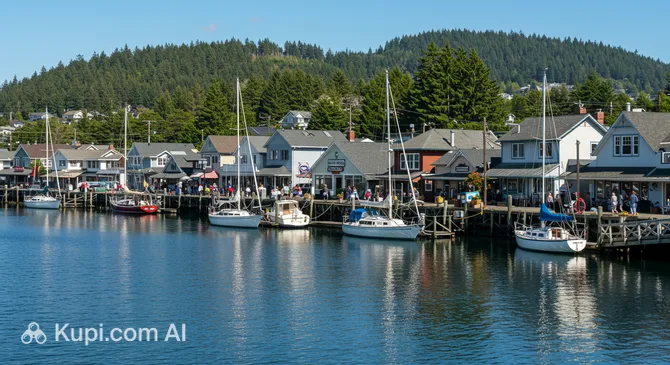
Eastsound. Source: Kupi.Binoculars

The village is not just a commercial center but also a place rich in stories. Visitors can delve into the fascinating history of Eastsound, which reflects the island's agricultural roots and its evolution into a beloved travel destination. Walking through the walkable downtown area reveals historic structures that stand alongside contemporary galleries and boutiques.

Eastsound is a haven for art enthusiasts and food lovers, boasting an array of local artisan shops, bookstores, and farm-to-table restaurants that highlight the region's bounty. It also acts as the perfect gateway to outdoor adventures, situated just a short drive from the majestic Moran State Park and Mount Constitution. Whether you are exploring the popular farmers market or watching seaplanes land in the harbor, the village offers a unique pace of life.

A visit to Eastsound promises a rejuvenating escape filled with scenic landscapes and genuine island hospitality. It is an ideal base for anyone looking to explore the wonders of the San Juan Islands and create unforgettable memories.

Weather Overview

Eastsound typically enjoys a temperate maritime climate, characterized by comfortable, dry summers and cool, wet winters. The village's location helps moderate temperature extremes, making it a pleasant destination year-round, though the distinct seasonal changes influence the best times for outdoor exploration. To help plan your packing list, it is helpful to review the current weather in Eastsound.

The warmest months are July and August, where travelers can expect average temperatures around 16°C to 17°C, with highs reaching near 19°C, and very little rainfall. Conversely, the winter season from November to January brings cooler conditions with average temperatures dropping to between 5°C and 7°C. Precipitation is much more frequent during this period, with January seeing up to 21 wet days, so bringing waterproof gear is essential for winter visits.

Interesting Facts

Beyond the main attractions, Eastsound holds many fascinating secrets and geographical quirks that make it truly unique. Here are a few surprising details about this charming island village:
  • A Case of Mistaken Identity: While many visitors assume the name "Orcas" refers to the killer whales frequently seen in the surrounding waters, it actually has a different origin. The name is a shortened version of "Horcasitas," derived from Juan Vicente de Güemes Padilla Horcasitas y Aguayo, the Viceroy of Mexico who sponsored the Spanish expedition that explored the area in 1791.

  • A Museum Made of Homes: The Orcas Island Historical Museum in downtown Eastsound is an architectural curiosity in itself. The facility is comprised of six original homestead cabins from the late 19th and early 20th centuries. These structures were donated by local families, carefully dismantled log by log, and reassembled at the current site to house the island's history.

  • The "Banana Belt" Effect: Despite its location in the Pacific Northwest, Eastsound sits firmly within the "Olympic Rain Shadow." This geographical phenomenon means the village receives significantly less rainfall than nearby Seattle—sometimes half as much—earning the area the local nickname of the "Banana Belt" due to its surprisingly sunny microclimate.

  • Historic Carpenter Gothic: The village is home to the Emmanuel Episcopal Church, built in 1885 and listed on the National Register of Historic Places. It is a rare example of Carpenter Gothic architecture, designed to resemble a stone English country parish but constructed entirely from local timber to suit the island's resources.

How to Get There

Reaching this island community requires some planning, as it is located on Orcas Island. For a complete guide on the various travel options, you can read more about how to get to Eastsound.

The city of Eastsound does not have a major commercial airport of its own, but you can fly into Bellingham International Airport (BLI) in the city of Bellingham, which is approximately 29 km from Eastsound. From there, travelers typically proceed to the ferry terminal to complete the journey. For international travelers, Vancouver International Airport (YVR) in Vancouver is a major hub located about 59 km away. This route involves crossing the international border and then connecting to the island via road and ferry.

For clarity, here is a summary of the main airports:
Airport Name City Passenger Traffic Km from City
Vancouver International AirportVancouverLarge58.9
Victoria International AirportVictoriaMedium38.8
Abbotsford AirportVancouverMedium53.3
Bellingham International AirportBellinghamMedium29.1
Victoria Inner Harbour AirportVictoriaSmall45.8

The city of Eastsound does not have a railway station, but you can arrive at the Vancouver Railway Station in the city of Vancouver, which is about 66 km from Eastsound. From the station, further travel by bus or car and ferry is required to reach the island.

Below is the information regarding the nearest railway stations:
Station City Passenger Traffic Km to Center
Vancouver Railway StationVancouverMedium65.7

Main Attractions

Moran State Park is widely considered the crown jewel of Orcas Island and is located just a short drive from the center of Eastsound. Spanning over 5,000 acres, this expansive park offers year-round recreation with five freshwater lakes and over 30 miles of hiking trails. The main highlight for many tourists is Mount Constitution, the highest point in the San Juan Islands. Visitors can drive or hike to the summit to witness a breathtaking 360-degree view that encompasses the surrounding islands, the Cascade Mountains, and even Canadian peaks on a clear day.

Right off the waterfront of Eastsound lies the intriguing Indian Island. This small, uninhabited island is a marine health observatory and offers a unique adventure for nature lovers. It is accessible by foot only during low tide, allowing visitors to walk across the exposed seabed. Exploring the island provides an excellent opportunity to observe rich tidal pools filled with starfish, crabs, and anemones, as well as to spot local shorebirds resting on the rocks.

For a peaceful escape that honors the region's natural and cultural heritage, Madrona Point is a must-visit. Managed by the Lummi Nation, this rocky peninsula features winding trails that meander through groves of twisted, reddish-barked Madrona trees. It is a spiritually significant site that offers quiet contemplation and stunning views of the water. Tourists appreciate this area for its serene atmosphere and the chance to enjoy a scenic picnic while overlooking the bay.

Located in the heart of the village, the Orcas Island Historical Museum offers a deep dive into the local heritage. While the buildings themselves are historic log cabins, the interior houses a vast collection of artifacts ranging from Native American baskets and tools to memorabilia from the island's early lime kiln and fruit-growing eras. It is a fascinating stop for history buffs wanting to understand the diverse communities and industries that shaped Eastsound into what it is today.

The Village Green serves as the communal living room of Eastsound and is a vibrant gathering spot for both locals and visitors. This grassy park hosts the popular seasonal farmers market, where artisans and farmers showcase the island's bounty, from fresh produce to handmade pottery. Even when the market is not in session, the Green is a perfect place to relax, enjoy live music performances at the stage, or simply soak in the friendly, small-town atmosphere.

Local Cuisine

Eastsound serves as the culinary capital of Orcas Island, offering a gastronomic experience that is deeply rooted in the "farm-to-table" and "tide-to-table" philosophies. The village is surrounded by fertile farmland and pristine waters, allowing local chefs to source ingredients that are exceptionally fresh and seasonal. Dining here is less about formal pretension and more about celebrating the natural bounty of the Pacific Northwest in a relaxed, rustic atmosphere.

Seafood is inevitably the star of the local menu. Visitors should not miss the opportunity to try Dungeness crab, which is often served simply steamed to highlight its sweet flavor or prepared as rich crab cakes. Pacific oysters are another staple, frequently harvested from nearby bays and served on the half-shell or grilled with garlic butter. For a true taste of the region, look for dishes featuring wild-caught salmon, often smoked or cedar-planked to perfection.

Beyond seafood, the agricultural heritage of the island shines through in the local cuisine. Menus are often dictated by what is currently being harvested, featuring vibrant salads with organic greens, heirloom tomatoes, and foraged ingredients like wild mushrooms or nettles. Artisan bakeries in the village are also renowned, producing flaky pastries and hearty sourdough breads that make for a perfect breakfast or picnic supply.

When it comes to beverages, the local culture is equally impressive. The Pacific Northwest is famous for its coffee, and Eastsound is no exception, with cozy cafes serving expertly roasted beans. For something stronger, travelers can sample craft beers from local breweries that use island-grown hops, or enjoy wines produced in the region's burgeoning vineyards. Artisanal ciders and kombuchas are also popular non-alcoholic or low-alcohol alternatives found in many establishments.

The dining scene in Eastsound ranges from casual cafes to upscale waterfront bistros. A central hub for food lovers is the seasonal Farmers Market on the Village Green, where one can sample street food ranging from wood-fired pizzas to ethnic specialties while mingling with the growers. Whether you are enjoying a candlelit dinner with a view of the sound or grabbing a quick bite from a food truck, the connection between the land, the sea, and the plate is palpable everywhere you eat.

Travel Tips

Preparing for a trip to Eastsound involves a bit more planning than the average getaway, primarily due to its island location and relaxed pace of life. These practical tips are designed to help you navigate the logistics of the San Juan Islands and ensure your visit is as smooth and enjoyable as possible.

  1. Clothing and Gear: The weather in the Pacific Northwest is changeable, so the best strategy is to pack layers. Even in summer, evenings can be cool, so bring a fleece and a lightweight, waterproof jacket. Since Eastsound is the gateway to outdoor adventures, sturdy walking shoes or hiking boots are essential for trails. The dress code here is "island casual"—comfort is key, and you will fit in everywhere with jeans and flannel.

  2. Transportation: While the village of Eastsound itself is very walkable, having a car is highly recommended if you want to explore the rest of Orcas Island, including Moran State Park. Public transport is limited to a seasonal shuttle bus service. Ride-hailing apps like Uber or Lyft are virtually non-existent here, so do not rely on them. Renting an e-bike is a fun and popular alternative for getting around locally.

  3. Finances: The local currency is the US Dollar (USD). Credit and debit cards are widely accepted at most restaurants and shops. However, it is wise to carry some cash for the Farmers Market, small artisan stands, or tipping. There are banks and ATMs located within the village. Be aware that prices for groceries and gas may be slightly higher than on the mainland due to transportation costs.

  4. Health and Safety: Eastsound is generally a very safe place with low crime rates. The main safety hazard for tourists is actually wildlife; deer are abundant and frequently cross roads, especially at dawn and dusk, so drive carefully. There is a local pharmacy in town, but it does not operate 24/7. For medical issues, the Orcas Medical Center provides care, but serious emergencies may require a helicopter transport to the mainland.

  5. Communication: English is the primary language. A crucial tip for modern travelers is that cell phone service can be spotty or non-existent once you leave the village center or venture deep into the state park. It is highly advisable to download offline maps and save important information to your phone before heading out on a hike. Wi-Fi is generally available in hotels and cafes in Eastsound.

  6. Local Etiquette: The pace of life here is intentionally slower than on the mainland, known locally as "island time." Patience is appreciated in lines and restaurants. When driving on narrow island roads, it is customary to give a friendly wave to passing cars—a local tradition. Also, residents are very eco-conscious; practicing Leave No Trace principles on trails and beaches is expected.

  7. What to Avoid: Do not assume all beaches are public. In Washington State, tidelands can be privately owned, so respect "Private Property" or "No Trespassing" signs along the shoreline. Additionally, avoid arriving at the ferry terminal without a reservation if you are bringing a car; spots fill up months in advance during peak season, and flying standby can result in long waits.

  8. Water Conservation: Fresh water is a precious and limited resource on the islands. Tourists are encouraged to be mindful of their water usage by taking shorter showers and not letting the tap run unnecessarily. This small effort is greatly appreciated by the local community, especially during the dry summer months.

By keeping these tips in mind, you can settle into the rhythm of Eastsound with ease and focus on the stunning scenery and friendly community. A little preparation goes a long way in making your island escape truly relaxing and memorable.

Entertainment & Nightlife

Nightlife in Eastsound reflects the laid-back, rustic character of Orcas Island. Travelers looking for thumping nightclubs or 24-hour parties will not find them here; instead, the village offers a cozy and intimate evening scene centered around connection, craft beverages, and local music. The atmosphere is undeniably casual, where flannel shirts and hiking boots are just as common at dinner as button-down shirts. Most establishments are concentrated along North Beach Road and Main Street, making it easy to hop between venues on foot if you are staying in the village center.

The rhythm of the night here is dictated by "island time," meaning venues tend to close earlier than on the mainland. Many kitchens shut down by 9:00 PM, though bars may stay open a bit longer, especially on weekends during the summer season. The crowd is a friendly mix of locals unwinding after work and visitors recounting their day's adventures. Live entertainment is often acoustic and intimate, featuring local songwriters or touring folk bands performing in taverns or on outdoor patios during warmer months.

For those seeking a classic island pub experience, The Lower Tavern is a local institution. Known for its unpretentious vibe, it is the place to go for a pint of local microbrew, a game of pool, and hearty pub fare. It is often the liveliest spot in town, where you can easily strike up a conversation with a resident. If you prefer a more refined setting, The Barnacle on North Beach Road offers a different pace. This cozy venue specializes in craft cocktails and features a menu highlighting locally sourced ingredients, making it an excellent spot for a sophisticated pre-dinner drink or a nightcap.

Another popular option is the White Horse Pub, which brings a touch of English tradition to the Pacific Northwest. With its fireplace and waterfront views, it provides a warm and inviting environment to enjoy a Guinness or a glass of wine while watching the sunset over the sound. These venues capture the essence of Eastsound's evening entertainment: relaxing, high-quality, and deeply rooted in the community.

When planning a night out, practical logistics are important. Safety in Eastsound is excellent, and walking around at night is generally very safe. However, the streets can be quite dark due to limited streetlights—intended to preserve the starry skies—so carrying a small flashlight or using your phone's light is recommended. Transportation options like Uber or taxis are virtually non-existent late at night. If your accommodation is outside the walkable downtown core, you must have a designated driver, as the winding island roads are unlit and frequented by deer.

While the evenings are quiet, the daytime entertainment in Eastsound is culturally rich. The Orcas Center is the hub for performing arts, hosting theater productions, dance performances, and concerts that often rival big-city quality. Art lovers can spend hours browsing the numerous galleries scattered through the village, showcasing pottery, painting, and sculpture by local artisans. Whether day or night, entertainment in Eastsound is about slowing down and savouring the moment.

Parks & Museums

Eastsound serves as a cultural and natural nexus for Orcas Island, offering spaces that celebrate both the region's stunning geography and its vibrant artistic community. Beyond the well-known landmarks, the village and its immediate surroundings are dotted with green spaces and cultural venues that invite deeper exploration.

For those seeking tranquility near the water without leaving the village vicinity, Crescent Beach Preserve is a magnificent natural area. Located just east of the downtown core, this protected stretch offers a rugged shoreline and a diverse mix of forest and wetland habitats. A gentle hiking trail meanders through the property, providing excellent opportunities for birdwatching and enjoying views of Ship Bay. It is a favorite spot for a peaceful morning walk, away from the bustle of the main shopping streets.

Travelers interested in active recreation should visit Buck Park, the community's hub for sports and outdoor play. Unlike the wilder state parks, this facility focuses on manicured green spaces and local life, featuring tennis and pickleball courts, a soccer field, and a world-class skate park. It is an excellent place to observe the daily rhythm of the islanders and enjoy a picnic in a well-maintained, family-friendly environment.

While the main historical museum captures the pioneer spirit, the Crow Valley School Museum offers a specific and touching window into the island's educational past. Situated a short drive from the village center, this beautifully restored one-room schoolhouse dates back to 1888. Visitors can step inside to see original desks, textbooks, and artifacts that recreate a school day from the late 19th century, bringing the stories of local children and teachers to life.

Art is woven into the fabric of Eastsound, and the Orcas Center stands as a testament to this creative soul. Although primarily a performing arts venue, it features a visual arts gallery in its lobby that rotates exhibitions of work by local painters, sculptors, and photographers. Exploring this space gives tourists a direct connection to the contemporary artistic expressions of the island community, often highlighting themes inspired by the surrounding seascape.

For a truly authentic experience, take a moment to explore the Eastsound Waterfront Park, a small, often overlooked strip of green right along the water's edge. Conveniently located just steps from the main village center overlooking the bay, it provides a quiet bench with an unobstructed view of the East Sound. It is a perfect spot for reading a book, enjoying a takeaway lunch, or simply watching the seaplanes take off and land on the shimmering water.

Getting Around

Navigating Eastsound requires a shift in expectations compared to large metropolitan areas. As a small village located on a rural island, there is no complex public transport network comprising subways, trams, or trains. The system is intentionally limited to preserve the island's peaceful character, meaning visitors often rely on a combination of seasonal services, personal vehicles, and active transportation methods to get around.

The primary form of public transit is the Orcas Island Shuttle, a seasonal bus service that typically operates during the summer months (usually from late June to early September). This shuttle connects the main ferry landing with the village of Eastsound and extends to popular destinations like Moran State Park and Mount Constitution. It is a reliable and eco-friendly way to travel between key points without needing a car, though the frequency of service is limited compared to mainland city buses.

Regarding payment for the shuttle, the system is straightforward and tourist-friendly. Fares are generally affordable, with options for one-way trips or all-day passes that allow for unlimited hop-on, hop-off privileges. While cash is traditionally accepted (exact change is appreciated), modern card payments are often available. It is advisable to check the current season's brochure or website for the most up-to-date fare structures before boarding.

For those visiting outside the summer season or requiring more flexibility, taxis and car services are available but operate differently than in big cities. Ride-sharing apps like Uber or Lyft are virtually non-existent here. Instead, you must rely on local taxi companies. A crucial piece of advice for tourists is to book these rides in advance, especially for early morning departures or late-night returns, as on-demand availability is very limited.

Bicycles and e-bikes are extremely popular alternatives and are arguably the best way to experience the local atmosphere. Several rental shops are located within Eastsound, offering electric bikes that make tackling the island's hilly terrain much easier. The village itself is very compact and pedestrian-friendly, so once you are in the downtown area, walking is the most efficient and enjoyable way to visit shops, restaurants, and the waterfront.

If you plan to explore the far reaches of the island beyond the shuttle's route, renting a car remains the most practical option. However, during peak tourist season, rental cars can sell out weeks or months in advance. To ensure smooth travel, reserve your vehicle well before your trip. Keep in mind that the pace of traffic is slow and relaxed, perfectly matching the "island time" vibe of Eastsound.

Accommodation

Accommodation in Eastsound is characterized by its rustic charm and intimacy rather than large-scale commercialism. You will not find sprawling international hotel chains or high-rise complexes here. Instead, the village offers a delightful selection of historic inns, boutique waterfront resorts, and cozy bed-and-breakfasts that reflect the island's laid-back atmosphere. Vacation rentals and private cabins are also extremely popular, providing a "home away from home" experience for families and groups looking for more space and privacy.

The most convenient area to stay is undoubtedly within the Village Center. Lodging options here allow visitors to walk to morning coffee, browse local galleries, and enjoy dinner without needing to drive. For those seeking tranquility and scenic vistas, properties located along the waterfront of the East Sound inlet offer breathtaking views and easy access to beaches. These spots are particularly coveted for their ability to combine proximity to town amenities with the feeling of a secluded island retreat.

Travelers should be prepared for prices that reflect the destination's popularity and remote location. Accommodation generally falls into the mid-range to luxury categories, especially during the peak summer season. Budget options such as hostels are rare within the village itself, though camping is available in nearby state parks for those comfortable with a more rugged experience. Booking is typically done through major online travel platforms or, in the case of many smaller local inns and B&Bs, directly through their independent websites.

Booking Tip: The most critical advice for staying in Eastsound is to book well in advance. The summer season (July and August) is the busiest time of year, and the best properties often fill up months beforehand. If you plan to visit during these peak months, securing your reservation in late winter or early spring is highly recommended to ensure you have a comfortable place to stay.

Nearby Cities

For those looking to explore the surroundings, Eastsound serves as an excellent base for day trips to several interesting nearby locations. The region is dotted with coastal communities that offer a mix of maritime history, outdoor adventures, and scenic beauty:

City Population Distance (km)
Bellingham129,60132
Everett110,43895
Whidbey Island78,53285
Blaine6,00035

Among the most popular destinations for a day trip is Bellingham. Often serving as the gateway to the San Juan Islands via its ferry terminal, this coastal city offers much more than just transit. Visitors can explore the historic Fairhaven district with its Victorian-era red-brick architecture, independent bookstores, and charming cafes. Outdoor enthusiasts will appreciate Whatcom Falls Park and the extensive trail networks that offer stunning views of Bellingham Bay.

Another fascinating option is Whidbey Island. Known for its rugged beauty and artistic communities, it provides a scenic contrast to the more secluded vibe of Orcas Island. A highlight here is Deception Pass State Park, where a high bridge offers dramatic views of the turbulent waters below. The island is also home to quaint towns like Coupeville and Langley, which are perfect for leisurely strolling, browsing art galleries, and enjoying fresh local mussels.

Located right on the border with Canada, Blaine is a unique destination worth visiting. It is famous for the Peace Arch State Park, a monument dedicated to the lasting peace between the United States and Canada, situated exactly on the international boundary. The city's harbor area is excellent for birdwatching, as the Drayton Harbor ecosystem attracts a wide variety of migratory birds throughout the year.

These nearby destinations offer a glimpse into the diverse culture and landscapes of the region, making them well worth the journey from Eastsound.

Shopping & Souvenirs

Shopping in Eastsound offers a refreshing departure from the generic big-box stores and sprawling malls found in larger cities. The village is the commercial heart of Orcas Island, yet it retains a distinctively local and artistic soul. Visitors will find a curated selection of independent boutiques, art galleries, and specialty shops that reflect the island's creative community and natural beauty. The focus here is on craftsmanship, sustainability, and locally sourced goods, making browsing through the town a relaxed and discovering experience.

The main shopping activity is concentrated within a walkable grid formed primarily by Main Street and North Beach Road. These tree-lined avenues are pedestrian-friendly and dotted with charming storefronts. Strolling down these streets, you can easily hop from a high-end clothing boutique to a rustic bookstore or a kitchenware shop. The compact nature of the village means you can explore the entire retail district on foot in an afternoon, enjoying the water views that peek through between the buildings.

Travelers looking for large, multi-story shopping malls will not find them in Eastsound. The village consciously maintains its small-town character. Instead of enclosed malls, you will find small, open-air clusters of shops and plazas, such as Eastsound Square or the Templin Center. These areas group together various services and boutiques, offering a convenient way to find gifts, outdoor gear, and local art in one spot without the commercial feel of a large shopping center.

A highlight of the local shopping scene is the Orcas Island Farmers Market, held seasonally on the Village Green. This is not just a place to buy groceries; it is a vibrant showcase of the island's talent. Here, tourists can purchase direct-from-the-maker items ranging from hand-spun wool and organic skincare products to jewelry and wood carvings. It is the perfect place to engage with local artisans and learn the stories behind their creations while enjoying the lively community atmosphere.

When it comes to souvenirs, Eastsound offers unique treasures that go far beyond typical trinkets. The island is famous for its lavender, and visitors often bring back essential oils, sachets, or culinary lavender treats. Local pottery is another must-buy, as the region is home to many skilled ceramicists inspired by the Pacific Northwest landscape. Other popular items include smoked salmon, locally roasted coffee, and books by regional authors found at the beloved independent bookstores in town.

Store hours in Eastsound often operate on "island time," which is generally more relaxed than on the mainland. Most shops open around 10:00 AM and close by 5:00 PM or 6:00 PM. During the peak summer season, some retailers may extend their hours into the evening, while winter hours can be significantly reduced, with some businesses closing for seasonal breaks. Major credit and debit cards are widely accepted, though carrying some cash is recommended for the farmers market or smaller pop-up stalls.

The United States does not have a national Value Added Tax (VAT) refund system for international tourists like many European countries. In Washington State, a sales tax is added to the price of most goods at the register. While there are specific rules for residents of certain tax-free US states or Canadian provinces, for the general international traveler, this tax is typically non-refundable. Visitors should expect the final price at the checkout to be slightly higher than the price tag on the shelf due to this state and local tax.

Reached the end of the page?

That means the route is fully explored