Support

Victoria

About

Victoria, the capital of British Columbia, is a city of rare beauty and charm located on the southern tip of Vancouver Island. Known for its British colonial heritage and stunning coastal scenery, it stands out as one of the most picturesque destinations in Canada. The city offers a perfect blend of historic elegance and modern vibrancy, making it a favorite stop for travelers seeking both relaxation and adventure.

With a population of approximately 335,000 residents, Victoria maintains a welcoming, community-focused atmosphere despite its status as a provincial capital. It is famous for having the mildest climate in the country, often described as sub-Mediterranean, which allows for year-round gardening and outdoor activities. This pleasant weather has earned it the nickname the "City of Gardens," with blooms visible during months when the rest of the nation is often covered in snow.

Victoria. Source: Kupi.Binoculars

The city's past is deeply woven into its streets and landmarks. Visitors can delve into the history of Victoria to understand how it evolved from a trading post to a bustling cultural hub. The iconic Inner Harbour serves as the heart of the city, flanked by the majestic Parliament Buildings and the historic Fairmont Empress Hotel, where afternoon tea is a beloved tradition.

Nature lovers and culture enthusiasts alike will find plenty to explore, from the breathtaking floral displays at The Butchart Gardens to the vibrant culinary scene downtown. Whether you are strolling along the scenic breakwater or exploring the local museums, Victoria promises an unforgettable experience full of discovery and delight.

Weather Overview

Victoria is renowned for having one of the mildest climates in Canada, often feeling more Mediterranean than continental. For travelers looking into the weather in Victoria, the general rule is to expect pleasantly warm, dry summers and mild, wet winters. This unique weather pattern allows for year-round exploration, provided you pack the right gear for the season.

The summer months of July and August are ideal for outdoor activities, boasting the highest temperatures and the least amount of rain. Average temperatures sit around 18°C, with daily highs reaching up to 22.1°C in August. It is remarkably dry during this time, with July seeing almost no precipitation and only about 2 wet days on average.

Winters are far gentler here than in the rest of the country, though they are characterized by frequent rainfall rather than snow. In January, the average temperature is approximately 5.0°C, dropping to lows of around 3.2°C. Rain is common, with precipitation recorded on about 20 days during the month, so a sturdy raincoat is a must.

Spring and autumn serve as mild transition periods. May sees temperatures warming up to an average of 12.5°C with significantly fewer wet days, while October cools down to around 10.9°C as the rainy season begins to set in. Overall, the climate is comfortable and supports the city's vibrant gardens throughout the year.

Interesting Facts

Beyond the well-manicured gardens and colonial architecture, Victoria holds a treasure trove of quirky history and local secrets. Here are a few fascinating details that make this island city truly unique.
  • Home to the oldest Chinatown in Canada, the city features the famous Fan Tan Alley within Victoria Chinatown. This narrow passage, often cited as the narrowest commercial street in North America, was once a bustling gambling district and is now filled with eclectic shops.

  • While the rest of the country is often deep in snow during February, locals here celebrate the annual "Flower Count." Residents tally the billions of blooms appearing across the city to showcase its remarkably mild climate.

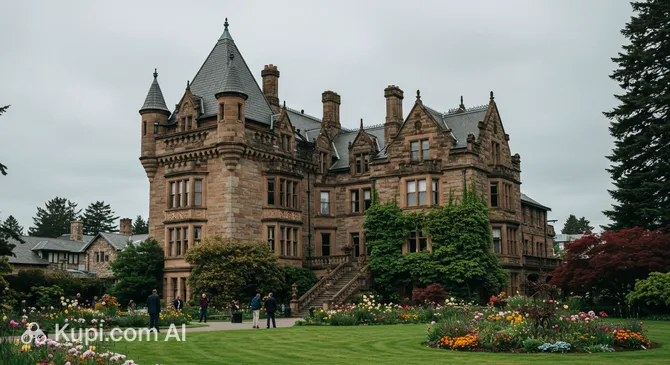
  • Victoria is rumored to be one of the most haunted cities in the Pacific Northwest. Spooky legends surround many historic buildings, including the imposing Craigdarroch Castle, which is said to be visited by spirits of its original owners.

  • Just around the corner from the inner harbor lies Fisherman's Wharf Park, a unique floating community. Visitors can see colorful float homes where people live year-round and often spot resident harbor seals hoping for a snack.

Craigdarroch Castle. Source: Kupi.Binoculars

How to Get There

Reaching the capital of British Columbia is part of the adventure, as the city is located on the southern tip of Vancouver Island. Since there is no land bridge connecting the island to the mainland, visitors must travel by air or sea. You can find more about how to get to Victoria and the various transport options available to plan your journey effectively.

The most convenient way to arrive is via Victoria International Airport (YYJ), located approximately 25 km north of the city center. It is a regional hub that handles flights from major Canadian and American cities. The travel time to downtown by taxi or shuttle bus is roughly 60 minutes. For a truly unique experience, you can fly directly into the heart of the city at Victoria Inner Harbour Airport (YWH). This floatplane terminal is just 0.7 km from the center, offering a quick 20-minute transfer to hotels, though often you can simply walk.

Many international travelers choose to fly into Vancouver International Airport (YVR) in the city of Vancouver, which is about 86 km away. From there, you can take a connecting flight or enjoy a scenic journey involving a bus and ferry transfer across the Strait of Georgia.

For clarity, here is a summary of the main airports:

Airport Name City Passenger Traffic Km from City
Vancouver International Airport Vancouver High 86.3
Victoria International Airport Victoria High 24.8
Bellingham International Airport Bellingham Medium 73.3
Nanaimo Airport Nanaimo Medium 78.7
Victoria Inner Harbour Airport Victoria Low 0.7

While there is no direct rail service into Victoria from the mainland, train enthusiasts can travel as far as Vancouver. The city of Victoria does not have an active intercity railway station, but you can arrive at the Vancouver Railway Station in the city of Vancouver, which is about 96 km from Victoria. From this station, travelers typically transfer to a bus coach that connects with the BC Ferries service to cross over to the island. The total travel time for this leg of the journey is approximately 4 hours, accounting for the ferry crossing and transfers.

Here is the nearest railway station for reference:

Station City Passenger Traffic Km to Center
Vancouver Railway Station Vancouver Medium 96.0

Main Attractions

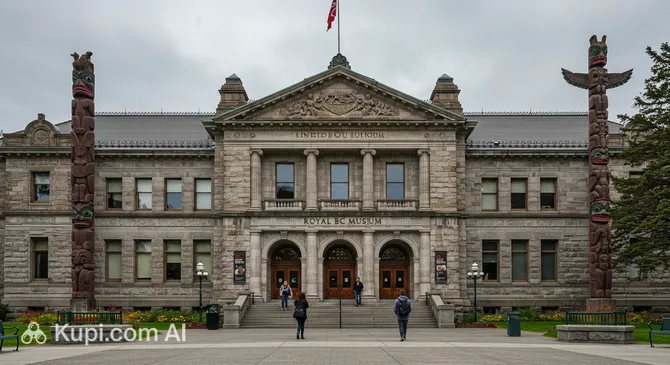
One of the foremost cultural institutions in the country is the Royal BC Museum. Located just steps from the Inner Harbour, this museum offers an immersive journey through the natural and human history of British Columbia. Visitors are particularly drawn to the First Peoples Gallery, which features spectacular totem poles and authentic artifacts, as well as the realistic dioramas that recreate the province's diverse ecosystems, from coastal forests to the ice age.

Royal BC Museum. Source: Kupi.Binoculars

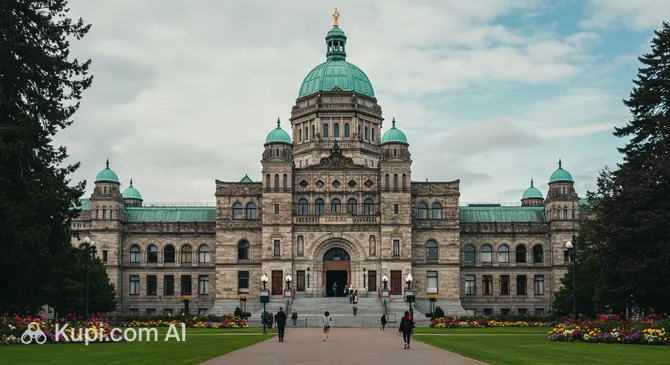
Dominating the waterfront view is the magnificent Legislative Assembly of British Columbia. These neo-baroque Parliament Buildings are not only the seat of government but also an architectural marvel complete with domes, turrets, and stained glass. Tourists can take free guided tours to learn about the province's political history or simply admire the exterior, which is famously outlined with thousands of lights that illuminate the harbour each night.

Legislative Assembly of British Columbia. Source: Kupi.Binoculars

For a peaceful escape into nature within the city limits, Beacon Hill Park is the perfect destination. Spanning roughly 200 acres, this lush green space features manicured flower beds, scenic walking paths, and a petting zoo that is a hit with families. It is also famous for its free-roaming peacocks and for hosting the Mile Zero Monument, which marks the western start of the Trans-Canada Highway.

Beacon Hill Park. Source: Kupi.Binoculars

A short drive from the city center lies the stunning Hatley Castle, a National Historic Site located within Hatley Park. Completed in 1908, this imposing structure is surrounded by Japanese, Italian, and Rose gardens that are meticulously maintained. It is a favorite among movie fans as a frequent filming location for major productions, and its grand interiors and expansive grounds offer a glimpse into the luxurious lifestyle of the early 20th century.

Hatley Castle. Source: Kupi.Binoculars

Local Cuisine

The culinary scene in Victoria is a delicious reflection of its coastal geography and rich cultural history. Known as the "Brunch Capital of Canada," the city offers a relaxed yet sophisticated dining atmosphere where farm-to-table practices are the norm rather than the exception. Chefs here take full advantage of the surrounding ocean and fertile farmlands, ensuring that plates are piled high with fresh, local ingredients year-round.

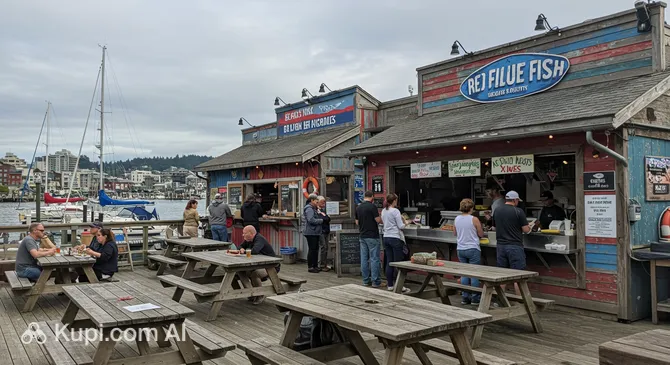
Unsurprisingly, seafood is the star of the show. Visitors simply must try the wild Pacific salmon or sustainably caught halibut, which are staples on many menus. For a casual but iconic experience, Red Fish Blue Fish located on the harbour front is a must-visit. This beloved outdoor eatery operates out of a repurposed shipping container and serves what many locals consider the best tempura-battered fish and chips and tacocones in the city.

Red Fish Blue Fish. Source: Kupi.Binoculars

Beyond seafood, the city has a sweet side rooted in its history. The Nanaimo Bar, a famous Canadian no-bake dessert consisting of a wafer crumb base, custard-flavoured butter icing, and chocolate ganache, is a local favourite found in cafes everywhere. Additionally, the British tradition of Afternoon Tea is deeply ingrained in the local culture. From grand hotels to cozy tea rooms, taking time for tea, scones, and clotted cream is a quintessential Victoria experience.

When it comes to drinks, Victoria is celebrated as the cradle of the craft beer revolution in Canada. The city boasts a high density of microbreweries and brewpubs, making it a paradise for beer enthusiasts. Visitors can sample a wide array of West Coast IPAs, stouts, and seasonal ales. For those who prefer wine, the nearby Cowichan Valley produces excellent cool-climate varietals, particularly Pinot Noir and Pinot Gris, which feature prominently on local wine lists.

The dining landscape is also shaped by diverse international influences. A stroll through Victoria Chinatown reveals a treasure trove of dining options, from authentic dim sum parlours to modern Asian-fusion eateries and hidden tea shops. For those seeking a romantic atmosphere and classic European flavours, Il Terrazzo offers fine Italian dining in a beautiful courtyard setting, showcasing the city's love for al fresco meals even in the heart of downtown.

Travel Tips

Welcome to the charming capital of British Columbia! To help you make the most of your visit to this picturesque island city, we have compiled a set of essential practical tips that will ensure your trip is as smooth and relaxing as the local lifestyle.

  1. Clothing and Gear: Victoria is famous for its temperate climate, but the weather can change quickly. The best strategy is to pack layers, including a waterproof jacket or windbreaker, regardless of the season. Winters are wet rather than snowy, so sturdy, water-resistant footwear is essential. The city is generally casual, so comfortable clothes are acceptable almost everywhere. If you are visiting from outside North America, remember to bring a Type A or B power adapter for your electronics.
  2. Transportation: The downtown area, especially around the Inner Harbour, is extremely walkable and best explored on foot. For longer distances, the BC Transit bus system is reliable, affordable, and features iconic double-decker buses that offer great views. Ride-hailing apps like Uber and Lyft operate here, along with traditional taxis. Unless you plan to explore the wilder northern parts of Vancouver Island, a rental car is often unnecessary and parking in the city center can be expensive.
  3. Finances: The local currency is the Canadian Dollar (CAD). Credit and debit cards are widely accepted, and contactless payment (tap) is the norm for everything from coffee to museum tickets. ATMs are plentiful throughout the city. Tipping is customary in Canada; expect to leave 15% to 20% of the bill at restaurants, bars, and for taxi services.
  4. Health and Safety: Victoria is considered a very safe city for tourists. In case of any emergency, dial 911 for police, ambulance, or fire services. Pharmacies, such as Shoppers Drug Mart, are easy to find, and some locations are open late. While the city is safe, exercise standard precautions at night and be aware that deer are common even in urban areas—give them plenty of space.
  5. Communication: The primary language is English. Locals are generally very helpful and communicative. Free Wi-Fi is available in many public spaces, cafes, and at the ferry terminal. If you need mobile data, you can purchase a prepaid SIM card at major shopping centers like the Bay Centre downtown or at electronic stores.
  6. Local Etiquette: Victorians are known for their politeness and friendly demeanor. It is customary to greet shopkeepers when entering a store and to say "sorry" if you accidentally bump into someone. A unique local habit is shouting "Thank you!" to the bus driver from the back door when exiting the bus—it is a small gesture that is highly appreciated.
  7. What to Avoid: Do not walk in the designated bike lanes. Victoria is one of the most cycling-friendly cities in Canada, and bike lanes are busy traffic corridors; stepping into them without looking can be dangerous and is frowned upon. Also, avoid feeding wildlife, including seagulls and raccoons, as it is harmful to the animals and often illegal.
  8. Additional Tip: Be mindful of opening hours. Unlike many other major tourist destinations, shops in downtown Victoria tend to close relatively early, often around 5:00 PM or 6:00 PM, even on weekends. Plan your shopping for the morning or afternoon, and save the evenings for dining and strolling along the harbour.

By keeping these practical tips in mind, you will be well-prepared to embrace the laid-back "Island time" vibe of Victoria. Enjoy your stay in this beautiful garden city, where history, nature, and hospitality come together to create an unforgettable experience.

Entertainment & Nightlife

Entertainment in Victoria offers a delightful mix of cultural experiences, lively music venues, and family-friendly adventures. While the city is known for its relaxed pace, there is no shortage of ways to spend an exciting evening or a fun-filled afternoon, from historic courtyards to interactive exhibits.

For music lovers, the city is a hidden gem. Hermann's Jazz Club is a legendary venue and the longest-running jazz club in Canada. It hosts top-tier local and international musicians in an intimate setting, making it a perfect spot for a memorable night out. If you prefer a sophisticated cocktail in a chic atmosphere, The Palms Restaurant & Lounge offers a stylish setting inside the historic Hotel Rialto, often featuring live entertainment.

Those looking for unique and whimsical attractions will find plenty to explore. Miniature World, located within the Empress Hotel, features over 85 exquisitely detailed dioramas, ranging from historical battles to fantasy lands. It is a fascinating stop that captivates visitors of all ages, often described as the "Greatest Little Show on Earth."

Families and nature enthusiasts can get up close and personal with the smaller side of the animal kingdom at the Victoria Bug Zoo. This vibrant mini-zoo allows brave visitors to hold giant walking sticks, praying mantises, and other exotic insects. For a prehistoric adventure, Dino Lab offers a rare glimpse into the world of paleontology, where you can see real dinosaur fossils being prepared and even try your hand at the process.

Shopping and socializing come together beautifully at Market Square. Situated in the city’s Old Town, this heritage brick-and-beam courtyard is surrounded by independent boutiques and eateries. It frequently hosts festivals and outdoor events, creating a lively community hub. On warm summer days, families often head to the Esquimalt Adventure Water Park to cool off with its splash pads and slides.

For a casual evening with friends, the 5th St. Bar & Grill is a local favorite, known for its wood-fired rotisserie and comfortable, friendly environment. Whether you are seeking artistic inspiration, a lively beat, or a touch of history, the city's entertainment options are sure to impress.

Parks & Museums

Victoria is a city where the natural world and cultural heritage are seamlessly intertwined, offering visitors a rich tapestry of lush landscapes and artistic expression. Beyond the famous harbour, the city is dotted with serene green spaces and institutions that preserve the unique history and creativity of the Pacific Northwest.

For those seeking tranquility and breathtaking views, Saxe Point Park is a magnificent waterfront destination. Located in the township of Esquimalt, this park offers spectacular vistas of the Strait of Juan de Fuca and the Olympic Mountains. Visitors can explore sheltered forest trails, relax on secluded beaches, or simply admire the manicured gardens that pay homage to the site's naval history.

Another horticultural gem is the Esquimalt Gorge Park & Pavilion. This park is renowned for hosting one of the oldest Japanese gardens in North America, originally established in 1907. The meticulously restored grounds feature ornamental bridges, tranquil water features, and the stunning Gorge Waterway Nature House, making it a perfect spot for a peaceful afternoon stroll or a picnic by the water.

Immersing yourself in the local art scene is essential, and the Art Gallery of Greater Victoria is the premier venue to do so. Housed partly in a historic 1889 mansion, the gallery boasts an impressive collection of Asian art, including a complete Japanese Shinto shrine. It also features a strong focus on Canadian artists, particularly the works of Emily Carr, providing a deep dive into the region's artistic identity.

History comes alive at the Fort Rodd Hill and Fisgard Lighthouse National Historic Site. This expansive open-air museum allows visitors to explore century-old coastal artillery gun batteries and underground bunkers. Standing guard nearby is the iconic Fisgard Lighthouse, the oldest on the Canadian west coast, where you can learn about the lives of early keepers and the maritime history of the region.

The city's architectural and cultural landmarks are equally captivating. A visit to Songhees Point (p’álәc’әs) offers a meaningful connection to the land's Indigenous roots. Situated along the harbour, this site features magnificent totem poles and carvings that honour the Songhees people, providing a perspective on the area's history long before European settlement.

Downtown, the skyline is graced by the High Victorian Gothic spires of St. Andrew's Cathedral. As a National Historic Site, it is an architectural marvel with its intricate stained glass and medieval-style design, offering a quiet sanctuary amidst the bustling city streets.

For a truly local experience, take a walk along the breakwater to find the Ogden Point Sundial. This unique bronze sculpture not only tells the time but also depicts the local marine life, rewarding those who make the scenic journey to the tip of the breakwater with a beautiful blend of art and ocean views.

Getting Around

Navigating Victoria is straightforward and convenient, thanks to a well-organized public transport network that connects the downtown core with the surrounding neighborhoods and ferry terminals. The primary mode of public transportation is the bus system operated by BC Transit. Unlike larger metropolises, the city does not have a metro or tram system, but its fleet of buses—including the iconic double-decker buses that nod to the city's British heritage—provides excellent coverage and scenic views during your commute.

For payment, the system has recently modernized with the introduction of the Umo mobility platform. Travelers can pay their fare using the Umo app on a smartphone or by purchasing a reloadable Umo card from local vendors. If you prefer to pay with cash, you can still do so upon boarding the bus, but you must have the exact change as drivers do not carry cash. A standard single fare is affordable, and if you plan to take multiple trips in a day, purchasing a DayPASS is a highly economical option that offers unlimited travel until the end of the service day.

A practical tip for tourists is to download the Umo app or buy a pass immediately upon arrival, as this simplifies the boarding process. Bus schedules are generally reliable, with frequent service in the downtown area and major corridors, though frequency may decrease in the evenings and on weekends. Most routes run from early morning until late at night, making it easy to return from dinner or evening entertainment. Always remember to check the route maps, as some express lines are designed for commuters and make fewer stops.

One of the most charming ways to get around the waterfront is by using the Victoria Harbour Ferry. These small, distinctive water taxis, often referred to as "pickle boats," shuttle passengers between various points in the Inner Harbour and neighboring areas like Fisherman's Wharf. While slightly more expensive than a bus, they offer a unique perspective of the city from the water and are a favorite among visitors for short hops across the harbour.

For those who prefer active travel, Victoria is widely known as the cycling capital of the region. The city features an extensive network of bike lanes and multi-use trails, such as the famous Galloping Goose Regional Trail. Bike rentals are readily available throughout the downtown area, including electric bikes, making it a popular choice for exploring at your own pace. Additionally, ride-hailing services like Uber and Lyft, as well as traditional taxis, are widely available for direct transfers or late-night travel.

Accommodation

Finding the perfect place to stay in Victoria is easy, as the city offers a wide spectrum of accommodation options to suit every preference and budget. Visitors can choose from charming historic bed and breakfasts, modern downtown apartments, budget-friendly hostels, and luxurious waterfront resorts. Whether you are looking for a romantic getaway or a family-friendly base for your adventures, the city's hospitality sector is well-equipped to welcome you.

The most popular area for tourists is undoubtedly the Inner Harbour and the surrounding downtown core. Staying here places you within walking distance of major attractions, including the Parliament Buildings and the Royal BC Museum, as well as a plethora of dining and shopping options. For those seeking a quieter atmosphere while remaining close to the center, the historic neighborhood of James Bay offers a peaceful residential vibe with beautiful heritage homes and easy access to Beacon Hill Park.

For travelers interested in a more resort-style experience, there are excellent options available. One notable establishment is the Victoria Resort, which provides a comfortable retreat with amenities designed for relaxation. Properties like this are often situated to take advantage of the island's natural beauty, offering guests a serene environment to unwind after a day of exploring.

When planning your trip, it is highly recommended to book your accommodation in advance, especially if you are visiting during the peak summer season from May to September. During these months, the city is a bustling tourist hub, and the best hotels and B&Bs fill up quickly. Prices tend to be higher in the summer, so budget-conscious travelers might consider visiting during the shoulder seasons of spring or autumn when rates are more favorable and the city is less crowded. Most accommodations can be easily booked via major online platforms or directly through their websites.

Nearby Cities

For those looking to explore the surroundings, Victoria serves as an excellent base for day trips to several interesting nearby locations:

Located immediately to the north, Saanich is less of a separate journey and more of a seamless extension of the capital's charm. It offers a mix of rural and urban landscapes, boasting extensive parklands such as Elk and Beaver Lakes. Visitors can enjoy relaxed hiking trails, swimming spots, and organic farm stands, making it an easy and refreshing escape into nature just minutes from the city center.

For travelers willing to take the scenic ferry ride across the Strait of Georgia to the mainland, Richmond provides a vibrant cultural contrast. Known for its incredible Asian culinary scene and the historic Steveston Village, it is a bustling destination where heritage meets modern city life. Alternatively, White Rock offers a quintessential seaside experience with its famous long wooden pier and sandy beaches, perfect for a leisurely afternoon walk by the ocean.

City Population Distance (km)
Richmond 198,309 84
Langley 117,285 91
Saanich 114,148 3
Delta 102,238 78
White Rock 82,368 78

These nearby destinations offer a glimpse into the diverse culture and landscapes of the region.

Shopping & Souvenirs

Shopping in Victoria offers a delightful blend of historic charm and modern variety, making it a unique experience for visitors. The city is less about sprawling mega-malls and more about independent boutiques, heritage shops, and artisan galleries. Travelers will find a distinct focus on locally made goods, British imports, and First Nations art, all set within a walkable and picturesque downtown core.

The most famous shopping thoroughfare is Government Street, where you can find everything from high-quality souvenirs to luxury woolens and fine china. It is the ideal place to pick up classic Canadian gifts or indulge in local chocolates. For those seeking trendy fashion and unique accessories, Lower Johnson Street—known locally as "LoJo"—is a must-visit. This vibrant district is lined with colorful Victorian buildings housing independent boutiques that offer items you won't find anywhere else.

A short walk away lies Victoria Chinatown, the oldest in Canada and a fascinating area for shoppers. Here, you can explore the famous Fan Tan Alley, an incredibly narrow passage filled with quirky shops selling everything from vintage records to handmade soaps and Asian goods. It is a perfect spot to find curious treasures in a historic setting.

For a more concentrated retail experience, the city offers several key destinations. The Bay Centre downtown is the primary indoor shopping complex, featuring major fashion brands. In the historic Old Town district, Market Square is a beautifully restored heritage courtyard surrounded by brick-and-beam buildings. It hosts a variety of local one-of-a-kind stores and is a great place to browse for gifts. Further from the center, Eagle Creek Village provides a modern mix of retail shops and services for those exploring the wider area.

Markets play a significant role in the local lifestyle. The Victoria Public Market at the Hudson is a year-round indoor hub featuring fresh food, artisanal cheeses, and handcrafted goods. During the summer months, the outdoor market at Bastion Square comes alive with local artisans selling jewelry, leather goods, and artwork, offering a direct connection to the city's creative community.

When it comes to souvenirs, Victoria has plenty of authentic options. Smoked salmon is a classic choice, often packaged for travel. The region is also famous for Cowichan sweaters, distinctively patterned and warm wool garments hand-knitted by the Coast Salish people. First Nations art, such as silver jewelry and wood carvings, is highly prized; look for galleries that guarantee authenticity. Additionally, a box of locally made chocolates or a tin of premium tea reflects the city's sweet and British-influenced traditions.

Most shops in the downtown area are open from 10:00 AM to 6:00 PM, with extended hours often available on Fridays and during the peak summer tourist season. Shopping malls typically stay open until 9:00 PM on weekdays. Credit and debit cards are widely accepted everywhere, and contactless payment is the standard method for most transactions.

Regarding taxes, visitors should be aware that the advertised price on shelf usually does not include sales tax. The Goods and Services Tax (GST) and Provincial Sales Tax (PST) are added at the register. Currently, there is no general tax refund program available for international tourists on goods purchased for personal use in Canada.
Reached the end of the page?

That means the route is fully explored