Support

Seattle

About

Seattle, often affectionately known as the Emerald City, is a vibrant metropolis located in the Pacific Northwest region of the United States. Famous for its lush evergreen forests, innovative spirit, and stunning coastal geography, the city sits on an isthmus between the Puget Sound and Lake Washington. It offers a unique atmosphere where sophisticated urban living meets rugged natural beauty, with the dramatic peaks of the Olympic and Cascade Mountains visible on the horizon.

With a metropolitan population of over 3.4 million people, Seattle is the largest city in the state of Washington and a major economic hub. While the city is well-known for its frequent misty rain—which keeps the landscape incredibly green year-round—it also enjoys mild, dry summers that are perfect for outdoor exploration. The city's maritime climate and proximity to water make it a haven for boating enthusiasts and nature lovers alike.
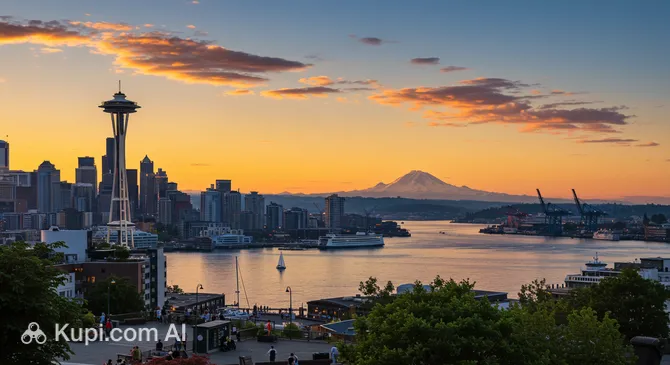
Seattle. Source: Kupi.Binoculars

Visitors interested in the past can explore the fascinating history of Seattle, which traces its rise from a humble timber town and a gateway for the Klondike Gold Rush to a modern global center for technology and aviation. This rich heritage is reflected in its diverse neighborhoods and historic landmarks that stand alongside modern skyscrapers.

No trip to Seattle is complete without visiting its most iconic landmarks. The futuristic Space Needle offers panoramic views of the city and surrounding mountains, while the bustling Pike Place Market is one of the oldest continuously operated public farmers' markets in the country. Additionally, as the birthplace of modern coffee culture, the city invites travelers to relax in its countless cozy cafes.

Whether you are drawn by the dynamic arts scene, the incredible seafood, or the easy access to wilderness adventures, Seattle is a destination that promises to inspire. It is a city that welcomes visitors with open arms and offers an unforgettable travel experience.
Weather Overview

Seattle experiences a temperate maritime climate, characterized by mild, dry summers and cool, wet winters. The city is famous for its evergreen appearance, sustained by frequent but often light precipitation during the cooler months. For a deeper dive into seasonal trends and packing tips, you can check the detailed guide to the weather in Seattle before your trip.

The warmest and driest time to visit is during July and August, when the city truly shines. During this peak season, average temperatures hover around 20°C, with daily maximums often reaching a comfortable 25°C. Rainfall is scarce, with only about 5 to 7 wet days per month, creating ideal conditions for outdoor adventures and sightseeing.

Conversely, the winter months of December and January are the coldest and wettest, with average temperatures dropping to approximately 5°C to 6°C. Travelers should be prepared for frequent rain, as these months typically see around 19 to 21 wet days. Spring and autumn serve as transitional periods with moderate temperatures ranging from 7°C to 12°C and a mix of sunny breaks and showers.

Interesting Facts

Beyond the famous skyline and coffee culture, Seattle holds many fascinating secrets that surprise even seasoned travelers. From hidden underground passageways to engineering marvels, the city is full of unique stories waiting to be uncovered.
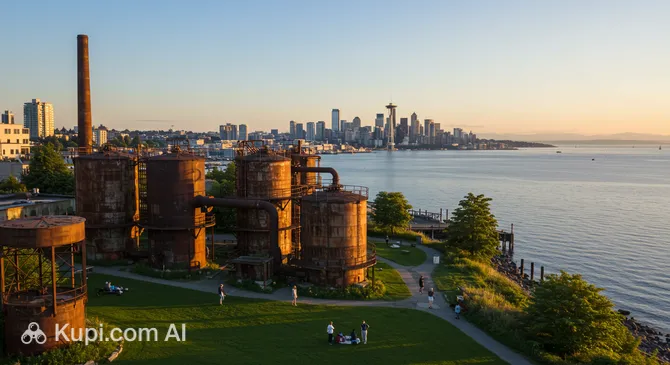
Gas Works Park. Source: Kupi.Binoculars
  • Seattle is home to an entire "underground city" beneath the Pioneer Square neighborhood. After the Great Fire of 1889, the city was rebuilt one story higher to avoid flooding and sewage issues, leaving the original storefronts and sidewalks buried below the current street level.

  • The city boasts the world's first park created from an industrial site, Gas Works Park. Instead of removing the old coal gasification plant, landscape architects incorporated the rusting towers and pipes into the design, creating a surreal and beloved public space on the north shore of Lake Union.

  • Due to the depth and soft mud of Lake Washington, traditional bridge pilings were impossible to secure, leading Seattle to become the floating bridge capital of the world. The city connects to its eastern suburbs via some of the longest floating bridges on the planet, which rest directly on the water's surface.

  • Hidden in an alleyway under Pike Place Market is the famous Gum Wall, a brick facade completely covered in used chewing gum. It started in the 1990s when patrons waiting for a show stuck their gum to the wall, and it has since become one of the strangest and most photographed attractions in the region.

How to Get There

Seattle is a major transportation hub in the Pacific Northwest, easily accessible by air, road, and rail. Whether you are flying in from across the globe or taking a scenic train ride along the coast, there are numerous options to reach the Emerald City. You can read more about how to get to Seattle and plan your journey in detail.

The primary gateway for most visitors is Seattle-Tacoma International Airport (SEA), located approximately 17.6 km from the city center. As a major international hub, it handles a large volume of passengers annually. The travel time to downtown Seattle is typically around 46 minutes by taxi or car service. Another convenient option, especially for domestic flights, is Paine Field (PAE). Situated about 33.7 km from the heart of the city, this airport offers a more relaxed atmosphere. A taxi ride from Paine Field to the city center generally takes about 1 hour and 10 minutes.

For clarity, here is a summary of the main airports:

Airport Name City Passenger Traffic Km from City
Seattle-Tacoma International AirportSeattleLarge17.6
Victoria International AirportVictoriaMedium141.5
Bellingham International AirportBellinghamSmall132.8
Paine FieldSeattleSmall33.7
Victoria Inner Harbour AirportVictoriaSmall119.5

Travelers exploring the wider region by rail may also consider connections through neighboring cities. For instance, you can arrive at the Vancouver Railway Station (XEA) in the city of Vancouver. It is located about 194 km from Seattle. From there, you can get a taxi or bus, which takes about 310 minutes to reach the city.

Below is a list of railway stations in the broader region:

Station City Passenger Traffic Km to Center
Vancouver Railway StationVancouverSmall193.9

Main Attractions

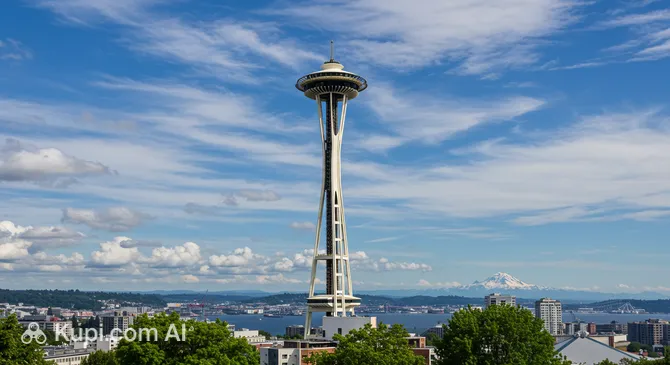
No visit to the Emerald City is complete without experiencing the iconic Space Needle. Built for the 1962 World's Fair, this futuristic spire defines the city's skyline. Visitors can take a quick elevator ride to the top, where the observation deck features the world's first rotating glass floor, The Loupe. From here, you are treated to breathtaking 360-degree views of downtown, the Puget Sound, and the majestic mountains in the distance.

Space Needle. Source: Kupi.Binoculars

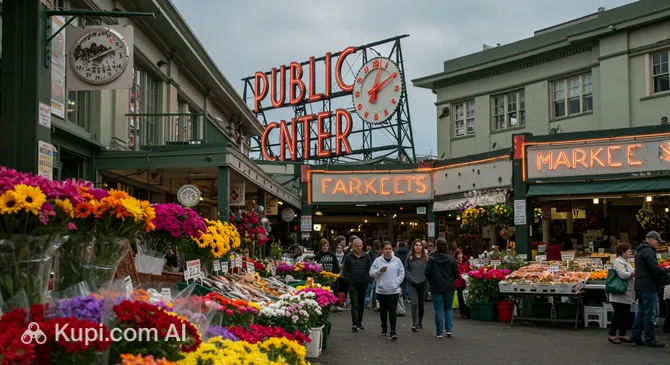
Just steps away from the waterfront lies the historic Pike Place Market, a bustling hub of activity that has served the community for over a century. Known as the "soul of Seattle," this vibrant marketplace is famous for its fishmongers who toss fresh catch through the air, entertaining crowds daily. Beyond the spectacle, tourists can explore a maze of stalls selling fresh produce, artisan crafts, and specialty foods, or simply soak in the lively atmosphere.

Pike Place Market. Source: Kupi.Binoculars

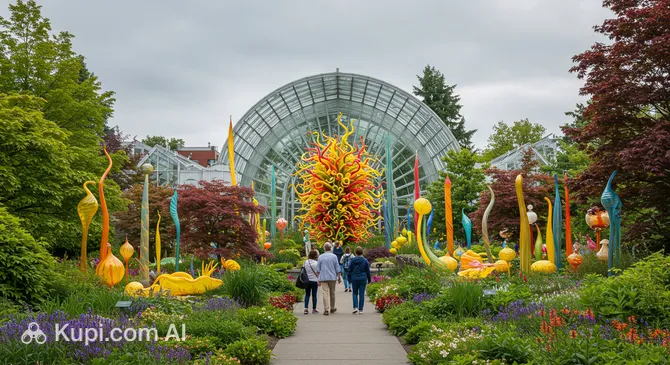
For art lovers, Chihuly Garden and Glass offers a mesmerizing display of color and creativity. Located at the base of the Space Needle, this exhibition showcases the intricate work of renowned glass artist Dale Chihuly. The galleries feature stunning large-scale installations, but the highlight is often the Glasshouse, a conservatory filled with a 100-foot-long sculpture that glows in the natural light, connecting the art with the sky above.

Chihuly Garden and Glass. Source: Kupi.Binoculars

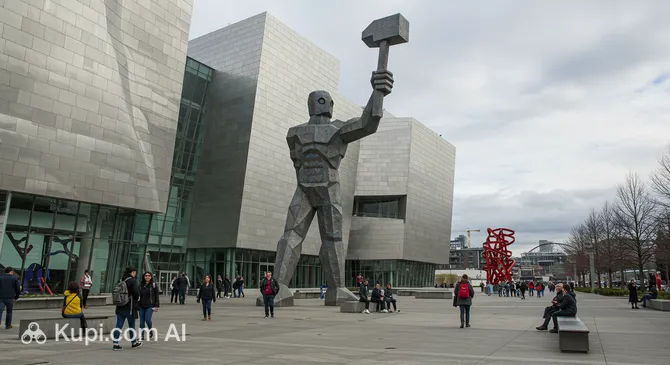
Music and pop culture enthusiasts will find a haven at the Museum of Pop Culture, often referred to as MoPOP. Housed in a visually striking building designed by Frank Gehry, the museum is dedicated to contemporary popular culture. Its immersive exhibits cover everything from the history of video games and science fiction to the musical legacies of Seattle natives like Jimi Hendrix and Nirvana, making it a fascinating destination for visitors of all ages.

Local Cuisine

Kitchen:

Seattle is a paradise for food lovers, offering a culinary landscape that is as diverse as its geography. Nestled between the Puget Sound and the Cascade Mountains, the city benefits from an abundance of fresh, local ingredients. The local cuisine is heavily defined by the Pacific Northwest's bounty, featuring sustainable seafood, organic produce, and artisanal products that reflect the region's commitment to quality.

Given its waterfront location, it is no surprise that seafood is the cornerstone of the local diet. Visitors can indulge in world-class Dungeness crab, sweet Geoduck clams, and succulent oysters harvested from nearby waters. The famous Pike Place Market is the ultimate destination to taste the region's celebrated wild salmon, whether smoked, grilled, or served in a hearty chowder. Local chefs pride themselves on letting the natural flavors of the catch shine.

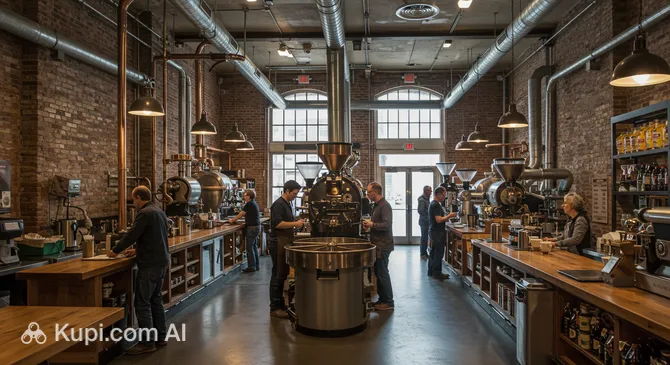
Seattle is also globally renowned as a coffee capital, credited with popularizing modern cafe culture in the United States. While it is the birthplace of major chains, the city is teeming with independent roasters and cozy shops. For a premium experience, coffee aficionados often visit the Reserve Roastery, where the art of brewing is taken to new heights and the atmosphere is as rich as the espresso.

Reserve Roastery. Source: Kupi.Binoculars

The city's diverse population has led to a vibrant Asian food scene. Seattle-style teriyaki is a beloved local staple found in spots throughout the city, offering a sweet and savory comfort meal. Additionally, the abundance of fresh fish makes for exceptional sushi. Establishments like FOB Sushi Bar exemplify the city's ability to deliver high-quality Japanese cuisine in a casual and welcoming setting.

For a quick and quirky bite, travelers should try the Seattle Dog. This unique hot dog is topped with cream cheese and grilled onions, a combination that might sound unusual but is a favorite among locals, especially after a night out. To wash it all down, explore the thriving craft beer scene. Washington is a major hop-growing region, and places like the Urban Beer Garden offer the perfect environment to sample distinct local IPAs and stouts.

Travel Tips

Welcome to Seattle! To ensure your visit to the Pacific Northwest is as relaxing as it is memorable, here is some practical advice to help you navigate the Emerald City with ease and confidence.

  1. Clothing and Gear: The key to comfort in Seattle is layering. The weather can change rapidly, so bring a breathable waterproof jacket with a hood rather than a heavy coat. Since the city is quite hilly, comfortable, non-slip walking shoes are essential. If you plan to visit upscale restaurants, smart-casual attire is generally acceptable, but the overall vibe of the city is relaxed and functional.
  2. Transportation: You do not need a car if you are staying downtown; in fact, parking is expensive and traffic can be heavy. Instead, use the Link Light Rail, which connects the airport to the city center efficiently. For getting around, get an ORCA card, which works on buses, trains, and even the Water Taxi. The extensive ferry system is also a scenic way to travel to nearby islands.
  3. Finances: The currency is the US Dollar (USD). Seattle is becoming an increasingly cashless city, with many cafes and shops preferring or only accepting card payments. International credit cards are widely accepted. Tipping is a strong cultural norm here; expect to tip 18-20% in restaurants and bars, and a few dollars for taxi drivers and hotel staff.
  4. Health and Safety: Seattle is generally safe, but like any major city, it requires vigilance. Stick to well-lit areas at night and be cautious in parts of downtown like Pioneer Square or Third Avenue after dark. For minor health issues, Bartell Drugs is a beloved local pharmacy chain found throughout the region. In an emergency, dial 911 for police, fire, or medical assistance.
  5. Communication: English is the primary language. As a major tech hub, Seattle offers excellent connectivity; free Wi-Fi is available in most coffee shops, public libraries, and parks. If you need a SIM card, major carriers like T-Mobile (headquartered here) and AT&T have stores downtown. Useful apps include OneBusAway for real-time transit tracking.
  6. Local Etiquette: Seattleites are known for being polite but respectful of privacy—a phenomenon sometimes called the "Seattle Freeze." A friendly nod is common, but extensive small talk with strangers is less so. On escalators, always stand on the right and walk on the left. Also, it is customary to yell "Thank you!" to the bus driver when exiting from the rear door.
  7. What to Avoid: Try to avoid using an umbrella unless it is pouring; locals typically rely on rain jackets with hoods, as umbrellas can be cumbersome in the wind and on crowded sidewalks. Additionally, never refer to the famous market as "Pike's Place"—it is simply Pike Place Market. Using the wrong name is a sure way to stand out as a tourist.
  8. Additional Tip: Be prepared for the topography. Seattle is built on several steep hills, particularly downtown near the waterfront. If walking up steep inclines is difficult for you, look for public elevators in buildings or use the bus system to navigate the elevation changes between the waterfront and the business district.

Armed with these tips, you are ready to explore the coffee shops, markets, and stunning waterfronts of this unique city. Enjoy the laid-back atmosphere and the breathtaking natural beauty that makes Seattle such a special destination!

Entertainment & Nightlife

Entertainment and Nightlife:

Seattle comes alive after dark with a nightlife scene that is as diverse as its neighborhoods. Known globally as the birthplace of grunge, the city maintains a deep connection to live music, but today's entertainment landscape also includes chic cocktail lounges, thumping nightclubs, and a world-renowned craft beer culture. Whether you are looking for a high-energy dance floor or a quiet corner to sip a local IPA, the Emerald City has something to offer.

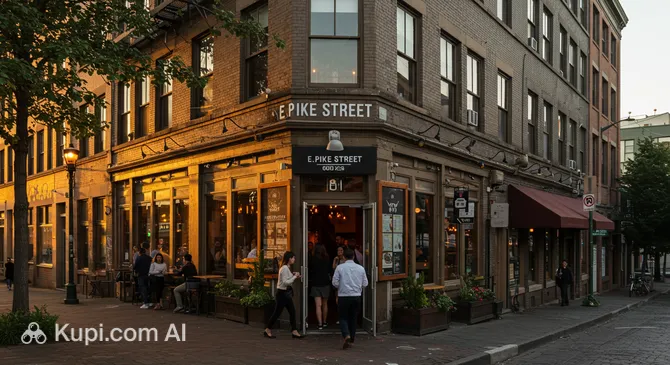
The heart of the city's nightlife beats loudest in Capitol Hill. This vibrant district is the epicenter of LGBTQ+ culture and arts, packed with an eclectic mix of dive bars, dance clubs, and late-night eateries. A stroll down E. Pike Street reveals the area's energetic spirit, where crowds spill out onto the sidewalks on weekends. The atmosphere here is inclusive and spirited, ranging from casual hangouts to trendy spots where you can dance until the early morning.

E. Pike Street. Source: Kupi.Binoculars

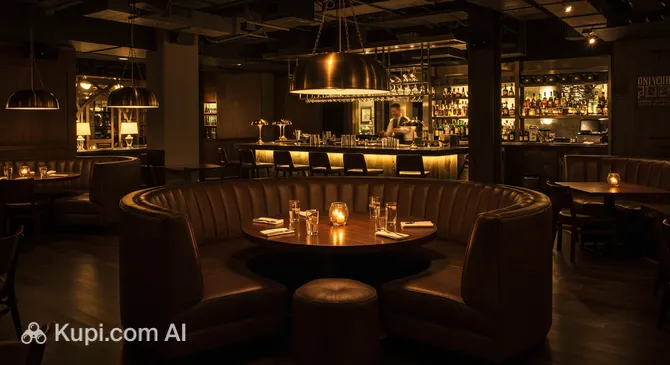
For those seeking a more upscale experience, the Belltown neighborhood offers sophisticated bars and lounges. Here, the dress code is slightly more polished, and the venues often feature craft cocktails and stylish interiors. A prime example of this modern vibe is STK, which blends the concept of a modern steakhouse with a chic lounge atmosphere, perfect for travelers who want to combine fine dining with a high-energy social scene.

STK. Source: Kupi.Binoculars

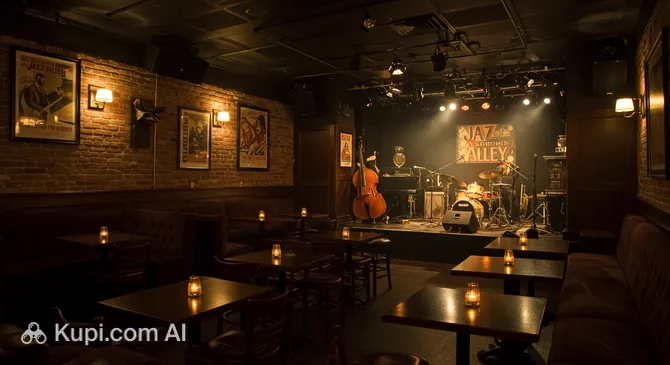
Music lovers should not miss the chance to experience Seattle's legendary live performance history. While rock venues abound, the city also cherishes its jazz heritage. Jazz Alley is a staple of the downtown scene, offering an intimate setting where you can enjoy world-class performances accompanied by dinner and drinks. It provides a refined alternative to the louder clubs and is a favorite among locals and visitors alike.

Jazz Alley. Source: Kupi.Binoculars

If you prefer a more laid-back evening, the Ballard neighborhood is famous for its high concentration of breweries. It is an excellent area for a "brewery crawl" in a safe, walkable environment. For a unique twist on a night out, you might visit Mox Boarding House, a venue that combines a full-service bar and restaurant with a vast library of board games, offering a fun and social way to spend an evening with friends.

Practical Advice: Most bars and clubs in Seattle close at 2:00 AM, which is the legal cutoff for alcohol service. "Last call" usually happens around 1:30 AM. The dress code in Seattle is generally casual—jeans and a nice shirt work almost anywhere—though nightclubs in Belltown may expect smarter attire. Rideshare services like Uber and Lyft are the most convenient and safest way to get around at night, as parking can be difficult and public transit frequency decreases late at night.

Safety: While popular nightlife districts like Capitol Hill and Belltown are bustling and generally safe, it is wise to stay on main streets and avoid unlit alleys. Parts of downtown, particularly around 3rd Avenue and Pioneer Square, can feel sketchy late at night, so it is best to take a taxi or rideshare door-to-door in these areas.

During the day, the entertainment options are just as plentiful. Families and thrill-seekers can head to High Trek Adventures for outdoor ropes courses and ziplines. Culture enthusiasts can explore the city's numerous theaters, such as the 5th Avenue Theatre, or visit the Seattle Aquarium on the waterfront to learn about the marine life of the Pacific Northwest.

Parks & Museums

Seattle effortlessly blends urban sophistication with the rugged beauty of the Pacific Northwest, offering visitors a rich tapestry of lush green spaces and world-class cultural institutions. Whether you are looking to hike through an ancient forest within city limits or explore cutting-edge art exhibitions, the city provides ample opportunities to engage with both nature and human creativity.

For those seeking an escape into nature, Discovery Park is a true gem. As the city's largest public park, it covers over 500 acres on Magnolia Bluff and offers a stunning mix of tidal beaches, open meadows, and dramatic sea cliffs. It is the perfect spot for hiking and birdwatching, with the historic West Point Lighthouse providing a picturesque backdrop against the Puget Sound.

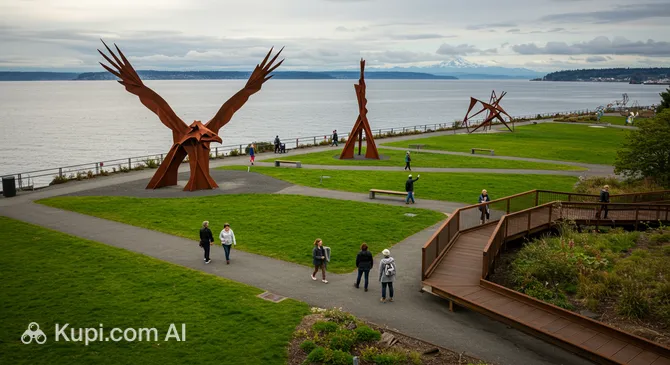
Another unique outdoor destination is the Olympic Sculpture Park, located right on the waterfront. This nine-acre green space transforms a former industrial site into a vibrant open-air museum where monumental artworks stand against the scenery of the Olympic Mountains and Elliott Bay. It is an ideal place for a leisurely stroll, combining contemporary art with fresh sea air.

Olympic Sculpture Park. Source: Kupi.Binoculars

If you are chasing that postcard-perfect view of the skyline, a visit to Kerry Park on Queen Anne Hill is essential. Although small in size, this park commands one of the most iconic panoramas in the city, capturing the Space Needle, downtown skyscrapers, and, on clear days, the majestic Mount Rainier looming in the distance.

In terms of culture, the Seattle Art Museum (SAM) stands as a pillar of the city's arts scene. Located downtown, SAM boasts an extensive collection that spans the globe, with particularly strong holdings in Native American and Pacific Northwest art. The museum frequently hosts major traveling exhibitions, making it a dynamic hub for art lovers.

Seattle Art Museum. Source: Kupi.Binoculars

Families and science enthusiasts will find endless fascination at the Pacific Science Center. Designed by Minoru Yamasaki for the 1962 World's Fair, its iconic white arches are a landmark in themselves. Inside, visitors can explore interactive exhibits, a tropical butterfly house, and planetarium shows that ignite curiosity about the natural world and the cosmos.

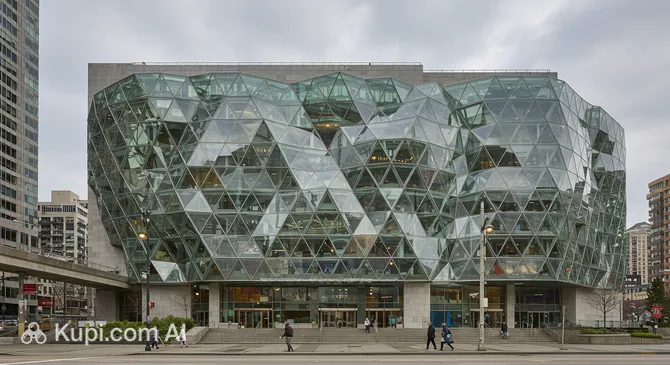
Architectural buffs should not miss the Seattle Central Library. This striking glass-and-steel structure, designed by Rem Koolhaas, redefined what a library could be. Its "Books Spiral" allows patrons to browse the non-fiction collection in a continuous, wheelchair-accessible loop, and the building's bold geometry makes it a standout modern landmark.

Seattle Central Library. Source: Kupi.Binoculars

For a dive into history, St. James Cathedral offers a serene retreat with its beautiful Italian Renaissance-style architecture. Meanwhile, those willing to take a short ferry ride can visit the poignant Bainbridge Island Japanese American Exclusion Memorial, which honors the history and resilience of the Japanese American community during World War II.

To round out your cultural itinerary, consider a trip to the Woodland Park Zoo, known for its naturalistic exhibits and conservation efforts. For a truly local experience, head to the Ballard Locks (Hiram M. Chittenden Locks) to watch boats navigate the elevation change between the sound and the lakes, and see salmon migrating up the fish ladder.

Getting Around

Navigating Seattle is relatively easy thanks to its integrated and diverse public transportation network. The system is designed to handle the city's unique geography of hills and water, offering visitors a mix of practical commuting options and scenic routes. The primary agencies, King County Metro and Sound Transit, operate a seamless web of light rail, buses, and streetcars that cover the downtown core and extend into the surrounding neighborhoods.

The backbone of the city's transit is the Link Light Rail. This reliable service connects Seattle-Tacoma International Airport directly to downtown and continues northward to popular districts like Capitol Hill and the University District. For a touch of history, the Seattle Center Monorail is a beloved icon from the 1962 World's Fair. It provides a quick, two-minute shuttle between Westlake Center in the heart of downtown and the Seattle Center, home to the Space Needle and several museums.

Buses are the most extensive mode of transport, reaching corners of the city that rail lines do not. Seattle is one of the few cities in the country that extensively uses electric trolleybuses, which are excellent for climbing the city's steep hills without producing emissions. Additionally, the Seattle Streetcar network serves specific areas, with the South Lake Union line and the First Hill line connecting vibrant neighborhoods filled with restaurants and shops.

Given the city's location on the Puget Sound, water transport is both a practical necessity and a tourist attraction. Washington State Ferries operate massive vessels carrying passengers and cars to nearby islands and peninsulas, offering some of the best views of the skyline. For shorter trips, the King County Water Taxi runs passenger-only catamarans connecting downtown to West Seattle and Vashon Island, making for a scenic and efficient commute.

To pay for rides, the most convenient option is the ORCA card. This all-in-one smart card works on trains, buses, streetcars, ferries, and the water taxi. You can purchase an ORCA card for a small fee at vending machines located at all light rail stations and major transit centers. Alternatively, you can download the Transit GO Ticket mobile app to buy digital tickets on your phone. Fares typically range from $2.75 to $3.50 per ride, depending on the distance and the service used. While buses accept cash, they require exact change, making the card or app a much smoother choice.

For tourists, a few practical tips ensure a hassle-free experience. When using the Link Light Rail, remember to tap your ORCA card on the yellow readers before you board and again after you exit to calculate the correct fare; for buses, you only need to tap when entering. Public transport generally runs from early morning, around 5:00 AM, until midnight or 1:00 AM, though schedules vary by route and day of the week. Google Maps and the OneBusAway app are highly reliable for real-time tracking and route planning.

If you prefer more direct travel, taxis and rideshare services like Uber and Lyft are widely available and popular throughout the city. For short distances, Seattle offers a robust network of dockless bike and electric scooter rentals. Companies like Lime and Veo have fleets scattered across the city, allowing you to unlock a ride with a smartphone app—a fun way to zip along the waterfront or between neighborhoods on a sunny day.

Accommodation

Accommodation:

Seattle offers a wide spectrum of accommodation options to suit every traveler's preference and budget. From historic hotels with old-world charm to sleek, modern high-rises with waterfront views, the city is well-equipped to host its millions of annual visitors. Backpackers can find vibrant and social hostels, while those seeking more privacy and comfort can choose from a vast array of mid-range hotels, luxury resorts, and vacation rentals scattered across the city's diverse neighborhoods.

For first-time visitors, staying in Downtown or Belltown is often the most convenient choice. These areas place you within walking distance of major attractions like Pike Place Market and the waterfront. If you prefer a trendier, more local vibe, the Capitol Hill district offers a lively mix of nightlife and culture. Alternatively, the South Lake Union area is perfect for business travelers and those who appreciate modern amenities and easy access to the city's tech hub.

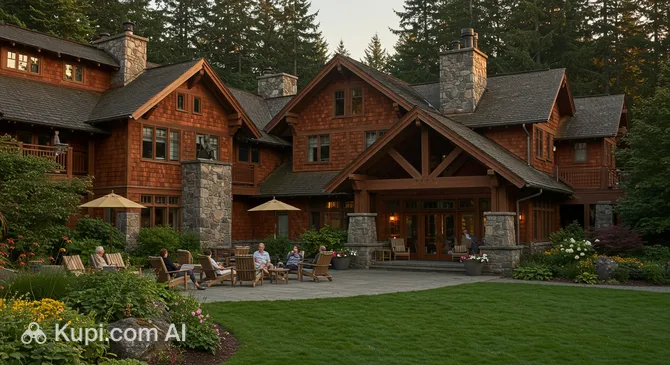
Travelers looking for specific recommendations might consider establishments that cater to different styles of travel. For a comfortable stay within the city, Hotel Seattle provides a base for exploring the urban environment. Meanwhile, those seeking a more luxurious retreat slightly removed from the downtown bustle might enjoy Willows Lodge. This resort-style property is often favored for its relaxing atmosphere and proximity to the region's scenic beauty.

Willows Lodge. Source: Kupi.Binoculars

Accommodation prices in Seattle can vary significantly depending on the season. The summer months, particularly July and August, are the peak tourist season, and rates tend to be higher. During this time, as well as during the cruise season, it is highly recommended to book your accommodation well in advance to secure the best deals and availability. Conversely, visiting during the shoulder seasons of spring and autumn can offer more competitive pricing.

Booking is easily done through major online travel platforms or directly through hotel websites. Whether you are looking for a budget-friendly room or a lavish suite with a view of the Puget Sound, planning ahead ensures a stress-free start to your Pacific Northwest adventure.

Nearby Cities

For those looking to explore the surroundings, Seattle serves as an excellent base for day trips to several interesting nearby locations:

Just across Lake Washington lies Bellevue, a city that rivals its neighbor with a stunning skyline and a thriving urban atmosphere. Known for its upscale shopping at the Bellevue Collection and the serene Downtown Park, it offers a sophisticated blend of modern amenities and natural beauty. Visitors can enjoy fine dining, explore the botanical gardens, or simply take in the views of the lake and mountains.

A short drive north brings you to Kirkland, a picturesque city famous for its charming waterfront downtown. This pedestrian-friendly area is packed with art galleries, boutiques, and restaurants that offer sweeping views of the water. The city's numerous parks along the shoreline are perfect for a relaxing afternoon picnic or a scenic sunset walk.

Often referred to as the "Bicycle Capital of the Northwest," Redmond is a hub for both technology and outdoor recreation. It is home to Marymoor Park, the county's largest and most popular park, which features a velodrome, climbing wall, and extensive trails. The city seamlessly combines its identity as a tech center with a deep appreciation for green spaces and active living.

City Population Distance (km)
Bellevue15185410
Renton10531317
Kirkland9165612
Redmond7216618
Shoreline5821317

These nearby destinations offer a glimpse into the diverse culture and landscapes of the region.

Shopping & Souvenirs

Shopping:

Shopping in Seattle is a delightful mix of sophisticated urban retail, rugged outdoor gear, and quirky independent boutiques. As the home of major global brands and a thriving community of local makers, the city offers a diverse retail landscape. Whether you are looking for high-end fashion, top-quality hiking equipment to explore the Pacific Northwest, or unique handcrafted goods, you will find plenty of options to satisfy your shopping list.

The heart of the city's shopping scene is located in Downtown Seattle, particularly along Pine Street and Pike Street. Here, visitors can explore the flagship store of Nordstrom, which was founded in the city, alongside other major department stores and international fashion chains. For a more boutique experience, the neighborhood of Ballard offers charming streets lined with independent shops selling home goods, vintage clothing, and locally made jewelry.

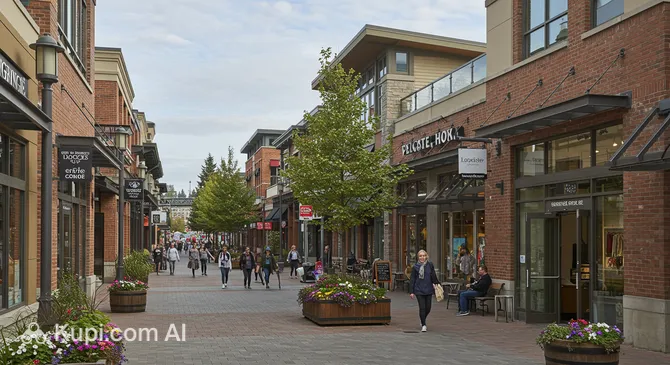
For those who prefer an open-air shopping environment, University Village is a premier destination located north of downtown. This beautifully landscaped lifestyle center features a curated mix of designer brands, home furnishing stores, and popular restaurants, all set in a relaxed outdoor atmosphere. It is a favorite among locals for a leisurely afternoon of browsing and dining.

University Village. Source: Kupi.Binoculars

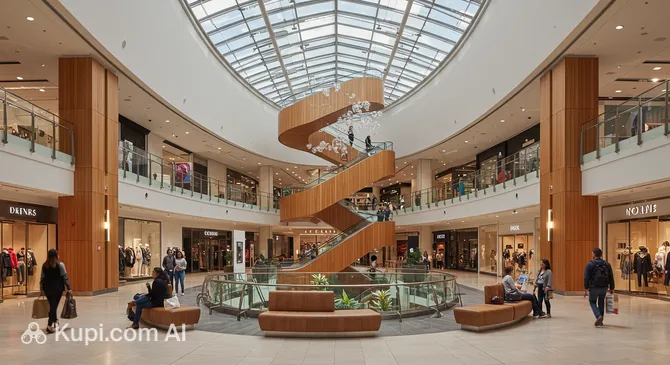
Just across Lake Washington, the Bellevue Square mall offers a massive and upscale shopping experience. As part of the Bellevue Collection, it houses hundreds of retail stores ranging from luxury labels to tech giants. It is easily one of the largest and most comprehensive shopping centers in the region, attracting visitors from all over the Pacific Northwest.

Bellevue Square. Source: Kupi.Binoculars

No shopping trip to Seattle is complete without visiting the iconic Pike Place Market. While famous for its flying fish and fresh produce, the market is also a treasure trove for shoppers. The lower levels are a labyrinth of small shops selling collectibles, comics, and magic supplies, while the Crafts Market in the main arcade features artisans selling handmade pottery, jewelry, and leather goods. It is the perfect place to find something truly one-of-a-kind.

When searching for the perfect souvenir, look for items that reflect the local culture. Smoked salmon is a classic gift that travels well, often sold in sealed foil pouches. Given the city's coffee heritage, a bag of locally roasted beans from a specialty roaster or a unique mug from the original Starbucks is a popular choice. Native American art, glass art from local studios, and high-quality rain gear are also excellent mementos of your trip.

Most shops in Seattle are open from 10:00 AM to 8:00 PM or 9:00 PM on weekdays and Saturdays, with slightly shorter hours on Sundays, typically closing around 6:00 PM or 7:00 PM. Major credit cards and contactless payments are widely accepted; in fact, many smaller vendors and cafes have gone completely cashless. Be aware that the listed price usually does not include sales tax, which is approximately 10.25% in Seattle and will be added at the register.

Reached the end of the page?

That means the route is fully explored