Support

Comox

About

Nestled on the eastern coast of Vancouver Island, Comox is a captivating seaside town that perfectly captures the essence of coastal living. Known for its breathtaking views of the Strait of Georgia and the majestic Beaufort Mountain Range, this charming community offers a relaxed atmosphere that instantly puts visitors at ease. Whether you are seeking outdoor adventure or a peaceful retreat, the town's stunning natural beauty and friendly vibe make it a standout destination in the region.

Geographically, the town is a key part of the Comox Valley in British Columbia, Canada. Thanks to its sheltered location, the area enjoys a temperate climate with mild winters and warm, dry summers, making it a year-round playground for travelers. With a population of approximately 14,800 residents, Comox maintains a cozy, small-town feel while providing all the necessary amenities for a comfortable stay.
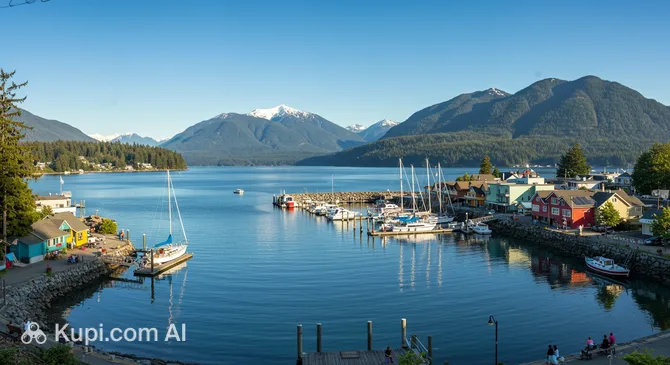
Comox. Source: Kupi.Binoculars

The region has a fascinating background that adds depth to its scenic appeal. From its origins with the K'ómoks First Nation to its development as a hub for aviation and maritime industries, the stories of the past are woven into the fabric of the community. You can delve deeper into the local heritage and the events that shaped the town by reading about the history of Comox.

Tourists are often drawn to the vibrant Comox Marina, a perfect spot to watch fishing boats, enjoy fresh seafood, or simply take a leisurely stroll along the boardwalk. Another highlight is Goose Spit Park, a unique coastal landform offering sandy beaches and spectacular sunsets, ideal for picnicking and beachcombing. For those interested in gardens and architecture, the Filberg Heritage Lodge and Park hosts popular events and features beautifully landscaped grounds.

If you are planning a trip to the West Coast, Comox is a destination that should not be missed. Its blend of recreational opportunities, from sailing to alpine skiing at nearby Mount Washington, alongside its rich cultural scene, ensures a memorable experience for every traveler.
Weather Overview

Comox enjoys a temperate coastal climate, characterized by mild winters and comfortably warm summers, making it a pleasant destination year-round. For travelers planning their itinerary, checking the detailed weather in Comox can help ensure you pack appropriate clothing for the season. The area is known for its lack of extreme temperatures, creating an inviting atmosphere for outdoor exploration.

Winter in Comox is generally cool and damp. From December to February, average temperatures range between 2.6°C and 3.4°C, with lows rarely dropping significantly below freezing. This season sees the highest frequency of precipitation, with January recording up to 23 wet days. Visitors during this time should come prepared with waterproof gear to comfortably enjoy the misty coastal scenery.

As spring arrives, the weather gradually warms, with average temperatures climbing to 12.3°C in May. Summer brings the most favorable conditions for tourists, particularly in July and August, when average temperatures reach around 19.0°C and daily highs can peak at 23.2°C. These months are significantly drier, with only about 8 wet days per month. Expect warm summers with plenty of sunshine and cool, wet winters with frequent precipitation.

Interesting Facts

Beyond its reputation as a scenic coastal town, Comox holds fascinating stories and unique features that often surprise visitors. From ancient indigenous legends to a rich military heritage, there is much more to this community than just its beautiful views.
Filberg Park. Source: Kupi.Binoculars
  • The name "Comox" is an anglicization of the K'ómoks First Nation word "Koumuck," which translates to "Land of Plenty" or "Place of Plenty." This historic moniker reflects the region's long-standing abundance of berries, game, and seafood, which sustained the indigenous population for thousands of years.

  • The prominent glacier visible from the town is known as "Queneesh" to the local First Nations. According to legend, Queneesh was a giant white whale that the Creator transformed into a glacier to anchor the people's canoes during a great flood, preventing them from drifting away.

  • While Goose Spit Park is famous for its sandy beaches, the tip of this unique landform hosts HMCS Quadra. This facility is a historic cadet training centre that has been active since World War II, where young cadets from across the country come for summer training.

  • The beautiful Filberg Park was once the private estate of logging tycoon Robert Filberg and his family. Today, it is not only a heritage site but also the venue for the Filberg Festival, one of Western Canada's largest juried arts and crafts events.

  • Comox has a deep-rooted aviation history and is home to 19 Wing Comox, a key Canadian Forces base. The base is a primary hub for search and rescue operations on the West Coast, and its influence is celebrated at the local Comox Air Force Museum.

How to Get There

Reaching this scenic destination on Vancouver Island is convenient, with several transport options available depending on your starting point. Whether you prefer flying directly into the region or taking a scenic route via the mainland, you can find the best travel plan for your needs. For a detailed breakdown of routes and tips, read more about how to get to Comox.

The most direct way to arrive is by flying into Comox Airport (IATA: YQQ). Conveniently located just 5.1 km from the town center, this regional airport welcomes flights from various major hubs. Once you land, a taxi or shuttle can get you to your destination in approximately 10 to 15 minutes. For those traveling from further afield, Vancouver International Airport (IATA: YVR) in Vancouver is the primary international gateway. Situated about 138 km away, it serves a large volume of passengers. From there, the journey to Comox involves a ferry crossing and takes around 3 hours and 45 minutes. Another viable option is Campbell River Airport (IATA: YBL) in the neighboring city of Campbell River, located roughly 40 km away, with a transfer time of about 45 minutes.

For clarity, here is a summary of the main airports:

Airport Name City Passenger Traffic Km from City
Vancouver International AirportVancouverLarge137.6
Comox AirportComoxMedium5.1
Nanaimo AirportNanaimoMedium103.3
Campbell River AirportCampbell RiverSmall39.5
Nanaimo HarbourNanaimoSmall91.3

The city of Comox does not have its own railway station. However, travelers can arrive at Vancouver Railway Station (IATA: XEA) in the city of Vancouver, which is approximately 140 km from Comox. As a significant transport hub, it connects passengers from various regions. From the station, you can continue your journey to Comox by bus and ferry, a trip that typically takes about 3 hours and 50 minutes.

Below is the information regarding the nearest railway station:

Station City Passenger Traffic Km to Center
Vancouver Railway StationVancouverMedium139.9

Main Attractions

Comox offers a delightful array of attractions that blend natural beauty with community spirit. From scenic coastal parks to historic estates, the city provides engaging experiences for visitors of all ages. Exploring these highlights is the perfect way to understand the local culture and enjoy the stunning Vancouver Island landscape.

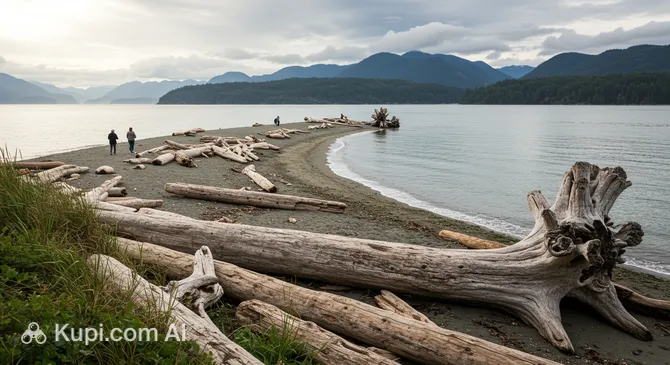
One of the most scenic locations in the area is Goose Spit Park, a unique landform that extends into the ocean, creating a natural breakwater for the harbor. This sandy isthmus is a haven for outdoor enthusiasts, offering ample space for beachcombing, picnicking, and watching the waves. It is particularly famous for its designated fire rings, where groups can gather for a cozy beach fire as the sun sets. The park also attracts kiteboarders and kayakers, taking advantage of the excellent wind and water conditions.

Goose Spit Park. Source: Kupi.Binoculars

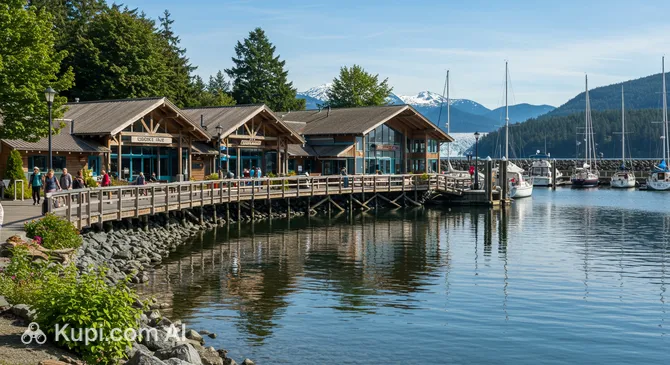
For those who enjoy a lively waterfront atmosphere, Marina Park is the heart of the town's recreational life. Located right next to the water, this park features a picturesque boardwalk that invites visitors to stroll and admire the moored fishing boats and pleasure craft. It is an excellent spot for families, boasting a popular splash park and playground that keep children entertained for hours. With open green spaces and frequent visits from local food trucks, it is a fantastic place to relax and soak up the maritime vibe.

Marina Park. Source: Kupi.Binoculars

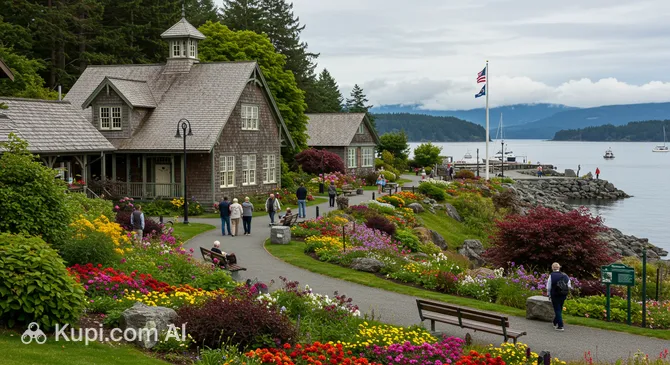
History and nature come together beautifully at Filberg Park. This nine-acre heritage site was once the private estate of the Filberg family and now serves as a public jewel featuring the impressive Filberg Heritage Lodge. Visitors can wander through meticulously maintained gardens filled with rare trees and colorful blooms, or visit the Hands on Farm, a petting zoo that is a favorite with young ones. The park is also a cultural center, well-known for hosting the annual arts and crafts festival that draws artisans from across the region.

Filberg Park. Source: Kupi.Binoculars

Local Cuisine

The culinary scene in Comox is a reflection of its bountiful surroundings, often referred to as the "Land of Plenty." With the ocean on one side and fertile farmland on the other, the local cuisine focuses heavily on farm-to-table and tide-to-table freshness. Visitors can expect a menu dominated by high-quality ingredients, where the natural flavors of the West Coast take center stage without needing heavy embellishment.

Unsurprisingly, seafood is the star of the show here. A must-try dish is the wild Pacific salmon, often served grilled on a cedar plank or smoked to perfection. Halibut is another local favorite, widely available as a fresh catch of the day or battered in a golden crust for classic fish and chips. The region is also famous for its shellfish, particularly oysters and clams harvested from the nearby Baynes Sound. A steaming bowl of rich seafood chowder is the perfect comfort food to enjoy while watching the boats come in.

When it comes to beverages, the area has a thriving craft culture. The Comox Valley is home to several microbreweries producing excellent craft beers, from hoppy IPAs to smooth stouts, often using locally grown hops. For wine enthusiasts, the cool climate vineyards of the region produce crisp whites and sparkling wines that pair beautifully with the local seafood. Non-alcoholic options are equally delightful, with a strong coffee culture and fresh juices made from the valley's abundant berries and apples.

Dining in Comox is generally a relaxed and friendly experience. Locals often flock to the waterfront to enjoy a meal with a view, ranging from casual bistros to fine dining establishments. In the warmer months, the food culture spills outdoors. You can grab a bite from the colorful food trucks often parked near Marina Park, making it a popular spot for a spontaneous picnic by the sea. Additionally, the local farmers' markets are a hub of activity where tourists can sample artisanal cheeses, fresh pastries, and seasonal fruits directly from the producers.

Travel Tips

Welcome to Comox! To ensure your visit to this serene corner of Vancouver Island is as relaxing and trouble-free as the coastal tides, we have compiled a list of essential practicalities. These tips will help you navigate local customs, logistics, and the unique pace of life in the Comox Valley.

  1. Clothing and Gear: Since the weather can be changeable, the best strategy is to pack in layers. Even in summer, evenings by the ocean can be cool, so bring a light sweater or fleece. If you are visiting between October and April, a high-quality waterproof jacket and water-resistant shoes are non-negotiable due to the frequent coastal rain. For those planning to explore the trails at Goose Spit or the alpine areas, sturdy hiking boots are a must.
  2. Transportation: While there is a local bus service provided by the Comox Valley Transit System, it can be infrequent and may not reach all the scenic outskirts. To truly explore the region at your own pace, renting a car is highly recommended. Taxis are available, but ride-hailing apps have a limited presence compared to major cities, so booking a local cab in advance for early morning flights is wise.
  3. Finances: As in the rest of Canada, the local currency is the Canadian Dollar (CAD). Credit and debit cards are widely accepted almost everywhere, from restaurants to supermarkets. However, it is useful to carry some cash for small purchases at the local farmers' markets or when buying fresh seafood directly from the boats at the marina. ATMs are easily found in the town center. Tipping 15-20% is standard practice in restaurants.
  4. Health and Safety: Comox is a very safe community with low crime rates. For minor health issues, you can find several pharmacies in town, such as Shoppers Drug Mart, though they are generally not open 24/7. In case of emergency, dial 911. Be aware that when hiking in the surrounding wilderness, you are in bear and cougar country; always stay on marked trails and keep a safe distance from wildlife.
  5. Communication: English is the primary language spoken throughout the region. Mobile coverage is excellent in the town and main areas but can be spotty in remote hiking locations or further up Mount Washington. Free Wi-Fi is commonly available in cafes, the public library, and many hotels. If you need a local number, SIM cards can be purchased at grocery stores or mobile kiosks in the nearby malls.
  6. Local Etiquette: The vibe here is distinctly "West Coast chill," often referred to as "Island time." Rushing or showing impatience is rarely well-received. It is customary to offer a friendly greeting or a nod to strangers when passing on walking trails or the boardwalk. When driving, locals are generally courteous and will often stop to let pedestrians cross even where there are no lights, so keep an eye out.
  7. What to Avoid: Do not treat the beaches or parks as designated party zones; public consumption of alcohol outside of licensed picnic areas is generally prohibited. Crucially, never feed the wildlife, including deer, seals, or birds. This is harmful to the animals, dangerous for humans, and can carry heavy fines.
  8. Fresh Seafood Tip: For the freshest dinner possible, head to the Comox Marina in the late afternoon. You can often buy prawns, tuna, or salmon directly from the fishing vessels when the "Sales Float" sign is open. It is a unique local experience that guarantees the best quality catch.

By keeping these practical tips in mind, you will be well-prepared to embrace the laid-back lifestyle and natural splendor of Comox. Whether you are here for the maritime history or the mountain views, a little preparation goes a long way in making your trip unforgettable.

Entertainment & Nightlife

Nightlife in Comox reflects the town's laid-back, coastal character. You will not find sprawling nightclubs or thumping techno beats here; instead, the evening entertainment scene is defined by cozy pubs, waterfront dining, and a thriving craft brewery culture. The atmosphere is distinctly casual and welcoming, making it easy to strike up a conversation with locals over a pint of locally brewed beer. The primary hub for evening activities is centered around Comox Avenue and the waterfront area, where most venues are within walking distance of each other.

For a quintessential local experience, many visitors head to The Black Fin Pub. Perched right on the waterfront, this venue offers spectacular views of the harbor and mountains, making it a favorite spot to watch the sunset while enjoying a cocktail or a hearty meal. Another standout is the Land & Sea Brewing Company, a vibrant social hub that captures the community spirit. It is the perfect place to sample West Coast style ales and enjoy a relaxed evening in a modern, open-concept space. Dress codes in these establishments are informal; jeans and a comfortable sweater are perfectly acceptable attire for a night out.

During the warmer months, the nightlife spills outdoors. Marina Park becomes a focal point for evening activity, often hosting food trucks, live music events, and outdoor movie nights. It is a bustling area where families and groups of friends gather to enjoy the fresh sea breeze long after the sun goes down. A walk along the boardwalk here is a popular way to cap off an evening, offering a safe and scenic environment under the stars.

Practicality is key when planning your night. Venues in Comox tend to close earlier than in major cities, with many kitchens shutting down by 9:00 PM and bars often closing around 11:00 PM or midnight, even on weekends. Prices are generally reasonable, with a pint of beer or a glass of wine costing less than in Vancouver. While the town is very walkable and safe for night strolls, if you are staying further afield or visiting neighboring communities, it is best to book a taxi in advance, as ride-hailing services can be limited late at night.

Beyond the evening allure, Comox offers plenty of daytime entertainment to fill your schedule before the sun sets. Culture enthusiasts can explore the Comox Air Force Museum to learn about the region's aviation heritage or visit the pearl of the town, Filberg Park, which often hosts concerts and art shows during the day. For those seeking active fun, the area features excellent golf courses and opportunities for sailing, ensuring that your days are just as engaging as your evenings.

Parks & Museums

While the ocean views often steal the spotlight, the city of Comox is equally defined by its lush green spaces and a deep respect for its heritage. The town offers a delightful mix of manicured gardens, wild natural areas, and cultural institutions that preserve the stories of the region. For visitors, this means you can easily spend a morning hiking through an ancient forest and an afternoon exploring the fascinating history of Canadian aviation.

One of the most significant cultural venues in the area is the Comox Air Force Museum. Given the town's long-standing relationship with 19 Wing Comox, this museum is a must-visit for aviation enthusiasts and history buffs alike. It features a Heritage Air Park where you can get up close to vintage aircraft that have served in the Royal Canadian Air Force. Inside, the exhibits meticulously detail the role of military aviation on the West Coast, honoring the men and women who have served in search and rescue and maritime patrol operations.

For a broader look at the local community's past, the Comox Museum and Archives offers an intimate glimpse into the town's development. Located in the downtown area, this facility curates collections that range from First Nations history and early pioneer artifacts to the maritime evolution of the port. It is an excellent place to understand the transformation of Comox from a remote outpost to the vibrant seaside town it is today, with rotating exhibits that keep the history fresh and engaging.

When it comes to parks, Filberg Park stands out as a botanical jewel. While it is famous for its heritage lodge, nature lovers appreciate it primarily as a stunning arboretum. The grounds are home to hundreds of rhododendrons and rare trees, creating a colorful and fragrant oasis that changes with the seasons. The winding paths through the gardens offer a tranquil escape, allowing visitors to admire the landscaping skills that turned this former private estate into a public treasure.

For those seeking a more active outdoor experience, Goose Spit Park offers more than just sandy beaches. It is locally famous for the "Comox Stairs," a steep set of wooden steps built into the bluff that provides a rigorous cardio workout with a reward of panoramic views at the top. Beyond the fitness challenge, the park protects a sensitive dune ecosystem and unique vascular plants, making it an important site for conservation as well as recreation.

Another beloved green space is MacDonald Wood Park, a nine-acre conservation area that feels worlds away from the town center. A short walk from the marina, this park features a network of flat, easy trails that wind through a lush second-growth forest of Douglas fir, hemlock, and cedar. It is a quiet sanctuary perfect for a shaded stroll, with trails that eventually lead down to the water's edge at Balmoral Beach.

For an authentic insider experience, head to the Lazo Marsh and Northeast Woods. This area is a hidden gem for birdwatchers and hikers, offering a diverse habitat of wetlands and forests. It is less manicured than the city parks, providing a rugged and peaceful setting where you can spot owls, woodpeckers, and waterfowl in their natural environment.

Getting Around

Public transport in Comox is relatively modest, reflecting the town's small size and relaxed pace of life. The primary and practically only form of mass transit is the bus service operated by the Comox Valley Transit System. There are no metros, trams, or trolleybuses in the area. The bus network is reliable and connects the town with neighboring communities like Courtenay and Cumberland, as well as key locations such as the airport and the ferry terminal. While it is useful for getting between major hubs, the frequency of service can vary, particularly on weekends and holidays.

For payment, the system is quite user-friendly for visitors. You can pay your fare in cash upon boarding, but it is essential to have the exact change as drivers do not carry funds to provide change. The standard single cash fare is affordable, typically costing around $2.00 CAD. For those planning multiple trips in a day, a DayPASS is an excellent option, allowing unlimited travel for the day at a cost of roughly $4.00 CAD. Recently, the system has modernized with the introduction of the Umo mobility app and reloadable cards, allowing passengers to pay using a mobile device or a pre-loaded card, which eliminates the need to hunt for coins.

Tourists should keep a few practical tips in mind to navigate the system smoothly. Bus tickets and passes can be purchased at various authorized vendors throughout the region, including recreation centers and grocery stores, or directly through the Umo app. It is highly advisable to check the schedule in advance, as some routes may run only once an hour or stop service early in the evening. Google Maps is generally integrated with the local transit schedules and is a reliable tool for planning your route. Remember to board through the front door and validate your ticket or tap your card upon entry.

Given that the bus network does not cover every scenic viewpoint or hidden beach, many visitors find that alternatives are often more convenient. Renting a car is widely considered the best way to explore the area freely, especially if you plan to visit nature parks or Mount Washington. Taxis are available and can be called by phone, which is often necessary as hailing one on the street is not common practice here. While major ride-sharing apps are becoming more present in the province, their availability in smaller towns can be sporadic, so relying on local taxi companies is often a safer bet for time-sensitive trips.

For a more leisurely pace, cycling is a popular and enjoyable alternative. The terrain is relatively gentle, and there are many bike-friendly routes that offer scenic views of the ocean and mountains. In the downtown marina area, walking is the most pleasant option, allowing you to easily access shops, restaurants, and the waterfront boardwalk without worrying about parking or schedules.

Accommodation

Accommodation in Comox caters to a variety of travelers, ranging from those seeking a quiet seaside retreat to families looking for convenient access to outdoor activities. As a smaller community, the town does not typically feature massive high-rise luxury resorts. Instead, the lodging landscape is dominated by charming bed and breakfasts, mid-range hotels, and comfortable motels. For visitors who prefer a home-away-from-home experience, there is also a good selection of vacation rentals and private guest suites, many of which offer stunning views of the ocean and mountains.

When choosing where to stay, location plays a key role in the experience. The downtown area near the marina is a popular choice for tourists who want to be within walking distance of local dining, shops, and the waterfront boardwalk. Staying here puts you close to the action and allows for easy evening strolls by the harbor. Alternatively, visitors looking for tranquility might prefer accommodations located slightly further along the coast or near the airport, which offer a peaceful setting while still being just a short drive from the town center.

Pricing in Comox is generally reasonable compared to larger urban centers like Vancouver, though rates can fluctuate significantly depending on the season. Budget-friendly options such as motels and smaller inns are readily available, while oceanfront vacation rentals and boutique B&Bs represent the higher end of the price spectrum. Most properties are listed on major online booking platforms, making it easy to compare amenities and prices. However, for smaller, family-run establishments, booking directly through their website or by phone can sometimes secure a better rate or a more personalized room selection.

A crucial tip for travelers is to book well in advance, especially if you plan to visit during the peak summer months of July and August. This period coincides with warm weather, local festivals, and the height of the fishing season, causing the most desirable spots to fill up quickly. By securing your reservation early, you ensure a stress-free start to your Vancouver Island adventure.

Nearby Cities

For those looking to explore the surroundings, Comox serves as an excellent base for day trips to several interesting nearby locations:

Located just a short drive north, Campbell River is a paradise for outdoor enthusiasts and is widely known as the Salmon Capital of the World. Visitors can embark on thrilling wildlife tours to spot bears and whales or explore the majestic Elk Falls Provincial Park with its suspension bridge. Heading south, Nanaimo offers a vibrant mix of history and modern culture. As the Harbour City, it features a scenic waterfront walkway, the historic Bastion, and plenty of cafes serving the famous Nanaimo Bar. Further inland, Duncan attracts those interested in Indigenous art, boasting a renowned collection of outdoor totem poles and the immersive BC Forest Discovery Centre.

City Population Distance (km)
Nanaimo 90504 91
Duncan 44451 133
West Vancouver 42473 134
Campbell River 36000 47
North Cowichan 29676 129

These nearby destinations offer a glimpse into the diverse culture and landscapes of the region.

Shopping & Souvenirs

Shopping in Comox is a delightful reflection of the town's laid-back, seaside character. Rather than vast industrial retail parks or high-end luxury boulevards, visitors will find a charming selection of independent boutiques, family-run businesses, and specialty stores. The experience here is less about frantic consumption and more about leisurely browsing through unique items while enjoying the fresh ocean air. The retail scene focuses heavily on locally made goods, maritime-inspired products, and the daily necessities of coastal living.

The primary hub for shopping is Comox Avenue, the town's vibrant main street that runs parallel to the waterfront. This walkable district is lined with an inviting mix of clothing boutiques, bookstores, and gift shops. A stroll down this avenue allows tourists to pop into eclectic stores offering everything from west coast fashion to kitchenware, interspersed with cozy cafes perfect for a mid-shop break. The area around the intersection with Port Augusta Street is particularly lively, serving as the commercial heart of the community where locals and visitors mingle.

For those seeking a more concentrated collection of stores, the Comox Centre Mall offers a convenient indoor shopping experience right in the downtown core. While it is not a massive mega-mall, it provides a practical mix of essential services, fashion retailers, and a supermarket. It serves as a reliable stop for travelers needing to restock on supplies, pick up a prescription, or browse for casual apparel without leaving the town center.

A unique aspect of the local shopping culture is the connection to the sea. While traditional open-air flea markets are less common within the town limits compared to neighboring areas, the Comox Marina acts as a distinct type of market during the fishing season. Here, visitors can often purchase fresh seafood, such as prawns, tuna, and salmon, directly from the fishing boats docked at the sales float. Additionally, the gift shop at Filberg Park offers a market-style selection of high-quality artisan crafts, making it a hidden gem for finding handmade treasures.

When looking for the perfect keepsake, authenticity is key. The most popular souvenirs include smoked salmon or candied salmon, often packaged specifically for travel. Art enthusiasts should look for Indigenous art, such as carvings or prints that reflect the rich heritage of the K'ómoks First Nation. Locally made pottery and jewelry, often inspired by the textures and colors of the coastline, are also excellent choices. For a literary memento, the local independent bookstores are well-stocked with works by British Columbian authors.

Store hours in Comox generally follow a standard schedule, with most businesses opening around 9:30 AM or 10:00 AM and closing by 5:00 PM or 5:30 PM. On Sundays and holidays, hours are often reduced, and some smaller boutiques may be closed entirely. Payment is straightforward, with credit and debit cards (Visa and Mastercard) being widely accepted even for small transactions. Cash is useful for smaller vendors or when buying seafood directly at the marina.

Travelers should be aware that sales tax is added at the register and is not included in the sticker price. In British Columbia, this typically includes a 5% Goods and Services Tax (GST) and a 7% Provincial Sales Tax (PST), totaling 12%. Unlike in some international destinations, there is generally no tax refund program available for tourists upon departure, so it is best to budget accordingly for these additional costs.

Reached the end of the page?

That means the route is fully explored