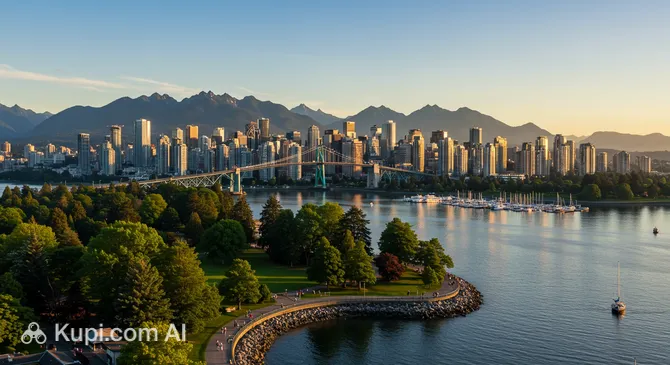
Vancouver is widely regarded as one of the most beautiful and livable cities in the world, offering a spectacular blend of urban sophistication and raw natural beauty. Nestled between the snow-capped Coast Mountains and the sparkling waters of the Pacific Ocean, this bustling seaport in Canada is a place where glass skyscrapers reflect the surrounding wilderness.
Located in the province of British Columbia, the city enjoys a relatively mild climate compared to the rest of the country, making it a year-round destination for travelers. With a metropolitan population of over 2.2 million people, it serves as the cultural and economic heart of the region, known for its incredible ethnic diversity and vibrant arts scene.
Vancouver. Illustration.
Source: Kupi.com AI
The fascinating history of Vancouver has evolved from its roots as a significant indigenous settlement and a rough-and-tumble logging town into a modern global metropolis. Today, visitors can explore historic districts like Gastown, famous for its whistling Steam Clock and cobblestone streets, which stand in charming contrast to the modern architecture downtown.
Nature lovers will be captivated by Stanley Park, an immense urban rainforest that offers scenic seawall paths and lush gardens right next to the city center. For a taste of local culture, Granville Island provides a bustling public market filled with fresh food and artisan crafts. Whether you are seeking outdoor adventures or culinary delights, Vancouver invites you to experience its unique West Coast charm.
Weather Overview
Vancouver is known for its mild, temperate oceanic climate, which sets it apart from the harsher extremes found in much of the rest of the country. The city generally experiences cool, wet winters and comfortably warm, drier summers, making it an attractive destination year-round.
During the coldest months from December to February, temperatures typically range between 0°C and 5°C. Snow is relatively rare in the city center, but rain is frequent, with January seeing approximately 22 wet days. Conversely, the summer season offers delightful conditions for outdoor activities; in July and August, average maximum temperatures reach around 22°C, and the number of rainy days drops significantly to just 7 or 8 per month.
Spring and autumn act as transitional seasons with moderate temperatures averaging between 4°C and 15°C. For those planning a trip, it is wise to consult the detailed guide to the weather in Vancouver to pack appropriately. Overall, expect pleasant, sunny summers and cool winters characterized by regular rainfall.
Average monthly temperature
Average monthly precipitation
Interesting Facts
Beyond its scenic landscapes and bustling streets, Vancouver holds many fascinating secrets and urban legends that often surprise even frequent visitors. From culinary inventions to record-breaking architecture, the city offers a wealth of unique stories waiting to be discovered.
Stanley Park. Illustration.
Source: Kupi.com AI
Traveler photos:
The city is the birthplace of the global environmental organization Greenpeace, which was founded here in 1971 by a group of activists aiming to stop nuclear testing in Alaska.
Sushi lovers might be surprised to learn that the famous California Roll was actually invented in Vancouver; Chef Hidekazu Tojo created the inside-out roll to hide the seaweed and appeal to local palates.
In the historic Chinatown district, you can find the Sam Kee Building, which holds the Guinness World Record for being the shallowest commercial building in the world, measuring just over 1.5 meters deep.
A loud boom echoes through the harbour every night at 9:00 PM; this tradition comes from the historic 9 O'Clock Gun located in Stanley Park, which has been firing since 1898 to help ships set their chronometers.
Vancouver is frequently referred to as "Hollywood North" because it serves as one of the largest film and television production centers in North America, often standing in for other major cities on screen.
How to Get There
Reaching this coastal metropolis is convenient thanks to its well-connected transport network, whether you are arriving by air, land, or sea. As a major hub on the West Coast, the city welcomes millions of visitors annually. You can find more about how to get to Vancouver and the various transport options available on our detailed page.
The most common point of entry for international and domestic travelers is Vancouver International Airport(YVR). Located in the neighboring city of Richmond, it is situated approximately 10.7 km from downtown Vancouver. A taxi or car ride to the city center typically takes around 35 minutes, depending on traffic. As a major global hub with "Large" passenger traffic, it offers a wide range of amenities and direct transit links, including the rapid SkyTrain service.
For budget-conscious travelers or those exploring the wider region, Abbotsford Airport(YXX) is a viable alternative. Located about 61.3 km away, this regional hub often hosts low-cost carriers. The journey by taxi or shuttle bus takes approximately 1 hour and 50 minutes. Additionally, for a scenic and unique arrival directly into the harbor, the Coal Harbour Seaplane Base(CXH) is located just 0.9 km from the city center, offering a quick 20-minute transfer to downtown hotels.
For clarity, here is a summary of the main airports:
Travelers preferring rail transport can arrive at the Vancouver Railway Station(XEA), which serves as the main terminal for long-distance trains. Conveniently located within Vancouver itself, it is only 1.9 km from the city center. A taxi ride from the station to downtown hotels is very short, taking approximately 5-10 minutes. This station connects the city to other parts of Canada and the United States, offering a relaxing and scenic way to travel.
Vancouver offers a diverse array of sights, ranging from engineering marvels to breathtaking natural wonders. Whether you are looking to explore the rainforest canopy or dive into the city's history, these top attractions provide unforgettable experiences for every traveler.
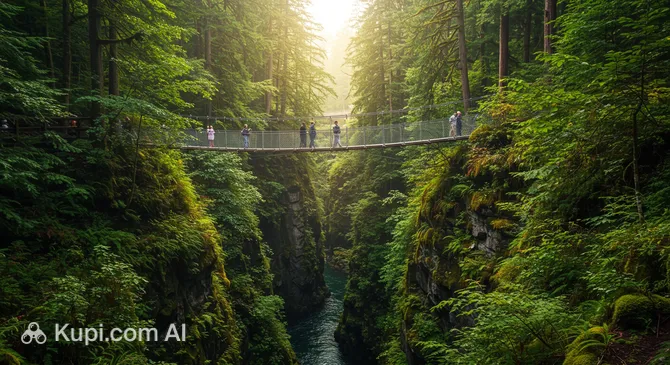
One of the most thrilling ways to experience the region's temperate rainforest is by visiting the Capilano Suspension Bridge Park. Suspended 70 meters above the Capilano River, the swaying bridge offers breathtaking views of ancient Douglas firs. Beyond the main bridge, visitors can explore the Treetops Adventure, a series of smaller bridges connecting the canopy, and the Cliffwalk, a cantilevered walkway clinging to the granite cliffside.
Capilano Suspension Bridge Park. Illustration.
Source: Kupi.com AI
Traveler photos:
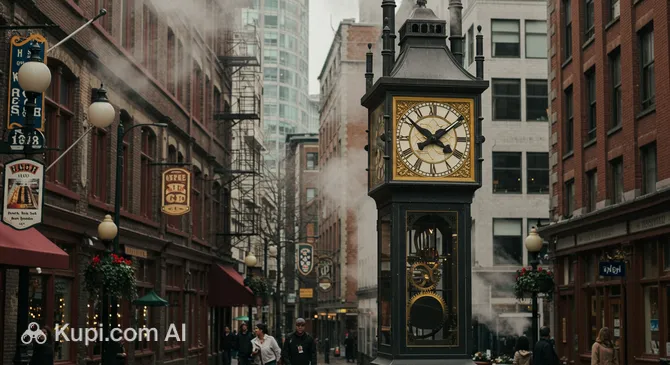
Located in the city's oldest neighborhood, the Gastown Steam Clock is a beloved local icon and a marvel of engineering. Every quarter-hour, this antique-style clock whistles and shoots steam into the air, drawing crowds to the cobblestone streets of Gastown. It is one of the few remaining working steam clocks in the world and serves as a perfect starting point for exploring the surrounding historic buildings, souvenir shops, and trendy galleries.
Gastown Steam Clock. Illustration.
Source: Kupi.com AI
Traveler photos:
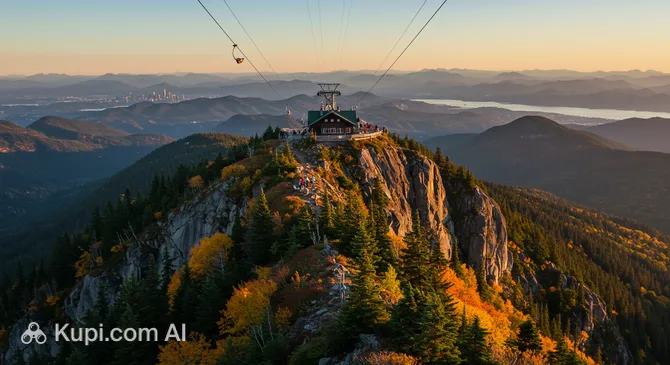
For panoramic views and year-round outdoor adventure, Grouse Mountain is the place to be. Known as "The Peak of Vancouver," it is accessible via a scenic Skyride gondola. In winter, it is a hub for skiing and snowshoeing, while summer offers hiking trails, lumberjack shows, and a chance to see resident grizzly bears in their refuge. The mountaintop observatory provides an unparalleled vantage point over the city and the Pacific Ocean.
Grouse Mountain. Illustration.
Source: Kupi.com AI
Traveler photos:
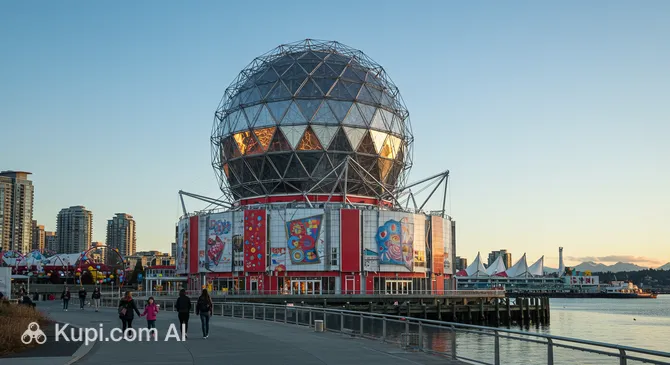
Hard to miss on the city skyline due to its magnificent geodesic dome, Science World is a favorite destination for families and curious minds. This interactive science center features hands-on exhibits covering everything from biology to physics, along with an OMNIMAX theatre. It creates a fun learning environment where visitors of all ages can engage with displays that explain the wonders of the natural world.
Science World. Illustration.
Source: Kupi.com AI
Traveler photos:
Dominating the waterfront with its iconic white sails, Canada Place is a landmark that welcomes cruise ships and tourists alike. A stroll along the Canadian Trail promenade offers sweeping views of the North Shore mountains and the bustling harbour. It is also home to FlyOver Canada, a virtual flight ride that takes you across the country's diverse landscapes, making it a central hub for entertainment and sightseeing.
Local Cuisine
Vancouver is a true paradise for food lovers, boasting a culinary scene that perfectly reflects its diverse population and coastal location. The city is world-renowned for its Pacific Northwest cuisine, which emphasizes fresh, locally sourced ingredients, particularly seafood. Visitors simply must try the local wild salmon, halibut, and the seasonal spot prawns, which are celebrated delicacies often found on menus throughout the city.
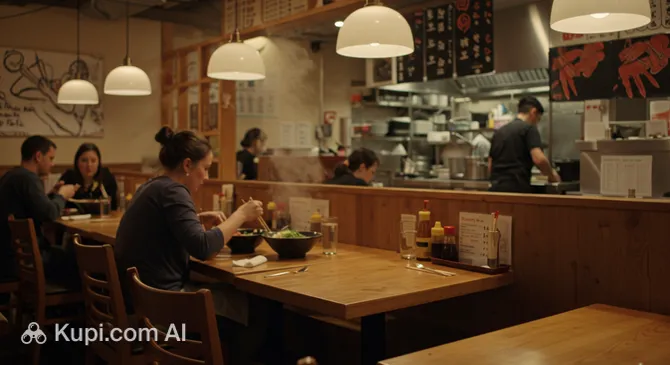
Due to its significant cultural diversity, Vancouver offers some of the best Asian cuisine outside of Asia. Sushi here is not only incredibly fresh but also surprisingly affordable, ranging from high-end omakase to quick grab-and-go spots. The city is also famous for its authentic noodle shops. For a taste of this vibrant food culture, you can visit Ramen Danbo, a popular spot known for its rich broth and customizable noodles that draws both locals and tourists alike.
Ramen Danbo. Illustration.
Source: Kupi.com AI
Traveler photos:
For a quick and unique bite, keep an eye out for the city's famous street food, particularly Japadog. This celebrated fusion food combines classic hot dogs with Japanese toppings like seaweed, teriyaki sauce, and daikon, creating a signature Vancouver flavor profile. Those with a sweet tooth should try a Nanaimo Bar, a no-bake dessert bar originating from nearby Vancouver Island, consisting of a wafer crumb base, custard-flavored butter icing, and a layer of chocolate ganache.
When it comes to drinks, Vancouver has a booming craft beer scene, with distinct "brewery districts" like Mount Pleasant offering tasting rooms and patios. If you prefer a cocktail, the Caesar—Canada’s national drink made with vodka, clamato juice, hot sauce, and Worcestershire sauce—is a brunch staple here. For a sophisticated evening of fine dining and classic cocktails, Hy's Steakhouse & Cocktail Bar provides an elegant atmosphere to enjoy premium steaks and professional service.
The dining culture in Vancouver is generally relaxed and casual, though there is no shortage of upscale establishments. Locals love to eat out, whether it is grabbing fresh produce and artisan treats at the bustling Public Market on Granville Island or enjoying a sunset dinner by the waterfront. From vibrant night markets serving international street snacks to elegant restaurants with ocean views, the city offers a gastronomic experience to suit every palate.
Travel Tips
Visiting Vancouver is an exciting experience, but a little local know-how can turn a good trip into a great one. To help you navigate the city like a pro, here are some practical tips covering everything from packing essentials to local customs.
Clothing and Gear: The key to dressing for Vancouver is layering. The weather can change rapidly, so bring a mix of light tops and warm sweaters. Regardless of the season, a high-quality waterproof jacket and comfortable walking shoes are non-negotiable items, as the city is famous for its rain. If you plan to visit religious sites, casual wear is generally acceptable, but modest dress is respectful.
Transportation: The public transit system, run by TransLink, is excellent and includes the SkyTrain (light rail), buses, and the SeaBus ferry. The most convenient way to pay is by getting a reloadable Compass Card or simply tapping your contactless credit card at the gates. Ride-hailing apps like Uber and Lyft are widely available. Unless you plan to explore the mountains or remote areas outside the city, a rental car is usually unnecessary and can be expensive to park downtown.
Finances: The local currency is the Canadian Dollar (CAD). Credit and debit cards are accepted almost everywhere, even for small purchases like coffee. ATMs are plentiful throughout the city. Tipping is a strong part of the culture here; it is standard to leave 15% to 20% of the bill at restaurants, bars, and for taxi services.
Health and Safety: Vancouver is generally very safe, but like any major city, it requires standard precautions. In an emergency, dial 911. Pharmacies like Shoppers Drug Mart are common, and many locations operate late or 24/7. While downtown is safe, tourists often find the area around East Hastings Street (Downtown Eastside) uncomfortable due to visible social issues, so you may prefer to avoid walking there at night.
Communication: English is the primary language spoken, though the city is linguistically diverse. Free Wi-Fi is available in many public spaces, cafes, and transit stations. If you need mobile data, you can easily purchase a prepaid SIM card at the airport or mobile shops in city malls. Useful apps to download include Transit for route planning and PayByPhone for parking.
Local Etiquette: Vancouverites are known for being polite and friendly. It is customary to greet shop staff when entering and to say "thank you" to the bus driver when exiting. Queue discipline is important; always wait your turn in line. On escalators, the rule is strict: stand on the right, walk on the left.
What to Avoid: Do not smoke or vape in public parks, on beaches, or near building entrances, as strict by-laws prohibit it and you may be fined. Also, avoid blocking the sidewalk with luggage or standing in the middle of bike lanes; locals value the flow of foot and cycle traffic.
Eco-Friendly Tip: Vancouver is a very environmentally conscious city. Most shops charge a fee for single-use bags, and some have banned plastic bags entirely. It is highly recommended to carry a reusable shopping bag and a reusable water bottle to fit in with the local lifestyle and save money.
By keeping these practical tips in mind, you will be well-prepared to enjoy everything this coastal gem has to offer. Embrace the laid-back West Coast vibe, respect the local environment, and have a wonderful time exploring Vancouver!
Entertainment & Nightlife
Vancouver comes alive after dark, offering a nightlife scene that is as diverse as its population. Whether you are looking for pounding bass in a high-energy club, a sophisticated cocktail in a lounge, or live music in a historic venue, the city has something to match every mood. The atmosphere is generally welcoming and safe, ranging from the casual, laid-back vibe of local pubs to the glitz and glamour of upscale downtown venues.
The city is divided into several distinct nightlife hubs. The Granville Entertainment District is the epicenter of the club scene, where neon lights illuminate blocks of nightclubs and bars that stay packed until the early morning. For a trendier and more historic setting, Gastown offers cobblestone streets lined with chic cocktail bars and speakeasies. Meanwhile, Yaletown attracts a stylish crowd to its converted warehouse lounges and heated patios, perfect for sipping drinks and people-watching.
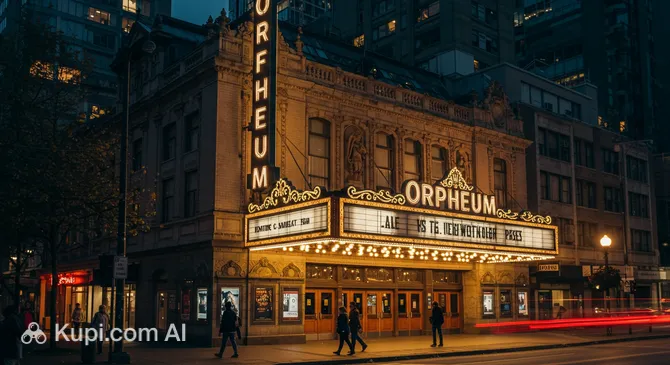
For a taste of the city's upscale social scene, you can visit Glowbal. Located in the heart of downtown, this venue is known for its vibrant atmosphere and impressive decor, making it a popular spot for evening drinks and socializing. If you prefer live entertainment, the historic Orpheum theatre hosts the Vancouver Symphony Orchestra and various touring acts in a stunning antique setting.
Orpheum. Illustration.
Source: Kupi.com AI
Traveler photos:
Those seeking a more alternative or retro experience should check out the Rio Theatre. This multidisciplinary venue is a local favorite that functions as a cinema and a live performance space, often hosting concerts, burlesque shows, and cult movie screenings. It is a great example of the city's eclectic creative spirit.
Practicalities are important for a smooth night out. The legal drinking age in British Columbia is 19, and you will almost always be asked for two pieces of ID at the door. Bars and clubs typically close around 2:00 AM or 3:00 AM. While the dress code is generally "West Coast casual" (jeans and a nice top are fine), venues in Yaletown and clubs on Granville Street often expect a dressier look.
Getting around at night is relatively easy. The SkyTrain runs until shortly after 1:00 AM, but a network of NightBuses covers major routes until dawn. Ride-hailing services like Uber and Lyft are widely available and are often the safest and most convenient option late at night. While downtown is generally safe, it is advisable to stay on main streets and avoid the Downtown Eastside area (around East Hastings and Main) when walking alone after dark.
Before the sun goes down, the city offers plenty of daytime entertainment to fill your schedule. You can explore world-class culture at the Museum of Anthropology at UBC, browse contemporary works at the Bill Reid Gallery of Northwest Coast Art, or catch a game at Rogers Arena. From art to sports, the transition from day to night in Vancouver is seamless and full of excitement.
Parks & Museums
Vancouver is a city where the boundary between urban life and the wilderness is delightfully blurred, offering visitors an abundance of lush green spaces and rich cultural institutions. From meticulously manicured gardens to interactive heritage sites, the city provides countless opportunities to connect with nature and explore the region's fascinating history.
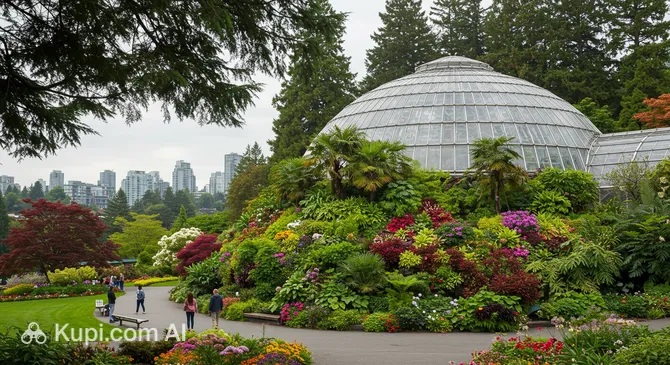
One of the most spectacular horticultural jewels in the city is Queen Elizabeth Park. Situated at the highest point in Vancouver, it offers sweeping panoramic views of the skyline and the North Shore mountains. Visitors can wander through the beautifully landscaped quarry gardens, which are filled with exotic trees and vibrant blooms, or explore the tropical environment of the Bloedel Conservatory located at the park's summit.
Queen Elizabeth Park. Illustration.
Source: Kupi.com AI
Traveler photos:
For those who appreciate floral diversity, the VanDusen Botanical Garden is a must-visit destination spread over 55 acres. This elegant oasis features a collection of over 7,500 plant species from around the world, arranged in picturesque settings that include a stone garden and a Korean pavilion. A highlight for many is the Elizabethan hedge maze, one of only six of its kind in North America, offering a fun challenge for visitors of all ages.
immersing yourself in the local culture and natural history is easy at the Vancouver Aquarium. Located within Stanley Park, this non-profit organization is dedicated to marine research and conservation. It houses thousands of ocean species, from playful sea otters to mesmerizing jellyfish, providing an educational experience that highlights the diverse ecosystems of the Pacific Northwest and the Amazon.
To step back in time, a visit to the Burnaby Village Museum offers a charming glimpse into the 1920s. This open-air museum features reconstructed heritage buildings, costumed interpreters, and a beautifully restored vintage carousel. It is an immersive way to understand the daily life of the region's early communities in a setting that feels worlds away from the modern city center.
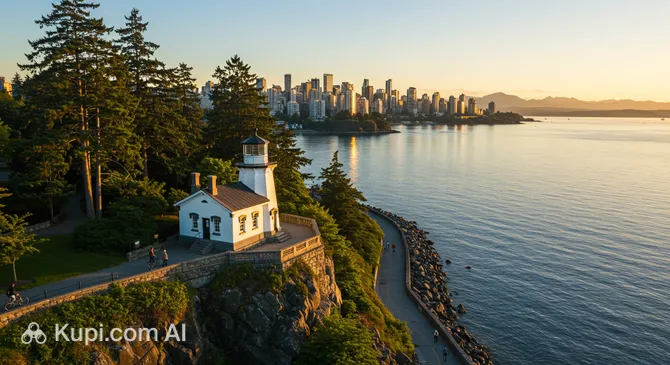
History enthusiasts will also appreciate the Gulf of Georgia Cannery National Historic Site in the nearby village of Steveston. Built in 1894, it stands as a monument to the West Coast's fishing industry, offering interactive exhibits that explain the canning process. Closer to downtown, the picturesque Brockton Point Lighthouse in Stanley Park serves as a perfect photo opportunity and a reminder of the city's maritime heritage.
For a truly authentic local experience, skip the crowds at the major suspension bridges and head to the Lynn Canyon Suspension Bridge. It offers a similar thrill of crossing a swaying bridge over a canyon and waterfalls but is often quieter and completely free of charge, making it a favorite spot for residents seeking a peaceful hike.
Getting Around
Navigating Vancouver is a breeze thanks to its highly efficient and integrated public transport network, managed by TransLink. The backbone of the system is the SkyTrain, a fully automated, driverless light rapid transit system that whisks passengers across the city and into the suburbs. It consists of three main lines: the Expo Line, the Millennium Line, and the Canada Line, the latter of which conveniently connects the city center to the airport. Because it is elevated for much of its route, the SkyTrain offers fantastic views of the cityscape and mountains, especially if you manage to snag the front seat in the lead car.
Complementing the trains is an extensive fleet of buses, including electric trolleybuses that run on overhead wires, keeping the city's air cleaner. For travel between downtown and the North Shore, the SeaBus is a passenger-only ferry that crosses the Burrard Inlet. This 12-minute ride is not just a commute; it is a scenic experience offering panoramic views of the skyline and the harbor. Additionally, for shorter hops around False Creek, charming little ferries known as Aquabus and False Creek Ferries provide a fun, albeit separate, service that connects popular spots like Granville Island and Yaletown.
The payment system is designed with convenience in mind. The most popular option is the Compass Card, a reloadable smart card that offers discounted fares compared to single cash tickets. You can purchase and top up these cards at vending machines located at all SkyTrain and SeaBus stations, as well as at select retailers like London Drugs. For tourists who prefer not to buy a card, the system accepts contactless payment. You can simply tap your Visa, Mastercard, American Express, or mobile wallet (Apple Pay, Google Pay) directly at the fare gates, though this charges the full adult cash fare.
Fares are calculated based on a zone system (Zone 1, 2, and 3), but this mostly applies during peak hours on weekdays. A fantastic tip for visitors is that after 6:30 PM on weekdays and all day on weekends and holidays, the entire network operates on a single-zone fare, allowing you to travel further for less. Tickets are valid for 90 minutes across all modes of transit, allowing for unlimited transfers within that window. If you plan to travel extensively in one day, a DayPass is an economical choice that offers unlimited travel across all zones.
When using the system, remember the "tap" rules to avoid issues. You must tap in and tap out at the fare gates for the SkyTrain and SeaBus to ensure you are charged the correct zone fare. However, on buses, you only need to tap in when you board; there is no need to tap out. The SkyTrain generally runs from around 5:00 AM to 1:00 AM, with slightly reduced hours on Sundays. For late-night revelers, a network of NightBuses covers major routes after the trains stop running.
If you prefer alternatives to public transit, ride-hailing apps like Uber and Lyft are widely available and reliable throughout the city, alongside traditional taxis. Vancouver is also an incredibly bike-friendly city, featuring a public bike-share program called Mobi by Shaw Go. With docking stations scattered throughout downtown and nearby neighborhoods, renting a bike is a fantastic way to explore the famous Seawall and waterfront paths at your own pace.
Accommodation
Finding the perfect place to stay in Vancouver is an essential part of planning your trip, as the city offers a diverse range of accommodation to suit every preference and budget. Visitors can choose from world-class luxury hotels with waterfront views, charming heritage bed and breakfasts, mid-range chains, and budget-friendly hostels. For those seeking a more home-like atmosphere, vacation rentals and furnished apartments are also widely available throughout the metropolitan area.
The most popular area for tourists is undoubtedly Downtown Vancouver, which places you within walking distance of major attractions like Canada Place, the art gallery, and the shopping district on Robson Street. For a quieter, more residential vibe that is still close to the action, the West End is an excellent choice, offering easy access to Stanley Park and English Bay Beach. Alternatively, the trendy neighborhood of Yaletown is ideal for travelers who want to be surrounded by upscale dining, nightlife, and converted warehouse lofts.
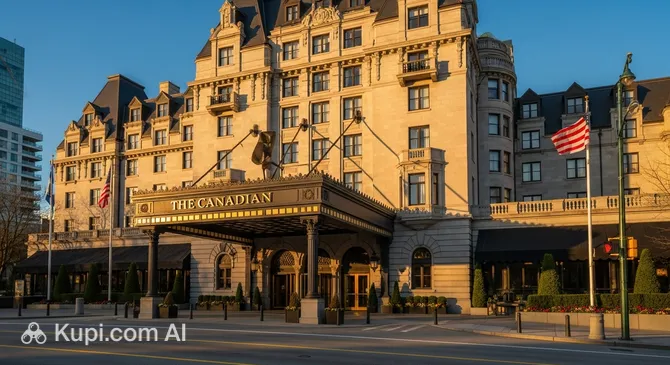
The Canadian. Illustration.
Source: Kupi.com AI
Traveler photos:
While the city is home to many global hotel brands, the local hospitality scene also features unique options. Travelers might consider checking availability at The Canadian, which is categorized as a resort-style option in the region. Whether you prefer a modern high-rise or a cozy boutique establishment, the city's accommodation sector is known for its high standards of service and cleanliness.
Accommodation prices in Vancouver can be quite high, particularly during the peak summer season (May to September) and when cruise ships are in port. It is highly recommended to book well in advance—often several months out—to secure the best rates and availability. Budget travelers can expect to pay a premium compared to other Canadian cities, while luxury seekers will find no shortage of opulent suites. Most bookings can be easily made via online platforms, though booking directly with hotels can sometimes offer better cancellation policies.
Nearby Cities
For those looking to explore the surroundings, Vancouver serves as an excellent base for day trips to several interesting nearby locations. While the city itself offers plenty to do, the neighboring municipalities provide unique experiences ranging from historic sites to culinary adventures.
Just south of the city lies Richmond, a vibrant island city known for its incredible Asian cuisine and the famous Richmond Night Market, the largest of its kind in North America. It is also home to the charming historic fishing village of Steveston, where visitors can walk along the docks, enjoy fresh fish and chips, or explore the Gulf of Georgia Cannery.
To the east is Burnaby, a city that blends urban conveniences with expansive parklands. It features Burnaby Mountain, which offers stunning sunset views and is home to the Playground of the Gods sculptures. Shoppers often flock here to visit Metropolis at Metrotown, the province's largest shopping mall, while history buffs enjoy the immersive 1920s experience at the Burnaby Village Museum.
Further out in the Fraser Valley, Langley offers a more relaxed, rural atmosphere perfect for a day trip. It is best known for the Fort Langley National Historic Site, a former fur trade post that brings history to life. The area is also developing a reputation for its local wineries and farm-to-table dining, making it a delightful escape for food and wine enthusiasts.
These nearby destinations offer a glimpse into the diverse culture and landscapes of the region, making them well worth the short journey from downtown Vancouver.
Shopping & Souvenirs
Shopping:
Shopping in Vancouver is a diverse and rewarding experience that ranges from high-end luxury brands to independent boutiques and vibrant markets. The city is particularly famous for its outdoor apparel, often dubbed the "athleisure" capital of the world, but it also boasts a thriving scene for sustainable fashion, indigenous art, and locally made artisan goods. Whether you are looking for international designer labels or unique West Coast treasures, the city's retail landscape has something to offer every style and budget.
The city's most iconic shopping destination is arguably Robson Street in the downtown core. This bustling open-air strip is lined with major international fashion retailers, souvenir shops, and trendy shoe stores, making it a lively place to stroll and shop. For a more historic and eclectic vibe, visitors should head to Gastown. Here, amidst the cobblestone streets, you will find high-end interior design shops, independent clothing boutiques, and some of the best galleries for First Nations art, offering a distinct contrast to the mainstream options downtown.
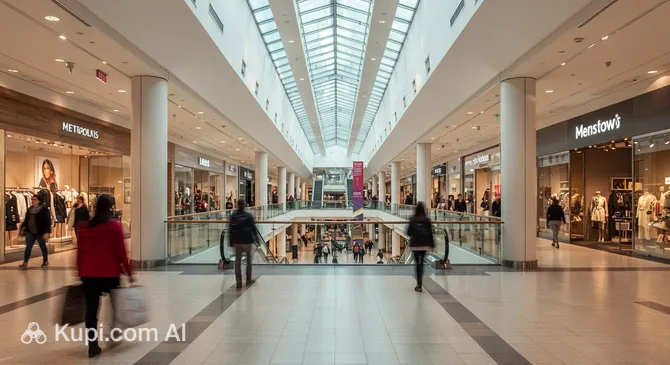
If you prefer the convenience of a large shopping center, the region offers some impressive options. Metropolis at Metrotown, located just a short SkyTrain ride away in Burnaby, is the largest mall in British Columbia. With hundreds of stores, a movie theatre, and diverse dining options, it provides a comprehensive shopping experience under one roof.
Metropolis at Metrotown. Illustration.
Source: Kupi.com AI
Traveler photos:
For bargain hunters and luxury lovers alike, the Designer Outlet Vancouver Airport is a must-visit. Situated near the airport in Richmond, this open-air village features premium brands at discounted prices. Its European-inspired architecture and proximity to the Canada Line make it an attractive stop, especially for those with a few hours to spare before a flight.
No shopping trip to Vancouver is complete without visiting its famous markets. Granville Island Public Market is the crown jewel, offering a sensory overload of fresh produce, handcrafted jewelry, and unique local crafts. It is the perfect place to find one-of-a-kind gifts directly from the artisans. During the summer months, the Richmond Night Market also offers a bustling, festival-like atmosphere with rows of vendors selling accessories, electronics, and street food.
When it comes to souvenirs, authentic items are highly recommended. Smoked salmon and maple syrup products are classic edible gifts. For something more enduring, Northwest Coast indigenous art is world-renowned; you can find authentic prints, jewelry, and carvings in reputable galleries and museum shops, such as those associated with the Bill Reid Gallery of Northwest Coast Art. Always look for certification of authenticity when purchasing indigenous artwork.
Most shops in Vancouver open around 10:00 AM and close between 6:00 PM and 9:00 PM, with shorter hours on Sundays. Thursdays and Fridays often see extended evening hours in major malls. Payment is seamless, with credit and debit cards accepted almost everywhere, including contactless payments. Visitors should note that Canada does not currently have a VAT refund system for international tourists, so the sales tax (GST and PST) paid on goods is generally not refundable upon departure.