Nestled in the heart of the stunning Okanagan Valley, Kelowna is a vibrant city that perfectly blends urban energy with breathtaking natural beauty. Known for its rolling vineyards, expansive orchards, and crystal-clear waters, it serves as a premier destination for travelers seeking both relaxation and adventure. As the largest city in the region's interior, it offers a unique atmosphere where cosmopolitan amenities meet the great outdoors.
Located in the province of British Columbia, this picturesque city sits along the eastern shore of Okanagan Lake. It is home to a population of approximately 142,000 people and enjoys a distinct semi-arid climate, characterized by hot, sunny summers and mild winters. This enviable weather makes it one of the most desirable vacation spots in Canada.
Kelowna. Illustration.
Source: Kupi.com AI
The region is rich in heritage, and visitors are encouraged to explore the history of Kelowna to understand its transformation from a quiet agricultural settlement into a bustling cultural hub. Today, the city is celebrated for its thriving wine industry, with dozens of world-class wineries offering tours and tastings just minutes from the city center.
Beyond the vineyards, Kelowna is a paradise for outdoor enthusiasts. Okanagan Lake is the centerpiece of local life, inviting tourists to enjoy boating, swimming, and sandy beaches. For a touch of history mixed with nature, the spectacular Myra Canyon Trestles provide an unforgettable hiking or cycling experience along a historic railway route high above the valley floor.
Whether you are looking to indulge in gourmet local cuisine, tee off at a championship golf course, or simply soak up the sun by the water, Kelowna promises an unforgettable escape. Plan your visit today and discover why this lakeside gem is a favorite among travelers.
Weather Overview
Understanding the local climate is key to planning the perfect trip to the Okanagan Valley. The weather in Kelowna is generally defined by four distinct seasons, offering warm, sunny summers and cool, cloudy winters. Visitors can typically expect hot, dry conditions during peak tourist season and frequent but light precipitation during the colder months.
Summer is the most popular time to visit, particularly July and August, when the city experiences its warmest temperatures. During these months, average temperatures hover around 19°C to 19.5°C, with daily maximums often reaching nearly 26°C. It is also the driest period of the year; July, for instance, typically sees only about 4 days with precipitation, making it ideal for outdoor activities.
In contrast, the winter months of December and January bring cooler air, with average temperatures dropping to approximately -2.3°C to -2.6°C. February can be the coldest month for lows, dipping to around -7.4°C. While the winters are not extremely harsh compared to other parts of Canada, they are damper, with January and December averaging about 17 wet days each.
The shoulder seasons of spring and autumn offer mild and comfortable transitions. By May, the weather warms up significantly with average highs of 16.8°C, while September remains pleasant, retaining an average temperature of 14.6°C before the cooler autumn air sets in.
Average monthly temperature
Average monthly precipitation
Interesting Facts
Beyond the main attractions, Kelowna holds many fascinating secrets that add to its charm. From ancient geological formations to mythical creatures, here are some unique aspects of the city that often surprise visitors.
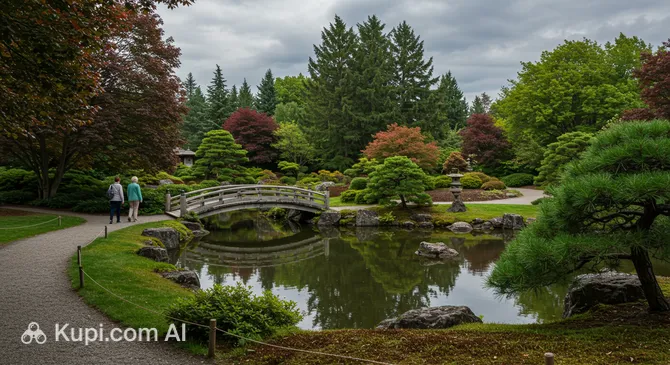
Kasugai Gardens. Illustration.
Source: Kupi.com AI
Traveler photos:
Okanagan Lake is rumored to be the home of Ogopogo, a legendary serpent-like creature often compared to the Loch Ness Monster. The Indigenous Syilx people have spoken of the spirit of the lake, known as N'ha-a-itk, for centuries, and sightings are still reported by locals and tourists today.
The popular Knox Mountain Park offers more than just panoramic views; the mountain itself is actually the summit of an ancient, extinct volcano. This geological history explains the unique rock formations found along the hiking trails.
Tucked away near the city center is a serene oasis celebrating international friendship. Kasugai Gardens was created to honor the sister-city relationship between Kelowna and Kasugai, Japan, and features traditional Japanese landscaping that symbolizes the bond between the two cultures.
Crossing the lake involves driving over a marvel of engineering known as the William R. Bennett Bridge. It is one of the few floating bridges in the world, designed to float on the water's surface rather than resting on the lake bed, due to the extreme depth of Okanagan Lake.
How to Get There
Reaching the heart of the Okanagan Valley is convenient thanks to a variety of transport options connecting the region to major hubs. Whether you are flying in from across the continent or planning a scenic drive from a nearby city, you can easily find a route that suits your schedule. For a detailed overview of all travel possibilities, check out more about how to get to Kelowna to plan your journey effectively.
The primary gateway for air travelers is Kelowna International Airport (IATA: YLW), located directly in the city, just 11.5 km from the center. As one of the busiest airports in the region, it handles a significant volume of passengers annually and offers numerous connections. The trip from the airport to downtown is quick, taking approximately 40 minutes by taxi or shuttle. Alternatively, travelers can fly into Penticton Airport (IATA: YYF) in the neighboring city of Penticton. Situated about 47.7 km away, this regional airport is a viable option, with a travel time of roughly 1 hour and 30 minutes to reach Kelowna by road.
For clarity, here is a summary of the main airports serving the area:
The city of Kelowna does not have its own railway station, so train travel requires a transfer from a larger hub. You can arrive at the Vancouver Railway Station (IATA: XEA) in the city of Vancouver, which is approximately 269.2 km from Kelowna. From there, you can rent a car or take a bus to complete the journey, which typically takes about 7 hours depending on road conditions and traffic.
Below is the information regarding the nearest railway stations listed:
Kelowna is brimming with diverse attractions that cater to nature lovers, families, and culture seekers alike. From expansive parks with panoramic views to bustling markets showcasing local talent, the city offers a variety of must-visit spots. Here are some of the top highlights to include in your itinerary.
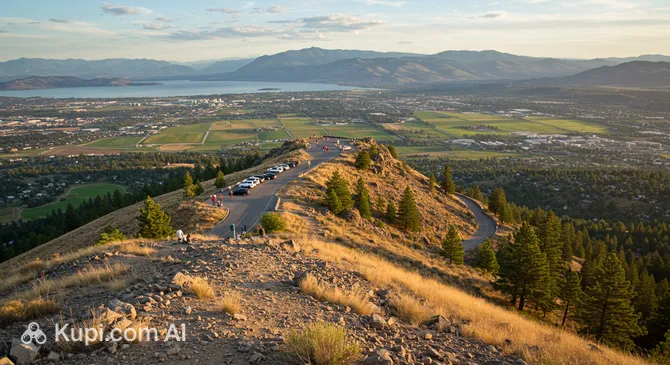
Knox Mountain Park. Illustration.
Source: Kupi.com AI
Traveler photos:
For those who love the outdoors, Knox Mountain Park is an absolute essential. Located just north of the downtown area, this expansive natural park offers a network of hiking and biking trails suitable for various fitness levels. The summit provides breathtaking panoramic views of Okanagan Lake and the city below, making it a favorite spot for photographers and sunset watchers. It is the perfect place to experience the region's rugged natural beauty while staying close to urban amenities.
Another gem located right in the heart of the city is Kelowna City Park. This popular destination sits along the lakefront and features the famous Hot Sands Beach, where visitors can sunbathe or take a refreshing dip. With lush green spaces, a water park for children, and sports courts, it serves as a vibrant community hub. Tourists appreciate its accessibility and the wide promenade that connects it to other waterfront areas, offering a relaxing environment for a leisurely afternoon.
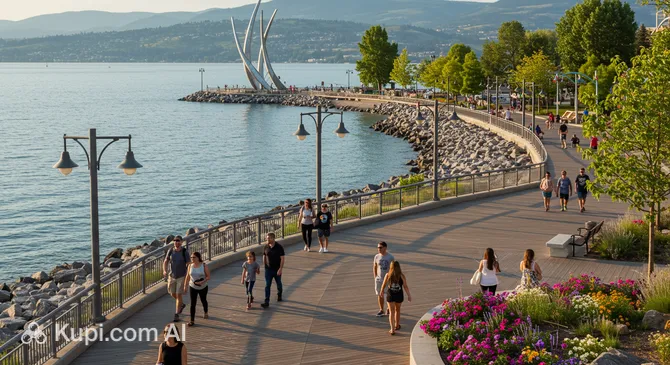
Waterfront Park. Illustration.
Source: Kupi.com AI
Traveler photos:
A short stroll along the boardwalk leads to Waterfront Park, a beautifully landscaped area known for its serene lagoons and the picturesque Tugboat Bay beach. This park is distinct for its circular boardwalks and well-maintained gardens, which provide a peaceful escape from the city buzz. It frequently hosts outdoor concerts and festivals, making it a lively spot where visitors can enjoy both natural scenery and local entertainment.
To get a taste of the local culture and produce, a visit to the Kelowna Farmers' and Crafters' Market is highly recommended. As one of the largest markets in British Columbia, it features a vast array of stalls selling fresh fruits, vegetables, artisanal foods, and handmade crafts. It is an excellent place for tourists to interact with local growers and artisans, sample regional delicacies, and find unique souvenirs to take home.
Local Cuisine
The culinary landscape of Kelowna is deeply rooted in the agricultural abundance of the Okanagan Valley, earning it a reputation as a premier farm-to-table destination. With orchards and farms surrounding the city, local chefs have immediate access to fresh, sun-ripened ingredients. The food scene here is characterized by its freshness and seasonality, where menus frequently change to reflect the harvest of the month, from crisp asparagus in the spring to savory squash in the autumn.
Visitors cannot leave the city without indulging in the region's famous orchard fruits. Kelowna is renowned for its luscious peaches, cherries, apricots, and apples. These find their way into signature local desserts, particularly fresh fruit pies and crumbles that are a staple in many cafes and bakeries. For those seeking a savory experience, the local charcuterie boards featuring artisanal cheeses and cured meats from nearby farms are a must-try, often served as a perfect accompaniment to a relaxing afternoon.
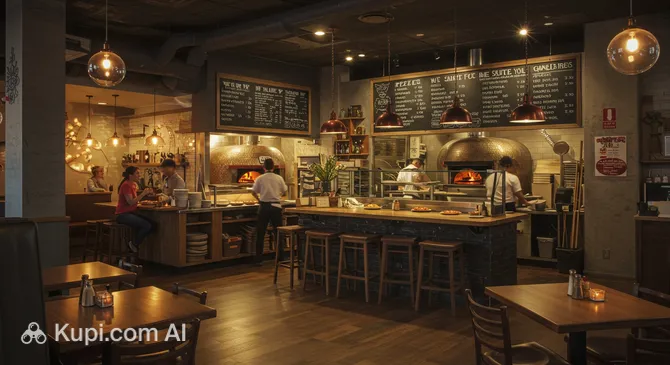
Frankie We Salute You. Illustration.
Source: Kupi.com AI
Traveler photos:
For a modern twist on regional ingredients, Frankie We Salute You stands out as a popular spot. This venue highlights the city's growing trend towards innovative, plant-forward cuisine that utilizes the best of the valley's produce. It represents the casual yet high-quality dining atmosphere that defines the city, where the focus is always on the integrity of the ingredients.
When it comes to beverages, Kelowna is the heart of British Columbia's wine country. The region is world-famous for its award-winning vintages, particularly crisp whites like Pinot Gris and Riesling, as well as complex Pinot Noirs. A sip of the local Icewine, a sweet dessert wine made from grapes frozen on the vine, is an essential experience. Beyond wine, the city has a booming craft beer and cider scene, with local cideries fermenting the valley's famous apples into refreshing, crisp drinks ideal for a hot summer day.
The dining culture in Kelowna is vibrant and social, often centered around outdoor living. Many restaurants, such as JOEY Kelowna, offer expansive patios where guests can enjoy their meals while soaking up the energetic atmosphere. Whether you are dining at a lakeside bistro, a vineyard terrace, or a bustling downtown grill, the combination of scenic views and exceptional flavors makes every meal memorable.
Travel Tips
Welcome to Kelowna, the sun-drenched jewel of British Columbia! To ensure your visit to the Okanagan Valley is as relaxing and seamless as the lake views, we have compiled a set of essential practical tips. These guidelines will help you navigate local customs, transportation, and seasonal nuances like a pro.
Clothing and Gear: The climate here varies significantly by season. In summer, the weather is hot and dry, so pack light clothing, a wide-brimmed hat, and plenty of sunscreen; high-quality sunglasses are a must for the bright lakeside days. If you plan to hike trails like Knox Mountain, bring sturdy, comfortable walking shoes. For winter visits, layers are key—while it isn't as cold as other parts of Canada, it can be damp, so a waterproof jacket and warm boots are recommended. The dress code is generally casual, even in upscale wineries.
Transportation: While there is a local public bus system (BC Transit), it can be infrequent and may not reach all the scenic vineyards scattered around the valley. To truly experience the region, renting a car is highly recommended. This gives you the freedom to explore at your own pace. Alternatively, ride-hailing apps like Uber and local taxi services are available. For wine touring, consider booking a designated shuttle service so you can enjoy tastings safely.
Finances: The local currency is the Canadian Dollar (CAD). Credit and debit cards (Visa and Mastercard) are universally accepted, even for small transactions, and contactless payment is standard. You won't need to carry much cash, though having a small amount for farm stands or markets is helpful. ATMs are widely available. Tipping is customary here; expect to leave 15% to 20% of the bill at restaurants, bars, and for taxi drivers.
Health and Safety: Kelowna is generally a very safe city for tourists. The downtown area is lively, but standard precautions should be taken late at night. Pharmacies like Shoppers Drug Mart are easy to find, with some locations open late for non-emergency medical needs. In an emergency, dial 911. Be mindful of the sun; the UV index can be very high in summer, so stay hydrated and seek shade during peak hours.
Communication: English is the primary language spoken in Kelowna. While Canada is officially bilingual, French is not commonly spoken in daily interactions in this region. Free Wi-Fi is readily available in most hotels, cafes, and public buildings. If you need mobile data, you can purchase a prepaid SIM card from major providers or use an eSIM if your device supports it.
Local Etiquette: Locals are known for being friendly and polite. A handshake is a standard greeting, and a simple "hello" or "how are you" is common when entering shops. Politeness is valued—don't be surprised to hear "sorry" and "thank you" frequently. It is also important to respect queues in stores and at bus stops; cutting in line is considered very rude.
What to Avoid:Never discard cigarette butts or matches on the ground, especially during the dry summer months. The region is highly susceptible to wildfires, and there are strict fire bans and heavy fines in place to protect the beautiful landscape. Also, avoid feeding wildlife, such as deer or bears, as this is dangerous for both you and the animals.
Additional Tip: If you plan to visit the popular wineries during July or August, book your tastings in advance. These months are peak tourist season, and many of the best estates require reservations. Also, check out the local fruit stands along the roads—buying fresh cherries or peaches directly from the grower is a delicious and authentic local experience.
Armed with these practical tips, you are ready to dive into the laid-back lifestyle of Kelowna. Whether you are sipping world-class wine, floating on the lake, or exploring the mountains, a little preparation ensures your trip will be nothing short of spectacular. Enjoy your stay in this beautiful valley!
Entertainment & Nightlife
While Kelowna is famous for its sun-soaked days, the city certainly does not go to sleep when the sun goes down. The nightlife scene here is vibrant and diverse, offering everything from laid-back pubs and craft breweries to energetic dance clubs and sophisticated lounges. The atmosphere is generally characterized by "Okanagan casual"—relaxed and welcoming, yet stylish enough for a fun night out.
The heart of the evening entertainment is concentrated in the Downtown area, particularly along Bernard Avenue and the surrounding streets of the Cultural District. This walkable neighborhood is buzzing with activity, making it easy to hop from a patio dinner to a cocktail bar. On weekends, the energy spills out onto the sidewalks, creating a lively urban vibe against the backdrop of the lake.
For those looking for a mix of entertainment, Dakoda's Sports Bar & Grill is a local favorite. It is well-known not just for catching the big game, but also for hosting regular comedy nights that draw top talent from across the country. It offers a classic pub atmosphere where the dress code is casual, and the focus is on good times and laughter.
Dakoda's Sports Bar & Grill. Illustration.
Source: Kupi.com AI
Traveler photos:
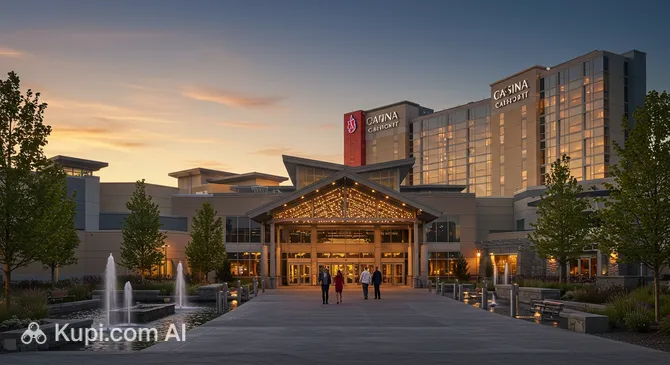
If you are feeling lucky or looking for a more high-energy environment, the Kelowna Casino (often referred to as Playtime Casino) is a major draw. Located in the Cultural District, it features a wide array of slot machines, table games, and often hosts live music or viewing parties. It is a central hub for nightlife that stays open late, providing a spirited destination for groups.
Music lovers should keep an eye on the schedule for Prospera Place. This major arena is the city's premier venue for large-scale concerts, sporting events, and shows. While not a nightclub, it is the anchor for many big nights out in the city, with crowds often flooding into nearby bars and restaurants before and after events.
Kelowna Casino. Illustration.
Source: Kupi.com AI
Traveler photos:
Practical advice for enjoying Kelowna at night includes planning your transport in advance. While the downtown core is safe and walkable, ride-sharing services like Uber and local taxis are the best way to get back to your accommodation, especially if you are staying further out. Most bars are open until 1:00 AM or 2:00 AM on weekends. Prices are generally moderate compared to larger cities like Vancouver, with many venues offering "Happy Hour" specials earlier in the evening.
Beyond the nightlife, Kelowna offers plenty of excitement during the day. Families and thrill-seekers will love the H2O Adventure and Fitness Centre, a world-class water park featuring wave pools and surf simulators. For those who prefer retail therapy, the Orchard Park Shopping Centre is the largest mall in the region, offering a vast selection of fashion brands and specialty stores to explore before the evening festivities begin.
Parks & Museums
Beyond its vineyards and sparkling lakefront, the city offers a wealth of green spaces and cultural institutions that showcase the region's natural diversity and rich heritage. From rugged canyons and sandy beaches to galleries celebrating local history and art, there are endless opportunities to explore the soul of the Okanagan Valley.
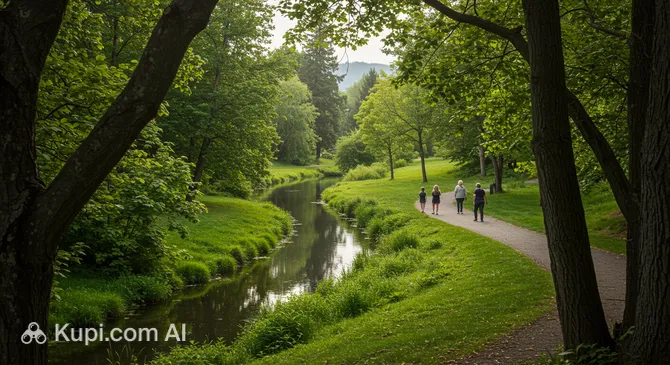
For a true immersion into nature without leaving the city limits, Mission Creek Regional Park is a local treasure. Spanning a vast area, it features the Mission Creek Greenway, a wide, flat trail perfect for walking, jogging, or cycling under a canopy of cottonwood trees. In the autumn, this park becomes a prime location for witnessing the Kokanee salmon spawning run, a spectacular natural event that draws nature enthusiasts from all over. The park also offers picnic areas and a playground, making it an excellent spot for families to spend a relaxing afternoon.
Mission Creek Regional Park. Illustration.
Source: Kupi.com AI
Traveler photos:
If you are looking for the quintessential summer experience, Boyce-Gyro Beach Park is the place to be. Located in the popular South Pandosy neighborhood, this park is famous for its long stretch of sandy beach and shallow waters, ideal for swimming and wading. It is a hub of activity during the warmer months, featuring beach volleyball courts, an inflatable water park, and plenty of shaded grassy areas for sunbathing. It perfectly captures the laid-back, sun-drenched lifestyle that the city is known for.
Boyce-Gyro Beach Park. Illustration.
Source: Kupi.com AI
Traveler photos:
For those willing to venture just across the lake, Bear Creek Provincial Park offers a more rugged adventure. This park is renowned for its canyon rim trail, which provides stunning views of waterfalls and the valley below. It is a fantastic destination for hikers seeking a bit of elevation and dramatic scenery, as well as for campers looking to stay close to nature.
The cultural heartbeat of the city can be found in its museums and galleries, located primarily in the Cultural District. The Okanagan Heritage Museum is a must-visit for history buffs, offering fascinating exhibits on the region's geological formation, the culture of the Indigenous Syilx people, and the era of the fur traders and early settlers. It provides essential context for understanding how the valley has evolved over thousands of years.
Art lovers will appreciate the Kelowna Art Gallery, a premier venue that hosts a rotating selection of contemporary and historical art. The gallery focuses on works by local British Columbian artists as well as national touring exhibitions, ensuring there is always something new and inspiring to see. Another unique cultural stop is the Okanagan Wine and Orchard Museum, located in the historic Laurel Packinghouse. Here, visitors can trace the roots of the region's world-famous fruit and wine industries, learning about the agricultural boom that shaped the local economy.
For a glimpse into the early pioneer days, a visit to the Father Pandosy Mission is highly recommended. As the site of the first European settlement in the Okanagan Valley, founded in 1859, it features restored log buildings and antique farming equipment that transport visitors back to the 19th century.
Insider Tip: While the main beaches can get crowded, locals often head to Rotary Beach Park for a quieter experience. It is particularly known as a favorite spot for kiteboarding due to the favorable winds. Even if you don't participate, watching the colorful kites dance over the water against the backdrop of the mountains is a mesmerizing sight.
Getting Around
Public transport in Kelowna is primarily served by an extensive bus network operated by BC Transit. Unlike larger metropolises, the city does not have a metro, tram, or train system for local travel. Instead, the Kelowna Regional Transit System connects the downtown core with surrounding neighborhoods, including West Kelowna, Lake Country, and the university district. The backbone of this network is the 97 RapidBus line, which offers frequent and direct service along the main highway corridor, making it the most convenient option for visitors looking to travel between major hubs.
For payment, the system has modernized to offer several convenient options. A single adult fare is affordable, typically costing around $2.50 CAD. You can pay with cash upon boarding, but keep in mind that you must have exact change as drivers cannot provide coins back. For tourists planning to use the bus multiple times in a day, a DayPASS is a cost-effective choice. Recently, the system introduced Umo, a contactless payment method that allows riders to pay via a mobile app or a reloadable card, simplifying the process significantly for travelers who prefer not to carry cash.
When using the bus, it is important to check the schedule in advance, as frequency can vary. While the main RapidBus line runs frequently—often every 15 minutes during peak times—routes serving suburban areas or specific wineries may operate less often, especially on weekends and holidays. Service typically begins early in the morning and runs until late at night, but it is wise to confirm the last bus time if you are out enjoying the nightlife. Tickets and passes can be purchased at various vendors throughout the city, including grocery stores and drugstores, or directly through the digital app.
Given the city's sprawling layout and the scenic location of many attractions, many visitors find that renting a car provides the most freedom, particularly for exploring the distant vineyards and hiking trails. However, for those without a vehicle, ride-hailing apps like Uber and local taxi companies are readily available and reliable. They are especially useful for getting to specific destinations that are not directly serviced by the main bus routes.
Kelowna is also an incredibly bike-friendly city, offering a scenic and active alternative to motorized transport. The Okanagan Rail Trail is a highlight, providing a flat, paved path that connects the downtown area to the airport and beyond, free from vehicle traffic. Additionally, the city has a shared e-scooter and e-bike program, allowing you to rent a ride for short trips around the waterfront and cultural district. This is often the most enjoyable way to see the sights while soaking up the famous valley sunshine.
Accommodation
Where to Stay:
Finding the perfect place to stay in Kelowna is easy, as the city offers a wide spectrum of accommodation options to suit every travel style and budget. Visitors can choose from family-friendly motels along the highway, charming bed and breakfasts tucked away in quiet neighborhoods, and modern vacation rentals ideal for longer stays. For those seeking luxury, the city boasts several high-end waterfront resorts that offer extensive amenities, while budget-conscious travelers will find a decent selection of hostels and affordable chain hotels.
When choosing a location, the Downtown area is often the most convenient choice for first-time visitors. Staying here places you within walking distance of the Cultural District, the main beaches, and a vibrant nightlife scene. For a quieter, more resort-like atmosphere, the South Pandosy neighborhood and the areas along Lakeshore Road are excellent alternatives. These districts offer a relaxed vibe with easy access to trendy boutiques, cafes, and sandy beaches, all while being just a short drive from the city center.
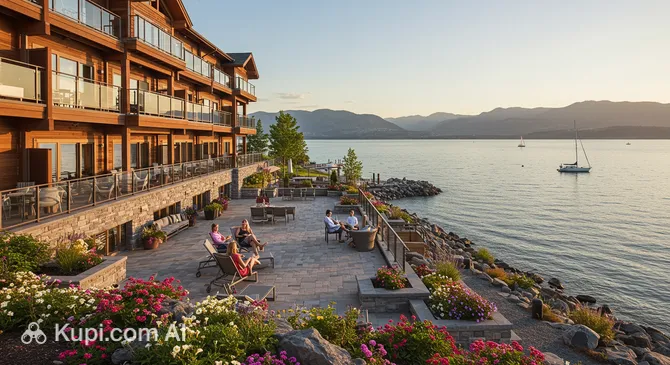
For travelers looking to indulge in a resort experience right on the water, Manteo Resort is a standout option. Located on the shores of Okanagan Lake, this property is renowned for its stunning views, private beach access, and family-oriented facilities. It exemplifies the type of upscale accommodation available in the region, where the focus is on blending comfort with the natural beauty of the surroundings.
Manteo Resort. Illustration.
Source: Kupi.com AI
Traveler photos:
Prices in Kelowna can vary significantly depending on the season. During the peak summer months of July and August, demand is incredibly high, and rates for mid-range to luxury hotels reflect this popularity. Conversely, visiting in the shoulder seasons of spring and fall can offer excellent value for money. Regardless of when you plan to visit, it is highly recommended to book your accommodation well in advance—often several months ahead for summer trips—to secure your preferred spot. Most properties can be easily booked through major online platforms or directly via their websites.
Nearby Cities
For those looking to explore the surroundings, Kelowna serves as an excellent base for day trips to several interesting nearby locations:
Located just a short drive north, Vernon is a fantastic destination for nature lovers. It is surrounded by three lakes, including the stunning Kalamalka Lake, which is famous for its unique turquoise water that changes color with the temperature. The city offers a mix of relaxed beach days and outdoor adventures, with the nearby SilverStar Mountain Resort providing world-class hiking and mountain biking trails during the summer months.
Traveling northwest brings you to Kamloops, a city defined by its dramatic semi-arid desert landscape and sandstone hoodoos. Situated at the meeting point of the North and South Thompson rivers, it offers a distinct change of scenery from the orchards of Kelowna. Visitors often head to the BC Wildlife Park to see rescued native animals, including grizzly bears and cougars, making it an educational and exciting trip for families.
For a taste of history and culture, Grand Forks in the Boundary Country is renowned for its rich Doukhobor heritage. A visit here allows tourists to sample authentic traditional cuisine, such as the famous local borscht, and explore the Boundary Museum. The warm waters of the Kettle River also make it a popular spot for swimming and tubing on hot summer days.
These nearby destinations offer a glimpse into the diverse culture and landscapes of the region.
Shopping & Souvenirs
Shopping in Kelowna offers a delightful mix of modern convenience and local charm, reflecting the city's blend of urban growth and agricultural heritage. Whether you are looking for high-end fashion, unique artisan crafts, or the region's famous culinary products, the city provides a diverse retail experience. Visitors can explore everything from bustling shopping centres to quaint boutique districts that line the scenic streets.
For a scenic shopping experience, the Downtown area, particularly along Bernard Avenue, is the place to start. This walkable district is filled with independent boutiques, souvenir shops, and art galleries, all situated just steps from the waterfront. It is perfect for a leisurely stroll where you can pop into unique stores and then enjoy a coffee with a view of the lake. Another trendy spot is the South Pandosy Village, known for its chic clothing stores, home décor shops, and eclectic vibe, making it a favorite among locals who prefer a more relaxed pace.
If you are in search of major international brands and a comprehensive retail experience, the city's malls are the main destination. The largest of these is the Orchard Park Shopping Centre, which serves as the primary fashion hub for the entire Okanagan Valley. It features a vast array of stores ranging from popular apparel chains to electronics and beauty retailers. Just nearby, you can find the Orchard Plaza Shopping Centre, which offers additional services, specialty shops, and a cinema, creating a convenient retail corridor for visitors.
Orchard Park Shopping Centre. Illustration.
Source: Kupi.com AI
Traveler photos:
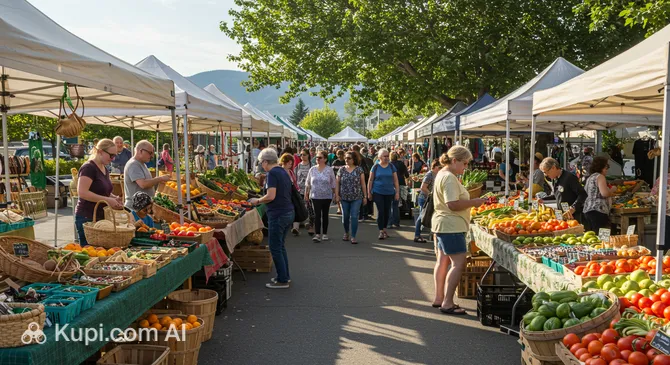
For a truly authentic taste of the region, visiting the local markets is a must. The Kelowna Farmers' and Crafters' Market is one of the largest in British Columbia and a highlight for any tourist. Here, you can browse stalls overflowing with fresh, seasonal produce from local orchards, as well as handmade jewelry, pottery, and woodwork. It is an excellent place to connect with the community and discover the agricultural bounty that makes this valley famous.
Kelowna Farmers' and Crafters' Market. Illustration.
Source: Kupi.com AI
Traveler photos:
When it comes to souvenirs, Kelowna offers plenty of unique options to take home. The most popular choice is undoubtedly a bottle of VQA wine from one of the many local vineyards, or perhaps some fruit-based products like artisanal jams and syrups made from Okanagan peaches and cherries. Indigenous art and jewelry are also meaningful keepsakes that reflect the deep cultural history of the area. Additionally, playful items featuring "Ogopogo," the legendary lake creature, make for fun gifts for children and friends.
Opening hours for most shops are generally from 10:00 AM to 6:00 PM, with shopping malls often staying open until 9:00 PM on Wednesdays, Thursdays, and Fridays. On Sundays, hours are typically reduced, often closing by 5:00 PM or 6:00 PM. Payment is convenient, with Canadian Dollars (CAD) being the official currency. Credit and debit cards (Visa and Mastercard) are widely accepted almost everywhere, including at market stalls, though carrying a small amount of cash is always a good idea for smaller purchases.
Tourists should be aware that sales taxes in British Columbia—a combination of the Goods and Services Tax (GST) and Provincial Sales Tax (PST)—are added to the price tag at the register, totaling 12% on most goods. Unlike some international destinations, Canada does not currently offer a general tax refund program for visitors on standard retail purchases, so the price you pay at the checkout is final.