Support

Granite Mountain

About

Granite Mountain stands as a majestic natural landmark in the state of Washington, drawing outdoor enthusiasts from across the region to its rugged slopes and sweeping vistas. Although it is a geographic feature rather than a populated municipality, this destination functions as a significant point of interest for travelers exploring the Cascade Range, offering a pristine escape into nature.

Its location in the United States places it conveniently near Snoqualmie Pass, making it highly accessible for adventurous day trips. The climate here is typical of the high Cascades, characterized by heavy winter snowfall and mild, vibrant summers where alpine meadows burst into bloom, transforming the landscape into a colorful tapestry.

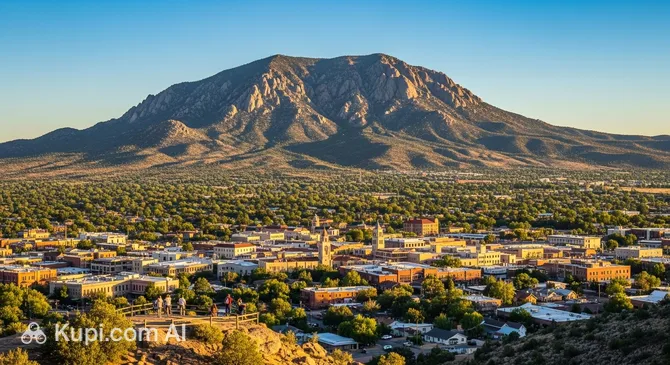
Granite Mountain. Source: Kupi.Binoculars

The area holds a unique charm rooted in its past, particularly concerning forest protection. Exploring the history of Granite Mountain reveals the significance of its iconic fire lookout tower, which sits perched at the summit and serves as a historic reminder of the region's heritage.

Key attractions include the challenging hiking trail that leads to the peak, offering rewarding panoramic views of Mount Rainier and the surrounding Alpine Lakes Wilderness. Visitors are also drawn to the stunning display of bear grass and wildflowers that carpet the mountainside during the warmer months, creating excellent opportunities for photography.

For those seeking a connection with nature and unparalleled scenery, a visit to Granite Mountain offers an unforgettable experience in the Pacific Northwest. Whether you are an avid hiker or simply an admirer of mountain landscapes, the views from the top are truly worth the journey.

Weather Overview

The climate at Granite Mountain is characterized by distinct seasons, ranging from cold, snowy winters to mild and pleasant summers typical of the Washington Cascades. During the colder months, particularly January and February, temperatures often drop below freezing, with averages around -3.6°C to -4.8°C and lows reaching down to -8.0°C. These conditions require proper preparation for anyone venturing near the area during the winter season.

Summer offers a stark contrast with much warmer weather, making it the prime time for outdoor activities. July is generally the warmest month, featuring an average temperature of 16.3°C and daily highs that can reach 22.1°C. This period is also the driest, providing excellent conditions for hiking. For a comprehensive look at what to expect during your visit, you can consult the detailed report on the weather in Granite Mountain.

Precipitation patterns vary significantly throughout the year. The late autumn and winter months are the wettest, with November seeing approximately 20 wet days and the highest precipitation levels. In comparison, the summer months are quite dry; July and August typically experience very little rainfall and only about 5 to 8 wet days, ensuring clearer skies for enjoying the scenic views.

Interesting Facts

Beyond the main attractions, Granite Mountain holds many fascinating secrets that add depth to its rugged beauty and history. While often admired for its scenic vistas, this location possesses unique geological and historical characteristics that surprise even frequent visitors.

  • Despite its name, the mountain is not actually made of true granite. The rock formation is primarily composed of granodiorite, an intrusive igneous rock that is part of the massive Snoqualmie Batholith. While similar in appearance, granodiorite contains more plagioclase feldspar than the orthoclase feldspar found in true granite.

  • The slopes that appear as lush, green meadows during the summer are actually massive avalanche chutes. In the winter, these open gullies become high-risk zones where snow slides frequently cross the hiking trail, making the area one of the most distinct examples of how seasonal weather drastically alters the safety and topography of the terrain.

  • The fire lookout perched at the summit is listed on the National Historic Lookout Register. The current structure was constructed in 1955 to replace an earlier cabin from 1924, and it remains one of the few well-preserved examples of mid-20th-century forest service architecture still standing in the region.

  • Due to its steep grade—gaining approximately 3,800 feet in just 4 miles—the mountain serves as a premier training ground for serious mountaineers. It is widely known in the climbing community as a benchmark hike for testing physical endurance before attempting major summits like Mount Rainier or Denali.

How to Get There

Reaching this scenic destination in the Cascade Range requires some planning, as it is located in a rugged natural area rather than a developed city center. Most visitors arrive by private vehicle, as the trailhead is situated just off Interstate 90. For a complete guide on the best routes and transportation options, you can read more about how to get to Granite Mountain.

The region does not have its own airport, so most travelers fly into the major hubs nearby and rent a car for the final leg of the journey. The most convenient and significant option is Seattle-Tacoma International Airport (SEA), located in Seattle. It is approximately 63 km from Granite Mountain. The drive from the airport typically takes around 1 hour, depending on traffic and road conditions near the pass. Another viable option in the Seattle area is Paine Field (PAE), situated about 81 km away. Driving from here usually takes approximately 1 hour and 30 minutes.

For clarity, here is a summary of the main airports:

Airport Name City Passenger Traffic Km from Destination
Seattle-Tacoma International Airport Seattle Large 62.6
Paine Field Seattle Medium 81.1
Pangborn Field Wenatchee Small 96.2
Yakima Air Terminal Yakima Small 118.4
Bellingham International Airport Bellingham Medium 171.9

Traveling by train is less direct, as Granite Mountain does not have a railway station. The closest major rail connection provided in the region is Vancouver Railway Station (XEA), located in the city of Vancouver, roughly 239 km away. From there, you would need to arrange a long-distance bus or rental car to reach the trailhead.

Below is the information regarding the nearest railway station:

Station City Passenger Traffic Km to Center
Vancouver Railway Station Vancouver Medium 238.6

Main Attractions

While Granite Mountain itself is the primary destination, the surrounding area offers a collection of remarkable spots that attract outdoor enthusiasts year-round. From historic structures perched in the clouds to accessible waterfalls near the base, visitors can explore a variety of landscapes within the immediate vicinity of this iconic peak.

Granite Mountain Fire Lookout is undoubtedly the highlight for those who make the arduous trek to the summit. Standing at an elevation of 5,629 feet, this historic structure offers one of the most breathtaking vantage points in the region. Built in 1955, the lookout is still used occasionally for fire observation but primarily serves as a destination for hikers seeking panoramic views of Mount Rainier, Kaleetan Peak, and Crystal Lake. It provides a unique glimpse into the history of forest protection in the Pacific Northwest.

The Granite Mountain Trail itself is a significant attraction, renowned for its dramatic shifts in scenery. As hikers ascend, the dense coniferous forest gives way to open avalanche chutes and expansive alpine meadows. During the summer months, these slopes come alive with vibrant wildflowers, including bear grass and lupine, creating a stunning contrast against the rocky terrain. It is an exceptional location for nature photography and birdwatching, offering a dynamic environment that changes with every thousand feet of elevation gain.

Located just a short distance from the Granite Mountain trailhead, Franklin Falls offers a more accessible natural wonder for visitors of all ages. This tiered waterfall drops a total of 135 feet, with the final 70-foot drop plunging into a crystal-clear pool. The trail to the falls is relatively easy and family-friendly, making it a perfect complement to the more strenuous climb up the mountain. In winter, the falls often freeze into impressive icicles, drawing sightseers to marvel at the frozen landscape.

The Summit at Snoqualmie serves as the primary recreational hub for the area, situated just minutes away from Granite Mountain. While famous for its winter skiing and snowboarding operations, it transforms into a center for mountain biking and scenic chairlift rides during the warmer seasons. Its proximity makes it a convenient base for visitors looking to combine a rugged hike on Granite Mountain with other resort-style amenities and activities.

Local Cuisine

Since Granite Mountain is a rugged natural landmark rather than a city, there are no restaurants or cafes located directly on its slopes. The culinary experience here is defined by the classic "summit picnic" and the hearty flavors of the Pacific Northwest found in the nearby gateway communities. Hikers typically pack locally sourced provisions, such as smoked salmon jerky, trail mix, and fresh apples from Washington orchards, to enjoy while taking in the panoramic views from the fire lookout.

Upon returning to the base at Snoqualmie Pass or heading down to the town of North Bend, visitors can indulge in the region's signature dishes. Pacific Northwest Salmon is a staple of the local diet, often prepared on cedar planks to infuse the fish with a smoky, woodsy aroma. Another iconic treat is Cherry Pie, a legendary dessert in the area that has become a traditional post-hike reward for many adventurers. During late summer, observant hikers might even find wild huckleberries growing along the trail, offering a sweet, natural snack straight from the bush.

The beverage culture in this part of Washington is heavily influenced by the state's reputation for brewing and roasting. Craft beer is the drink of choice for many locals, with nearby taprooms at the pass serving mountain-inspired ales and lagers brewed with local hops. For non-alcoholic options, the region's obsession with high-quality coffee ensures that excellent espresso is available at almost every stop along the highway, providing the necessary fuel for an early morning start.

The food culture surrounding Granite Mountain is casual, welcoming, and geared towards outdoor enthusiasts. The dining scene revolves around rustic diners, ski lodge cafeterias, and cozy brewpubs where hiking boots and fleece jackets are the standard attire. Whether grabbing a quick burger at a roadside grill or sitting down for a hearty breakfast before the climb, the atmosphere is always relaxed and focused on refueling after a day in the wilderness.

Travel Tips

Visiting Granite Mountain is less about navigating urban streets and more about preparing for a rugged adventure in the Pacific Northwest wilderness. To ensure your trek to this iconic lookout is safe and enjoyable, here are some practical tips to help you navigate the logistics of a trip to this part of the Cascade Range.

  1. Clothing and Gear: Since weather in the Cascades can change rapidly, dressing in layers is essential. Wear moisture-wicking synthetic or wool base layers and sturdy, waterproof hiking boots with good ankle support. Always carry a rain shell and extra warm clothing, even in summer, as the summit can be windy and cold. If you are hiking in winter or early spring, microspikes or snowshoes are often necessary due to snow and ice on the trail.
  2. Transportation: There is no direct public transportation to the Granite Mountain trailhead, so renting a car is the most practical option. The trailhead is located off Interstate 90, exit 47. While ride-hailing apps like Uber or Lyft might get you there from North Bend, getting a ride back can be extremely difficult due to poor signal and distance. A personal vehicle gives you the freedom to store extra gear and leave on your own schedule.
  3. Finances: The official currency is the United States Dollar (USD). While there are no shops on the mountain, you will need a credit card or cash to purchase a Northwest Forest Pass ($5 for a day pass) required for parking at the trailhead. It is best to buy this pass online or at a ranger station in North Bend or Snoqualmie Pass before you arrive, as there are no payment kiosks at the trailhead itself.
  4. Health and Safety: This is a wilderness area, so carry the "Ten Essentials," including a first aid kit, headlamp, and extra water. The nearest pharmacies and urgent care facilities are located in North Bend or Issaquah, about 15-20 minutes west by car. In an emergency, dial 911, but be aware that cell service is spotty until you reach higher elevations or the summit ridge.
  5. Communication: The primary language is English. Cell phone reception is unreliable in the parking lot and lower sections of the trail but often improves near the fire lookout. It is highly recommended to download offline maps (using apps like Google Maps, AllTrails, or Gaia GPS) before leaving the city, as you cannot rely on mobile data for navigation in the mountains.
  6. Local Etiquette: The general rule of the trail is that hikers going uphill have the right of way; step aside to let them pass if you are descending. Follow Leave No Trace principles strictly: pack out all trash, including apple cores and orange peels, to protect the local ecosystem. If you encounter other hikers, a friendly "hello" or nod is customary.
  7. What to Avoid: Do not cut switchbacks (taking shortcuts between trail loops). This damages the fragile vegetation and causes severe erosion. Also, avoid feeding the wildlife, particularly the gray jays and chipmunks at the summit; while they may seem tame, feeding them disrupts their natural foraging habits and is discouraged by rangers.
  8. Additional Tip: Check the Northwest Avalanche Center (NWAC) forecast if you are visiting in winter or spring. Granite Mountain is famous for its avalanche chutes which cross the main trail. Understanding the current snow conditions is critical for safety, and many locals avoid the trail entirely when avalanche danger is rated considerable or high.

With the right preparation and respect for the environment, a trip to Granite Mountain can be the highlight of your Washington travels. By planning ahead for the weather and trail conditions, you can focus entirely on the stunning alpine views and the sense of accomplishment that comes with reaching the lookout.

Entertainment & Nightlife

As a rugged wilderness destination in the Cascade Range, Granite Mountain does not offer the bustling nightlife of a metropolis. There are no neon-lit clubs or rooftop bars on its windsaturated slopes. Instead, the "nightlife" here is defined by the tranquility of nature, where the entertainment consists of watching the sunset over the peaks and stargazing from a campsite. However, for visitors seeking social interaction, drinks, and evening entertainment, the nearby communities of Snoqualmie Pass and North Bend serve as the vibrant hubs for the area.

The closest center for evening activity is Snoqualmie Pass, located just minutes from the trailhead. This area has a distinct "après-adventure" culture. In the winter, it caters to skiers and snowboarders, while in the summer, it fills with hikers and mountain bikers. The atmosphere is incredibly casual and welcoming; the standard dress code involves flannel shirts, fleece jackets, and hiking boots. You won't find strict door policies here—just a community of outdoor enthusiasts relaxing after a day of physical exertion.

For a taste of the local scene, Dru Bru at Snoqualmie Pass is a must-visit destination. This taproom is the heart of the mountain's social life, offering European-inspired beers brewed right on-site. It features a family-friendly environment with fire pits and food trucks, making it the perfect spot to unwind. Next door, The Commonwealth offers a slightly more polished experience, serving craft cocktails and hearty dinners in a historic setting that dates back to the early days of the pass.

If you are looking for more traditional nightlife or late-night entertainment, a short drive west to the town of North Bend or nearby Snoqualmie is necessary. The most significant venue for entertainment in the region is the Snoqualmie Casino. Unlike the rustic bars at the pass, this venue offers a complete nightlife experience with a large gaming floor, several bars, fine dining restaurants, and a ballroom that hosts concerts by nationally touring artists. It is the only place in the immediate vicinity that stays open 24 hours a day, providing an option for those who want to stay out late.

In North Bend, the vibe remains historic and small-town. The North Bend Bar & Grill is a local staple, known for its friendly service and comfort food. It is a great place to catch a sports game or enjoy a casual beer with locals. The nightlife here winds down relatively early compared to big cities like Seattle, so it is best to arrive in the early evening to enjoy the atmosphere before closing time.

When planning a night out near Granite Mountain, transportation and safety are key considerations. Rideshare services like Uber and Lyft are extremely scarce in these mountain communities, and cell phone reception can be spotty. It is essential to have a designated driver if you plan to consume alcohol, as the roads are dark, winding, and often frequented by wildlife such as deer and elk at night. Walking between venues is generally not feasible due to the distances and lack of sidewalks along the highway.

For daytime entertainment before the evening sets in, the area offers several cultural attractions. The historic North Bend Theatre showcases movies in a charming Art Deco building that has stood since 1941. Additionally, the Northwest Railway Museum offers a glimpse into the region's transport history, featuring scenic train rides that provide a relaxing counterpoint to the strenuous hike up the mountain.
Parks & Museums

Since Granite Mountain is a natural landmark rather than a developed municipality, it does not feature city parks or urban museums on its slopes. Instead, the "parks" here are the vast, federally protected wilderness areas that surround the peak, while the region's cultural history is preserved in the museums of the nearby gateway communities, such as Snoqualmie and North Bend. Visitors can easily combine a rugged hike with a visit to these cultural sites to gain a deeper appreciation of the Pacific Northwest.

The entire area is encompassed by the Mount Baker-Snoqualmie National Forest, one of the most visited forests in the country. This massive expanse of green serves as the primary "park" for visitors, offering far more than just the Granite Mountain trail. It features ancient old-growth forests, glacier-covered peaks, and river valleys. For tourists, this forest provides endless opportunities for recreation, from berry picking in late summer to snowshoeing in winter, all set against a backdrop of dramatic volcanic geology.

Just a short drive away lies the Palouse to Cascades State Park Trail, formerly known as Iron Horse State Park. This unique linear park follows the path of a historic railway line and is famous for the Snoqualmie Tunnel, a 2.3-mile-long tunnel cut through the mountain pass. It is a fascinating destination for cyclists and hikers who want to experience a piece of engineering history while enjoying a flat, scenic route that contrasts with the steep ascent of Granite Mountain.

For those interested in the history that shaped this region, the Northwest Railway Museum in nearby Snoqualmie is a standout attraction. The museum operates out of the original 1890 Snoqualmie Depot, an architectural gem in itself. It holds a significant collection of railway artifacts and rolling stock that reflect the era when trains were the lifeline of the Cascades. Tourists can even take a ride on a heritage train, offering a moving vantage point of the valley's beauty.

Another key cultural venue is the Snoqualmie Valley Historical Museum in North Bend. This facility offers an intimate look at the local heritage, ranging from the history of the Snoqualmie Tribe to the lives of early loggers and hop farmers. It is particularly interesting for visitors who want to understand the human history behind the rugged landscapes they are hiking, providing context to the names and places found throughout the valley.

For a truly authentic experience, consider visiting the Cedar River Watershed Education Center near North Bend. While not a traditional museum, it offers fascinating exhibits on the region's water cycle and the environment. An insider tip for nature lovers is to explore the quiet trails around Rattlesnake Lake nearby; it is a serene spot often overshadowed by the more famous peaks but offers perfect conditions for a relaxing picnic after a strenuous day on Granite Mountain.

Getting Around

Since Granite Mountain is located within a designated wilderness area rather than a developed municipality, there is absolutely no direct public transport to the trailhead. Visitors will not find subway stations, city bus stops, or rail connections at the base of the peak. Unlike some urban parks, this destination requires independent travel arrangements to access the wilderness.

Travelers should be specifically aware that the popular seasonal bus service known as Trailhead Direct does not serve this location. While this King County Metro service offers transport to other hiking destinations along the Interstate 90 corridor, such as Mount Si and Mailbox Peak, it stops significantly short of Granite Mountain (Exit 47). Consequently, you cannot rely on this bus service or any other public transit network to reach the trailhead.

Given the complete lack of public transit options, renting a private vehicle is the only practical way to visit. Driving allows you to reach the trailhead via Exit 47 off Interstate 90 directly. Having a car also provides the necessary flexibility to store gear and travel on your own schedule, which is essential for a full day in the mountains of the United States.

For those flying into the region, rental cars are widely available at major transport hubs in Seattle. When planning your drive, keep in mind that parking at the trailhead can be limited, especially on sunny weekends. It is advisable to arrive early in the morning to secure a spot. Additionally, a Northwest Forest Pass is required for parking; this should be purchased in advance online or at a local ranger station, as there are no sales kiosks at the mountain itself.

While ride-sharing apps or taxis might be willing to drive you to the trailhead from nearby towns, relying on them is strongly discouraged. Getting a driver to pick you up from the mountain for the return trip is extremely unreliable due to the remote location and poor cellular reception. To avoid the risk of being stranded without a ride back, a personal or rental vehicle remains the safest and most efficient choice.

Accommodation

Since Granite Mountain is located within a designated wilderness area, there are no hotels, lodges, or campgrounds situated directly on the mountain itself. Visitors looking for accommodation must look to the nearby gateway communities along the Interstate 90 corridor. The options in this region generally range from rustic rental cabins and ski lodges to standard roadside motels and mid-range hotels, catering primarily to outdoor enthusiasts.

The most convenient area to stay is Snoqualmie Pass, located just a few miles east of the trailhead. This area is the hub of local recreation and offers a variety of vacation rentals, including A-frame cabins and condos that are popular year-round. Staying here places you right in the heart of the mountains, allowing for the shortest possible drive to the Granite Mountain trailhead in the morning. Accommodation here often has a cozy, alpine atmosphere, perfect for relaxing after a strenuous hike.

For those seeking more traditional amenities, the town of North Bend, situated about 15 to 20 minutes west by car, is an excellent alternative. As a developed town, it offers a wider selection of services, including grocery stores, pharmacies, and a variety of dining options. The accommodation landscape here consists mainly of reliable chain hotels, motels, and charming bed-and-breakfasts. This is often the preferred base for travelers who want easy access to the wilderness without sacrificing the conveniences of a town.

Another option for visitors is to look further east towards Cle Elum or Roslyn. While these towns are a bit further away (approximately 30 to 40 minutes), they offer unique historic inns and resort-style accommodations. This area is particularly appealing for those planning a multi-day trip that involves exploring the eastern side of the Cascades, known for its sunnier weather and resort facilities.

Booking Tip: Because the Snoqualmie Pass area is a premier destination for both winter sports and summer hiking, accommodations can fill up quickly. It is highly recommended to book well in advance, especially if you plan to visit during weekends or holidays. Winter weekends are particularly busy due to the ski season, while summer weekends attract crowds of hikers and campers.

The price range for accommodation in the vicinity typically falls into the mid-range category. You can find budget-friendly motels in North Bend, while private cabin rentals at the pass may command higher prices depending on the season and amenities. Booking is most easily done through major online travel platforms or vacation rental sites, though some smaller local inns may offer direct booking via their websites.

Nearby Cities

For those looking to explore the surroundings, Granite Mountain serves as an excellent base for day trips to several interesting nearby locations. While the mountain itself offers a rugged wilderness experience, the vibrant communities located just a short drive west along Interstate 90 provide a perfect contrast with their rich cultural amenities and urban attractions.

Issaquah is the closest major hub and is affectionately known as the gateway to the "Issaquah Alps." It offers a charming mix of history and nature, featuring a vibrant historic downtown, the unique shops of Gilman Village, and the famous Salmon Hatchery. It is an ideal stop for travelers who want to enjoy local theater, seasonal festivals, and a small-town atmosphere that celebrates its connection to the surrounding mountains.

A bit further west lies Bellevue, a sophisticated metropolis that provides a complete change of pace from the trails. Known for its gleaming skyline and the serene Bellevue Botanical Garden, this city is a premier destination for luxury shopping and fine dining. Visitors can explore the expansive Downtown Park or visit the Bellevue Arts Museum, making it a great option for a more cosmopolitan day trip.

Redmond is another excellent option, widely recognized as the "Bicycle Capital of the Northwest." Beyond its reputation as a tech center, it is home to Marymoor Park, the county's oldest and largest park, which hosts outdoor concerts, a climbing wall, and a velodrome. The city offers a dynamic blend of recreational green spaces and modern amenities, perfect for an active afternoon.

City Population Distance (km)
Bellevue 151,854 58
Renton 105,313 55
Redmond 72,166 56
Sammamish 66,532 47
Issaquah 39,057 43

These nearby destinations offer a glimpse into the diverse culture and landscapes of the region, allowing visitors to easily combine a mountain adventure with urban exploration.

Shopping & Souvenirs

Since Granite Mountain is a designated wilderness area and a natural landmark rather than a developed municipality, there are no shopping centers, boutiques, or convenience stores located on the mountain itself. The "shopping experience" here is entirely non-existent in the traditional sense. Visitors looking to browse stores or purchase supplies must head to the nearby gateway communities along the Interstate 90 corridor, such as North Bend and Snoqualmie Pass, which serve as the commercial hubs for travelers visiting the area.

The primary shopping destination for visitors to Granite Mountain is the town of North Bend, located approximately 15 to 20 minutes west by car. This town offers a blend of practical outdoor outfitters and charming local businesses. Here, you can find everything from grocery stores for stocking up on trail snacks to hardware stores and independent boutiques. Snoqualmie Pass, situated closer to the trailhead, offers more limited options focused strictly on the needs of outdoor enthusiasts, including gear shops and basic convenience markets.

For those interested in a more extensive retail experience, the North Bend Premium Outlets is the most significant shopping attraction in the vicinity. Located just off the highway, this outdoor mall features dozens of brand-name factory stores. It is a popular stop for hikers on their way back to the city, offering discounts on athletic wear, shoes, and casual fashion. It provides a stark contrast to the rugged wilderness, allowing visitors to combine a day of hiking with some bargain hunting.

In terms of local markets, the North Bend Farmers Market is a highlight during the summer months (typically June through September). Held in the town center, it showcases fresh produce from Washington farms, artisan crafts, and locally made foods. It is an excellent place to experience the local culture and pick up fresh fruit or baked goods for a picnic. During the winter, the shopping scene shifts indoors to the local ski shops at the pass, which often hold seasonal sales on equipment.

When it comes to souvenirs, the best items to bring back reflect the outdoor lifestyle of the Pacific Northwest. Outdoor gear and apparel are top choices, given the proximity to major outfitters. Additionally, North Bend is famous as the filming location for the TV show Twin Peaks, so fans often look for themed memorabilia at local gift shops. Locally roasted coffee and craft beer merchandise from nearby breweries also make for popular and authentic gifts.

Standard business hours in the nearby towns are generally from 10:00 AM to 8:00 PM or 9:00 PM for larger stores and malls, while smaller boutiques may close earlier, around 6:00 PM. On Sundays, hours are often reduced. Credit and debit cards are universally accepted at all shops, restaurants, and gas stations in North Bend and Snoqualmie Pass. Cash is rarely necessary except perhaps for very small purchases at a farmers market stall.

Travelers should be aware that the United States does not typically offer a Value Added Tax (VAT) refund system for international tourists similar to those found in Europe. Washington State charges a sales tax on most purchases, which is added at the register. While visitors from U.S. states with no sales tax (like Oregon) may be accustomed to exemptions, these generally do not apply to standard tourist purchases in Washington stores.

Reached the end of the page?

That means the route is fully explored