Support

Walla Walla

About

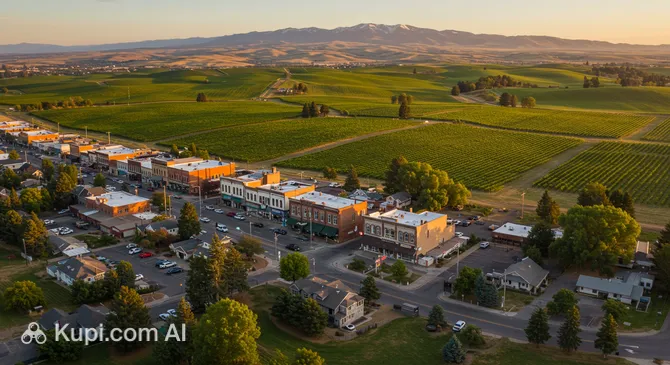
Welcome to Walla Walla, a captivating destination that perfectly blends small-town charm with world-class amenities. Located in the southeastern region of Washington state in the United States, this city is renowned for its lush landscapes, rolling hills, and genuinely welcoming community. With a population of approximately 33,765 residents, it offers a cozy and intimate atmosphere while serving as a vibrant cultural and agricultural hub for the entire region.

Walla Walla. Source: Kupi.Binoculars

The city is perhaps best known as the heart of Washington wine country, having earned a reputation as one of the finest wine regions in the nation. Visitors flock here to explore over 100 wineries and tasting rooms that dot the scenic valley, offering exquisite varietals and stunning vineyard views. Beyond the vines, the area is famous for its fertile soil, which produces the celebrated Walla Walla Sweet Onions, a local delicacy that is celebrated annually.

For those interested in the past, the history of Walla Walla is deeply rooted in the pioneering spirit of the West, offering fascinating stories of early settlements and trade. Today, the downtown area is a delight to explore, featuring tree-lined streets, award-winning restaurants, and unique boutiques. Whether you are strolling through the beautifully preserved historic district or enjoying the mild climate, Walla Walla invites you to slow down and savor the moment, making it an ideal spot for a relaxing getaway.

Weather Overview

Walla Walla enjoys a distinct four-season climate, offering visitors a variety of atmospheric conditions depending on the time of year. Whether you are planning a vineyard tour or a historic walk, understanding the weather in Walla Walla will help you pack appropriately for your trip. Generally, the region is characterized by hot, dry summers and cool, wetter winters.

The summer months, particularly July and August, are the warmest, with average temperatures hovering around 25°C and daily highs often peaking near 33.7°C. This season is remarkably dry, especially in July, which typically sees zero wet days, providing endless sunshine for outdoor adventures. In contrast, winters are colder and damper; December and January see average temperatures drop to between 2.5°C and 3.4°C, accompanied by approximately 13 to 14 wet days per month.

Interesting Facts

Beyond the renowned wineries and rolling hills, Walla Walla holds a collection of fascinating stories and unique distinctions. Discovering these lesser-known details reveals the rich tapestry of history and culture that defines the city.

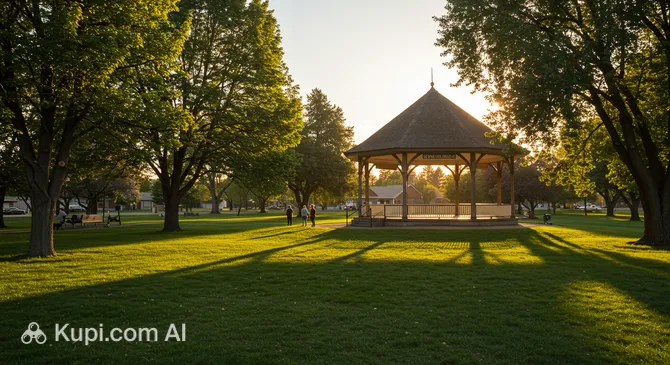
Pioneer Park. Source: Kupi.Binoculars
  • The city's unique name translates to "many waters" in the local indigenous language, a nod to the abundance of rivers and streams flowing through the valley. It is often affectionately described as the town so nice, they named it twice.

  • The beautiful Pioneer Park has a prestigious architectural lineage, as it was designed by the Olmsted Brothers. This firm was led by the sons of Frederick Law Olmsted, the legendary landscape architect responsible for New York City's Central Park.

  • Pop culture fans might be surprised to learn that Adam West, the actor who famously portrayed Batman in the 1960s television series, grew up in Walla Walla. His connection to the city is a cherished piece of local trivia.

  • Walla Walla is the birthplace of the oldest bank in the state of Washington. Baker Boyer Bank was established here in 1869, remarkably opening its doors two decades before Washington was even granted statehood.

How to Get There

Reaching this scenic destination in Washington wine country requires a bit of planning, as it is tucked away in the southeastern corner of the state. While the journey often involves a combination of air and ground travel, the scenic drive through the rolling hills makes the arrival all the more rewarding. You can find more about how to get to Walla Walla and explore the various transportation routes available to visitors.

While the city is served by its own regional airport offering limited commercial flights, many travelers opt to fly into larger hubs nearby to access a wider range of schedules and connections. Tri-Cities Airport (PSC) in Pasco is a popular choice, located approximately 64 km away. The drive from Pasco to Walla Walla is convenient, taking about 1 hour by rental car or taxi. For those seeking more international or extensive domestic options, Spokane International Airport (GEG) is another viable gateway. Situated roughly 184 km from the city, the transfer from Spokane typically takes between 2.5 to 3 hours by car.

For clarity, here is a summary of the main airports located near the city:

Airport Name City Passenger Traffic Km from City
Spokane International Airport Spokane Large 183.6
Tri-Cities Airport Pasco Medium 63.9
Pullman–Moscow Regional Airport Pullman Small 121.2
Lewiston-Nez Perce County Regional Airport Lewiston Small 108.1
Yakima Air Terminal Yakima Small 178.5

Regarding rail travel, Walla Walla is not directly served by a passenger railway station. Visitors preferring trains typically travel to the station in Pasco, which is part of the Amtrak network, and then rent a car or utilize a bus service to complete the journey. Driving remains the most flexible way to explore the region, allowing tourists to easily visit the surrounding vineyards and attractions at their own pace.

Main Attractions

Visitors to this charming city will find a delightful array of activities ranging from deep dives into regional history to relaxing afternoons in lush green spaces. The local attractions reflect the community's dedication to preserving its heritage while offering welcoming environments for relaxation and exploration. Whether you are a history buff, a nature lover, or a foodie, there are several key stops you should add to your itinerary.

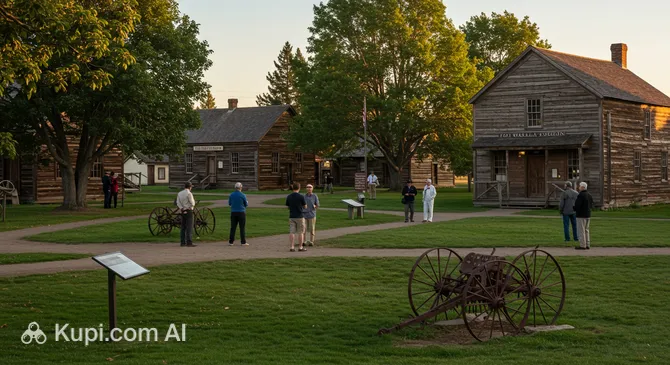
One of the most significant cultural sites is the Fort Walla Walla Museum. Located on the grounds of a 19th-century military reservation, this extensive museum offers a fascinating look into the pioneer era and the region's agricultural roots. Guests can explore a 17-building pioneer village, view thousands of artifacts, and learn about the military history of the area. It is an immersive experience that brings the stories of the early settlers to life.

Fort Walla Walla Museum. Source: Kupi.Binoculars

For those seeking outdoor tranquility, Pioneer Park is the crown jewel of the city's public spaces. As the oldest park in town, it serves as a gathering place for locals and tourists alike, featuring towering trees, walking paths, and a picturesque gazebo. It is the perfect spot for a leisurely stroll or a family picnic, offering a serene escape from the bustle of travel.

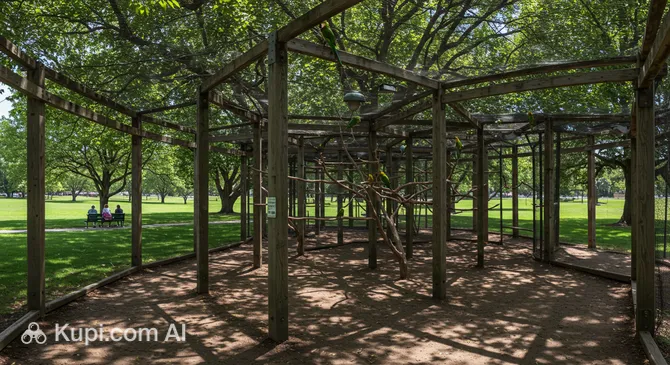
A unique feature located within the park grounds is the Pioneer Park Aviary. This popular attraction allows visitors to observe a variety of waterfowl and colorful birds, including pheasants and peacocks, in a naturalistic setting. It is particularly engaging for families and wildlife enthusiasts, providing a rare opportunity to see these beautiful creatures up close in the heart of the city.

Pioneer Park Aviary. Source: Kupi.Binoculars

No visit to the city would be complete without experiencing its celebrated culinary scene. The Maple Counter Cafe is a beloved local institution famous for its hearty, homemade breakfasts and welcoming atmosphere. Known for its commitment to family recipes and fresh ingredients, it offers a taste of genuine hospitality that perfectly complements a day of sightseeing.

Local Cuisine

The culinary landscape of Walla Walla is a direct reflection of its rich agricultural heritage, earning it a reputation as one of the premier food and wine destinations in the Pacific Northwest. Nestled in a fertile valley, the city boasts a vibrant farm-to-table scene where chefs work closely with local growers to showcase the freshest seasonal produce. The region is particularly celebrated for its world-class wines, with over 100 wineries producing exceptional Cabernet Sauvignon, Merlot, and Syrah that perfectly complement the local fare.

At the heart of the local diet is the famous Walla Walla Sweet Onion, the official vegetable of Washington state. Known for its low sulfur content and high water content, this onion is incredibly mild and sweet, so much so that it can be eaten like an apple. Visitors will find this beloved ingredient featured in everything from crispy onion rings and savory soups to gourmet jams and relishes, especially during the harvest season in early summer.

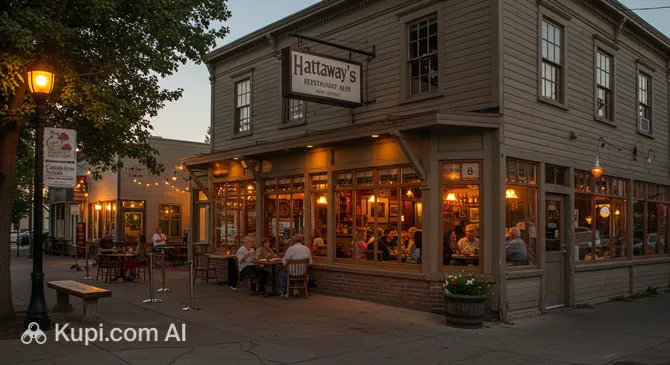
For a dining experience that harmonizes local ingredients with Southern-inspired traditions, Hattaway's on Alder is a must-visit. This restaurant is renowned for its honest, wood-fired cuisine that highlights the natural flavors of the Pacific Northwest. The warm and inviting atmosphere makes it an ideal spot to enjoy a sophisticated dinner that feels like a home-cooked meal.

Hattaway's on Alder. Source: Kupi.Binoculars

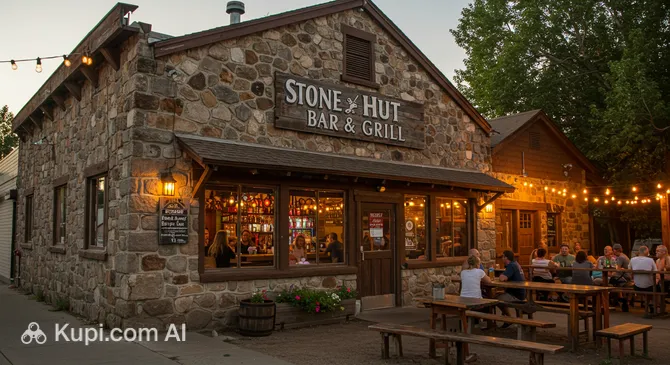
Travelers seeking a more relaxed and casual vibe will appreciate the Stone Hut Bar & Grill. This establishment offers a classic American dining experience with a menu full of hearty favorites, perfect for refueling after a day of exploring vineyards. It serves as a friendly gathering place where visitors can mingle with locals and enjoy the unpretentious side of the city's food culture.

Stone Hut Bar & Grill. Source: Kupi.Binoculars

Travel Tips

To ensure your visit to this charming corner of Washington wine country is as relaxing and enjoyable as possible, we have compiled a list of essential travel advice. From navigating the vineyards to understanding local customs, these practical tips will help you experience the best of Walla Walla with ease and confidence.

  1. Clothing and Gear: The weather here varies significantly by season, so packing layers is always a smart strategy. Summers are hot and dry, requiring light, breathable fabrics, sunglasses, and a hat, while winters can be chilly and damp, making a waterproof jacket essential. Since many wineries have gravel paths or grassy areas, bring comfortable walking shoes rather than high heels. For evening dining, "smart casual" is the standard dress code; you will fit in perfectly with jeans and a nice top.

  2. Transportation: While the downtown area is delightfully walkable, renting a car is highly recommended for exploring the wider region. The wineries are spread across the valley, often kilometers apart, and public transport options like Valley Transit are limited to city routes. Ride-sharing apps like Uber and Lyft are available but can be scarce in more remote vineyard areas, so having your own vehicle or hiring a designated driver service offers the most freedom.

  3. Finances: The local currency is the US Dollar (USD). Credit and debit cards are widely accepted at hotels, restaurants, and tasting rooms, though having some cash is useful for small purchases at farmers' markets or for tipping hotel staff. Tipping is a standard practice in the US; expect to leave 18-20% of the bill at restaurants and bars. Daily budgets can vary, but keep in mind that wine tasting fees can add up, ranging from $15 to $40 per person per stop.

  4. Health and Safety: Walla Walla is generally a very safe and welcoming community for tourists. For minor health concerns, national pharmacy chains like Rite Aid and Walgreens are available, though they may not operate 24/7. In case of any serious emergency, dial 911 for police, fire, or ambulance services. If you visit in summer, stay hydrated, as the dry heat can be deceivingly intense.

  5. Communication: English is the primary language spoken throughout the city. Most locals are friendly and happy to offer directions or recommendations. Mobile coverage is generally good in town but can become spotty as you drive further out into the rolling hills and vineyards. Free Wi-Fi is standard in most hotels, cafes, and tasting rooms, making it easy to stay connected.

  6. Local Etiquette: The vibe here is relaxed and unpretentious. It is customary to greet shopkeepers and tasting room staff with a smile; the locals pride themselves on being "Walla Walla nice." When visiting wineries, it is polite to pace yourself. If you are visiting multiple spots, it is perfectly acceptable—and encouraged—to use the dump buckets provided for excess wine to ensure you remain safe and respectful.

  7. What to Avoid: One specific faux pas to avoid in wine country is wearing strong perfumes or colognes. Heavy scents can interfere with the tasting experience for you and those around you, masking the delicate aromas of the wine. Additionally, never underestimate the strictness of drinking and driving laws; always have a designated driver or book a wine tour if you plan to indulge.

  8. Insider Tip: Many wineries will waive the tasting fee if you purchase a bottle of wine. Don't be afraid to ask about this policy when you arrive. Also, if you are visiting during the summer (specifically June through August), make sure to buy a bag of Walla Walla Sweet Onions from a local stand—they are a delicious, seasonal treat you won't find quite as fresh anywhere else.

With these tips in mind, you are ready to immerse yourself in the laid-back luxury of Walla Walla. Whether you are sipping world-class Syrah or strolling through the historic downtown, a little preparation ensures your trip will be filled with wonderful memories and smooth travels.

Entertainment & Nightlife

Entertainment and Nightlife:

Nightlife in Walla Walla reflects the city's sophisticated yet unhurried character. Unlike the high-energy club scenes of larger metropolises, the evening culture here is centered around connection, conversation, and high-quality beverages. As the sun sets over the vineyards, the focus shifts to Downtown, particularly along Main Street and Alder Street, where the atmosphere buzzes with a blend of college students, locals, and wine enthusiasts. The vibe is predominantly casual and welcoming, making it easy to strike up a conversation with someone at the next table.

For those looking to experience a piece of local history with their drink, the Stone Hut Bar & Grill is a standout destination. As one of the city's longest-running establishments, it offers a classic tavern environment that stays open later than many other venues. It is the perfect spot to unwind with a cold beer and enjoy the unpretentious, friendly spirit that defines the town's after-hours scene.

Travelers seeking a more polished evening ambiance often gravitate towards Hattaway's on Alder. While renowned for its cuisine, the venue also serves as an excellent spot for evening cocktails, featuring a curated list of drinks that highlights regional spirits. The dress code throughout the city is generally "smart casual"; you will feel comfortable in jeans and a nice shirt, whether you are at a dive bar or a wine lounge.

When planning a night out, keep in mind that Walla Walla is an early-to-bed town compared to major cities. Many tasting rooms close by 5:00 PM or 6:00 PM, though several bars and restaurants keep their doors open until 10:00 PM or midnight, especially on weekends. Prices are reasonable, with cocktails and glasses of wine typically ranging from $10 to $15.

Safety is rarely a concern in this tight-knit community. The downtown area is well-lit and generally considered very safe for walking at night. However, if your accommodation is on the outskirts or near the vineyards, walking is not practical due to distance and lack of sidewalks. Ride-sharing services like Uber and Lyft operate in the city, but availability can be sporadic late at night. It is wise to have a local taxi number saved or to schedule your ride in advance if you plan to stay out late.

While the nights are for relaxing, daytime entertainment in the city offers its own variety of cultural experiences. Beyond the famous wineries, visitors can enjoy performances at the historic Power House Theatre, which hosts plays and concerts in a converted electrical building. For a more leisurely afternoon, the city's museums and art galleries provide a quiet retreat, allowing you to explore the artistic side of the valley before the evening festivities begin.

Parks & Museums

While the vineyards often take center stage, Walla Walla offers a remarkable array of green spaces and cultural institutions that celebrate the region's natural beauty and deep-rooted history. Beyond the tasting rooms, visitors can explore serene lakes, walk through Victorian-era homes, and walk the grounds where pivotal moments in the American West unfolded.

For those seeking a rugged outdoor escape, Bennington Lake is a favorite local recreation area located just minutes from the city center. This 50-acre reservoir is surrounded by open space and offers sweeping views of the Blue Mountains and rolling wheat fields. It is a haven for hikers and joggers, featuring over 20 miles of trails, including the popular Whitetail and Meadowlark loops. The lake is also stocked with rainbow trout, making it a peaceful spot for fishing or paddling in a non-motorized boat.

Connected to the lake area is Rooks Park, an 18-acre oasis that feels worlds away from the city. In contrast to the open terrain of the lake, this park is defined by a lush canopy of mature trees that provide welcome shade during the warm summer months. It sits along the banks of Mill Creek, offering a tranquil setting for picnics, volleyball, or simply relaxing by the water. While the famous Pioneer Park serves as the city's central garden, Rooks Park offers a more secluded and naturalistic retreat.

To step back into the elegance of the late 19th century, a visit to the Kirkman House Museum is essential. This stunning 1880 brick Italianate mansion is the only one of its kind remaining in the city and has been lovingly restored to its original grandeur. Visitors can tour the opulent rooms filled with period furnishings and family heirlooms, gaining an intimate glimpse into the lives of the wealthy pioneers who helped shape the region's economy. The museum often hosts rotating exhibits, including a unique collection dedicated to Adam West, the actor who played Batman and grew up in Walla Walla.

A short drive west of town leads to the Whitman Mission National Historic Site, a place of profound historical significance. This site preserves the location of the 1836 mission established by Marcus and Narcissa Whitman along the Oregon Trail. Through interpretive trails and a visitor center museum, guests can learn about the complex interactions between the missionaries and the Cayuse people, culminating in the tragic events of 1847. It provides a somber but vital counterpoint to the pioneer history celebrated at the Fort Walla Walla Museum.

For a unique cultural experience that blends art with nature, take a stroll through the Whitman College Campus. The grounds serve as an unofficial arboretum and outdoor sculpture museum, featuring works by renowned artists scattered among meandering creeks and duck ponds. It is a perfect example of how the city integrates creativity into its everyday landscapes.

Insider Tip: Active travelers should explore the Mill Creek Trail, a paved path that connects the downtown area all the way to Rooks Park. It is a favorite route for cyclists and runners, offering a scenic and car-free way to transition from the urban core to the quiet of nature.

Getting Around

The public transportation system in Walla Walla is operated by Valley Transit, providing a reliable and convenient way to navigate the core urban areas and the neighboring town of College Place. The fleet consists primarily of fixed-route buses that connect downtown with major shopping districts, medical centers, and educational institutions. A unique and charming feature of the city's transit is the use of vintage trolley-style buses on select routes, which offer a nostalgic way to view the streetscapes while moving between attractions.

For visitors, the most significant advantage of the local bus system is its cost. Currently, Valley Transit fixed-route buses are fare-free under a special pilot program. This means you can board most local buses without needing to purchase a ticket, travel pass, or carry loose change. However, if you plan to travel further afield, such as to Pasco or the Tri-Cities area, you will need to take the Grape Line shuttle. Unlike the local buses, the Grape Line requires a paid ticket, which can be purchased online in advance or with exact cash directly from the driver.

When planning your trips, it is essential to be aware of the operating schedule, as it caters largely to weekday commuters. Buses typically run from early morning until approximately 5:45 PM on weekdays. Service on Saturdays is limited, often operating on a reduced schedule, and there is no general public bus service on Sundays. Because of these limitations, it is highly recommended to check the latest timetables using the Transit app or Google Maps to avoid getting stranded, especially on weekends.

Given the schedule limitations, tourists often rely on alternatives for evening and weekend travel. Rideshare services and taxis are available, though wait times can be longer than in larger cities, so booking in advance for dinner reservations is wise. Additionally, the city is incredibly bike-friendly, featuring flat terrain and dedicated lanes. All Valley Transit buses are equipped with bike racks, allowing you to easily combine cycling with public transport to explore the area efficiently.

Accommodation

Finding the perfect place to stay in Walla Walla is an essential part of the travel experience, with options ranging from lovingly restored historic hotels to modern chains and charming vacation rentals. The city’s accommodation landscape is designed to suit various preferences and budgets, whether you are looking for a luxurious romantic getaway among the vineyards or a practical base for a family road trip. Visitors can choose from boutique inns that reflect the town's Victorian heritage, comfortable motels, or spacious private homes available for short-term rent.

For most tourists, the most convenient area to stay is Downtown Walla Walla. Booking a room here places you within easy walking distance of numerous tasting rooms, award-winning restaurants, and local boutiques, allowing you to enjoy the city's vibrant atmosphere without constantly needing a car. For those seeking a quieter or more scenic experience, there are several inns and rental properties located on the outskirts near the vineyards, offering sweeping views of the Blue Mountains. Alternatively, travelers prioritizing budget and quick access to transport routes will find a cluster of reliable chain hotels along Highway 12 and near the airport.

Prices for accommodation vary depending on the season and the type of property. Budget-friendly motels and standard chain hotels typically offer rates that are accessible for cost-conscious travelers, while historic downtown hotels and luxury vineyard resorts command higher prices, particularly on weekends. Booking is easily done through major online travel platforms or directly through hotel websites. Many of the smaller, independently owned inns and bed-and-breakfasts prefer direct bookings and may offer special packages that include wine tastings or local tours.

Booking Tip: Walla Walla is a popular destination, especially during the spring release weekends, the summer tourist season, and the autumn harvest. Furthermore, events at local colleges can fill up rooms quickly. It is highly recommended to book your accommodation at least two to three months in advance if you plan to visit between May and October to secure your preferred location and rate.

Nearby Cities

For those looking to explore the surroundings, Walla Walla serves as an excellent base for day trips to several interesting nearby locations. The region offers a mix of riverfront recreation, urban amenities, and dramatic mountain landscapes within a reasonable driving distance.

One of the most popular excursions is to the Tri-Cities area, which includes Kennewick, Pasco, and Richland. Located approximately an hour west, this metropolitan hub sits at the confluence of the Columbia, Snake, and Yakima rivers. It is a fantastic destination for water sports enthusiasts, offering boating, fishing, and miles of scenic riverside bike paths. Visitors can also explore the REACH Museum to learn about the geological history of the Columbia Basin or visit the Manhattan Project National Historical Park for a deep dive into World War II history.

For a completely different experience, travelers can head southeast to Enterprise. Although it requires a slightly longer drive, the journey is rewarded with spectacular views of the Wallowa Mountains. Often called the "Little Switzerland of America," this area offers pristine alpine scenery, charming art galleries, and access to outdoor adventures that contrast beautifully with the rolling vineyards of the Walla Walla Valley.

City Population Distance (km)
Tri-Cities 287600 71
Kennewick 241230 62
Enterprise 219566 109
Pasco 76398 61
Richland 59718 76

These nearby destinations offer a glimpse into the diverse culture and landscapes of the region, allowing visitors to easily expand their itinerary beyond the local wineries.

Shopping & Souvenirs

Shopping in Walla Walla offers a delightful departure from the typical big-box retail experience found in larger cities. Instead of sprawling mega-malls, the city prides itself on a vibrant collection of independent boutiques, antique shops, and artisan galleries. The retail atmosphere here is intimate and friendly, reflecting the community's support for local businesses and creators. Whether you are looking for high-end fashion, unique home décor, or specialty foods, the shopping scene is deeply intertwined with the region's agricultural and artistic heritage.

The heart of the shopping action is located in the historic Downtown District, particularly along Main Street and Alder Street. This walkable area is lined with beautifully restored Victorian buildings that now house an eclectic mix of stores. Visitors can spend hours browsing through independent bookstores, kitchenware shops, and clothing boutiques. As you stroll, you will also notice numerous wine tasting rooms interspersed among the shops, allowing you to easily combine a day of retail therapy with sampling the region's famous vintages.

While the city is not known for massive enclosed shopping complexes, the Walla Walla Town Center and the Eastgate area serve as the commercial hubs for practical needs. Located along East Isaacs Avenue and Highway 12, these areas feature larger chain stores, supermarkets, and outdoor gear retailers. This is the place to go if you need to restock travel essentials, purchase camping equipment for nearby adventures, or find familiar national brands.

For a truly local experience, the Downtown Walla Walla Farmers Market is a must-visit destination. Operating seasonally from May through October, this open-air market is a showcase of the valley's agricultural bounty. It is not just a place to buy food; it is a community event where you can find fresh produce, handcrafted jewelry, soaps, and cut flowers. It creates a lively atmosphere on weekends and offers a direct connection to the farmers and artisans who call this valley home.

When it comes to souvenirs, the most iconic gifts reflect the flavors of the region. A bottle of local wine is the top choice for many, with varietals like Syrah and Merlot being local specialties. If you are visiting in early summer, a bag of Walla Walla Sweet Onions makes for a unique and delicious memento. Additionally, the downtown area is rich with antique stores where you can find one-of-a-kind vintage treasures, Western Americana, and collectibles that capture the spirit of the historic frontier.

Most shops in the downtown area typically open around 10:00 AM and close by 6:00 PM, though some may stay open later on weekends or during special events. Major retailers in the commercial districts often operate with extended hours, staying open until 9:00 PM. Payment is convenient, with credit and debit cards (Visa, Mastercard, American Express) being universally accepted, even at most market stalls, though carrying a small amount of cash is always helpful for small purchases.

Travelers should be aware that the state of Washington levies a sales tax on most purchases, which is added at the register. Unlike some international destinations, the United States does not generally offer a Value Added Tax (VAT) refund system for international tourists. Therefore, the price you see on the tag will be lower than the final total once the local sales tax is applied.
Reached the end of the page?

That means the route is fully explored