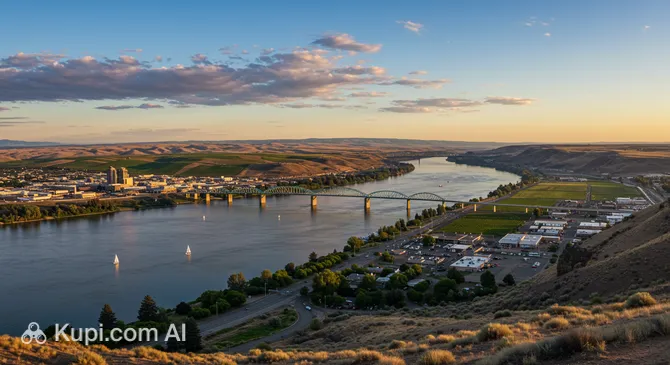
Welcome to the Tri-Cities, a vibrant and sun-drenched destination located in the southeastern part of Washington state. Comprising the three neighboring cities of Kennewick, Pasco, and Richland, this metropolitan area offers a distinct blend of outdoor adventure, scientific heritage, and agricultural bounty. Situated in the Pacific Northwest region of the United States, the area is geographically defined by the impressive convergence of the Yakima, Snake, and Columbia rivers.
Unlike the rainy reputation often associated with the wider region, the Tri-Cities enjoys a semi-arid climate with over 300 days of sunshine annually, making it a year-round haven for recreation. With a growing population of approximately 287,600 residents, it serves as a major economic and cultural hub. The history of Tri-Cities is deeply intertwined with groundbreaking science, most notably the Manhattan Project, which significantly shaped the community's development during the mid-20th century.
Tri-Cities. Illustration.
Source: Kupi.com AI
Visitors are often drawn to the area's reputation as the "Heart of Washington Wine Country," boasting access to more than 200 wineries within a short drive. Nature enthusiasts can explore the extensive riverfront trails, enjoy boating on the majestic waterways, or visit the Manhattan Project National Historical Park to learn about the area's unique past. Whether you are here to taste award-winning wines or soak up the sun by the river, the Tri-Cities invites you to discover its warm hospitality and diverse attractions.
Weather Overview
The climate in this region is defined by distinct seasons, offering a semi-arid environment that differs significantly from the wetter parts of the Pacific Northwest. Visitors can expect hot, dry summers with virtually no rainfall and cool winters where precipitation is more frequent but generally light in volume. The area warms up significantly starting in spring, leading into a sunny and arid peak season.
Summer months are characterized by substantial heat, particularly in July and August. During this time, average temperatures hover around 26-27°C, with daily maximums frequently reaching 35.7°C. Rainfall is almost non-existent in summer, with July and August seeing 0mm of precipitation and only about two wet days per month. This makes it an ideal time for water sports on the river, though sun protection is essential.
Winters bring a shift to cooler conditions. In January and December, the average temperature drops to approximately 3°C, with lows dipping just below freezing to around -0.6°C. While the total precipitation remains low at about 2mm, these are the dampest months in terms of frequency, with up to 11 wet days in January. For a comprehensive forecast to help plan your packing, you can view the detailed weather in Tri-Cities page. Spring and autumn serve as pleasant transition periods, with May and September offering comfortable highs between 25°C and 29°C.
Average monthly temperature
Average monthly precipitation
Interesting Facts
Beyond the scenic river views and wine tasting, Tri-Cities holds a collection of intriguing stories and scientific milestones. From ancient discoveries to cutting-edge physics, these local secrets reveal a depth to the region that goes far beyond the surface.
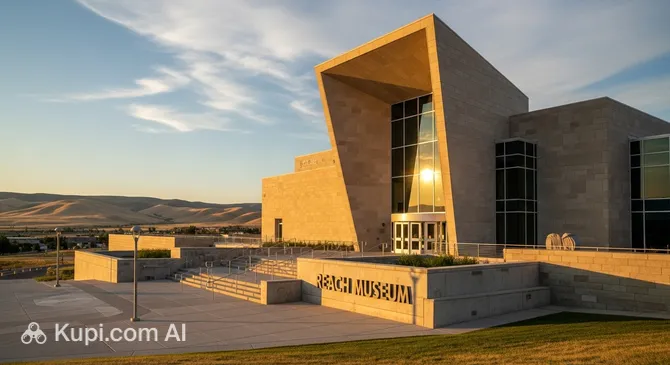
A Secret City: During World War II, the city of Richland was acquired by the federal government and transformed into a secret community to support the Manhattan Project. Today, you can explore this pivotal era and the unique geology of the area at the REACH Museum, which serves as a gateway to the Hanford Reach National Monument.
Einstein's Theory Confirmed: The arid landscape north of the cities is home to the LIGO Hanford Observatory, a massive physics experiment. This facility made history by being one of the two locations on Earth to first detect gravitational waves, proving a key prediction of Albert Einstein’s general theory of relativity.
Ancient History: One of the most complete ancient skeletons ever found in North America, known as the Kennewick Man or "The Ancient One," was discovered on the banks of the Columbia River in Kennewick. Dating back approximately 9,000 years, this discovery significantly altered the understanding of early human presence on the continent.
Thunder on the River: The Columbia River is not just for leisurely boating; it hosts one of the sport's most intense events. The annual Columbia Cup sees unlimited hydroplanes racing at speeds over 200 miles per hour, turning the local waterway into a world-class high-speed track.
REACH Museum. Illustration.
Source: Kupi.com AI
Traveler photos:
How to Get There
Reaching this destination is straightforward, with air travel being the most convenient option for many visitors. For a complete overview of routes, driving directions, and transportation methods, you can check the detailed guide on how to get to Tri-Cities.
The most direct way to arrive is via Tri-Cities Airport (PSC), which is situated directly in Pasco, one of the three cities comprising the region. It is the largest airport in the immediate area and serves as a key hub connecting the community to major western destinations. The airport is located just 8.7 km from the center, making the transfer very quick; a taxi ride typically takes approximately 10-15 minutes depending on traffic.
Alternatively, travelers can consider Yakima Air Terminal (YKM), located in the city of Yakima. This airport is about 108 km away from Tri-Cities. While further afield, it offers another entry point to the wider region. The journey from Yakima to Tri-Cities by road takes roughly 1.5 hours by taxi or rental car.
For clarity, here is a summary of the main airports:
Exploration in the Tri-Cities extends from the calm waters of the riverfront to the bustling energy of its commercial hubs. Whether you are looking for outdoor recreation, premier shopping, or live entertainment, the area offers a diverse range of activities to suit every traveler's itinerary.
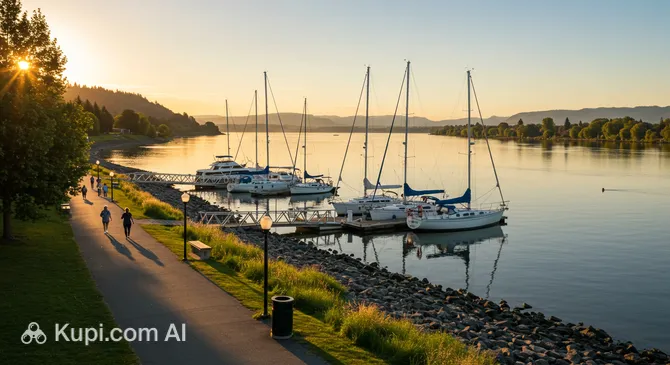
One of the most scenic spots to visit is Columbia Point Marina Park in Richland. Situated near the confluence of the Columbia and Yakima rivers, this park is a favorite for both locals and tourists. It features a beautifully maintained boat basin, walking trails, and picnic areas that offer sweeping views of the water. It is an excellent location for a leisurely afternoon stroll or for launching a boat to explore the majestic riverways that define the region.
Columbia Point Marina Park. Illustration.
Source: Kupi.com AI
Traveler photos:
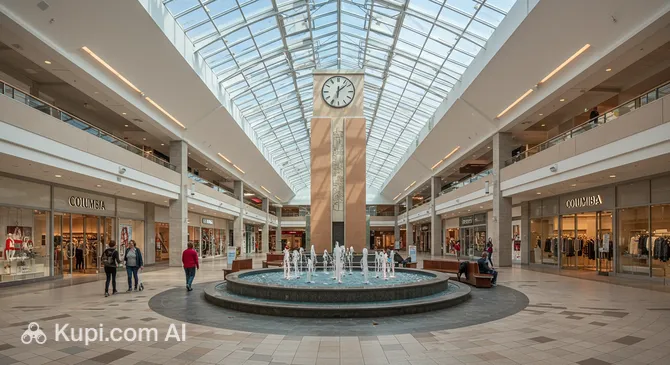
For those interested in retail therapy and dining, the Columbia Center in Kennewick serves as the premier shopping destination in southeastern Washington. As a massive regional hub, it hosts a wide array of major department stores, specialty boutiques, and restaurants. It is more than just a mall; it is a central gathering place where visitors can find everything from the latest fashion trends to a relaxing meal after a day of sightseeing.
Sports fans and concert-goers should check the schedule for the Tri-Cities Arena. Known locally as the home of the Tri-City Americans hockey team, this venue brings the community together for high-energy sporting events and live performances by touring artists. The electric atmosphere during a game or a show makes it a cornerstone of the local entertainment scene.
Chiawana Park. Illustration.
Source: Kupi.com AI
Traveler photos:
On the Pasco side of the river, Chiawana Park offers a spacious retreat along the Columbia River. This extensive park is perfect for families and outdoor enthusiasts, boasting boat ramps, playgrounds, and plenty of open green space. Its location makes it a prime spot for watching the annual hydroplane races or simply enjoying a quiet sunset over the water.
Local Cuisine
The culinary landscape of the Tri-Cities is deeply rooted in its status as a major agricultural hub and the "Heart of Washington Wine Country." With a climate that supports the growth of over 200 varieties of crops, local menus are frequently highlighted by fresh, farm-to-table ingredients. Visitors can expect to taste the difference in dishes featuring locally grown asparagus, cherries, apples, and onions, which are staples in the region's kitchens during their respective seasons.
One of the most famous gastronomic features of the area is the vibrant Mexican food scene, particularly in Pasco. The city is renowned for its "Taco Trail," a collection of authentic taco trucks and taquerias that draw food lovers from all over the state. Here, you can find everything from classic carne asada to rich, slow-cooked birria. For those seeking a modern dining experience that celebrates high-quality ingredients, Proof Gastropub offers a sophisticated yet casual atmosphere with a menu focused on craft food and beverages.
Proof Gastropub. Illustration.
Source: Kupi.com AI
Traveler photos:
Beyond local flavors, the area boasts a diverse array of international options. Meat lovers should not miss the experience at Boiada Brazilian Grill, a traditional churrascaria where gauchos serve various cuts of fire-roasted meat directly to your table. If you are in the mood for aromatic spices and rich curries, Maharaja: The Taste of India provides an extensive menu of authentic Northern Indian cuisine that is widely praised by locals.
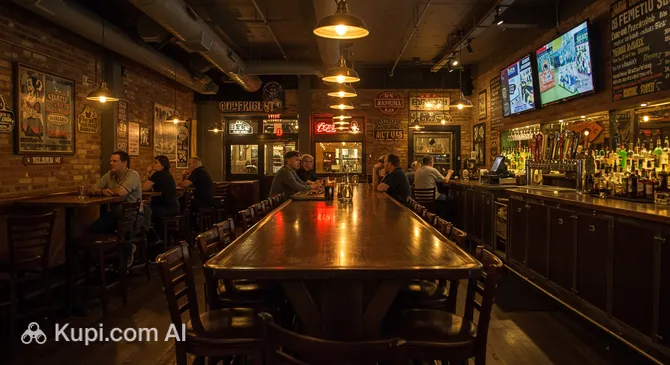
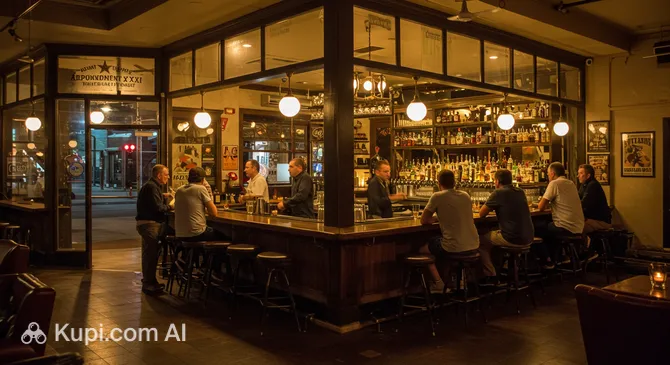
No culinary tour of the Tri-Cities would be complete without mentioning the local libations. The region is surrounded by the celebrated Red Mountain AVA and other vineyards, making wine tasting a primary activity. Crisp Rieslings and bold Cabernet Sauvignons are local favorites. For a different kind of evening, visitors can head to Amendment XXI, a popular spot known for its skilled bartenders and wide selection of spirits, perfect for a nightcap after a day of exploration.
The general food culture here is relaxed and unpretentious, much like the community itself. While there are upscale options, many of the best meals are found in casual riverfront eateries or bustling public markets where the focus is on flavor and freshness. Whether you are grabbing a quick bite at the Columbia Center during a shopping trip or enjoying a sunset dinner overlooking the Columbia River, the Tri-Cities offers a satisfying blend of rustic charm and culinary innovation.
Travel Tips
To help you make the most of your visit to this sunny corner of the Pacific Northwest, we have compiled a list of practical advice covering everything from packing essentials to getting around the three cities. A little preparation goes a long way in ensuring your trip to the Tri-Cities is as relaxing and enjoyable as possible.
Clothing and Gear: Since the Tri-Cities region is semi-arid, packing for the sun is essential. In summer, bring lightweight, breathable clothing, a wide-brimmed hat, and high-quality sunglasses to protect against the intense desert glare. Winters can be chilly, so pack layers and a warm coat. Comfortable walking shoes are a must if you plan to explore the extensive riverfront trails or hike around the local vineyards.
Transportation: While the local public transit system, Ben Franklin Transit, connects Kennewick, Pasco, and Richland, having your own vehicle is highly recommended. The area is spread out, and a rental car offers the freedom to visit outlying wineries and natural landmarks at your own pace. Ride-sharing apps like Uber and Lyft are also readily available for shorter trips or evenings out.
Finances: The United States Dollar (USD) is the standard currency. Credit and debit cards are accepted almost everywhere, from hotels to winery tasting rooms. However, it is wise to carry some cash, especially if you plan to explore the famous food trucks in Pasco, where smaller vendors might prefer cash. Tipping 15-20% at restaurants and bars is the standard custom.
Health and Safety: The Tri-Cities is generally a safe destination for travelers. In case of minor health issues, major pharmacy chains like Walgreens and Rite Aid are easy to find throughout the area. If you are visiting in summer, the biggest safety concern is often the heat; stay hydrated and apply sunscreen regularly. For emergencies, dial 911.
Communication: English is the primary language spoken here, though you will frequently hear Spanish, particularly in Pasco. Free Wi-Fi is widely available in hotels, coffee shops, and public buildings. If you are an international visitor, purchasing a prepaid SIM card at a local mobile provider or a large retailer like Walmart is a simple way to stay connected.
Local Etiquette: The vibe here is casual and friendly. It is common to greet shopkeepers and passersby with a smile or a simple "hello." When visiting wineries, the atmosphere is relaxed, but it is polite to ask questions and show interest in the wine-making process. Dress codes are generally informal, even for nice dinners, leaning towards "smart casual."
What to Avoid: Do not underestimate the currents in the Columbia, Snake, and Yakima rivers. While they look inviting, swimming outside of designated areas can be dangerous due to cold water and strong undertows. Additionally, avoid assuming the weather will be rainy like Seattle; complaining about the "lack of rain" might just get a chuckle from locals who pride themselves on their 300 days of sunshine.
Local Tip: If you are a foodie, do not miss the "Pasco Taco Trail." It is not an official tour, but rather a local favorite activity involving hopping between the numerous authentic taco trucks and taquerias in Pasco. It is a delicious and budget-friendly way to experience the area's rich Hispanic culture.
With these tips in hand, you are well-prepared to navigate the unique landscape and culture of the Tri-Cities. whether you are here for the hydroplane races, the world-class wine, or simply to soak up the sun, we hope you have a fantastic and hassle-free adventure.
Entertainment & Nightlife
The nightlife in the Tri-Cities reflects the area's laid-back and welcoming personality. Rather than sprawling districts of high-intensity nightclubs, you will find a scene dominated by lively sports bars, sophisticated lounges, and venues hosting live music. The action is generally concentrated in specific pockets of the three cities, such as "The Parkway" in Richland and historic downtown Kennewick, where locals gather to unwind after a day of work or river recreation.
For those seeking a classic bar experience with a touch of history, the region offers several excellent spots. In Richland, Amendment XXI is a standout destination. Located in The Parkway district, this venue channels a prohibition-era vibe with its extensive selection of spirits and craft cocktails. It is a perfect place to start your evening with a high-quality drink in a polished yet comfortable setting. The crowd here is typically a mix of young professionals and wine enthusiasts enjoying the relaxed ambiance.
Amendment XXI. Illustration.
Source: Kupi.com AI
Traveler photos:
If you are in the mood for something more energetic, Sam’s Saloon in Kennewick offers a different flavor of entertainment. Known as a local staple for nightlife, this venue frequently features country and rock music, drawing a crowd ready to hit the dance floor. It captures the authentic spirit of the region, offering a fun, unpretentious atmosphere where jeans and boots are right at home. It is an ideal spot to experience the local social scene and enjoy affordable drinks late into the night.
When planning a night out, keep in mind that the Tri-Cities is an early-rising community. While bars are open late, the peak hours are typically between 9:00 PM and midnight. Dress codes are almost universally casual; "smart casual" is appropriate for the nicer wine bars and lounges, but comfort is key everywhere else. Prices are generally lower than in major metropolitan hubs like Seattle, making a night out here quite budget-friendly.
Safety is rarely a major concern in the entertainment districts, which are well-lit and walkable. However, the three cities are spread out, so walking between districts is not feasible. The best way to get around at night is by using ride-sharing services like Uber or Lyft, which are readily available. If you prefer a traditional taxi, it is advisable to call ahead rather than trying to hail one on the street.
Beyond the bars and clubs, the area offers plenty of daytime and early evening entertainment. Culture seekers can visit the REACH Museum to delve into local history or catch a show at the Tri-Cities Arena, which hosts everything from hockey games to major concerts. For a more low-key afternoon, the local movie theaters and bowling alleys provide family-friendly fun before the sun goes down.
Parks & Museums
The Tri-Cities area is defined by its unique landscape where the desert meets the river, creating a wealth of outdoor spaces and a rich tapestry of cultural history. From expansive green belts along the Columbia River to institutions preserving the region's complex past, visitors will find plenty of opportunities to explore both nature and heritage. The community takes pride in its well-maintained parks and world-class museums that tell the story of everything from Ice Age floods to the Atomic Age.
One of the premier recreational spots in Kennewick is Lawrence Scott Park. This sprawling 46-acre park is a favorite among locals for its versatility and wide-open spaces. It features extensive sports facilities, including tennis courts and ball fields, making it a hub for community activity. For tourists, the large covered picnic shelters and playground areas offer a perfect setting for a relaxing family afternoon away from the bustle of the commercial districts.
Lawrence Scott Park. Illustration.
Source: Kupi.com AI
Traveler photos:
For a blend of natural beauty and deep historical significance, a visit to Sacajawea Historical State Park in Pasco is essential. Located at the precise confluence of the Snake and Columbia rivers, this park marks the site where the Lewis and Clark Expedition camped in 1805. Beyond its lush grounds and boat launch, the park houses an interpretive center that highlights the story of the expedition and the history of the Sahaptin-speaking Native American tribes of the region. It is a tranquil place to reflect on the area's early days while watching the rivers merge.
In terms of cultural institutions, the REACH Museum in Richland stands out as the centerpiece of the region's storytelling. While it covers the Manhattan Project, it also serves as the primary gateway to the Hanford Reach National Monument and the Ice Age Floods National Geologic Trail. Through immersive exhibits, visitors can learn about the massive geologic forces that shaped the Columbia Basin and the diverse ecosystem of the shrub-steppe landscape. It provides a comprehensive look at how the land has influenced human history in the area.
Another critical historical experience is the Manhattan Project National Historical Park. This unique partnership between the Department of Energy and the National Park Service allows visitors to tour the historic B Reactor, the world's first full-scale nuclear reactor. Tours typically require advance booking but offer an unparalleled glimpse into the top-secret operations of World War II and the Cold War era, preserving the machinery and the stories of the people who worked there.
For an insider experience, consider renting a bike and exploring the Sacagawea Heritage Trail. This 23-mile paved loop connects Pasco, Richland, and Kennewick along both sides of the river. It is a fantastic way to see the "real" Tri-Cities, offering uninterrupted views of the water, access to multiple parks, and a chance to spot local wildlife like pelicans and herons in their natural habitat.
Getting Around
Navigating the Tri-Cities without a personal vehicle is possible, primarily thanks to the regional public transportation network known as Ben Franklin Transit (BFT). This bus-based system serves as the main connector between Kennewick, Pasco, and Richland, extending to surrounding communities. There is no metro, tram, or light rail system in the area; instead, visitors rely on a fleet of buses that run along fixed routes, covering major commercial districts, the airport, and key tourist spots.
The payment system is designed to be accessible for visitors. You can pay your fare with cash directly upon boarding the bus, but it is essential to have the exact change, as drivers do not carry cash to provide refunds. For a more modern and convenient approach, the transit system utilizes mobile ticketing apps. Tourists can download the official app to purchase single-ride tickets or daily passes instantly on their smartphones, which can then be validated visually or scanned when entering the bus.
Practically speaking, the buses are reliable, but frequency can vary depending on the route and the time of day. Services typically begin early in the morning, around 6:00 AM, and run until the evening. However, tourists should be aware that operations often scale back significantly on weekends, with Sunday service being more limited or ending earlier than on weekdays. It is highly recommended to use a real-time navigation app to check schedules and minimize waiting times at stops.
For those seeking alternatives to the bus, ride-sharing services are widely available and popular throughout the three cities. Apps like Uber and Lyft provide a convenient way to travel, especially for reaching wineries or trailheads that may be located further from main bus lines. Traditional taxis are also an option, though they generally require booking by phone in advance rather than hailing them on the street. additionally, the region's extensive network of riverfront trails makes renting a bicycle a viable and scenic mode of transport for short trips between the cities during the warmer months.
Accommodation
Where to Stay:
Finding the right place to stay in the Tri-Cities is generally a straightforward experience, as the region caters well to business travelers, families, and outdoor enthusiasts. The accommodation landscape is dominated by reliable mid-range hotel chains and budget-friendly motels, ensuring consistent quality and comfort. While you will not find many ultra-luxury 5-star resorts, there is a solid selection of modern properties, many of which are situated along the scenic riverbanks or near major transport routes.
When choosing a location, it helps to consider which of the three cities best fits your itinerary. Kennewick is often the most popular choice for general tourists due to its central location. Staying here places you close to the Columbia Center for shopping, the Toyota Center for events, and the Convention Center. It offers the densest concentration of hotels, ranging from familiar national brands to extended-stay suites.
Richland appeals to those looking for a slightly quieter, more scenic atmosphere. Many hotels here are located near the Columbia River and the Howard Amon Park area, offering beautiful water views and easy access to the paved riverfront trails. This area is particularly convenient for visitors interested in the scientific history of the region or those visiting the nearby wineries. Meanwhile, Pasco is the most practical option for travelers focused on transit. The area around the Tri-Cities Airport features several modern hotels that are perfect for late arrivals or early departures.
Beyond standard hotels, the region is a haven for RV enthusiasts. Thanks to the sunny weather and extensive river access, there are numerous RV parks and campgrounds that offer full hookups and resort-style amenities. These are especially popular during the summer months when the hydroplane races and other outdoor festivals take place.
Booking Tips and Prices: Accommodation in the Tri-Cities is generally affordable compared to larger Pacific Northwest hubs like Seattle or Portland. Prices typically fall into the budget to mid-range category. However, the area hosts several major sports tournaments and the annual Water Follies in late July, which can cause room rates to spike and availability to disappear quickly. It is highly recommended to book your accommodation at least a month in advance if you plan to visit during the peak summer season. Reservations can easily be made through major online booking platforms or directly with the properties.
Nearby Cities
For those looking to explore the surroundings, Tri-Cities serves as an excellent base for day trips to several interesting nearby locations. While the metropolitan area itself is composed of three distinct cities, venturing a bit further afield reveals the diverse landscapes of Washington State, from fertile valleys to the foothills of the Cascade Mountains.
Yakima is a popular destination located just over an hour's drive to the west. Known as the "Palm Springs of Washington," it is a major agricultural hub famous for producing a significant portion of the world's hops and boasting a thriving wine country. Visitors can explore the Yakima Valley Museum, tour numerous craft breweries, or enjoy the scenic beauty of the Yakima River Canyon, making it a perfect spot for food and nature lovers alike.
Further to the northwest lies Wenatchee, often celebrated as the "Apple Capital of the World." Situated at the confluence of the Wenatchee and Columbia rivers, this city offers a gateway to Alpine wilderness and distinct outdoor activities. It is an ideal day trip for those seeking hiking trails in the foothills, strolling through the Pybus Public Market, or enjoying the dramatic mountain views that contrast with the desert plains of the Tri-Cities.
These nearby destinations offer a glimpse into the diverse culture and landscapes of the region, providing ample opportunity for discovery beyond the immediate Tri-Cities area.
Shopping & Souvenirs
Shopping in the Tri-Cities offers a delightful mix of modern convenience and local charm, serving as the primary retail hub for southeastern Washington and parts of northeastern Oregon. Whether you are looking for major national brands, unique antiques, or fresh agricultural products, the area provides a diverse range of options spread across Kennewick, Pasco, and Richland. The region is particularly known for its specialty food items and wine-related goods, reflecting its status as a major agricultural center.
For a comprehensive retail experience, the most prominent destination is the Columbia Center in Kennewick. As the largest shopping mall in southeastern Washington, it anchors the area's commercial district with a wide array of department stores, fashion boutiques, and dining options. It serves as a convenient one-stop location for travelers needing to resupply or simply looking to browse the latest trends in a climate-controlled environment.
Columbia Center. Illustration.
Source: Kupi.com AI
Traveler photos:
Beyond the large malls, the city boasts several distinct shopping districts that offer a more relaxed atmosphere. Historic Downtown Kennewick is a favorite for those who enjoy strolling through pedestrian-friendly streets lined with antique shops, art galleries, and cozy cafes. In Richland, The Parkway offers a similar vibe with a collection of specialty stores and independent boutiques nestled near the riverfront, making it a perfect spot to find unique gifts and locally made crafts.
Given the region's rich agricultural heritage, the local markets are a highlight for many visitors. The Pasco Farmers Market is one of the largest open-air markets in Washington, operating from late spring through autumn. It is a vibrant place to purchase fresh, locally grown produce, including the area's famous asparagus, onions, and seasonal fruits, often directly from the farmers. Richland also hosts a popular farmers market at The Parkway, which combines fresh food with local artisan stalls.
When searching for the perfect souvenir, look no further than the local "fruits" of the land. A bottle of wine from one of the many nearby vineyards is the quintessential Tri-Cities keepsake. Additionally, gourmet food products such as chocolate-covered cherries, pickled vegetables, and locally produced jams are widely available and make excellent gifts. For non-food items, look for handcrafted goods and artwork that reflect the desert landscape and river culture of the Columbia Basin.
Most shops in the Tri-Cities follow standard American business hours. Major malls and department stores typically open from 10:00 AM to 9:00 PM on weekdays and Saturdays, with shorter hours on Sundays, usually from 11:00 AM to 7:00 PM. Independent boutiques and downtown shops may close earlier, often around 6:00 PM. Credit and debit cards are universally accepted, though carrying a small amount of cash is recommended for smaller vendors at farmers markets.
Travelers should be aware that the price displayed on items usually does not include sales tax. Washington State applies a sales tax that is added at the register at the time of purchase. While there is no general tax-free shopping for international tourists, the relatively lower cost of living in the region compared to major coastal cities often makes shopping here a good value.