Support

Butte

About

Welcome to Butte, a city that stands as a testament to the rugged spirit of the American West. Once known as the "Richest Hill on Earth" due to its immense copper deposits, this Montana destination offers a fascinating blend of industrial heritage and scenic beauty. Located in the United States among the majestic Rocky Mountains, Butte sits at a high elevation, providing crisp mountain air and stunning vistas. With a population of approximately 34,000 residents, it maintains a close-knit community feel while welcoming visitors eager to explore its storied streets.

The city's atmosphere is deeply rooted in its past, where grand Victorian architecture meets the remnants of mining headframes. To fully appreciate how this settlement evolved from a rough mining camp into a booming metropolis, delving into the history of Butte is a must for any traveler. The local culture is a unique melting pot, influenced by the waves of immigrants who arrived in the late 19th and early 20th centuries to work in the mines, leaving a lasting mark on the city's cuisine and festivals.

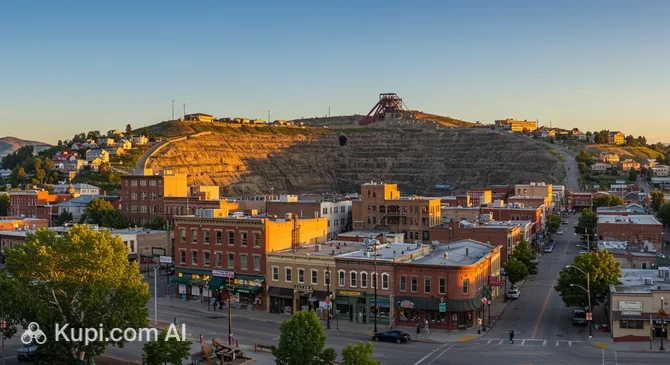
Butte. Source: Kupi.Binoculars

Today, Butte is renowned for its preservation of history and unique attractions. The Uptown Butte district is one of the largest National Historic Landmark Districts in the country, perfect for a walking tour to admire the ornate buildings. Visitors should not miss the World Museum of Mining, which offers a chance to go underground and experience the life of a miner, or the Berkeley Pit, a massive former open-pit copper mine that has become a peculiar and famous landmark. Whether you are a history buff or an outdoor enthusiast, Butte invites you to discover its hidden treasures and authentic charm.

Weather Overview

The climate in this high-altitude city is defined by its four distinct seasons, offering a mix of cold winters and mild, comfortable summers. Generally, visitors can expect warm summers with frequent light showers and cold winters that require sturdy thermal clothing. For a comprehensive look at what to expect during your specific travel dates, you can consult the guide to the weather in Butte.

Winter months like January and February are rigorous, with average temperatures sitting around -7°C to -8°C and lows frequently dipping to -13.3°C. As the season shifts to spring, May emerges as the dampest time of year, experiencing approximately 19 wet days. Summer brings a welcome change; July is typically the warmest month, featuring average highs of 25.8°C, creating ideal conditions for exploring the outdoors before the cooler autumn air returns in September.

Interesting Facts

Beyond the famous copper mines and historic architecture, Butte holds a treasure trove of fascinating stories and local legends. This high-altitude city is full of surprises that reveal the depth of its character and the resilience of its community.

  • Our Lady of the Rockies overlooks the city from the Continental Divide and is a marvel of community effort. Standing 90 feet tall, this massive statue was constructed entirely by volunteers and sits at an elevation of 8,510 feet, making it a prominent beacon visible for miles.

  • The legendary daredevil Evel Knievel was born and raised in Butte, and his legacy remains a significant part of the town's identity. The city honors his fearless spirit with festivals and landmarks that draw thrill-seekers and fans to celebrate his life and stunts.

  • A culinary staple of the city is the Cornish pasty, a savory meat-and-potato pie originally introduced by immigrant miners. These hearty meals were designed to be durable enough for miners to eat underground with dirty hands, holding them by the thick crimped edge which was then discarded.

  • Beneath the city streets lies a staggering network of approximately 10,000 miles of mining tunnels. This immense underground labyrinth is often said to rival the length of major subway systems, illustrating why the area was once dubbed the "Richest Hill on Earth."

How to Get There

Planning a trip to the heart of the Rocky Mountains requires some logistical preparation, but the journey offers scenic rewards. For a complete overview of travel options, including driving directions and bus services, you can read more about how to get to Butte on our detailed page.

The most direct way to arrive by air is via the local Butte Airport (IATA: BTM). Located just 6.2 km from the city center, this regional hub offers the quickest access to the area. A taxi or shuttle ride from the terminal to downtown typically takes around 10 to 15 minutes. While convenient, it handles a smaller volume of traffic compared to larger hubs in the state.

For travelers seeking more flight connections or international options, Bozeman Yellowstone International Airport (IATA: BZN) is a popular choice. Situated in the city of Bozeman, approximately 110 km away, it is the busiest airport in the region. The drive along Interstate 90 from Bozeman to Butte takes about 1 hour and 20 minutes. Alternatively, you can fly into Helena Regional Airport (IATA: HLN) in Helena, which is about 79 km from Butte. The journey via Interstate 15 generally takes around 1 hour and 15 minutes.

For clarity, here is a summary of the main airports:

Airport Name City Passenger Traffic Km from City
Bozeman Yellowstone International Airport Bozeman Large 110.1
Missoula International Airport Missoula Medium 156.8
Helena Regional Airport Helena Medium 79.3
Butte Airport Butte Small 6.2
Yellowstone Airport West Yellowstone Small 183.6

Main Attractions

One of the most immersive experiences in the city is the World Museum of Mining. Located on the site of the historic Orphan Girl Mine, this extensive museum offers visitors a tangible glimpse into the gritty reality of the mining era. A highlight is "Hell Roarin' Gulch," a meticulously recreated 1890s mining town featuring over 50 historic structures, including a schoolhouse, churches, and various shops. For the adventurous, underground mine tours provide a rare opportunity to descend into the depths and understand the working conditions of the miners who built the city.

No visit to this area is complete without seeing the Berkeley Pit, a landmark that is as fascinating as it is eerie. This former open-pit copper mine, one of the largest of its kind, is now filled with highly acidic water, creating a lake with unique coloration. Visitors can view the pit from a dedicated viewing stand, which offers audio information about the site's geology and its complex environmental history. It stands as a powerful symbol of the scale of industrial excavation that once defined the region.

For architecture enthusiasts, the Copper King Mansion offers a dazzling look into the lives of Montana's wealthy elite. Built for William A. Clark, one of the famous "Copper Kings," this 34-room Victorian residence is a masterpiece of craftsmanship, featuring frescoed ceilings, stained glass windows, and exquisite woodwork. Tours of the mansion reveal the opulence of the late 19th century and share the intriguing stories of the tycoons who wielded immense power during the mining boom.

To explore the diverse cultural heritage of the city, the Mai Wah Museum is an essential stop. Housed in a historic building that once contained a noodle parlor and general store, the museum is dedicated to preserving the history of the Asian community in the Rocky Mountains. Through its exhibits and artifacts, it tells the often-overlooked story of the Chinese immigrants who played a crucial role in the development of the mining camps and the vibrant community that thrived here against the odds.

Local Cuisine

The culinary landscape of Butte is a delicious reflection of its rich immigrant history and working-class roots. Unlike the delicate fusion trends found in major coastal cities, the food here is hearty, satisfying, and steeped in tradition. The local gastronomy was largely shaped by the thousands of miners who arrived from Ireland, Cornwall, Italy, and Eastern Europe, creating a unique melting pot of flavors that has survived for generations. Visitors will find that the dining scene is less about pretension and more about authentic, comfort-food experiences that tell a story.

The undisputed king of local cuisine is the Cornish pasty. Originally brought over by miners from Cornwall, England, this savory hand-held pie was the perfect lunch for workers deep underground. A traditional pasty consists of a sturdy pastry crust filled with beef, potatoes, onions, and sometimes rutabaga, designed to be a complete meal that stays warm for hours. You can find these golden pockets at specialized shops and diners throughout the city, often served with gravy or simply ketchup. It is considered a culinary crime to visit the area without trying one.

Another signature creation that locals fiercely defend is the breaded pork chop sandwich. This distinct invention features a tenderized pork loin that is battered, deep-fried to a crisp, and served on a bun, typically topped with mustard, pickles, and onions. It is a simple yet iconic dish that originated in the city's alleyways in the early 20th century and has since become a statewide legend. For those with a sweet tooth, look for povitica, a swirled nut roll that highlights the lasting influence of the region's Croatian and Serbian communities.

When it comes to dining culture, the city is famous for its classic supper clubs and historic steakhouses. These establishments often retain a retro charm, serving high-quality steaks, seafood, and pasta in a relaxed, nostalgic atmosphere. As for drinks, the city's spirited history lives on in its vibrant bar scene. Locally brewed craft beers are increasingly popular, paying homage to pre-Prohibition brewing traditions. Additionally, given the strong Irish heritage, you will find plenty of establishments serving excellent Irish whiskey and stouts, particularly during the lively festivals that take over the town.

Travel Tips

Visiting Butte is a journey into a city with a rugged soul and a rich history, but its high altitude and unique geography mean that a little preparation goes a long way. To help you make the most of your time on the "Richest Hill on Earth," here is a collection of practical advice to ensure your trip is smooth and enjoyable.

  1. Clothing and Gear: Due to the city's high elevation (over a mile high), the weather can change rapidly. Layering is essential regardless of the season; summers offer warm days but cool nights, while winters require heavy thermal gear, insulated boots, and windproof coats. Since Uptown Butte is built on steep hills, bring sturdy, comfortable walking shoes with good grip. Don't forget sunglasses and sunscreen, as the sun is stronger at this altitude.
  2. Transportation: The most convenient way to explore the city and its surrounding mining sites is by renting a car. While there is a local public transit system, the "Butte-Silver Bow Transit," schedules can be limited for tourists wanting flexibility. Ride-sharing apps are available but may have longer wait times than in major metropolitan areas. Walking is great for the historic district, but be prepared for a workout on the inclines.
  3. Finances: The local currency is the US Dollar (USD). Credit and debit cards are widely accepted at hotels, museums, and larger restaurants. However, it is wise to carry some cash for smaller historic bars, tipping, or small purchases at local markets. ATMs are plentiful. Standard American tipping culture applies: aim for 15-20% in restaurants and bars.
  4. Health and Safety: Butte is generally a safe city for tourists. The primary health concern is the altitude; stay well-hydrated to avoid altitude sickness and take it easy on your first day if you aren't used to the elevation. Pharmacies like CVS and Walgreens are available for over-the-counter needs. In emergencies, St. James Healthcare provides medical services. Always stay on designated paths near old mining areas to ensure safety.
  5. Communication: English is the primary language spoken. The local dialect is standard American English, often delivered with friendly enthusiasm. Wi-Fi is standard in most hotels, cafes, and public buildings. Mobile coverage is generally good within the city limits for major carriers, though it can become spotty if you venture deep into the surrounding mountains.
  6. Local Etiquette: The people of Butte are known for their hospitality and pride in their heritage. It is polite to greet shopkeepers and bartenders; a friendly chat is often welcome. Residents are deeply proud of their labor and mining history, so showing interest and respect for local stories goes a long way. If you visit during St. Patrick's Day, be prepared for a massive, spirited community celebration.
  7. What to Avoid: Do not trespass on old mining properties, headframes, or fenced-off industrial areas. These sites can be unstable and dangerous. Additionally, avoid making light of the environmental challenges the city has faced; locals are proud of their ongoing restoration efforts, and the topic is treated with seriousness.
  8. Seasonal Awareness: Many of the city's attractions, such as the trolley tours or specific museum exhibits, operate seasonally, typically from late May to September. If you are visiting in the off-season (winter or early spring), check opening hours in advance, as some spots may have reduced schedules or be closed entirely.

By keeping these tips in mind, you will be well-equipped to navigate the steep streets and fascinating stories of this Montana gem. Whether you are here for the history, the festivals, or the stunning mountain views, a little practical knowledge will help you embrace the authentic spirit of Butte like a true local.

Entertainment & Nightlife

When the sun sets behind the Ridge, Butte transitions from a historic mining metropolis into a city with a vibrant and authentic nightlife. Known historically as a "wide-open" town where the saloons never closed, the city retains a spirited social scene that is centered largely in the historic Uptown district. The nightlife here is less about velvet ropes and exclusive clubs, and more about historic atmosphere, live music, and friendly conversation in venues that have served locals for generations. The primary action can be found along Broadway and Park Streets, where the neon signs of classic establishments light up the brick facades.

The atmosphere in Butte’s night spots is distinctly casual and welcoming. There is no strict dress code; jeans and flannel are as common as button-down shirts, reflecting the city's unpretentious, working-class roots. Visitors will find a mix of lively Irish pubs, craft distilleries, and historic dive bars that are celebrated local treasures. Headframe Spirits is a must-visit destination for an early evening start. Located in a historic building, this distillery offers tasting rooms where you can sample spirits named after local mines, providing a sophisticated yet relaxed setting to begin your night.

For those seeking a quintessential Butte experience, the city's Irish heritage shines in its pubs. Slainte Butte America Pub is a local favorite, offering a warm environment perfect for enjoying a pint of Guinness and often hosting live music. Another staple of the Uptown scene is Maloney’s Bar, which embodies the classic Montana bar vibe with its historic interior and lively crowd. If you are interested in live entertainment, keep an eye on the schedule at the Covellite Theatre. This historic venue, originally a church, has been transformed into a unique space for concerts, independent films, and community events, offering a cultural anchor to the nightlife scene.

Practicalities for a night out in Butte are straightforward. Most bars stay open until 2:00 AM, which is the standard closing time in Montana. Prices for drinks and cover charges are generally very affordable compared to larger cities. While the Uptown area is walkable, be mindful that the streets can be quite steep. For getting around late at night, ride-sharing services are available but can be less frequent than in major hubs, so having the number of a local taxi service is a good backup plan. In terms of safety, the main entertainment districts are well-lit and populated, but standard precautions should be taken, especially when walking on icy sidewalks during winter months.

Beyond the bars, daytime entertainment in Butte offers its own charm. The Mother Lode Theatre is a beautifully restored venue that hosts traveling Broadway shows, symphony performances, and concerts, serving as the crown jewel of the city's performing arts. Families and those young at heart should visit the Spirit of Columbia Gardens Carousel. This hand-carved carousel is a nostalgic tribute to the city's former amusement park and provides a delightful diversion during the day. Whether you are catching a matinee or riding a wooden horse, the city offers plenty of ways to stay entertained before the evening festivities begin.

Parks & Museums

While Butte is globally recognized for its industrial history, the city also boasts a surprising array of green spaces and cultural institutions that celebrate its natural beauty and artistic spirit. Beyond the famous mining landmarks, visitors will find well-maintained parks, scenic trails, and specialized museums that offer a deeper understanding of the region's geology and community life. Whether you are looking to hike through the Northern Rockies or admire rare minerals, the city provides ample opportunities to explore.

For outdoor enthusiasts, Thompson Park is a premier destination located just south of the city in the Deerlodge National Forest. As the only congressionally designated Municipal Recreation Area in the country, it offers over 25 miles of non-motorized trails perfect for hiking, mountain biking, and horseback riding. A highlight of the park is the trail leading through the historic Milwaukee Road railroad tunnels and over trestles, combining scenic forest views with remnants of transportation history. It is an excellent spot for a family picnic or a day immersed in nature.

Another significant natural area is the Big Butte Open Space, home to the iconic "M" that overlooks the city. This area serves as a backdrop to the town and offers a network of trails that wind around the volcanic formation. Hiking to the top provides panoramic views of the Summit Valley and the distant Highland Mountains, making it a favorite spot for photographers and sunset chasers. The rugged terrain here is a reminder of the wild, high-elevation landscape that surrounds the urban settlement.

In terms of culture, the Mineral Museum, located on the campus of Montana Tech, is a hidden gem that rivals any geological collection in the West. Fitting for a town known as the "Richest Hill on Earth," this museum displays approximately 1,300 specimens from around the world, with a special focus on Montana's mineral wealth. The "Fluorescent Room," where minerals glow in vibrant colors under ultraviolet light, is particularly popular with visitors of all ages. It offers a scientific perspective on the ores that built the city.

For a touch of arts and elegance, the Clark Chateau offers a distinct cultural experience. This historic mansion, built for the son of a Copper King, now serves as a community art center and museum. Unlike the preserved Victorian interiors of other house museums, the Chateau hosts rotating art exhibitions, literature classes, and community events within its French chateau-style walls. It stands as a testament to the city's evolving identity, bridging its wealthy past with a vibrant, creative present.

Among the city's poignant historical sites is the Granite Mountain Speculator Mine Memorial. Located on the hill overlooking the city, this open-air plaza is dedicated to the 168 miners who lost their lives in the 1917 fire, the worst hard-rock mining disaster in American history. The site features interpretive plaques, a panoramic viewing platform, and a somber atmosphere that honors the human cost of Butte's mining legacy. It is a powerful place for reflection and offers some of the best views of the headframes dotting the landscape.

Insider Tip: If you are exploring the trails near Thompson Park, look for the Eagle's Nest Tunnel. It is a unique experience to walk or bike through this dark, cool passage cut through solid rock. Also, keep an eye out for the local wildlife; it is not uncommon to spot deer or elk grazing near the city limits in the early morning or late evening.

Getting Around

Public transport in Butte is relatively modest compared to larger metropolitan areas, designed primarily to serve the local community's daily needs rather than extensive tourism. The backbone of the city's transit network is the Butte-Silver Bow Transit system, locally known simply as "The Bus." This service operates a fleet of buses that connect the historic Uptown district with the "Flats" (the lower, flatter part of the city where many commercial businesses are located) and other residential neighborhoods. There is no metro, tram, or light rail system for general commuting.

The payment system for the local bus service is straightforward and budget-friendly. Fares are typically very low, and in some instances, the service has been offered fare-free to encourage ridership. If a fare is required, you should be prepared to pay with cash upon boarding. Drivers generally cannot make change, so it is essential to carry exact change in small bills and coins. There are no complex smart card systems or mobile ticketing apps for the bus; it remains a traditional, cash-based operation. Monthly passes or punch cards are usually available for purchase at the Transit Center or local government offices for those staying longer.

For tourists relying on public transit, planning ahead is crucial due to the system's operating hours. The buses typically run during standard business hours on weekdays, with reduced service on Saturdays and no service on Sundays or major holidays. Routes often stop running in the early evening, so this is not a viable option for nightlife. The central hub is the designated transfer station, where you can switch routes to reach different parts of the city. Schedules can be found online or picked up at the station, and it is wise to arrive at the stop a few minutes early.

Given the limitations of the bus schedule and the city's unique geography, many visitors choose alternative transport methods. Ride-sharing services like Uber and Lyft operate in the city, though wait times can be longer than in major hubs, especially late at night. Local taxi companies are a reliable alternative and can be called directly. While the historic Uptown area is walkable, the streets are often steep and high-altitude, making walking physically demanding. Consequently, renting a car is often the most practical recommendation for tourists who wish to explore the surrounding mining headframes and natural attractions at their own pace.

A special feature worth noting for visitors is the Old No. 1 Trolley. While not a public transit vehicle for commuting, this replica trolley bus offers narrated sightseeing tours during the summer months. It departs from the Chamber of Commerce and provides an excellent way to navigate the steep hills of the historic district while learning about the city's past. It is a favorite among tourists who want to see the major landmarks without the strain of hiking up the inclines.

Accommodation

Accommodation in Butte reflects the city's dual character, offering a choice between immersing yourself in the rich history of the mining era or enjoying the reliable comforts of modern travel. The options generally range from restored historic hotels and charming bed-and-breakfasts to standard mid-range chain hotels and budget-friendly motels. While you will not find ultra-luxury sprawling resorts here, the city provides a variety of welcoming and character-filled places to rest, catering to history buffs and road-trippers alike.

When choosing a location, visitors typically decide between two distinct areas: Uptown Butte and "The Flats." Uptown is the historic heart of the city, situated on the hill. Staying here places you within walking distance of the major museums, festivals, and the spirited nightlife of the historic district. It is the perfect choice for those who want atmosphere and architecture. In contrast, the lower area known as The Flats, particularly along Harrison Avenue, is where most modern chain hotels are located. This area offers easy access to the interstate highways, ample parking, and proximity to shopping centers and chain restaurants, making it convenient for travelers passing through or those prioritizing logistics.

For a stay that captures the essence of the city, the Finlen Hotel and Motor Inn is the most iconic establishment. Located in Uptown, this historic landmark dates back to 1924 and features a grand lobby that transports guests back to the opulent days of the Copper Kings. Another unique option is the Copper King Mansion, which operates as a bed-and-breakfast. Guests here can sleep in the actual former home of a wealthy mining tycoon, surrounded by original stained glass and period furnishings. For those preferring familiar amenities, the hotels in the lower city offer consistent standards, indoor pools, and easy car access.

Booking Tip: While accommodation is generally available throughout the year, the city fills up quickly during major events. If you plan to visit during the Montana Folk Festival in July or the legendary St. Patrick's Day celebrations in March, it is essential to book your room several months in advance. These events draw thousands of visitors, and local hotels often sell out completely.

In terms of pricing, Butte is generally more affordable than other major Montana tourist hubs like Bozeman or Whitefish. You can expect a range of budget to mid-range prices, with costs rising slightly during the peak summer season. Booking is easily done through major online travel platforms or directly with the properties. Additionally, a growing number of vacation rentals in historic Victorian homes offer a cozy, "live-like-a-local" alternative for families or groups staying for an extended period.

Nearby Cities

Nearby Cities:

Situated at the strategic intersection of Interstate 15 and Interstate 90, Butte serves as an excellent basecamp for exploring the broader region of the Northern Rockies. The city's central location allows for convenient travel to several major hubs in Montana and neighboring Idaho, each offering its own distinct character and attractions. Whether you are seeking a day trip to a university town or a scenic drive to a river valley, the surrounding area is rich with destinations.

Just a short drive to the southeast lies Bozeman, a vibrant city known for its outdoor lifestyle and gateway access to national parks. To the northwest, travelers can reach Missoula, a cultural and artistic center nestled in the mountains. Heading north leads to Great Falls, located along the Missouri River and famed for its history with the Lewis and Clark Expedition.

For those willing to venture further south across the state line, the Idaho cities of Rexburg and Idaho Falls are accessible via Interstate 15. These communities offer additional shopping, dining, and recreational opportunities within the Snake River Plain. The drive to any of these locations showcases the dramatic and rugged beauty of the American West.

The following table provides a summary of these nearby cities, including their populations and driving distances from Butte:

City Population Distance (km)
Bozeman 51,574 122
Missoula 92,863 148
Great Falls 62,112 192
Rexburg 33,684 249
Idaho Falls 101,326 282

Shopping & Souvenirs

Shopping in Butte offers a distinct experience that mirrors the city's dual personality: the historic charm of the past and the practical convenience of the present. While it may not be a sprawling metropolis filled with high-end designer boutiques, the city provides a delightful array of independent shops, antique stores, and essential retail outlets. Visitors can expect to find everything from one-of-a-kind vintage treasures to modern necessities, all without the hassle of large crowds found in bigger cities.

The heart of the local shopping scene is undoubtedly the Uptown District, particularly along Broadway and Park Streets. This area is a haven for those who love to browse through history. Here, nestled within beautifully preserved Victorian buildings, you will find eclectic antique shops, art galleries, and specialty boutiques. It is the perfect place to hunt for rare collectibles, old mining memorabilia, or locally made handicrafts. In contrast, Harrison Avenue in "The Flats" serves as the city's modern commercial corridor, lined with familiar chain stores, supermarkets, and larger retail centers.

For a more concentrated shopping experience, the Butte Plaza Mall located on Harrison Avenue is the primary enclosed shopping center in the area. While smaller than the mega-malls of major cities, it provides a convenient stop for clothing, sporting goods, and everyday items. It serves as a central hub for residents and visitors alike who need to pick up travel essentials or browse standard retail brands in a climate-controlled environment.

If you are visiting during the warmer months, the Butte Farmers' Market is a vibrant event that should not be missed. Typically held on Saturday mornings in the Uptown area during the summer and early autumn, this market transforms the street into a bustling community gathering. Here, you can purchase fresh local produce, homemade baked goods, and unique artisan crafts. It is an excellent spot to mingle with locals and discover the agricultural bounty of the region.

When searching for the perfect keepsake, souvenirs from Butte often reflect its rich mining heritage and natural surroundings. Items made from copper—such as jewelry, mugs, or decorative art—are classic choices given the city's nickname, the "Richest Hill on Earth." Additionally, look for products featuring huckleberries, a beloved regional wild berry used in jams, chocolates, and syrups. "Butte America" branded apparel is also popular, allowing you to wear a piece of the city's proud identity.

Opening hours for most shops are standard for the United States. Downtown boutiques and specialty stores typically operate from 10:00 AM to 6:00 PM, Monday through Saturday, with reduced hours or closures on Sundays. Larger retailers and grocery stores on Harrison Avenue often stay open later, sometimes until 9:00 PM or 10:00 PM. Payment methods are convenient, with major credit and debit cards (Visa, MasterCard, Amex) widely accepted everywhere. However, carrying a small amount of cash is recommended for small purchases at the Farmers' Market or smaller independent vendors.

One of the most attractive aspects of shopping in Butte—and throughout Montana—is the tax-free benefit. The state is one of the few in the U.S. that does not levy a sales tax on goods. The price you see on the tag is exactly what you pay at the register. This makes purchasing higher-value items, such as jewelry, outdoor gear, or electronics, particularly appealing for tourists looking to save money.
Reached the end of the page?

That means the route is fully explored