Support

West Yellowstone

About

Welcome to West Yellowstone, a vibrant gateway community that serves as the perfect introduction to the wonders of the Rocky Mountains. Located in the state of Montana in the United States, this charming town is world-renowned for its proximity to the country's first national park. With a unique atmosphere that blends rustic western heritage with modern hospitality, it acts as a bustling hub for nature lovers and adventure seekers from around the globe.
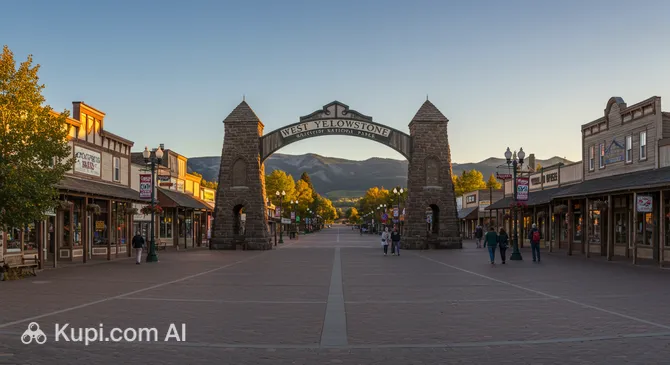
West Yellowstone. Source: Kupi.Binoculars

Geographically, the town is situated on a high plateau, offering crisp air and stunning scenery. Although the permanent population is modest, numbering around 1,300 residents, the streets come alive with visitors throughout the year. The climate plays a significant role in the local lifestyle; summers are pleasant and ideal for hiking, while winters transform the area into a snowy paradise, earning it the reputation of being one of the top snowmobiling destinations in North America.

The town's development is closely linked to the arrival of the railroad in the early 20th century, which established it as a primary entry point for tourists. To understand how a remote rail terminus grew into a thriving resort community, it is worth delving into the history of West Yellowstone. Today, the historic district retains much of that early character, offering a glimpse into the past amidst the souvenir shops and restaurants.

Visitors are primarily drawn here to access the West Entrance of Yellowstone National Park, which is just minutes away and leads directly to famous geyser basins. However, the town itself boasts significant attractions, such as the Grizzly & Wolf Discovery Center, where you can safely observe these majestic predators. Additionally, the Museum of the Yellowstone provides fascinating exhibits on travel and park history.

Whether you are planning to witness the eruption of Old Faithful or enjoy a quiet evening under the stars, West Yellowstone offers an unforgettable experience. It is an inviting destination that perfectly captures the spirit of the American West, making it a must-visit stop on your journey.
Weather Overview

West Yellowstone experiences a climate defined by significant seasonal contrasts, characterized by long, cold winters and mild, comfortable summers. The weather patterns here are heavily influenced by the high altitude, meaning visitors should always be prepared for changing conditions. For a detailed breakdown of what to expect during your specific travel dates, you can consult the guide on the weather in West Yellowstone.

Winter is the dominant season, with January and February seeing average temperatures drop to around -8.9°C, while nightly lows can plunge to -12.7°C. These months are consistent in terms of precipitation, with about 14 to 15 wet days per month, creating the deep snowpack the region is famous for. Spring brings a slow thaw, though it remains chilly; May is notably the wettest month of the year, recording up to 17 wet days.

Summer offers the most favorable conditions for most outdoor activities, particularly in July and August. During this peak season, average maximum temperatures reach a pleasant 24.3°C, though nights remain cool with lows around 8.5°C. While precipitation volume is lower in summer (around 1mm), you might still encounter occasional rain, with 8 to 10 wet days typically recorded per month. By November, the cold returns swiftly, with averages falling back below freezing to -5.5°C.

Interesting Facts

Beyond being a popular gateway to the national park, West Yellowstone holds many fascinating stories and unique characteristics that often go unnoticed by the casual visitor. Here are a few surprising facts that make this high-altitude town truly special.
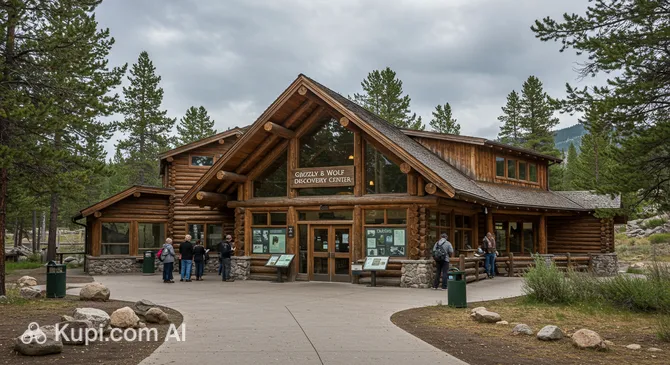
Grizzly & Wolf Discovery Center. Source: Kupi.Binoculars
  • The town is frequently cited as one of the coldest locations in the contiguous United States. It holds the record for the lowest temperature ever recorded in a residential community in the lower 48 states, dropping to a bone-chilling -66°F (-54°C) in 1933 at the nearby Riverside Ranger Station.

  • The Grizzly & Wolf Discovery Center serves a dual purpose as a unique testing ground for product manufacturers. It is one of the few places where coolers and garbage containers are officially "tested" by real bears to see if they can withstand the animals' strength and intelligence before being certified as bear-resistant.

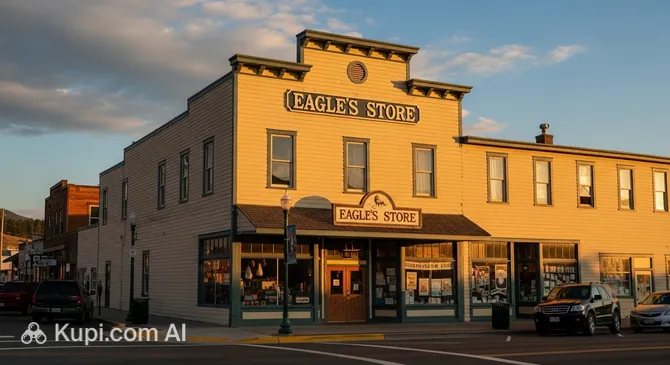
  • Eagle's Store is not just a shop but a piece of living history that predates the town's official incorporation. Established in 1908, it sits on the National Register of Historic Places and has been operated by the same family for over a century, retaining its original charm and an old-fashioned soda fountain.

  • During the winter months, the town transforms into the "Snowmobile Capital of the World" with a unique local rule. City streets are intentionally left covered in snow to allow snowmobiles to drive legally alongside or instead of cars, creating a distinctive winter transportation network.

How to Get There

Reaching this gateway to the national park is straightforward, with several options depending on your starting point and the season of your visit. Whether you prefer flying directly into the town or enjoying a scenic drive from a nearby city, you can find more about how to get to West Yellowstone in our detailed guide.

The most convenient option for air travelers is Yellowstone Airport (WYS), located directly in West Yellowstone, just 3.1 km from the town center. While it is a smaller airport with an annual passenger traffic of around 17,000, its proximity makes it unbeatable for quick access. A taxi or shuttle ride from here to the heart of the town typically takes only about 5 to 10 minutes.

For a wider range of flight schedules and connections, many visitors choose Bozeman Yellowstone International Airport (BZN) (IATA: BZN). Located in the city of Bozeman, approximately 123.9 km from West Yellowstone, it is the busiest airport in the region, serving over 2.6 million passengers annually. The scenic drive from Bozeman to West Yellowstone takes about 2 hours by rental car or shuttle bus, following the Gallatin River through the canyon.

Another viable alternative is Idaho Falls Regional Airport (IDA) (IATA: IDA), situated in Idaho Falls. This airport is about 149.3 km away from West Yellowstone. It serves as a significant regional hub with an annual traffic of over 600,000 passengers. The transfer from Idaho Falls usually takes around 2 to 2.5 hours by car, offering a beautiful route through the Targhee National Forest.

For clarity, here is a summary of the main airports serving the region:

Airport Name City Passenger Traffic Km from City
Bozeman Yellowstone International Airport Bozeman Large 123.9
Idaho Falls Regional Airport Idaho Falls Medium 149.3
Yellowstone Regional Airport Cody Small 165.9
Butte Airport Butte Small 180.5
Yellowstone Airport West Yellowstone Small 3.1

West Yellowstone does not have its own railway station, and there is no direct passenger train service to the town. The closest Amtrak stations are located quite far away in cities like Salt Lake City (Utah) or Shelby (Montana), which are hundreds of kilometers distant. Consequently, most visitors arriving by land choose to drive or take a bus tour. The road network is well-maintained, making the town easily accessible by car or RV from major interstate highways.

Main Attractions

West Yellowstone is packed with activities that cater to nature lovers, history buffs, and families alike. While the national park is the main draw, the town itself offers several compelling reasons to stay and explore. Here are some of the top attractions you should not miss during your visit.

One of the town's premier destinations is the Grizzly & Wolf Discovery Center. This not-for-profit wildlife park offers a unique opportunity to observe grizzly bears and gray wolves in naturalistic habitats. Unlike a traditional zoo, the animals here are unable to survive in the wild and serve as ambassadors for their species. Visitors can watch bears foraging for food, observe the social dynamics of wolf packs, and participate in educational programs that teach safety in bear country.

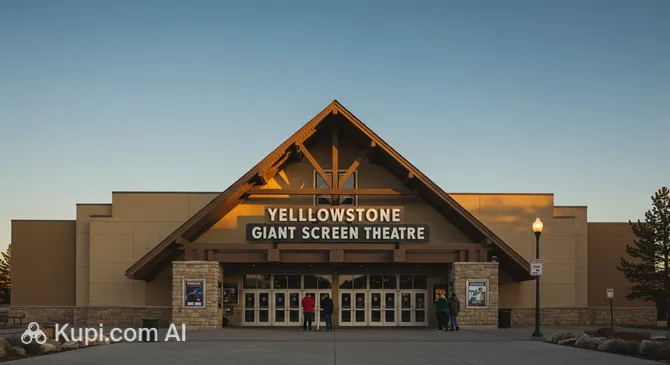
For a cinematic experience as grand as the landscape itself, visit the Yellowstone Giant Screen Theatre. This theater features a massive six-story screen that projects stunning IMAX-style films, including the signature "Yellowstone" movie which explores the history and geothermal wonders of the park. It is a perfect activity for relaxing after a long day of hiking or escaping the afternoon heat while still immersing yourself in the beauty of the region.

Yellowstone Giant Screen Theatre. Source: Kupi.Binoculars

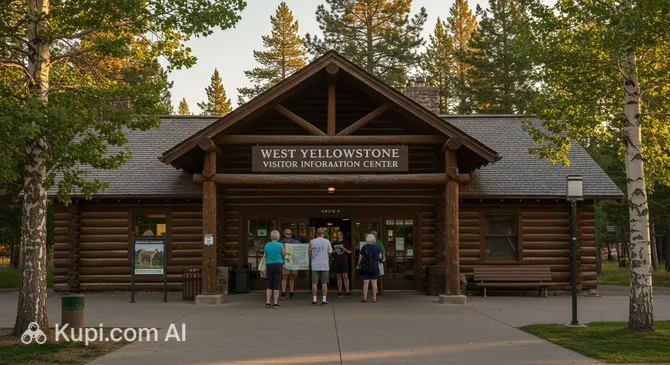
Located in a historic building that dates back to the early days of tourism, the West Yellowstone Visitor Information Center is more than just a place to grab a map. The structure itself is a beautiful example of rustic architecture. Inside, you will find helpful park rangers, interpretive exhibits, and essential information about road conditions and campground availability. It serves as an excellent starting point for orienting yourself before venturing into the vast wilderness.

West Yellowstone Visitor Information Center. Source: Kupi.Binoculars

To get a taste of local heritage combined with a shopping experience, stop by Eagle's Store. Situated on Canyon Street, this family-owned establishment has been welcoming travelers since 1908. Beyond its extensive selection of western wear, fishing gear, and souvenirs, the store is famous for its old-fashioned soda fountain. Tourists love to sit at the counter and enjoy a classic milkshake or huckleberry ice cream, soaking in the nostalgic atmosphere of the Old West.

Eagle's Store. Source: Kupi.Binoculars

Local Cuisine

The culinary scene in West Yellowstone reflects the town’s rugged, adventurous spirit, offering hearty meals designed to fuel visitors after a long day of exploring the great outdoors. The local cuisine is unpretentious and deeply rooted in Western traditions, with a strong emphasis on locally sourced ingredients, wild game, and comfort food that warms the soul during the chilly evenings.

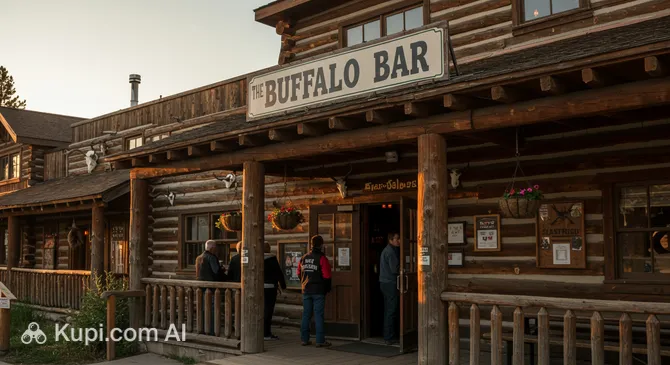
One of the absolute must-try experiences here is tasting wild game meat. Bison and elk are staples on many menus, often served as savory burgers, tender steaks, or in rich stews. For a classic taste of the West, visitors often head to The Buffalo Bar. This historic establishment is not only a place to dine but a local landmark where you can enjoy a juicy bison burger while surrounded by authentic western decor.

The Buffalo Bar. Source: Kupi.Binoculars

Another gastronomic pillar of the region is barbecue. The town has gained a reputation for top-tier smoked meats that rival famous southern styles. Firehole Bar-B-Que is a favorite among both locals and tourists, known for its mouthwatering brisket, ribs, and turkey, all smoked to perfection. The atmosphere in such places is typically casual and family-friendly, where the focus is entirely on the quality and flavor of the food.

On the sweeter side, the huckleberry is the undisputed king of local flavors. This small, tart berry grows wild in the surrounding mountains and finds its way into almost everything. You will find huckleberry jams, syrups, pancakes, and, most famously, huckleberry ice cream. It is the signature dessert of the region and provides a refreshing, sweet-tart finish to any meal.

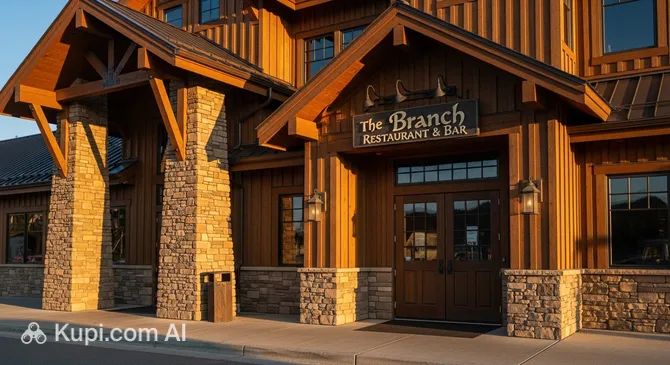
When it comes to drinks, the local culture embraces the craft brewing movement that has swept through Montana. Many restaurants, such as The Branch Restaurant & Bar, feature a selection of local microbrews on tap, allowing you to sample ales and lagers produced in the nearby Rockies. For a non-alcoholic treat, huckleberry sodas and lemonades are widely available and incredibly refreshing.

Dining in West Yellowstone is generally a relaxed affair. You won't find many dress codes here; instead, you will find welcoming spots like the Gusher Pizza & Sandwich Shoppe, where hikers and families gather to share stories over generous portions of comfort food. Whether you are looking for a quick bite or a sit-down feast, the town's eateries offer a warm, hospitable environment that perfectly complements your mountain adventure.

Travel Tips

Traveling to West Yellowstone requires a bit of specific preparation due to its high altitude and unique location on the edge of the wilderness. To help you make the most of your adventure in this gateway town, here is a collection of essential tips to ensure a safe and enjoyable journey.

  1. Clothing and Gear: The weather here can be unpredictable, so the "onion principle" of dressing in layers is your best friend. Even in summer, mornings and evenings can be quite chilly, so bring a warm fleece and a waterproof jacket. Comfortable, broken-in hiking boots are a must for exploring. Don't forget high-SPF sunscreen, sunglasses, and a hat, as the high elevation makes the sun much stronger than you might expect.
  2. Transportation: The town itself is compact and laid out on a grid, making it very walkable; you can easily reach most shops and restaurants on foot. There is no public metro or city bus system. For entering the national park or exploring the surrounding national forests, a rental car is essential. Ride-sharing services like Uber or Lyft are scarce to non-existent, so do not rely on them for getting around.
  3. Finances: The official currency is the United States Dollar (USD). Credit and debit cards are widely accepted at hotels, restaurants, and gift shops. However, it is wise to carry some cash for smaller purchases or tips. ATMs are available in town. Tipping is customary in the US; expect to leave 15-20% of the bill in restaurants and bars.
  4. Health and Safety: You are in bear country, even when close to town. If you plan to hike, carrying bear spray is highly recommended—buy it locally upon arrival as you cannot fly with it. Be aware of altitude sickness; stay hydrated and take it easy for the first day. There are clinics in town for minor issues, but pharmacies are not open 24/7, so bring essential prescriptions with you.
  5. Communication: English is the primary language spoken. While most hotels and cafes in town offer Wi-Fi, cellular service can be spotty to non-existent once you enter the park or drive into remote areas. It is strongly advised to download offline maps (like Google Maps) and park guides to your phone before you head out for the day.
  6. Local Etiquette: The local culture is friendly and informal; a smile or a "hello" to passersby is common. The most important rule of etiquette here involves nature: practice "Leave No Trace" principles. Dispose of trash properly to avoid attracting wildlife into the town. Respecting the space of others, including photographers waiting for a shot, is also appreciated.
  7. What to Avoid: Never approach wildlife, even if you see bison or elk wandering through the town streets—they are wild and dangerous. Avoid relying solely on GPS for navigation in winter or shoulder seasons, as it may direct you to seasonal roads that are closed to wheeled vehicles.
  8. Additional Tip: Beat the crowds by starting your day early. The West Entrance to the park can get backed up with traffic by mid-morning during peak summer months. grabbing breakfast around 6:30 AM and heading to the gate can save you hours of waiting.

By keeping these practical tips in mind, you will be well-equipped to handle the rugged beauty and small-town charm of West Yellowstone. A little preparation goes a long way, allowing you to focus entirely on creating unforgettable memories in the heart of the Rockies.

Entertainment & Nightlife

Entertainment and nightlife in West Yellowstone reflect the town's character: rugged, welcoming, and deeply connected to the outdoors. You won't find sprawling dance clubs or high-end lounges here. Instead, the evening scene revolves around lively saloons, rustic bars, and venues where the main activity is recounting the day's adventures over a cold drink. The atmosphere is consistently casual, with hiking boots and flannel shirts being the standard dress code for a night out.

The heart of the action is concentrated along Canyon Street and Yellowstone Avenue. These walkable thoroughfares are lined with establishments that stay open late, offering a mix of local culture and relaxation. The crowds are a friendly blend of seasonal workers, local residents, and tourists from around the world, creating a vibrant social environment where it is easy to strike up a conversation with someone at the next table.

For a quintessential local experience, many visitors head to The Buffalo Bar. While it serves food, it transitions into a bustling social hub as the evening progresses. It is one of the oldest establishments in town and features a classic sports bar vibe with pool tables and casino machines, making it a popular spot to catch a game or enjoy a late-night beer in a historic setting.

If you prefer a slightly more modern atmosphere to enjoy a cocktail or a microbrew, The Branch Restaurant & Bar is an excellent choice. Located inside the Holiday Inn, it offers a cozy environment with a focus on regional spirits and Montana-brewed beers. It is a great place to unwind in a quieter setting before heading back to your lodge.

The Branch Restaurant & Bar. Source: Kupi.Binoculars

Another staple of the local scene is the Gusher Pizza & Sandwich Shoppe. While known for its food, its bar area is a favorite watering hole for locals. It offers a laid-back, "dive bar" charm where the beer is cold and the mood is unpretentious, perfect for a low-key night out with friends.

Regarding logistics, the town is compact and safe for walking at night, which is the primary way people get around the nightlife district. However, always remain aware of your surroundings; wild animals, including bison, have been known to wander through the streets after dark. Ride-sharing services like Uber are virtually non-existent, and taxi availability can be sporadic, so plan to walk or have a designated driver if your accommodation is on the outskirts.

Beyond the bars, West Yellowstone offers engaging entertainment options that bridge the gap between day and night. The Yellowstone Giant Screen Theatre provides a spectacular cinematic experience with its massive screen, often showing nature documentaries and feature films well into the evening. For daytime fun, the town features attractions like zipline adventure parks and the Grizzly & Wolf Discovery Center, which offers a fascinating look at local wildlife before the sun goes down.

Parks & Museums

While West Yellowstone is primarily known as the gateway to the world's first national park, the town itself offers a delightful array of green spaces and cultural institutions that celebrate its unique heritage. Visitors will find that the community is deeply connected to the surrounding wilderness, with attractions designed to educate and inspire nature lovers of all ages.

For those seeking immersion in nature without leaving the town limits, the Rendezvous Ski Trails are a magnificent resource. Famous for world-class cross-country skiing in the winter, this extensive network transforms into a peaceful haven for hikers and mountain bikers during the warmer months. Winding through dense pine forests on the edge of the Custer Gallatin National Forest, these trails offer a quiet escape where you can breathe in the scent of pine needles and perhaps spot local birds away from the bustling town center.

A different kind of natural encounter awaits at the Grizzly & Wolf Discovery Center. This AZA-accredited wildlife park and educational facility is much more than a viewing area; it serves as a sanctuary for animals that cannot survive in the wild. The center features naturalistic habitats that allow visitors to gain a deeper understanding of the behavior and ecology of grizzly bears and gray wolves. Through its immersive exhibits, the park plays a crucial role in teaching humans how to coexist safely with North America's apex predators.

Delving into the cultural history of the region, the Museum of the Yellowstone is a must-visit for history buffs. Housed in the historic Union Pacific Depot, the museum chronicles the story of tourism in the region, from the early days of stagecoaches to the arrival of the railroad. Exhibits cover the 1959 Hebgen Lake earthquake, the history of the park service, and the evolution of the town itself, providing a fascinating context for your travels.

Just a short walk away is the West Yellowstone Visitor Information Center. While it serves a practical purpose, the building itself is a cultural landmark, constructed in the rustic style that defines the National Park Service architecture. Inside, you will find interpretive displays about the Greater Yellowstone Ecosystem and often, rangers ready to share stories about the park's geology and wildlife management.

For a visual journey through the history and geography of the area, the Yellowstone Giant Screen Theatre offers a cultural experience on a massive scale. The theater specializes in educational films that explore the geothermal wonders and history of Yellowstone, allowing viewers to witness the park's grandeur from perspectives that are impossible to achieve on foot.

The town's layout itself is a testament to its origins, particularly the Oregon Short Line Historic District. Walking through this area reveals the impressive Union Pacific Dining Lodge, a colossal structure built to feed train passengers in the 1920s. Its massive stone fireplace and log construction are masterpieces of "parkitecture," offering a tangible link to the golden age of rail travel.

Insider Tip: If you are looking for a simple, quiet spot to relax with a picnic, head to Pioneer Park. Located within the town, it offers a grassy respite with playgrounds and picnic tables, perfect for a family break between museum visits or before heading out for an evening drive.

Getting Around

Unlike major metropolitan areas, West Yellowstone does not operate a municipal public transportation system. You will not find subways, trams, or a network of city buses patrolling the streets. The town is geographically small and laid out on a convenient grid, making it an extremely walkable community where most hotels, restaurants, and attractions are located within a short distance of one another.

Because there is no formal transit network, there are no travel passes, smart cards, or transport apps to download. Getting around is largely a matter of self-propulsion or private hire. For the limited shuttle services that do exist—primarily for airport transfers or guided tours into the national park—payment is typically made via credit card or cash directly to the operator. It is highly advisable to book these services in advance, as they are not "hop-on, hop-off" public options.

For moving within the town limits, walking is the primary and most efficient choice. However, cycling is a popular alternative during the warmer months. Several local shops offer bicycle rentals, allowing you to cruise the town streets or explore the nearby forest trails with ease. Prices vary by the hour or day, and standard credit cards are accepted for the deposit and rental fees.

Taxis and car services are available but can be somewhat scarce compared to larger cities. Visitors should not rely heavily on ride-sharing apps, as the availability of drivers is often very low or non-existent. If you need a ride to the airport or a specific destination outside the town center, it is best to call a local taxi company to schedule a pickup rather than hoping to hail one on the street.

A unique feature of local transportation emerges during the winter season. From mid-December to March, the town transforms into a hub for over-snow travel. During this time, most streets are left groomed with snow, and snowmobiles become a legitimate form of street transport. You will see locals and tourists alike driving snowmobiles directly from their hotels to restaurants or the park entrance, a "public transport" experience you won't find in many other places.

For the majority of tourists, the most practical advice is to rent a car if you plan to explore beyond the town's borders. While you won't need a vehicle to get dinner or visit the local museums, a car is essential for navigating the vast distances of the adjacent national park and surrounding scenic drives. Ensure you have a valid driver's license and a credit card for the rental deposit.

Accommodation

Where to Stay:

Finding the perfect place to stay in West Yellowstone is an integral part of the travel experience, as the town offers a diverse array of accommodation options suited to its role as a major park gateway. The lodging landscape here is dominated by a mix of historic cabins, classic American motels, and modern hotels. Whether you are looking for a rustic log cabin that evokes the spirit of the Old West or a comfortable suite with modern amenities, the town caters to a wide spectrum of preferences, though it leans heavily towards mid-range and family-oriented facilities.

In terms of location, the town is compact and easily navigable, meaning that almost any accommodation within the city limits is convenient. The most coveted spots are those located within walking distance of the West Entrance to the national park and the dining options along Canyon Street. Staying in the town center allows visitors to park their cars for the evening and explore the shops and museums on foot, a significant advantage after a long day of driving through the wilderness. For those seeking a quieter experience, there are lodges and guest ranches situated just outside the town, offering more seclusion and direct access to forest trails.

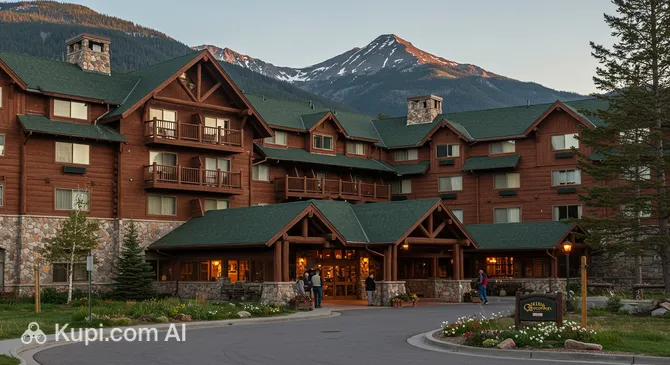
West Yellowstone Resort. Source: Kupi.Binoculars

Among the available options, visitors often look for places that combine comfort with convenient access to local services. One such example is the West Yellowstone Resort. Establishments like this are designed to serve as a relaxing base camp, providing essential amenities that help travelers recharge before their next outdoor adventure. Many properties in this category also offer features like indoor pools or hot tubs, which are particularly popular year-round.

Booking Tip: Because West Yellowstone is one of the most popular entry points to the park, accommodation is in extremely high demand, especially during the peak summer months of June through August. It is strongly recommended to book your room well in advance—often six months to a year ahead—to secure your preferred dates and rates. Last-minute availability in summer is rare and often comes at a premium.

Regarding costs, prices in West Yellowstone fluctuate significantly with the seasons. During the peak summer window and the height of the winter snowmobiling season, rates reflect the high demand and can be comparable to major city pricing. Shoulder seasons offer more budget-friendly options. Most bookings can be made easily through major online travel platforms or directly via hotel websites. While credit cards are the standard method for securing reservations, always check the cancellation policy, as the seasonal nature of the business often leads to stricter terms.

Nearby Cities

For those looking to explore the surroundings, West Yellowstone serves as an excellent base for day trips to several interesting nearby locations:

Located approximately 113 km to the north, Bozeman is a vibrant university town that perfectly blends outdoor recreation with cultural attractions. It is home to the Museum of the Rockies, renowned for its extensive dinosaur fossils, and features a lively historic downtown teeming with restaurants, breweries, and art galleries.

Crossing the border into Idaho, Idaho Falls offers a picturesque setting along the banks of the Snake River. The city is famous for its River Walk and the man-made waterfalls that give it its name, providing a serene environment for walking and cycling. Cultural sites like the Museum of Idaho make it a compelling stop for those interested in regional history.

For a dive into the industrial past, Butte stands out as a historic mining metropolis known as the "Richest Hill on Earth." The city boasts one of the largest National Historic Landmark Districts in the country, showcasing stunning Victorian architecture and the World Museum of Mining, where visitors can descend into an actual mine shaft.

City Population Distance (km)
Billings 124973 239
Idaho Falls 101326 150
Pocatello 74359 227
Bozeman 51574 113
Butte 34368 187

These nearby destinations offer a glimpse into the diverse culture and landscapes of the region.

Shopping & Souvenirs

Shopping:

Shopping in West Yellowstone is a delightful experience that reflects the town's rustic charm and its status as a gateway to the wilderness. Unlike major metropolitan areas, you will not find sprawling shopping malls or high-end international fashion chains here. Instead, the retail landscape is dominated by locally owned boutiques, outdoor outfitters, and gift shops that offer unique items inspired by the Rocky Mountains and the Old West.

The main shopping district is conveniently located within the walkable town center, concentrated primarily along Canyon Street and Yellowstone Avenue. These thoroughfares are lined with historic storefronts and wooden sidewalks that invite visitors to stroll at a leisurely pace. Here, you can find everything from high-performance hiking gear and fishing tackle to handcrafted jewelry and western apparel.

Since West Yellowstone is a small community, there are no large shopping malls. The shopping experience is intimate and personal, with store owners often present to share stories about their wares. However, for a comprehensive shopping experience under one roof, many visitors head to Eagle's Store on Canyon Street. This historic family-run establishment acts as a department store of sorts, offering a vast selection of goods ranging from cowboy boots and hats to camping supplies and regional books.

While there are no traditional open-air markets in the European sense, the variety of goods found in the local shops creates a market-like atmosphere. When looking for the perfect souvenir, huckleberry products are the top choice. You can find this local berry transformed into jams, syrups, chocolates, and even soaps. Other popular items include authentic Native American crafts, elk and bison leather goods, and "bear country" memorabilia. For practical souvenirs, many tourists purchase high-quality wool blankets or branded outdoor clothing that serves them well during their trip.

Store opening hours fluctuate significantly with the seasons. During the peak summer tourist season (June through August), many shops stay open late, often until 9:00 PM or 10:00 PM, to accommodate visitors returning from the park. In the winter and shoulder seasons, hours are reduced, and some businesses may close entirely. Payment is straightforward, with major credit and debit cards accepted almost everywhere, though carrying some cash for small purchases is always a good idea.

One of the most attractive aspects of shopping in West Yellowstone is the tax benefit. The state of Montana has no sales tax, which means the price you see on the tag is the price you pay at the register. This makes it an excellent place to purchase higher-value items like optics, outdoor gear, or fine jewelry, offering significant savings compared to other states.

Reached the end of the page?

That means the route is fully explored