Support

Havre

About

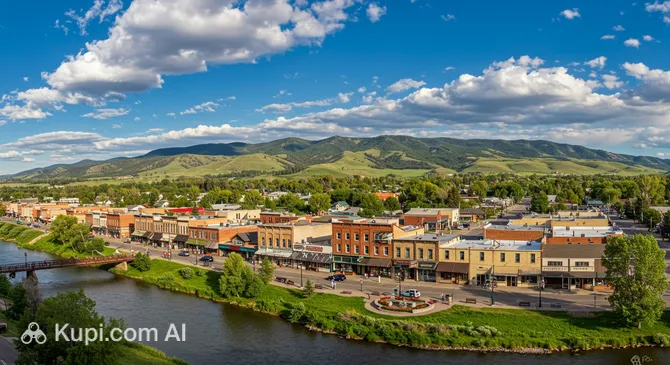
Welcome to Havre, a captivating destination situated along the famous "Hi-Line" in north-central Montana. As a significant hub in this region of the United States, Havre offers a unique blend of rugged frontier spirit and a welcoming community atmosphere. With a population of approximately 9,400 residents, it serves as a commercial and cultural center for the surrounding area, nestled against the backdrop of rolling plains and the scenic Bears Paw Mountains to the south.

Havre. Source: Kupi.Binoculars

The city has a fascinating past that is distinct from many other western towns. You can delve deep into the history of Havre by exploring its famous underground attractions. Following a major fire in 1904, business owners moved their operations into connected basements, creating a subterranean city that visitors can tour today at Havre Beneath the Streets. Another remarkable site is the Wahkpa Chu'gn Buffalo Jump, a significant archaeological treasure located right within the city limits, offering insight into the prehistoric hunting practices of Native American tribes.

Whether you are interested in railroad heritage, ancient history, or simply enjoying the vast landscapes of Montana, Havre is a destination worth adding to your itinerary. The city's authentic character and friendly locals make it a perfect stop for travelers looking to experience the true heart of the West.

Weather Overview

Havre experiences a continental climate characterized by distinct seasonal changes, offering travelers a true taste of Montana's diverse weather conditions. Winters are typically cold, with average temperatures in February dropping to lows of around -12.7°C, while summers are pleasantly warm. To help plan your trip around these variations, you can consult the detailed weather in Havre guide.

The warmest months are July and August, where average maximum temperatures often reach 30.6°C, making it an ideal time for outdoor activities. Spring brings milder temperatures but also increased moisture; May is generally the wettest month with about 10 days of precipitation. Overall, visitors can expect warm summers with occasional rain and cold, relatively dry winters.

Interesting Facts

Beyond its well-known historical sites, Havre holds several fascinating distinctions that showcase its unique character and industrial spirit. From massive machinery to prehistoric discoveries, the city offers plenty of surprises for the curious traveler.

  • Home of the "Big Bud": Havre is the birthplace of the world's largest farm tractor, the Big Bud 747. Built locally in 1977, this colossal machine stands 14 feet tall and packs nearly 1,000 horsepower, serving as a proud symbol of the region's agricultural prowess.

  • A Unique Pronunciation: Although the city is named after the French port of Le Havre, you won't hear the French pronunciation here. Locals pronounce it "Haver" (rhyming with "laver"), a distinctive quirk that instantly separates residents from visitors.

  • Rare Dinosaur Discoveries: The area is a paleontological treasure trove. The local H. Earl Clack Museum houses some of the world's rare dinosaur finds, including 75-million-year-old dinosaur eggs and embryos discovered in the nearby sedimentary rock formations.

How to Get There

Reaching this part of Montana requires some planning due to the vast distances between transport hubs and the city's location on the northern plains. For travelers looking for more about how to get to Havre, the journey typically involves flying into a larger regional city and renting a car for the final leg of the trip. While Havre does not have its own major commercial airport, it is accessible via well-maintained highways connecting it to key airports in the state.

Most visitors choose to arrive via Great Falls International Airport (GTF) in Great Falls, which is the most convenient option. Located approximately 173 km away, the drive from the airport to Havre takes between 1.5 to 2 hours by car. Renting a vehicle is highly recommended, as public transport options like shuttles can be limited and less flexible for exploring the surrounding area.

Another viable alternative for domestic travelers is Helena Regional Airport (HLN) in Helena. Situated about 277 km from Havre, this route offers a scenic drive through Montana's landscapes. The trip by car generally takes around 3 hours. For those arriving from the north, airports in nearby Canadian cities such as Medicine Hat are geographically close, though travelers must account for border crossing times.

For clarity, here is a summary of the main airports serving the region:

Airport Name City Passenger Traffic Km from City
Great Falls International Airport Great Falls Medium 173.0
Helena Regional Airport Helena Medium 276.8
Medicine Hat Regional Airport Medicine Hat Small 179.9
Lethbridge Airport Lethbridge Small 256.7

Main Attractions

Step back in time to the era of the Wild West with a visit to Havre Beneath the Streets. After a devastating fire destroyed much of the city in 1904, resourceful business owners moved their operations underground to continue serving the community. Today, this unique historical tour allows you to explore a submerged world that includes a saloon, a drug store, a butcher shop, and even an opium den, all recreated to showcase life on the frontier more than a century ago.

For history enthusiasts and archaeology buffs, the Wahkpa Chu'gn Buffalo Jump is an absolute must-see. Located on the edge of town behind the Holiday Village Mall, this site is one of the most extensive and best-preserved Native American buffalo jumps in North America. Visitors can take guided tours to see exposed layers of bison bones and ancient tools, providing a tangible connection to the hunting strategies and daily lives of the indigenous peoples who inhabited this region for thousands of years.

To gain a deeper understanding of the region's prehistoric past, head to the H. Earl Clack Museum. This facility is renowned for its paleontological exhibits, including rare 75-million-year-old dinosaur eggs and embryos found in the nearby Judith River Formation. In addition to its fossil collection, the museum offers fascinating displays on local homesteading history and the military heritage of Fort Assinniboine, making it a comprehensive stop for learning about the area's diverse timeline.

Nature lovers will find plenty to explore at Beaver Creek Park, which holds the title of the largest county park in the United States. Spanning roughly 10,000 acres within the Bears Paw Mountains just south of Havre, the park offers a scenic escape with opportunities for fishing, camping, and hiking. Its rolling hills and sparkling lakes provide a beautiful contrast to the surrounding plains, making it a favorite spot for picnics and outdoor recreation during the warmer months.

Local Cuisine

The culinary scene in Havre is a reflection of its location in the heart of Montana's agricultural and ranching country. The food culture here is unpretentious, hearty, and deeply rooted in the "farm-to-table" philosophy, simply because the farms and ranches are right next door. Visitors can expect generous portions of high-quality meats, classic American comfort food, and a growing selection of modern flavors that surprise and delight.

When it comes to signature dishes, beef is the undisputed king of the table. You cannot visit Havre without trying a locally sourced Montana rib steak. Historic supper clubs and steakhouses in the city, such as Andy’s Supper Club or The Duck Inn, are legendary for serving steaks that are hand-cut and often hang off the edge of the plate. These establishments offer a nostalgic dining experience, where the quality of the local beef speaks for itself.

For a more casual but equally iconic bite, you must try the famous "Ugly Burger" at Rod's Drive-In. This local institution has been a favorite for generations, serving up burgers that might not win beauty contests but are renowned for their flavor and size. Paired with a side of crispy tater tots or curly fries, it is the quintessential Havre meal. Another local favorite to look out for is the "pork chop sandwich," a breaded and fried delight that offers a savory alternative to the standard burger.

The beverage scene in Havre has evolved significantly, blending old-school nostalgia with modern craft trends. At the drive-in, you can cool off with a huckleberry shake or a "whip," a fruity, slushy drink that is a hit during the warm summer months. For those seeking something stronger, the city has embraced the craft beer movement. Triple Dog Brewing Co. is the city's premier brewery, offering a rotating tap of locally brewed beers ranging from refreshing wheat ales to robust stouts, often enjoyed in a taproom that serves as a community gathering spot.

Dining in Havre is generally a relaxed affair. The city offers a mix of classic drive-ins, where you can eat in your car or at a picnic table, and sit-down restaurants that range from family-friendly diners to modern public houses like Bow & Marrow or 40 Below Public House. Whether you are grabbing a quick bite from a food truck near the brewery or settling in for a multi-course steak dinner, you will find that the atmosphere is always welcoming, reflecting the genuine hospitality of the Hi-Line.

Travel Tips

To ensure your visit to this historic hub on the Hi-Line is as smooth and enjoyable as possible, we have compiled a list of essential travel advice. Whether you are exploring the underground city or venturing out to the Bears Paw Mountains, these practical tips will help you navigate Havre like a local.

  1. Clothing and Gear: The weather in Montana can be unpredictable, so the key to comfort is layering. If visiting in winter, bring heavy thermal gear, insulated boots, and a windproof coat, as temperatures frequently drop below freezing. In summer, light breathable clothing is best, but pack a sweater for cool evenings. Comfortable, closed-toe walking shoes are essential for touring the Havre Beneath the Streets attraction and hiking in nearby parks.

  2. Transportation: A rental car is virtually a necessity for getting around Havre and exploring the surrounding region. Public transport options are very limited and primarily serve specific local needs rather than tourism. Ride-hailing apps like Uber or Lyft may have few to no available drivers in this rural area, so having your own vehicle gives you the freedom to visit sites like the Buffalo Jump or Beaver Creek Park at your own pace.

  3. Finances: The official currency is the US Dollar (USD). While major credit and debit cards are accepted at most hotels, restaurants, and the larger supermarkets, it is wise to carry some cash. Smaller local shops, dive bars, or entry fees for certain community events may prefer cash. Tipping is standard practice in the United States; expect to leave 15–20% of the bill at restaurants and bars.

  4. Health and Safety: Havre is generally a very safe community for travelers. Northern Montana Hospital provides medical care if needed, and there are several pharmacies in town, though they may not operate 24/7. The biggest safety concern is often environmental: exercise extreme caution when driving at dawn, dusk, or night, as deer and other wildlife frequently cross the highways. In winter, roads can be icy, so drive slowly and keep an emergency kit in your car.

  5. Communication: English is the primary language spoken. While cell service is reliable within the city limits, it can be spotty or non-existent as you venture into the remote plains or mountains. It is highly recommended to download offline maps and save important locations on your phone before leaving the city center. Free Wi-Fi is commonly available in hotels and coffee shops.

  6. Local Etiquette: The culture here is warm, casual, and unpretentious. It is polite to greet shop owners and staff when you enter a business. On rural two-lane roads, it is customary to give a "steering wheel wave" (lifting a finger or hand) to passing drivers. Locals value personal space but are generally happy to chat about the area's history or give directions if asked politely.

  7. What to Avoid: Do not attempt to explore private land without permission. Much of the surrounding area consists of private ranches and farms; always look for public access signs or ask locally before hiking or hunting on unmarked land. Additionally, avoid correcting locals on the pronunciation of their city’s name—remember, it rhymes with "laver," not the French "Avr."

  8. Seasonal Preparedness: If you are visiting during the summer, be prepared for mosquitoes, especially if you plan to be near the Milk River or at campgrounds. Packing a strong insect repellent is a simple step that will save you a lot of discomfort during your outdoor adventures.

By keeping these tips in mind, you will be well-prepared to embrace the rugged charm and hospitality of north-central Montana. Enjoy your journey through the history and landscapes of this unique frontier city!

Entertainment & Nightlife

Nightlife in Havre is defined by a relaxed, small-town atmosphere where the focus is on socializing, storytelling, and enjoying a cold drink after a long day. You won't find thumping nightclubs or strict velvet ropes here. Instead, the evening scene revolves around welcoming dive bars, local breweries, and casinos that dot the main thoroughfares. The vibe is distinctly Montanan: unpretentious, friendly, and often centered around sports or live local music.

The heart of the action is primarily located along 1st Street (Highway 2), which serves as the city's main commercial artery. Here, neon signs illuminate the sidewalks, inviting locals and visitors alike into historic establishments. The crowd is a diverse mix of ranchers, railroad workers, and students from Montana State University-Northern, creating a lively yet grounded environment. The dress code is universally casual; jeans, flannels, and boots are the standard, so you will feel right at home in comfortable attire.

For a taste of the local craft scene, Triple Dog Brewing Co. is a standout venue to start your evening. Located on 1st Street West, this taproom offers a bright and communal space to sample locally brewed ales and stouts before the later crowds arrive. If you are looking for a more traditional "Old West" bar experience, The Oxford Bar is a local institution. Known for its sports memorabilia, pool tables, and classic bar food, it is the perfect spot to mingle with residents and watch a game. Another popular stop is the Palace Bar, which offers a historic setting for drinks and conversation.

Most bars in Havre stay open until 2:00 AM, though the crowds tend to thin out earlier on weeknights. Prices are very reasonable compared to larger cities, with beers and cocktails often costing significantly less than the national average. When it comes to getting around, options are somewhat limited. Rideshare services like Uber or Lyft are rarely available in this rural region. It is best to have a designated driver if you are hopping between venues, or call a local taxi service in advance, as wait times can vary.

Safety is generally not a major concern in Havre, and the downtown area along 1st Street is considered safe for walking at night. However, the streets can be quite dark and quiet once you step away from the main strip, so it is always wise to stay in well-lit areas and walk with a companion. The locals are known for their hospitality, and the environment is typically conflict-free and welcoming to respectful visitors.

While the nights are for unwinding, daytime in Havre offers its own variety of entertainment. For a change of pace, you can catch the latest Hollywood releases at the Cottonwood Cinema 4, a classic movie theater that serves as a primary entertainment hub for families. If you prefer shopping or a leisurely afternoon stroll, the Holiday Village Mall provides a selection of stores and casual eateries. For those seeking cultural enrichment before the sun goes down, the city's museums and the historic underground tours remain the top attractions.

Parks & Museums

Havre offers a surprising variety of green spaces and cultural venues that celebrate its unique position on the northern plains. From sprawling natural reserves that showcase the rugged beauty of Montana to intimate galleries housed in historic buildings, the city provides ample opportunities to connect with both nature and local heritage.

Beaver Creek Park is the crown jewel of the area's natural attractions and holds the distinction of being the largest county park in the United States. Spanning a massive 10,000 acres in the Bears Paw Mountains, it is a haven for outdoor enthusiasts offering fishing, camping, and hiking trails that wind through rolling grasslands and rocky cliffs. For a more relaxed experience within the city limits, Pepin Park is a favorite among families. Located centrally, it features a popular splash park for cooling off in the summer and serves as a community gathering spot for picnics and local events. Another excellent option for a quiet stroll is Patterson Park, which offers well-maintained walking tracks and a serene atmosphere perfect for unwinding.

The city's cultural landscape is deeply intertwined with its industrial roots, best experienced at the Frank DeRosa Railroad Museum. This facility pays tribute to the vital role the railway played in Havre's founding, featuring a model railroad, antique communications equipment, and artifacts from the Great Northern Railway. It is a must-visit for train buffs and anyone wishing to understand the town's development. For art lovers, the Old Library Gallery offers a charming experience. Housed in a historic 1914 Carnegie Library building, this venue showcases works by local Montana artists and craftsmen, including the detailed pencil drawings of renowned artist Don Greytak.

History enthusiasts should not miss the Fort Assinniboine Historic Site, located just a few miles southwest of the city. Established in the late 19th century, it was once one of the largest military posts in the region. Guided tours allow visitors to explore the remaining brick structures and learn about the soldiers who were stationed here to patrol the border. Back in town, the H. Earl Clack Memorial Museum serves as a key stop on the Montana Dinosaur Trail, displaying rare 75-million-year-old dinosaur eggs and providing a comprehensive look at the area's prehistoric past.

For a truly authentic local experience, try to catch the "Sounds on the Square" concert series if you are visiting in the summer. Held at the Town Square, these free weekly events bring the community together for live music and socializing under the open sky. Additionally, a quick drive to the overlook behind the Holiday Village Mall offers a stunning panoramic view of the Milk River valley and the distant Badlands, a perfect spot for photography at sunset.

Getting Around

Travelers visiting Havre should be aware that the city does not possess a comprehensive public transport network like those found in major metropolitan areas. There is no metro, tram, or trolleybus system here. The city is primarily designed for automobile travel, and most locals rely on private vehicles to navigate the area. However, there are limited bus services and transit options available for those without a car, though they require some advance planning.

The primary provider of bus services in the region is North Central Montana Transit (NCMT). While this service focuses largely on connecting Havre with neighboring communities like Fort Belknap and Great Falls, it does offer stops within the city limits. These buses are generally comfortable and reliable, but they operate on a fixed schedule that is geared more towards commuters than tourists sightseeing around town. Service is typically available on weekdays, with significantly reduced or no operations on weekends and holidays.

For payment on the bus system, simplicity is key. Fares are very affordable, and in some instances, rides on specific routes may even be free depending on current grant funding. If a fare is required, it is essential to carry cash, specifically small bills and coins, as drivers usually cannot provide change. There are no smart cards, mobile apps, or digital turnstiles; you simply pay the driver upon boarding. It is highly recommended to check the latest schedules and fare information on the official NCMT website or by calling their office before your trip.

A notable transportation feature in the city is the historic Havre Amtrak Station. While this is primarily for long-distance travel via the famous Empire Builder line, the station itself is a central landmark located downtown. For tourists arriving by train, the station serves as the main gateway. From here, many of the downtown attractions, such as the "Havre Beneath the Streets" tour, are within reasonable walking distance, making walking a viable option for exploring the immediate city center.

Regarding alternatives, options like taxis and ride-sharing are quite limited. Ride-hailing apps like Uber or Lyft are notoriously unreliable in this rural area, with few to no drivers available at any given time. There are local taxi services, but they do not typically roam the streets looking for fares. You must call ahead to dispatch a cab, and wait times can vary. For the utmost flexibility, renting a car is the most practical advice for any tourist. Having your own vehicle allows you to visit outlying attractions like the Buffalo Jump or the Beaver Creek Park without being tethered to the limited transit schedules.

Accommodation

Accommodation in Havre is designed primarily to serve the needs of road trippers exploring the Hi-Line and visitors enjoying the region's outdoor attractions. The city offers a straightforward selection of lodging options, ranging from familiar mid-range chain hotels to budget-friendly motels and cozy bed-and-breakfasts. You will not find sprawling luxury resorts here; instead, the hospitality focus is on comfort, cleanliness, and practical amenities suitable for travelers passing through or staying for a few days of adventure.

Most of the hotels and motels are conveniently clustered along U.S. Highway 2 (1st Street), which serves as the main artery through town. Staying in this area places you within easy walking or driving distance of local dining spots, the Amtrak station, and attractions like Havre Beneath the Streets. This central location is particularly advantageous for those arriving by train or car, as it minimizes travel time to essential services and shops.

For those who prefer to be closer to nature, the area offers excellent camping and RV facilities. Beaver Creek Park, located just south of the city, provides a scenic alternative to traditional hotels, with campgrounds nestled among the trees and hills of the Bears Paw Mountains. This is a popular choice during the warmer months for visitors who want to combine their stay with fishing, hiking, and stargazing under the "Big Sky."

Booking accommodation in Havre is generally stress-free, but it is wise to plan ahead if you are visiting during the peak summer season or the autumn hunting season, when rooms can fill up quickly due to the influx of outdoor enthusiasts. Prices are typically reasonable, falling into the budget to mid-range categories. Most establishments offer online booking, but for smaller, locally-owned motels, calling directly can sometimes secure the best rates or specific room requests.

Nearby Cities

For those looking to explore the surroundings, Havre serves as an excellent base for day trips to several interesting nearby locations:

One of the most popular destinations for a comprehensive day trip is Great Falls, located approximately two hours south of the city. Known as the "Electric City" for its hydroelectric dams along the Missouri River, it offers a rich cultural experience with attractions such as the C.M. Russell Museum, which is dedicated to the art of the American West, and the Lewis and Clark Interpretive Center. It provides a perfect mix of history, shopping, and dining for travelers willing to make the drive.

For a shorter excursion, the nearby town of Chinook lies just a brief drive to the east along the Hi-Line. This small community is the gateway to the Bear Paw Battlefield, the site where the Nez Perce War came to an end with Chief Joseph's famous surrender. History enthusiasts can walk the interpretive trails at the battlefield or visit the Blaine County Museum. Another historical gem in the region is Fort Benton, often called the "Birthplace of Montana," which features a beautifully preserved waterfront and the oldest standing building in the state.

City Population Distance (km)
Billings 124973 320
Missoula 92863 373
Great Falls 62112 167
Bozeman 51574 335
Butte 34368 356

These nearby destinations offer a glimpse into the diverse culture and landscapes of the region.

Shopping & Souvenirs

Shopping in Havre offers a practical and authentic experience that reflects its role as the commercial hub for north-central Montana. While you will not find high-end luxury boutiques here, the city provides a solid mix of national retail chains, essential services, and charming locally-owned businesses. Visitors can expect to find everything from rugged outdoor gear and western wear to unique local crafts, all within a friendly, small-town atmosphere.

The primary commercial artery of the city is 1st Street, which is also U.S. Highway 2. This stretch of road hosts the majority of the city's businesses, ranging from large supermarkets to independent specialty shops. For a more historic shopping vibe, the downtown area near 3rd Avenue offers a selection of smaller stores housed in classic brick buildings. Here, you can browse for antiques, books, and gifts while admiring the architecture that dates back to the city's railroad boom era.

For a concentrated shopping experience, the Holiday Village Mall is the go-to destination in the region. Located on the west side of town, this enclosed shopping center serves as a gathering place for the community. It features a variety of department stores, apparel shops, and sporting goods retailers, making it a convenient one-stop spot for travelers needing to resupply or simply looking to browse indoors away from the elements.

During the warmer months, usually from July through September, the Havre Community Market becomes a highlight of the local shopping scene. Held on Saturdays at the Town Square, this farmers market brings together local growers and artisans. It is an excellent place to purchase fresh produce grown on the Hi-Line, homemade baked goods, and handcrafted items that make for unique gifts. The atmosphere is lively and offers a great opportunity to mingle with residents.

When it comes to souvenirs, visitors should look for items that capture the spirit of Montana. Huckleberry products—such as jams, syrups, and candies—are a regional specialty and a popular take-home treat. Additionally, due to the city's rich ranching heritage, authentic western wear is a great buy; you can find high-quality cowboy boots, hats, and denim at local outfitters. Art lovers might also appreciate pottery or paintings by local artists, often depicting the stunning landscapes of the Bears Paw Mountains.

Most shops in Havre operate on standard business hours, typically opening around 9:00 AM or 10:00 AM and closing by 5:00 PM or 6:00 PM on weekdays and Saturdays. The mall and larger chain stores often stay open later, until 8:00 PM or 9:00 PM. Sundays are generally quieter, with many smaller, independent boutiques remaining closed or offering reduced hours. Credit and debit cards are widely accepted everywhere, though carrying a small amount of cash is useful for the farmers market or smaller vendors.

One of the most significant advantages for tourists shopping in Havre is that Montana has no state sales tax. This means the price you see on the tag is exactly what you pay at the register. This 0% tax rate applies to all goods, including clothing, electronics, and souvenirs, making it an excellent opportunity to make larger purchases without the extra cost found in most other states.
Reached the end of the page?

That means the route is fully explored