Support

Fort Smith

About

Welcome to Fort Smith, a vibrant community located on the banks of the majestic Slave River. Situated in the South Slave Region of the Northwest Territories, right near the border with Alberta, this town serves as a unique gateway to the pristine wilderness of Canada. With a friendly population of approximately 2,000 residents, it offers a warm, small-town atmosphere combined with easy access to some of the most spectacular natural landscapes in the North.

The town holds a significant place in the development of the region, having once served as the administrative capital of the territories. Visitors interested in how this community evolved from a crucial fur trading post and transportation hub can delve deeper into the history of Fort Smith. Its strategic location near the river's rapids made it a vital point for travelers and traders for generations.
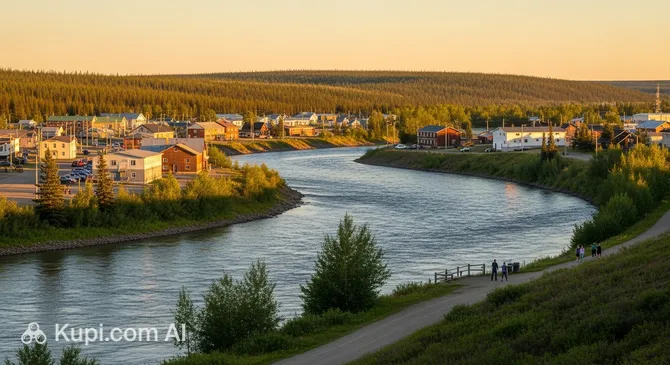
Fort Smith. Source: Kupi.Binoculars

Nature lovers are drawn here primarily because it is the headquarters and main gateway to Wood Buffalo National Park, the largest national park in the country and a UNESCO World Heritage Site. Here, you can witness free-roaming bison herds and the stunning, stark beauty of the Salt Plains. The city is also famous for the Rapids of the Drowned, a world-class destination for whitewater kayaking and rafting, which also hosts the northernmost colony of nesting white pelicans.

Additionally, as a designated Dark Sky Preserve, the area offers some of the best opportunities to view the mesmerizing Aurora Borealis without light pollution. Whether you are looking to paddle the challenging rapids, explore vast wilderness, or simply gaze at the stars, Fort Smith invites you to experience an unforgettable northern adventure.

Weather Overview

Travelers to this northern region should be prepared for significant seasonal variations. The weather in Fort Smith ranges from freezing, snowy winters to surprisingly warm and pleasant summers. Generally, you can expect warm summers with occasional rain and very cold, dry winters.

During the winter months of December through February, temperatures frequently drop, with averages hovering around -20°C and lows reaching down to -25.2°C. Precipitation is minimal during this time, though the cold ensures snow cover remains. Spring sees a gradual warm-up, transitioning from the sub-zero temperatures of March to a milder 15.9°C maximum by May.

Summer brings the best conditions for exploring, particularly in July when average temperatures sit at a comfortable 18.6°C and daily highs can reach 24.4°C. However, this is also the wettest time of year in terms of frequency, with up to 12 wet days in July. As autumn sets in, the weather cools rapidly, dropping from a mild September to a freezing November.

Interesting Facts

Beyond the main attractions and scenic river views, Fort Smith holds many fascinating secrets and quirky local features that surprise visitors. This community is not just a gateway to nature but a place where the wild world seamlessly integrates with daily life in unexpected ways.

  • Bison in the Streets: While Wood Buffalo National Park is famous for its herds, in Fort Smith, you don't always need to go to the park to see them. It is one of the few places in the world where massive wood bison are known to casually wander through town, often grazing on front lawns or strolling down the streets, much to the amusement (and occasional frustration) of local gardeners.

  • Northernmost Snakes: Despite the subarctic climate, the nearby Salt Plains are home to a surprising resident: the red-sided garter snake. This area marks the northernmost habitat for these reptiles in the world, where they survive the harsh winters by hibernating in the unique sinkholes formed by the region's karst landscape.

  • A Haven for Whooping Cranes: The wetlands surrounding the town are globally significant as the only natural nesting ground for the last remaining wild migratory flock of whooping cranes. This majestic bird, which was once on the brink of extinction, has found a safe sanctuary in the remote wilderness accessible from Fort Smith.

  • Thebacha: The town is traditionally known as Thebacha in the local Chipewyan language, which translates to "Beside the Rapids." This name pays homage to the four extensive sets of rapids on the Slave River that historically forced fur traders and explorers to portage, eventually leading to the settlement's establishment.

How to Get There

Reaching this northern community is an adventure in itself, offering a journey through some of Canada's most pristine wilderness. Most international visitors fly into major hubs like Edmonton or Yellowknife before connecting to regional services. For a complete overview of routes and transport options, you can read more about how to get to Fort Smith on our detailed page.

For those navigating the region, there are several key transport hubs nearby. You can fly into Hay River (IATA: YHY), which is located in the town of Hay River. This airport is approximately 234 km from Fort Smith. From there, you can rent a car or arrange transport; the drive takes about 3 hours via Highway 5, offering scenic views of Wood Buffalo National Park. Another option is Fort Chipewyan Airport (IATA: YPY), situated in Fort Chipewyan, roughly 145 km away. Note that ground access from this location is dependent on seasonal winter roads.

For clarity, here is a summary of the main airports:

Airport Name City Passenger Traffic Km from City
Hay River Hay River Small 233.9
Fort Chipewyan Airport Fort Chipewyan Small 144.7

Main Attractions

For those looking to immerse themselves in the rich heritage of the North, the Northern Life Museum & Cultural Centre is an essential stop. This facility houses one of the most extensive collections of Northern Indigenous and fur trade artifacts in Canada. Visitors can explore exhibits featuring traditional beadwork, tools, and clothing from the Dene, Inuit, and Métis peoples, as well as a reconstructed trapper’s cabin that offers a glimpse into the region's pioneer past. The museum also features a gallery dedicated to the natural history of the area, including the story of the endangered whooping crane.

A truly unique geological wonder awaits at the Salt Plains in Wood Buffalo National Park. Located a short drive from town, this ancient seabed covers hundreds of square kilometers with white salt crystals, creating a stark, moon-like landscape amidst the boreal forest. It is a fascinating spot for photography and exploration, where you can walk barefoot on the salt deposits and taste the saline water bubbling up from underground springs. The area is also known for its unique flora and the red-sided garter snakes often seen near the sinkholes.

Nature enthusiasts should not miss the Rapids of the Drowned, one of four immense sets of rapids on the Slave River. Accessible via a short hike or drive from the town center, this site offers spectacular viewing platforms where you can watch the raw power of the river. During the summer months, it becomes a prime location for spotting American White Pelicans, which nest on the river islands in what is the northernmost colony of its kind in the world. The rapids are also a playground for world-class kayakers, providing thrilling entertainment for spectators on the shore.

For a relaxing outdoor experience close to civilization, Queen Elizabeth Territorial Park serves as a perfect base. Situated just minutes from downtown, this park offers well-maintained camping facilities and a network of hiking trails that wind through the forest and along the riverbank. It is an excellent spot for a family picnic or an evening stroll to catch the sunset over the Slave River, offering a peaceful retreat with easy access to the town's amenities.

Local Cuisine

The culinary scene in Fort Smith is a reflection of its location in the Canadian North and rich Indigenous heritage, offering hearty, comforting meals designed to fuel adventures in the wilderness. While you won't find high-end fine dining, the town is known for its warm, unpretentious eateries where the food is homemade and the portions are generous. The local cuisine relies heavily on ingredients sourced directly from the surrounding land and waters, creating a unique "bush to table" experience for visitors.

One of the absolute must-try dishes in the region is bison. Given the town's proximity to Wood Buffalo National Park, bison meat is a local staple, celebrated for being leaner and sweeter than beef. You can often find it featured on menus in the form of juicy bison burgers, savory stews, or steaks. Another key component of the local diet is fresh fish caught from the Slave River. Pickerel (walleye) and northern pike are popular catches, often served pan-fried with a light batter or as part of a classic fish and chips meal.

No culinary tour of the North is complete without tasting bannock. This traditional First Nations bread is a versatile comfort food found throughout the territory. In Fort Smith, it might be served baked or fried, accompanying a bowl of soup, used as a bun for a burger, or simply enjoyed warm with butter and jam. During the summer months, keep an eye out for dishes incorporating locally harvested wild berries, such as saskatoons, cranberries, and raspberries, which are often transformed into delicious pies, jams, and syrups.

The dining culture here is casual and community-focused. Locals and tourists alike gather in cozy diners and cafes that serve as social hubs, especially during the cold winter months. For a true taste of local life, visit the seasonal Desnedé Farmers' Market during the summer. Here, you can sample homemade baked goods, purchase jars of local preserves, and buy fresh garden produce grown under the long hours of the midnight sun.

When it comes to drinks, the coffee culture is strong, providing a warm respite from the outdoors. You will also find standard Canadian beers and spirits available in local lounges and the Legion. For a non-alcoholic treat, look for beverages flavored with local birch syrup or wild berries, which offer a distinct taste of the boreal forest.

Travel Tips

Visiting Fort Smith offers a unique opportunity to experience the true North, but the remote location and distinct environment require a bit of extra planning. To help you make the most of your adventure in this welcoming community, here are some practical tips designed to keep you safe, comfortable, and connected.

  1. Clothing and Gear: The golden rule here is to dress in layers. In winter, thermal underwear, a heavy parka, windproof pants, and rated winter boots are non-negotiable, as temperatures can drop severely. For summer visits, bring light, breathable clothing, but always pack a waterproof jacket for sudden showers. Crucially, do not forget high-quality insect repellent and a bug net for your hat if you plan to hike; the mosquitoes and black flies in the North can be intense during June and July.

  2. Transportation: There is no public transit system like subways or city buses in the town. The central area is compact and quite walkable, but to explore the major attractions like Wood Buffalo National Park or the rapids, you will need a vehicle. Car rentals are available but limited, so book well in advance. If you are driving your own vehicle in winter, ensure it is equipped with winter tires and an engine block heater.

  3. Finances: The local currency is the Canadian Dollar (CAD). Major credit and debit cards are widely accepted at hotels, grocery stores, and restaurants. However, it is wise to carry some cash for smaller purchases at the farmers' market or local craft sales. There are banks with 24-hour ATMs located in the town center for your convenience. Tipping follows the standard practice in Canada, with 15-20% being customary for good service in restaurants.

  4. Health and Safety: The town is served by the Fort Smith Health Centre, which provides emergency and general medical services. Pharmacies are available but check their operating hours as they are not open 24/7. In terms of safety, the biggest concern is wildlife. Wood bison frequently roam the streets and highways; never approach them, as they can charge if threatened. Also, be "bear aware" if you are hiking on the trails surrounding the town.

  5. Communication: English is the primary language spoken throughout the community. You may also hear Indigenous languages such as Cree or Chipewyan, though English is universally used for tourism. Cell phone coverage is generally good within the town limits but expect it to disappear quickly once you drive out onto the highways or into the national park. Downloading offline maps before you head out on an excursion is highly recommended.

  6. Local Etiquette: The community is known for its friendly, small-town atmosphere. It is polite to greet people you pass on the street with a smile or a nod. If you are driving, a friendly wave to oncoming drivers on the highway is a common local gesture. When visiting private homes or certain cultural facilities, it is customary to remove your shoes at the door, so check for a boot rack upon entry.

  7. What to Avoid: Do not underestimate the distances between gas stations. When driving in the North, the rule of thumb is to fill up your tank whenever you have the chance, rather than waiting until it is nearly empty. Additionally, avoid speeding on Highway 5; bison often blend into the asphalt at night or emerge suddenly from the treeline.

  8. Midnight Sun and Polar Nights: Be prepared for the extreme daylight hours. In summer, the sun barely sets, which can disrupt sleep patterns; packing a good sleep mask is a lifesaver. Conversely, in winter, daylight is scarce, so plan your outdoor activities for the short window of midday light and bring a headlamp for afternoon exploration.

By keeping these practicalities in mind, you will be well-equipped to enjoy the breathtaking landscapes and warm hospitality that define this region. Whether you are here for the northern lights or the paddling adventures, a little preparation ensures your trip to the edge of the Arctic is memorable for all the right reasons.

Entertainment & Nightlife

Entertainment and nightlife in Fort Smith reflect the town's close-knit, friendly character. You will not find sprawling nightclub districts or 24-hour party zones here; instead, the evening scene revolves around cozy lounges, community gatherings, and the natural spectacle of the night sky. The atmosphere is distinctively "northern"—casual, unpretentious, and welcoming, where locals and visitors mingle freely to share stories of the day's adventures over a pint.

The center of social life after dark is typically found along the main thoroughfares near the downtown core. One of the most popular spots to unwind is the lounge at the Pelican Rapids Inn. It serves as a classic meeting place where you can enjoy a relaxed drink, play a game of pool, and experience the local hospitality firsthand. Another key venue is the Royal Canadian Legion (Branch 236), which often welcomes guests for social evenings, occasional live music events, and a chance to chat with residents in a laid-back setting. The dress code everywhere is strictly casual; jeans, flannel, and outdoor gear are the norm.

For those seeking entertainment beyond the bar scene, the "nightlife" often involves nature itself. As a Dark Sky Preserve, the town offers a celestial show that rivals any city lights. During the winter months, chasing the Aurora Borealis is the premier nocturnal activity. In the summer, the midnight sun means outdoor activities like golfing at the Pelican Rapids Golf & Country Club can stretch well into the late evening hours. During the day, visitors can enjoy the Fort Smith Recreation Centre, which serves as a hub for fitness and community events, or visit the local cinema screenings that occasionally take place there.

When venturing out at night, practicalities are important. Most venues close earlier than in major cities, often by 11:00 PM or midnight, so it is best to start your evening early. Prices for drinks and food are reasonable but reflect the remote location. Getting around is generally done by walking if you are staying centrally, or by calling a local taxi service, as ride-sharing apps are not available. While the town is very safe for pedestrians in terms of crime, you must remain vigilant for wildlife. It is not uncommon to encounter wood bison grazing on the boulevards or resting on warm pavement after dark, so always carry a flashlight and keep a safe distance.

Parks & Museums

Fort Smith is a community where the line between the wild boreal forest and settled heritage is delightfully blurred. For visitors, this means that exploring the local parks and cultural centres is as much about stepping into history as it is about enjoying the pristine outdoors. The town offers a selection of accessible green spaces and deeply informative cultural institutions that reflect its status as the gateway to the North.

Queen Elizabeth Territorial Park is the crown jewel of the town's green spaces, conveniently located just minutes from the centre. This park is a favourite among both locals and tourists for its well-maintained hiking trails that offer sweeping views of the Slave River. It serves as an excellent vantage point for observing the Rapids of the Drowned and the white pelicans that frequent the waters in summer. With its equipped campground and picnic areas, it provides a perfect blend of comfort and wilderness access.

While technically a vast region, Wood Buffalo National Park serves as the town's backyard and primary natural playground. Visitors often head specifically to the Salt Plains viewing area or Pine Lake for day trips. Pine Lake is particularly notable for its turquoise waters formed by karst sinkholes, offering a sandy beach that feels unexpectedly tropical in the middle of the northern forest. It is a prime spot for swimming, picnicking, and simply soaking in the tranquility of the wild.

For a deep dive into the region's heritage, the Northern Life Museum & Cultural Centre is the premier destination. This facility is far more than a typical small-town museum; it houses a remarkable collection of over 13,000 artifacts. Exhibits cover the rich history of the Dene, Cree, and Métis peoples, as well as the era of the fur trade. A highlight for many is "Canus," the taxidermied whooping crane that was instrumental in the recovery program for this endangered species. The museum also features a reconstructed trading post and trapper's cabin, allowing visitors to walk through the history of life in the North.

Art enthusiasts should visit the Rusty Raven Gallery, which acts as a vibrant hub for the local arts scene. While it functions as a gift shop and cafe, it serves a gallery role by showcasing the work of artisans from across the Northwest Territories. Here, you can admire and purchase authentic northern creations, including traditional beadwork, tufting, and paintings that capture the spirit of the subarctic landscape.

History buffs will appreciate the Fort Smith Mission Territorial Park. This day-use area preserves the site of the original Oblate Catholic Mission, which played a central role in the town's founding and development. A self-guided walking tour takes you past the remains of historic foundations and through heritage gardens, with interpretive signage explaining the mission's influence on education and agriculture in the region during the early 20th century.

For an authentic local experience, take a walk along the Thebacha Trail. This scenic path winds along the riverbank and connects the town to the mission site, offering a peaceful route where you might spot foxes or even a wandering bison grazing near the trail. It is a quiet reminder of how nature and community coexist harmoniously in this unique northern town.

Getting Around

Unlike larger metropolitan areas, Fort Smith does not have a public transportation network. There are no subways, trams, or municipal bus services operating within the town. The community is small and compact, meaning that the complex transit infrastructure found in big cities is simply not necessary here. Visitors should not expect to find bus stops, schedules, or transit maps upon arrival.

Because there is no public transit system, there are no travel passes, transport cards, or ticket validation machines to worry about. You will not need to download any specific transit apps or purchase reloadable smart cards. For the few transport options that do exist, such as taxis, payment is typically straightforward, involving cash or credit cards directly to the service provider.

The primary alternative for getting around without a personal vehicle is the local taxi service. Taxis are reliable and familiar with the area, making them a convenient option for quick trips across town or to and from the airport. It is important to note that you cannot typically hail a cab from the street; you must call the dispatch number to book a ride. While some drivers may accept cards, it is always a practical piece of advice to carry some cash, particularly smaller bills, to ensure a smooth transaction.

For many visitors, the most enjoyable way to navigate the central part of the town is simply by walking. The downtown core is flat and pedestrian-friendly, with most shops, restaurants, and local services located within a short distance of each other. During the warmer months, renting a bicycle can also be a pleasant way to explore the local streets and nearby trails, offering a bit more range than walking while allowing you to enjoy the fresh northern air.

If you plan to explore beyond the town limits, such as visiting Wood Buffalo National Park or the Salt Plains, renting a car is essential. There are limited car rental agencies available, so it is highly recommended to reserve a vehicle well in advance of your trip. Having your own car provides the freedom to explore the vast wilderness surrounding the community at your own pace, which is the best way to experience the region.

Accommodation

When planning a stay in Fort Smith, travelers should expect a cozy and authentic northern experience rather than the sprawling hotel chains found in larger cities. The accommodation landscape here is intimate and limited, primarily consisting of independent hotels, motels, and charming bed and breakfasts. These establishments are known for their friendly service and often serve as information hubs where hosts are eager to share tips about the local area.

Most accommodation options are conveniently located within the town center, making them easily accessible to local shops, restaurants, and the Slave River. Staying centrally means you are never far from key sites like the museum or the recreation centre. For those who prefer a closer connection to the outdoors during the summer months, the campground at Queen Elizabeth Territorial Park offers a scenic and budget-friendly alternative, situated just on the edge of town with excellent facilities.

Booking in advance is highly recommended, particularly during the peak summer season (June to August) when the town hosts festivals and welcomes visitors heading to Wood Buffalo National Park. Similarly, if you are visiting in winter for the aurora viewing, securing your room early is wise as capacity can fill up quickly due to the small number of providers. Prices generally reflect a mid-range budget, and while some properties appear on major online booking platforms, contacting smaller bed and breakfasts directly is often the best way to secure a reservation and confirm specific amenities.

Nearby Cities

For those looking to explore the surroundings, Fort Smith serves as an excellent base for day trips to several interesting nearby locations. While the vast distances of the Northwest Territories mean that "nearby" is a relative term, there are unique communities and historic sites within reach that offer a deeper understanding of this remote region.

Just a short drive south across the border into Alberta lies the hamlet of Fort Fitzgerald. Situated approximately 25 kilometers away, it is historically linked to Fort Smith as the southern terminus of the famous portage route around the Slave River rapids. It is an ideal destination for a true day trip, where visitors can explore the history of the fur trade and enjoy a picnic by the river. For a more urban experience, a short flight or a longer scenic drive can take you to Yellowknife, the territorial capital. Known for its vibrant Old Town, floating houseboats, and status as a prime aurora viewing capital, it makes for an exciting short visit to contrast with the quiet nature of the South Slave region.

To the south, Fort McMurray serves as a major gateway to the boreal forest. Although it is a significant journey by road, it is a key regional hub that connects the wilderness of the north with the rest of Alberta. Exploring these neighboring areas allows travelers to appreciate the sheer scale of the landscape and the resilience of the communities that thrive here.

City Population Distance (km)
Fort McMurray 71589 366
Yellowknife 19569 304
The Nation 12808 541
Slave Lake 7000 555
Peace River 6943 528

These nearby destinations offer a glimpse into the diverse culture and landscapes of the region.

Shopping & Souvenirs

Shopping in Fort Smith offers a distinctively northern experience that prioritizes local authenticity over mass-market retail. While you will not find sprawling shopping complexes or high-street fashion chains here, the town provides a selection of charming independent stores that cater to both daily needs and the desire for unique regional treasures. The retail scene is intimate and friendly, often allowing visitors to meet the business owners and artisans personally.

The main shopping activity is concentrated in the downtown core, particularly along McDougal Road and Portage Avenue. This compact area is easily walkable, allowing you to browse the key establishments without needing a vehicle. Here, you will find a mix of essential services, grocery retailers, and specialty gift shops that serve as the commercial heart of the community.

There are no large shopping malls in the city. Instead, the retail landscape is anchored by general stores that have served the population for decades. A prime example is Kaeser's Stores, a family-run establishment that functions as a local department store. It offers a little bit of everything, from groceries and hardware to clothing and toys, reflecting the self-sufficient nature of this remote region. The Northern Store is another key fixture, providing general merchandise and food tailored to life in the North.

For a taste of local flavor, the Desnedé Farmers' Market is a highlight during the summer months. Held on Saturdays from July to September near the Community and Recreation Centre, this market is the best place to find fresh garden produce grown under the midnight sun, homemade baked goods, and handcrafted items. It serves as a vibrant community gathering spot where you can chat with residents and purchase goods directly from the makers.

When it comes to souvenirs, Fort Smith is an excellent place to buy authentic Indigenous art and northern crafts. The Rusty Raven Gallery & Gift is a must-visit for tourists, offering a curated selection of paintings, prints, and gifts, along with a coffee bar. Additionally, the gift shop at the Northern Life Museum & Cultural Centre features beautiful beadwork, traditional moccasins, and moose hair tufting created by artists from the South Slave region. Look for birch syrup, a delicious local specialty, or books about the history of the Northwest Territories to take home.

Store hours are generally consistent, with most businesses open from 9:00 AM to 6:00 PM, Monday through Saturday. Some larger stores may have extended evening hours on Thursdays or Fridays. On Sundays, many smaller shops are closed, though grocery retailers usually operate on a reduced schedule. Payment is straightforward, with Canadian Dollars (CAD) being the standard currency. Credit and debit cards are widely accepted, but carrying some cash is recommended for the farmers' market or smaller purchases.

Travelers should note that while there is no tax-free shopping program for tourists in Canada, shopping in the Northwest Territories has a financial advantage. The territory does not charge a Provincial Sales Tax (PST), so you only pay the 5% federal Goods and Services Tax (GST) on most goods and services, making it one of the more affordable jurisdictions in the country for retail purchases.

Reached the end of the page?

That means the route is fully explored