Support

Igloolik

About

Welcome to Igloolik, a fascinating hamlet located on a small island in the Foxe Basin within the Qikiqtaaluk Region of Nunavut. This vibrant community offers a profound connection to the Arctic landscape and is renowned as a cultural center in northern Canada. With a population of approximately 1,700 residents, it provides an intimate yet lively atmosphere where traditional Inuit values blend seamlessly with modern artistic expression.

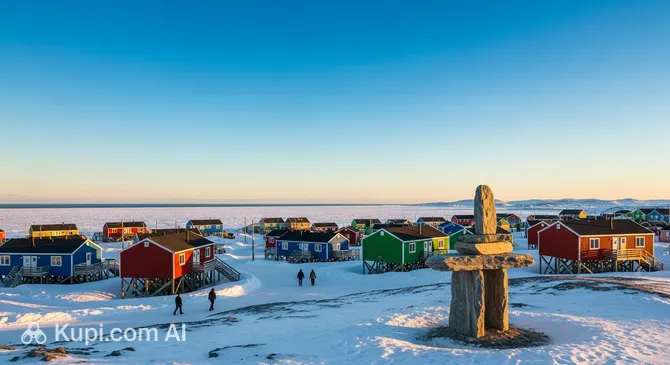
Igloolik. Source: Kupi.Binoculars

The region is steeped in heritage, having been inhabited for over 4,000 years, making it one of the oldest populated areas in the High Arctic. Visitors interested in the past can delve deeper into the history of Igloolik to learn how generations have thrived in this distinct environment. The name itself translates to "place of houses" or "place of igloos," reflecting its long-standing importance as a settlement.

Travelers are drawn here not only for the heritage but for the thriving arts scene and incredible wildlife. Igloolik is famous globally for its award-winning films and the unique Artcirq, an Inuit circus troupe that combines traditional games with modern circus techniques. Nature enthusiasts will appreciate the proximity to abundant wildlife, including massive herds of walruses, bowhead whales, and polar bears, often spotted near the floe edge.

Whether you visit to witness the endless daylight of the Midnight Sun or the dancing colors of the Aurora Borealis during the winter months, Igloolik promises an unforgettable adventure. It is a destination that truly captures the spirit of the North, inviting you to experience its warmth and wonder firsthand.

Weather Overview

Igloolik experiences a true high-Arctic climate, characterized by long, frigid winters and short, cool summers. Travelers planning a trip should be well-prepared for extreme cold, as temperatures remain below freezing for the majority of the year. The weather in Igloolik is dry and crisp, with the coldest conditions occurring early in the year.

February is typically the coldest month, with average temperatures dropping to around -30.7°C and lows reaching -32.6°C. Precipitation during the winter months of January through March is negligible, often recorded at 0mm. As the season transitions into spring, temperatures slowly moderate, rising to an average of -5.7°C in May.

The summer season brings a brief thaw, with July being the warmest month, boasting an average temperature of 8.1°C and highs up to 11.1°C. While rainfall volume remains low year-round—rarely exceeding 2mm in a month—the frequency of precipitation increases in late summer and autumn. October sees the most activity with about 11 wet days before the deep freeze returns in November. Expect cool summers with occasional light rain and very cold, dry winters.

Interesting Facts

Beyond its scenic beauty and artistic reputation, Igloolik holds intriguing secrets that weave together cinematic history and geological wonders. These lesser-known facts offer a deeper glimpse into what makes this Arctic hamlet truly unique.

  • Hollywood of the North: This small community is the birthplace of Atanarjuat: The Fast Runner, the first feature film written, directed, and acted entirely in Inuktitut. This cinematic achievement has earned the hamlet the nickname "Hollywood of the North," with the local production company, Isuma, gaining global acclaim at prestigious festivals like Cannes.

  • Rising from the Sea: The region provides a clear example of isostatic rebound, a process where the land rises after the heavy weight of Ice Age glaciers is removed. This geological phenomenon has preserved ancient beach ridges high above the current sea level, creating a natural timeline that allows archaeologists to map settlements dating back thousands of years.

  • Historic Wintering Site: In 1822, the British explorer Sir William Edward Parry spent the winter here with his ships, the Hecla and the Fury. The lengthy and peaceful interaction between his crew and the local Inuit resulted in some of the earliest and most detailed written records of Inuit culture, songs, and legends in Canada's history.

How to Get There

Reaching this remote Arctic destination is an adventure in itself, primarily relying on air travel due to its location on an island in the Foxe Basin. There are no roads connecting the hamlet to the rest of Canada, making flights the lifeline for residents and visitors alike. For a comprehensive guide on planning your journey, you can read more about how to get to Igloolik.

The most convenient arrival point is the local Igloolik Airport (YGT), situated directly in the hamlet. As a small regional hub, it handles essential connections and supplies. The airport is located just 1.6 km from the center of the community, making the transfer extremely quick; a taxi or shuttle ride typically takes only 3 to 5 minutes. While the facility is modest in size, it serves as the main gateway for travelers coming from southern hubs or neighboring communities.

Another regional option is the airport in Hall Beach (YUX), located in the nearby community of Hall Beach. It is approximately 70.6 km away from Igloolik. While it is a separate settlement, it is one of the closest neighbors in this vast territory. A theoretical overland journey would take around 2 hours, though travel between these communities is often done by short flights or, in winter, by snowmobile or dog sled over the ice.

For clarity, here is a summary of the main airports:

Airport Name City Passenger Traffic Km from City
Igloolik Airport Igloolik Small 1.6
Hall Beach Hall Beach Small 70.6

Main Attractions

While Igloolik is a small, remote community, it offers unique landmarks and experiences that deeply connect visitors to the Arctic environment and Inuit culture. The attractions here are less about commercial tourism and more about immersing oneself in the history, science, and raw nature of the North.

One of the most iconic structures in the hamlet is the Igloolik Research Centre. Instantly recognizable by its distinctive mushroom-like shape—an architectural design intended to prevent snowdrifts from accumulating against the walls—this facility serves as a focal point for Arctic science. It plays a crucial role in documenting traditional Inuit knowledge and conducting environmental research. For visitors, it stands as a symbol of the community's dedication to preserving both its heritage and its future.

Nature enthusiasts will find the surrounding Foxe Basin to be a spectacular natural attraction. The nutrient-rich waters make this area a sanctuary for marine wildlife, particularly Atlantic walruses. Travelers often venture to the "floe edge"—where the land-fast ice meets the open water—to witness massive herds of walruses, bowhead whales, and polar bears. It is considered one of the best places in the Arctic for wildlife photography and observation.

For those interested in history, the region is an open-air museum of archaeology. The area features significant sites such as Alarnerk, where ancient raised beaches reveal the long timeline of human habitation. Visitors can see the remains of sod houses and tent rings left by the Dorset and Thule people thousands of years ago. These sites provide a tangible link to the ancestors of the modern Inuit and offer a profound perspective on survival in this harsh climate.

Local Cuisine

The culinary landscape of Igloolik is deeply rooted in the traditions of the Inuit, where the concept of "country food" (niqipiaq) takes center stage. Cuisine here is not about elaborate spices or complex techniques, but rather about the freshness of the ingredients and a profound connection to the land and sea. For visitors, tasting these local staples offers a genuine insight into how the community has thrived in the Arctic environment for thousands of years.

The most famous and unique delicacy in Igloolik is igunaq, a dish made from fermented walrus meat. Because the region is a hub for walrus hunting, this specialty is more common here than in many other parts of Nunavut. The meat is buried in the ground during the summer and left to ferment, developing a rich, cheese-like flavor and texture that is prized by elders and locals. Other must-try traditional foods include Arctic char, which is often eaten frozen and raw (quaq) or dried (pipsi), and caribou, which is served in hearty stews or as dried jerky.

When it comes to beverages, hot tea is the undisputed staple of daily life, often consumed strong and sweet to provide warmth and energy. Travelers should be aware that Igloolik is a restricted community regarding alcohol. There are no bars or liquor stores in the hamlet, and bringing alcohol in requires a special permit. As a result, the social culture revolves less around nightlife and more around community gatherings, feasts, and sharing meals in private homes.

Dining options for tourists are limited but welcoming. The main places to find a meal are usually the local hotels, such as the Tujurmivik Hotel or the restaurant at the Co-op Inns North. These spots typically serve standard Canadian comfort food like burgers and fries, but they are also known for surprising treats like "Arctic Char pizza." While restaurants are few, the true heart of Igloolik's food culture is found in sharing; if you are lucky enough to be invited to a community feast or a local's home, do not miss the chance to experience the warmth of Inuit hospitality.

Travel Tips

Visiting a remote Arctic community requires a different level of preparation than a standard holiday, as the environment and local customs play a huge role in your daily experience. To help you navigate your journey to Igloolik smoothly and respectfully, here are some essential practical tips to keep in mind.

  1. Clothing and Gear: Function must always triumph over fashion in the Arctic. In winter, you will need a certified parka, insulated wind pants, and boots rated for at least -40°C. Layering is critical: use wool or synthetic base layers, never cotton. If you visit in summer, bring a high-quality bug jacket or head net, as the mosquitoes can be relentless on the tundra. Sunglasses are essential year-round to prevent snow blindness from the glare of the sun on ice.

  2. Transportation: There are no car rental agencies like Hertz or Avis here. The hamlet is compact and easily walkable, but for longer distances or airport transfers, local taxis are available and typically charge a flat rate per person (cash is usually required). For excursions onto the land or ice, you cannot go alone; you must hire a local guide with a snowmobile or ATV, as navigating the terrain requires expert knowledge.

  3. Finances: The local currency is the Canadian Dollar (CAD). While the main stores (Northern Store and Co-op) accept credit and debit cards, it is highly recommended to bring cash for buying art from local carvers, paying for taxis, or tipping guides. There are ATMs located in the main stores, but they can occasionally be out of service. Be prepared for high prices on groceries and supplies due to shipping costs.

  4. Health and Safety: The Igloolik Health Centre provides basic medical care, but serious emergencies require a medical evacuation flight to a southern city, which is weather-dependent. Safety here also involves wildlife; polar bears are a real presence. Never wander outside the town limits without a local guide or a firearm monitor. Always stay alert, even within the edges of the community.

  5. Communication: English is widely spoken, but Inuktitut is the primary language of the home and street. Learning a simple greeting like "Ullukkut" (Good day) is deeply appreciated by elders. Cell phone service is available but can be spotty and is generally limited to specific providers (like Bell or local networks). Wi-Fi is available in hotels but may be slower than what you are used to, so download maps and entertainment beforehand.

  6. Local Etiquette: It is customary to remove your boots immediately upon entering a home, hotel room, or even some offices to keep the floors dry and clean from snow and mud. When interacting with locals, patience is a virtue; the pace of life is slower here. Always ask for explicit permission before taking photographs of people, children, or their property (including sled dogs).

  7. What to Avoid: Do not bring alcohol without checking the current regulations. Igloolik is a restricted community, meaning you often need permission from the local Alcohol Education Committee to import spirits, and there are no liquor stores in town. Ignoring these rules is disrespectful and can lead to legal issues. Also, never feed or approach sled dogs; they are working animals, not pets.

  8. Shopping Tip: If you have specific dietary requirements or crave certain snacks, pack them in your luggage. While the local grocery stores are well-stocked, fresh produce and specialty items can be incredibly expensive or unavailable if a supply flight has been delayed by weather.

By packing the right gear and approaching the community with an open heart and respect for its traditions, you will find your time in Igloolik to be truly rewarding. The warmth of the people and the stunning reality of life in Canada's High Arctic will leave you with stories to tell for a lifetime.

Entertainment & Nightlife

Nightlife in Igloolik is a unique experience that defies the typical expectations of urban entertainment. Travelers should be aware that this is a quiet, close-knit hamlet where the nightlife is defined not by neon lights and nightclubs, but by community gatherings, traditional festivities, and the spectacular natural environment. Because Igloolik is a "restricted" community regarding alcohol, you will not find bars, pubs, or liquor stores here. The social atmosphere is warm and inviting, but it revolves around private homes, community centers, and the great outdoors rather than commercial drinking venues.

For visitors, the evening social scene is concentrated in a few key locations where locals and travelers mix. The dining room at the Tujurmivik Hotel often acts as a de facto lounge in the evenings, where guests can relax after a day of exploration, though it remains a quiet, alcohol-free environment. It is a good place to meet other travelers, researchers, and workers to swap stories about life in the High Arctic. The atmosphere is casual and relaxed, with no dress code other than comfortable, warm clothing.

The true pulse of entertainment in the hamlet beats at the Igloolik Community Hall. This venue is the center of social life, frequently hosting events that run late into the evening. Depending on when you visit, you might stumble upon a high-energy square dance accompanied by live accordion music, a testament to the region's Scottish whaling history blended with Inuit culture. High-stakes community Bingo is another incredibly popular pastime here; it is a serious social event and a fascinating cultural experience for respectful visitors to observe.

Sports also play a massive role in evening entertainment. The Igloolik Arena is often bustling with activity long after the sun goes down (or during the dark afternoons of winter). Hockey is a passion in the North, and watching a local game is a great way to immerse yourself in the community spirit. The crowd is enthusiastic and welcoming, making it one of the liveliest spots in town during the hockey season.

In the winter, the most spectacular "nightclub" is the sky itself. With minimal light pollution, the hamlet is a prime location for viewing the Aurora Borealis. The northern lights often dance directly over the town, providing a mesmerizing show that lasts for hours. Conversely, during the summer months of the Midnight Sun, "nightlife" simply means hiking, boating, or chatting outside at 2:00 AM under bright sunlight, blurring the lines between day and night entirely.

When venturing out in the evening, safety is the top priority. The primary concern is not crime, but wildlife. Polar bears can and do enter the hamlet, especially under the cover of darkness or during foggy weather. It is strictly advised never to walk alone at night to the outskirts of town. Always stay within well-lit central areas or travel by vehicle. Local taxis are available and usually charge a flat fee of around $8 to $10 per person, which is the safest way to get from the Community Hall or Arena back to your accommodation.

During the daytime, entertainment shifts towards cultural immersion. While there are no large amusement parks, the hamlet is a world-renowned hub for the arts. You might visit the operations of Isuma Productions, the collective behind Atanarjuat: The Fast Runner, or see if the Artcirq troupe is rehearsing their unique blend of Inuit games and modern circus performance. For a quieter experience, simply walking through town allows you to see local carvers working on soapstone or whale bone outside their homes, keeping the artistic traditions of the region alive.
Parks & Museums

In Igloolik, the concept of a "park" or "museum" differs vastly from the manicured gardens and curated halls found in southern cities. Here, the entire landscape serves as a vast, unfenced natural reserve, and the culture is so vibrant that the community itself feels like a living museum. Visitors come to experience a heritage that breathes through the daily life of the residents and a wilderness that stretches endlessly into the horizon.

While you won't find designated city parks with playgrounds and paved paths, the shores of Turton Bay act as the community's central recreational space. In the summer, the bay transforms into a hub of activity where families gather, children play near the water, and boats depart for hunting or camping trips. It is a perfect spot for a contemplative walk to watch the Midnight Sun dip toward the horizon without ever setting, offering a peaceful connection to the Arctic waters right at the hamlet's doorstep.

For a truly immersive natural experience, the surrounding Tundra and the nearby Floe Edge (sinaaq) serve as the ultimate wilderness park. This dynamic boundary where the land-fast ice meets the open sea is teeming with life. Depending on the season, it serves as a viewing gallery for nature's grandest spectacles, including migrating birds, seals, and walruses. It is a raw, unmanaged environment that offers hiking and photography opportunities unmatched by any traditional park, though it must always be explored with a knowledgeable local guide for safety.

In terms of cultural institutions, the Igloolik Research Centre is the most prominent landmark. While primarily a scientific facility, its unique architecture—resembling a spaceship or a mushroom—makes it an attraction in its own right. Inside, it houses a library and archives that document Inuit oral history and traditional knowledge. Although it is not a public museum in the conventional sense, it stands as a testament to the preservation of local culture and often welcomes interested visitors who wish to learn about the scientific and anthropological work conducted in the region.

The artistic spirit of the town serves as an open-air gallery. Igloolik is world-famous for its soapstone carvers, and you will often see artists working outside their homes during the warmer months. The local Co-op often displays a selection of these intricate sculptures, acting as a small gallery where you can view and purchase authentic Inuit art. Watching a master carver transform a rough stone into a polar bear or hunter is a museum-quality experience that happens casually on the streets of the hamlet.

History enthusiasts must visit the Alarnerk National Historic Site. Located east of the hamlet, this archaeological wonder features the remains of sod houses and substantial ruins from the Dorset and Thule cultures. The site is situated on raised beach ridges, which were once at sea level but have been lifted by isostatic rebound. Walking among these ancient dwellings provides a haunting and powerful connection to the people who thrived in this harsh climate thousands of years ago.

For an insider tip, keep an eye out for the Inuksuk markers scattered across the land. These stone landmarks are not just photo opportunities; they are ancient communication tools used for navigation and hunting. Ask a local elder to explain the specific meaning of different Inuksuk shapes—some point to good fishing spots, while others warn of danger—to gain a deeper appreciation of the landscape's hidden language.

Getting Around

Travelers arriving in Igloolik should immediately adjust their expectations regarding public transportation. As a small, remote hamlet with a population of fewer than 2,000 residents, there is no conventional public transit system. You will not find subways, city buses, trams, or trains here. The community is compact, and the infrastructure is designed for a different pace of life and distinct environmental challenges.

The primary form of "public" transport for visitors is the local taxi service. Taxis in the hamlet operate differently than in major cities; they function more like a shared shuttle service. You typically cannot hail them from the street. Instead, you must call the dispatch number to request a ride. It is common for the driver to pick up multiple passengers heading to different destinations along the way, making it a communal experience.

Regarding payment, cash is essential. The taxi system usually operates on a flat-rate basis per person, per trip, regardless of the distance within the town limits. The cost is generally around $8 to $10 CAD per passenger. Credit cards, travel passes, and mobile apps like Uber or Lyft are not available or accepted for transport here. Visitors should ensure they carry enough small bills and coins, as drivers may not always have change for large denominations.

For most tourists, walking is a viable and popular alternative. The hamlet is small enough to traverse on foot, with most key locations—such as the hotel, the Co-op, and the Northern Store—located within a 10 to 15-minute walk of each other. However, walking requires preparation. In winter, extreme cold and wind chill demand high-quality gear, while in summer, the roads can be dusty or muddy. Always remain aware of your surroundings due to the potential presence of wildlife, such as polar bears, even near the town's edge.

While you cannot rent a car, you will notice that locals rely heavily on ATVs (All-Terrain Vehicles) in the summer and snowmobiles in the winter. These are the true workhorses of the Arctic. Tourists generally cannot rent these for self-driving due to safety and insurance reasons, but they are the standard mode of travel for guided tours or excursions onto the land and sea ice. If you book a tour with a local outfitter, transportation by qamutik (a traditional wooden sled pulled by a snowmobile) is often part of the adventure.

Practical advice for navigating the hamlet includes keeping the local taxi number saved in your phone, as service hours can vary, often winding down late in the evening. For airport transfers, while the terminal is very close to town (less than 2 km), it is advisable to arrange a pickup with your hotel or call a taxi in advance, especially during the freezing winter months when walking with luggage is difficult.

Accommodation

Accommodation in Igloolik is limited and reflects the remote, functional nature of the High Arctic. Visitors should not expect sprawling luxury resorts, chain hotels, or budget hostels. Instead, the options consist of small, locally run hotels and inns that provide warm hospitality, essential amenities, and a cozy refuge from the elements. These establishments are designed primarily to serve visiting professionals, researchers, and government workers, but they welcome tourists with open arms.

Given the compact size of the hamlet, location is rarely an issue. Almost all accommodation is centrally located, placing you within easy walking distance of the airport, the Northern Store, the Co-op, and the shoreline. Whether you stay near the center of town or slightly closer to the bay, you will be conveniently positioned to explore the community on foot and access local services.

The most prominent place to stay is the Tujurmivik Hotel. It is well-regarded for its dining room, which serves as a social hub for guests and locals alike. Another reliable option is the Igloolik Co-op Hotel, which operates under the Inns North network. These facilities typically offer comfortable, modest rooms with private or shared bathrooms, laundry facilities, and inclusive meal plans, which are highly convenient given the limited number of standalone restaurants in town.

Booking Tip: Capacity is very limited in Igloolik, and hotels can fill up quickly with construction crews or government officials, especially during the summer construction season. It is crucial to book your room weeks or even months in advance. Do not rely on last-minute availability upon arrival.

Regarding costs, travelers should be prepared for High Arctic pricing. Accommodation here is generally in the expensive range compared to southern standards, often costing several hundred dollars per night. This reflects the high cost of operating and shipping supplies to the North. While some properties may appear on major online booking platforms, it is often more effective and reliable to contact the hotels directly via phone or email to confirm rates and secure your reservation.

Nearby Cities

Exploring the vastness of Nunavut often involves visiting multiple communities to truly appreciate the diversity of the Arctic landscape. While the distances between settlements are significant and travel typically requires short regional flights rather than road trips, Igloolik serves as a wonderful point of connection to other unique locations. These neighboring communities are not just quick excursions but distinct destinations that act as perfect next stops on a comprehensive northern itinerary.

One of the most spectacular regional connections is Pond Inlet. Known as the "Jewel of the North," it offers breathtaking views of Eclipse Sound and the dramatic peaks of Bylot Island. As one of the closer communities to Igloolik, it is a world-renowned destination for spotting narwhals and exploring majestic glaciers, providing a scenic contrast to the rolling terrain of the Foxe Basin.

As the capital of Nunavut, Iqaluit acts as the primary gateway for travelers entering or leaving the territory. Situated on Frobisher Bay, it blends traditional Inuit culture with modern urban amenities. Visitors can explore the Nunatta Sunakkutaangit Museum, visit the legislative assembly, and experience a vibrant arts scene, making it an essential hub for anyone looking to understand the modern development of the region.

For those seeking dramatic landscapes, Pangnirtung is an unforgettable stop. Often called the "Switzerland of the Arctic," it sits nestled in a deep fjord surrounded by towering mountains and serves as the gateway to Auyuittuq National Park. The community is also celebrated for its unique tapestry studio and printmaking shop, attracting art lovers and outdoor adventurers alike.

City Population Distance (km)
Iqaluit 7740 858
Rankin Inlet 2800 865
Baker Lake 2069 838
Pond Inlet 1600 396
Pangnirtung 1600 766

These destinations offer a deeper glimpse into the diverse culture and environments of the territory, rewarding those who take the time to explore beyond a single settlement.

Shopping & Souvenirs

Shopping in Igloolik is a distinct experience that differs greatly from the commercial retail therapy found in southern cities. As a remote hamlet in the High Arctic, there are no sprawling shopping malls or designer boutiques. Instead, the shopping scene is functional and community-focused, centered around essential goods and the incredible artistic output of the local residents. The town is renowned for its skilled artisans, making it one of the best places in Canada to purchase authentic Inuit art directly from the source.

The "shopping district" is essentially the heart of the community, where the two primary general stores are located. These establishments serve as the lifeline for the hamlet, selling everything from fresh produce and dry goods to snowmobiles, furniture, and clothing. Visitors will find that these stores act as the main gathering spots, bustling with activity and offering a glimpse into the daily logistics of life in the North.

There are no shopping malls in Igloolik. The closest equivalent is the Northern Store or the Igloolik Co-op. These large, multi-purpose retailers function as department stores, grocery markets, and hardware suppliers all rolled into one. They are the go-to places for travelers needing to restock on supplies, buy snacks, or purchase standard winter gear. Both stores also typically carry a selection of local art and handicrafts, acting as informal galleries for the community's artists.

While there are no formal flea markets, the entire hamlet operates as an organic marketplace for art. Souvenirs are the highlight of shopping here, with a focus on soapstone carvings, intricate jewelry, and sculptures made from whale bone or walrus ivory. Visitors may also find beautifully handcrafted clothing, such as sealskin mitts, kamiks (boots), and amautis (parkas). It is common for local carvers to approach visitors respectfully to offer their latest creations, providing a unique opportunity to meet the artist and hear the story behind the piece.

When purchasing souvenirs, particularly those made from wildlife products like ivory or bone, it is crucial to be aware of regulations. Travelers should ask for documentation or certificates of origin, especially if they plan to export these items internationally, as strict laws (such as CITES) govern the transport of certain animal materials across borders.

Store opening hours generally follow standard business times, opening around 9:00 AM or 10:00 AM and closing by 6:00 PM or 7:00 PM. Hours may be reduced on weekends, and some smaller businesses may close for lunch. Regarding payment, the main stores (Northern and Co-op) accept major credit and debit cards. However, if you plan to buy art directly from local carvers or artisans, cash is the preferred and often the only accepted method. It is highly advisable to carry sufficient Canadian currency for these transactions.

Tourists will appreciate that Nunavut has a simplified tax structure compared to many other Canadian jurisdictions. There is no Provincial Sales Tax (PST) in the territory; shoppers only pay the federal Goods and Services Tax (GST) of 5%. While there is no specific tax-free refund program for general tourist goods in Canada anymore, the low tax rate makes purchasing higher-value items like artwork slightly more affordable here than in provinces with harmonized sales taxes.

Nearby cities

Reached the end of the page?

That means the route is fully explored