Support

Pangnirtung

About

Welcome to Pangnirtung, a breathtaking hamlet nestled in the heart of Baffin Island in the territory of Nunavut. Often referred to as the "Switzerland of the Arctic," this community is renowned for its spectacular scenery, featuring towering mountains and a deep, pristine fjord. Located in northern Canada, just south of the Arctic Circle, Pangnirtung offers a truly unique atmosphere where traditional Inuit culture blends seamlessly with the dramatic natural landscape.

The geography of the area is defined by the majestic Pangnirtung Fjord, which leads into the rugged terrain of the Cumberland Peninsula. With a population of approximately 1,600 residents, the town maintains a close-knit and welcoming vibe. The climate here is distinctly Arctic, with long, snowy winters that transform the region into a wonderland for outdoor enthusiasts, and cool, bright summers under the midnight sun.
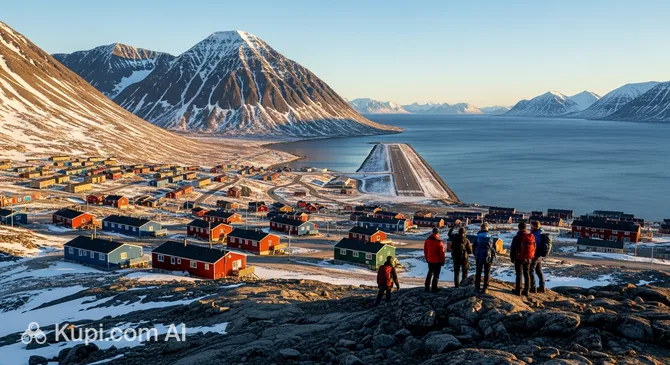
Pangnirtung. Source: Kupi.Binoculars

Culturally, the town is a vibrant hub for art and heritage. The history of Pangnirtung is deeply rooted in the traditions of the Inuit people and the legacy of the whaling industry, which played a significant role in the community's development. Today, it is famous for the Uqqurmiut Centre for Arts and Crafts, where visitors can admire and purchase world-class woven tapestries and prints created by local artists.

For adventure seekers, Pangnirtung serves as the southern gateway to Auyuittuq National Park, a wilderness area celebrated for its glaciers and iconic peaks like Mount Thor and Mount Asgard. Whether you are hiking through the Akshayuk Pass or simply soaking in the views of the fjord, the natural beauty here is unparalleled. We invite you to experience the warmth and wonder of Pangnirtung, a destination that promises an unforgettable Arctic adventure.

Weather Overview

Pangnirtung experiences a classic Arctic climate, defined by long, frigid winters and short, cool summers. To help you pack appropriately for your visit, it is essential to review the detailed weather in Pangnirtung. The coldest period occurs early in the year, with February seeing average temperatures drop to around -29.0°C, and lows occasionally reaching -31.2°C, making thermal protection vital for any outdoor exploration.

The summer months offer a brief respite from the deep freeze, though conditions remain brisk. July is typically the warmest month, with average temperatures hovering around 6.4°C. While the winter months are notably dry with minimal precipitation, the summer season brings more moisture; August, for example, can have up to 16 wet days, though the total rainfall volume remains low. Overall, you can expect cool summers with frequent damp days and extremely cold, dry winters.

Interesting Facts

Beyond its reputation as a gateway to national parks, Pangnirtung possesses a collection of fascinating local distinctions that surprise many visitors. From record-breaking geography to unique fashion heritage, here are some intriguing details about this Arctic community.

  • World’s Greatest Vertical Drop: Just outside the hamlet in Auyuittuq National Park lies Mount Thor, which boasts the highest vertical drop on Earth. The cliff face plunges 1,250 meters (4,101 feet) straight down, a geological marvel that attracts climbers from around the globe.

  • The Iconic "Pang Hat": The town is the birthplace of a distinctive style of crocheted headwear known as the "Pang Hat." Recognized by its tight weave and intricate geometric patterns, this wool hat was originally designed to provide superior warmth against Arctic winds and has become a symbol of Northern identity.

  • Meaning of the Name: The Inuktitut name for the hamlet, Panniqtuuq, translates to "the place of the bull caribou." This moniker highlights the area's historical importance as a rich hunting ground that sustained Inuit families for generations before the modern settlement existed.

  • Ice Fishing Economy: During the long winter months, the frozen Cumberland Sound transforms into a unique workspace. Local fishermen travel onto the sea ice to cut holes and fish for turbot (Greenland halibut) at great depths, maintaining a vital industry even in the coldest conditions.

How to Get There

Reaching this remote Arctic community is an adventure in itself. Due to the vast distances and rugged terrain of Nunavut, there are no roads connecting the hamlet to the rest of Canada. Consequently, air travel is the primary and most practical means of arrival. You can learn more about how to get to Pangnirtung and plan your journey on our detailed transport page.

The town is served directly by Pangnirtung Airport (IATA: YXP), which is located right within the community. Situated just 0.6 km from the center, the airport is incredibly convenient; the travel time to most accommodations is negligible, taking roughly 20 minutes or less by taxi or even on foot depending on your luggage. This small facility handles regional flights and is the final destination for visitors.

Most travelers will first fly into Iqaluit Airport (IATA: YFB), located in the capital city of Iqaluit, approximately 299 km away. As the main international and domestic hub for the territory, it serves as the crucial transfer point. Since there are no roads or railways between Iqaluit and Pangnirtung, you must take a connecting flight from here to reach the hamlet.

For clarity, here is a summary of the main airports:

Airport Name City Passenger Traffic Km from City
Iqaluit Airport Iqaluit Medium 298.7
Pangnirtung Airport Pangnirtung Small 0.6
Qikiqtarjuaq Qikiqtarjuaq Small 172.4

Pangnirtung does not have a railway station, and there is no rail infrastructure in the territory of Nunavut. The extreme Arctic environment and permafrost conditions make railway construction unfeasible. Visitors should rely exclusively on air transport to access the region.

Main Attractions

Auyuittuq National Park is undoubtedly the crown jewel of the region and the primary draw for many travelers. Known as "The Land That Never Melts," this vast expanse of Arctic wilderness features some of the most dramatic landscapes on the planet, including the jagged peaks of Mount Asgard and the sheer granite face of Mount Thor. It offers world-class opportunities for hiking, skiing, and climbing, particularly along the famous Akshayuk Pass, a corridor that traverses the park and provides breathtaking views of glaciers and valleys.

For a deep dive into the local culture, the Uqqurmiut Centre for Arts and Crafts is an essential stop. This facility is world-renowned for its exquisite tapestries and prints, which depict distinct Inuit stories and traditions. Visitors can often watch local artists at work in the studios, weaving intricate designs or creating prints. The centre is also the home of the famous "Pang Hat," a crocheted wool hat that has become an iconic symbol of the community.

To understand the rich heritage of the area, a visit to the Angmarlik Visitor Centre is highly recommended. The centre houses fascinating displays related to the Thule and modern Inuit cultures, as well as the history of the whaling industry in Cumberland Sound. Through artifacts, photographs, and dioramas, it tells the story of how life has evolved in this remote environment, providing essential context for your stay in the hamlet.

Located approximately 50 kilometers south of the community, Kekerten Territorial Park offers a poignant look into the past. Once a bustling 19th-century Scottish whaling station, the site is now a protected area accessible by boat during the summer. Walking along the boardwalks, you can see the remnants of the whaling era, including rendering pots and the foundations of buildings, all set against the stunning backdrop of the rugged coastline.

Local Cuisine

The culinary landscape of Pangnirtung is defined by its remote Arctic location and the rich traditions of the Inuit people. Here, food is not just sustenance but a vital connection to the land and sea. Visitors should not expect a wide array of international restaurants or fine dining establishments; instead, the gastronomic experience focuses on "country food"—wild foods harvested locally through hunting and fishing. This diet is celebrated for its freshness, nutritional value, and cultural significance.

Seafood plays a central role in the local diet, with Arctic Char being a staple found in almost every household. It is often enjoyed fresh, widely considered to have a flavor superior to salmon, or prepared traditionally as pipsi (dried fish) or quaq (frozen raw fish). Pangnirtung is also famous for its Turbot (Greenland halibut). The community operates a local fishery that processes this high-quality fish, making it a must-try delicacy for anyone visiting the region. The cold, pristine waters of the Cumberland Sound ensure the fish is exceptionally firm and flavorful.

Meat dishes are centered around caribou, seal, and occasionally muskox. These meats are prepared in various ways, from stews and roasts to being eaten raw or frozen, which preserves their vitamins—a crucial adaptation in a climate where fresh vegetables were historically scarce. Accompanying many meals is bannock, a dense and filling bread that is either fried or baked. It is a beloved comfort food across Nunavut and is often served warm with butter or jam, making it the perfect energy booster after a day of hiking in the cold air.

The dining scene in Pangnirtung is modest. There are no bustling food markets or street food stalls in the traditional sense. Most visitors eat their meals at the dining room of the local lodge, such as the Auyuittuq Lodge, which offers hearty, home-style meals often featuring local ingredients. For quick snacks or basic groceries, tourists rely on the local Northern Store or the Co-op, which sometimes have small deli counters serving fried chicken or pizza. However, the true culinary heart of the hamlet is found in the homes of residents, where communal sharing of the harvest is a way of life.

When it comes to beverages, hot tea is the undisputed king of social drinks. You will find a pot of tea steeping in almost every home and office, serving as a warm welcome for guests. As for water, the source is often nearby glaciers or icebergs, providing some of the purest and crispest drinking water on the planet. Travelers should be aware that Pangnirtung is a "damp" community; there are no bars or liquor stores, and alcohol is subject to strict local regulations, so the social culture revolves largely around non-alcoholic gatherings.

Travel Tips

Visiting a remote Arctic community like Pangnirtung is a privilege that requires careful preparation and a deep respect for the local environment and culture. To ensure your trip to this breathtaking hamlet in Canada is as smooth and enjoyable as possible, we have compiled a list of essential practical advice covering everything from packing the right gear to understanding strict local regulations.

  1. Clothing and Gear: Layering is the golden rule in the Arctic, regardless of the season. Even in summer, bring thermal underwear, a fleece mid-layer, and a windproof, waterproof outer shell. Sturdy, waterproof hiking boots are essential for the rocky terrain. If you are visiting in July or August, a bug jacket or head net is highly recommended, as mosquitoes can be surprisingly intense on calm days.
  2. Alcohol Prohibition: It is critically important to know that Pangnirtung is a prohibited community regarding alcohol. This means the possession, purchase, sale, and transport of alcohol are completely banned within the hamlet. Unlike "restricted" communities where permits might exist, here there is a zero-tolerance policy. Do not bring any alcoholic beverages with you, as this is a strict local law that must be respected.
  3. Transportation: The community is small and walkable, so you can easily reach most places on foot. There is no public transit like buses or trains, and car rental agencies do not exist here. For longer distances or transporting luggage, local taxis are available and usually charge a flat rate per person. Keep the taxi number handy, as you cannot hail them from the street; you must call for pickup.
  4. Finances: The currency used is the Canadian Dollar (CAD). While the main stores (Northern Store and the Co-op) and the hotel accept credit and debit cards, it is wise to carry cash. You will likely need cash to purchase art directly from local carvers or weavers, or for taxi fares. Be prepared for higher prices than you are used to, especially for groceries, due to the high cost of air freight.
  5. Health and Safety: The local Health Centre provides basic medical care, but serious emergencies require a medical evacuation by air to Iqaluit. Safety here also means being "bear aware." If you plan to hike outside the hamlet limits, such as into Auyuittuq National Park, you are in polar bear country. It is strongly advised to hire a local guide or carry appropriate deterrents and know how to use them.
  6. Communication: English is widely spoken and understood, so you will have no trouble communicating. However, the primary language for many residents is Inuktitut. Learning a simple greeting like "Ullaakkut" (Good morning) is a great way to show respect. Cell phone coverage exists but can be limited to specific providers, and Wi-Fi speeds may be slower than what you are accustomed to in southern cities.
  7. Local Etiquette: The community is close-knit and friendly. It is polite to smile and wave at passersby. When entering a home, and often even some public buildings or offices, it is customary to remove your shoes at the door to keep the interiors clean from mud and dust. Always ask for permission before taking photographs of local people, their children, or their property.
  8. Tides and Ice: Be mindful of the tides in the Pangnirtung Fjord, which are among the highest in the world. If you are walking on the tidal flats or sea ice, the water levels can change rapidly and dramatically. Always consult with locals about safe areas and current ice conditions before venturing out onto the frozen ocean.

By packing smart, respecting the strict alcohol ban, and embracing the local way of life, you will find that the challenges of Arctic travel are far outweighed by the warmth of the community and the stunning beauty of the landscape. Enjoy your adventure in Pangnirtung!

Entertainment & Nightlife

Travelers arriving in Pangnirtung with expectations of a bustling urban nightlife scene will find themselves in a uniquely peaceful environment. It is important to understand that this is a "prohibited" community, meaning the sale and possession of alcohol are strictly forbidden. Consequently, you will not find any bars, nightclubs, or pubs here. The nightlife is not defined by loud music and cocktails, but rather by the quiet majesty of the Arctic and the warm, close-knit nature of the local community.

In the absence of commercial nightlife districts, the evening entertainment takes on a different rhythm. During the winter months, the primary attraction is the sky itself. With minimal light pollution, the hamlet offers some of the best viewing opportunities for the Northern Lights (Aurora Borealis). Visitors often spend their nights bundled up outside, watching the dancing green and purple lights reflecting off the snow-covered mountains. Conversely, in the summer, the phenomenon of the Midnight Sun means the sun never sets, creating a surreal atmosphere where "night" activities like hiking or photography can take place in broad daylight at 2:00 AM.

Socializing within the community often revolves around local events. The Community Hall is the hub of activity, frequently hosting dances, communal feasts, and traditional Inuit games that welcome respectful visitors. One of the most popular evening pastimes for residents is Bingo, which is taken quite seriously and serves as a major social gathering. For travelers, the dining area of the Auyuittuq Lodge often acts as an informal meeting place where you can swap stories with fellow adventurers and locals over a warm meal, although the setting is relaxed and completely alcohol-free.

While the evenings are tranquil, daytime entertainment offers rich cultural experiences. You can visit the Uqqurmiut Centre for Arts and Crafts to see world-renowned tapestries being woven or explore the Angmarlik Visitor Centre to learn about the region's whaling history and Thule culture. For those seeking active entertainment, boat tours down the fjord or hiking near the entrance of the national park provide unforgettable experiences.

When venturing out in the evening, safety is paramount, but not for the reasons typical in large cities. The hamlet is generally very safe for walking regarding crime, but the extreme cold and the potential presence of polar bears on the outskirts require vigilance. It is advisable to stay within the lit areas of the community and walk in groups if possible. If you need to get around, taxis are the standard mode of transport. They do not cruise the streets, so you must call a dispatcher to arrange a ride, and be sure to have cash on hand as they typically charge a flat per-person rate.

Parks & Museums

The cultural and natural landscapes of Pangnirtung are inextricably linked, offering visitors a profound connection to both the Arctic environment and Inuit heritage. While the hamlet is small, its green spaces are vast and dramatic, serving as the threshold to some of the most spectacular wilderness in Canada, while its cultural venues preserve the artistic and historical soul of the community.

Auyuittuq National Park is the region's premier natural area, lying just north of the hamlet. Translating to "The Land That Never Melts," this park is a bucket-list destination for hikers and climbers. While the deep interior requires a multi-day expedition, the park's southern entrance is accessible by boat in summer or snowmobile in winter, allowing visitors to witness the awe-inspiring scale of the glacial valleys and the towering granite peaks of the Cumberland Peninsula. It is a place of raw, untouched beauty where the silence is as commanding as the scenery.

Closer to the community, Pisuktinu Tunngavik Territorial Park serves as the local campground and a scenic recreational area. Situated dramatically between the fjord's shoreline and the towering cliffs, this park offers a more accessible outdoor experience. It is an excellent spot for a picnic or a short hike, providing panoramic views of the Pangnirtung Fjord. The park features tent platforms and fire pits, making it a convenient base for visitors who wish to sleep under the midnight sun while remaining close to town amenities.

For a unique blend of nature and history, Kekerten Territorial Park is an open-air museum located on an island about 50 kilometers away. This site preserves the remains of a 19th-century whaling station. Visitors can walk along interpretive boardwalks that wind through the tundra, passing by historic artifacts like large cast-iron rendering pots and the foundations of storehouses. It is a hauntingly beautiful place that juxtaposes the resilience of nature with the industrial history of the Arctic.

In the heart of the hamlet, the Uqqurmiut Centre for Arts and Crafts stands as a testament to the thriving local art scene. More than just a gallery, it is a working studio where the community's artistic traditions are kept alive. The centre is famous for its tapestry studio, where weavers create large-scale, intricate works, and a print shop that produces internationally acclaimed annual print collections. Browsing the gallery offers a chance to see these masterpieces up close and understand the stories woven into every thread.

The Angmarlik Visitor Centre serves as the community's primary museum, dedicated to preserving the history of the Inuit in Cumberland Sound. The building itself is architecturally interesting, designed to resemble a traditional qammaq (sod house). Inside, the exhibits are rich with ethnographic artifacts, including traditional tools, clothing, and hunting implements. The displays provide deep insight into the Thule culture and the profound changes brought about by the arrival of whalers and traders.

For an authentic local experience, take a walk down to the waterfront during low tide. While not a formal park, the tidal flats are a hub of activity where you can observe the incredible tidal range—some of the highest in the world. It is a perfect spot for photography and to watch locals heading out onto the water or the ice, offering a quiet moment to appreciate the daily rhythm of life in this remote Arctic outpost.

Getting Around

Once you have arrived in the hamlet, navigating Pangnirtung is a unique experience distinct from typical urban travel. As a remote community with a small population, there is no public transportation infrastructure such as buses or trains, and you will not find any car rental agencies. Instead, the town functions on a much more personal and informal scale, where getting from point A to point B is simple and often involves direct interaction with the local environment.

Walking is the primary mode of transport for most visitors. The community is compact, extending roughly 2 kilometers from end to end, which places most amenities—including the lodge, the visitor centre, and the two main grocery stores—within a manageable 10 to 20-minute walk. The roads are unpaved gravel and dirt, which can be dusty in the summer and covered in hard-packed snow or ice during the winter. Sturdy, comfortable footwear is essential year-round to handle the uneven terrain and changing weather conditions.

For those with heavy luggage, or when the Arctic weather turns harsh, local taxi services are the standard motorized option. Unlike in larger cities, taxis here do not cruise the streets looking for fares. To get a ride, you must call the dispatch number to arrange a pickup. Taxis operate on a flat-rate system per person, regardless of the distance traveled within the hamlet. Payment is generally expected in cash, so it is wise to keep small bills on hand for these short trips.

Transport beyond the immediate town limits varies strictly by season. In the summer, all-terrain vehicles (ATVs) are a common sight, and local outfitters use boats to navigate the fjord, ferrying hikers to the trailheads of Auyuittuq National Park. In the winter and spring, the frozen landscape opens up to snowmobiles and qamutiqs (traditional Inuit sleds pulled behind a snowmobile). These are the lifelines for travel across the ice and snow, used for everything from hunting trips to transporting tourists to scenic spots.

Accommodation

Accommodation in Pangnirtung is limited and reflects the remote, small-scale nature of the community. Visitors should not expect sprawling luxury resorts or international hotel chains. Instead, the options are functional, cozy, and deeply integrated into the local way of life. The primary form of lodging is the community hotel, supplemented by a few bed-and-breakfast arrangements or homestays that offer a more immersive cultural experience. Accommodations here are designed to be warm bases for returning hikers and workers, prioritizing shelter and hearty meals over opulent amenities.

The most prominent and well-known place to stay is the Auyuittuq Lodge. As the main commercial accommodation in the hamlet, it serves as the central hub for travelers, government workers, and researchers. The lodge provides standard hotel-style rooms with private or shared bathrooms and is famous for its dining room, which acts as a social gathering spot for guests. Staying here offers the convenience of full-board meal plans, which is highly practical given the limited dining options elsewhere in town.

In terms of location, the entire hamlet is compact, so "convenience" applies to almost anywhere you stay. The Auyuittuq Lodge and other potential B&Bs are situated within the main settlement, typically just a few minutes' walk from the Pangnirtung Airport. This proximity is a significant advantage, allowing you to easily transport your gear from the plane to your room without the need for a long commute. Being in the center of town also places you close to the Uqqurmiut Centre for Arts and Crafts and the local grocery stores.

For those visiting during the warmer summer months who prefer a closer connection to nature, camping is an option at the designated sites within Pisuktinu Tunngavik Territorial Park. While this requires bringing your own gear suitable for Arctic conditions, it is a budget-friendly alternative that offers stunning views of the fjord right from your tent. However, for most travelers seeking a roof over their heads, the lodge remains the standard choice.

Booking Tip: Due to the very limited number of rooms and the influx of contractors and park visitors in the summer, it is essential to book your accommodation well in advance. Do not arrive without a reservation. Prices are generally in the mid-to-high range compared to southern standards, reflecting the high cost of operating in the Arctic. Most bookings are made directly via phone or email, as major online booking platforms may not list these local properties.

Nearby Cities

In the vast expanse of the Canadian Arctic, the concept of a "neighboring city" takes on a distinct meaning. Pangnirtung is situated in a region where communities are separated by hundreds of kilometers of tundra, mountains, and sea ice, with absolutely no connecting roads between them. Consequently, travel between these settlements is exclusively by air, making the distances feel even more significant than they appear on a map.

The closest and most important urban center is Iqaluit, the capital of Nunavut. Located approximately 299 km to the south on Baffin Island, it serves as the vital logistical hub and the primary gateway for travelers entering the territory. While it is the nearest neighbor, reaching it still requires a flight. Other communities, such as Pond Inlet to the north and Igloolik to the west, are distinct Inuit hamlets that offer their own unique Arctic experiences but are located significantly further away.

Below is a list of the closest settlements and cities to Pangnirtung, illustrating the immense scale of the geography in this part of Canada:

City/Community Population Distance (km)
Iqaluit 7,740 299
Igloolik 1,700 766
Tasiujaq 2,000 858
Pond Inlet 1,600 871
Kuujjuaq 2,754 907

Shopping & Souvenirs

Shopping in Pangnirtung is a unique experience that differs significantly from typical tourist destinations. You will not find bustling high streets, designer boutiques, or sprawling commercial centers here. Instead, the retail scene is functional, primarily catering to the daily survival and comfort needs of residents living in a remote Arctic environment. However, for visitors, the true treasure lies in the exceptional local arts and crafts scene, which is world-renowned and offers a rare opportunity to purchase authentic Inuit art directly from the source.

Given the compact size of the hamlet, there are no distinct shopping districts or fashion avenues. The commercial activity is concentrated in the center of the community, easily accessible within a short walk from the airport or the main lodge. The "main street" is effectively the primary road that loops through town, connecting the residential areas with the essential service buildings and the major general stores.

There are no shopping malls in Pangnirtung. In the Arctic, the role of a mall is fulfilled by large general stores, specifically the Northern Store and the Pangnirtung Inuit Co-op. These establishments are the lifelines of the community, selling absolutely everything under one roof. You can find fresh groceries, heavy-duty winter clothing, hunting gear, snowmobiles, and household electronics all in the same building. For a tourist, browsing these stores offers a fascinating glimpse into the logistics and cost of living in the North.

While there are no permanent open-air markets, the Uqqurmiut Centre for Arts and Crafts functions as the premier marketplace for high-quality goods. It is much more than a store; it is a cultural hub where you can view and purchase works created on-site. Occasionally, you may also encounter local carvers selling their soapstone sculptures directly to visitors near the hotel or the airport. These informal interactions allow for a personal connection with the artist and ensure your money goes directly to the community.

When it comes to souvenirs, the most iconic item to bring home is the famous "Pang Hat". These tightly crocheted wool hats feature intricate geometric patterns and are a symbol of the town's identity. Another prized purchase is a Pangnirtung Tapestry; these hand-woven wool tapestries depict Inuit legends and Arctic landscapes and are celebrated in galleries globally. Additionally, limited-edition prints and soapstone carvings of local wildlife like polar bears and seals make for timeless keepsakes.

The main general stores are typically open daily, often from around 10:00 AM to 6:00 PM or 7:00 PM, though hours may be reduced on Sundays. The Arts Centre generally operates during standard business hours on weekdays. Credit and debit cards are widely accepted at the Northern Store, the Co-op, and the Arts Centre. However, if you plan to buy small carvings directly from local artists on the street, carrying cash is essential, as they will not have card terminals.

Regarding taxes, Canada applies a federal Goods and Services Tax (GST) to most purchases, and the visitor tax refund program is no longer in effect. In Nunavut, you pay the 5% federal GST, but there is no additional Provincial Sales Tax (PST), which makes the tax burden slightly lower than in many southern provinces. Be aware that the shelf price usually excludes tax, which is added at the register.

Nearby cities

Reached the end of the page?

That means the route is fully explored