Support

Tasiujaq

About

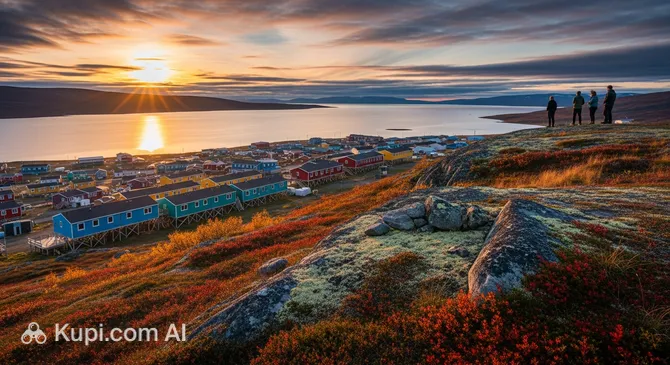
Welcome to Tasiujaq, a remote and captivating northern village located in the Nunavik region of Quebec, Canada. Situated on the shores of the Leaf Basin near the mouth of the Bérard River, this community offers a truly authentic Arctic experience. The name Tasiujaq means "which resembles a lake" in Inuktitut, referring to the large basin that surrounds the village, creating a serene and picturesque atmosphere defined by vast open skies and rugged tundra landscapes.

Tasiujaq. Source: Kupi.Binoculars

Geographically, Tasiujaq is distinct due to its location on the Leaf Basin, which is renowned for having some of the highest tides in the world. The climate here is subarctic, characterized by long, cold winters and short, cool summers, shaping a lifestyle that is deeply connected to the land and sea. Although it is a small community, the local spirit is vibrant and welcoming, offering visitors a rare glimpse into the traditional way of life in the North.

Those interested in the past will find the history of Tasiujaq fascinating, as it is deeply rooted in Inuit culture and the region's trading heritage. The area is rich in wildlife, making it a prime destination for nature enthusiasts. Visitors often travel here to spot muskoxen, caribou, and migratory birds, or to experience world-class fishing for Arctic char. Whether you are looking to witness the spectacular Northern Lights or explore the raw beauty of the Arctic wilderness, Tasiujaq invites you to discover its quiet majesty.

Weather Overview

The climate in this northern village is subarctic, defined by distinct seasonal contrasts that shape the local lifestyle. For travelers planning a visit, understanding the weather in Tasiujaq is essential for packing appropriately. Generally, you can expect long, frigid winters and short, cool summers with a moderate number of wet days throughout the warmer months.

Winter dominates much of the year, with temperatures dropping significantly. February is typically the coldest month, seeing average temperatures around -24.0°C, while lows can plunge to -27.3°C. January and December are similarly cold, with averages of -22.9°C and -15.0°C respectively. Despite the deep freeze, precipitation during these months is minimal, usually recorded at just 1mm, though snow cover is persistent.

The summer season brings a brief but welcome thaw. July is the warmest month, offering an average temperature of 12.6°C and daily highs reaching up to 16.9°C. This is also the period with the most frequent rainfall, as July sees about 14 wet days. Transition months like September and October cool down rapidly, quickly leading back into freezing temperatures by November.

Interesting Facts

Beyond the main attractions, Tasiujaq holds many fascinating secrets rooted in its extreme geography and rich ecosystem. This remote outpost is defined by powerful natural forces and unique wildlife that make it a standout destination in the North.
  • Rivaling the Bay of Fundy: The village is located on the Leaf Basin, which records some of the highest tides in Canada and the world. The water levels here can fluctuate by an incredible 15 meters (almost 50 feet), creating vast intertidal zones that dramatically reshape the coastline every few hours.

  • Prehistoric Neighbors: Tasiujaq serves as a gateway to Diana Island, a protected sanctuary located nearby. This island is famous for its thriving population of muskoxen, shaggy, horned mammals that have survived since the Ice Age and roam the tundra freely.

  • The Deceptive Waters: The name "Tasiujaq" translates to "resembling a lake," which perfectly describes the optical illusion created by the local geography. Although the Leaf Basin is a tidal saltwater body connected to the sea, the winding channels and sheltering hills make it look and feel like a calm, enclosed freshwater lake.

  • The Finger Lakes: Just inland from the village, the Bérard River forms a series of deep, elongated lakes known locally as the Finger Lakes. These waters are not only visually striking but are also renowned for hosting some of the largest Arctic char in the region.

How to Get There

Reaching the remote northern village of Tasiujaq is an adventure that requires careful planning, as the community is not connected to the rest of Quebec by road or rail. Air travel is the lifeline for this region. To help you organize your trip, you can read more about how to get to Tasiujaq and the specific routes available.

The city of Tasiujaq does not have its own major international hub, so visitors typically fly into larger regional airports before making a connection. The most significant gateway is Kuujjuaq Airport (IATA: YVP), located in the town of Kuujjuaq. It is situated approximately 111 km from Tasiujaq and serves as the primary administrative and transport hub for Nunavik. Due to the lack of road infrastructure, travel from Kuujjuaq to Tasiujaq is completed via a connecting flight rather than by car. Another option in the region is Kangirsuk Airport (IATA: YKG) in Kangirsuk, roughly 148 km away. This smaller airport handles less traffic but is another key point in the local air network.

For clarity, here is a summary of the main airports:

Airport Name City Passenger Traffic Km from City
Kuujjuaq Airport Kuujjuaq Medium 111.2
Kangirsuk Airport Kangirsuk Small 147.7

Main Attractions

Leaf Basin is undoubtedly the centerpiece of the local landscape and a must-see for any visitor to the region. This massive tidal estuary is famous for having some of the highest tides on the planet, often rivaling those of the Bay of Fundy. Watching the tide rush in or recede is a spectacular natural event, as the water levels can change by several meters in a short period, completely transforming the view from the village. At low tide, the receding waters reveal vast expanses of the seabed, offering a unique opportunity to explore the intertidal zone and witness the raw power of the ocean.

For those seeking solitude and exceptional fishing, the Finger Lakes are a pristine destination located just inland along the Bérard River. These long, narrow bodies of water are nestled between rolling hills and offer a tranquil setting for angling enthusiasts. The lakes are renowned for their population of Arctic char, attracting fishermen from around the world who come to test their skills in these cold, clear waters. Even for non-anglers, the area provides a stunning backdrop for hiking and photography, capturing the serene beauty of the Nunavik wilderness.

Wildlife lovers should consider an excursion towards Diana Island, a protected sanctuary situated in Ungava Bay. While it requires a boat trip to reach, the island is one of the best places in the North to observe muskoxen in their natural habitat. These prehistoric-looking creatures, with their thick shaggy coats and curved horns, roam the island freely. In addition to muskoxen, the journey offers chances to spot seals, whales, and migrating caribou, making it an unforgettable adventure for anyone passionate about Arctic fauna.

Local Cuisine

The culinary landscape of Tasiujaq offers a rare opportunity to taste the authentic flavors of the Arctic. Unlike typical tourist destinations, the food culture here is not defined by restaurants or cafes but by the seasons and the land. The local diet revolves around "country food," or niqituinnaq, which consists of wild game and fish harvested directly from the surrounding tundra and waters. For visitors, this means a diet that is incredibly fresh, organic, and rich in protein and nutrients.

The undisputed star of the local table is Arctic char. Given the village's location near the Bérard River and the Finger Lakes, this fish is a staple. It is prepared in various ways: smoked, dried (known as pitsik), boiled, or even eaten frozen and raw (quaq), which is considered a delicacy and an excellent energy source in the cold climate. Another essential element of any meal is bannock (palauga), a simple, dense flatbread that is fried or baked. It is the perfect comfort food to accompany a hearty stew or to eat with jam and tea.

When it comes to beverages, tea is the heartwarming constant of daily life. A pot of strong, hot tea is always brewing in local homes and is the standard gesture of hospitality offered to guests. In late summer and early autumn, the tundra is dotted with berries, particularly cloudberries (aqpik) and blueberries. These are gathered in great quantities and often eaten fresh or made into desserts, providing a sweet contrast to the savory, meat-heavy diet.

Travelers should be aware that Tasiujaq does not have commercial restaurants, bars, or street food stalls. The dining scene is entirely community-oriented. Visitors typically purchase supplies at the local Co-op store or the Northern Store to cook for themselves, or they enjoy meals provided by their lodge or outfitters. If you are lucky enough to be invited to a community feast, you will experience the true spirit of Inuit culture, where food is shared generously among everyone.

Travel Tips

Visiting Tasiujaq is a journey into the heart of the majestic Nunavik wilderness, far removed from the hustle of urban life. To make the most of your adventure in this remote northern village, preparation is essential, as the amenities and logistics differ significantly from southern destinations.

  1. Dress for the Extremes: The weather here dictates your wardrobe. In winter, you need professional-grade cold-weather gear: a heavy down parka, insulated windproof pants, and boots rated for at least -40°C. In summer, the temperatures are milder, but the weather changes fast, so dress in layers. Crucially, bring a high-quality bug jacket and strong insect repellent, as mosquitoes and black flies can be intense during the warmer months.

  2. Getting Around: Forget about subways, buses, or ride-hailing apps like Uber. Tasiujaq is a small, walkable community where most points of interest are within a short distance on foot. For locals, the primary modes of transport are ATVs in the summer and snowmobiles in the winter. As a tourist, you won't find car rental agencies; if you need to travel further afield, you will likely be riding as a passenger with a local guide.

  3. Financial Preparedness: The currency is the Canadian Dollar (CAD). While the local Co-op and Northern Store generally accept credit and debit cards, telecommunication outages can happen, rendering card machines useless. It is highly recommended to carry enough cash for your stay. Be prepared for higher prices than you are used to, as most goods are flown in.

  4. Health and Safety: There is no hospital in the village, only a local nursing station (CLSC) that handles basic care and emergencies before arranging medical evacuation to a larger center if necessary. Ensure you have comprehensive travel insurance that covers medevac. Also, never wander out of the village into the tundra alone; the terrain is rugged, and weather conditions can deteriorate rapidly.

  5. Communication: Mobile coverage is available but can be limited depending on your provider (Bell Mobility is the primary carrier in Nunavik). Wi-Fi is typically satellite-based and may be slower than what you are accustomed to. While Inuktitut is the mother tongue, English is widely spoken and understood. Learning a few local words, like Nakurmiik (Thank you), is a great way to show respect.

  6. Community Etiquette: Tasiujaq is a tight-knit community where everyone knows everyone. It is polite to smile and greet people you pass on the road. Always ask for permission before taking photographs of local people, their children, or their property. If you are invited into a home, remember to remove your boots at the door.

  7. Respect Local Regulations: Be mindful that many communities in Nunavik have specific bylaws regarding the possession and consumption of alcohol to ensure social well-being. Tasiujaq may have restrictions or be a "dry" community depending on current local laws, so it is strictly advised to check the rules before packing or consuming any alcohol to avoid fines or confiscation.

  8. Shopping Hours: Life here moves at a different pace. The two main stores often close for an hour during lunch and may have reduced hours on weekends. Plan your grocery runs accordingly, especially if you are self-catering, so you don't find yourself without supplies for the evening.

By packing the right gear and embracing the local pace of life, your trip to Tasiujaq will be a comfortable and culturally enriching experience. The warmth of the community and the raw beauty of the landscape are sure to leave a lasting impression on any traveler ready for a true Arctic adventure.

Entertainment & Nightlife

Travelers planning a trip to Tasiujaq should adjust their expectations regarding nightlife; this remote Inuit village offers a profound silence rather than a bustling party scene. There are no nightclubs, cocktail bars, or late-night discos in the community. Instead, the "nightlife" here is defined by nature's grandeur and the warmth of community gatherings. The evening atmosphere is incredibly peaceful, characterized by the vast, open Arctic sky and the quiet hum of village life.

Socializing in the evenings typically takes place in communal spaces rather than commercial venues. The Community Centre often serves as the hub for local events, ranging from traditional feasts to cultural performances like throat singing. Similarly, the local arena is a popular spot where residents of all ages gather to play or watch hockey and other sports. These venues are informal and welcoming, requiring no dress code other than practical, warm clothing suitable for the weather.

The true highlight of the night in Tasiujaq is the celestial show above. With zero light pollution, the village is a prime location for viewing the Northern Lights (Aurora Borealis). On clear winter nights, the sky comes alive with dancing ribbons of green and purple, providing a visual spectacle that rivals any city entertainment. For those who enjoy evening walks, the shores of the Leaf Basin offer a dramatic setting, where the sound of the world-record tides rushing in or out creates a powerful natural soundtrack.

When planning your evenings, keep the following practical advice in mind:

  • Alcohol Regulations: Tasiujaq does not have bars or liquor stores. It is often a "dry" or restricted community, meaning the sale and possession of alcohol may be prohibited. Visitors must respect these local laws strictly.
  • Safety: While the village is safe from urban crime, the natural world poses risks. Polar bears can venture near the settlement, so it is dangerous to wander the outskirts alone at night. Stick to well-lit areas within the village.
  • Transport: There are no taxi services or night buses. The village is walkable, but locals primarily use ATVs or snowmobiles.

Daytime entertainment is equally low-key and nature-focused. You will not find amusement parks or shopping malls here. Activities revolve around exploring the outdoors, such as hiking the rugged terrain, fishing for Arctic char, or observing wildlife. While there are no formal museums, the entire region acts as a living exhibit of Inuit culture and Arctic geography, offering a deeply immersive experience for those willing to explore.

Parks & Museums

In the remote village of Tasiujaq, the concept of parks and museums takes on a different meaning compared to southern cities. Here, you will not find manicured botanical gardens or grand exhibition halls. Instead, the vast, untouched wilderness serves as an open-air park, and the vibrant daily life of the Inuit community acts as a living museum, preserving centuries of tradition and history.

The most significant natural area is undoubtedly the shores of the Leaf Basin. Functioning as the community's primary recreational space, this immense tidal estuary offers a landscape that changes dramatically with the tides. At low tide, the receding water reveals kilometers of rocky seabed and mudflats, creating a unique environment for hiking and exploring the intertidal ecosystem. It is a raw, unlandscaped area where visitors can witness the sheer power of nature and enjoy unobstructed views of the horizon.

Just inland, the banks of the Bérard River provide a lush, green escape during the short summer months. This area is a favorite among locals for setting up temporary camps, fishing, and hiking. The river valley offers a softer terrain compared to the rocky coast, with patches of wildflowers, mosses, and lichens that bloom vibrantly in July and August. It serves as a natural playground and a serene spot for picnics, offering a peaceful connection to the land that sustains the village.

While Tasiujaq does not have a formal building designated as a museum, the Community Centre often acts as the cultural heart of the village. This multi-purpose venue is where the community's heritage is celebrated through gatherings, feasts, and traditional games. During special events, you may see displays of local craftsmanship or hear elders sharing stories that have been passed down through generations. It is the best place to observe the living culture of the Nunavimmiut firsthand.

Art lovers will find that the local Co-operative Store frequently functions as an informal gallery. Many residents in Tasiujaq are skilled artisans, known for creating intricate soapstone carvings, handmade jewelry, and traditional clothing like parkas and kamiks (sealskin boots). These items are often displayed at the store or can be seen being made in people's homes. The artistry reflects the deep connection between the people and the Arctic wildlife, with motifs often featuring polar bears, seals, and birds.

In terms of architecture, the village is modern and functional, established relatively recently in 1966. A key landmark is the local church, which stands as a central meeting point and a symbol of the community's spiritual life. Its simple, sturdy design is built to withstand the harsh Arctic elements. The layout of the village itself is also of interest; built on a slope overlooking the water, the colorful houses stand out against the stark tundra, offering a picturesque example of northern settlement planning.

For a truly authentic experience, ask a local guide about the best spots for berry picking in late summer. The hills surrounding the village become carpeted with cloudberries (aqpik) and blueberries. Joining families on the tundra to harvest these fruits is not only a great way to enjoy the "natural parks" of Tasiujaq but also offers a genuine insight into the seasonal rhythms of Inuit life.
Getting Around

Travelers arriving in Tasiujaq should immediately adjust their expectations regarding transportation. Unlike urban centers in the south, this remote northern village does not possess a public transport system. There are no subways, buses, trams, or fixed-route transit services of any kind. The community is small and compact, designed to be navigated without the need for a complex transit network.

For the vast majority of visitors, the primary mode of getting around is simply walking. The entire village can be traversed on foot in a short amount of time, with most essential services—such as the Co-op store, the Northern Store, and the health center—located within close proximity to one another. Given the unpaved roads and potential for mud or snow depending on the season, sturdy, waterproof footwear is the most valuable "transport ticket" you can possess.

While there is no public transit, the local rhythm of movement changes with the seasons. In the summer, residents primarily use ATVs (All-Terrain Vehicles) and pickup trucks to navigate the gravel roads and surrounding tundra. In the winter, the village transforms into a snowmobile hub. These vehicles are personal property, and there are no commercial rental agencies for tourists. If you need to travel a longer distance or haul gear, you will typically rely on transport arranged by your lodging provider or a local outfitter.

Regarding payment and ticketing, the absence of a formal system means there are no travel cards, apps, or zones to worry about. You will not find ticket machines or validators. Ride-hailing apps like Uber or Lyft do not operate here, and there is no official taxi service. If you require a ride—for instance, from the airport to the village—it is almost always pre-arranged as part of your accommodation package or offered as a courtesy by locals.

A crucial piece of advice for tourists is to confirm your arrival logistics before landing. The airport is located a short distance from the main settlement, and while it is walkable for some, carrying luggage over gravel roads can be challenging. Ensure your host knows your flight schedule so they can meet you with a vehicle. In this tight-knit community, transportation is often based on hospitality and informal arrangements rather than commercial services.

Accommodation

Finding a place to stay in Tasiujaq is quite different from booking accommodation in a typical tourist destination. As a small, remote village in Nunavik, the options are very limited and functional, designed primarily to serve workers, government officials, and the few adventurous travelers who make the journey north. You will not find backpacker hostels, luxury resorts, or international hotel chains here. Instead, accommodation is generally provided by the local cooperative or small, community-run establishments.

The village is compact, so location is rarely an issue; almost any accommodation will be centrally located and within walking distance of the airport, the general stores, and the shores of the Leaf Basin. The primary option for visitors is typically the Co-op Hotel. These facilities are standard across Nunavik communities, offering clean, basic rooms with shared or private bathrooms and access to a communal kitchen. While amenities are modest compared to southern standards, they provide a warm and safe base for your stay.

For those traveling as part of a hunting or fishing expedition, accommodation is often arranged directly by the outfitter. In these cases, you might stay in specialized lodges or cabins located closer to the wilderness areas, such as the Finger Lakes, rather than in the village itself. These packages usually include meals and transport, offering a more all-inclusive experience tailored to the specific activity.

Booking Tips and Prices:

It is absolutely essential to book your accommodation well in advance. Capacity is extremely limited, and rooms can be fully occupied by visiting medical staff or construction crews for weeks at a time. Do not expect to find availability on major online booking platforms like Booking.com or Expedia. Instead, you will likely need to call the hotel or the local Co-op directly to make a reservation.

Travelers should also be prepared for the cost. Accommodation prices in Tasiujaq are generally in the mid-to-high range due to the high cost of operating in the Arctic. A standard room can be quite expensive compared to similar quality lodgings in the south. Payment is usually accepted via credit card, but carrying some cash is a wise precaution in case of system outages.

Nearby Cities

For those looking to explore the surroundings, Tasiujaq serves as an excellent starting point for regional excursions and further travel to several interesting nearby locations:

City Population Distance (km)
Iqaluit 7740 568
Kuujjuaq 2754 111
Wabush 2000 673
Salluit 1400 501
Kuujjuarapik 1300 609

Kuujjuaq is the closest and most accessible destination for a visit. As the administrative capital of Nunavik, situated on the banks of the Koksoak River, it offers a distinct contrast to the quieter village life of Tasiujaq. Visitors can explore a wider range of services, shop for local arts and crafts, or simply enjoy the bustling atmosphere of the region's largest hub. The town is also a prime spot for fishing and witnessing the boreal forest transition into the tundra.

Further north lies Salluit, a picturesque Inuit community located at the end of the narrow Sugluk Inlet. Known for its dramatic scenery where steep mountains meet the ocean, Salluit provides breathtaking views and excellent hiking opportunities. It is a fantastic place to experience the rugged beauty of the Hudson Strait and observe marine wildlife in a serene setting.

Although a longer journey, Iqaluit is the capital of the neighboring territory of Nunavut and a major cultural center of the Canadian Arctic. Located on Frobisher Bay, it features landmarks such as the igloo-shaped St. Jude's Cathedral and the Nunatta Sunakkutaangit Museum. A visit here offers deep insight into Inuit history, governance, and contemporary art.

These nearby destinations offer a glimpse into the diverse culture and landscapes of the region.

Shopping & Souvenirs

Shopping in Tasiujaq is a unique experience that differs significantly from the commercial bustle found in larger cities. Visitors should not expect sprawling shopping malls, designer boutiques, or pedestrian streets lined with souvenir shops. Instead, the retail scene here is purely functional and community-focused, designed to supply residents with daily essentials. For the traveler, this offers a chance to see how remote northern communities sustain themselves and, more importantly, an opportunity to purchase authentic Inuit art directly from the source.

There are no designated shopping districts or high streets in the village. The commercial activity is concentrated entirely within two general stores that serve as the lifeline for the community. These stores function as "one-stop shops" for everything from groceries and hardware to clothing and outdoor gear. Walking between these two locations essentially covers the entire "shopping tour" of the village, offering a glimpse into the logistical realities of life in the Arctic.

Shopping Malls are non-existent in Tasiujaq. The closest thing to a department store is the Northern Store or the local Co-operative (Co-op). These establishments are large by local standards and carry a surprising variety of goods. You might find a snowmobile parked next to the entrance and shelves stocked with everything from fresh produce flown in from the south to heavy-duty winter parkas and hunting rifles. For a tourist, browsing these aisles is a cultural experience in itself, revealing the specific needs and costs of living in the North.

While there are no formal markets, the community itself acts as an informal marketplace for local artisans. Tasiujaq is home to talented craftspeople who create stunning works of art. There is no flea market or fixed souvenir stand; instead, sales often happen at the Community Centre during events or through word-of-mouth. Sometimes, local artists may display their work near the entrance of the Co-op store or sell directly from their homes.

When it comes to souvenirs, the items you can find here are truly special. The most prized purchases are authentic Inuit carvings made from soapstone, serpentine, or caribou antler. These sculptures often depict Arctic wildlife like polar bears, seals, and muskoxen, or scenes from traditional life. Additionally, you may find handmade clothing items such as mittens, moccasins, or parkas trimmed with fur, as well as intricate beadwork. Buying these items here ensures that the proceeds go directly to the artist and their family.

Opening hours in Tasiujaq are generally from Monday to Saturday, with stores typically opening around 9:00 AM or 10:00 AM and closing by 5:00 PM or 6:00 PM. It is important to note that stores often close for an hour during lunch (usually 12:00 PM to 1:00 PM), so plan your visits accordingly. Sunday hours are often reduced or the stores may be closed entirely.

Regarding payment, the main stores accept major credit and debit cards. However, telecommunication systems in the North can be temperamental due to weather or satellite issues. It is highly recommended to carry enough Canadian cash (CAD) to cover your purchases in case the electronic payment terminals are down. As for taxes, the standard Goods and Services Tax (GST) and Quebec Sales Tax (QST) apply to most purchases. There is no tax-free shopping refund system available for tourists in the village.

Reached the end of the page?

That means the route is fully explored