Support

Kangiqsualujjuaq

About

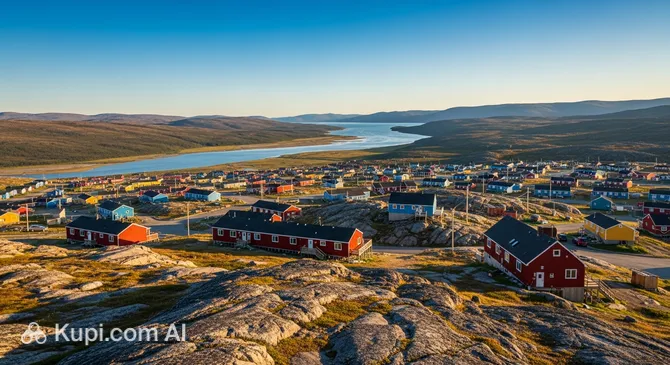
Kangiqsualujjuaq is a captivating Inuit village located in the Nunavik region of Northern Quebec. Situated at the mouth of the George River on the eastern shore of Ungava Bay, this community offers a truly remote and authentic experience in Canada. The village is nestled in a valley surrounded by majestic rocky hills, providing a stunning backdrop that distinguishes it from other northern settlements. The name itself, meaning "the very large bay" in Inuktitut, hints at the vast and impressive landscapes that define the area.

Kangiqsualujjuaq. Source: Kupi.Binoculars

The community has evolved significantly over time, transitioning from a seasonal hunting and fishing camp to a permanent settlement. Exploring the history of Kangiqsualujjuaq reveals its roots connected to the Hudson's Bay Company and the resilience of the local Inuit population. Today, it is a vibrant place where traditional culture thrives, and visitors can witness the daily life of a close-knit population of approximately 1,000 residents.

Nature enthusiasts are drawn to this destination for its unparalleled access to the wilderness. Kangiqsualujjuaq serves as a primary gateway to the breathtaking Torngat Mountains National Park, a land of jagged peaks and polar bears. The area is also world-renowned for the George River, which is famous for its Atlantic salmon fishing and for being the migration path of one of the largest caribou herds in the world.

Whether you are seeking the thrill of outdoor adventures or a quiet spot to observe the mesmerizing Northern Lights, Kangiqsualujjuaq promises an unforgettable journey. It is a destination that invites travelers to disconnect from the busy world and immerse themselves in the raw beauty of the Arctic.

Weather Overview

Kangiqsualujjuaq experiences a subarctic climate characterized by long, frigid winters and short, cool summers. The winter months are particularly harsh, with February standing out as the coldest time of the year; average temperatures drop to around -22.2°C, and minimums can plunge to -25.3°C. Despite the biting cold, winter precipitation is minimal, often recording just 1mm per month.

As the seasons shift, the region undergoes a significant transformation. Summer offers a brief window of milder weather, with July and August seeing average temperatures of 10.5°C and highs reaching nearly 14°C. To plan your activities and packing list effectively, it is helpful to review the current weather in Kangiqsualujjuaq before your trip.

Precipitation remains generally low throughout the year but becomes more frequent in the autumn. October is typically the dampest month, featuring about 20 wet days, compared to the drier winter period. Overall, expect cool summers with occasional light rain and very cold, dry winters.

Interesting Facts

Beyond the main attractions, Kangiqsualujjuaq holds many fascinating secrets that reveal the unique character of this Nunavik community. From ecological anomalies to powerful natural forces, here are some intriguing details about the area.

  • A Rival to the Bay of Fundy: While the Bay of Fundy is globally famous for its tides, the tides in Ungava Bay are nearly as high and are considered some of the most powerful in the world. These massive water movements are strong enough to temporarily reverse the current of the George River at the village's estuary.

  • An Arctic Forest Oasis: The nearby Koroc River valley, protected within Kuururjuaq National Park, features a surprising botanical phenomenon. Due to a sheltered microclimate, stands of black spruce and larch trees grow here, thriving far north of the typical tree line and creating a lush green sanctuary amidst the barren tundra.

  • A History of Names: Before officially reclaiming its Inuktitut name, the settlement appeared on maps under several different titles reflecting its colonial history. It was widely known as "George River" and, for a period in the 20th century, was designated as "Port-Nouveau-Québec" to assert provincial presence in the north.

  • The "Bowl" Effect: Unlike many coastal Inuit communities that are exposed to sweeping winds, Kangiqsualujjuaq is geologically unique. It sits in a protective valley "bowl" surrounded by steep rocky hills, which shelters the town from the harshest Arctic gales and creates a distinct local environment.

How to Get There

Reaching the remote village of Kangiqsualujjuaq is an adventure that immerses you in the vast wilderness of Northern Quebec. Since the community is not connected to the provincial road network, air travel is the primary means of access. Visitors typically fly into a regional hub before making their way to the village. For a complete guide on planning your journey, you can read more about how to get to Kangiqsualujjuaq on our detailed page.

The most significant transport hub in the region is Kuujjuaq Airport (YVP), located in the neighboring town of Kuujjuaq. Situated approximately 157.8 km away, this facility serves as the administrative center of Nunavik and handles a significant amount of traffic for the area. As the main gateway for travelers, it connects visitors to smaller communities like Kangiqsualujjuaq via connecting flights, as there are no roads linking these settlements.

Another facility in the broader region is Kangirsuk Airport (YKG), situated in the village of Kangirsuk about 270.7 km from Kangiqsualujjuaq. While smaller than the hub in Kuujjuaq, it plays a vital role in connecting the northern settlements along the Ungava coast. Travel from here to Kangiqsualujjuaq also requires air transport due to the rugged, roadless terrain that defines the landscape.

For clarity, here is a summary of the main airports in the region:

Airport Name City Passenger Traffic Km from City
Kuujjuaq Airport Kuujjuaq Regional Hub 157.8
Kangirsuk Airport Kangirsuk Small 270.7

Main Attractions

Kangiqsualujjuaq serves as the gateway to some of the most spectacular and remote wilderness in Quebec. The village is surrounded by vast national parks, rugged mountains, and pristine rivers that attract adventurers from around the globe. Here are the main attractions to explore in this unique Arctic destination.

The crown jewel of the region is Kuururjuaq National Park. This immense protected area stretches from the coast of Ungava Bay to the towering peaks of the Torngat Mountains on the Labrador border. It is a dream destination for trekkers and nature lovers, offering access to Mount D'Iberville (Mont Caubvick), which stands as the highest peak in Eastern Canada. Visitors come here to immerse themselves in a landscape of deep fjords, glacial valleys, and ancient spirits, as the Inuit have long regarded the mountains as a sacred place.

Running through the heart of the park is the majestic Koroc River, a turquoise waterway that is central to the local Inuit culture and history. The river flows through a lush valley that, surprisingly for this latitude, supports stands of black spruce and larch trees. It is a prime spot for canoeing, rafting, and hiking, allowing travelers to navigate through a stunning canyon while spotting wildlife such as black bears and caribou along the banks.

For fishing enthusiasts, the George River is legendary. Known worldwide for its abundant stocks of Atlantic salmon and Arctic char, it offers an unparalleled angling experience in a pristine environment. About 64 kilometers upstream from the village, you can visit the beautiful Helen’s Falls, a scenic landmark that adds to the river's allure. The river is also historically significant as a migration route for the George River caribou herd, one of the largest ungulate populations in the world.

Another remarkable natural site nearby is Ulittaniujalik National Park. The name translates to "where there are shorelines," referring to the ancient glacial lake terraces found in the area. The park's most iconic feature is Pyramid Mountain, a distinctively shaped peak that overlooks the George River. It provides a fantastic backdrop for camping and hiking, offering a glimpse into the powerful geological forces that shaped this land over thousands of years.

Finally, the waters of Ungava Bay itself are a major draw. The tides here are among the highest in the world, rivalling those of the Bay of Fundy. At low tide, the water recedes dramatically, revealing the ocean floor and creating a dynamic landscape. The bay is also rich in marine life; lucky visitors may spot beluga whales, seals, and polar bears patrolling the coastline, making it an exceptional location for wildlife observation.

Local Cuisine

The culinary landscape of Kangiqsualujjuaq is deeply rooted in the traditions of the Inuit people and the rich resources of the surrounding wilderness. In this remote corner of Canada, dining is less about commercial restaurants and more about subsistence and community. The local diet relies heavily on "country food," or niqituinnaq, which consists of wild game and fish harvested directly from the land and waters of Nunavik. This connection to nature ensures that the food is not only nutritious but also culturally significant.

Given the village's location at the mouth of the George River, fish plays a central role in the daily diet. Arctic char and Atlantic salmon are staples here, renowned for their quality and flavor. These fish are prepared in various ways: smoked, dried to make pipsi, or eaten raw and frozen, a preparation known as quaq. Eating frozen fish or meat is a traditional way to maintain body heat and energy in the harsh Arctic climate. The pristine waters of Ungava Bay also provide mussels, scallops, and occasionally beluga, which is a prized delicacy shared among the community.

Meat from the land is equally important, with caribou being the primary source of protein. The George River caribou herd has historically sustained the people of this region. Caribou meat is versatile; it can be roasted, stewed, or dried into jerky. Another essential component of the local cuisine is bannock (palauga), a simple, dense bread that is often fried or baked and served with nearly every meal. It is the perfect accompaniment to hot tea, which is consumed throughout the day to stay warm.

During the short summer season, the tundra comes alive with berries, adding a touch of sweetness to the diet. Locals gather cloudberries (known locally as aqpik), blueberries, and blackberries. These are often eaten fresh or used to make suvalik, a traditional dessert created by whipping berries with fat (traditionally seal fat or caribou tallow, though shortening is sometimes used today) and sugar. Visitors to Kangiqsualujjuaq should note that there are very few, if any, standard restaurants. Food is typically purchased at the local Co-op store or, for the most authentic experience, enjoyed through the hospitality of local families and community feasts.

Travel Tips

Visiting Kangiqsualujjuaq is a unique adventure that requires a bit more preparation than your average holiday, as this remote Inuit community operates at a different pace and rhythm than southern cities. To help you make the most of your time in this breathtaking corner of Nunavik, here is a set of practical tips to ensure a safe and respectful journey.

  1. Clothing and Gear: The weather here dictates your wardrobe. In winter, you need extreme cold weather gear: a high-quality parka, insulated pants, heavy mittens, and boots rated for at least -40°C. In summer, the temperatures are milder, but the wind can still be cold, so dress in layers with a waterproof outer shell. Crucially, if you visit in July or August, bring a bug jacket or head net and strong insect repellent; the black flies and mosquitoes can be intense on the tundra.

  2. Transportation: There are no paved roads connecting Kangiqsualujjuaq to the rest of Quebec, and within the village, there is no public transit like buses or metros. The village is compact and easily walkable, which is the best way to soak in the atmosphere. For longer distances or transporting gear, locals use ATVs (in summer) and snowmobiles (in winter). There are no car rental agencies; if you need a ride, ask at your lodging or the local Co-op hotel, as informal arrangements can often be made.

  3. Finances: The currency is the Canadian Dollar (CAD). The local FCNQ Co-op store generally accepts credit and debit cards, but systems can sometimes go offline due to connectivity issues. It is highly recommended to bring a sufficient amount of cash with you, especially if you plan to buy soapstone carvings or handmade mittens directly from local artisans, who may not have card readers. Be prepared for higher prices on food and goods due to the cost of air freight.

  4. Health and Safety: There is a local CLSC (community nursing station) for basic medical needs, but serious emergencies require a medical evacuation by plane to a hospital in the south. Polar bears and black bears are a real presence in the region, sometimes even near the village. Never hike outside the town limits without a local guide or proper safety equipment (such as bear spray). Always inform someone of your itinerary before heading out onto the land or water.

  5. Communication: The primary language is Inuktitut, but English is widely spoken and understood by almost everyone. French is also spoken by some, but English is the common bridge language for visitors. Cell phone service is available but is typically limited to major providers (like Bell) and can be spotty. Wi-Fi is available at the hotel and some public buildings, but speeds may be slower than what you are used to, as the region relies on satellite connections.

  6. Local Etiquette: The community is close-knit and friendly. It is polite to smile and nod to people you pass on the street. A simple "Ai" (Hello) goes a long way. When entering a home or certain public buildings, it is customary to remove your boots at the door to keep the floors clean from mud and snow. Always ask for permission before taking close-up photographs of local residents, especially elders and children.

  7. What to Avoid: Do not ignore local regulations regarding alcohol. Kangiqsualujjuaq has specific bylaws concerning the possession and importation of alcohol; it is best to check the current rules before you travel to avoid fines or confiscation. Additionally, avoid walking on the river ice or tide flats without local knowledge, as the extreme tides of Ungava Bay can rise incredibly fast and trap unsuspecting walkers.

  8. Additional Tip: Visit the FCNQ Co-op store not just for supplies, but to feel the pulse of the community. It is often the social hub where you can see notices for community events, bingo nights, or feasts. If you are lucky enough to be invited to a community feast, accept the invitation gratefully—it is the best way to taste traditional foods like bannock and arctic char while meeting the locals.

By packing the right gear and respecting the local customs and environment, your trip to Kangiqsualujjuaq will be a deeply rewarding experience. Embrace the silence of the land, the warmth of the people, and the incredible beauty of the Arctic for a journey you will never forget.

Entertainment & Nightlife

In the remote village of Kangiqsualujjuaq, the concept of nightlife is vastly different from the bustling clubs and bars found in southern cities. Here, evening entertainment is defined by the rhythm of the community and the spectacular natural phenomena of the Arctic. Instead of neon lights and dance floors, visitors are treated to the mesmerizing dance of the Northern Lights (Aurora Borealis) and the warm, welcoming atmosphere of local gatherings. The village is quiet after dark, offering a peaceful retreat where the silence of the tundra is the main attraction.

For those looking to socialize or enjoy a meal in the evening, the options are concentrated and intimate. The Auberge Kangiqsualujjuaq (Co-op Hotel) serves as the primary hub for visitors. Its dining room is the closest experience to a restaurant in town, where travelers and locals often cross paths. It is a place to share stories of the day's adventures over a hot meal. Another focal point of local life is the Kangiqsualujjuaq Community Centre. If your visit coincides with a community event, such as a traditional feast or a high-stakes bingo night, attending is a must. These events are the heartbeat of the village's social scene, filled with laughter and local culture.

Travelers should be aware that Kangiqsualujjuaq, like many Nunavik communities, has specific regulations regarding alcohol. It is not a place where you will find pubs or cocktail bars on every corner. The atmosphere is casual and practical; there is no dress code other than dressing warmly. The best time to experience the "nightlife" of the sky is from late autumn to early spring, when the nights are longest and darkest. Prices for food and amenities at the hotel reflect the high cost of northern shipping, so budget accordingly.

Safety at night involves different considerations here than in a metropolis. The village is generally very safe in terms of crime, but the environment poses real risks. When walking at night, it is vital to stay within the lit areas of the community and be vigilant for wildlife, particularly polar bears, which can occasionally venture near the town. There are no formal taxi services; the village is small enough to walk, but for longer distances or in bad weather, locals often provide informal rides.

During the daylight hours, entertainment shifts to cultural and outdoor exploration. Visitors can stop by the Parks Canada office or the local visitor center to learn about the nearby national parks. Exploring the village on foot allows you to see local artisans at work, carving soapstone or sewing traditional clothing, offering a glimpse into the rich artistic heritage that thrives in this unique corner of Quebec.

Parks & Museums

In Kangiqsualujjuaq, the concept of parks and museums is redefined by the vastness of the Arctic landscape and the vitality of Inuit culture. Instead of manicured city gardens, visitors are greeted by boundless tundra and mountains that serve as a natural playground. Similarly, the local history is not hidden behind glass cases but is etched into the land and lived daily by the community, making the entire village a vibrant cultural destination.

The most significant "green space"—though often white with snow or autumn-red with berry bushes—is Kuururjuaq National Park. While it is a massive protected area, for the locals, it acts as an extended backyard. The park's headquarters and interpretation centre are located right in the village, serving as the cultural heart for visitors. Here, you can learn about the spiritual significance of the Koroc River and the ancestors who have traveled these routes for millennia. The park offers an immersive experience where the landscape itself tells the story of the region's geology and ecology.

Closer to the settlement, the shores of the George River function as a communal park and gathering space. At low tide, the expansive tidal flats are revealed, offering a unique area for walking and exploring the intertidal zone. In late summer and early autumn, the surrounding hills transform into a natural garden filled with cloudberries and blueberries. Hiking up the ridges that form the "bowl" around the village provides a peaceful escape and offers panoramic views that rival any designed lookout point.

While there are no traditional art galleries, Kangiqsualujjuaq is home to a thriving community of artists whose work reflects their heritage. The village is renowned for its Inuit art, particularly soapstone carvings and intricate beadwork. The "gallery" experience here is personal and informal; visitors often have the chance to meet artists in their homes or workshops, watching raw stone transform into polar bears or hunters. The local Co-op store also displays a selection of these handcrafted items, showcasing the distinct style of Nunavik artisans.

For those interested in history and architecture, the Anglican Church stands as a modest but significant landmark. It represents the historical influence of missionaries in the region and serves as a central meeting point for the community. The village architecture itself is practical and colorful, designed to withstand the harsh elements while brightening the stark landscape. Walking through the town reveals the resilience of the settlement, which has grown from a seasonal camp into a permanent community, blending traditional knowledge with modern adaptation.

For a truly authentic insight, look for the interpretation displays often found at the park office or community center. These small exhibits provide context on local legends, the history of the George River caribou herd, and the early days of the Hudson's Bay Company trading post. An insider tip for visitors is to ask about the "old site" of the village or traditional camping spots nearby, where you might find tent rings and other subtle traces of the area's long human history.

Getting Around

Travelers planning a visit to Kangiqsualujjuaq should be aware that the village does not possess a formal public transport system. There are no subways, buses, trams, or scheduled shuttle services operating within the community. Due to its small population and compact layout, the settlement functions without the complex transit networks found in southern cities. Instead, the "transport system" here is informal and dictated by the seasons and the rugged Arctic terrain.

For the vast majority of visitors, the primary mode of getting around is simply walking. The village is concentrated within a small area, making it possible to reach the Co-op store, the hotel, the community center, and the park office on foot in a matter of minutes. Since there are no designated bus stops or routes, you do not need to worry about travel passes, transit apps, or validating tickets. The infrastructure is basic, with gravel roads that are shared by pedestrians and vehicles alike.

While there are no official taxi companies with metered cabs, an informal ride system often exists. If you need to transport heavy luggage from the airport or travel a distance that is uncomfortable to walk, you can usually arrange a ride through your accommodation, such as the local Co-op hotel. These arrangements are typically cash-based (Canadian Dollars), and prices are fixed or negotiated beforehand rather than determined by a meter. It is advisable to carry cash, as drivers for these informal services generally do not accept credit cards or digital payments.

The vehicles you will see on the roads reflect the unique environment of Nunavik. In the summer months, locals primarily use pickup trucks and All-Terrain Vehicles (ATVs) to navigate the gravel streets and surrounding trails. In the winter, the town transforms, and snowmobiles become the dominant form of transport. Tourists looking for "rentals" will not find standard car rental agencies (like Hertz or Avis). Instead, access to ATVs or snowmobiles is usually done through guided tours or outfitters rather than independent rental for personal use.

Practical advice for navigating Kangiqsualujjuaq centers on preparation rather than schedules. Since you will likely be walking, ensuring you have appropriate footwear—mud-proof boots for summer and insulated, extreme-cold rated boots for winter—is far more important than checking a timetable. If you require a vehicle for a specific excursion, always inquire at the hotel front desk or the park office upon arrival, as they can connect you with local guides who provide transportation services.

Accommodation

Accommodation in Kangiqsualujjuaq is quite limited, reflecting the remote and intimate nature of this northern village. Visitors should not expect a wide array of choices such as budget hostels, luxury resorts, or sprawling hotel chains. Instead, the options are functional and comfortable, designed primarily to serve workers, government officials, and the adventurous travelers who make their way to this part of Nunavik.

The village is small and compact, meaning that wherever you stay, you will be centrally located. There are no distinct tourist districts; the main accommodation is situated within walking distance of the airport, the general store, and the shores of the George River. This proximity makes it convenient to explore the community on foot without the need for transport.

The primary and most well-known place to stay is the local Co-op Hotel, often referred to as the Auberge Kangiqsualujjuaq. Operated by the Fédération des coopératives du Nouveau-Québec (FCNQ), this facility is the heart of hospitality in the village. It typically offers standard amenities including private bathrooms, cable TV, and a communal dining room where guests can enjoy meals. As the main accommodation provider, it also serves as a social hub where you might meet researchers, park staff, or fellow travelers.

Booking Tip: Due to the very limited number of rooms and the influx of workers during certain seasons, it is crucial to book your accommodation well in advance. Do not rely on finding a room upon arrival. It is highly recommended to contact the hotel directly by phone or email weeks or even months before your planned trip to secure your spot.

Travelers should be prepared for the cost of staying in the North. Prices are generally in the mid-to-high range compared to southern standards, reflecting the high cost of operations and shipping in the Arctic. Booking is rarely done through major online aggregators; instead, reservations are typically made directly with the establishment via telephone or their specific regional website.

Nearby Cities

Situated in the vast expanse of Nunavik, Kangiqsualujjuaq is part of a network of remote northern communities. While the village is isolated by the lack of connecting roads, it shares cultural and geographical ties with several regional neighbors. Traveling between these destinations typically requires air transport, making them significant points of connection within the Arctic rather than simple day-trip excursions.

As the administrative capital of Nunavik, Kuujjuaq is the closest major hub to the village. Sitting on the banks of the Koksoak River, it serves as the central point for government services and transportation in the region. Visitors here can explore a wider range of amenities, shop for authentic Inuit art, or experience a vibrant local culture that blends traditional roots with modern northern living.

Located on the shores of Leaf Basin, Tasiujaq offers a unique geographical experience. This community is famous for witnessing some of the highest tides in the world, a phenomenon that dramatically transforms the landscape daily. It is also a prime destination for wildlife enthusiasts, offering excellent opportunities to spot muskoxen, caribou, and various seabirds in a pristine tundra setting.

Across the water on Baffin Island lies Iqaluit, the capital city of the territory of Nunavut. Although it requires a longer journey, it stands as a significant cultural and political center for the Arctic. Travelers can visit the Nunatta Sunakkutaangit Museum to see incredible collections of Inuit artifacts and fine art, or simply soak in the atmosphere of this bustling northern metropolis.

City Population Distance (km)
Happy Valley-Goose Bay 8000 696
Iqaluit 7740 577
Kuujjuaq 2754 157
Tasiujaq 2000 228
Wabush 2000 649

These destinations highlight the diverse culture and expansive landscapes that define this unique region of Canada.

Shopping & Souvenirs

Shopping in Kangiqsualujjuaq is a unique experience that differs significantly from the commercial retail therapy found in larger cities. In this remote corner of Canada, you will not find high-end fashion boutiques, sprawling department stores, or chain retailers. Instead, the shopping scene is centered on subsistence, community essentials, and the incredible artistic heritage of the Inuit people. For visitors, the primary appeal lies in purchasing authentic, handmade crafts directly from local artisans, offering a chance to take home a piece of Nunavik culture.

The concept of a "shopping district" does not apply to a village of this size and layout. The commercial activity is concentrated in the center of the community, within easy walking distance of the main accommodations and administrative buildings. This central area serves as the gathering point for residents and visitors alike, where daily supplies are purchased and social interactions take place. There is no need for public transport to navigate between stores; a short walk through the village streets will take you to everything available.

There are no shopping malls in Kangiqsualujjuaq. The closest equivalent is the FCNQ Co-op Store, which acts as the village's general store, grocery, hardware supplier, and department store all rolled into one. Here, you can find everything from fresh produce and dry goods to winter parkas, snowmobile parts, and camping gear. The Co-op is the lifeline of the community and offers a fascinating glimpse into the logistics of life in the North, where a single store must cater to every possible need of the population.

While there are no permanent daily markets, the spirit of a marketplace exists through informal networks and occasional community events. Sales of traditional foods or crafts often happen via word-of-mouth or announcements on local radio and social media. Occasionally, "pop-up" style sales may occur at the Community Centre, particularly during festivals or holiday seasons, where locals sell homemade baked goods, sewn items, and other wares. For the most part, "market" shopping here means connecting directly with the people.

The most prized items to buy in Kangiqsualujjuaq are undoubtedly Inuit arts and crafts. The village is home to many talented carvers and seamstresses. Visitors should look for exquisite soapstone carvings depicting Arctic wildlife like polar bears, seals, and walruses. Another specialty is traditional clothing, such as hand-sewn mittens, moccasins, and kamiks (boots) made from seal skin or moose hide, often trimmed with fur and intricate beadwork. Buying these items supports the local economy and ensures you are getting an authentic piece of art rather than a mass-produced souvenir.

Store opening hours are generally consistent, typically running from around 9:00 AM to 5:00 PM or 6:00 PM, with reduced hours on weekends. The Co-op store usually accepts major credit and debit cards, but connectivity issues can sometimes cause outages. Therefore, it is highly recommended to carry cash. Cash is also essential if you plan to purchase artwork directly from an artist's home or at a community gathering, as individual sellers rarely have card terminals.

Regarding taxes, the standard Goods and Services Tax (GST) and Quebec Sales Tax (QST) apply to most purchases in the village. There is no specific tax-free shopping zone or immediate refund counter in Kangiqsualujjuaq. Tourists looking for tax rebates generally have to follow federal procedures upon leaving the country, though the program for visitor rebates on goods has been largely discontinued in Canada, with few exceptions.
Reached the end of the page?

That means the route is fully explored