Support

Iqaluit

About

Welcome to Iqaluit, the vibrant capital of the territory of Nunavut and a true gateway to the Arctic. Located at the head of Frobisher Bay on Baffin Island, this unique city offers a blend of traditional Inuit culture and modern Arctic living. Despite its remote location, Iqaluit is a bustling hub of activity, serving as the political, business, and transportation center of the region. With a population of approximately 7,740 people, it maintains a close-knit community atmosphere where visitors are warmly welcomed into the heart of the North.

As the smallest capital city in Canada, Iqaluit is known for its stunning natural surroundings and distinct polar climate. The landscape is dominated by rocky hills and the vast expanse of the bay, which freezes over in the winter to become a highway for snowmobiles and dog sleds. In the summer, the tundra bursts into life with wildflowers under the midnight sun, while the dark winter skies are frequently illuminated by the mesmerizing Aurora Borealis, or Northern Lights.
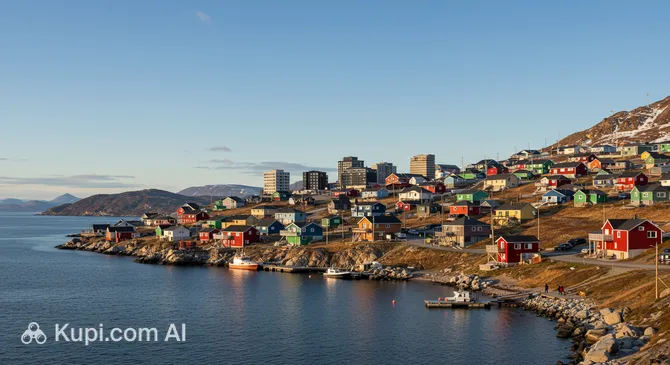
Iqaluit. Source: Kupi.Binoculars

The cultural heritage of the area is rich and deeply rooted in the traditions of the Inuit people. Travelers interested in the history of Iqaluit will discover how it evolved from a traditional fishing camp and a later military airbase into the self-governing cultural capital it is today. The city is an excellent place to experience authentic Inuit art, music, and festivals, with Inuktitut being widely spoken throughout the community.

Among the city's most iconic landmarks is St. Jude's Cathedral, famously shaped like an igloo, which stands as a symbol of the community's spirit and ingenuity. Nature lovers should not miss Sylvia Grinnell Territorial Park, located just a short distance from town. The park offers exceptional hiking trails, opportunities to spot local wildlife like caribou and arctic foxes, and the chance to see the picturesque Sylvia Grinnell River cascading through the rocky terrain.

Whether you are seeking an adventurous sled dog expedition, eager to purchase world-class Inuit carvings, or simply wanting to witness the raw beauty of the Arctic tundra, Iqaluit promises an unforgettable experience. It is a destination that challenges the ordinary, inviting you to explore the pristine wilderness and rich culture of the Far North.

Weather Overview

Because of its location in the Arctic, the city experiences a polar climate characterized by long, frigid winters and brief, cool summers. For travelers planning their wardrobe, checking the current weather in Iqaluit is essential, as conditions can be extreme. The winter season is dominant and severe, particularly in February, which is typically the coldest month with average temperatures dropping to -27.2°C and minimums reaching as low as -30.2°C.

The summer months offer a welcome thaw, though temperatures remain crisp compared to southern destinations. July marks the peak of warmth, with an average temperature of 9.3°C and daily highs climbing to around 12.7°C. While winter is generally dry with only about 1mm of precipitation per month, the warmer season brings more moisture; August, for instance, sees the highest frequency of precipitation with up to 15 wet days. In general, visitors should expect cool, damp summers and extremely cold, dry winters.

Interesting Facts

Beyond the main attractions, Iqaluit holds many fascinating secrets that reveal the unique character of life in the Arctic. From its unusual infrastructure to its extreme geography, the city offers plenty of surprises for visitors.

  • The Road to Nowhere: Iqaluit is not connected by road to any other settlement on the continent. The city even features a famous route officially known as the "Road to Nowhere," which winds a few kilometers out of town before simply ending in the open tundra, making it a popular spot for hiking and berry picking.

  • Space Shuttle Runway: The local airport features an exceptionally long runway, originally constructed for strategic military purposes during the Cold War. It is so substantial that it was designated as a potential emergency landing site for the Space Shuttle orbiter.

  • Extreme Tides: Frobisher Bay experiences some of the most dramatic tides on the planet, second only to the Bay of Fundy. The water levels can rise and fall by up to 12 meters, often leaving boats resting entirely on the rocky seabed during low tide before floating again hours later.

  • Futuristic Architecture: To withstand the harsh polar climate, some buildings in the city have distinct designs, such as the Nakasuk School. Constructed from white fiberglass blocks, it resembles a futuristic spaceship or a submarine rather than a traditional school, protecting the interior from the freezing elements.

  • Flat-Rate Taxis: Getting around town is quite different from other cities in Canada. Taxis in Iqaluit typically charge a flat fee per person to go anywhere within the city limits, and it is common practice for strangers to share a cab ride if they are heading in the same direction.

How to Get There

Reaching this remote Arctic capital is a unique travel experience, primarily because the city is not connected to the North American highway system. There are no roads leading into the territory of Nunavut from the south, nor are there roads connecting the local communities on Baffin Island. Consequently, air travel is the primary and most practical way to visit. For travelers planning their journey, you can find more about how to get to Iqaluit and the specific logistics of Arctic travel on our detailed page.

The main gateway for all visitors is Iqaluit Airport (IATA: YFB), which serves as the central transportation hub for the entire region. Located just 2 km from the city center, it is incredibly convenient for arrivals. The airport handles daily jet service from major Canadian cities like Ottawa and Montreal, as well as flights from Yellowknife and Winnipeg. Due to its close proximity, a taxi ride to downtown takes only about 5 minutes, making the transfer quick and easy. This modern facility is vital for the community, handling a significant volume of passengers and cargo annually.

For clarity, here is a summary of the airports in the region:

Airport Name City Passenger Traffic Km from City
Iqaluit Airport Iqaluit Large 2.0
Pangnirtung Airport Pangnirtung Small 298.4
Kimmirut Kimmirut Small 121.2

It is important to note that there are no railway lines or train stations in Nunavut. The terrain and permafrost conditions make rail infrastructure impractical. Similarly, you cannot drive to Iqaluit from other parts of Canada. Aside from flying, the only other potential access is by sea during the ice-free summer months, typically via cruise ships or supply vessels, but there are no scheduled passenger ferries.

Main Attractions

Located near the waterfront in a historic Hudson's Bay Company building, the Nunatta Sunakkutaangit Museum is the only museum in Nunavut. It serves as a cultural treasure trove, preserving a permanent collection of traditional Inuit tools, clothing, and hunting implements. Visitors are particularly drawn to the rotating exhibits of contemporary local art and the well-stocked gift shop, making it the perfect place to learn about the region's heritage and find authentic souvenirs.

A visit to the Legislative Assembly of Nunavut offers a fascinating look into the territory's unique consensus-style government. The building itself is an architectural gem, designed to reflect the landscape and culture of the North. Inside, tourists can admire the stunning assembly chamber, which features seal skin chairs and a ceremonial mace crafted from a narwhal tusk, symbolizing the deep connection between the land and its leadership.

For an excellent introduction to the area, the Unikkaarvik Visitor Centre is an essential stop. Far more than a standard information point, it hosts educational displays about Arctic wildlife, geography, and Inuit culture. It is an interesting spot to view impressive dioramas and large-scale carvings, watch documentaries about the North, and get expert advice on local activities and conditions from the knowledgeable staff.

Adventure seekers should plan a trip to Qaummaarviit Territorial Park, situated on an island roughly 12 kilometers west of the city. Accessible by boat in the summer or snowmobile in the winter, the park protects over 3,000 artifacts and the remains of Thule sod houses dating back centuries. It provides a compelling outdoor experience, combining scenic boat rides with the chance to walk through an archaeological site that tells the story of early life in the Arctic.

Local Cuisine

The culinary landscape of Iqaluit is unlike any other, deeply rooted in the traditions of the Inuit people and the resources of the Arctic land and sea. For visitors, the local cuisine offers a rare opportunity to taste "country food," or niqituinnait, which consists of wild game and seafood harvested directly from the surrounding environment. This sustainable approach to eating is not just a diet but a way of life that connects the community to the land.

One of the most celebrated dishes is Arctic char, a cold-water fish with a flavor profile somewhere between salmon and trout. It is widely available in local restaurants and can be enjoyed in various forms, from pan-seared fillets to smoked jerky known as pipsi. Another must-try is muskox, a lean and flavorful meat often served as burgers, steaks, or in hearty stews. For the more adventurous palate, muktuk—chunks of whale skin and blubber—is a traditional delicacy usually eaten raw, prized for its high energy and vitamin C content.

Accompanying many meals is bannock, a dense and comforting fried or baked bread that is a staple in Northern households. It is incredibly versatile, eaten with soups, slathered with jam, or used as a base for sandwiches. While traditional ingredients dominate, you will also find modern twists on these classics, such as caribou sliders or pizza topped with local meats, blending contemporary tastes with ancient ingredients.

When it comes to beverages, staying warm is a priority, making hot coffee and tea an integral part of daily life and social gatherings. On the alcoholic side, Iqaluit is home to the most northerly brewery in Canada, the Nunavut Brewing Company. Here, visitors can sample craft beers made with water sourced from local icebergs and lakes, offering a crisp and uniquely Arctic drinking experience.

The dining scene in Iqaluit is relatively small but welcoming, with many of the best eateries located within the city's major hotels. These venues serve as social hubs for both locals and tourists. While imported produce can be expensive due to the high cost of air freight, the quality of locally sourced protein is exceptional. Whether you are grabbing a quick bite at a casual diner or enjoying a fine dining experience, the food culture here is defined by warmth, community, and a deep respect for nature's bounty.

Travel Tips

Visiting Iqaluit is a true Arctic adventure that requires a bit more planning than the average city break. To help you navigate the unique logistics and cultural nuances of Nunavut's capital, here are some essential practical tips for a safe and enjoyable journey.

  1. Clothing and Gear: Dress in layers is the golden rule here, regardless of the season. In winter, you need a heavy parka, windproof pants, and rated insulated boots, while summer calls for a waterproof jacket and sturdy hiking shoes for the rocky terrain. Don't forget a pair of indoor shoes or heavy socks, as you will be expected to remove your outdoor boots when entering homes and many public buildings.

  2. Transportation: Taxis operate on a flat-fee system per person rather than using a meter, and it is common practice to share the ride with strangers going in the same direction. There are no ride-hailing apps, and since there are no roads connecting the city to other settlements, car rental is generally unnecessary; walking is feasible for the town center if you are dressed appropriately.

  3. Finances: The currency is the Canadian Dollar (CAD), and while credit and debit cards are widely accepted at hotels, stores, and restaurants, carrying some cash is recommended for buying art directly from local carvers. Be prepared for significantly higher prices for food and supplies compared to southern Canada due to air freight costs, and remember that tipping around 15-20% is standard for service.

  4. Health and Safety: The Qikiqtani General Hospital provides medical services, but comprehensive travel insurance that covers medical evacuation is highly recommended due to the region's remoteness. Be extremely cautious of wildlife; never hike outside the city limits without an experienced guide or proper safety gear, as polar bears are a real danger, and weather conditions can deteriorate rapidly.

  5. Communication: English is widely spoken and understood, so you will have no trouble communicating, though Inuktitut is the dominant language of the Inuit majority. Wi-Fi and cellular data are available but can be slower and more expensive than in major cities; downloading maps and essential documents beforehand is a smart move.

  6. Local Etiquette: Always remove your shoes at the door when entering a home, and often in hotels or offices, to keep the interiors clean from mud and snow. It is polite to greet people you pass on the street with a smile or a nod, and showing respect to elders is a cornerstone of local culture; try learning a simple greeting like "Ullaakkut" (Good morning).

  7. What to Avoid: Do not take photographs of locals, especially children, without asking for their explicit permission first, as this is considered intrusive and rude. Also, avoid walking on the sea ice without local knowledge, as the extreme tides in Frobisher Bay make the ice stability unpredictable and dangerous.

  8. Additional Tip: Alcohol availability is limited compared to other cities. While you can purchase beer and wine at the local store or order drinks in licensed restaurants, the selection is smaller and hours are restricted; public intoxication is socially unacceptable, so it is best to enjoy drinks responsibly within designated venues.

By keeping these tips in mind, you will be well-prepared to experience the raw beauty and hospitality of the North. Embrace the slower pace of life, respect the land and its people, and your time in Iqaluit will be a deeply rewarding adventure.

Entertainment & Nightlife

Entertainment and nightlife in Iqaluit offer a unique experience that reflects the close-knit and welcoming nature of the community. Unlike large metropolitan cities with sprawling club districts, the nightlife here is concentrated in a few key venues, mostly located within the major hotels or community centers. The atmosphere is casual, warm, and centered around socializing, storytelling, and enjoying live music, making it easy for visitors to mingle with locals and experience the authentic spirit of the North.

The heartbeat of the city's social scene is undoubtedly the Royal Canadian Legion Branch 168. While technically a members' club, it is widely known as the premier spot for evening entertainment, frequently hosting live bands, dances, and community events. It is a place where you can find a lively crowd on weekends, enjoying everything from rock and country music to traditional Inuit accordion tunes. Another popular venue is The Storehouse Bar & Grill, located in the Frobisher Inn. With its pub-style atmosphere, pool tables, and sports screens, it is the go-to destination for a relaxed evening with friends, offering a mix of locals and travelers winding down after a day of adventure.

For a quieter and more sophisticated evening, the Chartroom Lounge at the Discovery Hotel provides a cozy setting for cocktails and conversation. It is an ideal spot for those looking to escape the bustle and enjoy a drink in a more intimate environment. Because the city is small, there is no specific "nightlife district"; rather, these venues are within walking distance or a short taxi ride of each other in the central part of town.

When planning a night out, keep in mind that the dress code is almost exclusively "Arctic casual." Practicality wins over fashion here; you will see patrons wearing jeans, sweaters, and heavy boots even in the most popular spots. Most bars and lounges close around 1:00 AM or 2:00 AM. Prices for alcohol are significantly higher than in southern cities due to shipping costs, so budget accordingly.

Beyond the bars, daytime and evening entertainment options include the Astro Theatre, the city's classic movie house that screens the latest Hollywood releases. It serves as a nostalgic community hub for families and film lovers. While you won't find large amusement parks, the city comes alive during festivals like the Alianait Arts Festival in late June, which features world-class concerts, circus acts, and theater performances under the midnight sun.

Safety in Iqaluit at night is primarily about managing the elements. The town is generally safe for walking, but temperatures can drop dangerously low in the evenings. It is strongly recommended to take a taxi when moving between venues or returning to your accommodation, especially in winter. Taxis are plentiful, safe, and operate on a flat-rate per person system, making them the most convenient way to get around after dark.

Parks & Museums

Iqaluit is a destination where the line between urban life and the vast Arctic wilderness is beautifully blurred. The city serves as a cultural repository for the territory, housing institutions that preserve Inuit heritage, while its doorstep opens directly onto some of the most accessible and breathtaking tundra parks in the North.

Sylvia Grinnell Territorial Park is the crown jewel of the city's green spaces, located just a kilometer from the airport. While it is a popular spot for hiking and camping, it is also culturally significant, containing ancient Thule archaeological sites. Visitors can walk along the scenic trails that follow the winding Sylvia Grinnell River, a prime spot for fishing Arctic char during the summer months. The park features viewing platforms that offer panoramic vistas of the waterfalls and Frobisher Bay, making it an ideal location for photography and spotting wildlife like arctic hares and foxes.

For those willing to venture a bit further, the Apex Trail offers a stunning coastal hike that connects the main city of Iqaluit to the historic community of Apex. This rugged 2.5-kilometer trail winds along the shoreline, providing uninterrupted views of the sea ice in winter or the open water in summer. Apex itself is home to original Hudson's Bay Company buildings on the beach, offering a tangible connection to the area's trading past. It is a peaceful escape where the silence of the Arctic is best experienced.

Although previously mentioned as a highlight, Qaummaarviit Territorial Park deserves recognition here for its status as a protected natural and historical sanctuary. Known as "The Place That Shines," this island park is an adventurous excursion requiring a boat or snowmobile to reach. It preserves the sod house remains of the Thule people, the ancestors of the Inuit, allowing visitors to walk among centuries-old dwellings surrounded by the raw beauty of the rocky island landscape.

In terms of culture, the Nunatta Sunakkutaangit Museum stands as the guardian of Nunavut's artistic and historical legacy. Housed in a renovated Hudson's Bay Company storage building, its red roof and white walls are iconic. Inside, the galleries display a remarkable collection of Delta tools, traditional clothing, and delicate soapstone carvings. The museum is not just for viewing; it plays a vital role in the local economy by selling authentic Inuit art, ensuring that travelers can take home a piece of culture that directly supports local artists.

While not a traditional museum, the Unikkaarvik Visitor Centre functions as a vital interpretive hub. It features museum-quality exhibits on Arctic wildlife, including impressive taxidermy of polar bears and muskoxen, which give visitors a safe close-up view of these majestic animals. The centre also houses a collection of Inuit films and documentaries, offering a deep dive into the stories, legends, and modern realities of life in the North.

For a truly authentic experience, try visiting the tundra surrounding the city in late summer for berry picking. Locals flock to the hills to harvest crowberries and blueberries. It is a wonderful way to engage with the land and enjoy a quiet, meditative activity that has been a part of subsistence living for generations.

Getting Around

Navigating Iqaluit is a unique experience that differs significantly from other capital cities in Canada. The city is relatively compact, and with no subways, streetcars, or extensive public bus networks, getting around requires a shift in perspective. The transportation system here is simple, community-oriented, and adapted to the harsh Arctic environment.

The most common way to travel within the city is by taxi. Unlike the metered cabs found elsewhere, local taxis operate on a flat-rate system. Regardless of the distance traveled within the city limits, passengers pay a fixed fee per person. It is standard practice for drivers to pick up multiple passengers along the way, so do not be surprised if you share your ride with locals heading in the same direction. Most taxis accept cash, and while some may take cards, carrying small bills is highly recommended.

For those staying in the downtown core, walking is a feasible and enjoyable option, especially during the long days of summer. Many amenities, hotels, and attractions are within a reasonable distance of each other. However, visitors should be mindful of the weather; wind chills can be severe, and road conditions can be slippery or muddy depending on the season. Always dress in layers and wear sturdy, insulated boots if you plan to explore on foot.

Car rentals are available but can be quite expensive due to the high cost of shipping vehicles and fuel to the North. Agencies operate in the city, typically near the airport. If you choose to drive, be aware that while there are paved roads in the center, many outlying streets are gravel. Speed limits are generally low (usually 30 km/h to 40 km/h), and pedestrians always have the right of way. Uniquely, navigation often relies on building numbers rather than street names, so knowing the specific building number of your destination is often more useful to drivers than the street address.

In the winter months, you will notice that snowmobiles become a dominant form of transport for residents, often sharing the roads with cars and trucks. In the summer, All-Terrain Vehicles (ATVs) are equally common. While tourists typically do not rent these for general transportation, they are frequently used for guided tours and excursions onto the land or sea ice.

Accommodation

Finding a place to stay in Iqaluit is a straightforward process, though the options are more limited and specialized compared to larger southern cities. The hospitality scene primarily consists of full-service hotels and a selection of cozy bed-and-breakfasts. Visitors will not find budget hostels or sprawling luxury resorts here; instead, the focus is on providing comfortable, warm, and functional bases for Arctic exploration. Uniquely, many of the larger hotels also serve as the community's social hubs, housing the city's main restaurants, bars, and conference facilities.

Because the city is compact, the location of your accommodation is rarely a logistical issue. Most properties are concentrated in the city center or near the airport. Given the small footprint of the town, almost everything is within walking distance or a quick, inexpensive taxi ride. Staying centrally offers the convenience of being close to grocery stores, the Legislative Assembly, and the visitor center, while the airport area is practically adjacent to the downtown core, making transfers effortless.

There are a few standout establishments that are well-known to frequent travelers. The Frobisher Inn is perhaps the most iconic, acting as a "city within a city" with its own dining, fitness center, and convenience store, making it a bustling meeting place for locals and visitors alike. For those seeking a quieter atmosphere, The Discovery offers a boutique-style experience known for its excellent restaurant and polished service. Newer additions like the Aqsarniit Hotel provide modern amenities and are conveniently situated right across from the airport terminal.

Booking in advance is essential. Iqaluit is a busy hub for government travel, business conferences, and research expeditions, meaning hotels can fill up quickly regardless of the season. It is highly recommended to secure your room weeks or even months before your trip, especially if you plan to visit during the summer tourist season or during a major festival.

Travelers should be prepared for higher price points than in many other parts of Canada. Due to the high cost of operating and shipping supplies to the North, even standard rooms typically fall into a higher price bracket. While booking can often be done through major online platforms, contacting the property directly is frequently the most reliable way to confirm availability, request specific amenities, and arrange for airport shuttle services.

Nearby Cities

For those looking to explore the surroundings, Iqaluit serves as an excellent base for day trips to several interesting nearby locations:

City Population Distance (km)
Kuujjuaq 2754 629
Tasiujaq 2000 568
Igloolik 1700 858
Pangnirtung 1600 299
Kinngait 1441 396

One of the most visually stunning destinations in the region is Pangnirtung, often referred to as the "Switzerland of the Arctic." Situated just under 300 kilometers from the capital, it sits at the entrance to a breathtaking fjord surrounded by jagged peaks. It is the southern gateway to Auyuittuq National Park, a world-famous destination for hikers and climbers. Beyond its natural beauty, the town is celebrated for the Uqqurmiut Centre for Arts & Crafts, where visitors can view and purchase intricate tapestries and prints woven by local artists.

For art lovers, a visit to Kinngait (formerly Cape Dorset) is a pilgrimage to the "Capital of Inuit Art." Located on Dorset Island, this community has been the epicenter of Inuit drawing, printmaking, and carving since the 1950s. It is home to the renowned Kinngait Studios, the oldest professional printmaking studio in Canada. Travelers can witness the creative process firsthand and explore the rich cultural history of the Thule people at the nearby Mallikjuaq Territorial Park.

These nearby destinations offer a glimpse into the diverse culture and landscapes of the region.

Shopping & Souvenirs

Shopping in Iqaluit offers a fascinating glimpse into life in the Arctic, distinct from any typical retail experience in southern cities. While you will not find sprawling fashion outlets or designer boutiques, the city provides a unique selection of goods that reflect the resilience and creativity of its people. The shopping scene here is primarily focused on essential survival gear, daily sustenance, and, most notably, world-class Inuit art. Visitors are often surprised by the high cost of imported goods, a reality of shipping to the remote North, but they are equally impressed by the quality of locally crafted items available for purchase.

There is no traditional "high street" or pedestrian shopping district in the city. Instead, commercial activity is concentrated within a few central buildings and large general stores that serve as community hubs. Because the city is compact, most shops are within walking distance of the major hotels, making it easy to browse for souvenirs or pick up supplies without needing extensive transportation.

The closest equivalent to a shopping mall in Iqaluit is Northmart. Far more than just a grocery store, this large retailer is the commercial heartbeat of the city. Here, you can find everything from fresh produce and electronics to furniture and snowmobiles. It is a one-stop shop where locals gather, and wandering its aisles offers an interesting perspective on the logistics of Arctic living. Another key establishment is Arctic Ventures Marketplace, often referred to as "The Vent." It functions as a department store with a well-stocked grocery section, a video rental spot, and a selection of clothing and hardware.

For those seeking authentic local culture, the markets and specialized boutiques are the real draw. The gift shop at the Nunatta Sunakkutaangit Museum is arguably the best place to find high-quality, curated Inuit art. It carries a wide range of prints, carvings, and jewelry, with proceeds supporting the local arts community. Additionally, Malikkaat is a well-regarded store specializing in Inuit-designed fashion, furs, and jewelry, perfect for finding a unique, high-end gift.

When it comes to souvenirs, Iqaluit is a treasure trove. The most sought-after items are soapstone carvings, which depict Arctic animals like polar bears, seals, and walruses, or scenes from Inuit mythology. Inuit prints and tapestries are also highly prized collectors' items. For something wearable, look for handcrafted mitts, slippers (kamiks), or jewelry made from materials like bone, ivory, and silver. A traditional ulu, a crescent-shaped knife used by Inuit women, makes for a meaningful and practical keepsake.

A unique aspect of shopping in Iqaluit is the direct interaction with artists. It is quite common for local carvers to approach visitors in restaurants or hotel lobbies to sell their work directly. This can be a wonderful opportunity to meet the artist and purchase a piece at a fair price. However, always ensure you have cash on hand for these transactions, as individual artists typically do not accept cards.

Opening hours generally follow standard business times, with most shops open from 9:00 AM to 6:00 PM on weekdays. Larger stores like Northmart stay open later and operate on weekends, though hours may be reduced on Sundays. Payment methods are modern, with credit and debit cards widely accepted at established businesses. However, carrying cash is essential for buying art directly from locals or for small purchases at community events.

One of the financial benefits for tourists shopping in Nunavut is the tax structure. The territory does not have a Provincial Sales Tax (PST) or Harmonized Sales Tax (HST). You are only charged the federal 5% GST on goods and services, making high-value purchases like art or jewelry significantly more affordable compared to other parts of Canada.

Reached the end of the page?

That means the route is fully explored