Support

Kimmirut

About

Nestled on the rugged southern coast of Baffin Island, Kimmirut is widely regarded as one of the most picturesque communities in the Arctic. Its name, which means "the heel" in Inuktitut, refers to a distinctive rock formation in the inlet that resembles a human heel. This welcoming hamlet offers visitors a genuine glimpse into traditional Northern life, surrounded by a landscape of stunning geological diversity, from rolling hills to the sparkling waters of the Hudson Strait.

Located in the vast territory of Nunavut, Canada, Kimmirut is a small but vibrant settlement with a population of approximately 400 residents. Despite its remote location, the community is accessible by air and serves as a haven for outdoor enthusiasts. The region is known for its dramatic tides, which are among the highest in the world, transforming the harbour landscape daily and revealing a seabed rich in marine life.
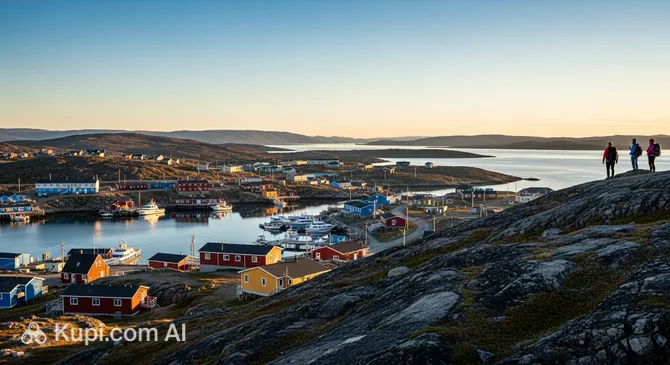
Kimmirut. Source: Kupi.Binoculars

The settlement was formerly known as Lake Harbour and holds the distinction of being the site of the first Hudson's Bay Company trading post on Baffin Island. You can explore the fascinating history of Kimmirut to learn how it evolved from a traditional summer camp for Inuit families into a permanent community that played a pivotal role in the Arctic fur trade and the establishment of the Royal Canadian Mounted Police in the North.

Today, Kimmirut is perhaps best known as the gateway to the magnificent Katannilik Territorial Park. This park protects the valley of the Soper River, a Canadian Heritage River famous for its lush vegetation, waterfalls, and deposits of lapis lazuli. The area is a paradise for hikers, kayakers, and wildlife watchers hoping to spot caribou, muskoxen, or beluga whales in the nearby waters. Additionally, the town is renowned for its exceptional Inuit art, particularly jewelry making and soapstone carving, reflecting a deep cultural heritage.

For travelers seeking an authentic Arctic adventure far from the beaten path, Kimmirut offers an unforgettable experience. Whether you are drawn by the allure of the midnight sun, the chance to witness the Northern Lights, or the warmth of local hospitality, this unique hamlet invites you to discover the serene beauty of the North.

Weather Overview

Kimmirut experiences a distinct Arctic climate characterized by long, frigid winters and short, cool summers. The winter months are intense, with February being the coldest time of the year, seeing average temperatures drop to around -27.0°C. During this season, the air is generally dry, but the extreme cold requires serious preparation for any outdoor activity.

In contrast, the summer offers a brief but pleasant thaw, particularly in July when average temperatures rise to 9.6°C and daily highs can reach 13.4°C. While actual rainfall amounts remain low throughout the year, usually between 1mm and 3mm per month, the warmer season tends to have more frequent wet days. For a more detailed breakdown of what to expect during your trip, you can check the current weather in Kimmirut. Overall, you should expect cool summers with occasional light rain and very cold, dry winters.

Interesting Facts

Beyond the scenic vistas and hiking trails, Kimmirut holds intriguing secrets that highlight its unique position in the Arctic. Here are a few fascinating details that make this community truly special:
  • A Rare Arctic "Forest": While Nunavut is famous for its treeless tundra, the sheltered valley of the Soper River acts as a thermal oasis. Thanks to a unique microclimate, Arctic willows—which typically crawl along the ground—can grow into dense thickets standing over 3 meters (10 feet) tall, creating the surreal experience of walking through a "forest" in the Far North.

  • Hidden Gemstones: Kimmirut is a geological anomaly in the region. Beyond the lapis lazuli often mentioned in guidebooks, the local landscape is known to contain deposits of sapphires, spinels, and moonstones. This mineral richness makes it one of the few places in the Arctic that naturally hosts such a diverse array of precious and semi-precious stones.

  • Keepers of the Qajaq: The community is recognized as a vital hub for the preservation of traditional Inuit kayaking. Local artisans and elders have played a pivotal role in reviving the ancient skill of building the qajaq (kayak) using traditional skin-on-frame methods, ensuring this essential part of maritime heritage continues to thrive.

How to Get There

Reaching the remote community of Kimmirut is an adventure in itself, offering travelers a true taste of the Arctic wilderness. Since there are no roads connecting the hamlet to the rest of Nunavut or Canada, air travel is the primary and most practical mode of transportation. For a detailed overview of routes and logistics, you can read more about how to get to Kimmirut to help plan your journey.

The community is served directly by Kimmirut Airport (YLC), which is conveniently located just 0.5 km from the town center. Due to this proximity, the transfer to your accommodation is incredibly short, taking only a few minutes by local transport or even on foot if weather permits. This small facility handles a modest volume of passengers annually, reflecting the intimate nature of the settlement.

Most visitors will connect through Iqaluit Airport (YFB), the major regional hub located in the city of Iqaluit, approximately 120.8 km away. While it is not possible to take a taxi or bus from Iqaluit to Kimmirut due to the lack of road infrastructure, scheduled flights and charters frequently operate between the two, offering a scenic aerial commute across the tundra.

For clarity, here is a summary of the main airports:

Airport Name City Passenger Traffic Km from City
Iqaluit Airport Iqaluit Medium 120.8
Kimmirut Kimmirut Small 0.5

Main Attractions

Katannilik Territorial Park is the region's premier destination and a true paradise for outdoor enthusiasts. Its name translates to "the place of waterfalls" in Inuktitut, hinting at the numerous cascades that tumble down the valley walls. The park is home to the 120-kilometer Itijjagiaq Trail, which connects Kimmirut to Iqaluit and offers hikers a challenging yet rewarding journey through a landscape of wildflowers, willow thickets, and dramatic geological features. It is an exceptional spot for wildlife viewing, where visitors might spot caribou, wolves, and ptarmigan against the backdrop of the rugged terrain.

Flowing through the heart of the park is the majestic Soper River, a designated Canadian Heritage River that draws paddlers from around the world. Known locally as Kuujjuaraapik, the river is celebrated for its crystal-clear turquoise waters and the unusual lushness of its valley, which creates a microclimate supporting vegetation rarely seen this far north. Tourists can enjoy a scenic canoe or kayak trip down the river, navigating gentle rapids while keeping an eye out for the deposits of lapis lazuli and other gemstones that sparkle along the riverbanks.

For those interested in local culture and history, the Soper House Gallery is a must-visit landmark in the community. This historic building honors the legacy of Dewey Soper, a biologist and explorer who extensively documented the region's wildlife and geography. Today, the gallery serves as a showcase for the community's renowned artistic talent, displaying intricate soapstone carvings, jewelry, and traditional crafts. It provides visitors with a deeper understanding of the artistic heritage that makes Kimmirut famous across the Arctic.

No visit to the hamlet is complete without seeing The Heel, the distinctive rock formation that gave the community its Inuktitut name, Kimmirut. Located within the harbour, this geological feature bears a striking resemblance to a human heel and stands as an iconic symbol of the town. It is an excellent location for photography, especially during the long summer evenings when the midnight sun casts a warm glow over the inlet, offering a perfect vantage point to appreciate the serene beauty of the harbour.

Local Cuisine

The culinary experience in Kimmirut is a true immersion into traditional Inuit culture, revolving largely around "country food" harvested directly from the surrounding land and icy waters. In this remote hamlet, dining is not about extensive menus or fine dining restaurants, but rather about the freshness of the catch and the sustenance provided by the Arctic environment. Visitors should come prepared to taste simple, hearty, and nutrient-rich foods that have sustained the local population for thousands of years.

The undisputed star of the local diet is Arctic Char, which is abundant in the nearby Soper River and the ocean waters. This fish is renowned for its delicate flavor and is prepared in various ways depending on the season and tradition. For an authentic taste of the North, you might try it as quak—frozen raw fish cut into bite-sized pieces, which is a beloved staple. Alternatively, it is often smoked, dried to make pipsi, or simply boiled to create a warming, nutritious meal.

Another essential element of the local cuisine is Bannock, a type of quick bread that accompanies almost every meal. Fried or baked, this dense and filling bread is the ultimate comfort food in the Arctic, often served warm with jam, butter, or alongside a bowl of caribou stew. For the more adventurous traveler, trying muktuk (whale skin and blubber) offers a unique textural experience and is highly prized by locals for its rich vitamin C content and energy-boosting properties.

When it comes to beverages, hot tea is the drink of choice and a central part of social life. A steaming cup of tea is the standard greeting in any home and is consumed throughout the day to stay warm. Additionally, the region offers some of the purest water on earth; drinking water melted from glacial ice or collected from pristine local streams is a refreshing experience in itself. While alcohol is restricted in some northern communities, Kimmirut has specific regulations, so it is best to stick to non-alcoholic warm beverages or water unless you are familiar with current local laws.

Travelers should note that Kimmirut does not have a conventional restaurant scene with street food or cafes. Most visitors eat at the local hotel, which serves home-style meals, or purchase supplies at the local Co-op store to prepare their own food. However, the best way to experience the local gastronomy is through community feasts or if you are invited to share a meal with a local family, where the spirit of sharing "country food" truly comes alive.

Travel Tips

Visiting Kimmirut is a unique adventure that requires careful preparation to fully enjoy the breathtaking beauty and distinct culture of the Arctic. To help you make the most of your journey to this remote Baffin Island community, here are some essential practical tips to keep in mind.

  1. Clothing and Gear: The Arctic climate is unforgiving, so dressing in layers is non-negotiable. In winter, you will need a high-quality parka, insulated wind pants, and boots rated for at least -40°C. If visiting in summer, bring a waterproof jacket, sturdy hiking boots, and definitely a bug jacket or head net, as the mosquitoes can be intense on the tundra.
  2. Transportation: Forget about car rentals or ride-hailing apps; Kimmirut is a small, compact hamlet where everything is within walking distance. For excursions outside the settlement, such as to Katannilik Territorial Park, you will need to arrange travel by boat or snowmobile with local outfitters.
  3. Finances: The local currency is the Canadian Dollar (CAD). While the local Co-op store usually accepts credit and debit cards, it is highly recommended to carry cash for purchasing artwork directly from local carvers or for small transactions. Be aware that prices for food and supplies are significantly higher than in southern Canada due to shipping costs.
  4. Health and Safety: There is a local Health Centre staffed by nurses for basic medical needs, but serious emergencies require a medical evacuation to Iqaluit. Always travel with a sufficient supply of your prescription medications. Furthermore, if you plan to hike outside the town limits, you must be "bear aware" and preferably hire a local guide for safety against polar bears.
  5. Communication: English is widely spoken and understood, but Inuktitut is the primary language of the community. Learning a few words like "Ullukkut" (good day) or "Nakurmiik" (thank you) will be warmly received. Mobile coverage can be spotty and is typically limited to major northern providers, so check with your carrier before departure.
  6. Local Etiquette: The community is tight-knit and friendly; it is customary to smile and greet people you pass on the street. If you are invited into a local home, always remove your shoes at the door. Respect for elders is paramount in Inuit culture, so be patient and polite in all interactions.
  7. What to Avoid: Do not photograph local residents, especially elders and children, without asking for their specific permission first. Additionally, be mindful that Kimmirut is a restricted community regarding alcohol; strict rules apply to possessing or importing it, and you should verify current bylaws before bringing any with you.
  8. Shopping Tip: The local Co-op store is the hub of daily life. It is not just a place for groceries but often the best spot to find locally made soapstone carvings and jewelry. Since there are no dedicated souvenir shops, checking the bulletin boards here or asking staff can lead you to beautiful, authentic art pieces.

By packing the right gear and respecting local customs, you will find Kimmirut to be an incredibly welcoming place. Embrace the slower pace of life in the North, and you are sure to leave with unforgettable memories of the land and its people.

Entertainment & Nightlife

Travelers arriving in Kimmirut expecting a bustling urban nightlife with neon-lit clubs, crowded bars, or late-night discos will find a very different, yet equally captivating, reality. As a small, traditional Inuit hamlet with a population of around 400, the concept of "nightlife" here does not revolve around commercial entertainment venues or partying. Instead, the evening hours are defined by the profound silence of the Arctic, community gatherings, and, weather permitting, the spectacular natural light shows in the sky.

It is crucial for visitors to understand that there are no bars, nightclubs, or pubs in Kimmirut. Furthermore, the community is subject to strict alcohol regulations. It is often a "restricted" municipality, meaning that bringing alcohol requires a permit, and the sale of alcohol within the community is generally prohibited or highly controlled. Consequently, you will not find a nightlife district or streets lined with entertainment venues. The "buzz" of the town is found in the warmth of local homes and the shared spaces where residents gather.

The social hub for visitors is typically the Kimik Hotel. While it is not a nightclub, its dining area often serves as the primary meeting place for the few travelers, researchers, and workers in town. In the evenings, this is where you might exchange stories with locals or fellow adventurers over a hot meal. The atmosphere is casual and intimate; the dress code is strictly functional—warm layers and comfortable indoor shoes are the norm. Another key venue for evening activity is the Kimmirut Community Hall. Depending on the time of year, this venue hosts community feasts, traditional square dances (which are very popular in the North), and Inuit games. If you are lucky enough to be in town during such an event, it offers a cultural immersion far more memorable than any standard bar.

The true star of the night in Kimmirut is the sky itself. During the darker months, from autumn through spring, the lack of light pollution makes the hamlet a world-class destination for viewing the Aurora Borealis (Northern Lights). The "nightclubs" here are the open hills surrounding the town, where the only entry fee is bundling up against the cold. The best time to witness this phenomenon is around midnight on clear nights. For photography enthusiasts and nature lovers, this provides an unparalleled form of evening entertainment.

When it comes to safety at night, the concerns are unique to the Arctic environment. Kimmirut is generally very safe regarding crime, and you can walk through the hamlet without the urban worries of pickpocketing. However, the real danger comes from wildlife. Polar bears can and do venture near or into the town, especially after dark. It is highly advisable not to walk alone on the outskirts of the settlement at night. If you must go out, travel in groups, stay within the illuminated areas of the community, and remain vigilant. There are no taxi services or Uber drivers here; getting around is done on foot or by arrangement with local outfitters.

While the nights are quiet, daytime entertainment offers a chance to explore the region's rich culture. Visitors can spend time at the Soper House Gallery to admire local soapstone carvings or visit the Qaqqalik School during public events to see local crafts. For those seeking active leisure, the surrounding hills offer hiking opportunities that reveal the geological history of the area, serving as a natural amusement park for the adventurous soul.

Parks & Museums

In Kimmirut, the line between the untamed wilderness and cultural exhibition is beautifully blurred. While you will not find sprawling urban gardens or massive museum complexes here, the hamlet offers something far more profound: a landscape that serves as a living natural history museum and intimate venues that celebrate the rich artistic heritage of the Inuit. The community's connection to the land is palpable, with protected areas offering a glimpse into the geological wonders of Baffin Island.

Katannilik Territorial Park is the crown jewel of the region's green spaces, though "green" takes on a unique meaning in the Arctic tundra. Translating to "the place of waterfalls," this vast park protects the valley of the Soper River and acts as a thermal oasis where Arctic willows grow unusually tall. It is a haven for hikers and nature lovers, featuring the renowned Itijjagiaq Trail which traverses a landscape of cascading waterfalls, dramatic cliffs, and vibrant wildflowers during the short summer season. The park provides facilities for camping and serves as a sanctuary for caribou, wolves, and peregrine falcons.

Flowing through the park is the Soper River, a Canadian Heritage River that functions as a natural corridor for exploration. Unlike a manicured city park, this area offers raw, untouched beauty where the scenery changes with every bend of the turquoise water. It is an exceptional location for canoeing and kayaking, allowing visitors to paddle past deposits of lapis lazuli and other semi-precious stones that glitter along the riverbanks. The river valley's microclimate creates a lush environment that stands in stark contrast to the surrounding rocky terrain.

For a look into the region's cultural soul, the Soper House Gallery is the primary destination. Housed in a building named after the biologist Dewey Soper, this venue acts as both a gallery and a museum of local craftsmanship. It displays an impressive collection of soapstone carvings, for which Kimmirut artists are world-famous. Visitors can admire the distinct style of the local carvers, known for their realistic depictions of Arctic wildlife and traditional life. The gallery also often features intricate jewelry made from local gemstones and walrus ivory, offering a tangible connection to the land's resources.

While not a museum in the traditional sense, the Kimmirut Visitor Centre often serves as an interpretive hub for the community. Here, travelers can learn about the area's history, including its days as a Hudson's Bay Company trading post and a site for the Royal Canadian Mounted Police. The centre provides context to the sights you see around town, offering maps, historical photographs, and stories that explain the transition of Kimmirut from a seasonal camp to a permanent settlement.

A significant historical and geological landmark is The Heel, the rock formation overlooking the harbour. While it is a natural feature, it holds the weight of a monument, giving the town its name and serving as a navigational beacon for generations of hunters. A hike to the top offers not only panoramic views of the inlet but also a moment to reflect on the deep history of the Inuit people who have used this landmark for centuries.

For a truly authentic experience, keep an eye out for the local stone deposits while exploring the outskirts of town. Kimmirut is one of the few places where you might find raw lapis lazuli, moonstone, or garnet simply by examining the ground carefully. While you should respect the land and regulations regarding removing items, the thrill of spotting these blue and red gems in their natural setting is a unique "treasure hunt" that no ticketed museum can replicate.

Getting Around

Travelers planning a visit to Kimmirut should be aware that the city does not possess a public transport system in the traditional sense. Due to its small population and compact size, there are no subways, trams, buses, or trolleybuses operating within the community. The infrastructure is designed for a remote Arctic lifestyle rather than urban commuting, meaning that the familiar sights of ticket machines and bus stops are entirely absent from the local landscape.

For the vast majority of visitors, the primary mode of getting around the hamlet is simply walking. The settlement is concentrated within a small area, making it easy to navigate on foot from the airstrip to the local hotel, the Co-op store, or the visitor centre. Since there is no formal transit network, there are no travel passes, transport cards, or mobile apps to worry about. The "payment system" for getting around is effectively non-existent unless you are arranging specific transfers.

While there are no official taxi companies or car-sharing services like Uber, informal transport arrangements are common. Local outfitters and the hotel often provide shuttle services for guests arriving at the airport, usually for a flat fee or included in the accommodation package. If you do need a ride and manage to arrange one with a local resident, cash is the only accepted method of payment. It is advisable to carry small bills, as electronic payment terminals are generally limited to the main store and hotel.

The "alternatives" to standard transport here are defined by the rugged terrain and the seasons. In the winter months, snowmobiles are the undisputed kings of the road (and the frozen sea), serving as the main vehicle for locals. During the summer, All-Terrain Vehicles (ATVs) and boats replace them. Tourists looking to explore beyond the town limits, such as traveling to Katannilik Territorial Park, cannot rent these vehicles to drive themselves; instead, they must hire local guides who provide the transport as part of an excursion package.

A unique feature of transport in this region is its heavy reliance on the weather and the tides. In summer, the "highway" is often the water, with boats ferrying people to hunting grounds or scenic spots. In winter, the frozen ocean and rivers become the thoroughfares. Visitors should treat these modes of travel not just as a way to get from point A to point B, but as an integral part of the Arctic adventure experience.

Practical advice for navigating Kimmirut is simple: bring sturdy, comfortable footwear suitable for gravel roads and rocky paths. Since there are no scheduled transport operating hours, you are free to explore at your own pace, but always be mindful of the variable weather conditions. If you require assistance moving luggage or gear, it is best to contact your accommodation provider in advance to ensure someone is available to meet you upon arrival.

Accommodation

Finding a place to stay in Kimmirut requires a shift in expectations for travelers accustomed to the vast array of options in larger cities. As a small, remote hamlet with a population of approximately 400, the accommodation scene is extremely limited and purely functional. There are no international hotel chains, luxury resorts, or budget hostels here. Instead, visitors will typically find a single primary hotel establishment that serves as the base for all travelers, from government workers and researchers to the few adventurous tourists who make the journey.

The main accommodation provider in the community is the Kimik Hotel, which is operated by the local Co-operative. This facility is the heart of hospitality in Kimmirut, offering comfortable, modest rooms that provide a warm refuge from the Arctic elements. The hotel offers on-site dining, which is convenient given the lack of independent restaurants in the hamlet. Guests can expect home-style cooking and a friendly, communal atmosphere where it is easy to meet locals and fellow travelers.

Given the compact size of the settlement, "location" is hardly a variable to worry about. The hotel is centrally located, placing you within easy walking distance of the Kimmirut Airport, the community store, and the harbour. Whether you are here to hike in Katannilik Territorial Park or explore the local arts scene, you will be perfectly positioned to access everything the town has to offer on foot.

Booking Tips and Prices: Due to the very limited capacity, it is absolutely essential to book your accommodation well in advance. You cannot simply arrive in Kimmirut hoping to find a room, as the hotel may be fully booked by visiting specialists or construction crews. Prices reflect the high cost of operating in the North and are generally in the mid-to-high range compared to southern Canada. Booking is typically done by contacting the hotel directly via phone or email, or through the Inns North network, rather than through standard global booking platforms.

Nearby Cities

For travelers eager to discover more of the Arctic, Kimmirut is a great starting point to reach other regional destinations. It is important to note that due to the lack of road infrastructure connecting these settlements, visiting these nearby communities requires air travel, offering scenic flights over the rugged tundra landscape.

The most accessible hub is Iqaluit, the vibrant capital of Nunavut. Located just a short flight away, it provides a mix of modern amenities and cultural landmarks, such as the Nunatta Sunakkutaangit Museum and the unique St. Jude’s Cathedral. It serves as an ideal stop for those wishing to experience a busier northern center before or after the quiet solitude of the hamlet.

To the west lies Kinngait (Cape Dorset), globally renowned as the "Capital of Inuit Art." This community is a cultural treasure trove, home to the famous West Baffin Eskimo Co-operative where celebrated prints and carvings are created. A visit here allows art lovers to witness the creative process firsthand and explore the deep artistic heritage of the region.

For those drawn to dramatic mountain scenery, Pangnirtung is often called the "Switzerland of the Arctic." Situated at the mouth of a spectacular fjord and acting as the gateway to Auyuittuq National Park, it is famous for its breathtaking views and the Pangnirtung Tapestry Studio, which weaves intricate stories of the North into large-scale art.

City Population Distance (km)
Iqaluit 7740 121
Kuujjuaq 2754 535
Tasiujaq 2000 462
Pangnirtung 1600 419
Kinngait 1441 366

These destinations offer a broader perspective on the diverse cultures and environments found across this vast territory.

Shopping & Souvenirs

Shopping in Kimmirut is a unique experience that reflects the remote, self-sufficient lifestyle of the Arctic. Visitors should not expect bustling shopping malls, fashion boutiques, or souvenir shops lining the streets. Instead, the commercial landscape is concentrated in a single, vital hub that serves the entire community's needs, alongside a thriving informal market for world-class local art.

The heartbeat of the hamlet's commerce is the Kimik Co-operative, often simply called the "Co-op." This is the general store where you can find everything from groceries and outdoor gear to hardware and household supplies. For travelers, this is the place to stock up on snacks or personal items, though be prepared for prices that are significantly higher than in southern Canada due to the high cost of air freight shipping.

For those looking to take a piece of Kimmirut home, the real shopping highlights are the exquisite Inuit arts and crafts. The community is renowned for its talented artisans, particularly in the fields of soapstone carving and jewelry making. Unlike in mass-market souvenir shops, here you are often buying authentic, handcrafted pieces that tell a story of the land and culture.

The Soper House Gallery is a key location to admire and purchase these local works. It often features a selection of carvings and jewelry made from materials found in the surrounding landscape, such as the region's unique gemstones. Kimmirut is one of the few places where jewelry often incorporates local lapis lazuli, moonstone, and garnet, making for a truly distinctive keepsake.

When planning to make purchases, it is important to keep practicalities in mind. While the Co-op accepts credit and debit cards, purchasing art directly from local carvers often requires cash. There are no banks in the hamlet, and ATM availability can be unreliable, so bringing sufficient Canadian currency with you is highly recommended if you intend to support local artists directly.

Nearby cities

Reached the end of the page?

That means the route is fully explored