Support

Kangiqsujuaq

About

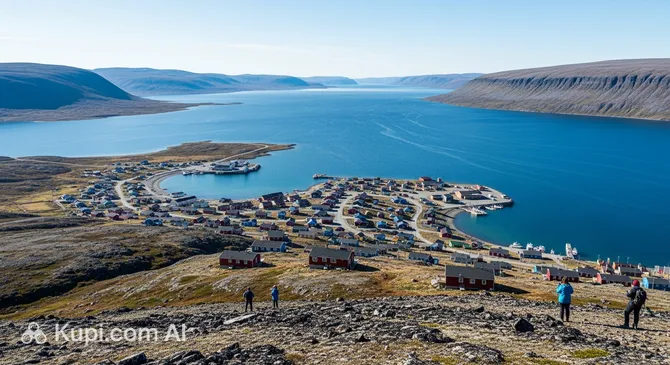
Kangiqsujuaq, whose name translates to "the large bay," is one of the most picturesque Inuit villages in the Nunavik region of Quebec. Nestled in a valley surrounded by majestic mountains, this community offers a truly authentic Arctic experience in Canada. With a population of approximately 1,000 residents, it retains a close-knit and welcoming atmosphere that charms visitors from the moment they arrive.

Kangiqsujuaq. Source: Kupi.Binoculars

The village is renowned for its exceptional natural beauty and unique geographical setting. It sits about 10 kilometers inland from the Hudson Strait on the shores of Wakeham Bay. The local climate is typically Arctic, shaping a landscape that is both rugged and breathtaking. Visitors interested in the past can explore the history of Kangiqsujuaq, which reveals a rich cultural heritage and a deep connection to the land and sea that has sustained the community for generations.

Travelers are often drawn here by the nearby Pingualuit National Park, home to a perfectly circular meteorite crater filled with crystal-clear blue water, often called the "Crystal Eye of Nunavik." Another unique local tradition is the harvesting of mussels from underneath the sea ice during low tides in winter, a fascinating practice to witness. Whether you are hiking the surrounding hills or observing the Northern Lights, Kangiqsujuaq promises an unforgettable adventure for those willing to journey off the beaten path.

Weather Overview

Planning a trip to this northern destination requires careful preparation, as the weather in Kangiqsujuaq is defined by its Arctic location. The region experiences long, frigid winters where average temperatures in February can plummet to -26.3°C, with lows reaching -29.4°C. In contrast, the summer season is short and cool, with July being the warmest month, seeing average temperatures of around 9.2°C and highs peaking at 12.6°C.

Precipitation remains relatively low in terms of volume, typically just 1mm to 2mm per month, though the frequency of precipitation events varies. The number of wet days increases significantly in late summer and autumn; for instance, August and September can see up to 12 wet days each. Generally, visitors can expect cool summers with frequent but light precipitation and extremely cold, dry winters typical of the tundra.

Interesting Facts

Beyond the main attractions, Kangiqsujuaq holds many fascinating secrets that reveal the deep connection between the land, the sea, and its people. From ancient artistic mysteries to daring culinary traditions, this remote village offers stories that are as unique as its landscape.

  • Harvesting Under the Ice: Kangiqsujuaq is one of the very few places in the world where locals practice the perilous tradition of gathering mussels beneath the sea ice. In winter, during extreme low tides, harvesters slip through holes chopped in the ice to walk on the exposed seabed within temporary "ice caves." They have only a brief window to collect the blue mussels before the tide returns, making it a high-stakes hunt for fresh food.

  • The Faces of Qajartalik: Just a short boat ride from the village lies Qajartalik, a site of immense historical significance featuring approximately 180 petroglyphs carved into soapstone outcrops. These mysterious faces were created by the Dorset people (Tuniit) over a millennium ago and are the only known carvings of their kind in the Canadian Arctic, depicting a haunting array of human and animal features.

  • A Guardian of Language: The community is widely respected for preserving an exceptionally pure dialect of Inuktitut. Unlike in some other regions where the language has absorbed many loanwords, the residents here take pride in speaking a traditional form of their ancestral tongue, making it a cultural stronghold in Nunavik.

  • A Name Reclaimed: For decades, the village appeared on maps as Wakeham Bay, named after William Wakeham, an explorer who led an expedition to the Hudson Strait in 1897. It was not until 1980 that the community was legally incorporated and officially reclaimed its traditional name, which fittingly translates to "the large bay."

How to Get There

Reaching the remote community of Kangiqsujuaq requires careful planning due to its location in the Arctic region of Nunavik. Since there are no roads connecting the village to the rest of the province, air travel is the primary mode of transportation. For a detailed overview of travel options and routes, you can read more about how to get to Kangiqsujuaq.

While Kangiqsujuaq is a fly-in community, travelers often transit through or fly near other regional hubs in the north. One of the most significant airports in the broader region is Iqaluit Airport (YFB), located in the city of Iqaluit. It serves as a major gateway for the eastern Arctic and is situated approximately 297 km from Kangiqsujuaq. Another regional facility is Kangirsuk Airport (YKG), located in the neighboring village of Kangirsuk, about 205 km away. It is important to note that these airports are in different municipalities, and due to the geography of the region, travel between these points and Kangiqsujuaq is typically done by connecting flights rather than ground transport.

For clarity, here is a summary of the main airports in the vicinity:

Airport Name City Passenger Traffic Km from City
Iqaluit Airport Iqaluit Medium 297.0
Kangirsuk Airport Kangirsuk Small 204.9
Kimmirut Kimmirut Small 176.4

Kangiqsujuaq does not have a railway station, and there is no rail infrastructure in this part of Quebec. The rugged tundra terrain and permafrost make railway construction impractical. Visitors relying on public transport should focus entirely on air travel arrangements.

Since the village is not connected to the North American road network, driving to Kangiqsujuaq is not possible. The community is accessible primarily by plane, usually via flights connecting from Kuujjuaq or Montreal. During the summer months, supply ships and occasional cruise vessels may visit the coastal area, but air travel remains the only year-round reliable method of entry.

Main Attractions

Kangiqsujuaq serves as the gateway to some of the most extraordinary natural and historical sites in the Arctic. While the village itself is small and intimate, it is the starting point for expeditions into a landscape defined by ancient geological events and millennia of human history. The local tourism office and interpretation centers provide the perfect introduction before travelers head out to explore the rugged tundra and coastal waters.

Pingualuit National Park Interpretation Centre is an essential first stop located directly in the village. Before embarking on the journey to the crater, visitors can explore this facility to understand the region's unique geology and ecology. The centre features a permanent exhibition detailing the meteorite impact that created the famous crater 1.4 million years ago, as well as displays on the flora, fauna, and the rich cultural heritage of the Inuit people who have called this land home for centuries.

The crown jewel of the region is undoubtedly Pingualuit National Park, home to the iconic Pingualuit Crater. Often referred to as the "Crystal Eye of Nunavik," this perfectly circular lake is filled with some of the purest freshwater in the world, as it is replenished solely by rain and snow. In summer, visitors can hike around the crater's rim to witness the deep blue water contrasting with the lichen-covered tundra, while winter offers opportunities for cross-country skiing and dog sledding across the moon-like landscape.

For those interested in archaeology and ancient history, Qajartalik is a site of immense significance located on Qikertaaluk Island, a short boat ride from the village. This protected area features approximately 180 petroglyphs carved into soapstone outcrops by the Dorset people (Tuniit) over a thousand years ago. The carvings, which depict stylized human and animal faces, are a haunting and fascinating testament to the spiritual life of the region's early inhabitants and are currently on Canada's tentative list for UNESCO World Heritage status.

Nature lovers seeking dramatic coastal scenery should visit Douglas Harbour. This spectacular double fjord is renowned for its steep, rocky walls that rise majestically from the water, creating a breathtaking backdrop for boating and fishing. It is an excellent location to observe local wildlife, including seals and seabirds, and offers a profound sense of the scale and beauty of the Arctic wilderness just a stone's throw from the community.

Local Cuisine

The culinary landscape of Kangiqsujuaq is deeply rooted in the traditions of the Inuit people, centered around "country food" or Niqipiaq. This diet relies heavily on the harvest from the land and sea, offering visitors a chance to taste some of the freshest and most organic ingredients in the world. While you will not find varied menus typical of southern cities, the local cuisine is a profound reflection of the Arctic environment and the subsistence lifestyle that has sustained the community for millennia.

One of the most unique delicacies here is the blue mussel. Kangiqsujuaq is famous for its exceptional mussels, which are harvested from beneath the sea ice in winter. These shellfish are renowned for their sweet, salty flavor and are often eaten raw immediately after being collected, or boiled simply in seawater. Another staple is Arctic char, a fish similar to salmon but with a finer flake. It is prepared in various ways: raw and frozen (quak), dried (pitsi), or boiled, and is considered a daily essential for many families.

Meat also plays a significant role in the local diet. Caribou and ptarmigan are common, often served in stews or soups to provide warmth and energy against the cold climate. To accompany these protein-rich meals, locals bake bannock (palauga), a dense and filling flatbread that is fried or baked. It is a ubiquitous comfort food, perfect for dipping in broths or serving with jam made from local berries.

When it comes to beverages, hot tea is the undisputed king of social drinks. In Kangiqsujuaq, the kettle is always on, and sharing a cup of strong, hot tea is a universal gesture of hospitality. For something refreshing, the local water—sourced from pristine lakes or melted ice—is incredibly pure. As for alcohol, travelers should be aware that access is often restricted or regulated in Nunavik communities; there are no bars, and the focus remains on warm, non-alcoholic beverages shared in community settings.

The dining scene in Kangiqsujuaq is informal and limited in terms of commercial establishments. There are no standard restaurants or street food stalls. Visitors typically eat their meals at the local cooperative hotel or the inn, which serve hearty, home-style dishes. However, the true food culture is found in the homes of residents. Community feasts are common, where catch is shared, and if you are fortunate enough to be invited, you will experience the true warmth of Inuit hospitality.

Travel Tips

Visiting Kangiqsujuaq is a unique adventure into the heart of the Arctic, requiring a bit more preparation than your average holiday. To help you navigate this remote and beautiful community with ease, here are some practical tips to ensure your journey is safe and culturally respectful.

  1. Dress for the Arctic extremes. The weather here is unpredictable and harsh. Even in summer, temperatures can drop quickly, so dressing in layers is essential. In winter, a certified polar-grade parka, windproof pants, and heavy-duty insulated boots are non-negotiable. If visiting in July or August, pack a bug jacket or head net, as mosquitoes and black flies can be intense on the tundra.

  2. Walk or arrange local transport. Kangiqsujuaq is small enough to navigate on foot, and walking is the best way to soak in the village atmosphere. There is no public transit, metro, or car rental agency. Locals rely on ATVs in summer and snowmobiles in winter; if you plan to travel outside the village limits or to the park, you must arrange transportation with a local guide or outfitter.

  3. Prepare your finances. The currency used is the Canadian Dollar (CAD). While the local Co-op store and hotel typically accept credit and debit cards, systems can sometimes go offline due to satellite issues. It is highly recommended to carry enough cash for smaller transactions, tipping guides, or buying handmade crafts directly from local artisans.

  4. Be wildlife aware and stay safe. Once you leave the immediate village area, you are in the wilderness where polar bears and other wildlife roam. Never hike onto the tundra alone without a local guide or proper safety equipment. For medical issues, there is a local nursing station (CLSC) for basic care, but serious emergencies require a medical evacuation flight to a southern hospital.

  5. Language and connectivity. Inuktitut is the mother tongue and daily language of the residents, though English is widely spoken and understood. A friendly "Ai!" (Hello) is a great way to break the ice. Be aware that mobile service and Wi-Fi rely on satellite connections; speeds are generally slower than in the south, and data can be expensive, so plan for a digital detox.

  6. Respect community privacy. The people of Kangiqsujuaq are known for their hospitality, but they also value their privacy. Always ask for clear permission before taking photos of locals, their children, or their personal property (including sled dogs). Treating everyone with patience and a smile is the norm here.

  7. Mind the alcohol regulations. Nunavik communities often have specific bylaws regarding the possession and consumption of alcohol to promote community wellness. Avoid bringing excessive amounts of alcohol and never consume it in public spaces. It is best to check the current specific rules for Kangiqsujuaq with your accommodation provider upon arrival.

  8. Shop at the Co-op early. The local FCNQ Co-op store is the lifeline of the village, selling everything from groceries to hardware. Be mindful of its opening hours, as it may close for lunch or have reduced hours on weekends. Since it is the only major store, supply depends on shipments, so if you see an essential item you need, buy it immediately rather than waiting.

By keeping these practical pointers in mind, you will be well-equipped to embrace the unique rhythm of life in the North. Respecting the land and the local ways will ensure your time in Kangiqsujuaq is not just a trip, but a truly enriching experience.

Entertainment & Nightlife

Travelers accustomed to the bustling nightlife of metropolitan cities will find a completely different rhythm in Kangiqsujuaq. There are no nightclubs, discos, or commercial bars in this remote Inuit community. Instead, the "nightlife" is defined by the profound silence of the Arctic, the warmth of community gatherings, and, if the skies are clear, the spectacular display of the Aurora Borealis. The evening entertainment here is about connection—with the land, the culture, and the people.

The social hub of the village in the evenings is often the Auberge Kangiqsujuaq (operated by Inns North). As the primary accommodation and dining facility, its dining room serves as the closest experience to a night out. Here, visitors can enjoy hearty meals and converse with fellow travelers or locals. The atmosphere is incredibly casual and cozy; there is no dress code other than comfortable, warm clothing. It is important to note that Kangiqsujuaq is generally a "dry" or restricted community regarding alcohol, so you will not find cocktail menus or late-night drinking sessions. The focus is on sharing food and stories.

Another focal point for local activity is the Kangiqsujuaq Community Centre. Depending on the schedule, this venue may host community feasts, traditional games, or the ever-popular bingo nights, which are a major social event in many northern villages. If you are fortunate enough to be in town during a community celebration, the energy is vibrant and welcoming. The crowd is a mix of all ages, from elders to children, reinforcing the family-oriented nature of Inuit culture. For these events, the "best time to go" is simply whenever the community gathers, usually announced on local radio or bulletin boards.

For those seeking a more solitary and awe-inspiring experience, the real show takes place outdoors. The hills surrounding the village, particularly away from the streetlights of the central residential area, offer front-row seats to the Northern Lights. During the darker months, the green and violet ribbons of the aurora dance across the sky, providing entertainment that no club could match. The "district" for this activity is anywhere with an unobstructed view of the sky, but always remain vigilant.

Safety is paramount when exploring at night. While the village itself is safe from human crime, the threat of wildlife is real. Polar bears can venture near or into the community, especially after dark. It is strictly advised not to walk alone on the outskirts of the village at night. There are no taxi services or Uber in Kangiqsujuaq; the village is small enough to walk, but if you need to go further, you must rely on pre-arranged transport with local guides using trucks or snowmobiles.

During the daylight hours, entertainment shifts towards cultural and outdoor education. The Pingualuit National Park Interpretation Centre is the main attraction, offering deep insights into the region's geology and history. Visitors can also spend time at the local FCNQ Co-op, which is not just a store but a place to meet locals and see the daily flow of life in the North. Whether day or night, the pace here is slow, allowing you to fully immerse yourself in the unique Arctic lifestyle.

Parks & Museums

In Kangiqsujuaq, the concept of a "park" expands to encompass vast horizons of untouched Arctic tundra, while the local approach to preserving history is deeply intertwined with the land itself. Instead of manicured city gardens, visitors here find themselves immersed in a raw, breathtaking wilderness that serves as the community's backyard. The village offers a unique blend of natural splendor and cultural preservation, where the landscape tells the story of the people.

Pingualuit National Park is the region's premier natural area, famous globally for its meteorite crater, but it offers much more than just the "Crystal Eye." The park spans a massive area of the Ungava Plateau, providing a starkly beautiful landscape of lichen-covered tundra, endless skies, and pristine waters. For tourists, this is a place to experience true solitude and the scale of the Arctic. In summer, it is a hiker's paradise where you can trek across the permafrost, while winter transforms it into a world-class destination for cross-country skiing and observing the stark beauty of the polar environment.

Closer to the settlement, the Hills of Wakeham Bay serve as the community's immediate "green space." These rocky elevations surrounding the village are easily accessible for day hikes and offer panoramic views of the fjord and the Hudson Strait. Walking these trails provides a fantastic opportunity to spot local flora, such as Arctic cotton and wildflowers, which bloom vividly during the short summer. It is an excellent spot for photography or simply sitting in silence to watch for whales in the bay below.

The cultural heart of the village is the Pingualuit National Park Interpretation Centre. Functioning as the main museum in Kangiqsujuaq, this facility is indispensable for understanding the geological and human history of the area. Inside, visitors can explore detailed exhibits explaining the formation of the meteorite crater 1.4 million years ago. Furthermore, the centre dedicates significant space to the culture of the Inuit, displaying traditional tools, clothing, and information about the flora and fauna that sustain the community. It is the perfect starting point for any visitor looking to contextualize their Arctic adventure.

While there are no formal art galleries in the traditional sense, Kangiqsujuaq itself acts as a living gallery for Inuit Art and Carving. The village is renowned for its skilled artisans who work with soapstone and serpentine. Visitors can often view high-quality sculptures at the local Co-op or by visiting the community centre, where local works are frequently displayed. These pieces often depict Arctic wildlife and mythological figures, reflecting the deep spiritual connection the artists have with their environment.

For a journey into the ancient past, the site of Qajartalik is a historical treasure of international significance. Located on Qikertaaluk Island nearby, it features petroglyphs carved by the Dorset people (Tuniit) over a millennium ago. The site contains unique soapstone carvings of faces that are believed to have been used in shamanistic rituals. Visiting this open-air archaeological site offers a haunting and powerful glimpse into the pre-Inuit history of the Canadian Arctic.

For a truly authentic experience, join the locals in the late summer tradition of berry picking on the tundra. The hills around Kangiqsujuaq come alive with cloudberries (aqpik), blueberries, and blackberries. It is not just a way to gather delicious, vitamin-rich food, but a social activity that connects you with the land and the local people in a relaxed, informal setting.
Getting Around

Travelers arriving in Kangiqsujuaq will quickly realize that the public transport system here is defined by the unique demands of the Arctic rather than urban convenience. There are no subways, trams, public buses, or trolleybuses in this remote community. The village is small and compact, meaning that a formal transit network is neither necessary nor practical for the local population. Instead, the "transport system" is informal and relies heavily on personal vehicles adapted to the rugged terrain.

Because there are no scheduled public transport routes, there is no need to worry about purchasing travel passes, validating tickets, or downloading transit apps. You will not find ticket machines or fare zones here. If you arrange transportation with a local guide or outfitter, the cost is typically included in the overall price of the excursion or negotiated beforehand. For any informal rides or services, carrying cash in Canadian dollars is highly recommended, as electronic payment terminals are not available in vehicles.

For most visitors, the primary mode of getting around the village itself is simply walking. The settlement is concentrated within a relatively small area, and key locations such as the Co-op store, the hotel, and the community centre are all within a reasonable walking distance of one another. However, tourists should be mindful of the weather; walking conditions can change rapidly with wind and snow, so sturdy, insulated footwear is essential regardless of the season.

While standard taxi services and ride-sharing apps like Uber do not exist, the community functions with a high degree of cooperation. Transport from the airport is generally arranged in advance through your accommodation provider, such as the local inn, which operates a shuttle vehicle for guests. It is crucial to confirm this transfer before your arrival, as there are no taxi stands waiting at the airstrip.

In terms of alternatives, the local equivalent of a rental car varies by season. In the summer months, all-terrain vehicles (ATVs) and pickup trucks are the standard way to move people and supplies. In the winter, the snowmobile becomes the king of the road. Tourists generally cannot rent these vehicles for self-driving due to safety and insurance reasons; instead, travel further afield is done by hiring a local guide who will provide the transport as part of a guided tour on the land or sea ice.

Accommodation

Accommodation in Kangiqsujuaq is limited and functional, reflecting the remote nature of this Arctic community. Visitors should not expect the variety found in larger cities; there are no luxury resorts, budget hostels, or international hotel chains here. Instead, lodging is primarily provided by a locally engaged cooperative inn that serves as the home base for tourists, workers, and government officials alike.

The most well-known and practically the only formal option for travelers is the Auberge Kangiqsujuaq (Kangiqsujuaq Inn). Operated under the Inns North network, this facility offers comfortable, standard rooms with private bathrooms and essential amenities. It also features a communal dining room where guests are served daily meals, which is often the only dining option available in the village. Given the compact size of the settlement, the inn is conveniently located in the center of the community, within walking distance of the local Co-op store and the shores of Wakeham Bay.

When planning a stay, it is crucial to book as far in advance as possible. The hotel has a limited number of rooms, and occupancy can fill up quickly with visiting specialists, medical staff, or construction workers, especially during the short summer season. Travelers should not rely on finding last-minute availability upon arrival.

Regarding costs, visitors should be prepared for higher rates compared to southern destinations. Prices generally fall into the mid-to-high range, reflecting the significant logistical costs of operating and shipping supplies to the North. Booking is typically handled directly through the Inns North website or by contacting the hotel manager. While credit cards are generally accepted, carrying a printed confirmation is recommended due to potential internet connectivity issues.

Nearby Cities

Kangiqsujuaq is situated in the vast wilderness of Nunavik, a region where communities are separated by immense distances and connected primarily by air. While the logistics of Arctic travel make spontaneous visits difficult, there are several significant settlements in the wider area that share the same rugged environment and cultural heritage. These neighboring destinations provide a broader context for life in the North.

As the administrative capital of Nunavik, Kuujjuaq is the largest community in the region and serves as the primary transportation hub for the area. Located on the shores of the Koksoak River, it acts as a vital link between the north and the south. This bustling town offers a blend of traditional Inuit culture and modern amenities, marking the transition zone between the boreal forest and the open tundra.

Situated across the Hudson Strait, Iqaluit is the capital city of the neighboring territory of Nunavut. It is a vibrant cultural center known for its arts scene, the Nunatta Sunakkutaangit Museum, and the scenic Sylvia Grinnell Territorial Park. Although it requires a flight to reach, it provides a comprehensive look into life in the Canadian Arctic, featuring distinct architecture and the stunning backdrop of Frobisher Bay.

Located within the same region of Nunavik, Tasiujaq is a smaller, traditional village situated on the shores of Leaf Basin. It is world-renowned for having some of the highest tides on the planet, which create a dramatic and ever-changing coastal landscape. The area is also rich in wildlife, offering excellent opportunities to spot muskoxen, caribou, and migratory birds in a pristine environment.

City Population Distance (km)
Iqaluit 7740 297
Kuujjuaq 2754 437
Tasiujaq 2000 342
Pangnirtung 1600 592
Kinngait 1441 375

These destinations, while remote, collectively define the character of the eastern Arctic, each offering its own unique perspective on the landscape and the people who call it home.

Shopping & Souvenirs

Shopping in Kangiqsujuaq is a modest but culturally enriching experience that differs significantly from the commercial retail therapy found in southern cities. As a remote Inuit community, the village does not have shopping malls, boutiques, or promenade streets. Instead, commerce here is centered around essential goods and the incredible artistic talent of the local residents. Visitors will find that the true value of shopping in Kangiqsujuaq lies in acquiring authentic, handmade items that reflect the heritage of the region.

The "main shopping district" is effectively the center of the village, where the community's primary general store is located. Given the small size of the settlement, everything is within walking distance. You will not find brand-name fashion chains or electronics superstores; the retail landscape is purely functional, designed to sustain life in the Arctic. However, a walk through the village center offers a glimpse into the daily logistics of the North and is the best place to connect with locals.

In terms of larger stores, the FCNQ Co-op serves as the community's lifeline and acts as the closest equivalent to a shopping mall. This cooperative store sells absolutely everything needed for survival and comfort, from groceries and hardware to snowmobile parts and clothing. For tourists, the Co-op is also a key stop because it often displays and sells local arts and crafts. It is the hub of activity in the village and a fascinating place to observe the community's rhythm.

While there are no formal flea markets or street bazaars, the "market" in Kangiqsujuaq is often informal and personal. Local artisans frequently sell their work from their homes or at the community centre during special events. If you are interested in purchasing art, asking at the hotel or the Co-op can often lead to an introduction to a local carver or seamstress. This direct interaction allows you to meet the artist behind the work, adding immense personal value to your purchase.

When it comes to souvenirs, Kangiqsujuaq is an excellent place to buy authentic Inuit art. The region is famous for its soapstone carvings, which often depict Arctic wildlife like polar bears, seals, and walruses, or scenes from mythology. Traditional clothing is another prized item; handmade mittens, hats, and slippers (kamiks) made from seal skin or fur are not only beautiful but incredibly warm. Buying these items here supports the local economy directly and ensures you are getting a genuine piece of Nunavik culture.

Store opening hours are generally limited compared to urban centers. The Co-op typically opens around 9:00 AM or 10:00 AM and closes by 5:00 PM or 6:00 PM, often closing for an hour during lunch. It is important to note that stores are usually closed on Sundays. In terms of payment, the Canadian Dollar (CAD) is the official currency. Credit and debit cards are widely accepted at the main store and hotel, but it is highly recommended to carry cash. Satellite connections can be temperamental, causing card machines to go offline, and cash is the preferred method when buying art directly from locals.

Regarding taxes, purchases in Canada are subject to the Goods and Services Tax (GST) and the Quebec Sales Tax (QST). Unlike some international destinations, there is no immediate "tax-free" refund system available at the counter for tourists in the village. Visitors should expect to pay the marked price plus applicable taxes on most goods.

Reached the end of the page?

That means the route is fully explored