Support

Kinngait

About

Welcome to Kinngait, a vibrant community nestled on the southern tip of Baffin Island in the territory of Nunavut. Formerly known as Cape Dorset, this picturesque hamlet is celebrated worldwide as the Capital of Inuit Art. Despite its remote location and small population of around 1,400 residents, Kinngait pulses with creative energy and offers a unique window into the cultural soul of the Arctic.

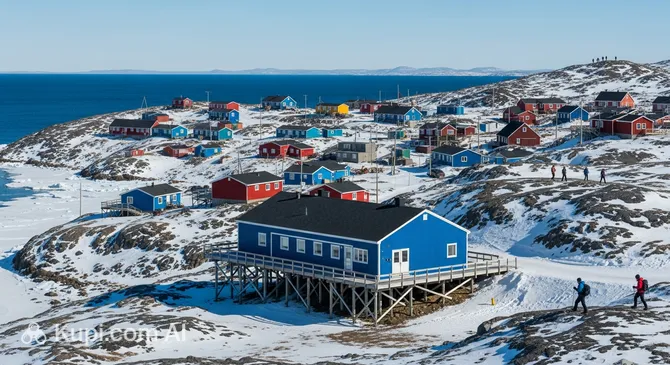
Located in northern Canada, the town sits against a backdrop of rolling rocky hills and the icy waters of the Hudson Strait. The landscape is starkly beautiful, characterized by the rugged tundra and dramatic seasonal changes that define life in the North. While the winters are long and cold, they provide the perfect setting for the Northern Lights, while the summers bring the midnight sun and blooming wildflowers.

Kinngait. Source: Kupi.Binoculars

The region has been inhabited for millennia, originally by the Dorset people (Tuniit). To fully appreciate the depth of local culture, delving into the history of Kinngait is highly recommended, as it reveals how ancient traditions have seamlessly evolved into modern artistic expression.

Visitors are primarily drawn here by the world-renowned West Baffin Eskimo Co-operative, the oldest professional Inuit art printmaking studio in the country. Here, you can witness the creation of exquisite stone carvings and lithographs. Beyond the art studios, the nearby Mallikjuaq Territorial Park offers hiking trails past significant archaeological sites and opportunities to spot wildlife such as caribou, polar bears, and snowy owls.

Whether you are an art collector seeking a masterpiece or an adventurer looking to experience the pristine beauty of the North, Kinngait promises a truly unforgettable journey into the heart of the Arctic.

Weather Overview

Kinngait experiences a harsh Arctic climate, characterized by long, freezing winters and short, cool summers. When planning a trip, it is essential to check the weather in Kinngait carefully, as temperatures remain below freezing for the majority of the year. January and February are the coldest months, with average temperatures dropping as low as -25.7°C and minimums reaching nearly -28°C.

The summer season offers a brief and mild respite, with July being the warmest month, though average highs only reach about 8.1°C. Precipitation volume is generally low throughout the year, often just 1mm to 2mm per month, but the frequency of wet days increases in the autumn. Expect cool summers with occasional light rain and extremely cold, dry winters where heavy thermal clothing is absolutely necessary.

Interesting Facts

Beyond its reputation as a creative powerhouse, Kinngait holds fascinating secrets regarding its geography and historical significance that often surprise visitors.
  • The entire "Dorset culture," a Paleo-Inuit era preceding the modern Inuit, was named after this settlement. Anthropologists identified distinct artifacts here in 1925, forever linking the community's former name, Cape Dorset, to a major chapter in the archaeological history of Canada.

  • Visitors can literally walk across the ocean floor to visit the nearby Mallikjuaq Island. During low tide, the waters of the Hudson Strait recede to form a temporary natural causeway, allowing access to ancient stone archaeological sites on foot before the tide returns.

  • The Inuktitut name Kinngait translates to "high mountains," referring to the rugged Dorset Hills that surround the hamlet. These peaks are a geological anomaly, standing in sharp contrast to the flat, sweeping tundra that characterizes most of the surrounding Arctic landscape.

  • The sea adjacent to the community is locally known as Sikusilaq, meaning "where the ice does not form." Strong currents create a polynya—an area of open water that remains unfrozen even in winter—which attracts walrus, seals, and whales year-round.

How to Get There

Reaching this remote Arctic community requires some planning, as there are no roads connecting it to the rest of Canada. The primary and most practical way to arrive is by air, typically connecting through Iqaluit. For a complete guide on logistics and routes, you can read more about how to get to Kinngait.

The local airstrip serves as the main gateway for visitors. You will arrive at Cape Dorset (IATA: YTE), which is conveniently located within Kinngait itself, just 0.7 km from the center of the hamlet. Due to this proximity, the journey into town is very brief, though you should allow approximately 20 minutes for a taxi transfer to account for loading and logistics. This small regional airport handles scheduled flights and charters essential for travel in the North.

For clarity, here is a summary of the main airport:

Airport Name City Passenger Traffic Km from City
Cape Dorset Kinngait Small 0.7

There are no railway lines on Baffin Island, so reaching Kinngait by train is not an option. The rugged terrain and island location mean that land transport from other settlements is also impossible. Aside from air travel, the only other way to access the community is by sea during the ice-free summer months, usually aboard expedition cruise ships.

Main Attractions

Kenojuak Cultural Centre is the artistic heartbeat of the community and a modern landmark dedicated to the preservation and promotion of Inuit culture. Named after the legendary artist Kenojuak Ashevak, this facility houses the world-famous West Baffin Eskimo Co-operative. Tourists are drawn here for the unique opportunity to step inside the studios where iconic stone carvings, etchings, and lithographs are created. It is a fascinating place to watch master printmakers at work and to purchase authentic art pieces directly from the source.

For those interested in history and nature, Mallikjuaq Territorial Park offers an unforgettable outdoor experience. Located on an island adjacent to the community, the park is famous for its archaeological sites, including ancient stone structures and sod houses left by the Thule people, the ancestors of the modern Inuit. The park is accessible by boat or, for the adventurous, by walking across the tidal flats during low tide. The trail provides stunning views of the rugged coastline and is a prime spot for observing arctic wildflowers and local wildlife.

The surrounding landscape itself serves as a major attraction, with the Dorset Hills providing a dramatic backdrop for hikers and photographers. Trekking up the rocky slopes rewards visitors with panoramic vistas of the Hudson Strait and the countless islands scattered across the water. In the summer months, the midnight sun allows for exploration at any hour, illuminating the stark beauty of the tundra and the vibrant colors of the lichen-covered rocks.

Local Cuisine

The culinary landscape of Kinngait is distinct from typical tourist destinations, defined almost entirely by the Arctic environment and Inuit traditions. Rather than a bustling restaurant scene, the local food culture revolves around "country food"—wild ingredients harvested directly from the land and sea. For visitors, this offers a rare chance to taste organic, nutrient-dense foods that have sustained the community for millennia.

When it comes to signature dishes, Arctic Char is undoubtedly the star. This cold-water fish is a staple and is prepared in various ways: smoked, baked, dried into jerky known as pipsi, or eaten frozen and raw (quaq), which is considered a delicacy for its warming properties. Another essential item to try is bannock, a dense, fried or baked bread that accompanies almost every meal. For the adventurous eater, maktaaq (whale skin and blubber) offers a truly authentic taste of the North, prized for its high vitamin C content and unique texture.

Beverage options in Kinngait reflect the practical needs of the climate. Hot tea is the universal drink of hospitality and warmth, consumed throughout the day at social gatherings and after time spent outdoors. Tourists should be aware that Kinngait is a "restricted" community regarding alcohol. There are no bars, pubs, or liquor stores in the hamlet. While possession is allowed with a permit, there is no nightlife scene involving alcohol, so visitors typically rely on tea, coffee, and soft drinks available at local stores.

Dining out options are very limited in this small hamlet. Commercial restaurants are virtually non-existent outside of the local hotels, such as the dining room at the Dorset Suites, which serves a mix of standard Canadian fare and occasional local specialties. Most travelers rely on these hotel facilities or purchase groceries from the local Co-op or Northern Store to prepare their own meals. The most authentic culinary experiences often happen informally, through community feasts or invitations from locals to share a fresh catch.

Travel Tips

Traveling to Kinngait is a true adventure that requires significantly more preparation than a typical vacation to southern destinations. To help you navigate the unique logistics of this remote Arctic community comfortably and respectfully, here are some essential practical tips.

  1. Clothing and Gear: The weather in Nunavut is unforgiving, so proper layering is non-negotiable. Even in summer, bring a waterproof and windproof jacket, warm sweaters, and sturdy hiking boots for the rocky terrain. If visiting in winter, you will need expedition-grade gear: a heavy parka, insulated wind pants, thermal base layers, and boots rated for at least -40°C. Don't forget sunglasses to prevent snow blindness, and in the summer, a high-quality insect repellent is crucial to ward off the swarms of mosquitoes.

  2. Transportation: You will not find car rental agencies or ride-sharing apps here. The hamlet is small enough to be walkable, which is how most locals get around. For longer distances or airport transfers, there are local taxi services that operate on a flat-rate basis per person. In winter, snowmobiles are the primary mode of transport; if you wish to explore beyond the town limits, you must book a guided tour with a local outfitter.

  3. Finances: The currency is the Canadian Dollar (CAD). While the main retailers like the Northern Store and the Co-op accept credit and debit cards, it is highly recommended to carry cash. Cash is often preferred or necessary when purchasing art directly from local carvers or paying for taxi rides. Be prepared for "northern prices"—groceries and supplies are significantly more expensive than in southern Canada due to freight costs.

  4. Health and Safety: There is a local Health Centre staffed by nurses who handle routine care and emergencies, but serious medical conditions require a medical evacuation flight to Iqaluit or Ottawa. The most specific safety concern here is wildlife: Polar bears are a real and present danger, even near the town. Never wander onto the land or outside the hamlet's perimeter without an experienced local guide who is equipped to handle wildlife encounters.

  5. Communication: English is widely spoken and understood, though Inuktitut is the mother tongue for the majority of residents. Learning a simple greeting like "Ullaakkut" (good morning) is a nice gesture. Mobile coverage exists but can be limited to specific providers (mainly Bell and its affiliates), and data speeds are generally slower than in major cities. Wi-Fi is available at hotels and public buildings but relies on satellite connections, so expect latency.

  6. Local Etiquette: It is customary to remove your shoes immediately upon entering a home, and often at the hotel or certain offices as well—bring thick socks or indoor slippers. When it comes to photography, always ask for permission before taking photos of locals, especially elders and children. The community is tight-knit, and privacy is valued.

  7. What to Avoid: Do not ignore the local alcohol regulations. Kinngait is a "restricted" community, which means there are strict limits on the amount of alcohol you can bring in, and it may require a permit. There are no bars or liquor stores. Bringing in alcohol illegally or consuming it publicly is a serious offense and culturally insensitive.

  8. Art Purchasing Tip: Since this is the capital of Inuit art, you will likely be approached by artists selling carvings directly. This is a normal part of the local economy. If you like a piece, it is acceptable to negotiate respectfully, but remember that this is their livelihood and the stone is quarried by hand with great effort. Always pay a fair price for their work.

By packing the right gear and respecting the local customs and environment, you will be well-equipped to enjoy the incredible hospitality and raw beauty that Kinngait has to offer.

Entertainment & Nightlife

Nightlife in Kinngait is not defined by thumping bass, neon signs, or crowded dance floors, but rather by the ethereal glow of the Northern Lights and the warmth of community gatherings. Travelers expecting a bustling scene of nightclubs, cocktail bars, or late-night discos will find a very different rhythm here. As a "restricted" community regarding alcohol regulations, there are no bars, pubs, or liquor stores in the hamlet. Instead, evening entertainment is deeply rooted in social connection, cultural traditions, and the majestic natural environment.

The atmosphere after dark is quiet and intimate. The social heart of the hamlet is often the Kinngait Community Hall. This venue frequently hosts community feasts, traditional Inuit games, and square dances, which are incredibly popular across the Nunavut territory. These events are open to everyone and offer a rare, authentic glimpse into local life that is far more memorable than a typical night out. The dress code is always casual and practical—parkas and boots are the norm, even for indoor socializing.

For dining and a place to relax in the evening, options are limited but welcoming. The dining room at the Dorset Suites serves as the main gathering spot for visitors and locals looking for a meal outside the home. It is a place to enjoy hearty food, warm up with a hot tea, and swap stories with fellow travelers or local artists. Since there are no commercial nightlife districts, this hotel dining room effectively functions as the evening social hub for tourists.

The most spectacular "nightclub" in Kinngait is undoubtedly the sky itself. During the long, dark winter months (October to April), the town becomes a prime viewing destination for the Aurora Borealis. With virtually no light pollution, you do not need to travel far; simply walking to the edge of town or a slightly elevated spot offers a front-row seat to the dancing green and violet lights. Safety is paramount when exploring at night: always stay within sight of the buildings to avoid getting lost and to stay safe from wildlife, particularly polar bears, which can be active near the coast.

During the day, entertainment is centered around the region's world-class artistic heritage. The Kenojuak Cultural Centre is the premier daytime attraction, acting as a living museum where you can watch master printmakers and carvers at work. For outdoor enthusiasts, the daylight hours—which stretch for 24 hours in mid-summer—are perfect for exploring Mallikjuaq Territorial Park. Whether you are hiking the tundra or watching the tide recede to reveal ancient Thule sites, the days here are filled with exploration before the quiet, peaceful nights set in.

Parks & Museums

While Kinngait is a small hamlet rather than a sprawling metropolis, its connection to the land and its artistic legacy offer visitors a distinct blend of natural beauty and cultural depth. The green spaces here are defined by the raw, unmanicured wilderness of the Arctic, while the cultural venues serve as world-class hubs for Inuit creativity.

The most prominent natural area is Mallikjuaq Territorial Park, located on an island directly across from the community. Known locally as "Big Wave," this park is a haven for hikers and nature lovers. The terrain features rolling hills, tundra valleys, and rocky coastlines that come alive with purple saxifrage and arctic poppies during the short summer. It is an excellent spot for birdwatching, where you might spot peregrine falcons or eider ducks along the shore. The park also preserves significant archaeological features, including ancient stone tent rings and meat caches that tell the story of the Thule culture.

Surrounding the hamlet, the Dorset Hills function as an immense, open-air recreational space. Unlike formal city parks, these hills offer unrestricted freedom for exploration. A hike to the higher elevations rewards visitors with breathtaking panoramic views of the Hudson Strait and the Foxe Peninsula. In winter, these slopes are popular for tobogganing and offer a prime vantage point for viewing the Northern Lights away from the settlement's lights.

Culturally, the town is anchored by the Kenojuak Cultural Centre. This beautifully designed modern facility is the centerpiece of the community's artistic life. It serves as both a community hub and a gallery, featuring exhibition spaces that display the works of local legends and emerging talent. Visitors can explore the history of Inuit art through rotating displays and learn about the intricate processes involved in bringing these stories to paper and stone.

Connected to the cultural scene is the historic West Baffin Eskimo Co-operative, often referred to as the Kinngait Studios. While it functions primarily as a working studio rather than a traditional museum, it is the oldest professional printmaking studio in Canada. It offers a "living museum" experience where tourists can observe master printmakers applying stonecut and lithography techniques that have been passed down for generations. The atmosphere is one of focused creativity, providing a rare behind-the-scenes look at art that hangs in prestigious galleries around the world.

For a truly authentic experience, take a walk to the Inukshuk standing guard on the hill overlooking the harbour. It is not just a photo opportunity but a quiet place to reflect on the vastness of the landscape.

Getting Around

Navigating Kinngait requires a shift in expectations for travelers accustomed to the complex transit networks of large cities. As a small, remote hamlet, the community does not possess a public transportation infrastructure such as buses, subways, trams, or trains. Instead, the local transport system is informal, practical, and scaled to the size of the settlement, relying primarily on taxi services and walking to get around the compact town center.

The backbone of motorized transport for visitors is the local taxi service. Unlike in southern metropolitan areas where you might hail a cab on the street or use a ride-sharing app, taxis here are dispatched by telephone. There are usually one or two local companies operating sedans or SUVs that function as a shared ride service. It is common for the driver to pick up multiple passengers heading in the same general direction, making it a communal experience rather than a private hire.

Payment for transport is straightforward but strictly traditional. Taxis operate on a flat-rate system per person, per trip, regardless of the distance traveled within the hamlet. There are no meters, and digital payment methods, travel cards, or mobile apps are not used. Visitors must carry Canadian currency in small denominations, as drivers deal exclusively in cash. The cost is generally affordable, set at a standard fee that applies to any trip within the town limits, including runs to and from the airport.

For most tourists, walking is a viable and enjoyable alternative for daily exploration. The hamlet is relatively small, and most key locations—such as the hotel, the co-op, and the art studios—are within a reasonable walking distance of one another. However, the terrain can be hilly and roads are unpaved, often becoming muddy in spring or icy in winter. Good footwear is essential, and pedestrians should always be mindful of weather conditions, which can change rapidly.

Seasonal modes of transport play a huge role in local life. During the long winter months, snowmobiles are the dominant vehicle, used by residents to travel across the land and sea ice. While tourists cannot rent these like a car, local outfitters offer guided snowmobile tours for those wishing to venture beyond the town. In the summer, All-Terrain Vehicles (ATVs) are popular. There are no conventional car rental agencies in Kinngait, so unless you have arranged a guided excursion, your options remain the local taxi or your own two feet.

When planning your arrival or departure, be aware that taxis meet scheduled flights, but it is wise to have the local dispatch number handy just in case. Service hours generally cover the active part of the day and evening but may not be available late at night. Since there is no scheduled airport bus, the flat-rate taxi is the standard way to transfer between the airstrip and your accommodation.

Accommodation

Finding accommodation in Kinngait requires a shift in expectations compared to visiting a major tourist hub. As a remote Arctic hamlet, the options are limited and functional, designed primarily to serve visiting professionals, government workers, and the intrepid travelers who venture this far north. You will not find sprawling luxury resorts, international hotel chains, or budget hostels here. Instead, the accommodation landscape consists of a few small, locally run hotels and suites that offer warm, comfortable, and essential amenities to ensure a safe stay in the polar environment.

Given the compact size of the community, location is rarely an issue. Most accommodation is situated centrally, within walking distance of the airport, the West Baffin Eskimo Co-operative, and the local stores. Staying in the heart of the hamlet is convenient, placing you close to the cultural center and the shore, where you can watch the tides of the Hudson Strait. Since there is no public transit network, being central allows visitors to explore the town on foot with ease.

The most well-known option in town is the Dorset Suites. This facility is the de facto hub for visitors, offering hotel-style rooms and suites that are often equipped with kitchenettes—a valuable feature in a town with limited dining options. It also houses one of the only dining rooms in the community, making it a social gathering point as well as a place to sleep. The atmosphere is casual and friendly, often filled with a mix of construction crews, medical staff, and art collectors.

Booking accommodation in Kinngait requires foresight. Because the number of rooms is very small and demand from essential workers can be high, it is crucial to book well in advance. Spontaneous arrivals are risky, as you may find the town completely sold out, especially during the summer construction season or when a cruise ship is in the region. Always confirm your reservation by phone or email before you board your flight.

Travelers should also be prepared for "Northern prices." The cost of running a hotel in the Arctic—where heating, electricity, and supplies are expensive—is reflected in the room rates. Prices generally fall into the high range compared to southern standards, even for modest accommodations. Booking is typically done directly with the property via telephone or email, as local lodgings may not always be listed on major global booking platforms. Payment is usually accepted via credit card, but carrying some cash is always a good backup plan in remote areas.

Nearby Cities

For those looking to explore the surroundings, Kinngait serves as an excellent base for day trips to several interesting nearby locations:

Iqaluit is the capital of Nunavut and the primary gateway to the territory. Located approximately 400 kilometers away, it is the bustling hub of political and economic life in the region. Visitors here can explore the Nunatta Sunakkutaangit Museum to see extensive collections of Inuit artifacts, visit the unique igloo-shaped Legislative Assembly building, or enjoy the amenities of a larger Arctic city before returning to the tranquility of the smaller hamlets.

Pangnirtung, often referred to as the "Switzerland of the Arctic," is renowned for its spectacular scenery, sitting at the edge of a fjord surrounded by towering mountains. Like Kinngait, it is a major center for Inuit art, particularly weaving and printmaking. It also serves as the southern gateway to Auyuittuq National Park, making it a dream destination for those who wish to witness dramatic glacial landscapes and deep valleys.

Igloolik offers a deep dive into the rich cultural heritage of the region. Known for its strong connection to oral history and traditional practices, this community is situated on a small island in the Foxe Basin. It is a fascinating place to learn about the history of the Inuit and their ancestors, with numerous archaeological sites nearby and a vibrant community of filmmakers and circus performers who blend tradition with modern expression.

City Population Distance (km)
Iqaluit 7740 396
Rankin Inlet 2800 788
Tasiujaq 2000 709
Igloolik 1700 618
Pangnirtung 1600 550

These nearby destinations offer a glimpse into the diverse culture and landscapes of the region.

Shopping & Souvenirs

Shopping in Kinngait is a unique experience that differs vastly from the commercial retail therapy found in large cities. There are no designer boutiques or sprawling department stores here. Instead, the shopping scene is defined by the community's global reputation as the "Capital of Inuit Art." Visitors come here primarily to acquire authentic masterpieces directly from the source, making art acquisition the central pillar of the local economy. Beyond art, shopping is functional, focused on providing essential supplies for life in the Arctic.

There are no designated shopping districts or pedestrian streets in the traditional sense. The commercial activity of the hamlet is concentrated in the town center, where a few general stores serve the daily needs of the population. The most significant destination for visitors is the Kenojuak Cultural Centre. This modern facility serves as the retail face of the West Baffin Eskimo Co-operative, offering a curated selection of prints, drawings, and carvings. It is the best place to browse high-quality works in a gallery setting.

Travelers should be aware that Kinngait does not have any shopping malls. The retail infrastructure is scaled to a small community of approximately 1,400 people. You will find large general stores, such as the Northern Store and the local Co-op, which function as "one-stop shops" selling everything from groceries and hardware to winter clothing and snowmobiles. These stores are interesting to explore for a glimpse into the logistics of northern living, but they are not typical tourist shopping destinations.

While there are no formal flea markets or souvenir bazaars, an informal "art market" thrives within the community. It is very common for local carvers to carry their recent works—wrapped in cloth or carried in backpacks—around the town, approaching visitors near the hotels or the airport to offer them for sale. This direct interaction allows tourists to meet the artist personally and often purchase stone carvings at a lower price than in southern galleries. Always be respectful and polite during these exchanges.

The undisputed top souvenirs from Kinngait are Inuit stone carvings and fine art prints. The hamlet is famous for its distinct style of serpentine and marble sculptures, often depicting Arctic wildlife like dancing bears, walruses, and owls, or transformation themes from Inuit mythology. Limited-edition lithographs and stonecut prints from the local studio are also highly prized collectors' items. For smaller keepsakes, look for handmade traditional clothing items such as mittens or kamiks (boots) made from seal skin, which are both beautiful and incredibly warm.

Store opening hours are generally standard, typically from 9:00 AM to 5:00 PM or 6:00 PM, Monday through Saturday. Some larger general stores may have extended evening hours or open for limited hours on Sundays, but specialized art offices may be closed on weekends. When it comes to payment, major credit cards are accepted at the Co-op, Northern Store, and the Cultural Centre. However, cash is essential if you plan to buy carvings directly from artists on the street, as they do not have card terminals. There is an ATM in town, but it is wise to bring sufficient cash with you.

In terms of taxes, the Goods and Services Tax (GST) of 5% applies to most purchases in Nunavut. There is no territorial sales tax (PST), making the tax burden lower here than in many other parts of Canada. Visitors should note that Canada does not generally offer a VAT or GST refund system for tourists on standard goods purchased for export, so the price you pay at the register is typically final.
Reached the end of the page?

That means the route is fully explored