Support

Kuujjuarapik

About

Welcome to Kuujjuarapik, a fascinating community located in the Nunavik region of Quebec. Situated at the mouth of the Great Whale River on the eastern shore of the Hudson Bay, this village offers a unique glimpse into life in the North. It is the southernmost northern village in Nunavik and serves as a significant gateway to the Arctic for travelers exploring this remote part of Canada.
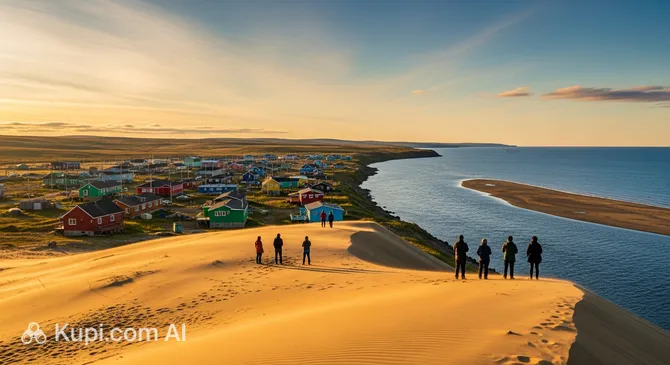
Kuujjuarapik. Source: Kupi.Binoculars

The geography of Kuujjuarapik is defined by its stunning coastal landscapes and rolling sand dunes, a rare sight in the region. With a population of approximately 1,300 residents, the community maintains a close-knit atmosphere amidst the vast wilderness. The climate here is subarctic, characterized by long, snowy winters perfect for cold-weather activities and cool, refreshing summers that bring the landscape to life.

One of the most remarkable aspects of this destination is its cultural duality; it is the only place where an Inuit village and a Cree village, Whapmagoostui, coexist side by side. This harmonious relationship allows visitors to experience two distinct indigenous cultures in one location. Those wishing to delve deeper into the past can explore the history of Kuujjuarapik, which traces the area's significance from traditional hunting grounds to its role in the fur trade era.

Travelers are drawn to Kuujjuarapik for its exceptional natural beauty and outdoor opportunities. In the winter months, the dark skies provide a spectacular canvas for the Northern Lights, while the frozen landscape is ideal for dog sledding and snowshoeing. During the warmer months, visitors can enjoy hiking along the river, berry picking, and observing local wildlife. Whether you are seeking cultural enrichment or an adventure in the great outdoors, Kuujjuarapik invites you to discover the magic of the North.

Weather Overview

The climate in Kuujjuarapik is marked by dramatic seasonal contrasts, typical of its northern location. Winters are long and intensely cold, with January and February seeing average temperatures dip to -20.1°C and -21.6°C respectively. During this period, the air is crisp, and while precipitation volume remains low, the landscape stays frozen and snow-covered, requiring high-quality thermal gear for any outdoor activities.

Summer offers a gentle thaw and much milder conditions, making it the prime season for visiting. From June to August, temperatures climb significantly, with August seeing averages around 11.9°C and daytime highs reaching nearly 15°C. This is the most comfortable time for sightseeing, though travelers should be aware that the number of wet days increases as the year progresses, peaking in October and November with up to 20 wet days per month.

Overall, visitors should expect cool, breezy summers with occasional precipitation and very cold, generally dry winters. To help you pack the right layers and plan your daily excursions, we recommend checking the detailed guide to the weather in Kuujjuarapik before your trip.

Interesting Facts

Beyond the breathtaking vistas of the Hudson Bay coast, Kuujjuarapik holds fascinating stories that define its character. This community is not just a transit point but a place of rare cultural convergence and geological curiosity.

  • A Tale of Two Peoples: Kuujjuarapik is unique in Canada for physically sharing its site with the Cree village of Whapmagoostui. While they are distinct legal entities with separate councils, the Inuit and Cree residents live side-by-side, creating a rare example of permanent cohabitation between these two Indigenous cultures.

  • What's in a Name? The name "Kuujjuarapik" translates from Inuktitut as "the little great river." This seemingly paradoxical name was chosen to distinguish the local Great Whale River from the even larger Koksoak River, known simply as "the great river," found near the village of Kuujjuaq.

  • Military Origins: The modern infrastructure of the village owes much to the Cold War era. In the 1950s, the site was established as a base for the Mid-Canada Line radar system, which brought an influx of workers and materials that permanently altered the settlement's size and accessibility.

  • Unexpected Terrain: While much of Nunavik is characterized by rocky tundra, this area features extensive sand dunes along the river mouth. These sandy formations are a geological anomaly for the region and provide a distinct backdrop that differs sharply from other northern villages.

How to Get There

Reaching Kuujjuarapik is an adventure in itself, as this remote northern village is not connected to the rest of Quebec by road or rail. Air travel is the primary and most practical method for visitors to arrive. For a comprehensive guide on planning your journey, you can read more about how to get to Kuujjuarapik and explore the available transport options.

The main gateway for travelers is Kuujjuarapik Airport (YGW), which serves as a vital hub for the community. Located directly in the village, the airport is just 1.0 km from the center. Due to this close proximity, the transfer to local accommodations is a very short drive, typically taking just minutes. The airport handles a moderate volume of travelers, with an annual passenger traffic of around 15,000 people, connecting the village to major centers like Montreal and Val-d'Or. This facility is the essential link for both locals and tourists visiting this part of Nunavik.

For clarity, here is a summary of the main airports in the vicinity:

Airport Name City Passenger Traffic Km from City
Kuujjuarapik AirportKuujjuarapikModerate1.0
Sanikiluaq AirportSanikiluaqSmall168.5

Kuujjuarapik does not have a railway station, and there are no train services operating in this northern region. The village's isolation from the rail network preserves its rugged, natural character, making air travel the exclusive means of rapid transport into the area.

Main Attractions

Despite its remote location, Kuujjuarapik offers a surprising array of natural wonders and cultural treasures that captivate visitors. The village's unique position at the mouth of the Great Whale River, combined with its distinct geological features, creates a landscape that is both rugged and inviting. From ancient rock formations to local artistic masterpieces, the attractions here provide a deep connection to the land and its people.

One of the most spectacular natural sights in the area is the Manitounuk Islands (Îles Manitounuk). Located just a short boat ride north along the Hudson Bay coast, these islands are famous for their dramatic cuestas—asymmetrical ridges with steep cliffs on one side and gentle slopes on the other. This archipelago is a haven for wildlife enthusiasts, offering excellent opportunities to spot seals, beluga whales, and a wide variety of nesting seabirds against a backdrop of striking rock formations.

For those interested in hiking and scenic views, a trip to Amitapanuch Falls is highly recommended. Situated approximately 12 kilometers upstream on the Great Whale River, these enchanting falls are a local jewel. The journey to the falls allows travelers to experience the raw beauty of the river valley, and the site itself provides a powerful display of cascading water that is particularly impressive during the spring thaw.

Culture and history merge beautifully at the local Anglican Church. This historic building is renowned not just for its spiritual significance but for housing a unique artistic treasure: a magnificent fresco painted by the celebrated Inuk artist Eddy Weetaluktuk. The painting depicts Christ walking on the waters of the Great Whale River, seamlessly blending Christian iconography with the local Inuit landscape and worldview.

Art lovers should also visit the Asimautaq School, which serves as an unexpected gallery of local talent. The school displays a superb collection of carvings and paintings, including more works by Eddy Weetaluktuk. These pieces offer visitors a window into the stories, traditions, and daily life of the community, captured through the expressive lens of Indigenous art.

Finally, the village itself is an attraction due to its unusual geology. Unlike the rocky tundra typical of Nunavik, Kuujjuarapik is built on extensive golden sand dunes. Exploring these rolling sands offers a surreal experience, especially when looking out over the icy waters of the Hudson Bay. It is a perfect spot for a contemplative walk, berry picking in season, or simply watching the Northern Lights dance across the vast open sky.

Local Cuisine

The culinary experience in Kuujjuarapik is deeply rooted in the traditions of the North, offering a taste of subsistence living that connects the people to the land and sea. In this remote setting, the "food scene" is not defined by trendy bistros but by Country Food—wild-harvested ingredients that have sustained Inuit and Cree communities for generations. For visitors, dining here is an opportunity to sample fresh, organic, and locally sourced proteins prepared with simple, hearty methods.

One of the most ubiquitous staples you will encounter is bannock (palauga in Inuktitut). This dense, filling bread is a daily essential, served either baked or fried in a pan. It accompanies almost every meal, from breakfast to dinner, and is the perfect comfort food to warm you up after a day in the cold. Another signature dish is Arctic char, a fish prized for its delicate flavor. It is prepared in various ways: smoked, dried (known as pipsi), boiled, or even eaten raw and frozen, a traditional method that preserves its nutrients and natural taste.

For those with an adventurous palate, caribou and game meats are central to the local diet. You might find these served as rich stews or roasted simply to highlight the quality of the meat. In the late summer and autumn, the landscape offers a sweet bounty of cloudberries (aqpik) and blueberries. These tart, vitamin-rich fruits are often eaten fresh, baked into desserts, or preserved as jams, providing a burst of color and flavor to the northern table.

When it comes to beverages, hot tea is the undisputed drink of choice. In Kuujjuarapik, the kettle is always on, and sharing a cup of tea is a fundamental social ritual that welcomes guests and warms the spirit. As for alcoholic drinks, options are generally limited to specific establishments, such as the hotel bar or social club, as regulations in northern villages can be strict regarding the sale and consumption of alcohol.

Dining out in Kuujjuarapik is a modest affair. There are very few formal restaurants; instead, tourists typically eat at the dining rooms of local hotels or inns, which serve a mix of standard Canadian fare and local specialties. For snacks and lunch supplies, the local Co-op and Northern Store are the main hubs where residents and visitors alike purchase groceries. However, the true heart of the food culture is found in community feasts and gatherings, where food is shared generously, reflecting the enduring spirit of hospitality that defines life on the Hudson Bay coast.

Travel Tips

Traveling to Kuujjuarapik offers a rare opportunity to experience life on the Hudson Bay coast, but visiting such a remote northern community requires thoughtful preparation. To help you navigate the unique logistics and cultural landscape of this dual Inuit and Cree village, we have compiled a list of essential practical advice.

  1. Clothing and Gear: The weather dictates your wardrobe here. In winter, you need expedition-grade gear: a heavy parka, insulated windproof pants, and boots rated for -40°C are mandatory. In summer, while days can be mild, the insects are intense; bringing a bug jacket or a high-quality head net is absolutely crucial for your comfort. Always pack a universal travel adapter (Type A/B) if coming from abroad, though the voltage is standard for Canada.
  2. Transportation: There are no paved roads connecting Kuujjuarapik to the south, and within the village, there is no public transit like buses or subways. The community is compact and walkable, which is the best way to soak in the atmosphere. For longer distances or transporting luggage, "taxis" are usually local residents operating informal services with pickup trucks; ask at your hotel for a reliable number. Car rentals are not available.
  3. Finances: The currency is the Canadian Dollar (CAD). Major credit and debit cards are accepted at the Northern Store, the Co-op, and the hotel. However, it is wise to carry cash for purchasing arts and crafts from local artisans or for small transactions where card machines might be down due to internet connectivity. Be prepared for higher prices on food and goods due to the cost of air freight.
  4. Health and Safety: Medical facilities are limited to a local nursing station (CLSC) which handles basic care and emergencies; serious cases require a medevac flight to a southern city. Ensure your travel insurance covers medical evacuation. Regarding safety, the village is peaceful, but the surrounding wilderness is home to polar bears and black bears; never wander far from the community limits without a local guide or proper safety knowledge.
  5. Communication: English is widely spoken in Kuujjuarapik, serving as a common language between the Inuit, Cree, and visitors. French is also spoken by many. You might hear Inuktitut and Cree being spoken daily; learning a simple greeting like "Ai" (Hello) is a friendly gesture. Cell phone service is available but generally limited to major national carriers (like Bell), and Wi-Fi can be slower than in southern cities, so plan accordingly.
  6. Local Etiquette: The community is tight-knit and welcoming, but privacy is valued. Always ask for permission before taking photographs of local residents, their children, or their homes. It is customary to remove your shoes when entering a house or certain public buildings. A smile and a wave to passersby are standard and polite interactions here.
  7. What to Avoid: Do not ignore weather warnings or venture out onto the sea ice without a guide. The weather can change rapidly from sunny to whiteout conditions. Additionally, avoid complaining openly about the high cost of groceries; locals are well aware of the prices, and it is a sensitive reality of northern living.
  8. Additional Tip: Take advantage of the unique "twin village" geography. While you are staying in Kuujjuarapik (Inuit), you are just a short walk from Whapmagoostui (Cree). Visiting the Cree Cultural Centre or attending a community gathering on that side of town allows you to experience two distinct Indigenous cultures in a single trip, a feature unique to this location.

By keeping these tips in mind, you will be well-equipped to enjoy the stunning natural beauty and warm hospitality of Kuujjuarapik. Respect for the land and the local traditions will ensure your visit is both safe and deeply rewarding.

Entertainment & Nightlife

Nightlife in Kuujjuarapik is a unique and subdued experience, vastly different from the bustling club scenes found in southern cities. In this remote northern village, entertainment is centered around community connection, storytelling, and the natural world rather than commercial nightlife districts. The atmosphere is warm, informal, and welcoming, offering visitors a chance to mingle with locals in a relaxed setting.

There is no specific "nightlife district" here; instead, social activity is concentrated in a few key locations. The primary venue for evening entertainment is the Kuujjuarapik Social Club. This establishment serves as the local gathering spot where residents and visitors come together to enjoy music, play pool, and have a drink. It is the closest thing to a bar in the village and often hosts dances or community events on weekends. Another spot to unwind is the dining room and lounge area of the Co-op Hotel (Auberge Kuujjuarapik), which offers a quiet place to enjoy a meal and conversation after a long day of exploration.

The "nightlife" in this part of Nunavik is also defined by the spectacular show provided by nature. During the darker months, the Northern Lights (Aurora Borealis) take center stage. The lack of light pollution makes Kuujjuarapik a prime location for viewing this celestial phenomenon. Many visitors spend their evenings bundled up in warm gear, standing on the sand dunes or near the river, watching the green and purple lights dance across the sky. This is a silent, awe-inspiring alternative to a noisy night out.

Practical advice for nights out involves understanding the local pace and environment. Venues typically close earlier than in big cities, often by midnight or 1:00 AM. The dress code is strictly practical—leave the high heels and dress shoes at home; warm boots, parkas, and casual layers are the standard attire everywhere. Prices for alcohol and imported snacks can be significantly higher than in the south due to transportation costs, so bring enough cash, as card machines can occasionally be offline.

Safety is a critical consideration when venturing out at night. While the village streets are generally safe from crime, the surrounding wilderness poses real risks. Polar bears and black bears can venture near or into the settlement, especially after dark. It is advisable to take a local taxi—usually a designated pickup truck service—rather than walking alone late at night, even for short distances. Ask your hotel front desk for the current number of a reliable driver.

For daytime entertainment, the pace remains leisurely but culturally rich. Visitors can stop by the Centre d'art to see local sculptors at work or visit the community center, which occasionally hosts craft markets and bingo games. While there are no amusement parks or large theaters, the cultural immersion offered by chatting with local artisans and exploring the twin communities of Kuujjuarapik and Whapmagoostui provides a deeply engaging experience during the daylight hours.

Parks & Museums

Kuujjuarapik may not have manicured city gardens in the traditional sense, but its "green spaces" are vast, untamed, and breathtakingly beautiful. The village serves as a gateway to some of the most spectacular natural areas in Nunavik, where the landscape itself acts as an immense open-air park, and cultural heritage is preserved not just in buildings, but in the living traditions of its people.

While technically a regional attraction, Tursujuq National Park is a significant highlight for anyone visiting this part of the world. As the largest national park in Quebec, it protects an area of immense geological and historical importance, including the inland seas of the Richmond Gulf and the Clearwater Lakes. Although located north of the village near Umiujaq, Kuujjuarapik often serves as a logistical starting point for expeditions into this pristine wilderness, offering visitors a chance to witness towering cliffs, waterfalls, and rare wildlife in a protected sanctuary.

Closer to home, the banks of the Great Whale River function as the community’s central recreational area. The unique sand dunes that line the coast create a natural parkland that is distinct from the rocky tundra found elsewhere in the North. In summer, these sandy stretches are perfect for walking, picnicking, and watching the sunset over the Hudson Bay, providing a serene environment that feels almost tropical despite the latitude.

In terms of museums, the village’s cultural heart is often found within its active community spaces rather than static exhibit halls. The Whapmagoostui Cree Cultural Centre, located in the neighboring Cree village, is a vital institution for understanding the region's dual heritage. It serves as a gathering place that showcases the rich history, crafts, and traditions of the Eeyou (Cree) people. Visitors here can often learn about traditional hunting methods, view historical photographs, and gain insight into the harmonious coexistence of the Cree and Inuit communities.

For art enthusiasts, the St. Edmund’s Anglican Church stands as a remarkable cultural landmark. Beyond its religious function, the building houses a celebrated fresco by Inuit artist Eddy Weetaluktuk. This artwork is a significant piece of local heritage, merging Christian themes with Inuit cultural symbols, effectively turning the sanctuary into a gallery that reflects the spiritual and artistic synthesis of the North.

History buffs will find the remnants of the Cold War Radar Stations to be an intriguing open-air historical site. Scattered around the periphery of the village, these rusting structures from the Mid-Canada Line serve as silent monuments to the 1950s, a period that permanently changed the demographics and infrastructure of the area. Exploring these sites offers a tangible connection to the strategic military history that shaped the modern settlement.

For a truly authentic experience, ask around about visiting a local carving workshop. Many artists in Kuujjuarapik work from home or small shared studios rather than formal galleries. watching a master carver transform soapstone or caribou antler into a piece of art is often more educational and engaging than visiting a traditional museum.

Getting Around

Navigating Kuujjuarapik is a straightforward experience that differs significantly from the complex transit networks found in larger metropolitan areas. Due to the village's small size and remote location, there is no formal public transportation system such as buses, subways, or trams. Instead, the community relies on a more personal and informal approach to mobility, where the pace is relaxed and the distances are manageable.

The primary motorized option for visitors is the local taxi service. Unlike standard city cabs with meters and roof lights, taxis here are typically private vehicles—often pickup trucks or SUVs—operated by local residents. These services are essential for transporting luggage, getting to the airport, or moving between the Inuit village of Kuujjuarapik and the neighboring Cree village of Whapmagoostui, especially during inclement weather.

Payment for these rides is almost exclusively cash-based. There are no travel cards, mobile apps, or ticket machines. The fare system usually operates on a flat-rate basis per person, per trip, regardless of the distance within the village limits. Prices are generally affordable, often ranging between $5 and $10 CAD per ride. It is highly recommended to carry small bills and coins, as drivers may not always have ample change for large denominations.

For most tourists, walking is the most practical and enjoyable way to explore. The entire settlement is compact, and key locations such as the hotel, the Northern Store, the Co-op, and the airport are all within a reasonable walking distance of one another. Strolling through the sandy streets not only provides exercise but also offers the best opportunity to observe daily life, admire the local architecture, and greet residents.

A unique feature of transport in this northern region is its seasonality. In the winter months, the streets and surrounding trails are dominated by snowmobiles, which serve as the primary mode of transport for locals. During the summer, All-Terrain Vehicles (ATVs) take over. While tourists typically do not rent these for simple point-to-point travel, they are an integral part of the local "traffic" culture that you will encounter constantly.

Practical advice for arranging transport involves relying on local knowledge. Since there are no taxi stands or dispatch apps, the best way to secure a ride is to ask the front desk at your hotel or the staff at the airport to call a reliable driver for you. Service hours can be flexible, but availability may decrease late at night, so it is wise to plan your evening returns in advance.

Accommodation

Finding a place to stay in Kuujjuarapik is a straightforward affair, though options are far more limited than in southern tourist destinations. The accommodation scene here is designed primarily to serve essential travel needs, catering largely to government workers, contractors, and the occasional adventurer. You will not find luxury resorts, hostels, or sprawling hotel chains; instead, the village offers functional, comfortable inns that provide a warm refuge from the Arctic elements.

Since the community is compact, location is rarely an issue. Most accommodation is centrally located, placing you within easy walking distance of the airport, the Northern Store, and the sandy shores of the Great Whale River. Staying in the heart of the village allows for convenient access to local services and the opportunity to immerse yourself in the daily rhythm of the community without the need for transport.

The primary establishment serving visitors is the local Co-op Hotel (often referred to as the Auberge Kuujjuarapik). Run by the community cooperative, this hotel is the hub of hospitality in the village. It typically offers standard amenities such as Wi-Fi, private bathrooms, and an on-site dining room, which is one of the few places to buy prepared meals in town. The atmosphere is casual and friendly, often serving as a social meeting point for travelers and locals alike.

Booking Tip: Due to the scarcity of rooms and the steady flow of professional travelers, availability can be tight. It is highly recommended to book your accommodation well in advance, especially if you plan to visit during the summer construction season or peak Northern Lights viewing times. Do not rely on finding last-minute availability upon arrival.

Travelers should be prepared for prices that are generally higher than average, often falling into the mid-to-high range. This reflects the high cost of operating and maintaining facilities in the North. While some information may be found on general travel sites, booking is most reliably done by calling the hotel directly or sending an email. This direct contact ensures you have a confirmed reservation and allows you to ask about meal plans, which are a practical necessity in this remote setting.

Nearby Cities

For those looking to explore the surroundings, Kuujjuarapik serves as an excellent base for day trips or short regional excursions to several interesting nearby locations. While the vast distances of Northern Quebec often require air travel, these neighboring communities offer unique cultural and natural experiences.

Chisasibi is the closest major community, located approximately 192 km to the south. Situated on the banks of the La Grande River, it is a vibrant Cree nation settlement. Visitors here can explore the rich traditions of the Eeyou people and witness the impressive scale of the nearby hydroelectric developments, which are among the largest in the world. It provides a contrasting perspective to the coastal tundra environment of Kuujjuarapik.

Further afield lies Kuujjuaq, the administrative capital of Nunavik. Although it is a longer journey, it serves as the central hub for the region. A visit to Kuujjuaq offers travelers a chance to see the bustling heart of Nunavik, situated along the mighty Koksoak River. It is an ideal destination for those wishing to understand the broader governance, history, and modern development of the Inuit territory.

City Population Distance (km)
Chisasibi 5000 192
Waskaganish 2000 428
Dolbeau-Mistassini 14250 601
Chibougamau 7500 639
Kuujjuaq 2754 653

These nearby destinations offer a glimpse into the diverse culture and landscapes of the region, highlighting the vastness and beauty of Northern Quebec.

Shopping & Souvenirs

Shopping in Kuujjuarapik is a unique experience that differs vastly from the commercial retail therapy found in southern cities. As a remote northern village, the shopping scene is primarily functional, catering to the daily needs of residents with a focus on subsistence and survival gear. However, for the visitor, the true allure lies in the opportunity to discover authentic Indigenous art and craftsmanship that is rarely found elsewhere.

There are no shopping districts or sprawling malls in the traditional sense. The retail activity is concentrated within the village center, revolving around two main establishments: the Northern Store and the local Co-op. These general stores serve as the community's lifelines, functioning as combination supermarkets, department stores, and hardware outlets. Here, you can find everything from fresh produce and dry goods to heavy-duty winter clothing, ATVs, and snowmobiles.

While there are no formal flea markets, the village is a hidden gem for collectors of Indigenous art. The most prized souvenirs are the exquisite soapstone carvings created by local Inuit artists. These sculptures often depict Arctic wildlife such as polar bears, seals, and walruses, or scenes from traditional mythology. Additionally, because Kuujjuarapik neighbors the Cree village of Whapmagoostui, you can also find distinct Cree handicrafts, such as beautiful beaded moccasins and tamarack twig decoys (wooden geese), making it one of the few places to acquire art from both cultures in a single location.

Purchasing these local treasures often requires a more personal approach than simply walking into a shop. While the Co-op and local hotels sometimes display pieces for sale, the best way to buy art is often directly from the artisans themselves. It is common for carvers to visit the hotel dining rooms to show their latest work to visitors. Alternatively, asking at the community center or your hotel front desk can connect you with local artists who are happy to sell from their homes or workshops.

When planning your shopping, be mindful of opening hours. The main stores typically operate from morning until early evening, often closing around 6:00 PM, and may have reduced hours or be closed on Sundays. Payment in the Northern Store and Co-op can be made with major credit and debit cards. However, if you plan to purchase art directly from a local carver, cash is the preferred and often the only accepted method of payment, so it is wise to carry sufficient funds.

Regarding taxes, the standard Canadian Goods and Services Tax (GST) and the Quebec Sales Tax (QST) apply to most purchases in the village. There is no specific tax-free shopping program for tourists in this region, and the visitor tax refund program in Canada was discontinued years ago. Visitors should also be prepared for prices on everyday goods to be significantly higher than in the south, reflecting the high cost of air freight transportation to this remote location.

Reached the end of the page?

That means the route is fully explored