Support

Chibougamau

About

Welcome to Chibougamau, a captivating destination nestled in the heart of the boreal forest. As the largest community in the Nord-du-Québec administrative region, this town serves as a vital gateway to the vast northern wilderness of Canada. Known for its rugged beauty and welcoming spirit, Chibougamau offers visitors a unique blend of urban amenities and untamed nature, making it an ideal spot for those seeking an authentic adventure off the beaten path.

Geographically, the city is situated on the shores of Lake Gilman and is surrounded by a network of pristine lakes and dense forests. With a population of approximately 7,500 residents, it maintains a friendly, tight-knit atmosphere while acting as a service hub for the Jamésie territory. The local climate is characterized by warm, pleasant summers and snowy, crisp winters, creating a landscape that changes dramatically with the seasons and offers distinct activities year-round.
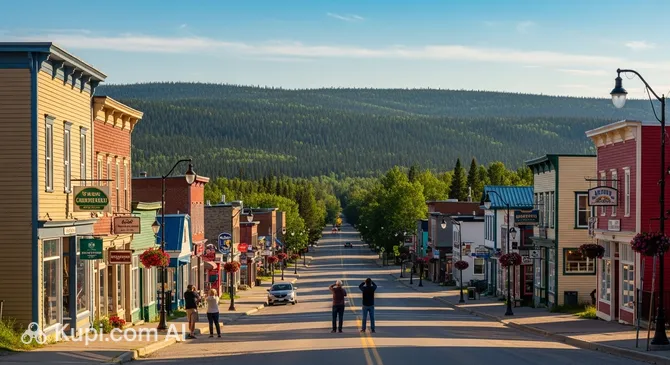
Chibougamau. Source: Kupi.Binoculars

The town's origins are deeply rooted in the mining industry, having been established following the discovery of copper and gold deposits in the early 20th century. Travelers interested in the history of Chibougamau can explore how this settlement evolved from a remote mining camp into a vibrant municipality. This heritage is still evident today and adds a layer of historical depth to the community's modern identity.

For outdoor enthusiasts, Chibougamau is a true paradise. The immense Lake Chibougamau is a highlight, offering exceptional opportunities for fishing, boating, and swimming during the warmer months. Nearby, Obalski Park provides a network of scenic trails perfect for hiking and cycling. In the winter, the region transforms into a premier destination for snowmobiling and cross-country skiing, attracting riders from all over with its well-maintained tracks and abundant snowfall.

Whether you are drawn by the call of the wild, the promise of excellent fishing, or simply the desire to experience the serenity of the North, Chibougamau awaits. It is a place where nature is always on your doorstep, inviting you to disconnect from the hustle of city life and reconnect with the great outdoors.

Weather Overview

Understanding the local climate is key to enjoying your visit to this northern region, as the weather shifts dramatically between seasons. Before heading out, it is helpful to consult the current weather in Chibougamau to pack the right gear for your adventures.

Summer offers the most comfortable conditions for exploration, with July being the warmest month. During this time, the average temperature is 17.1°C, with daily highs often reaching a pleasant 22.0°C. While the total precipitation volume is quite low year-round, typically ranging from 2mm to 4mm per month, the number of wet days is significant; for instance, August sees about 16 days with some precipitation.

In contrast, winter is defined by true northern cold. January is the coldest month, featuring an average temperature of -16.1°C and lows that can drop to -20.0°C. Should you visit in the shoulder seasons, expect brisk air, with May averaging 6.9°C and October cooling down to 5.9°C. Overall, you can expect mild, comfortable summers with frequent light precipitation and cold winters requiring warm thermal layers.

Interesting Facts

Beyond the scenic landscapes and rich mining heritage, Chibougamau hides unique stories and historical details that add depth to its character. Here are a few fascinating insights into this northern community that often surprise visitors.

  • Indigenous Roots of the Name: The name "Chibougamau" is of Cree origin, though its exact meaning has been a subject of debate. It is most commonly interpreted as "gathering place" or "where the water is shut in," referring to the narrowing of the lake. This highlights the area's long-standing significance as a meeting point for Indigenous peoples well before the arrival of European prospectors.

  • Cold War Strategy: During the mid-20th century, the town played a quiet but crucial role in the defense of Canada. It hosted the RCAF Station Chibougamau, a radar station that was part of the Pinetree Line. This network was established to detect potential aerial threats during the Cold War, placing this remote town on the map of continental security.

  • From Isolation to Connection: For many years, the region was accessible only by air or arduous canoe routes, making it a true frontier outpost. It wasn't until 1949 that the first road, now known as Route 167, was completed to transport mineral resources. This engineering feat ended the town's isolation and paved the way for its development as a permanent municipality.

How to Get There

Reaching this northern destination is an adventure in itself, taking you through some of Quebec's most scenic landscapes. While the journey can be long, the available transport links ensure that the city is accessible for visitors. You can find more about how to get to Chibougamau and plan the best route for your itinerary.

For those traveling from further afield or looking to save time, flying is the most direct option. The city is served by Chibougamau Airport (IATA: YMT), which is located approximately 19.4 km from the town center. As a regional facility with small passenger traffic, it offers a quick and hassle-free arrival experience compared to larger hubs. Once you land, the drive to the city center by taxi or shuttle typically takes about 20 minutes.

For clarity, here is a summary of the main airport:

Airport Name City Passenger Traffic Km from City
Chibougamau Airport Chibougamau Small 19.4

There are currently no passenger railway stations directly serving Chibougamau. Visitors who prefer ground transportation typically arrive by car or bus via Route 167, which connects the region to Lac-Saint-Jean and the rest of the provincial road network. This route offers a beautiful drive through the boreal forest, though travelers should be prepared for remote conditions.

Main Attractions

Chibougamau and its surroundings offer a wealth of activities for nature lovers, adventure seekers, and culture enthusiasts. While the town is famous for its vast wilderness, it also boasts well-maintained facilities and unique cultural sites that provide a deeper understanding of the region's heritage and natural beauty.

Parc régional Obalski is a cornerstone of outdoor life in the area, conveniently located just minutes from the town center. This expansive park is a year-round playground, featuring a network of trails perfect for hiking and cycling in the summer, and transforming into a hub for cross-country skiing and snowshoeing when the snow falls. Visitors can enjoy serene walks through the boreal forest or relax by the water, making it an excellent spot for families and solo travelers alike to connect with nature without venturing too far into the wild.

For those looking for panoramic views and winter thrills, the Centre de plein air du Mont-Chalco is a must-visit destination. Rising above the landscape, the mountain offers downhill skiing and snowboarding slopes that cater to various skill levels, as well as exhilarating tube slides that are a hit with children. In the warmer months, the mountain's trails provide hikers with breathtaking vantage points overlooking Lake Chibougamau and Lake Doré, rewarding the climb with some of the best scenery in the region.

A short drive from the city leads to the award-winning community of Oujé-Bougoumou, home to the Aanischaaukamikw Cree Cultural Institute. This world-class facility is more than just a museum; it is a vibrant center dedicated to preserving and sharing the history, language, and traditions of the Cree people of Eeyou Istchee. The building itself is an architectural masterpiece, designed to reflect traditional Cree structures, and inside, visitors can explore fascinating exhibits featuring ancient artifacts and interactive displays that tell the story of the land's original inhabitants.

During the summer, Lac Gilman serves as the community's favorite gathering spot. The municipal beach offers a refreshing escape on warm days, with clean waters ideal for swimming and a sandy shore perfect for picnics and sunbathing. Its accessibility and relaxed atmosphere make it a popular location for both locals and tourists to unwind and enjoy the long northern days.

Local Cuisine

The culinary landscape of Chibougamau is a reflection of its northern location and warm hospitality, offering hearty comfort food designed to satisfy after a day in the great outdoors. The local cuisine is deeply rooted in traditional Quebecois flavors, often featuring rich, warming dishes that make use of regional ingredients like game meat and freshwater fish sourced directly from the surrounding lakes.

Visitors simply cannot leave without trying the region's take on poutine. While this dish of fries, cheese curds, and gravy is a staple across the province, in Chibougamau it is often served with generous portions and unique toppings, such as minced meat or Italian sauce. Another must-try is the traditional tourtière (meat pie). Given the town's proximity to the wilderness, it is not uncommon to find versions made with wild game like moose or venison, offering a robust flavor profile that speaks to the area's hunting heritage. For seafood lovers, freshly caught walleye (doré) is a local delicacy, typically pan-fried with butter and herbs.

When it comes to drinks, the town has embraced the craft beer movement with a distinct northern twist. The local Microbrasserie Maître Renard is a standout destination, brewing beers that incorporate boreal forest ingredients such as spruce tips and wild berries. This adds a unique terroir character to their beverages, allowing you to literally taste the landscape. For a non-alcoholic option, spruce beer (bière d'épinette) remains a nostalgic and refreshing choice often found in local shops.

The dining atmosphere in Chibougamau is casual and unpretentious, characterized by friendly service and a strong sense of community. You won't find many high-end dress codes here; instead, the scene is dominated by cozy family-run restaurants, lively pubs, and classic "casse-croûtes" (snack bars). Places like Pizza Marko's and Pub Royal are popular gathering spots where locals and tourists mingle, enjoying generous meals and the vibrant "5 à 7" (happy hour) culture that defines social life in the town.

Travel Tips

Visiting Chibougamau is an immersion into the rugged beauty of Northern Quebec, but its remote location requires a bit of extra preparation. Here are some practical tips to ensure your adventure in the boreal forest is safe, comfortable, and truly unforgettable.

  1. Dress for the Elements: The weather here dictates your wardrobe. In winter, heavy-duty thermal gear, insulated boots, and windproof parkas are non-negotiable, as temperatures can plummet well below freezing. In summer, bring breathable layers and sturdy hiking shoes; crucially, do not forget strong insect repellent or a bug jacket, as black flies and mosquitoes can be intense in the woods during June and July.

  2. Transportation Essentials: Public transport is limited within the town, so renting a car is the most practical way to explore the surrounding lakes and trails. While the downtown area is compact, having your own vehicle gives you the freedom to visit sites like Parc régional Obalski; if visiting in winter, ensure your vehicle is equipped with proper winter tires, which are mandatory in Quebec.

  3. Money Matters: The local currency is the Canadian Dollar (CAD). Credit and debit cards are widely accepted at hotels, restaurants, and supermarkets, but it is wise to carry some cash for smaller convenience stores or remote outfitters. Tipping is standard practice in Canada; expect to add 15% to 20% to your bill at restaurants and bars.

  4. Health and Wildlife Safety: The town has a hospital and pharmacies, though pharmacy hours may not be 24/7, so bring any necessary prescriptions with you. While the town itself is very safe, the surrounding roads pose a unique risk: always drive cautiously and watch for moose and bears, especially at dawn and dusk when wildlife is most active.

  5. Language and Connectivity: French is the primary language of daily life in Chibougamau. While English is often understood in tourism establishments, learning a few basic phrases like "Bonjour" (Hello) and "Merci" (Thank you) is greatly appreciated by locals. Be aware that cell phone signal can be spotty or non-existent once you leave the main town area to explore the wilderness.

  6. Respect Local Etiquette: The community is tight-knit and friendly, so a polite greeting to shopkeepers or passersby is the norm. When visiting nearby Indigenous communities or cultural sites, such as Oujé-Bougoumou, always show respect for local traditions and ask for permission before taking photographs of residents.

  7. Avoid Running on Empty: One specific rule for Northern Quebec is to never overestimate the frequency of gas stations. Avoid letting your fuel tank drop below half when driving on regional highways like Route 167, as distances between services can be vast and help may be far away.

With these practical details sorted, you can focus on what really matters: soaking in the incredible landscapes and warm hospitality of the North. A little preparation goes a long way in ensuring your trip to Chibougamau is as relaxing as it is adventurous.

Entertainment & Nightlife

Nightlife in Chibougamau reflects the town's warm and welcoming character, prioritizing conviviality and good conversation over high-energy clubbing. The evening scene is centered around a relaxed "5 à 7" (happy hour) culture, where locals gather after work to unwind. Most of the activity is concentrated along the main commercial artery, 3rd Street (3e Rue), making it easy to hop between venues without needing extensive travel arrangements.

The atmosphere in local establishments is distinctly casual and unpretentious. You will find that jeans and flannel are far more common than dress shoes, matching the rugged, outdoor lifestyle of the region. For a lively evening, Microbrasserie Maître Renard is a favorite local haunt. It offers a vibrant setting where you can enjoy craft beers brewed on-site, often accompanied by board games or lively discussions with residents. Another staple of the local scene is Pub Royal, known for its classic pub vibe, pool tables, and music, making it a reliable spot to stay out a bit later and soak in the local spirit.

Practicalities for a night out in Chibougamau are straightforward. Prices are generally affordable compared to larger cities, and the dress code is almost exclusively casual. While the downtown area is compact and walkable, winter temperatures can be unforgiving at night. It is highly advisable to use a local taxi service to get back to your accommodation safely and warmly. The town is very safe for evening walks, but the cold and the potential for slippery sidewalks are the main safety concerns to keep in mind.

During the daylight hours, entertainment shifts towards cultural and recreational activities. While you won't find large amusement parks, the town offers classic diversions such as a cinema for catching the latest films and a bowling alley for family fun. For a more enriching experience, a daytime visit to the nearby Aanischaaukamikw Cree Cultural Institute provides a profound look into the region's artistic and historical heritage, serving as a perfect counterpoint to the relaxed social vibes of the evening.

Parks & Museums

Chibougamau is a destination where the line between urban life and the wilderness is delightfully blurred, offering visitors immediate access to vast green spaces and deep cultural roots. The city’s parks are not just recreational areas but gateways to the boreal forest, while its cultural institutions provide profound insights into the region's Indigenous heritage and mining history.

Parc régional Obalski is the crown jewel of the local outdoor scene, offering a true immersion into the northern landscape just minutes from downtown. Situated on the shores of Lake Chibougamau and Lake Doré, this extensive park features over 30 kilometers of trails that cater to hikers, cyclists, and snowshoers of all levels. A unique feature for nature lovers is the "Sentier des Brûlis," a trail that winds through an area regenerating from a 2005 forest fire, offering a fascinating educational look at nature's resilience. For those seeking panoramic vistas, the park encompasses Mont Hélios, where a hike to the summit rewards you with sweeping views of the surrounding lakes and forests.

Another key natural area is the Centre de plein air du Mont-Chalco. While famous for its winter sports, in the warmer months it transforms into a hiker's haven. The trails here challenge visitors with steeper terrains that lead to some of the highest vantage points in the area. It is an excellent spot for photography enthusiasts wanting to capture the sheer scale of the Jamésie region's landscape from above.

On the cultural front, the Aanischaaukamikw Cree Cultural Institute is an unmissable world-class facility located in the nearby community of Oujé-Bougoumou. This architectural masterpiece serves as the central museum and archive for the Cree Nation of Eeyou Istchee. Visitors can explore captivating exhibits that showcase 5,000-year-old artifacts, traditional tools, and interactive displays that explain the Cree people's deep spiritual and practical connection to the land. It is more than a museum; it is a living center of dialogue and preservation.

For a dive into the local settler history, the Société d'histoire de la Baie-James acts as the guardian of the region's memory. Located in the town center, this organization preserves extensive archives and photographs documenting the gold and copper mining boom that built the city. They also curate the "Circuit culturel," a series of interpretation panels scattered throughout the city that allow tourists to take a self-guided historical walk to learn about significant buildings and events.

Insider Tip: For a quiet and reflective experience distinct from the vast wilderness of Obalski, try walking the Kiwanis Trail at Parc Kiwanis. This accessible path loops specifically around Lake Gilman near the town center. The evening light reflecting off the water creates a serene atmosphere that is perfect for spotting local wildlife like beavers or loons in a convenient, near-urban setting.

Getting Around

Travelers visiting Chibougamau should be aware that the city does not have a conventional municipal public transport network. There are no local bus lines, metros, trams, or trolleybuses operating within the town limits. Instead, the transportation system relies primarily on private vehicle use and taxi services, which serve as the main alternative for those without a personal car.

For visitors who do not have their own vehicle, taxis are the most reliable way to get around the city and reach nearby attractions. Two main companies operate in the area: Taxi Diamond and Taxi Coop. These services are available 24 hours a day, but it is highly recommended to call and book your ride in advance, especially during early mornings, late nights, or severe winter weather. Unlike in major metropolitan areas, you cannot simply hail a cab from the street; dispatchers must be contacted via telephone to arrange a pickup.

Regarding payment, cash remains the most widely accepted method for taxi fares in Chibougamau. While some vehicles may be equipped with card terminals, it is not guaranteed. Tourists are advised to carry sufficient Canadian currency in smaller denominations to cover fares. Prices are generally metered or based on fixed zone rates for specific destinations, such as the airport or outlying tourist sites. Tipping the driver around 10% to 15% is customary for good service.

For those wishing to explore the region with greater freedom, renting a car is the most practical solution. This is particularly important if you plan to visit nature parks like Parc régional Obalski or travel to nearby communities, as these locations are not easily accessible by other means. Visitors renting vehicles in winter must ensure they are comfortable driving in snowy and icy conditions, as local roads can be challenging.

While there is no local bus service, the city is connected to the rest of the province via Intercar, an intercity bus carrier. This service links Chibougamau to the Lac-Saint-Jean region and major hubs like Quebec City and Montreal. The bus stop serves as the primary transit gateway for backpackers and those arriving without a car, though it functions strictly for long-distance travel rather than local commuting.

In the warmer months, the downtown area of Chibougamau is compact enough to be navigated on foot or by bicycle. Walking is a pleasant option for moving between hotels, restaurants, and shops along 3rd Street (3e Rue). However, due to the significant distances between the town center and the main outdoor attractions, walking is not a viable mode of transport for the full tourist experience.

Accommodation

Finding a place to stay in Chibougamau is straightforward, with a selection of accommodations that prioritize practicality and comfort. The local hospitality scene consists mainly of mid-range hotels and motels designed to serve both tourists exploring the wilderness and workers from the region's thriving industries. While you will not find international luxury chains here, the establishments are known for being clean, welcoming, and well-suited for a restful stay in this part of Canada.

The most convenient area for visitors is the downtown core, particularly along 3rd Street (3e Rue). Choosing a hotel in this central corridor places you within easy walking distance of local restaurants, grocery stores, and shops, which is especially helpful after a long day of travel. For those who prefer a quieter setting, there are also a few options located slightly further from the center, offering quicker access to the surrounding nature.

Several establishments have become staples for travelers in the city. The Hôtel Chibougamau is a historic fixture located right in the heart of the action, offering renovated rooms and immediate access to downtown services. Another popular choice is the Hôtel-Motel Nordic, which provides a comfortable experience with modern amenities and is favored for its accessibility and consistent quality.

It is highly recommended to book your room well in advance, regardless of when you plan to visit. Chibougamau is a busy hub for the mining and forestry sectors, meaning accommodation can fill up quickly with contract workers during the week. Securing a reservation early ensures availability, as finding a last-minute spot can sometimes be challenging.

Travelers can expect a mid-range price point for most lodgings in the area. While budget hostels are not common, the local motels often offer excellent value. Most establishments allow booking through major online platforms, but contacting them directly by phone is also a reliable way to secure specific room types or inquire about current rates.

Nearby Cities

Situated in the heart of the boreal forest, Chibougamau is a remote outpost where the concept of "nearby" involves traversing vast distances of scenic wilderness. While the city stands relatively isolated in the Nord-du-Québec region, it remains connected to several key communities in the Saguenay–Lac-Saint-Jean and Abitibi areas. These neighboring cities serve as vital hubs for services, culture, and transit, making them important waypoints for anyone undertaking a road trip through this expansive part of the province.

Travelers driving south along Route 167 will primarily connect with the Saguenay–Lac-Saint-Jean region. The first major stop is often Dolbeau-Mistassini, a welcoming town known for its blueberry industry. Further along the route, visitors can reach Alma and the major urban center of Saguenay, which offers extensive amenities and includes the borough of Jonquiere. To the west, although separated by a significant journey, lies Rouyn-Noranda, a city that shares a rich mining heritage similar to that of Chibougamau.

The following table provides details on these cities, including their population and distance from Chibougamau:

City Name Population Distance (km)
Saguenay 144,746 292
Jonquiere 66,000 282
Rouyn-Noranda 42,334 388
Alma 30,904 249
Dolbeau-Mistassini 14,250 66

Shopping & Souvenirs

Shopping in Chibougamau is a practical and authentic experience, reflecting the town's role as a service hub for the Jamésie region. While you will not find high-end luxury boutiques or sprawling designer outlets here, the city offers a selection of stores that cater well to the needs of residents and outdoor enthusiasts. The retail scene is focused on essentials, offering high-quality outdoor gear, warm clothing, and unique local products that celebrate the northern lifestyle.

The heart of commercial activity is located along 3rd Street (3e Rue). This bustling main thoroughfare is lined with a variety of independent shops, pharmacies, and service providers. It is the best place to take a stroll, where you can find everything from cozy bookstores and gift shops to specialized sporting goods stores. These local outfitters are particularly well-stocked, providing expert advice and equipment for fishing, hunting, and snowmobiling in the surrounding wilderness.

For a more concentrated shopping experience, visitors can head to Les Galeries Chibougamau. As the primary indoor shopping center in the area, it provides a convenient "one-stop" destination, especially welcome during the colder months. The mall houses a major supermarket, a pharmacy, and several clothing and general merchandise retailers, making it easy to pick up supplies or browse for everyday items in a warm, comfortable environment.

During the summer season, the local shopping scene comes alive with the Marché public de Chibougamau. This seasonal market is a vibrant gathering spot where local artisans and producers showcase their goods. It is an excellent opportunity to purchase fresh regional produce, homemade jams, and handcrafted items directly from the community, offering a taste of the local terroir that you won't find in larger chain stores.

When looking for souvenirs to bring home, the region's rich cultural heritage offers unique options. Indigenous arts and crafts are highly recommended, reflecting the close relationship with the nearby Cree communities. Look for beautifully beaded moccasins, dreamcatchers, or carvings. Additionally, products derived from the boreal forest, such as herbal teas, wild berry jams, and spices, make for delicious and distinctively northern gifts. Branded apparel like warm hoodies or tuques bearing the town's name are also popular keepsakes to remember the cold but beautiful climate.

Store opening hours in Chibougamau generally follow standard Quebec schedules. Most shops are open from 9:00 AM to 5:30 PM on Mondays, Tuesdays, and Wednesdays. On Thursdays and Fridays, hours are often extended until 9:00 PM to accommodate evening shoppers. Saturday hours are typically 9:00 AM to 5:00 PM, while Sunday hours can vary, with some smaller boutiques closing for the day. Major credit and debit cards are widely accepted throughout the city, though carrying a small amount of cash is advisable for smaller market stalls or remote convenience stops.

Travelers should be aware that the advertised prices in stores usually do not include sales tax. In Quebec, a 5% federal Goods and Services Tax (GST) and a 9.975% Quebec Sales Tax (QST) are added at the register. Unlike in some international destinations, there is no general tax refund program available for tourists on standard consumer goods purchased for personal use, so visitors should budget accordingly for the final checkout price.

Nearby cities

Reached the end of the page?

That means the route is fully explored