Support

Saguenay

About

Nestled in the heart of the Saguenay–Lac-Saint-Jean region, Saguenay is a city that perfectly blends urban energy with breathtaking natural beauty. As a significant cultural hub in the province of Quebec, Canada, it offers visitors a unique atmosphere defined by the legendary hospitality of its residents. The city is a gateway to the northern wilderness, providing a vibrant mix of festivals, gastronomy, and outdoor adventures.

Geographically, the city is situated along the banks of the majestic Saguenay River, not far from the vast Lac Saint-Jean. With a population of approximately 145,000 people, it serves as a major economic and administrative center while maintaining a close connection to nature. The climate here is characterized by warm, pleasant summers and snowy winters that transform the landscape into a pristine wonderland, ideal for seasonal sports.

Saguenay. Source: Kupi.Binoculars

Although the modern city was officially formed in 2002 through the amalgamation of municipalities like Chicoutimi and Jonquière, the region's roots run much deeper. Exploring the history of Saguenay reveals a fascinating past deeply tied to the fur trade and the development of the pulp and paper industry. This rich heritage is preserved in local landmarks and museums, such as the renowned La Pulperie de Chicoutimi, which offers a glimpse into the area's industrial origins.

For tourists, the undisputed jewel of the region is the awe-inspiring Saguenay Fjord. It is one of the longest fjords in the world and provides spectacular opportunities for kayaking, hiking, and whale watching. Additionally, the city is a premier destination for winter enthusiasts, boasting an extensive network of snowmobile trails that are famous throughout North America.

Whether you are seeking an adrenaline-filled adventure on the water or a relaxing cultural getaway, Saguenay promises an unforgettable experience. Its combination of dramatic scenery, historical depth, and warm local charm makes it a must-visit destination for any traveler exploring Quebec.
Weather Overview

The climate in Saguenay is characterized by distinct seasons, offering a dramatic contrast between its snowy winters and pleasantly warm summers. Whether you are planning a winter expedition or a summer hike, checking the current weather in Saguenay is essential for a well-prepared trip.

Winters here are true to the Canadian experience, being long and cold. January is typically the coldest month, with average temperatures sitting around -13.1°C and lows frequently dropping to -17.5°C. Conversely, the summer season is inviting and comfortable, making it the perfect time for exploring the fjord. July brings the warmest weather, with average temperatures of 19.3°C and highs reaching up to 24.1°C.

Precipitation is fairly consistent year-round, so visitors should be prepared for some wet weather regardless of when they arrive. Expect warm summers with occasional rain and cold winters with regular snowfall, as the region typically sees between 12 and 16 wet days per month.

Interesting Facts

Beyond the main attractions, Saguenay holds many fascinating secrets that reveal the resilience and spirit of its people. Here are a few unique insights into this captivating region.

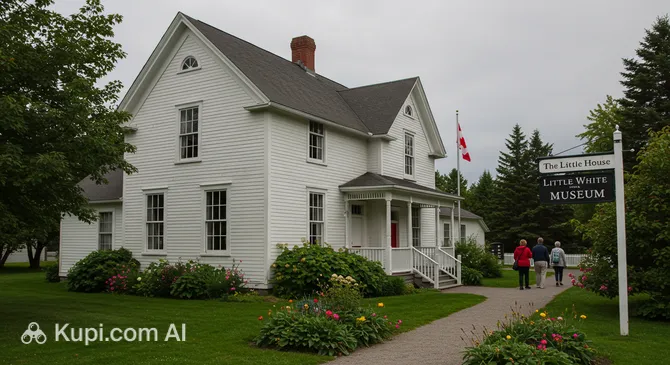
The Little White House Museum. Source: Kupi.Binoculars
  • During the devastating Saguenay Flood of 1996, one modest structure became an international symbol of resistance against nature's fury. The Little White House Museum miraculously withstood the raging torrents of water that swept away the surrounding neighborhood, and it remains standing today as a monument to tenacity.

  • The residents of the region are affectionately known as "Bleuets" (Blueberries), a nickname that is worn with pride. This identity dates back to a massive fire in 1870 that swept through the area; the subsequent regrowth of wild blueberries was so abundant that the fruit became a staple of the local economy and culture.

  • The Saguenay Fjord is an oceanographic marvel featuring a rare "two-layer" water system. A layer of warmer freshwater flows on the surface, while cold saltwater from the Atlantic Ocean occupies the depths below, creating a unique ecosystem that allows whales to thrive surprisingly far inland.

  • At the turn of the 20th century, the district of Chicoutimi was a global powerhouse in the paper industry. This industrial heritage is preserved at La Pulperie de Chicoutimi Regional Museum, which sits on the site of what was once the most important mechanical pulp mill in Canada.

How to Get There

Reaching this northern jewel of Quebec is part of the adventure, with several options available depending on your starting point. Whether you prefer the speed of air travel or a scenic drive through the Canadian wilderness, you can find more about how to get to Saguenay and choose the route that best suits your itinerary.

For travelers arriving by air, the most convenient option is Saguenay-Bagotville Airport (IATA: YBG). Located directly in the borough of La Baie, it is just about 12 km from the city center. A taxi or shuttle from here typically takes around 40 minutes to reach downtown districts. Although it is a regional hub, it offers essential connections to major cities like Montreal.

Alternatively, many international visitors choose to fly into Quebec City Jean Lesage International Airport (IATA: YQB). Situated in Quebec City, approximately 183 km away, this large international airport offers a wider range of flight options. From there, you can rent a car or take a bus to Saguenay, a journey that usually takes approximately 2.5 hours by ground transport, allowing you to enjoy the beautiful landscapes of the Laurentian Mountains along the way.

For clarity, here is a summary of the main airports:

Airport Name City Passenger Traffic Km from City
Quebec City Jean Lesage International AirportQuebec City1,737,803183.4
Saguenay-Bagotville AirportSaguenay200,00011.8
Mont Joli AirportMont-Joli60,000211.3
Chibougamau AirportChibougamau30,000294.0

If you prefer rail travel, the region is accessible via connections from major rail corridors. The closest major hubs with frequent service are located in Quebec City. Quebec Railway Station (Gare du Palais) is situated about 179 km from Saguenay and serves as a primary terminus for trains arriving from Montreal and Ottawa. Another nearby option is Sainte-Foy Railway Station, roughly 187 km away. From these stations, travelers typically complete their journey by transferring to an intercity bus or renting a car for the remaining drive north.

Below is a list of the nearest major railway stations:

Station City Passenger Traffic Km to Center
Quebec Railway StationQuebec City1,200,000179.4
Sainte-Foy Railway StationQuebec City750,000186.9

Main Attractions

Saguenay is a destination where urban life meets the raw beauty of the Canadian wilderness. The city offers a diverse range of activities, from exploring historical industrial sites to immersing oneself in tranquil nature parks right in the heart of town. Whether you are looking for cultural enrichment, scenic walks, or a spot of shopping, the local attractions cater to every type of traveler.

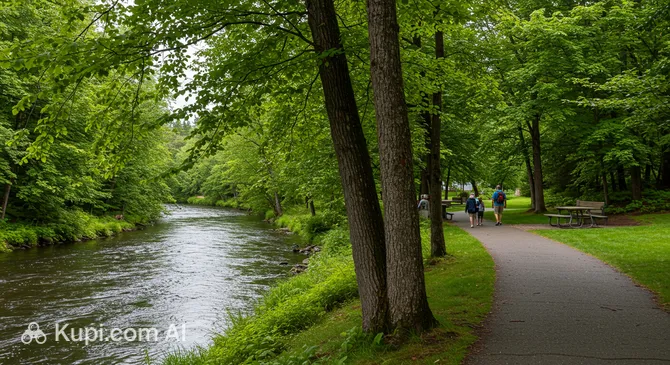
For nature lovers, Rivière-du-Moulin Park is an absolute treasure. This immense urban park offers kilometers of walking and hiking trails that wind through the forest and along the riverbanks. It is particularly famous for its stunning waterfalls and the peaceful atmosphere that makes you feel miles away from the city bustle. Tourists love this spot for its accessibility and the opportunity to engage in seasonal activities like snowshoeing in winter or kayaking in summer.

Rivière-du-Moulin Park. Source: Kupi.Binoculars

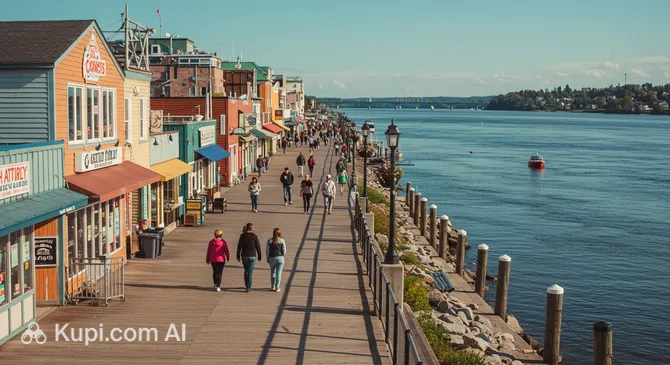
Another highlight is the Chicoutimi Port Zone, a vibrant gathering place located on the banks of the Saguenay River. Once a busy industrial port, it has been transformed into a lively promenade perfect for leisurely strolls and enjoying panoramic views of the water. In the summer, this area comes alive with festivals, concerts, and outdoor terraces. It is a favorite among visitors for its energetic vibe and the beautiful scenery, especially during sunset.

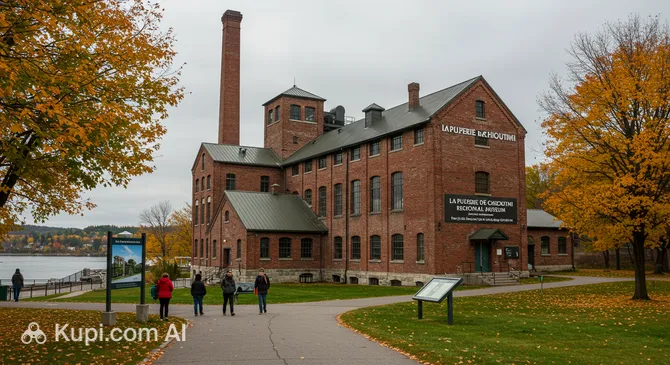
To dive deeper into the region's heritage, a visit to La Pulperie de Chicoutimi Regional Museum is essential. Housed in the magnificent old buildings of a former pulp mill, this museum tells the story of the area's industrial past and cultural development. Beyond history, it features art exhibitions and the famous house of artist Arthur Villeneuve inside the museum. It is a fascinating stop for those wanting to understand the soul of the region through its history and art.

La Pulperie de Chicoutimi Regional Museum. Source: Kupi.Binoculars

If you are in the mood for some retail therapy, Place du Royaume stands as the largest shopping center in the Saguenay–Lac-Saint-Jean region. With a wide variety of boutiques, major retailers, and services, it serves as a central hub for locals and visitors alike. It is a convenient stop for travelers needing to restock on supplies or simply looking to enjoy a relaxed afternoon of shopping and dining indoors.

Local Cuisine

The culinary landscape of Saguenay is a delicious reflection of its northern geography and warm hospitality. The region is famous for its hearty, comforting dishes designed to sustain locals through cold winters, as well as its vibrant use of fresh, local ingredients harvested from the surrounding boreal forest and farmlands. Gastronomy here is not just about eating; it is a celebration of heritage and community.

The undisputed star of the local table is the Tourtière du Lac-Saint-Jean. Unlike the standard minced-meat pies found elsewhere in Quebec, this regional specialty is a deep-dish masterpiece filled with cubes of game meats, beef, pork, and potatoes, all slow-cooked in a thick pastry crust. Another traditional favorite is soupe aux gourganes, a rich and nourishing soup made with broad beans, vegetables, and savory herbs, which has been a staple in local households for generations.

Given that the residents are nicknamed "Bleuets" (Blueberries), it is no surprise that this small fruit plays a massive role in the local diet. During the summer harvest, wild blueberries are everywhere—baked into pies, turned into jams, or coated in chocolate for a sweet treat. Visitors should also look out for local cheeses, particularly fresh cheddar curds, which are essential for an authentic poutine experience.

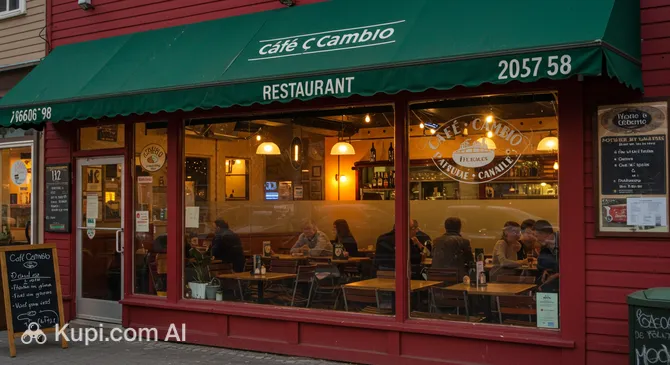
Café Cambio. Source: Kupi.Binoculars

The city's dining scene offers a mix of cozy bistros, lively pubs, and socially conscious eateries. A perfect example is Café Cambio, a worker cooperative that focuses on fair trade products and organic ingredients. It is a popular spot for both locals and tourists to enjoy a healthy meal or a strong coffee in a relaxed, artistic atmosphere.

When it comes to drinks, the region has a booming microbrewery culture. Craft beers inspired by the local terroir—using ingredients like spruce tips or wild berries—are widely available and pair perfectly with the robust local cuisine. For a more spirited evening or a sophisticated dinner, Boefish offers a modern steakhouse experience with a vibrant bar setting, making it a great place to unwind after a day of exploring the fjord.

Boefish. Source: Kupi.Binoculars

Whether you are sampling street food at a summer festival or sitting down for a multi-course meal, the food culture in Saguenay is unpretentious and deeply satisfying. It invites travelers to slow down, savor the unique flavors of the north, and share in the conviviality that defines this welcoming region.

Travel Tips

Visiting Saguenay offers a unique immersion into the warm culture of the region and the stunning landscapes of the Fjord, but a little preparation goes a long way. Here are some practical tips to ensure your journey through this northern destination is as smooth and enjoyable as possible.

  1. Clothing and Gear: The weather dictates your wardrobe here. In winter, thermal layers, a heavy parka, and waterproof boots are non-negotiable, as temperatures often drop below -20°C. Summers are pleasant, but if you plan to explore the Canada wilderness, bring sturdy hiking shoes and plenty of mosquito repellent, especially in June and July.
  2. Transportation: While the Société de transport du Saguenay (STS) operates buses across the boroughs, the city is geographically vast. To fully explore the fjord and surrounding parks, renting a car is highly recommended. Ride-hailing apps are available but less frequent than in major metropolises.
  3. Finances: The currency is the Canadian Dollar (CAD). Credit and debit cards are accepted almost everywhere, even in small shops, but carrying a small amount of cash is useful for remote areas or small purchases. Tipping 15% to 20% in restaurants and for taxi services is the standard custom.
  4. Health and Safety: Saguenay is a very safe city with low crime rates. For minor health issues, pharmacies are easy to find, though not all are open 24 hours. In case of any serious emergency, dial 911 for immediate assistance.
  5. Communication: French is the heart and soul of this region. While staff in hotels and major tourist attractions usually speak English, it is less common in smaller businesses and rural areas. Locals appreciate it immensely if you start the conversation with a friendly "Bonjour" or "Parlez-vous anglais?" rather than assuming English is spoken.
  6. Local Etiquette: People in Saguenay are known for their incredible hospitality. It is customary to greet shopkeepers upon entering. When interacting with locals, a polite and relaxed demeanor fits right in. Personal space is respected, but conversations can be lively and warm.
  7. What to Avoid: Do not underestimate the driving distances or the winter road conditions; "black ice" is a real hazard. Also, avoid comparing the local French dialect (which has unique expressions) negatively to standard French; it is a source of local pride.
  8. Seasonal Insight: If you visit in late summer, keep an eye out for the wild blueberries (bleuets). They are a cultural icon here, and buying fresh berries from a roadside stand is a delicious local tradition you shouldn't miss.

With these tips in mind, you are ready to embrace the authentic charm and rugged beauty of Saguenay. Pack your sense of adventure and get ready to create unforgettable memories in one of Quebec's most welcoming regions.

Entertainment & Nightlife

While Saguenay may not have the frenetic pace of a metropolis like Montreal, its nightlife is surprisingly vibrant, fueled by a large student population and a warm, community-focused culture. The city comes alive after dark with a mix of cozy pubs, lively microbreweries, and cultural venues that welcome visitors with open arms. The atmosphere is generally laid-back and unpretentious, making it easy to strike up a conversation with locals over a pint of craft beer.

The epicenter of nightlife is undoubtedly Rue Racine in the borough of Chicoutimi. This bustling street is lined with bars, bistros, and terraces that fill up quickly on weekends. It is the perfect place for a pub crawl, where you can sample local brews and enjoy live music ranging from folk to rock. In the summer, the energy spills out onto the sidewalks, creating a festive environment that lasts well into the night.

For a more sophisticated evening out, Boefish transforms from a premier steakhouse into a chic venue with a lively bar atmosphere. With its modern decor, DJ sets on select nights, and an impressive cocktail list, it attracts a trendy crowd looking to socialize in style. It is an excellent spot to start your night with a signature drink before exploring other venues.

If you prefer a venue with a strong cultural pulse, Café Cambio offers a unique experience. Operating as a fair-trade cooperative, this spot frequently hosts evening events, including intimate concerts, poetry readings, and community gatherings. It provides a more relaxed alternative to noisy clubs, perfect for travelers who want to experience the local artistic scene.

Georges-Vézina Centre. Source: Kupi.Binoculars

Sports fans and concert-goers should check the schedule at the Georges-Vézina Centre. As the largest arena in the region, it is the home ice for the Chicoutimi Saguenéens, a major junior ice hockey team. Attending a game here is a quintessential local experience, filled with electric energy and passionate fans. The venue also hosts large-scale musical performances and entertainment shows throughout the year.

When it comes to practicalities, the dress code in Saguenay is largely casual. Jeans and a nice top are acceptable almost everywhere, even in upscale bars. Prices for drinks and cover charges are generally lower than in bigger Canadian cities. For transportation, ride-sharing services can be limited, so it is reliable to call a local taxi company if you are staying outside the downtown core. The city is very safe for night walks, particularly around the Chicoutimi Port Zone, which offers beautifully lit paths along the river.

Before the sun sets, there are plenty of ways to stay entertained during the day. You can indulge in some retail therapy at Place du Royaume or Place du Saguenay, the region's main shopping destinations. Alternatively, cultural buffs can revisit the city's history at local museums or enjoy a scenic stroll in the parks that seamlessly blend urban life with nature.

Parks & Museums

Saguenay is a city where culture and nature are inextricably linked, offering visitors a chance to explore vast wilderness areas just minutes from historical treasures. From the dramatic cliffs of the fjord to museums that preserve the region's industrial soul, the local parks and cultural institutions provide a deep dive into what makes this corner of Quebec so special.

The crown jewel of the region's natural spaces is undoubtedly the Parc national du Fjord-du-Saguenay. Although it spans a large area extending from the city, it is the primary playground for visitors seeking dramatic landscapes. This park protects the majestic fjord and offers breathtaking hiking trails, such as the famous path leading to the statue of Notre-Dame-du-Saguenay overlooking the water. It is a sanctuary for wildlife, including peregrine falcons and, of course, the whales that frequent the nearby estuary.

Another fascinating institution that deserves special attention is the Musée du Fjord, located in the La Baie borough. This science museum focuses on the unique ecosystem of the Saguenay Fjord and offers a fresh perspective compared to the city's industrial sites. Its main attraction is the saltwater aquarium, which allows visitors to see the marine life that inhabits the fjord's depths up close. Interactive exhibitions and excursions to the tidal flats make it particularly engaging for families and nature enthusiasts.

Closer to the urban core, visitors can enjoy accessible green spaces without leaving the city limits. Rivière-du-Moulin Park acts as the city's green lung with its river-following trails, while the Chicoutimi Port Zone offers a landscaped promenade ideal for cycling or a relaxing stroll by the water.

Chicoutimi Port Zone. Source: Kupi.Binoculars

On the cultural front, the city boasts several key sites that narrate its rich history. La Pulperie de Chicoutimi Regional Museum remains a central hub for art and history, set within a former paper mill. For a more intimate look at local resilience, The Little White House Museum stands as a preserved memorial to the 1996 floods, symbolizing the strength of the community.

For a truly local experience in the boroughs, venture to the Parc de la Rivière-aux-Sables in Jonquière, a vibrant community hub featuring a long pedestrian bridge and meticulously maintained gardens. Meanwhile, in the borough of La Baie, you can admire the "Pyramide des Ha! Ha!", a striking contemporary art monument made of "yield" signs located in Parc Mars, which commemorates the residents' recovery spirit after the flood.

Getting Around

Navigating Saguenay requires a bit of planning due to its unique geography, as the city is formed by the amalgamation of three distinct boroughs—Chicoutimi, Jonquière, and La Baie—spread across a vast area. The public transport system is managed by the Société de transport du Saguenay (STS). Unlike larger metropolises, there is no metro or tram network here; the city relies entirely on a comprehensive bus service to connect its residential districts, downtown cores, and major educational institutions.

The STS bus network consists of several regular lines that operate within each borough, as well as express inter-borough routes that allow travelers to move between Chicoutimi, Jonquière, and La Baie. While the service is reliable and covers the main urban areas well, frequencies can vary. During peak hours, buses run frequently, but in the evenings and on weekends, the wait times can be longer. Tourists should be aware that travel between boroughs can take considerable time, often between 30 to 60 minutes depending on the route.

Payment options are designed to be flexible for both residents and visitors. If you are taking a single trip, you can pay with cash directly on the bus, but you must have the exact change in coins, as drivers do not carry cash. For those planning to use the bus multiple times, purchasing an electronic smart card known as the Accès card or disposable paper tickets is more convenient. These can be bought at various service points and authorized retailers, such as convenience stores (dépanneurs) and pharmacies throughout the city.

Fares are quite reasonable, with a single passage costing around $3.50 to $4.00 CAD. When paying with cash or a ticket, be sure to ask the driver for a transfer (correspondance) if you need to switch buses to complete your journey; this transfer is typically valid for up to 90 minutes. For tourists staying for a longer period, monthly passes or multi-trip bundles are available and offer significant savings compared to paying for individual rides.

To make navigating the system easier, it is highly recommended to download a transit app like Transit or consult the official STS website for real-time schedules and route planning. Operating hours generally run from early morning, around 6:00 AM, until late evening, typically ending around midnight, though this can vary by line and day of the week. Always check the schedule for the last bus if you plan to stay out late.

Given the sheer size of the region and the distance between natural attractions like the Fjord and the city centers, many visitors find that renting a car is the most practical option. Having a vehicle provides the freedom to explore at your own pace, especially for reaching hiking trails or parks located outside the main bus routes. Taxis are also readily available and can be hailed by phone or found at designated stands in busy areas, offering a reliable alternative for late-night travel.

For active travelers visiting during the summer months, Saguenay is increasingly bike-friendly. The city features a network of cycle paths, and the STS offers a Vélobus service, where buses are equipped with racks to transport bicycles. This allows you to combine cycling with public transit, making it easier to explore the scenic routes along the river without committing to a full day of riding.

Accommodation

Finding the perfect place to stay in Saguenay is easy, as the city offers a wide spectrum of accommodation options tailored to every type of traveler. Whether you are looking for the convenience of a modern hotel, the charm of a family-run bed and breakfast (Gîte), or a rustic cabin immersed in nature, the region has something to suit your needs. The accommodation landscape here ranges from budget-friendly motels and hostels to comfortable mid-range hotels and unique lodging experiences near the fjord.

When choosing a location, it is important to consider which of the city's three boroughs best fits your itinerary. Chicoutimi is the most popular choice for first-time visitors; staying here places you in the heart of the action, close to restaurants, the waterfront promenade, and nightlife. It is the urban hub where most business hotels and major chains are located. For a more scenic and tranquil experience, La Baie is an excellent option. Situated directly on the shores of the Ha! Ha! Bay, it offers stunning views and easy access to the cruise terminal and the Fjord Museum. Jonquière offers a more residential and community-focused vibe, often featuring affordable motels and cozy inns that are great for families.

The price range for accommodation in Saguenay is generally reasonable compared to larger Canadian cities. Budget travelers can find economical motels and hostels, while mid-range options provide reliable comfort with standard amenities like Wi-Fi and breakfast. While ultra-luxury resorts are less common, there are several boutique hotels and high-end inns that offer a touch of elegance and local character. Booking is typically done through major online travel platforms, though contacting smaller B&Bs directly can sometimes yield a more personalized experience.

Booking Tip: Saguenay is a year-round destination, but accommodation can fill up quickly during peak periods. The summer months (July and August) are busy with festivals and outdoor enthusiasts, while the winter season attracts snowmobilers and skiers. To secure your preferred location and the best rates, it is highly recommended to book your stay at least a few months in advance, especially if you plan to visit during these high-demand seasons.

Nearby Cities

For those looking to explore the surroundings, Saguenay serves as an excellent base for day trips to several interesting nearby locations:

Located just a short drive to the west, Alma acts as the welcoming gateway to the majestic Lac Saint-Jean. This vibrant town is a haven for outdoor enthusiasts, offering easy access to beautiful beaches and serving as a major hub for the famous Véloroute des Bleuets cycling circuit. It is an ideal spot to experience the lake's grandeur and enjoy a relaxed atmosphere.

For a dive into history, Quebec City is accessible for a longer day trip or a weekend getaway. As the provincial capital, it is renowned for its UNESCO-listed Old Quebec district, featuring cobblestone streets, fortified walls, and European-style architecture. The drive through the Laurentian wildlife reserve to reach it is scenic in itself, connecting the fjord region to the historic heart of French Canada.

City Population Distance (km)
Quebec City 705,103 180
Lévis 143,414 186
Jonquiere 66,000 14
Rimouski 48,664 187
Alma 30,904 46

These nearby destinations offer a glimpse into the diverse culture and landscapes of the region.

Shopping & Souvenirs

Shopping in Saguenay offers a delightful mix of modern convenience and authentic local character. As the commercial hub of the region, the city provides everything from large-scale shopping centers featuring international brands to charming streets lined with independent boutiques. Visitors will find that the retail experience here is relaxed and friendly, with a strong emphasis on regional products that reflect the area's northern heritage and creative spirit.

For those who prefer a traditional high-street experience, Rue Racine in the borough of Chicoutimi is the place to be. This vibrant artery is not only the center of nightlife but also a prime destination for daytime shopping. Here, you can browse through unique bookstores, fashion boutiques, and gift shops selling locally made crafts. It is an excellent spot to find one-of-a-kind items while enjoying the historic architecture and stopping for a coffee at a nearby terrace.

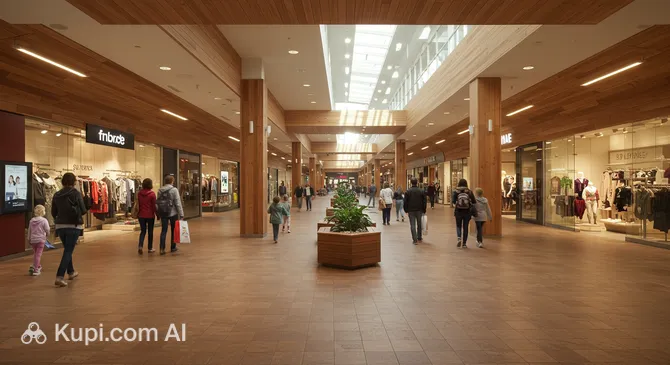
If you are looking for a comprehensive shopping experience under one roof, the city boasts the largest mall in the entire Saguenay–Lac-Saint-Jean region. Place du Royaume is located in the heart of Chicoutimi and houses over 140 stores, including major department stores, fashion retailers, and specialty shops. It is the go-to destination for locals and tourists alike, offering a wide range of services and a food court for a quick break.

Place du Royaume. Source: Kupi.Binoculars

Another significant shopping destination is Place du Saguenay, situated in the borough of Jonquière. While slightly smaller, it offers a solid selection of boutiques and essential services, making it a convenient stop for those exploring the western part of the city. Both malls provide ample parking and a climate-controlled environment, which is particularly appreciated during the cold winter months.

The region's agricultural abundance is best experienced at the local public markets. During the summer and early autumn, these markets bustle with activity as farmers sell fresh produce, cheeses, and artisanal goods. They are the perfect places to discover the flavors of the boreal forest and interact directly with the producers who take immense pride in their harvest.

When it comes to souvenirs, you cannot leave Saguenay without something related to the blueberry (bleuet). As the symbol of the region, this small fruit is transformed into everything from jams and chocolates to teas and alcoholic beverages. Other popular keepsakes include warm woolen clothing, indigenous crafts, and products made from local fur or leather, which are both practical for the climate and beautifully crafted.

Store opening hours generally follow standard Canadian practices. Most shops open around 9:30 AM or 10:00 AM and close at 5:30 PM on Mondays, Tuesdays, and Wednesdays. On Thursdays and Fridays, shopping hours are typically extended until 9:00 PM, allowing for evening browsing. Weekend hours are usually shorter, with stores closing around 5:00 PM on Saturdays and Sundays. Major credit cards like Visa and Mastercard are accepted almost everywhere, along with debit cards and cash.

Travelers should be aware that the displayed prices on goods usually do not include sales tax. In Quebec, a 5% federal Goods and Services Tax (GST) and a 9.975% Quebec Sales Tax (QST) are added at the register. While there was once a visitor tax refund program, it is no longer in effect for individual international tourists, so the price you pay at the checkout is final.

Reached the end of the page?

That means the route is fully explored