Support

Baie-Comeau

About

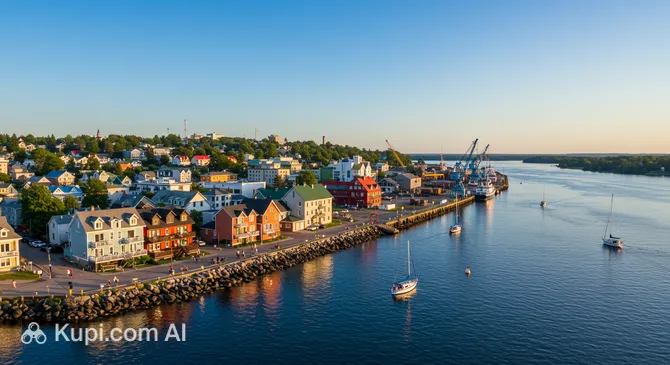
Nestled on the rugged North Shore of the Saint Lawrence River, Baie-Comeau is a captivating destination that blends industrial heritage with breathtaking natural beauty. Located in the province of Quebec, Canada, this city serves as a vital gateway to the vast wilderness of the Manicouagan region, offering visitors a unique mix of urban amenities and outdoor adventure.

Baie-Comeau. Source: Kupi.Binoculars

With a population of approximately 21,500 residents, the city maintains a welcoming atmosphere amidst a dramatic landscape of boreal forests and waterways. The community owes much of its existence to the vision of Colonel Robert R. McCormick, who established the town to supply newsprint for the Chicago Tribune. You can delve deeper into its fascinating industrial roots and development by exploring the history of Baie-Comeau.

Travelers are often drawn here to experience the Jardin des Glaciers, a unique interpretation center dedicated to the last ice age, offering immersive multimedia experiences. The region is also world-renowned for its massive hydroelectric projects, such as the nearby Manic-5 dam, which stands as a testament to engineering prowess. For those seeking tranquility, the Boisé de la Pointe Saint-Gilles offers scenic trails that wind along the coastline, perfect for observing local wildlife and enjoying the fresh river breeze.

Whether you are driving the famous Whale Route or seeking a base for northern exploration, Baie-Comeau invites you to discover its rich culture and stunning surroundings. It is a must-visit stop for anyone looking to experience the authentic charm of the Côte-Nord.

Weather Overview

The climate in this region is marked by distinct seasons, offering a mix of snowy landscapes in winter and pleasant warmth during the summer months. To help pack appropriately for your trip, it is helpful to review the typical weather in Baie-Comeau before you go.

Winters are typically cold, with January being the coldest month, featuring average temperatures of around -11.7°C and lows often dropping to -15.3°C. In contrast, summers are mild and inviting; July sees average temperatures of 18.2°C, with daily highs reaching a comfortable 21.4°C, making it an ideal time for outdoor activities.

Precipitation is a regular occurrence throughout the year, with approximately 10 to 14 wet days recorded each month. Whether you visit during the crisp autumn days of October or the thawing spring in April, expect variable conditions and come prepared for occasional rain or snow.

Interesting Facts

Beyond the main attractions, Baie-Comeau holds many fascinating secrets and historical curiosities that surprise many visitors. Here are a few intriguing details about this North Shore city.

  • The Singing Prime Minister: One of the most famous figures to come from this city is the former Canadian Prime Minister, Brian Mulroney. Local lore recounts that as a young boy, he would sing songs for the town's founder, Colonel McCormick, who would reward the future leader with 50 dollars—a small fortune at the time.

  • The Eye of Quebec: The city serves as the gateway to the Manicouagan Reservoir, which sits inside one of the largest and best-preserved meteorite impact craters on Earth. The annular lake is so distinct that it can be clearly seen from space, earning it the nickname "The Eye of Quebec."

  • A Valley of Shells: Hidden within the forest near the city is a geological phenomenon known as the Valley of Shells (Vallée des Coquillages). Here, visitors can find mounds of millions of seashells piled high far inland, a striking remnant of the ancient Goldthwait Sea that covered the region after the last Ice Age.

  • Built for the Press: Unlike many towns that evolved over centuries, Baie-Comeau was a planned community built with incredible speed in 1937. It was established specifically by the publisher of the Chicago Tribune to secure a steady supply of newsprint for the American newspaper, transforming the remote wilderness into a modern town almost overnight.

How to Get There

Reaching the rugged North Shore of Quebec requires a bit of planning, as the region is known for its vast wilderness. You can find more detailed information about how to get to Baie-Comeau on our dedicated page. While the city is accessible by the scenic Route 138, many travelers choose to fly into regional hubs located in neighboring cities and complete the journey by road or ferry.

One of the geographically closest options is the Mont Joli Airport (YYY), located in the city of Mont-Joli approximately 69 km away across the St. Lawrence River. While the distance appears short, reaching Baie-Comeau from here requires a ferry crossing (typically the Matane–Baie-Comeau–Godbout route), which significantly affects the total travel time compared to a direct drive.

Alternatively, you can arrive at the Sept-Iles Airport (YZV), situated about 176 km east of the city. This airport serves as a key regional hub, and the drive to Baie-Comeau takes approximately 2.5 hours by car along the coast. For those seeking a larger facility, the Saguenay-Bagotville Airport (YBG) in Saguenay is located roughly 231 km away. It is the busiest among the nearby options, with a driving time of approximately 4 hours through the scenic hinterland.

For clarity, here is a summary of the main airports:

Airport Name City Passenger Traffic Km from City
Saguenay-Bagotville Airport Saguenay Medium 231.4
Sept-Iles Airport Sept Iles Medium 175.8
Mont Joli Airport Mont-Joli Small 68.7
Bathurst Airport Bathurst Small 251.3
Michel-Pouliot Gaspé Airport Gaspe Small 273.2

Main Attractions

Baie-Comeau offers a delightful mix of cultural treasures, industrial marvels, and natural splendor. Whether you are interested in art, engineering, or simply soaking in the outdoors, the city provides several compelling reasons to stop and explore. Here are some of the main sites that define the local tourism experience.

A true architectural gem in the heart of the heritage Marquette district is the Église Sainte-Amélie. While its pink granite exterior is impressive, the real wonder lies within. The church houses five times more fresco surface area than the Sistine Chapel, all created by the renowned artist Guido Nincheri. Visitors are often struck by the vibrant stained glass windows and the sheer scale of the artwork, making it a must-see for art lovers and history enthusiasts alike.

For a deep dive into the region's geological past, the Jardin des Glaciers provides a world-class educational experience. This integrated site offers a multimedia adventure titled "20,000 Years Under the Ice," which takes visitors on a virtual journey through prehistory. It is a fascinating way to understand how the dramatic landscapes of the North Shore were carved by ancient ice sheets, appealing to both families and science buffs.

Engineering enthusiasts should not miss a visit to the Jean-Lesage Generating Station (Manic-2). Located just a short drive north of the city, this massive hydroelectric facility is part of the legendary Manicouagan-Outardes complex. During the summer, guided tours allow you to step inside a hollow-joint gravity dam and see the immense turbine alternator groups in action, showcasing the sheer power of the region's rivers.

If you prefer a quiet escape into nature, the Boisé de la Pointe Saint-Gilles offers a peaceful retreat. This network of trails spans approximately 11 kilometers, winding through the forest and along the coastline. It is an excellent spot for birdwatching, observing local flora, or simply enjoying panoramic views of the Saint Lawrence River away from the city noise.

Local Cuisine

The culinary scene in Baie-Comeau is deeply influenced by its proximity to the Saint Lawrence Estuary and the surrounding boreal forest, offering a unique "surf and turf" experience that reflects the rugged character of the Côte-Nord. Seafood lovers will find themselves in paradise here, as the cold waters provide an abundance of fresh catches that dominate local menus, particularly during the harvest seasons.

One of the absolute must-try delicacies is the snow crab (crabe des neiges), which is celebrated throughout the region in the spring. It is often served simply to highlight its sweet, delicate flesh, or incorporated into rich chowders and salads. Another staple is the northern shrimp (crevette nordique), known for its small size but intense flavor. You will frequently find these in a "guédille," a traditional toasted roll filled with shrimp salad, or used as a gourmet topping on a classic Quebec poutine.

Beyond seafood, the region is famous for the cloudberry, known locally as chicoutai. This amber-colored wild berry grows in the peat bogs of the North Shore and has a distinctive tart and sweet taste. Locals use it in everything from jams and vinaigrettes to decadent desserts like cheesecake and chocolates. Tasting a chicoutai tart is an essential part of the gastronomic experience in this part of the province.

When it comes to drinks, the local craft beer culture is thriving. The city is home to the renowned Microbrasserie St-Pancrace, which has put Baie-Comeau on the map for beer enthusiasts. They specialize in brews that incorporate regional terroir, using ingredients like spruce tips, wild berries, and even crab shells in some experimental batches. For non-alcoholic options, look for artisanal sodas or teas flavored with local forest herbs such as Labrador tea.

The dining atmosphere in Baie-Comeau ranges from casual to refined. In the heritage Marquette district, you can find cozy bistros and restaurants located in historic buildings, offering a warm ambiance perfect for a relaxed evening. During the summer months, many locals and tourists flock to seasonal "cantines" (roadside snack bars) to enjoy fresh seafood and fast food al fresco, soaking in the short but beautiful northern summer.

Travel Tips

Exploring the rugged beauty of Baie-Comeau and the surrounding Manicouagan region requires a bit of foresight to ensure a smooth and enjoyable journey. To help you make the most of your adventure on the North Shore, here are some practical tips covering everything from packing essentials to local customs.

  1. Clothing and Gear: The weather can be unpredictable, so the "onion peel" strategy of dressing in layers is essential. In summer, bring a waterproof windbreaker and sturdy walking shoes for hiking; evenings near the river can be cool. If visiting in winter, thermal underwear, a heavy parka, and insulated boots are mandatory. Crucially, if you plan to explore the forests in June or July, do not forget high-quality insect repellent to ward off black flies and mosquitoes.
  2. Transportation: While there is a local bus service within the city limits, renting a car is highly recommended for tourists. The main attractions, such as the hydroelectric dams and nature parks, are spread out, and having your own vehicle gives you the freedom to explore the scenic Route 138 at your own pace. Ride-hailing apps are not widely available here, so plan your travel accordingly.
  3. Finances: The currency is the Canadian Dollar (CAD). Credit and debit cards are widely accepted at hotels, restaurants, and supermarkets. However, it is wise to carry some cash for smaller "cantines" (snack bars), artisanal shops, or tipping. The standard tipping culture is 15% to 20% for restaurant service and taxi rides.
  4. Health and Safety: Baie-Comeau is a safe city, but the surrounding wilderness poses specific risks. When driving, especially at dawn or dusk, remain vigilant for moose crossing the road, as collisions can be severe. Pharmacies are readily available in the city center for minor health needs, and emergency assistance can be reached by dialing 911.
  5. Communication: French is the official and dominant language. While staff in hotels and major tourist sites often speak English, it is less common in smaller businesses or among the general population. Downloading an offline translation app is helpful. Buying a local SIM card is recommended, as Wi-Fi is standard in hotels but cell signal can be spotty in remote areas outside the city.
  6. Local Etiquette: Politeness is highly valued in Quebec. Always greet shopkeepers or staff with a friendly "Bonjour" (Hello) upon entering and say "Merci" (Thank you) when leaving. This small effort goes a long way in establishing a positive connection with the locals, even if you switch to English afterward.
  7. What to Avoid: Do not underestimate travel distances or fuel needs. The Côte-Nord region is vast, and gas stations can be few and far between once you leave the main municipal areas. Avoid letting your gas tank drop below a quarter full when exploring the outskirts.
  8. Ferry Planning: If you plan to cross the river to the south shore (Matane or Godbout), book your ferry tickets with the STQ (Société des traversiers du Québec) well in advance, especially during the summer peak season. These crossings are popular and can sell out quickly, potentially delaying your itinerary by a whole day.

By keeping these practicalities in mind, you will be well-prepared to embrace the wild charm and warm hospitality of Baie-Comeau. Enjoy your trip to this unique corner of Canada, where the forest meets the sea!

Entertainment & Nightlife

While Baie-Comeau is primarily known for its industrial prowess and natural splendor, the city offers a warm and inviting nightlife scene that reflects the friendly character of its residents. You won't find sprawling mega-clubs here; instead, the evening entertainment focuses on cozy pubs, lively bistros, and social gatherings where locals and visitors mingle effortlessly. The atmosphere is distinctly casual and laid-back, making it easy to strike up a conversation and learn more about life on the Côte-Nord.

The heart of the action is undoubtedly found in the Marquette sector (formerly Baie-Comeau), particularly around Place La Salle. This historic district is walkable and charming, housing the city's most popular watering holes and restaurants. In the evenings, especially towards the end of the week, this area comes alive with a "5 à 7" (Happy Hour) culture that often extends late into the night. The dress code is almost universally relaxed—jeans and a comfortable sweater are perfectly appropriate everywhere.

For a taste of the local flavor, the Microbrasserie St-Pancrace is the undisputed hub of social life in the city. Located on Place La Salle, this artisanal brewery is celebrated for its innovative beers that feature regional ingredients like spruce tips and wild berries. It is an ideal spot to relax after a day of exploring, offering a warm, rustic ambiance where you can sample a flight of craft brews accompanied by hearty pub fare.

If you are looking for a livelier atmosphere later in the night, Bar La Boulathèque is a staple of the local scene. Situated nearby, it offers a classic pub vibe with music, pool tables, and a crowd that enjoys a good party. It is one of the go-to places for residents wanting to unwind, dance, or simply enjoy a few drinks with friends in an unpretentious setting. Another popular option is Le Blues, a restaurant-bar known for its thematic evenings and extensive selection of draft beers, making it a great hybrid spot for dining and entertainment.

Beyond the bars, the city has a vibrant cultural pulse centered at the Centre des arts de Baie-Comeau. This venue hosts a wide variety of professional performances, ranging from theater and comedy to music concerts. It is worth checking their schedule in advance, as catching a show here provides a wonderful alternative for a sophisticated night out.

From a practical standpoint, getting around at night is straightforward but requires some planning. Public transportation is limited in the late evening, so relying on taxis is the best way to move between the Marquette and Mingan sectors, which are separated by a short drive. The city is very safe for night walks, particularly in the well-lit Marquette district, but always exercise standard caution. Prices for drinks and cover charges (if any) are generally lower than in major metropolitan areas like Montreal, making a night out here both enjoyable and affordable.

Parks & Museums

While Baie-Comeau is renowned for its industrial history, the city also prides itself on its accessible green spaces and rich cultural heritage. Visitors will find a surprising variety of parks that embrace the rugged coastline, alongside institutions that celebrate the region's artistic and geological uniqueness.

One of the most beloved outdoor spaces is Parc des Pionniers, located in the historic Marquette sector. This waterfront park is a favorite among families and strollers, offering expansive views of the Saint Lawrence River and a well-maintained playground for children. It serves as a community hub where you can enjoy a picnic, admire the local monuments dedicated to the city's founders, and access the paved bike path that hugs the shoreline.

For those seeking a more immersive nature experience within city limits, Parc de la Falaise in the Mingan sector is a hidden gem. This sprawling green area features a network of walking trails that wind through the boreal forest, offering a peaceful escape from the urban bustle. The park is known for its diverse flora and several lookouts that provide commanding views of the river and the surrounding landscapes, making it an excellent spot for a morning hike or birdwatching.

On the cultural front, the Jardin des Glaciers (Glacier Garden) stands out as the city's premier museum experience. While it is also a natural site, its Exploration Station is a world-class interpretation center located in a former church. Here, tourists can engage with interactive exhibits and a multimedia show that explains the impact of the last Ice Age on the North Shore. It is a fascinating stop that combines science, history, and technology to tell the story of the land.

Art and history enthusiasts should also consider the Église Sainte-Amélie as a cultural venue rather than just a place of worship. Often described as an art gallery in its own right, the interior features remarkable frescoes and stained glass windows by the artist Guido Nincheri. The sheer artistic value of the decor offers a glimpse into the cultural ambition of the community during its development.

For a truly authentic experience, take a short drive to the Belvédère St-Pancrace. Although technically a viewpoint, it offers a raw, uncurated connection to the landscape that defines the local culture. Standing high above the bay, you can watch the sunrise over the Saint Lawrence, a quiet ritual that many locals cherish.

Getting Around

Public transportation in Baie-Comeau is designed primarily to serve the needs of its residents while connecting the city's two main sectors: Marquette (the historic district) and Mingan (the commercial and residential hub). Unlike larger metropolitan areas, the city does not have a metro, tram, or train system. The network consists entirely of a bus service operated by the municipality, which provides a reliable link between the east and west ends of the city, stopping at key locations such as shopping centers, the hospital, and educational institutions.

For visitors, the most important aspect of using the bus is understanding the schedule. The service typically operates from Monday to Saturday, with more extended hours on Thursdays and Fridays to accommodate evening shoppers. A crucial detail for tourists to remember is that the buses often take a break in the middle of the day, usually between 12:00 PM and 1:00 PM, during which no service is available. Additionally, there is generally no bus service on Sundays, so you will need to plan alternative transport if you are visiting over the weekend.

The payment system is straightforward but old-fashioned. If you are paying on the bus, you must use cash and have the exact change in coins (quarters, $1, and $2 coins), as drivers cannot provide change. The fare for a single adult trip is approximately $4.00 CAD. For those planning to stay longer or make multiple trips, it is more economical to purchase a booklet of tickets. These can be bought at various authorized retailers throughout the city, including participating pharmacies (like Pharmaprix or Pharmacie Dion), convenience stores (tabagies), and the local college (Cégep) cooperative.

Given the specific operating hours of the bus system, taxis are a vital alternative for getting around, especially during the lunch hour, late evenings, or Sundays. Local companies such as Taxi Manon and Taxis Unis are reliable and familiar with the area. If you prefer a more active mode of transport, the city boasts an excellent network of paved cycling paths that link the two sectors. During the warmer months, you can rent bicycles, including electric ones, from local shops like Mon Vélo, allowing you to explore the scenic coastline while moving between attractions.

A final practical tip for tourists is to pick up a physical copy of the bus schedule at the Tourist Information Office or one of the ticket retailers, as the routes can be specific. While the bus is a cost-effective way to travel between the heritage sites of Marquette and the shops of Mingan, renting a car remains the most flexible option for exploring the broader region and the surrounding nature parks at your own pace.

Accommodation

Accommodation in Baie-Comeau is practical and welcoming, designed to cater to a mix of business travelers, road-trippers exploring the Whale Route, and outdoor enthusiasts. While you will not find ultra-luxury resorts here, the city offers a solid selection of reliable mid-range hotels, comfortable motels, and charming bed and breakfasts that reflect the warm hospitality of the Côte-Nord region.

The lodging options are generally divided between the city's two main sectors, each offering a different experience. For those seeking atmosphere and walkability, the Marquette sector (the historic district) is the best choice. Staying here places you within easy reach of the heritage buildings, the popular Microbrasserie St-Pancrace, and the scenic waterfront promenade. It is ideal for tourists who want to enjoy a nice dinner and a stroll without needing to drive.

Alternatively, the Mingan sector serves as the commercial hub and is convenient for travelers focused on logistics. Accommodation here is often located near Route 138 and the shopping centers, making it a strategic stopover for those passing through or needing quick access to services and supplies. This area is characterized by standard hotels and motels that offer ample parking and modern amenities.

For a more immersive experience, visitors can look for "Gîtes" (Bed and Breakfasts), which provide a homier feel and a chance to interact with local hosts. During the warmer months, camping is also a popular option in the surrounding areas, allowing nature lovers to stay close to the Saint Lawrence River or the boreal forest.

Booking Tip: It is highly recommended to book your accommodation well in advance, especially if you are visiting during the summer peak season (July and August). Baie-Comeau is a key industrial hub, meaning hotels can often be fully booked by contract workers and business travelers year-round, tightening availability for tourists.

Price-wise, the city is generally affordable compared to larger metropolitan areas. Most options fall into the budget to mid-range category. While major online booking platforms work for the larger hotels, some smaller motels and B&Bs may offer better rates or availability if you contact them directly.

Nearby Cities

For those looking to explore the surroundings, Baie-Comeau serves as an excellent base for day trips to several interesting nearby locations. The region is vast, but a few key destinations are within reach for those willing to drive or cross the river.

To the east, Sept-Îles offers a deep connection to the sea and Innu culture. It is famous for its stunning archipelago and endless sandy beaches, making it a perfect spot for kayaking and birdwatching enthusiasts. Across the Saint Lawrence River, accessible via a ferry crossing, lies Rimouski. This vibrant maritime city is known for the Pointe-au-Père Maritime Historic Site, where you can tour a submarine and learn about the Empress of Ireland tragedy. Further inland, Saguenay impresses visitors with its majestic fjord and lively urban atmosphere, offering a mix of outdoor adventure and city comforts.

City Population Distance (km)
Saguenay 144,746 231
Jonquiere 66,000 245
Rimouski 48,664 91
Alma 30,904 267
Sept-Îles 28,534 169

These nearby destinations offer a glimpse into the diverse culture and landscapes of the region, from the rugged coast of the North Shore to the maritime charm of the South Shore.

Shopping & Souvenirs

Shopping

Shopping in Baie-Comeau offers a practical and pleasant mix of modern convenience and local charm, reflecting the city's unique division into two distinct sectors. While you will not find high-end luxury fashion houses here, the city is well-equipped with everything a traveler might need, from outdoor gear for exploring the rugged Côte-Nord to artisanal treasures that capture the spirit of the region. Visitors can expect a relaxed experience where friendly service is the norm, whether browsing in a small boutique or visiting a larger commercial center.

For a shopping experience with a historical atmosphere, head to Place La Salle in the Marquette sector. This charming district is the cultural heart of the city, lined with independent boutiques, art galleries, and gift shops. It is the perfect place to stroll, admire the heritage architecture, and find unique items that are not available in big-box stores. In contrast, the Mingan sector, particularly along Boulevard Laflèche, serves as the commercial hub. Here, you will find the highest concentration of retailers, supermarkets, and pharmacies, making it the go-to destination for stocking up on supplies or purchasing everyday essentials.

The city's main retail anchor is the Centre Manicouagan, located in the Mingan sector. As the largest shopping mall in the area, it houses a variety of stores ranging from clothing and footwear to electronics and books. It provides a comfortable indoor environment, which is especially appreciated during the colder months, and serves as a central meeting point for locals.

While Baie-Comeau does not have a large permanent public market hall, the region is famous for its "terroir" products. During the summer season, outdoor markets and pop-up stalls often appear, showcasing fresh produce from local farmers. Travelers should look for specialty grocery stores and delis that carry regional goods, particularly seafood and forest products. These spots are excellent for discovering the authentic flavors of the North Shore without the bustle of a large market.

When it comes to souvenirs, the best items to bring back are those that originate from the surrounding land and sea. Cloudberry (chicoutai) products are a signature of the region; look for jams, jellies, and even liqueurs made from this tart, amber-colored berry. Merchandise from the local Microbrasserie St-Pancrace, such as branded glassware or clothing, is also very popular. Additionally, visitors often appreciate Indigenous arts and crafts, such as moccasins or beadwork, which reflect the rich heritage of the Innu communities in the area.

Store opening hours in Baie-Comeau generally follow standard Quebec customs. Most shops open around 9:30 AM and close at 5:30 PM on Mondays, Tuesdays, and Wednesdays. On Thursdays and Fridays, shopping hours are typically extended until 9:00 PM, allowing for evening browsing. Weekend hours are shorter, with most places closing by 5:00 PM on Saturday and operating from 12:00 PM to 5:00 PM on Sunday. Payment is hassle-free, with Canadian dollars (CAD) being the currency. Credit and debit cards are widely accepted everywhere, although carrying a small amount of cash is useful for minor purchases at small kiosks.

Travelers should be aware that the price displayed on the shelf is rarely the final price. In Canada, and specifically in Quebec, two taxes are added at the register: the federal Goods and Services Tax (GST) and the provincial Quebec Sales Tax (QST), totaling approximately 15%. There is currently no tax refund program available for international visitors on general consumer goods, so the total you pay at the checkout is final.
Reached the end of the page?

That means the route is fully explored