Support

Port Menier

About

Port Menier is a small but significant settlement located on the western tip of Anticosti Island in the Gulf of Saint Lawrence. As the only inhabited village on this vast island in Canada, it serves as the essential gateway for visitors eager to explore the surrounding wilderness. With a permanent population of just over 200 residents, the village offers a unique atmosphere of tranquility and isolation, far removed from the noise of major urban centers.

The village has a fascinating origin story linked to the French chocolate baron Henri Menier, who purchased the entire island in 1895 to establish a private hunting reserve. Those interested in the history of Port Menier will find that the settlement was developed to support his vision, featuring infrastructure that was quite advanced for its time. Although the grand Château Menier no longer stands, the legacy of that era remains a palpable part of the local culture and identity.
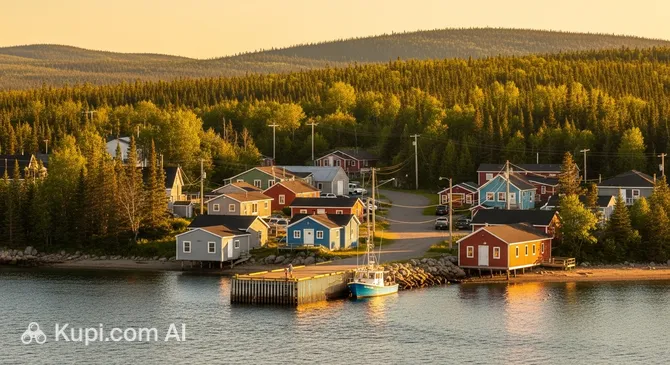
Port Menier. Source: Kupi.Binoculars

One of the most striking features of Port Menier is the abundance of wildlife, particularly the white-tailed deer. These graceful animals are incredibly numerous on the island and are frequently seen wandering through the village streets, creating memorable photo opportunities for tourists. Beyond the wildlife, the area is a haven for outdoor enthusiasts, offering access to spectacular waterfalls, limestone canyons, and pristine fishing spots that define the rugged beauty of the region.

Whether you are arriving to hunt, fish, or simply immerse yourself in nature, Port Menier provides a warm and authentic welcome. It is an ideal destination for travelers seeking an off-the-beaten-path adventure and a chance to experience the raw, untouched landscapes of Quebec.

Weather Overview

The climate in this region is generally cool and influenced by its maritime location, featuring distinct seasonal shifts. To plan your activities effectively, it is helpful to check the weather in Port Menier before your arrival. Summers are mild and comfortable, with August being the warmest month, boasting an average temperature of 16.6°C and daily highs reaching around 18.3°C.

In contrast, the winter months bring freezing conditions, with average temperatures dropping to -8.6°C in February. During this time, nighttime lows can fall to -11.3°C, requiring warm layers for any outdoor excursions. The transition seasons of spring and autumn remain crisp, with averages hovering between 0°C in April and 7.9°C in October.

Precipitation patterns here are quite unique; while the recorded monthly volume is very low, typically between 2mm and 4mm, the frequency of precipitation is high. Travelers should expect frequent damp conditions, as there are between 10 and 16 wet days per month throughout the year.

Interesting Facts

Beyond the main attractions, Port Menier holds many fascinating secrets that reveal the island's unique place in history and geology. From vanished architectural marvels to ancient mysteries hidden in the rocks, the village offers more than meets the eye.

  • The Burnt Chateau: While many know of the grand "Château Menier," few realize its tragic end. The lavish Victorian mansion did not collapse from age; it was intentionally burned down in 1953 by the paper company that owned the island at the time, simply because they deemed the maintenance costs too high.

  • Graveyard of the Gulf: The waters surrounding the port are part of a region historically known as the "Graveyard of the Gulf." Over 400 ships have wrecked along the island's treacherous reefs over the centuries, and stories of these maritime disasters are deeply woven into the local folklore of this remote part of Canada.

  • A Window to Mass Extinction: Port Menier is the gateway to a recently designated UNESCO World Heritage site. The island's cliffs contain the most complete fossil record of the first mass extinction of animal life on Earth, occurring approximately 445 million years ago, drawing paleontologists from around the globe.

How to Get There

Reaching this remote destination on Anticosti Island adds a sense of adventure to the journey. Since the village is separated from the mainland by the Gulf of Saint Lawrence, travelers must rely on air or sea transport. You can find more about how to get to Port Menier and detailed travel logistics to help plan your trip effectively.

The most direct way to arrive is via the local Port Menier Airport (YPN), which is conveniently located just 5 km from the village center. This small facility is the primary gateway for visitors flying directly onto the island. Once you land, the short journey to the heart of the settlement is just a quick taxi ride or shuttle service.

For those connecting from further afield, the region is served by larger transport hubs on the mainland. Michel-Pouliot Gaspé Airport (YGP) in Gaspe is situated about 116 km away across the water, while Sept-Iles Airport (YZV) in Sept-Iles lies approximately 144 km to the northwest. Please note that these airports are located in different cities, so they serve as transfer points for connecting flights or ferry services rather than direct entry points by road.

For clarity, here is a summary of the main airports:

Airport Name City Passenger Traffic Km from City
Sept-Iles Airport Sept Iles Medium 144.3
Bathurst Airport Bathurst Small 263.9
Michel-Pouliot Gaspé Airport Gaspe Small 116.4
Port Menier Port Menier Small 5.0

Main Attractions

For visitors to Port Menier, the adventure often begins just a few kilometers away at Baie-Sainte-Claire. This site was the original location of the settlement before the village was moved to its current spot. Today, it stands as a fascinating "ghost town" where nature has reclaimed the land. Travelers can wander among the remnants of old foundations and enjoy the serene coastal views, often accompanied by the island's famous white-tailed deer grazing nearby.

Another essential stop near the village is the Pointe-Ouest Lighthouse. Located at the island's westernmost tip, this historic structure serves as a sentinel over the Gulf of Saint Lawrence. It is a perfect location for photography enthusiasts and those looking to admire the raw power of the ocean. The surrounding area is also known for its maritime history, with stories of shipwrecks adding a layer of mystery to the rugged coastline.

While staying in the village, most travelers make the journey into the heart of the island to experience Parc national d'Anticosti. The park's crown jewel is undoubtedly Vauréal Falls, a spectacular waterfall that plunges more than 70 meters into a deep canyon. Although it requires a drive from the port, the breathtaking sight of the falls and the opportunity to hike through the dramatic limestone gorges make it an unmissable highlight of any trip to the region.

Local Cuisine

The local cuisine of Port Menier is a direct reflection of its rugged environment, blending the bounty of the Gulf of Saint Lawrence with the traditions of the boreal forest. Due to the village's small size, the dining scene is intimate and unpretentious, centered around a few key establishments where locals and visitors gather to share hearty, home-style meals.

Seafood is the cornerstone of the island's gastronomy. The Anticosti lobster is famous across Canada for its exceptional quality, harvested from the cold, mineral-rich waters nearby. Visitors can also enjoy generous platters of snow crab and scallops, which are staples during the fishing season. These dishes are typically prepared simply, allowing the fresh, briny flavors to take center stage.

On land, the abundance of wildlife and distinct vegetation shapes the palate. The chicoutai, or cloudberry, is a tart, amber-colored fruit found in the local peat bogs. It is a signature ingredient in Port Menier, widely used to make tangy jams, compotes, and pastries. While restaurant menus vary, the influence of the hunting culture often brings robust meat pies and savory stews to the table, offering comfort against the cool maritime air.

For a taste of local libations, chicoutai liqueur is a must-try. This golden, sweet alcoholic drink captures the essence of the island's unique terroir. Dining out is generally confined to the village's main inn or lodge restaurants, offering a cozy, social atmosphere where the focus is on hospitality and authentic regional flavors rather than haute cuisine.

Travel Tips

Traveling to Port Menier requires a bit more preparation than your average city break, as this remote village on Anticosti Island is a true wilderness outpost. To ensure your adventure in this ruggedly beautiful part of Canada is safe and enjoyable, here are some essential practical tips to keep in mind before you pack your bags.

  1. Clothing and Gear: The weather can be unpredictable and damp, so packing waterproof layers is non-negotiable. Even in summer, bring a warm fleece and a sturdy rain jacket. Since you will likely be exploring the outdoors, comfortable hiking boots are a must. Don't forget high-quality insect repellent, as mosquitoes and black flies can be intense in the warmer months.

  2. Transportation: There is no public transport system like buses or metros here. To explore the island beyond the village, renting a vehicle—specifically a pickup truck—is essential due to the rough, unpaved logging roads. Reserve your vehicle well in advance, as supply is very limited. While the village is walkable, the main attractions are tens of kilometers away.

  3. Finances: The local currency is the Canadian Dollar (CAD). While the main general store and lodge accept credit cards, it is highly recommended to carry cash for smaller transactions or in case of system outages. There is limited access to ATMs (typically just one at the local credit union), so withdraw money before arriving on the island.

  4. Health and Safety: Medical facilities are limited to a small local clinic (CLSC) for basic care; serious emergencies require air evacuation to the mainland. Ensure your travel insurance covers this. The biggest safety concern is wildlife on the roads—drive cautiously, especially at dawn and dusk, as deer are everywhere and can jump out unexpectedly.

  5. Communication: The primary language is French. While staff at tourist accommodations usually speak English, learning a few basic phrases like "Bonjour" (Hello) and "Merci" (Thank you) goes a long way with the locals. Cell phone coverage is generally available within the village but disappears quickly once you head into the forest, so download offline maps before you go.

  6. Local Etiquette: The community is small and tight-knit, so a friendly wave to passing drivers is customary. Residents take great pride in their unique environment; always practice Leave No Trace principles. If you are visiting during hunting season, be respectful of the hunters, as this is a major part of the local economy and culture.

  7. What to Avoid: Do not underestimate the distances and fuel consumption. The island is massive (over 200 km long), and gas stations are virtually non-existent outside of Port Menier. Never leave the village with a half-empty tank if you plan to visit sites like Vauréal Falls.

  8. Grocery Planning: Opening hours for the village's grocery store can be shorter than what you are used to in big cities, often closing early in the evening and on Sundays. If you are self-catering, plan your shopping trips immediately upon arrival to avoid being caught without supplies.

By keeping these practicalities in mind, you will be well-equipped to handle the isolation and embrace the wild charm of Port Menier. A little foresight regarding logistics allows you to focus entirely on the breathtaking scenery and the unique experience of life on Anticosti Island.

Entertainment & Nightlife

Entertainment in Port Menier is defined by its remote setting and tight-knit community spirit rather than commercial attractions. Visitors will not find bustling nightclubs, cinemas, or neon-lit avenues here. Instead, the evenings are characterized by tranquility, warm social gatherings, and the pristine natural environment that surrounds the village.

The social heart of the community is undoubtedly the Auberge Port-Menier. As the primary establishment for dining and lodging, it naturally serves as the gathering point for locals and travelers alike. Evenings here are spent sharing stories of the day's fishing or hunting expeditions over a drink. The atmosphere is casual and welcoming, with flannel shirts and outdoor gear being the standard attire. It offers a rare chance to connect authentically with the residents of this isolated part of Canada.

For those interested in local culture and history during the day, the Musée d'Anticosti (Anticosti Museum) is a must-visit. Located in the village center, this small but informative museum preserves the legacy of Henri Menier and the island's unique development. It houses artifacts from the "Château" era and provides context on the geology and shipwrecks that define the region's past.

Nature itself provides the rest of the entertainment. On clear nights, the lack of light pollution makes Port Menier an exceptional location for stargazing. A simple evening walk can be a spectacular experience, with the Milky Way visible in great detail. However, walkers should remain aware of their surroundings; white-tailed deer are active at dusk and often graze right in the village streets, adding a touch of wildlife wonder to a nightly stroll.

Parks & Museums

While Port Menier is a small community, the village itself functions as a living museum and a unique open-air park. Visitors do not need to travel far to experience the island's charm; the settlement's immediate surroundings offer a blend of cultural heritage and accessible natural beauty. The streets are lined with heritage architecture, where the distinctive "Menier style" houses stand as a testament to the town's founding era, creating a gallery-like atmosphere for a casual stroll.

One of the most remarkable "park" experiences in Port Menier is simply walking through the town center. The manicured lawns and public spaces serve as grazing grounds for the island's famous white-tailed deer. These animals are incredibly tame within the village limits, allowing visitors to observe wildlife up close in a setting that feels like a managed sanctuary, yet is entirely wild and natural.

The cultural heart of the village is the St. Joseph Church, which houses the Écomusée d'Anticosti. The building itself is a key attraction, featuring architectural elements that reflect the ambition of the island's former owner, Henri Menier. Inside, the museum acts as the guardian of local history, displaying artifacts and photographs from the opulent "Château Menier" days. It provides a deep dive into the social and industrial past of this remote outpost without requiring a trip into the deep wilderness.

For a quiet moment of reflection, the waterfront area offers significant historical landmarks. The Cenotaph stands near the shore, paying tribute to residents who served in the World Wars, offering a peaceful space for contemplation. Just steps away lies the Old Port infrastructure. This area provides a gritty, authentic look at the maritime industry that sustains the island. It is a fascinating spot to explore the intersection of human resilience and the sea, distinct from the polished tourist spots.

It is important to note that while the village offers these local pleasantries, it is distinct from the vast Parc national d'Anticosti. The national park encompasses the wider, untamed region of the island and is the destination for major wilderness excursions. However, for those staying within Port Menier, the village's own blend of history, architecture, and roaming wildlife provides a fulfilling and accessible "park and museum" experience right at their doorstep in Canada.

Getting Around

Visitors planning a trip to Port Menier should be aware that the city does not possess a conventional public transport system. Due to its small population and remote location, there are no metros, trams, trolleybuses, or municipal bus networks operating within the village or on the surrounding island. The infrastructure is designed for self-sufficiency rather than mass transit, meaning you will not find ticket machines, travel zones, or transport apps typically associated with urban travel.

The primary and most essential mode of transport for tourists is a rental vehicle. Because the roads outside the main village are unpaved, rough, and used by logging trucks, standard compact cars are generally unsuitable. Instead, heavy-duty pickup trucks tailored for the rugged terrain are the standard "public transport" for visitors. These vehicles are indispensable if you plan to visit the major attractions located tens of kilometers away from the settlement.

For moving around within the village limits, walking is a feasible and pleasant option. The settlement is compact, and key locations such as the general store, the church, and the main inn are all within a short distance of each other. Additionally, bike rentals are becoming increasingly popular. Electric bicycles and "fat bikes" with wide tires are often available for rent from local outfitters, offering an eco-friendly way to explore the immediate coastal areas and local trails.

Regarding alternatives like taxis, services are extremely limited. There is typically a shuttle or taxi service available to transport passengers between the airport and the village center, often coordinated by the main lodging establishments. However, you cannot simply hail a cab on the street. Rides usually need to be arranged in advance through your hotel or the local tourist office.

Since there are no travel passes or tickets to validate, practical advice focuses on logistics. Vehicle reservations must be made months in advance, as the fleet of rental trucks is small and sells out quickly during the summer season. Payment for rentals is generally done via credit card. Furthermore, travelers should be mindful of fuel; the only gas station is located in Port Menier, so it is crucial to fill up before heading out on any day trips to avoid being stranded in the wilderness.

Accommodation

Finding a place to stay in Port Menier is a straightforward affair, primarily because the options are quite limited due to the village's remote nature and small size. You will not find international hotel chains, sprawling resorts, or a wide variety of hostels here. Instead, accommodation is concentrated in a few key establishments that cater specifically to hunters, fishermen, and nature lovers.

The most prominent and convenient place to stay is located right in the heart of the village. Known locally as the Auberge Port-Menier, this establishment serves as the community hub, offering comfortable, hotel-style rooms and acting as the primary dining spot for visitors. Staying here places you within walking distance of the general store and the waterfront, making it the most practical base for those who want easy access to amenities and a chance to mingle with locals.

For visitors seeking a more immersive wilderness experience, there are options located outside the immediate village center, particularly within the territory managed by the national park authorities. These typically consist of rustic cabins, cottages, and campsites designed for self-sufficiency. These spots are ideal for travelers who prioritize silence and proximity to nature over the conveniences of a full-service hotel stay.

Booking your accommodation requires significant advance planning. Because the lodging capacity on the island is very low and demand is high during the summer tourism window and the autumn hunting season, it is highly recommended to reserve your room or cabin several months before your trip. Attempting to book last-minute upon arrival is rarely successful and could leave you without a place to sleep.

In terms of cost, prices generally fall into the mid-range to higher bracket, reflecting the logistical challenges of operating in such an isolated location. Many visitors opt for vacation packages that bundle accommodation with vehicle rentals and meals, which can simplify the planning process. Booking is typically done directly through the main lodge or the park authority's online platforms.

Nearby Cities

Given the isolated location of Port Menier on Anticosti Island, the surrounding cities on the mainland serve primarily as vital regional hubs and transit points rather than quick day-trip destinations. These urban centers provide essential links to the island and offer travelers a chance to explore the diverse culture and geography of the North Shore and the surrounding regions before or after their island adventure.

As the closest major urban center, located approximately 151 km to the northwest, Sept-Iles acts as a crucial gateway to the region. Visitors passing through can discover the stunning archipelago that shares the city's name, which is perfect for boat excursions and bird watching. The city also celebrates its rich heritage at the Shaputuan Museum, offering deep insights into the history and traditions of the Innu people.

Although situated further away across the gulf, Rimouski is a vibrant maritime center worth visiting on your journey. It is renowned for the Pointe-au-Père Maritime Historic Site, where you can explore the Onondaga submarine and uncover the tragic story of the Empress of Ireland shipwreck. This hub combines urban comforts with access to the breathtaking landscapes of the nearby Bic National Park.

Travelers may also find themselves connecting through Baie-Comeau, a city that fascinatingly blends industrial history with natural beauty. It is home to the Jardin des Glaciers, an immersive attraction dedicated to the last ice age, and serves as the departure point for tours of the massive Manic-5 hydroelectric dam. The historic district offers a charming setting with its colonial-style architecture.

City Population Distance (km)
Sept Iles 28534 151
Bathurst 18154 263
Baie-Comeau 21536 283
Miramichi 17537 322
Rimouski 48664 342

These destinations provide a broader perspective on the region, offering a mix of cultural and natural experiences that complement a visit to the remote wilderness of Port Menier.

Shopping & Souvenirs

Shopping

Shopping in Port Menier is a unique experience defined by necessity and local charm rather than retail therapy. As a remote village with a small population, it does not offer the bustling commercial districts or high-end boutiques found in larger cities. Instead, the shopping scene is centered around essential supplies, outdoor gear, and a few artisanal treasures that reflect the island's distinct character. Visitors should come prepared with their primary equipment, viewing local shops as places to restock basics or find exclusive regional souvenirs.

The main shopping activity is concentrated entirely within the village center. There are no sprawling shopping streets; rather, everything you need is located within a few minutes' walk of the central square. The heartbeat of the community is the local general store (cooperative), which serves as the grocery store, hardware supplier, and social hub all in one. This is where residents and tourists alike cross paths to pick up food, camping supplies, and daily necessities.

Travelers expecting to find shopping malls or department stores will not find them here. The infrastructure of Port Menier is built to support a wilderness lifestyle, and the population size does not warrant large commercial centers. The retail experience is intimate and small-scale, often involving friendly interactions with the shop owners who are also your neighbors during your stay.

While there are no formal open-air markets in the traditional sense, the arrival of fresh supplies to the island is an event in itself. Since most goods are transported by ship or plane, the general store effectively functions as the town's market. During the summer season, you may occasionally find small pop-up stands or local artisans selling handmade crafts near the tourist information center or the main inn, offering a glimpse into the local creative community.

For those looking to bring a piece of Canada home, the souvenirs in Port Menier are deeply connected to the land. The most iconic local product is the chicoutai (cloudberry). You can find this tart, amber berry transformed into delicious jams, jellies, and the famous local liqueur. Other popular items include hand-knitted wool garments to ward off the chill, deer-related crafts, and branded apparel from the local outfitters that serves as a badge of honor for having visited such a remote destination.

Opening hours in the village are limited compared to urban standards. The general store and smaller boutiques typically open around 8:00 or 9:00 AM and may close by 6:00 PM, with reduced hours on weekends. It is crucial to check the schedule upon arrival, as shops may close for lunch or have seasonal variations. Regarding payment, the Canadian Dollar (CAD) is the official currency. While the main store and hotel accept credit and debit cards, it is highly advisable to carry sufficient cash for smaller transactions, as the network can be intermittent and ATMs are scarce.

Regarding taxes, visitors should be aware that the advertised prices usually exclude the federal Goods and Services Tax (GST) and the Quebec Sales Tax (QST), which are added at the register. Unlike some international destinations, there is generally no tax-free refund system available for tourists on consumer goods purchased in regular stores, so you should budget accordingly for the final price at checkout.

Reached the end of the page?

That means the route is fully explored