Support

Gethsemani

About

Welcome to Gethsemani, a remote and captivating village located on the rugged Lower North Shore of Quebec. Often referred to as La Romaine, this small community offers a truly authentic experience for travelers seeking to explore the pristine wilderness of Canada. Accessible primarily by boat or plane, Gethsemani is defined by its isolation, which has helped preserve its breathtaking natural landscapes and a quiet, traditional way of life that is rare in the modern world.

Geographically, the village is situated at the mouth of the majestic Olomane River, facing the Gulf of St. Lawrence. The climate here is maritime, characterized by cool summers and snowy winters, shaping a resilient community deeply connected to the land and sea. While the population is small, the area is culturally rich, sharing its territory with the neighboring Innu community of Unamen Shipu. Visitors interested in the past can delve into the history of Gethsemani to learn how this former trading post evolved into the peaceful settlement it is today.
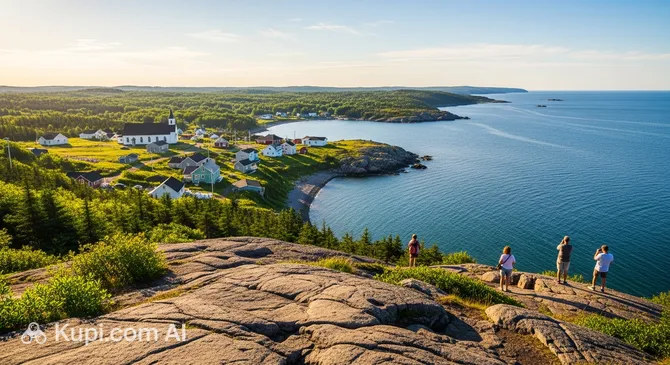
Gethsemani. Source: Kupi.Binoculars

One of the main draws for visitors is the sheer beauty of the surroundings. The Olomane River is a highlight, renowned for its scenic views and excellent fishing opportunities, particularly for salmon. Travelers arriving by the famous supply ship, the Bella Desgagnés, are treated to picturesque vistas of the rocky coastline and the archipelago that shelters the harbor. The absence of a road network connecting to the rest of the province adds to the allure, making it a perfect destination for those looking to disconnect and immerse themselves in nature.

Whether you are a nature enthusiast, a fishing aficionado, or simply a traveler looking for a destination off the beaten path, Gethsemani invites you to discover its unique charm. The warm hospitality of the locals and the serene atmosphere of the Côte-Nord make it a memorable stop on any northern adventure.

Weather Overview

The climate in this coastal village is shaped by its proximity to the Gulf of St. Lawrence, resulting in distinct seasonal variations. For a detailed forecast to help plan your trip, you can consult the guide to weather in Gethsemani. Winters here are undeniably cold, with February serving as the chilliest month, where average temperatures hover around -9.4°C and can drop as low as -12.9°C.

Summer brings much milder conditions, providing a comfortable environment for exploring the outdoors without extreme heat. August is typically the warmest time of year, with average temperatures of 16.6°C and daily highs reaching a pleasant 19.0°C. As the season transitions into autumn, the air cools relatively quickly, moving from an average of 12.7°C in September to near freezing by November.

Precipitation is a consistent feature of the region, distributed fairly evenly across the calendar. Expect mild, breezy summers with occasional rain and cold winters characterized by frequent precipitation. Since there are between 11 and 15 wet days per month year-round, it is wise to pack versatile layers and waterproof clothing regardless of when you visit.

Interesting Facts

Beyond its main attractions and scenic isolation, Gethsemani holds fascinating secrets that reveal the deep cultural roots of the Lower North Shore. From linguistic misunderstandings to unique winter highways, this remote community offers plenty of surprises for the curious traveler.
  • A Name Lost in Translation: Despite its common name, La Romaine has no connection to the Roman Empire. The name is actually a French corruption of the Innu word Olomane or Unamen, meaning "red ochre." Early French settlers struggled to pronounce the indigenous term, eventually anglicizing and francizing it into "Romaine." To add to the complexity, the village's post office is officially named Gethsemani, a biblical reference chosen by early missionaries to distinguish it from other localities.

  • The Red Ochre Tradition: The Innu name for the river and the region, Unamen Shipu, refers to the deposits of red ochre found along the riverbanks. Historically, the local Innu people used this natural pigment to paint their birchbark canoes. This practice was believed to protect the vessels and their occupants from evil spirits during their travels along the coast and inland waterways.

  • A Unique Cultural Fusion: The local church, Marie Reine-des-Indiens, houses a rare and significant piece of religious art. Inside, visitors can find an altar adorned with caribou skin, a striking example of blending Catholic liturgy with traditional Innu culture. This distinct feature serves as a symbol of the community's dual heritage and spiritual history.

  • The Highway That Melts: Gethsemani is not connected to the standard Quebec road network, but in winter, it becomes a stop on the legendary Route Blanche (White Trail). This temporary "highway" consists of a marked trail for snowmobiles that stretches across the frozen landscape, connecting the isolated villages of the Lower North Shore when the rivers and lakes turn to ice.

How to Get There

Reaching the remote village of Gethsemani (La Romaine) is an adventure that requires careful planning, as the community is not connected to the standard road network of Quebec. Most travelers arrive by sea or air, embracing the isolation that defines this unique destination. For a comprehensive overview of your travel options, you can read more about how to get to Gethsemani.

The village does not have its own major international airport, and visitors often transit through regional hubs before making the final leg of the journey. One of the closest significant facilities is Deer Lake Regional Airport (YDF), located in the city of Deer Lake. It is situated approximately 263 km from Gethsemani. As this airport handles a substantial number of travelers, it serves as a key gateway for the broader region, although it is located across the Gulf of St. Lawrence in Newfoundland, making direct ground transport impossible.

Another regional option is Port Menier (YPN), located in the city of Port Menier on Anticosti Island. This airport is approximately 261 km away from Gethsemani. It is a smaller facility with lighter passenger traffic, primarily serving the island. Like Deer Lake, reaching Gethsemani from here requires further travel arrangements, such as a connecting flight or boat transfer, due to the maritime geography of the Lower North Shore.

For clarity, here is a summary of the main airports in the wider vicinity:

Airport Name City Passenger Traffic Km from City
Deer Lake Regional Airport Deer Lake Medium 263.0
Port Menier Port Menier Small 261.3

Main Attractions

Olomane River is undoubtedly the centerpiece of the local landscape and a primary draw for outdoor enthusiasts visiting Gethsemani. This majestic waterway is famous for its impressive flow and picturesque rapids, offering breathtaking views that define the rugged beauty of the Lower North Shore. For anglers, the river is a paradise, renowned for its exceptional Atlantic salmon fishing. Visitors can spend hours by the banks or on the water, enjoying the tranquility of nature and the thrill of the catch in a pristine environment.

For a deep dive into the cultural heritage of the region, a visit to the Marie-Reine-des-Indiens Church is essential. This historic building is more than just a place of worship; it is a symbol of the enduring relationship between the Innu people and the missionaries who settled here. The interior is particularly striking, featuring a unique altar decorated with caribou skin, which beautifully blends Catholic tradition with Indigenous spirituality. It provides a quiet space for reflection and an opportunity to appreciate the artistic and spiritual history of the community.

Located immediately adjacent to Gethsemani is the Innu community of Unamen Shipu, which offers travelers a chance to experience the rich traditions of the First Nations. Visitors can often find locally made handicrafts, such as moccasins and beadwork, which make for meaningful souvenirs. Engaging with the locals provides insight into their deep connection to the land, their language, and their history, making it a culturally enriching part of any trip to the area.

The Coastal Archipelago surrounding the village is best explored by boat, offering a different perspective of the settlement and its wild surroundings. Excursions into the Gulf of St. Lawrence allow tourists to navigate through a maze of rocky islands and inlets that shelter the harbor. This area is a haven for wildlife watchers, with frequent sightings of seabirds, seals, and occasionally whales passing through the deep waters, making it a perfect adventure for photographers and nature lovers.

Local Cuisine

The culinary experience in Gethsemani is defined by its isolation and its intimate relationship with the Gulf of St. Lawrence. In this remote corner of Quebec, "farm-to-table" is replaced by "ocean-to-plate," offering seafood of unmatched freshness. Visitors can look forward to savoring succulent snow crab, northern shrimp, and lobster, often caught by local fishermen just hours before serving. The village's location at the mouth of the Olomane River also ensures that Atlantic salmon is a dietary staple, frequently prepared smoked, grilled, or cured according to traditional methods.

On land, the rugged terrain produces one of the region's most treasured delicacies: the cloudberry, known locally as chicoutai. These tart, amber-colored berries grow in the peat bogs surrounding the village and are a signature flavor of the Lower North Shore. You will find them transformed into rich jams, tangy coulis, and comforting pies. Influenced by the neighboring Innu community of Unamen Shipu, the local food culture also features bannock, a traditional pan-fried bread that pairs perfectly with berry preserves or hearty stews made from wild game.

To accompany a meal, the distinct flavor of the cloudberry often appears in local glasses as well. Chicoutai liqueur is a regional specialty worth seeking out; its golden hue and sweet, complex taste make it a perfect digestif. For a non-alcoholic alternative, Labrador tea is a soothing, aromatic infusion made from native plants found in the boreal forest, offering a warm taste of the wilderness that has been enjoyed by Indigenous peoples for centuries.

Dining in Gethsemani is an informal affair centered on hospitality rather than commercial enterprise. There are no bustling restaurant districts here; instead, the food scene is woven into the fabric of daily life. Meals are often enjoyed at local guesthouses, where home-cooked dishes highlight regional ingredients, or at the cafeteria of the Bella Desgagnés supply ship when it is in port. For adventurous travelers, visiting the local general store to purchase fresh seafood and berries for a picnic by the sea is a popular way to taste the authentic flavors of the Côte-Nord.

Travel Tips

Visiting Gethsemani is a true adventure into the heart of the Lower North Shore, where preparedness makes the difference between a good trip and a great one. Since this isolated village operates on a rhythm entirely its own, keeping these practical tips in mind will help you navigate the local lifestyle with ease and respect.

  1. Dress for the Elements: The weather on the Gulf of St. Lawrence is unpredictable and often damp. Regardless of the season, bring a high-quality waterproof windbreaker and sturdy, water-resistant hiking boots. Even in summer, evenings can be chilly, so layering with fleece or wool is essential. If you plan to visit the Marie-Reine-des-Indiens Church, casual but modest attire is appropriate.

  2. Getting Around: Gethsemani is a small, walkable village, and you will not need a car. There is no public transit system like buses or metros, and ride-hailing apps do not operate here. In winter, the primary mode of transport for locals is the snowmobile, while ATVs are common in warmer months. As a tourist, your own two feet are the best way to explore the compact settlement.

  3. Cash is King: While the Canadian Dollar (CAD) is the currency, banking facilities are extremely limited in this remote outpost. There are no banks and reliable ATMs may be scarce or frequently out of service. While the general store may accept debit or credit cards, it is highly recommended to withdraw sufficient cash before arriving in the village to cover small purchases, tips, or handicrafts from local artisans.

  4. Health and Supplies: There is no 24-hour pharmacy in the village. A local CLSC (community health center) handles basic medical needs, but serious emergencies require medical evacuation by plane. You must bring a full supply of any prescription medications you need, as well as a basic first-aid kit, motion sickness pills (for the boat), and personal toiletries, as restocking specific brands here is impossible.

  5. Language and Connection: The primary languages spoken are French and Innu-aimun. While some younger residents and service workers may speak English, it is not universally understood; learning a few basic phrases in French like "Bonjour" (Hello) and "Merci" (Thank you) will go a long way. Cell phone coverage can be spotty and is often limited to specific major carriers, so check with your provider beforehand and don't rely on constant Wi-Fi access.

  6. Community Etiquette: Gethsemani and the neighboring Unamen Shipu are tight-knit communities where everyone knows everyone. Always greet passersby with a smile or a nod. When interacting with the Innu community, show respect for their traditions and land. If you wish to photograph locals or their private property, always ask for permission first out of courtesy.

  7. What to Avoid: Do not wander onto private property or peer into windows. The houses are often situated close to the road and trails, and locals value their privacy despite the open nature of the village. Also, avoid expecting "city speed" regarding service; life here moves at a relaxed pace, so patience is a virtue.

  8. Ship Schedule Awareness: Life in Gethsemani revolves around the arrival of the Bella Desgagnés supply ship. The shop opening hours and local activity often shift to accommodate the boat's schedule. If you are buying supplies or looking for a meal, ask locals when the ship is due, as this is the busiest and most vibrant time of the week.

By packing the right gear and embracing the slower, community-focused pace of life, you will be well-equipped to enjoy the rugged beauty of Gethsemani. The locals are known for their resilience and hospitality, and a little preparation ensures your interactions will be warm and memorable.

Entertainment & Nightlife

Nightlife in Gethsemani is a world away from the bustling clubs and neon-lit streets of metropolitan cities. Here, evening entertainment is defined by the rhythm of nature and the close-knit community spirit. Instead of loud music and crowded dance floors, visitors will find a profound silence, broken only by the sound of the wind or the waves of the Gulf of St. Lawrence. The atmosphere is incredibly laid-back and informal, where "going out" often means a quiet walk under the vast, starry sky or a warm gathering with locals.

For those seeking social interaction, the arrival of the supply ship, the Bella Desgagnés, often serves as the village's unofficial "nightlife district." When the ship is docked, its onboard lounge and cafeteria frequently become a temporary social hub where travelers and residents mingle to exchange news and stories over a drink. On land, the Community Center (Centre communautaire) is a central venue that occasionally hosts local events, such as bingo nights or traditional dances, offering a rare and authentic glimpse into the social life of the Lower North Shore. The local General Store also acts as a key meeting point, buzzing with activity and conversation just before the village settles in for the night.

The true star of the evening in this remote region is the sky itself. Far from the light pollution of urban centers, Gethsemani offers some of the best stargazing opportunities in Quebec. On clear nights, the Milky Way is visible with the naked eye, and during the colder months, lucky visitors might witness the spectacular Aurora Borealis (Northern Lights) dancing in green and purple hues above the horizon. Lighting a bonfire on the beach is another popular way to spend the evening, providing a cozy setting to listen to the crackling fire and the ocean simultaneously.

If you venture out after dark, practical preparation is essential. There are very few streetlights, so carrying a reliable flashlight or headlamp is mandatory for navigating the boardwalks and trails safely. The area is extremely safe regarding crime, but visitors should be vigilant about wildlife, as the village is surrounded by wilderness. As for the dress code, leave the formal wear at home; warm layers, wool sweaters, and sturdy boots are the standard attire for any evening activity, regardless of the season.

During the daylight hours, entertainment remains focused on outdoor adventure and cultural exploration. Visitors can spend their time hiking the rugged coastal trails to spot seabirds or visiting the historic Marie-Reine-des-Indiens Church to admire its unique interior. For a deeper cultural immersion, engaging with the artisans in the neighboring community of Unamen Shipu offers a rewarding way to spend the afternoon before the quiet tranquility of the evening sets in.

Parks & Museums

In Gethsemani, the concept of parks and museums is defined not by manicured lawns or ticketed galleries, but by the vast, untamed wilderness and the living history of its people. Instead of enclosed city parks, the village offers boundless natural playgrounds, while its cultural heritage is preserved within sacred spaces and the daily traditions of the community. For visitors, this means the entire region serves as an open-air museum and a nature reserve combined.

The most significant natural "park" in the area is the Olomane River Valley. While not a formal park with benches and pathways, the banks of this powerful river offer pristine spots for hiking, picnicking, and wildlife observation. The area near the river mouth is particularly accessible and provides stunning views of the rapids meeting the sea. It is a favorite spot for locals and visitors alike to reconnect with nature, watch for salmon jumping upstream, or simply enjoy the fresh, salt-tinged air of the Lower North Shore.

Another key natural area is the Coastal Archipelago that fronts the village. This collection of rocky islands and islets acts as a sanctuary for seabirds and marine life. Exploring these rugged shores, either by walking along the accessible rocky outcrops during low tide or by boat, reveals a landscape sculpted by wind and waves. It is a raw, unpolished environment that offers a starkly beautiful alternative to traditional botanical gardens, featuring resilient coastal flora like beach peas and sea lime grass.

In terms of cultural institutions, the Marie-Reine-des-Indiens Church stands as the village's most important repository of art and history. Serving as both a place of worship and a cultural landmark, it functions much like a museum for the community. Inside, visitors can view the remarkable altar adorned with caribou skin and beaded moose hide, crafted by local Innu artisans. This architectural gem tells the story of the spiritual fusion between the Oblate missionaries and the Indigenous people, making it a must-visit for anyone interested in the region's heritage.

While there are no commercial art galleries, the neighboring community of Unamen Shipu serves as a vibrant center for living art. Here, the "gallery" is the community itself, where traditional craftsmanship is practiced daily. Visitors can often find locals creating intricate beadwork, moccasins, and snowshoes using techniques passed down through generations. Engaging with these artisans offers a more personal and interactive experience than viewing exhibits behind glass, allowing for a genuine exchange of knowledge and culture.

For a glimpse into the past, the site of the original Hudson's Bay Company Trading Post is a significant historical marker. Although the original structures have changed over time, the location remains a testament to Gethsemani's origins as a pivotal hub for the fur trade. Walking through the older sections of the village, you can sense the history of the trappers and traders who once gathered here, laying the foundations for the resilient settlement that exists today.

An authentic way to experience the local "green space" is to walk the network of wooden boardwalks that connect various parts of the village. Built to traverse the boggy terrain, these walkways offer a unique perspective on the landscape, floating above the moss and peat. They provide a dry and easy path for a leisurely stroll, leading you through the heart of the community and out towards the edges of the wild tundra, offering perfect vantage points for photography and berry picking in the late summer.

Getting Around

Travelers planning a visit to Gethsemani should be aware that the village does not possess a formal public transport system. Due to its small size and remote location, you will not find metros, trams, trolleybuses, or municipal bus routes operating within the community. The infrastructure is designed for a pedestrian lifestyle and private vehicle use, meaning that getting around is fundamentally different from the experience in larger Canadian cities.

Since there are no public transit services, there is no complex payment system to navigate. Visitors do not need to purchase travel passes, transit cards, or download mobile ticketing applications. The concept of fare zones or ticket validation does not apply here, allowing you to move freely around the settlement without worrying about transit costs or schedules.

The most practical advice for navigating Gethsemani is to bring comfortable walking shoes or sturdy hiking boots. The village is compact, and most points of interest, including the general store, the church, and the harbor, are within a reasonable walking distance of one another. Operating hours for transport are non-existent, so you are free to explore at your own pace, though it is wise to complete your walks during daylight hours given the limited street lighting.

Regarding alternatives to public transit, commercial services such as taxis, car-sharing apps, or official bike rental shops are not available. In the absence of ride-hailing platforms, transportation for longer distances—such as visiting the nearby community of Unamen Shipu—is typically managed by walking or, occasionally, by arranging an informal ride with a local resident. If you are staying at a guesthouse, your host may be able to assist with logistics, but this should not be expected as a standard service.

A unique feature of the local transport culture is the dramatic shift in vehicle use depending on the season. During the winter months, the primary mode of motorized transport becomes the snowmobile, which utilizes the "Route Blanche" (White Trail), a maintained snow trail that connects the isolated villages of the Lower North Shore. In the summer, all-terrain vehicles (ATVs) are a common sight on the gravel paths and boardwalks, serving as the practical alternative to cars in this rugged environment.

Accommodation

Accommodation in Gethsemani is reflective of its remote and intimate character. Visitors should not expect sprawling luxury resorts, international hotel chains, or high-rise apartment complexes. Instead, the options are typically limited to small, locally run establishments such as bed and breakfasts, guesthouses (often called auberges), or room rentals within private homes. These accommodations offer a rustic and cozy atmosphere, providing a unique opportunity to experience the genuine hospitality of the Lower North Shore residents.

Given the compact size of the village, "neighborhoods" are not a significant factor when choosing where to stay. Most accommodation options are situated within walking distance of the central wharf and the general store. Staying near the waterfront is particularly convenient, as it places you close to the arrival point of the supply ship and offers beautiful views of the Olomane River and the Gulf of St. Lawrence. This central location allows for easy access to the few amenities available and makes it simple to explore the community on foot.

Booking accommodation in Gethsemani requires a proactive approach. Because the number of rooms is very limited, they can fill up quickly, especially during the summer months or when contractors and workers are visiting the area. It is highly recommended to book your stay well in advance of your arrival. Do not rely on finding a vacancy upon disembarking from the boat or plane, as you may be left without a place to stay in a region with no alternative options nearby.

The price range for staying in the village is generally considered mid-range; while the facilities are often basic and unpretentious, the cost reflects the remoteness of the location and the scarcity of supply. In terms of booking methods, major online travel aggregators are rarely used here. The most effective way to secure a room is through direct contact—usually by calling the establishment or the local tourism coordinator. Be prepared that some smaller hosts may prefer cash payments, so verifying the payment method when you book is a wise travel tip.

Nearby Cities

Given the remote geographical setting of Gethsemani on the Lower North Shore, the concept of a "neighboring city" spans significant distances. The following locations are not typical day-trip destinations but rather key regional hubs and logical next stops on your itinerary. Connecting to these communities typically involves travel by regional aircraft or the coastal supply ship, turning the journey itself into an exploration of the vast Gulf of St. Lawrence area.

Situated to the west, Sept-Îles acts as the primary urban center for the region. It contrasts sharply with the quiet isolation of Gethsemani, offering travelers access to modern amenities, a bustling deep-water port, and the rich culture of the Innu people. It is often the main transit point for those arriving or departing from this stretch of the coast.

Across the gulf lies Corner Brook, located on the western coast of Newfoundland. This city is a haven for outdoor enthusiasts, nestled among the Long Range Mountains. It serves as a fantastic base for those looking to continue their adventure with hiking, skiing, or exploring the dramatic fjords that define the island's landscape.

To the south, the historic town of Gaspé sits at the tip of the peninsula. Known as the "Cradle of Canada," it offers breathtaking coastal scenery and is the gateway to Forillon National Park. The town provides a mix of cultural heritage and natural beauty, making it a compelling destination for those touring the maritime regions of Quebec.

City Population Distance (km)
Sept-Îles 28534 406
Corner Brook 19806 243
Gaspé 15163 315
Grand Falls-Windsor 14171 391
Magdalen Islands 12010 327

These destinations highlight the diversity of the broader region, ranging from industrial ports and mountain towns to historic coastal settlements.

Shopping & Souvenirs

Shopping:

General Overview: Shopping in Gethsemani is a strictly utilitarian and cultural experience, far removed from the commercial retail therapy found in larger cities. As a remote village on the Lower North Shore, the community does not have boutiques, fashion chains, or souvenir shops in the traditional sense. Instead, commerce here focuses on essential goods for daily life and unique, handmade items that reflect the rich heritage of the region. Visitors should approach shopping here as an opportunity to engage with locals and discover authentic products rather than to browse extensive inventories.

Main Shopping Areas: The retail "hub" of the village is the local General Store (Magasin Général). This establishment serves as the lifeline of the community, stocking everything from groceries and hardware to clothing and outdoor gear. For a tourist, a visit here is a glimpse into the logistics of remote living. It is the place to pick up snacks, basic supplies, or ingredients for a picnic. Because it is the central meeting point for residents, it also offers a chance to hear local news and observe the daily rhythm of the village.

Shopping Malls: Travelers should be aware that there are no shopping malls or large department stores in Gethsemani. The infrastructure is designed to support a small population in a rugged environment, so you will not find electronics stores, luxury brands, or food courts. If you require specialized equipment, electronics, or specific clothing brands, it is essential to purchase these items in a larger city before your arrival.

Markets and Artisans: While there is no formal marketplace, the neighboring Innu community of Unamen Shipu acts as a vibrant center for local craftsmanship. Instead of browsing aisles, you are more likely to buy directly from artisans. This direct trade allows you to find exquisite handmade goods such as beaded moccasins, snowshoes, and mittens made from moose hide or caribou skin. These items are not mass-produced; they are functional works of art created using techniques passed down through generations.

Souvenirs: The best souvenirs from Gethsemani are those that capture the essence of the land and its people. Innu handicrafts are highly prized for their quality and cultural significance. Additionally, food products made from the local cloudberry (chicoutai) are a must-buy. Jars of golden cloudberry jam, syrup, or even locally inspired herbal teas make for delicious and portable gifts that bring the flavor of the Côte-Nord back home.

Opening Hours and Payment: Store hours in Gethsemani can be limited and somewhat flexible, often revolving around the arrival of the supply ship or the season. The General Store typically operates during standard business hours but may close for lunch or on Sundays. Regarding payment, cash is king. While some places may accept debit cards, the reliability of electronic terminals can be affected by internet connectivity. It is strongly recommended to carry sufficient Canadian currency for all your purchases, especially when buying crafts directly from local artisans.

Tax-Free: As a small remote village, Gethsemani does not have any tax-free refund offices or specialized tourist tax services. The standard federal (GST) and provincial (QST) taxes apply to most goods and services. Visitors looking to claim tax refunds on eligible goods purchased in Canada must do so at major exit points or through official channels upon leaving the country, as no such facilities exist locally.

Reached the end of the page?

That means the route is fully explored