Support

Chevery

About

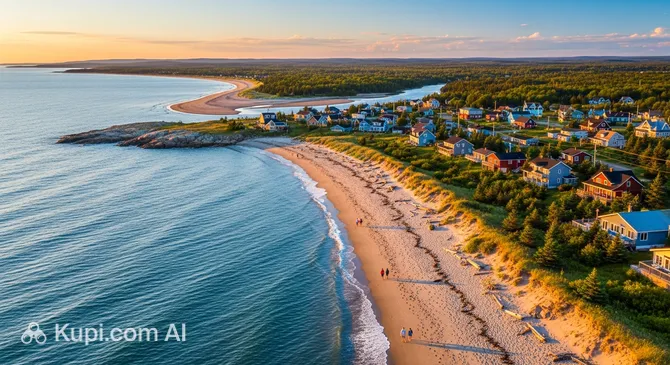
Chevery is a serene and picturesque community located on the Lower North Shore of the Gulf of St. Lawrence in Quebec. This remote village offers travelers a true escape into the wild landscapes of Canada, far removed from the hustle and bustle of urban life. With a modest population of approximately 300 residents, Chevery maintains a warm, small-town atmosphere where nature takes center stage.

Chevery. Source: Kupi.Binoculars

The village is situated at the mouth of the Netagamiou River, providing a stunning backdrop of water and wilderness. Despite its small size, the area has a deep connection to the land and sea. Visitors are encouraged to explore the history of Chevery to understand the fishing and trading traditions that have shaped this resilient community over the years.

Nature enthusiasts will be delighted by the area's unique features. One of the main highlights is the breathtaking Netagamiou Falls, a cascading waterfall that is easily accessible via a scenic hiking trail. Unlike much of the typically rocky coastline in the region, Chevery is also known for its surprisingly long and beautiful sandy beaches, which are perfect for peaceful strolls. The surrounding terrain offers excellent opportunities for berry picking, particularly for the local cloudberries, and observing wildlife in its natural habitat.

Whether you are arriving by boat along the coast or by plane, a visit to Chevery promises an unforgettable experience of solitude and natural beauty. It is an ideal destination for those seeking to disconnect and immerse themselves in the pristine outdoors of the North Shore.

Weather Overview

The climate in Chevery is characterized by distinct seasonal changes, offering a mix of cold winters and refreshingly mild summers. To help you pack appropriately for your trip, it is helpful to review the detailed weather in Chevery before you travel. Generally, the region experiences cool temperatures year-round, typical of the Lower North Shore.

Winters can be quite brisk, with January and February being the coldest months. During this time, average temperatures hover around -9°C, often dropping to lows of -13.2°C. Conversely, the summer season is pleasant and moderate, making it an ideal time for outdoor activities. August is typically the warmest month, with average temperatures reaching 16.6°C and daily highs occasionally peaking at 19.2°C.

Precipitation is a regular occurrence throughout the year, contributing to the area's lush natural environment. While the total volume is recorded as relatively low, usually between 3mm and 6mm, the frequency of precipitation is consistent. You can expect about 11 to 16 wet days per month, with November seeing the highest frequency of precipitation.

Interesting Facts

Beyond its scenic landscapes, Chevery holds several fascinating secrets that surprise even seasoned travelers. From unique wildlife phenomena to unexpected historical roots, here are some little-known facts about this remote community.
  • A Birdwatcher's Hidden Gem: Just 200 meters off the coast lies Sterant Island (Île aux Sternes), home to a large colony of terns that return every May to nest. Unlike many seabird sanctuaries that are difficult to reach, this active colony can be easily observed right from the village's main beach, offering a rare spectacle for nature lovers.

  • An Agricultural Origin: While most Lower North Shore communities were built entirely around fishing, Chevery's modern settlement began with a government experimental farm in 1931. Pioneer William "Dosh" Anderson cleared the land to prove that agriculture was possible in this rugged terrain, creating a unique chapter in the region's history.

  • The Winter Highway: During the colder months, the village becomes a vital stop on the legendary Route Blanche (White Trail). Since there are no continuous roads connecting it to the rest of Canada, locals and adventurers travel by snowmobile along this temporary "highway" that spans hundreds of kilometers across the frozen coastline.

  • A Helicopter "Bus": Due to the area's isolation, residents often use a subsidized helicopter service as a daily shuttle to the neighboring village of Harrington Harbour. This short flight provides passengers with a spectacular aerial view of the thundering Netagamiou Falls, a perspective that is otherwise impossible to get from the ground.

How to Get There

Reaching the remote village of Chevery requires a bit of planning, as it is situated on the Lower North Shore of Quebec, an area known for its rugged beauty and isolation. Since there are no direct road connections to the main provincial highway network, visitors typically arrive by sea or air. For a detailed breakdown of routes and schedules, you can check all ways to reach the city on our dedicated transport page.

The city of Chevery does not have a major international airport of its own listed in the vicinity. However, travelers often utilize Deer Lake Regional Airport (YDF) in the city of Deer Lake as a starting point for exploring the broader region. It is located approximately 213 km from Chevery. While this is the closest major airport listed by distance, it is important to understand that Chevery is a remote community with no road links to the outside world. Consequently, the village is accessible primarily by local flights or maritime transport, and the journey from major hubs involves crossing water and navigating the unique geography of the coast.

For clarity, here is a summary of the main airports:

Airport Name City Passenger Traffic Km from City
Deer Lake Regional Airport Deer Lake Medium 212.6

There are no railway stations in Chevery or the surrounding area. Due to the challenging terrain and the remote nature of the Lower North Shore, rail travel is not an option for reaching this destination. Visitors primarily rely on regional flights or the maritime supply network to access the community.

Main Attractions

While Chevery is a small and remote community, it boasts some of the most impressive natural features on the Lower North Shore. The village is a haven for outdoor enthusiasts, offering pristine landscapes that remain largely untouched. Here are the top attractions to explore during your visit.

Undoubtedly the crown jewel of the area is the Netagamiou Falls. Located just a few kilometers from the village, these majestic falls cascade over 50 feet into a saltwater basin, creating a spectacular sight where fresh river water meets the sea. Visitors can hike to the base of the falls to feel the mist on their faces or climb to the top for a panoramic view of the surrounding wilderness. It is a perfect spot for photography and a peaceful picnic accompanied by the roar of the rushing water.

Unlike much of the rugged, rocky coastline typical of this region, Chevery is famous for its extensive Sandy Beach. Stretching for approximately two kilometers, this beautiful crescent of fine sand offers a rare opportunity for barefoot walking and beachcombing in the area. In the summer, the water in the shallow bays can warm up enough for a refreshing dip, making it a favorite gathering spot for both locals and tourists looking to relax by the ocean.

To reach the falls and explore the local flora, visitors should take the Jos Hebbert Trail. This well-maintained hiking path features boardwalks and lookouts, guiding you through dense forest and berry-rich barrens. The trail is suitable for most skill levels and offers excellent chances to spot local wildlife, including spruce grouse and foxes. During the late summer, the path is lined with bakeapples (cloudberries), allowing hikers to taste the local flavors right from the land.

For those interested in marine life, the Netagamiou River Estuary provides exceptional wildlife viewing opportunities. The convergence of river and ocean draws various species, including seals and seabirds, which can often be seen from the shore or by kayak. Exploring the estuary by boat offers a unique perspective of the village and the rugged shoreline, immersing you completely in the tranquility of the North Shore.

Local Cuisine

The culinary experience in Chevery is deeply rooted in the bounty of the land and the cold waters of the Gulf of St. Lawrence. As a remote coastal community, the local diet is defined by the freshest seafood imaginable. Visitors can look forward to feasting on succulent snow crab, lobster, and scallops, often caught just hours before reaching the plate. A staple comfort food in the village is hearty seafood chowder, a rich and creamy soup packed with fish, potatoes, and shellfish that warms the soul on brisk coastal days.

Beyond the catch of the day, the region is famous for its wild berries, particularly the cloudberry, known locally as the bakeapple. These tart, amber-colored berries are a treasured delicacy on the Lower North Shore. You simply cannot leave without trying a slice of homemade bakeapple pie or spreading some vibrant bakeapple jam on fresh bread. Another local favorite is the redberry (partridgeberry), often used in tarts, jams, and steamed puddings, reflecting the area's blend of Quebecois and maritime traditions.

When it comes to beverages, the culture here is warm and inviting. Tea is the social drink of choice, often served strong and hot during visits to local homes or community gatherings. For something with a bit more of a kick, look for Chicoutai, a unique amber liqueur made from cloudberries found in the Quebec region. It offers a sweet and complex flavor profile that perfectly captures the essence of the northern landscape.

Dining in Chevery is distinct from a typical tourist destination; you won't find a bustling strip of restaurants or street food stalls. Instead, the food scene revolves around home-style cooking and genuine hospitality. Visitors often enjoy meals at the local inn or community center, where dishes are prepared with care using family recipes. For a truly authentic experience, tourists can buy fresh seafood directly from the fishermen at the wharf and enjoy a scenic picnic along the sandy beaches, immersing themselves in the quiet rhythm of village life.

Travel Tips

Visiting Chevery requires a bit more foresight than your average getaway, given its isolation on the rugged Lower North Shore. These practical tips will ensure you are fully prepared to embrace the wild charm and warm hospitality of this unique remote community.

  1. Clothing and Gear: The weather here is unpredictable and often windy, so packing layers is essential regardless of the season. Even in summer, bring a waterproof windbreaker, warm fleece, and sturdy hiking boots for the trails. If you plan to visit in winter, thermal gear and heavy parkas are mandatory.
  2. Transportation: Forget about ride-hailing apps or public transit; Chevery is a village best explored on foot. The community is compact and walkable, though you will see locals getting around by ATV in the summer and snowmobile in the winter. There are no car rental agencies, so be prepared to walk or arrange informal transfers with your host.
  3. Finances: The official currency is the Canadian Dollar (CAD). While the main general store typically accepts cards, it is highly recommended to carry sufficient cash for smaller transactions or in case of network outages. ATM access is extremely limited or non-existent depending on the season, so withdraw cash before arriving in the region.
  4. Health and Safety: The village is served by a local CLSC (health center) for basic medical needs, but serious emergencies require air evacuation. Bring a fully stocked personal first-aid kit and an ample supply of any prescription medications, as there is no 24/7 pharmacy. The area is safe from crime, but always be bear aware when hiking on the outskirts.
  5. Communication: Unlike most of the province, Chevery is primarily an Anglophone community, so English is the main language spoken by residents. Cell phone coverage can be spotty and is often limited to major carriers; checking coverage maps or bringing a satellite device for deep wilderness trips is wise. Wi-Fi is generally available in accommodations but may be slower than urban standards.
  6. Local Etiquette: In a tight-knit community of around 300 people, a friendly wave or a "hello" to everyone you pass is the norm. Locals are known for their hospitality, so feel free to strike up a conversation. However, always respect private property boundaries, which may not be clearly marked by fences in this open terrain.
  7. What to Avoid: Do not underestimate the insects during the summer months. Venturing out without high-quality insect repellent or a protective bug net can quickly turn a scenic hike into an uncomfortable ordeal due to black flies and mosquitoes.
  8. Additional Tip: Life here often revolves around the schedule of the supply ship, the Bella Desgagnés. Keep an eye on its arrival times; the wharf becomes a hub of activity when it docks, offering a great opportunity to meet locals and witness the vital lifeline of the coast in action.

With these preparations in mind, you are ready to disconnect from the noise of the modern world and enjoy the tranquility of Canada's hidden coastal gem. Pack your sense of adventure and get ready for a truly authentic northern experience.

Entertainment & Nightlife

When it comes to nightlife in Chevery, travelers should be prepared for a different kind of "wild" than what is found in big cities. You will not find bustling nightclubs, neon-lit districts, or crowded bars here. Instead, the evening entertainment is defined by the profound tranquility of the Lower North Shore. The "nightlife" in this remote village revolves around connecting with nature, enjoying the company of locals, and witnessing some of the most spectacular celestial displays on the planet.

The social hub of the community is often found within its hospitality venues, where visitors can enjoy a warm meal and a quiet drink after a day of exploration. The Sunset Motel is a central spot where travelers can unwind and perhaps swap stories with residents or other adventurers. Another key establishment is the Auberge Coastal Waters (Coastal Waters Inn), known for its welcoming atmosphere. These venues are not "bars" in the urban sense but serve as the village's living rooms, offering a cozy space to relax. The dress code is strictly casual and practical—hiking boots and fleece are the standard evening wear.

For those who prefer a self-catered evening or a picnic under the stars, Dépanneur Bellecourt is the local convenience store where you can pick up snacks and beverages. It is important to note that opening hours in Chevery are limited compared to urban centers. Venues may close earlier than expected, so it is wise to plan your evening meals and purchases well in advance.

The true magic of Chevery comes alive after the sun goes down. Without the light pollution of a city, the sky transforms into a canvas of infinite stars. On clear nights, the Milky Way is visible with the naked eye, and lucky visitors might witness the dancing colors of the Aurora Borealis (Northern Lights). A popular evening activity is simply walking down to the sandy beach or the wharf to listen to the waves and gaze upward. If you do venture out, safety is straightforward: the village is incredibly safe from crime, but you should always carry a flashlight to navigate unlit paths and remain "bear aware," as wildlife can be active at night.

Getting around at night is done almost exclusively on foot. The village is compact, and walking is the most practical way to move between your accommodation and the shore. There are no taxis or rideshare services, so you are the master of your own schedule. Prices for goods and services reflect the remote location and shipping costs, so budget accordingly and always carry some cash, as electronic payment systems can occasionally be offline.

While the nights are for relaxation, the daytime offers its own form of entertainment. Before settling in for the evening, visitors can spend their day exploring the majestic Netagamiou Falls or hiking the scenic trails that crisscross the area. Birdwatching is also a premier daytime activity, particularly near the local tern colony. Whether day or night, the entertainment in Chevery is about slowing down and appreciating the raw beauty of the Canadian wilderness.

Parks & Museums

Chevery is a destination where the great outdoors serves as the primary exhibition hall, and the cultural heritage is woven into the landscape rather than confined within glass cases. While the village may not have the manicured city parks or sprawling museum complexes found in urban centers, it offers pristine natural areas and intimate cultural landmarks that tell the story of life on the Lower North Shore.

Netagamiou Falls Park Area is the undisputed highlight of the region's green spaces. While often cited simply as a waterfall, the surrounding area functions as a magnificent natural park. A network of boardwalks and rugged paths allows visitors to explore the boreal forest before reaching the observation points. It is an ideal location for a wilderness picnic, where the roar of the water provides a dramatic soundtrack. The area is kept in its natural state, offering a genuine connection with the flora and fauna of the Canadian Shield.

For a more relaxing outdoor experience, the Chevery Sandy Beach serves as the community's premier recreational space. Unlike the typical rocky shores of the region, this expansive stretch of sand functions as a natural park where locals and visitors gather. It is perfect for beachcombing, jogging, or simply watching the seabirds dive into the Gulf. In the summer months, it becomes the village's living room, hosting bonfires and community gatherings that replace the need for formal urban plazas.

In terms of museums and galleries, Chevery is a village of 300 people, so you will not find traditional institutions with ticket counters. Instead, the culture is preserved in its living history and community buildings. The local Anglican church stands as a significant cultural and architectural landmark. Its simple yet sturdy construction reflects the resilience of the community and the central role of faith in the lives of the residents. Visitors are often welcome to view the modest interior, which offers a quiet space for reflection and a glimpse into the spiritual heritage of the village.

Although there is no dedicated art gallery, the artistic spirit of Chevery is alive in the hands of its residents. Local artisans and crafters often display their work in community spaces or from their homes. Visitors interested in local culture should ask about purchasing handmade items such as knitted goods, carvings, or traditional snowshoes. These objects serve as tangible exhibits of the skills passed down through generations to survive and thrive in this remote environment.

Another site of historical interest is the location of the original Experimental Farm. While the farm itself is a thing of the past, the cleared land and the layout of the settlement pay homage to the agricultural experiment started in the 1930s by pioneer William Anderson. Walking through these areas provides a historical context to the village, showcasing the determination of early settlers to cultivate the land against the odds.

For those looking to explore the local wilderness further, the Bob Nunez Misty River Trail offers a serene escape into the region's lush environment. This trail is an excellent addition to the village's green spaces, guiding hikers along scenic routes that highlight the natural beauty of the river and forest. It provides a peaceful setting for walking and birdwatching, allowing visitors to appreciate the quiet majesty of the Lower North Shore away from the coast.

Getting Around

Travelers visiting Chevery should be aware that the village does not possess a standard urban public transport system. Due to its small population and remote location, there are no buses, trams, metros, or trolleybuses operating within the community. The infrastructure is minimal, and the village is designed on a scale that makes such transit networks unnecessary. For the vast majority of visitors, the primary mode of getting around the settlement is simply walking.

Despite the lack of conventional transit, there is one truly unique form of "public transport" that serves the area: a scheduled helicopter service. This aerial shuttle functions effectively as a bus for locals, connecting Chevery with the neighboring island community of Harrington Harbour. This service is a necessity rather than a luxury, bridging the gap across the water where no roads exist. It operates regularly, weather permitting, and offers a rare opportunity for tourists to experience a short, scenic flight as part of their daily commute.

Regarding payment and tickets for this helicopter shuttle, the system is relatively informal compared to city transit. There are no smart cards, mobile apps, or automated turnstiles. Tickets are typically purchased directly at the local heliport or the small airport terminal. The service is subsidized to keep it accessible for residents, but prices for visitors are reasonable given the nature of the transport. It is highly advisable to carry cash, as electronic payment terminals may not always be reliable in this remote region.

When it comes to alternatives like taxis or ride-sharing apps, tourists will find that these do not exist in Chevery. You will not find Uber, Lyft, or hailed cabs on the streets. Transportation for luggage or supplies is often managed informally; locals may offer a lift in a truck or on an all-terrain vehicle (ATV), which replaces cars for many residents during the summer months. In the winter, the "taxi" of choice shifts to the snowmobile, which is the standard vehicle for traversing the snow-covered landscape.

Practical advice for navigating Chevery revolves around preparation for the elements. Since walking is the main way to explore, comfortable, waterproof footwear is essential. The village is compact, and most key locations—such as the general store, the inn, and the wharf—are within a reasonable walking distance of each other. Visitors should also be mindful that transport schedules, including the helicopter and the arrival of the supply ship, are heavily dependent on weather conditions, so maintaining a flexible itinerary is key to a stress-free visit.

Accommodation

Finding a place to stay in Chevery is a unique experience that reflects the intimate and remote nature of the community. Travelers should not expect sprawling luxury resorts or international hotel chains. Instead, the accommodation landscape is defined by a small number of cozy, family-run establishments. These venues offer a warm, home-like atmosphere where hospitality is personal, and hosts often go out of their way to ensure guests feel comfortable in this rugged environment.

Most lodging options fall into the category of small inns, motels, or bed-and-breakfast style guest houses. Since the village is compact, location is rarely an issue; accommodations are typically situated within walking distance of the wharf, the general store, and the coastline. Staying in these local spots often provides a social element, as they serve as gathering points for visitors and residents alike, offering a chance to hear local stories over a shared meal.

Booking Tip: Due to the extremely limited inventory of rooms, securing your accommodation well in advance is absolutely essential. The few available spots can fill up quickly, especially during the summer tourist season or when contractors are working in the region. Do not count on finding a room upon arrival; always confirm your reservation before boarding your flight or boat.

In terms of pricing, visitors can generally expect mid-range rates. The cost reflects the logistics of operating in a remote northern village, but the value includes a level of personalized care that is hard to find elsewhere. It is important to note that these small establishments often do not appear on major global booking platforms. The best way to secure a room is to contact the owners directly via phone or email. Additionally, it is wise to ask about payment methods when booking, as some places may prefer cash or have limited card processing facilities.

Nearby Cities

Situated on the remote Lower North Shore, Chevery is geographically distinct from the larger urban hubs found across the Gulf of St. Lawrence. While the village itself offers seclusion, looking across the water reveals other significant communities that define the broader Atlantic region. These destinations, though separated by the sea, share a coastal heritage and serve as key reference points for travelers navigating Eastern Canada.

Across the Gulf lies Corner Brook, the closest major population center listed relative to Chevery. Located on the west coast of Newfoundland, this city acts as a gateway to the stunning Humber Valley and the Long Range Mountains. It is a well-known destination for outdoor enthusiasts, offering a mix of urban amenities and rugged terrain suitable for hiking and skiing.

For a distinct maritime atmosphere, the Magdalen Islands act as a unique archipelago in the middle of the Gulf. Famous for their striking red sandstone cliffs and endless sandy beaches, these islands are steeped in rich Acadian culture. The landscape here contrasts sharply with the granite coast of the North Shore, offering visitors a chance to explore artisanal shops and enjoy fresh seafood.

To the west, Gaspe is another prominent destination, renowned for its breathtaking coastal scenery and historical significance. Home to the iconic Percé Rock and Forillon National Park, it attracts travelers seeking dramatic vistas. As a cultural center for the Gaspé Peninsula, it provides a vibrant mix of nature and heritage that complements the wilder experience of the North Shore.

City Population Distance (km)
Corner Brook 19806 207
Gaspe 15163 396
Grand Falls-Windsor 14171 333
Magdalen Islands 12010 381
Gander 11688 398

These neighboring regions highlight the diversity of the landscape surrounding the Gulf of St. Lawrence.

Shopping & Souvenirs

Shopping in Chevery is a unique experience that reflects the village's remote location and small population. Visitors should not expect a commercial shopping scene with trendy boutiques or department stores. Instead, the retail environment here is purely functional, designed to sustain the community, while also offering a few hidden gems in the form of local craftsmanship. For tourists, shopping is less about browsing for fashion and more about discovering authentic local goods and stocking up on essential supplies for outdoor adventures.

There are no shopping districts or high streets in the traditional sense. The commercial activity of the village is concentrated in a few key locations that serve as community hubs. The main general store, often referred to as the local Dépanneur, acts as the lifeline for residents. Here, you can find everything from groceries and hardware to basic clothing and outdoor gear. It is the go-to spot for hikers needing to replenish their snacks or travelers looking for practical items they might have forgotten to pack.

Travelers looking for shopping malls will not find them in Chevery. The infrastructure is built on a village scale, and the concept of a large retail complex does not exist on the Lower North Shore. The nearest large-scale shopping centers are hundreds of kilometers away in cities like Corner Brook or Sept-Îles, accessible only by plane or boat. Visitors should come prepared with any specialized equipment or luxury items they require, as local inventory is limited to necessities.

While there are no permanent market halls, the spirit of a market exists in the informal trade between locals and visitors. The wharf often functions as a pop-up fresh market, especially when fishing boats return with their daily catch. Depending on the season, you might have the opportunity to purchase fresh snow crab, lobster, or scallops directly from the fishermen. Additionally, community centers or church basements occasionally host craft sales or bake sales, which are excellent places to mingle with residents and find homemade treats.

When it comes to souvenirs, the best items to bring back are those that come directly from the land and the hands of the locals. The region is famous for bakeapples (cloudberries), and a jar of golden bakeapple jam is a prized gift. You should also look for handicrafts made by local artisans. It is common to find beautifully knitted wool socks, mittens, and hats designed to withstand the harsh northern winters. Traditional items such as handmade snowshoes or carvings made from caribou antler also make for meaningful keepsakes that tell the story of the region's heritage.

Opening hours in Chevery are much more restricted than in urban areas. The general store and other small businesses typically operate from around 9:00 AM to 5:00 PM, often closing for a lunch break at midday. On Sundays, businesses may be closed entirely or have very short operating hours. Regarding payment, while the main store may accept debit or credit cards, it is highly recommended to carry cash (Canadian Dollars). Telecommunications networks can be unreliable due to weather or technical issues, rendering card machines temporarily useless. Having cash on hand ensures you can always pay for goods, especially when buying crafts or seafood directly from individuals.

Regarding taxes, the standard Goods and Services Tax (GST) and Quebec Sales Tax (QST) apply to most purchases in the province. There is no specific tax-free shopping refund system for tourists in Canada for general goods consumed or used during the trip. Visitors should expect the advertised price on the shelf to be the base price, with taxes added at the register.
Reached the end of the page?

That means the route is fully explored