Support

Grand Falls-Windsor

About

Nestled in the central region of the province of Newfoundland and Labrador, Grand Falls-Windsor is a charming town that perfectly blends natural beauty with community spirit. As one of the larger centers in this part of Canada, it acts as a vital service hub while maintaining a welcoming, small-town atmosphere. The town is strategically located along the Trans-Canada Highway, making it an accessible and popular stop for travelers exploring the island.

The community is situated along the banks of the majestic Exploits River, which has played a crucial role in its development and identity. Visitors interested in the history of Grand Falls-Windsor will discover fascinating stories about its origins as a paper mill town and the eventual amalgamation of two separate communities in 1991. With a population of approximately 14,000 residents, the town offers a lively environment filled with local events and friendly faces, without the overwhelming hustle of a major metropolis.
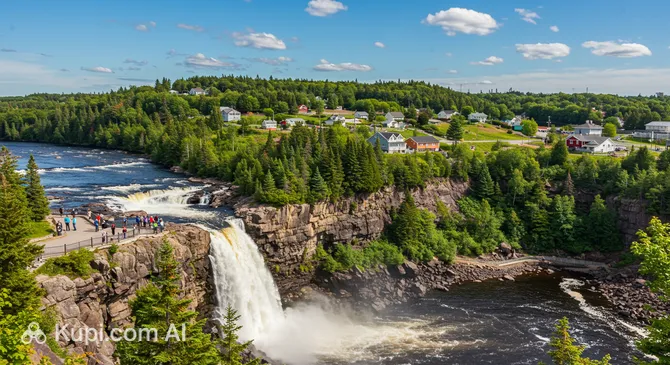
Grand Falls-Windsor. Source: Kupi.Binoculars

Nature enthusiasts will find plenty to explore here, as the area is renowned for its outdoor opportunities. The Exploits River is famous as one of the best Atlantic salmon rivers in North America. A visit to the Salmonid Interpretation Centre is a highlight for many, allowing guests to watch salmon migrating upstream through an underwater viewing window. For those who prefer a leisurely walk, the Corduroy Brook Nature Trail offers scenic paths through wetlands and forests, providing an excellent setting for photography and spotting local wildlife.

Whether you are passing through on a cross-island road trip or planning a dedicated stay, Grand Falls-Windsor offers a delightful mix of outdoor adventure and cultural heritage. It is an ideal destination for travelers seeking to experience the authentic heart of central Newfoundland and enjoy the warm hospitality of its people.

Weather Overview

Travelers planning a trip to this part of Newfoundland and Labrador should be prepared for a climate that features four distinct seasons. Summer is widely considered the best time to visit, especially during July and August, when the weather is at its warmest with average temperatures around 18°C and daily highs reaching up to 23°C. To help you pack appropriately for your specific travel dates, it is helpful to review the current weather in Grand Falls-Windsor.

In contrast, the winter months of January and February are significantly colder, with average temperatures dipping to -6.6°C and minimums often falling to -11°C. Spring and autumn offer a bridge between these extremes; September is particularly pleasant with an average of 13.5°C, while April and November are much cooler. Precipitation occurs fairly regularly throughout the year, with approximately 12 to 16 wet days each month, ensuring the region's lush landscapes remain vibrant.

Overall, you can expect warm, comfortable summers and cold, crisp winters. Since wet days are common regardless of the season, bringing versatile clothing and rain gear is recommended to ensure you can enjoy the local attractions rain or shine.

Interesting Facts

Beyond the main attractions, Grand Falls-Windsor holds many fascinating secrets that reveal its unique heritage and vibrant culture. Here are a few intriguing facts about this central Newfoundland town:

  • The Daily Mail Connection: The town was originally established in 1905 by the Harmsworth family, British publishing magnates, specifically to supply newsprint for the famous Daily Mail newspaper in London. This created a direct industrial link between the forests of Canada and the newsstands of England.

  • A "Garden City" Design: Unlike many Newfoundland communities that grew organically around fishing harbours, Grand Falls was a meticulously planned "Garden City." It was designed with tree-lined avenues, designated housing zones, and specific recreational areas, making it one of the few model towns of its era in the region.

  • Rock Legends in a Small Town: Despite its modest population, the town has hosted some of the biggest names in rock history. The annual Exploits Valley Salmon Festival has welcomed legendary acts like The Eagles, Aerosmith, and KISS, drawing crowds that have sometimes exceeded the town's own population.

  • A Tale of Two Towns: The hyphen in the name represents a significant moment in local history. Until 1991, the area consisted of two distinct municipalities: the company-managed Grand Falls and the independent town of Windsor. Their amalgamation created the single community that exists today.

How to Get There

Grand Falls-Windsor serves as a central hub in Newfoundland and Labrador, making it accessible primarily by road from several key entry points on the island. While the town does not have its own airport, travelers can choose from a few regional and international options nearby. For a detailed breakdown of routes and transport services, you can read more about how to get to Grand Falls-Windsor.

The most convenient option for many visitors is Gander International Airport (YQX), located in the city of Gander. It is the closest air hub, situated approximately 80.5 km east of Grand Falls-Windsor. The drive along the Trans-Canada Highway is straightforward and typically takes about 1 hour by rental car or taxi shuttle.

Another excellent alternative is Deer Lake Regional Airport (YDF), found in the city of Deer Lake to the west. This airport is approximately 130.4 km away from Grand Falls-Windsor. It serves as a major gateway for the western part of the island, and the travel time by road is roughly 1 hour and 30 minutes.

For those arriving via the provincial capital, St. John's International Airport (YYT) in St. John's is the largest facility, offering the most flight connections. However, it is located about 261 km away, requiring a drive of approximately 3 hours to reach Grand Falls-Windsor.

For clarity, here is a summary of the main airports:

Airport Name City Passenger Traffic Km from City
St. John's International Airport St. John's High 261.0
Deer Lake Regional Airport Deer Lake Medium 130.4
Gander International Airport Gander Medium 80.5
Saint Pierre Airport Saint Pierre Small 243.8

There is no active passenger railway service on the island of Newfoundland, so visitors cannot arrive by train. The primary mode of public inter-city transport is the bus service, specifically DRL Coachlines, which operates daily along the Trans-Canada Highway connecting Grand Falls-Windsor with major centers like St. John's and Port aux Basques.

Main Attractions

Grand Falls-Windsor is a destination where nature and history converge, offering visitors a chance to explore the rich heritage of central Newfoundland while enjoying its stunning landscapes. The town’s attractions cater to outdoor enthusiasts, history buffs, and families alike, making it a well-rounded stop on any journey across the island.

One of the premier highlights is the Salmonid Interpretation Centre, located on the banks of the Exploits River. This facility is a must-visit for nature lovers, as it sits on one of the most important Atlantic salmon rivers in North America. The main draw here is the underwater viewing windows, which allow guests to observe majestic salmon as they migrate upstream through the fishway. It provides a rare, immersive glimpse into the river's ecosystem and the life cycle of the "King of Fish."

For those interested in the region's past, the Mary March Provincial Museum offers a deep dive into the cultural history of Newfoundland. The museum features comprehensive exhibits on the Beothuk people, the island's indigenous inhabitants, as well as the industrial history of the paper mills that built the town. It is an educational experience that provides context to the area's development and honors the diverse communities that have shaped the land.

Outdoor recreation is easily accessible at the Corduroy Brook Nature Trail, a scenic network of trails winding directly through the town. This system includes well-maintained boardwalks and gravel paths that traverse wetlands, forests, and streams. It is a favorite spot for birdwatching, photography, or simply enjoying a peaceful walk in nature without leaving the convenience of the town center. The trail is family-friendly and accessible, making it perfect for a leisurely afternoon.

Another scenic spot is Gorge Park, which offers impressive views of the Exploits River and the powerful dam that harnesses its energy. The park features manicured gardens, walking paths, and picnic areas, serving as a tranquil setting to appreciate the raw power of the river. In the summer, the grounds often host concerts and community events, adding a vibrant cultural element to the natural beauty.

Local Cuisine

The culinary scene in Grand Falls-Windsor is a reflection of traditional Newfoundland hospitality: hearty, comforting, and deeply rooted in local history. While you will find familiar international staples and fast-food chains, the true flavor of the town is best experienced in its family-run diners and local restaurants. Here, the focus is on generous portions and home-style cooking that warms you up after a day of exploring the outdoors.

Seafood remains a cornerstone of the local diet, despite the town's inland location. Pan-fried cod is a must-try dish, often served with "scrunchions"—crispy bite-sized pieces of salted pork fat that add a savory crunch. Another local favorite that surprises many visitors is fries, dressing, and gravy. Unlike the cheese-curd-topped poutine found elsewhere in Canada, this regional specialty features French fries smothered in rich gravy and topped with a savory breadcrumb stuffing mixture, known locally as "dressing."

For a traditional Sunday meal, look for a restaurant serving a Jiggs Dinner. This iconic one-pot meal consists of salt beef boiled with cabbage, potatoes, turnips, and carrots, often accompanied by pease pudding and turkey. If you are looking for a unique breakfast treat, order toutons. These are pieces of bread dough fried in pork fat until golden brown and typically served with a generous drizzle of molasses, offering a perfect blend of sweet and savory flavors.

The region surrounding Grand Falls-Windsor is also famous for its berries. Desserts featuring partridgeberries (lingonberries) or bakeapples (cloudberries) are widely available in season. Whether baked into pies, made into jams, or served atop cheesecake, these tart and sweet berries provide a distinct taste of the Newfoundland wilderness.

When it comes to beverages, tea is the hot drink of choice for any social gathering. On the stronger side, visitors often sample Newfoundland Screech, a potent dark rum with a storied history in the province's trade past. Local pubs and restaurants also feature a growing selection of beers from the island's craft breweries, including lagers made with water harvested from 10,000-year-old icebergs.

Travel Tips

Visiting Grand Falls-Windsor is a delightful experience filled with warm hospitality and outdoor adventure, but a little local know-how can make your trip even smoother. Here are some practical tips to help you navigate the "Garden City" of central Newfoundland with ease and confidence.

  1. Clothing and Gear: The weather in Newfoundland can change rapidly, so the key to comfort is layering. Even in summer, evenings can be cool, so bring a breathable waterproof jacket and a warm sweater. If you plan to explore the Corduroy Brook Nature Trail, pack sturdy, comfortable walking shoes or light hiking boots. Insect repellent is also a must-have during June and July to ward off black flies and mosquitoes in wooded areas.

  2. Transportation: The best way to get around Grand Falls-Windsor and the surrounding region is by rental car. While the town is walkable in certain areas, attractions are spread out, and there is no local metro or extensive public transit system. Taxis are available (look for local companies like Exploits Valley Cabs), but ride-hailing apps like Uber or Lyft generally do not operate in this area.

  3. Finances: The currency is the Canadian Dollar (CAD). Credit and debit cards are widely accepted at hotels, restaurants, and supermarkets. However, it is wise to carry some cash for smaller convenience stores or local craft markets. ATMs are readily available at banks and gas stations throughout the town. Standard tipping practice in restaurants and for taxi services is approximately 15% to 20% of the bill.

  4. Health and Safety: Grand Falls-Windsor is a safe community with low crime rates. For medical needs, the Central Newfoundland Regional Health Centre provides emergency services. Pharmacies like Shoppers Drug Mart are available for minor ailments, though they may not be open 24 hours. The biggest safety hazard for tourists is actually on the highways: moose are prevalent and pose a serious risk to drivers, especially at dawn and dusk.

  5. Communication: English is the primary language, often spoken with a distinct and charming local dialect. You might hear phrases like "Whaddayat?" (What are you doing? / How are you?), to which a friendly smile is the best response. Cell phone coverage is excellent within the town but can become spotty as you venture deeper into the wilderness. Free Wi-Fi is standard in most hotels, coffee shops, and public libraries.

  6. Local Etiquette: Newfoundlanders are known for their friendliness. It is customary to greet people you pass on walking trails or in shops with a nod or a "hello." Don't be surprised if a local strikes up a conversation with you in a lineup; polite, casual chat is the norm here. Patience is appreciated, as the pace of life is more relaxed than in big cities.

  7. What to Avoid: Avoid driving at high speeds on the Trans-Canada Highway at night. The risk of colliding with a moose is significantly higher after dark, and these accidents can be severe. Also, avoid using the term "Newfie" unless you hear a local use it first; while some embrace it, others may find it derogatory depending on the context.

  8. Seasonal Tip: If you are visiting in mid-July, check the dates for the Exploits Valley Salmon Festival. It is one of the biggest social events of the year, featuring concerts and community gatherings. Be aware that accommodation books up months in advance for this weekend, so plan accordingly.

By keeping these practical tips in mind, you will be well-prepared to enjoy everything Grand Falls-Windsor has to offer. Embrace the laid-back rhythm of the town, chat with the locals, and enjoy your journey through the heart of Newfoundland.

Entertainment & Nightlife

Entertainment in Grand Falls-Windsor reflects the town's welcoming character, focusing more on warm hospitality and social gatherings than on high-energy clubbing. The nightlife here is centered around cozy pubs, live music venues, and community-oriented spaces where locals and visitors mingle freely. Instead of sprawling nightlife districts, you will find lively spots scattered throughout the town, particularly along Cromer Avenue and near the historic downtown area.

For a quintessential Newfoundland experience, Kelly's Pub on Hill Road is a local favorite. Known as one of the friendliest spots in town, it offers a relaxed atmosphere where you can enjoy a pint, play video lottery terminals, and often catch live performances by local musicians. It is the perfect place to strike up a conversation with residents and learn about the area's culture over a drink. If you are looking for something with a more modern vibe, The Terrace Pub & Patio on Cromer Avenue is a vibrant addition to the scene. It features a spacious outdoor area for warmer evenings and stays open late, making it a popular destination for the younger crowd and those looking to socialize into the early morning hours.

For a unique evening that combines dining with entertainment, the Queen Street Dinner Theatre is a must-visit. Located on Queen Street, this venue has been entertaining guests for decades with its blend of comedy, music, and storytelling, all served alongside a delicious three-course meal. It provides a wholesome and hilarious night out that captures the wit and charm of central Newfoundland.

Beyond the bars, the town offers excellent cultural and recreational entertainment. The Gordon Pinsent Centre for the Arts is the hub for high-quality performances, hosting everything from touring concerts and theatrical productions to local festivals. For a more casual activity, Exploits Lanes offers five-pin bowling with "glow bowling" nights and a lounge area, providing fun for groups and families alike.

When planning your night out, keep in mind that the atmosphere in Grand Falls-Windsor is distinctly casual. Jeans and comfortable attire are the norm at almost all venues. The town is very safe for evening walks, but attractions can be spread out, so walking between them is not always practical. Taxis are the most reliable way to get around at night; it is recommended to keep the number of a local service like Bluebird Taxi handy, as ride-sharing apps are not typically available.

Parks & Museums

Grand Falls-Windsor offers a compelling mix of well-maintained green spaces and cultural institutions that preserve the rich heritage of central Newfoundland. Visitors can easily transition from exploring the region’s natural beauty on extensive trail networks to immersing themselves in the fascinating history of the island’s indigenous peoples and industrial past.

Corduroy Brook Nature Trail is the town's premier outdoor recreational facility and a testament to community conservation efforts. This extensive trail system spans approximately 15 kilometers and winds through diverse habitats, including boreal forests, wetlands, and tranquil streams. It is particularly notable for its accessibility, featuring wide boardwalks and gravel paths that accommodate strollers and wheelchairs, making it an inclusive destination for all visitors. The trail also serves as an outdoor classroom with interpretive signage about local flora and fauna, perfect for a leisurely educational hike.

Another significant green space is Gorge Park, which provides a dramatic setting overlooking the Exploits River. This park is beautifully landscaped with flower gardens and paved walkways, offering a peaceful contrast to the rugged power of the nearby dam and river rapids. It is a favorite spot for picnics and evening strolls, allowing tourists to appreciate the engineering history of the town while enjoying scenic waterfront views. The park often serves as a gathering place for community celebrations, adding a lively atmosphere during the summer months.

For a deep dive into the region's past, the Mary March Provincial Museum is an essential stop. Named after Demasduit (known as Mary March), one of the last known Beothuk women, the museum houses a significant collection of artifacts related to the Beothuk culture and their tragic history. Beyond indigenous history, the museum features exhibits on the development of the pulp and paper industry that birthed the town, as well as displays on the natural history of central Newfoundland. It provides a comprehensive overview of the social and geological forces that shaped the area.

The Salmonid Interpretation Centre offers a unique museum-like experience focused on environmental stewardship and the lifecycle of the Atlantic salmon. Located at the Grand Falls, the facility allows visitors to step inside the river's ecosystem through underwater viewing windows. Exhibits detail the biology of the salmon, the history of the river's development, and the conservation efforts undertaken to enhance the population. It is a fascinating venue for families, combining biology with local history in an engaging, interactive format.

Art lovers should also take note of the Gordon Pinsent Centre for the Arts. While primarily a performance venue, it often features a visual arts gallery showcasing works by local and provincial artists. The rotating exhibitions offer insight into the contemporary cultural scene of Newfoundland and Labrador, ranging from traditional paintings to modern mixed-media pieces.

For an authentic local experience, take a short drive to the nearby Red Cliff area. While less developed than the main parks, it offers rugged terrain and spectacular vantage points of the Exploits River valley, providing a quieter, more raw nature experience favored by local hikers and photographers.

Getting Around

Visitors arriving in Grand Falls-Windsor should be aware that the city does not operate a municipal public transport system. There are no subways, trams, trolleybuses, or scheduled city bus routes available for getting around the town. The community is designed primarily for vehicle traffic, meaning that reliance on public transit in the traditional sense is not possible here. Instead, transportation is largely based on private vehicles and commercial taxi services.

Since there is no public transit network, there are no travel passes, reloadable transport cards, or mobile ticketing apps to navigate. The payment system for getting around is straightforward and applies almost exclusively to taxi services. Fares are typically metered or based on flat rates for specific zones within the town limits. While cash is the most universally accepted form of payment, many local taxi drivers are equipped to accept credit and debit cards. It is always a good practice to confirm the payment method with the dispatcher or driver before starting your journey.

For tourists without a personal vehicle, taxis serve as the primary alternative to public transport. Several reliable companies operate within the area, such as Exploits Valley Cabs and Bluebird Taxi. A practical tip for visitors is to save the phone numbers of these local dispatchers immediately upon arrival, as you cannot simply flag down a cab on the street. Service is generally available 24 hours a day, but wait times can increase during peak periods, holidays, or severe weather conditions, so booking in advance when possible is recommended.

The most popular and efficient alternative for exploring Grand Falls-Windsor and the surrounding region is renting a car. Having your own vehicle provides the freedom to visit scattered attractions like the Salmonid Interpretation Centre or nearby parks without waiting for a taxi. Car rental agencies are available in the town, though availability can be tight during the summer tourist season, making early reservations essential.

Walking and cycling are viable options for specific neighborhoods, particularly around High Street and the downtown area, or along the scenic Corduroy Brook Nature Trail. However, the town is spread out over a relatively large area, making walking impractical as a primary mode of transport for getting from one end of the community to the other. There are no designated bike-sharing schemes, so cycling is generally a recreational activity rather than a commuting solution for visitors.

Accommodation

Finding accommodation in Grand Falls-Windsor is generally a straightforward task, as the town serves as a primary service hub for central Newfoundland. The accommodation landscape is designed to cater largely to road trippers crossing the island via the Trans-Canada Highway, as well as business travelers and families visiting for local events. Visitors can expect a range of options that prioritize comfort and convenience, including full-service hotels, reliable roadside motels, and charming bed and breakfasts.

The majority of lodging options are strategically clustered in two main areas. The most visible cluster is located directly off the Trans-Canada Highway. These establishments are ideal for travelers seeking a quick stopover or easy access to the region's main transportation route. Staying here means you are never far from gas stations, fast food, and the open road. Alternatively, you can choose to stay closer to the town center and High Street district. Accommodations in this area offer a quieter atmosphere and place you within walking distance of local dining, the Corduroy Brook Nature Trail, and the Salmonid Interpretation Centre.

While the town does not typically feature ultra-luxury resorts, it offers excellent mid-range hotels that provide robust amenities such as on-site dining, swimming pools, and conference facilities. For those on a tighter budget or seeking a more home-like environment, there are several well-regarded housekeeping cottages and B&Bs. These smaller establishments often provide a personal touch, with hosts who are eager to share local tips and sometimes even a home-cooked breakfast featuring local jams and breads.

Booking Tips and Prices: Prices in Grand Falls-Windsor are generally reasonable and considered mid-range compared to larger cities like St. John's. However, availability can fluctuate drastically with the seasons. The summer months, particularly July and August, see a high volume of tourists. It is highly recommended to book your room several weeks in advance if you plan to visit during this window. This is especially critical during the annual Exploits Valley Salmon Festival in July, when the town's population swells and "No Vacancy" signs become a common sight.

Most properties are listed on major online booking platforms, making it easy to compare rates and check availability. However, for smaller bed and breakfasts or locally-owned motels, booking directly by phone or through their own websites can sometimes secure you a better rate or a more specific room request. Parking is almost universally free at accommodations throughout the town, adding a layer of convenience for those exploring the island by car.

Nearby Cities

For those looking to explore the surroundings, Grand Falls-Windsor serves as an excellent base for day trips to several interesting nearby locations. The central position of the town allows travelers to easily venture out to the coast or visit other historic communities within a reasonable driving distance.

One of the most popular excursions is to Twillingate, located approximately an hour and a half to the north. Known as the "Iceberg Capital of the World," this picturesque island community offers stunning coastal scenery, the historic Long Point Lighthouse, and excellent opportunities for spotting whales and icebergs in season. It provides a quintessential Newfoundland outport experience with its rugged cliffs and colorful houses.

Closer to home, the town of Botwood is just a short 20-minute drive away. It is famous for its history as a majestic flying boat base during the 1930s and World War II. Visitors can explore the Botwood Heritage Centre or take a walking tour to admire the numerous large-scale murals depicted on buildings throughout the town, which tell the story of its fascinating past.

Another worthwhile stop is Gander, situated less than an hour to the east. Renowned for its aviation history, Gander played a pivotal role in transatlantic flight and, more recently, gained global fame for its hospitality on 9/11. The North Atlantic Aviation Museum is a highlight here, offering engaging exhibits that appeal to history buffs and families alike.

City Population Distance (km)
St. John's 108860 265
Cape Breton 94285 491
Conception Bay South 26199 253
Mount Pearl 22957 263
Paradise 21389 259

These nearby destinations offer a glimpse into the diverse culture and landscapes of the region.

Shopping & Souvenirs

As the central service hub for the interior of Newfoundland, Grand Falls-Windsor offers the most comprehensive shopping opportunities in the region. While it may not rival the massive retail landscapes of major metropolitan cities, it serves as a vital commercial center for local residents and travelers alike. Visitors will find a practical mix of large national retailers, convenient grocery stores, and smaller, independent boutiques that capture the local charm. Whether you need to restock supplies for a road trip or are hunting for a unique memento, the town provides plenty of options.

The shopping scene is primarily divided into two distinct districts. Cromer Avenue acts as the modern commercial artery of the town. This busy strip is lined with big-box stores, supermarkets, and fast-food chains, making it the go-to destination for essentials and well-known brands. In contrast, High Street represents the historic heart of the former Grand Falls townsite. This area offers a more relaxed, walkable atmosphere where you can find specialty shops, local services, and smaller businesses housed in older, character-filled buildings.

For an indoor shopping experience, the Exploits Valley Mall located on Cromer Avenue is the primary destination. It stands as the largest enclosed shopping center in central Newfoundland. The mall features a variety of stores ranging from clothing and footwear to electronics and housewares. It serves as a convenient one-stop location, especially on rainy days, and often hosts community kiosks where you might find tickets for local events or handmade goods.

Travelers looking for authentic local flavor should seek out the seasonal Grand Falls-Windsor Farmers' Market. Typically operating on weekends during the warmer months, this market is a vibrant gathering place where local artisans and producers showcase their wares. It is an excellent spot to find fresh local produce, homemade baked goods, and handcrafted items that you won't see in the larger chain stores.

When it comes to souvenirs, the best items to bring back are those that reflect the province's culture and natural bounty. Look for jars of partridgeberry or bakeapple jam, which are distinct tastes of the Newfoundland wilderness. Hand-knitted goods, such as traditional wool socks or mittens with unique regional patterns, are also popular and practical gifts. Additionally, local bookstores and gift shops often carry music by Newfoundland artists and literature that delves into the island's rich storytelling tradition.

Most shops in Grand Falls-Windsor operate on standard business hours. The larger retailers and the mall are typically open from 9:30 AM to 9:00 PM Monday through Saturday, with reduced hours on Sundays, usually from 12:00 PM to 5:00 PM. Smaller independent boutiques on High Street may close earlier, around 5:00 PM or 6:00 PM, and some may be closed on Sundays. Payment is easy, with major credit cards (Visa, MasterCard) and debit cards being widely accepted everywhere. Cash is useful for smaller purchases at markets but is not strictly necessary for most transactions.

Tourists should be aware that Canada does not offer a general sales tax refund program for visitors on goods purchased for export. In Newfoundland and Labrador, a Harmonized Sales Tax (HST) of 15% is applicable to most goods and services. This tax is usually added at the cash register rather than being included in the shelf price, so it is important to factor this into your budget when shopping.

Reached the end of the page?

That means the route is fully explored