Support

St. John's

About

Perched on the eastern tip of the Avalon Peninsula, St. John's is a city defined by its rugged coastal beauty and vibrant culture. As the capital of Newfoundland and Labrador, it serves as the perfect starting point for exploring the easternmost edge of Canada. With a population of over 108,000 residents, the city balances the charm of a close-knit community with the amenities of a modern urban center, all set against a backdrop of dramatic ocean cliffs and a sheltered, historic harbor.

The city holds a distinct place in the continent's timeline, often cited as the oldest English-founded city in North America. Visitors intrigued by the past can delve deeper into the fascinating history of St. John's, from its early days as a seasonal fishing post to its strategic military importance over the centuries. This heritage is reflected in the architecture, particularly the iconic "Jellybean Row" houses that line the steep downtown streets in a kaleidoscope of bright colors.

St. John's. Source: Kupi.Binoculars

Travelers are drawn to St. John's not only for its unique atmosphere but also for its stunning landmarks. Signal Hill offers panoramic views of the Atlantic Ocean and the city skyline, while the historic Cabot Tower stands as a sentinel over the harbor entrance known as "The Narrows." A stroll through the winding streets of The Battery or a visit to the charming fishing village of Quidi Vidi within the city limits provides a picturesque glimpse into local life. Whether you are seeking coastal hiking trails or lively folk music in a downtown pub, St. John's invites you to experience its warm hospitality and breathtaking scenery.

Weather Overview

St. John's experiences a temperate maritime climate, heavily influenced by the Atlantic Ocean, resulting in mild summers and cool, damp winters. The weather in St. John's is known for being variable and breezy, so it is always a good idea to pack layers regardless of when you visit.

Winters are generally cold but moderate compared to inland Canada, with average temperatures in January and February hovering around -2°C to -3°C and dipping to lows near -6°C. Precipitation is frequent during this time, with December and January often seeing 16 to 17 wet days per month. Spring arrives slowly, with temperatures rising from -1°C in March to an average of roughly 6°C by May.

The summer months offer the most comfortable conditions for outdoor activities. August is typically the warmest month, featuring average temperatures of about 17°C and highs reaching nearly 20°C. While summer is relatively drier, you can still expect around 10 to 12 days with some precipitation each month. As autumn sets in, temperatures gradually decrease from 14°C in September to roughly 5°C in November, preparing the city for the return of winter.

Interesting Facts

Beyond its main attractions, St. John's holds many fascinating secrets and historical firsts that define its character. Dig a little deeper, and you will discover a city of unique traditions and global milestones.
The Rooms. Source: Kupi.Binoculars
  • St. John's is the site of a pivotal moment in global communication history. In 1901, Guglielmo Marconi received the first transatlantic wireless signal at Signal Hill, picking up the letter "S" in Morse code and proving that radio waves could travel over the curvature of the Earth.

  • The city's striking cultural center, The Rooms, offers more than just art and history; it is built directly on top of the ruins of Fort Townshend. This 18th-century star-shaped citadel was once one of the largest British fortifications in North America, and its historic footprint heavily influenced the design of the modern building.

  • Locals take their rowing seriously, hosting the Royal St. John's Regatta, which claims the title of the oldest continuing sporting event in North America. Dating back to 1818, the event is so significant that the day is a civic holiday, but only if the weather allows, leading to a local tradition of suspense known as "Regatta Roulette."

  • Visitors often find themselves checking their watches in confusion because the city operates on its own unique time zone. Newfoundland Standard Time is 30 minutes ahead of Atlantic Standard Time, making St. John's one of the few places in the Western Hemisphere with a half-hour offset.

How to Get There

Reaching the easternmost city in North America is a unique experience, with air travel being the most practical and common method for visitors. Whether you are flying from within Canada or internationally, the city is well-connected to major hubs. For a complete guide on planning your journey, you can read more about how to get to St. John's and the various transportation options available.

The most convenient entry point is St. John's International Airport (YYT), located directly in the city. It is the busiest air hub in the province and sits just a short distance from downtown. A trip by taxi or car rental to the city center typically takes around 30 minutes, making it a quick and easy transfer after your flight. You can find more details about the facility at St. John's International Airport.

Alternatively, some travelers might fly into Gander International Airport (YQX), located in the city of Gander. However, it is important to note that this airport is approximately 205 km away from St. John's. The drive from Gander to the capital is scenic but substantial, taking several hours by road. You can learn more about this hub at Gander International Airport.

For clarity, here is a summary of the main airports:

Airport Name City Passenger Traffic Km from City
St. John's International Airport St. John's High 6.7
Gander International Airport Gander Medium 205.0
Saint Pierre Airport Saint Pierre Small 274.6

St. John's does not have a railway station, as there is no active passenger rail service across the island of Newfoundland. Visitors who prefer not to fly directly often arrive by ferry at Port aux Basques or Argentia, bringing their own vehicles or renting one to drive across the province to the capital city. The road network is modern and offers beautiful coastal views, making the drive an integral part of the adventure for many tourists.

Main Attractions

St. John's offers a compelling mix of history, nature, and culture, with many of its top sights located within easy reach of the harbor. While the city is famous for its steep hills and colorful row houses, its specific landmarks provide a deeper look into the heritage and lifestyle of Newfoundland and Labrador.

Dominating the skyline with its distinct architecture, The Rooms is the province's largest public cultural space. This facility combines the provincial museum, art gallery, and archives, offering visitors a comprehensive journey through the region's history and artistic expression. From exhibits on the fishing industry to displays of indigenous artifacts, it provides essential context for understanding the island. The building also features an impressive observation deck with sweeping views of the harbor and the narrows.

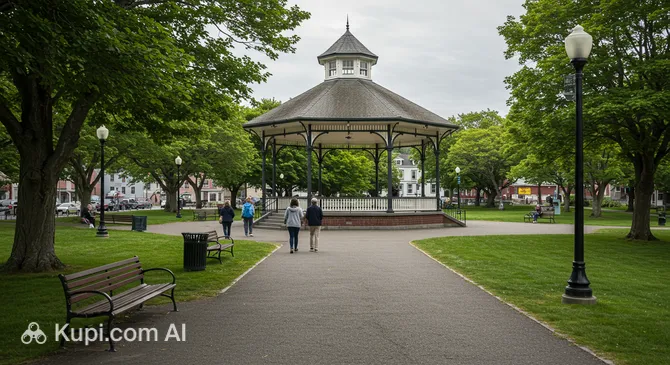
For a relaxing escape near the city center, Bannerman Park serves as a favorite gathering spot for locals and tourists. This Victorian-style park is beautiful in all seasons, featuring a swimming pool, open green spaces, and "The Loop," an outdoor ice skating trail that becomes a winter highlight. In the summer, the park often hosts major events, including the Newfoundland and Labrador Folk Festival, making it a vibrant hub of community activity.

Bannerman Park. Source: Kupi.Binoculars

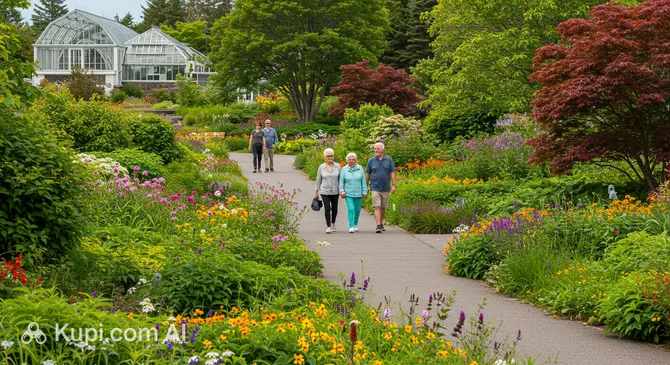
Nature enthusiasts should not miss the Memorial University Botanical Garden, a 110-acre showcase of plants that thrive in the North Atlantic climate. The garden features cultivated flower beds, winding woodland trails, and natural wetlands that are excellent for birdwatching. It plays a vital role in conservation and education, allowing visitors to discover both native flora and hardy exotic species in a tranquil setting.

Memorial University Botanical Garden. Source: Kupi.Binoculars

To experience the city's legendary social atmosphere, a visit to The Duke Of Duckworth is highly recommended. Tucked away in a historic lane, this pub is renowned for its authentic English vibe and excellent fish and chips. It has also gained pop-culture fame as a frequent filming location for the TV series "Republic of Doyle," attracting fans who want to see the real-life setting of their favorite show while enjoying a pint.

The Duke Of Duckworth. Source: Kupi.Binoculars

Local Cuisine

Local Cuisine:

The culinary landscape of St. John's is as rugged and distinct as its coastline, deeply rooted in the traditions of the North Atlantic. Fresh seafood is the cornerstone of the local diet, with cod reigning supreme in various forms—from fried cod tongues and cheeks to perfectly flaky fillets. Visitors should not miss the chance to try a traditional Jiggs Dinner, a hearty Sunday meal featuring salt beef, cabbage, potatoes, and turnips, often served with a side of pease pudding.

For a taste of local life in a vibrant setting, Rocket Bakery & Fresh Food is a must-visit destination downtown. Located in a heritage building, this spot is famous for its scratch-made pastries, hearty sandwiches, and bustling atmosphere. It serves as a community hub where locals gather for coffee and conversation, often accompanied by live music, making it a perfect stop for a casual lunch or a morning treat.

Rocket Bakery & Fresh Food. Source: Kupi.Binoculars

If you are craving a break from seafood and want a taste of Italy, Piatto Pizzeria + Enoteca offers an authentic experience. This restaurant is dedicated to the art of Neapolitan pizza, using traditional methods and fresh ingredients to create wood-fired pies. It is a perfect spot for a relaxed dinner paired with a glass of wine from their curated selection, bringing a touch of the Mediterranean to the East Coast.

Piatto Pizzeria + Enoteca. Source: Kupi.Binoculars

For those seeking a casual, unpretentious atmosphere, the Original Roadhouse is a popular choice among residents and visitors alike. This venue offers a comfortable environment to unwind with friends, enjoy classic pub fare, and soak in the warm hospitality that Newfoundlanders are known for. Whether you are looking for a quick bite or a place to spend the evening, the city's diverse dining options ensure that every palate is satisfied.

Original Roadhouse. Source: Kupi.Binoculars

Travel Tips

Traveling to St. John's is an adventure into a world of colorful row houses, rugged coastal cliffs, and incredibly warm hospitality. To help you navigate the unique geography and culture of North America's oldest city, here are some practical tips to ensure your trip is as smooth as it is memorable.

  1. Clothing and Gear: The weather in St. John's is famously unpredictable and can change rapidly within a single day. Layers are your best friend here. Even in summer, bring a windbreaker and a waterproof jacket, as the coastal breeze can be cool and damp. Since the city is built on steep hills, comfortable, non-slip walking shoes are absolutely essential for exploring downtown.

  2. Transportation: While the downtown core is walkable (if you don't mind the workout from the hills), getting to major attractions like Cape Spear or Quidi Vidi often requires a vehicle. The public transit system, Metrobus, covers the city well, and ride-hailing apps like Uber are now available. However, renting a car is often the most convenient option for exploring the surrounding scenic drives at your own pace.

  3. Finances: The currency is the Canadian Dollar (CAD). Credit and debit cards are widely accepted almost everywhere, from restaurants to small souvenir shops. ATMs are plentiful. Tipping is standard practice in Canada; expect to leave 15% to 20% of the bill at restaurants and bars, and a small amount for taxi drivers.

  4. Health and Safety: St. John's is considered one of the safest cities in Canada. Standard precautions apply, but violent crime is rare. For minor health issues, pharmacies like Shoppers Drug Mart are easy to find, with some locations open late. In case of an emergency, dial 911 for police, fire, or ambulance services.

  5. Communication: English is the primary language, but you will quickly notice the unique local dialect, which features rapid speech and distinct slang. Phrases like "Whadd'ya at?" (How are you doing?) are common. Don't be afraid to ask someone to slow down or repeat themselves; locals are generally happy to explain their idioms.

  6. Local Etiquette: Newfoundlanders are renowned for their friendliness. It is polite and normal to greet strangers with a smile or a nod while walking. If you are invited to a "Screech-in" (a traditional ceremony to become an honorary Newfoundlander), embrace the fun—it is a beloved local custom involving rum, a codfish, and plenty of laughter.

  7. What to Avoid: Do not refer to Newfoundland as part of "the Maritimes." While it is part of Atlantic Canada, the province has a distinct identity, history, and time zone separate from the Maritime provinces (Nova Scotia, New Brunswick, and PEI). Also, avoid complaining too harshly about the fog or wind; locals take pride in their hardy weather.

  8. Wind Warning: A specific but crucial tip for drivers: hold onto your car door when opening it. The wind in St. John's can be surprisingly strong and has been known to catch car doors and damage hinges if you aren't careful.

By keeping these tips in mind, you will be well-prepared to enjoy everything St. John's has to offer, from its lively music scene to its breathtaking natural vistas. Embrace the local pace, chat with the residents, and you will find yourself feeling right at home on "The Rock."

Entertainment & Nightlife

The energy of St. John's extends well beyond its historic sites and hiking trails. The city is famous for its vibrant nightlife, particularly along the legendary George Street. This two-block stretch in the downtown core is closed to traffic in the evenings and boasts the most bars and pubs per square foot of any street in North America. Visitors can easily hop from venue to venue, enjoying live traditional Irish and Newfoundland music that spills out onto the cobblestones late into the night.

For those looking to indulge in some retail therapy, the city serves as the major shopping hub for the province. Avalon Mall is the largest shopping center in Newfoundland and Labrador. It features a wide array of international brands, a large food court, and a movie theater, making it a popular destination for families and shoppers looking for a modern indoor experience.

Another key destination for shopping and services is SmartCentres St. John's. This large-format retail complex offers a variety of big-box stores and essential services, providing a convenient stop for travelers who need to stock up on supplies or explore recognizable national chains.

If you are interested in large-scale events, St. John's Arena is the premier venue in the city. Located downtown, this facility hosts major concerts, ice hockey games, and basketball matches. It is the heart of the city's spectator sports scene and a regular stop for touring international artists, offering a lively atmosphere for an evening out.

Parks & Museums

St. John's is a city where rugged natural beauty and deep-rooted heritage are seamlessly woven into the urban fabric. Beyond the colorful downtown streets, visitors will find an impressive array of green spaces and cultural institutions that celebrate everything from the island's geological origins to its transportation history.

For a scenic escape just minutes from the city center, Bowring Park is a must-visit destination in the Waterford Valley. Often described as the city's most beautiful Victorian-style park, it features winding paths, a large duck pond, and manicured gardens that are perfect for a leisurely stroll. The park is also home to several notable statues, including a replica of the famous Peter Pan statue found in London's Kensington Gardens and "The Fighting Newfoundlander," a moving tribute to the Royal Newfoundland Regiment.

Another massive green space that defines the city's landscape is Pippy Park, one of the largest urban parks in Canada. This vast area offers year-round recreation, from camping and golfing in the summer to cross-country skiing in the winter. Within its boundaries lies The Fluvarium, a unique environmental center with underwater windows that allow visitors to observe the natural life of a brook from below the surface. It serves as a fantastic contrast to the more manicured grounds of Bannerman Park, offering a wilder, more immersive nature experience.

When it comes to museums, the Johnson Geo Centre stands out as an architectural and educational marvel. Built directly into the ancient rock of Signal Hill, most of the facility is located underground, surrounded by 550-million-year-old geological formations. The centre explores the earth's history, the solar system, and the tragic story of the Titanic, which sank off the coast of Newfoundland. Its unique design and interactive exhibits make it a fascinating stop for science enthusiasts of all ages.

To understand how the city connected with the rest of the island and the world, a visit to the Railway Coastal Museum is highly recommended. Housed in the historic Riverhead Station on Water Street, this museum preserves the legacy of the Newfoundland Railway and the coastal boat services that were once the lifeline of the province. Through detailed dioramas, artifacts, and stories of the "Newfie Bullet" train, it paints a vivid picture of the challenges and triumphs of travel in this rugged terrain.

While The Rooms remains the premier cultural facility, these specialized museums offer deeper dives into specific chapters of local history. For those who love to explore on foot, an insider tip is to seek out the Grand Concourse, an extensive network of walking trails that connects many of the city's parks, rivers, and ponds. It provides a safe and scenic way to navigate St. John's, revealing hidden waterfalls and quiet wooded areas that many tourists miss.

Getting Around

Public transportation in St. John's is primarily served by a bus network operated by Metrobus. Unlike larger urban centers, the city does not have a subway, tram, or light rail system. The bus service is reliable and covers the main residential areas, the downtown core, shopping districts, and post-secondary institutions, extending into the neighboring communities of Mount Pearl and Paradise. For tourists, the bus is a cost-effective way to navigate the city, although the network is designed more for commuters than for sightseeing.

Paying for your ride is straightforward, with several options available to suit different needs. You can pay with cash upon boarding, but you must have the exact change in coins, as drivers do not carry money. For greater convenience, most locals and visitors use the m-Card, a smart card that can be loaded with various pass types, such as a 10-ride pass or a monthly pass. Additionally, the m-Card mobile app allows you to purchase mobile passes directly on your smartphone, which you can scan when entering the bus.

If you plan to use the bus frequently, it is advisable to purchase an m-Card at one of the many sales outlets, which include designated pharmacies and the transit center. When paying with cash, be sure to ask the driver for a transfer slip if you need to switch buses to complete your journey; these are valid for a limited time. Service hours generally run from early morning until around midnight on weekdays, with reduced schedules on weekends and holidays. Using the official Metrobus website or app is highly recommended for real-time schedule updates and route planning.

While public transit is useful, many visitors find that alternative modes of transport offer more flexibility, especially given the city's hilly terrain. Taxis are abundant and easy to hail or book by phone, often operating on a zone-based fare system or meters depending on the company. Ride-sharing services like Uber are also available in the city. For those wishing to explore the rugged coastline or attractions on the outskirts, renting a car is often the most practical option. However, if you stick to the downtown area, walking is a great way to soak in the atmosphere, provided you are prepared for some steep climbs.

Accommodation

Finding the perfect place to stay in St. John's is relatively easy, as the city offers a welcoming mix of accommodations that reflect its unique character. The options range from modern, full-service hotels to charming bed and breakfasts housed in the city's famous colorful heritage homes. Whether you are looking for the amenities of a luxury harborfront suite, the reliability of a mid-range chain, or the budget-friendly atmosphere of a hostel, there is something to suit every traveler's style and wallet.

For most visitors, the best area to stay is Downtown St. John's. Choosing accommodation here puts you within walking distance of the major historic sites, the vibrant nightlife of George Street, and the scenic waterfront. Staying in the downtown core means you can often wake up to views of "The Narrows" and enjoy the convenience of having excellent restaurants and shops right on your doorstep. For those with an early flight or a rental car, there are also several reliable hotels located near the airport and in the commercial districts like Kenmount Road, offering easy access to the highway.

If you are planning to visit during the peak summer months, particularly in July and August, it is highly recommended to book your accommodation well in advance. St. John's is a popular destination for festivals and conferences during this time, and the best spots—especially the boutique inns and downtown hotels—tend to fill up quickly. Prices generally rise during this high season, but they remain competitive compared to larger Canadian cities. You can easily secure your room through major online booking platforms or by contacting properties directly, which is often a great way to find special local packages.

Nearby Cities

For those looking to explore the surroundings, St. John's serves as an excellent base for day trips to several interesting nearby locations. Just a few minutes from the capital, Mount Pearl is known as a "city within a park," offering over 60 kilometers of walking trails and the historic Admiralty House Communications Museum. A short drive along the coast leads to Conception Bay South, which sits on the shores of the bay and is famous for its milder microclimate and the geological wonders of the Manuels River. Nearby Paradise is another rapidly growing community that blends urban conveniences with nature, featuring scenic ponds and accessible recreational facilities.

City Population Distance (km)
Cape Breton 94,285 634
Conception Bay South 26,199 20
Mount Pearl 22,957 6
Paradise 21,389 10
Corner Brook 19,806 416

These nearby destinations offer a glimpse into the diverse culture and landscapes of the region.

Shopping & Souvenirs

Shopping in St. John's is a delightful exploration of the city's dual character, blending the convenience of modern retail with the charm of historic commerce. While the area is well-served by large commercial centers, the true spirit of the city is found in the downtown core. Here, the shopping experience is as much about the atmosphere as it is about the purchases, with colorful row houses and ocean views serving as the backdrop for a day of browsing.

The historic district, particularly along Water Street and Duckworth Street, is the hub for independent boutiques and specialty shops. As some of the oldest thoroughfares in North America, these streets are lined with unique stores offering everything from high-end fashion to quirky gifts. Visitors can wander through galleries showcasing local art, browse through rare books, or find distinct home decor items that reflect the nautical heritage of Newfoundland and Labrador.

For those seeking authentic souvenirs, the city offers an abundance of locally crafted treasures. Hand-knit woolens, known for their warmth and durability, are a popular choice, as are pieces of jewelry featuring labradorite, a stunning semi-precious stone with an iridescent blue-green hue found in the province. Foodies can also take home a taste of the island with jars of local berry jams, savory spices, or handcrafted chocolates, making for perfect gifts that capture the flavor of the region.

Reached the end of the page?

That means the route is fully explored