Support

Saint Pierre

About

Saint Pierre is a captivating destination where French charm meets the rugged beauty of the North Atlantic. As the bustling capital and commercial hub of Saint Pierre and Miquelon, this town offers a distinct European atmosphere just off the coast of North America. With a population of approximately 6,000 residents, it serves as the cultural heart of the archipelago, known for its vibrant energy and welcoming community.

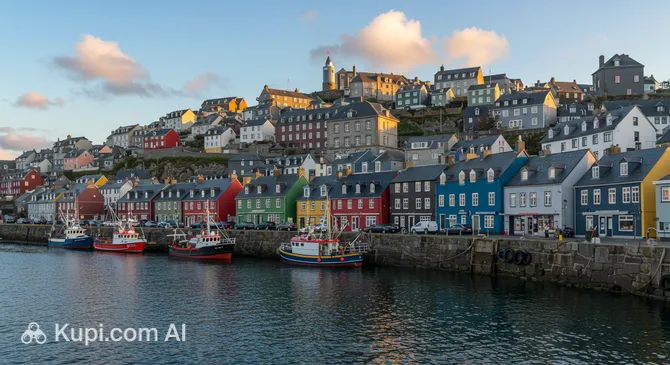
Saint Pierre. Source: Kupi.Binoculars

The town is steeped in a fascinating past, from its origins as a strategic fishing outpost to its intriguing role during the Prohibition era. Exploring the history of Saint Pierre reveals stories of sailors, heritage, and resilience against the elements. Visitors are often enchanted by the colorful wooden houses that line the sloping streets, creating a picturesque backdrop against the ocean views.

Travelers can enjoy authentic French cuisine at local bistros and bakeries, visit the L'Arche Museum to dive deeper into local archives, or simply stroll along the waterfront to watch the fishing boats in the harbor. Whether you are drawn by the promise of fresh pastries, unique architecture, or island culture, Saint Pierre invites you to experience a truly memorable getaway.

Weather Overview

Saint Pierre experiences a cool maritime climate typical of the North Atlantic, characterized by distinct seasonal changes and the influence of the surrounding ocean. Travelers should be prepared for variable conditions and are encouraged to check the weather in Saint Pierre before packing for their trip.

Winters are generally cold and damp. February is typically the coldest month, with average temperatures dropping to -1.9°C and minimums reaching -4.0°C. This season also sees a high frequency of precipitation, with January recording up to 19 wet days. Spring brings a slow warming trend, with average temperatures climbing to 5.0°C by May, though the air remains crisp.

The summer months offer the most comfortable weather for outdoor activities. August is usually the warmest time of year, boasting an average temperature of 17.1°C and highs around 18.2°C. Despite the warmer air, rainfall remains a consistent feature, with wet days occurring between 11 and 15 times a month during the summer season. Expect mild, pleasant summers and cold winters with frequent precipitation throughout the year.

Interesting Facts

Beyond its picturesque harbor and French cuisine, Saint Pierre holds a collection of fascinating stories that often go unnoticed. This small city is home to unique historical quirks and cultural treasures that set it apart from its North American neighbors.
  • The Only Guillotine in North America: Saint Pierre was the site of the only execution by guillotine ever carried out in North America. The event took place in 1889, and the device, nicknamed "The Widow," had to be shipped specifically from the French Caribbean for the occasion. The dramatic story surrounding this event later inspired the acclaimed film The Widow of Saint-Pierre.

  • A Haven for Al Capone: During the Prohibition era in the United States, the city transformed into a major hub for alcohol smuggling, importing massive quantities of wine and spirits to be shipped north. It is widely rumored that the infamous gangster Al Capone visited to oversee operations, allegedly staying at the Hotel Robert, where locals still recount legends of his time on the island.

  • Basque Pelota Tradition: The city celebrates a strong Basque heritage, most visibly through the Zazpiak Bat, a traditional walled court for playing Basque Pelota. Dating back to 1906, it is one of the oldest active frontons of its kind outside of Europe, and the sport remains a vibrant and cherished part of the local culture.

  • A Unique Time Zone: Saint Pierre operates on its own distinct time zone, which is exactly 30 minutes ahead of Newfoundland. This geographical quirk ensures that the archipelago is always slightly out of sync with its closest Canadian neighbors, further reinforcing its unique identity in the region.

How to Get There

Reaching this unique French territory involves a bit of planning, as it is situated on an archipelago off the coast of Newfoundland. Most travelers arrive by air or sea, often connecting through Canada. For a detailed overview of routes and transport options, you can read more about how to get to Saint Pierre to help organize your journey.

The most convenient entry point is Saint Pierre Airport (FSP), which is located directly on the island. It is a small regional facility situated just 2.1 km from the town center. Due to its close proximity, the transfer to your accommodation is quick and easy; a taxi or shuttle ride typically takes approximately 5 to 10 minutes, allowing you to settle in shortly after landing.

Since direct flights to the island are limited, many visitors connect through St. John's International Airport (YYT). Located in the city of St. John's, Canada, approximately 276 km from Saint Pierre, this is the major transit hub for the region. While you cannot take a taxi directly from St. John's to Saint Pierre due to the ocean crossing, this airport offers regular connecting flights that bridge the gap to the archipelago. Another option for entry is via ferry from Fortune, Newfoundland, which is a popular choice for those exploring the Atlantic provinces by car.

For clarity, here is a summary of the main airports:

Airport Name City Passenger Traffic Km from City
St. John's International Airport St. John's Large 276.0
Deer Lake Regional Airport Deer Lake Medium 284.9
Gander International Airport Gander Small 269.1
Saint Pierre Airport Saint Pierre Small 2.1

Main Attractions

Despite its compact size, Saint Pierre offers a wealth of cultural and historical sites that are easily accessible by foot. The city is a treasure trove for those interested in maritime history, French heritage, and unique island architecture. Here are some of the most captivating places to explore during your visit.

Île aux Marins is arguably the most significant attraction for visitors to Saint Pierre. Located just a short boat ride across the harbor, this small island serves as an open-air museum frozen in time. Once a bustling fishing community with a population larger than the capital itself, it is now uninhabited but beautifully preserved. Tourists can walk among the colorful fisherman's houses, visit the old schoolhouse, and explore the impressive stone church. It offers a poignant glimpse into the harsh yet vibrant lives of the ancestors who built the archipelago's fishing industry.

The Musée de l'Arche is the archipelago's official museum and a must-visit for history buffs. Housed in a striking modern building, it preserves the government archives and showcases a wide range of exhibits detailing the islands' social and political history. Visitors are particularly drawn to its collection of maritime artifacts and the infamous guillotine, the only one ever used in North America. The museum provides excellent context for understanding the resilience of the local population through centuries of challenges.

For a scenic blend of history and views, the Pointe aux Canons Battery is a favorite spot near the harbor entrance. This site features a battery of historic cannons that once defended the island, pointing out toward the sea. Standing guard nearby is the picturesque Pointe aux Canons Lighthouse, a classic red-and-white structure that has become an icon of the city. It is a perfect location for photography, offering sweeping panoramas of the town, the bustling port, and the nearby islands.

Musée Héritage offers a more intimate look at the island's past. Unlike the official state museum, this private collection is filled with religious artifacts, medical equipment from the old hospital, and everyday objects from the 19th and 20th centuries. It captures the essence of daily life in Saint Pierre, from the Prohibition era to the influence of the Catholic Church. The personal nature of the exhibits makes it a charming stop for those looking to connect with the local culture on a deeper level.

Local Cuisine

The culinary scene in Saint Pierre is a delightful anomaly in North America, offering an authentic taste of France just miles from the Canadian coast. Food here is taken seriously, blending traditional French culinary techniques with the exceptional abundance of the North Atlantic. For many visitors, the highlight of the day is the morning ritual of visiting a local boulangerie. The scent of freshly baked baguettes, buttery croissants, and pains au chocolat wafting through the streets is a defining characteristic of the city, rivaling the quality found in Paris itself.

Given its location, it is no surprise that seafood is the cornerstone of the local diet. The cold, pristine waters surrounding the archipelago yield high-quality catches that are celebrated in local restaurants. Snow crab and lobster are local delicacies, often served simply to highlight their freshness or incorporated into rich, creamy bisques. Another staple is cod, which has historically driven the island's economy; today, it is prepared in various ways, from traditional salt cod dishes to sophisticated fillets served with beurre blanc sauce.

When it comes to beverages, the culture is distinctly French. Wine is an integral part of the dining experience, with an impressive selection of French vintages available at prices that are often surprisingly affordable compared to the mainland. For a truly local flavor, visitors should try Miqu’Ale, a beer brewed locally in the archipelago using spruce and other regional ingredients. It offers a unique taste of the islands' terroir and is a popular choice in local bars.

Dining in Saint Pierre is a leisurely affair, emphasizing enjoyment and conversation. Locals and tourists alike gather in cozy bistros and restaurants, many of which feature warm, wood-paneled interiors that offer a respite from the Atlantic winds. Lunch is traditionally a substantial meal, often followed by a coffee and a sweet treat, such as a macaron or a fruit tart. The fusion of warm hospitality, fine French ingredients, and fresh Atlantic produce makes every meal in Saint Pierre a memorable cultural experience.

Travel Tips

Visiting Saint Pierre is like stepping into a European village without crossing the Atlantic, but this unique location comes with its own set of practicalities that differ from its North American neighbors. To help you navigate this charming French territory with ease, here are some essential travel tips to keep in mind for your journey.

  1. Pack for All Seasons: The weather in Saint Pierre is famously unpredictable and often windy. Even in summer, it is wise to bring layers, including a warm sweater and a high-quality windbreaker or raincoat. Comfortable, waterproof walking shoes are a must, as the best way to explore the town's hilly and cobbled streets is on foot.

  2. Mind the Electrical Difference: Unlike nearby Canada and the US, Saint Pierre operates on the European standard of 220 Volts with Type E (two-pin) sockets. If you are traveling from North America, you will absolutely need a plug adapter and, for some devices, a voltage converter to avoid damaging your electronics.

  3. Currency Matters: The official currency is the Euro (€). While some tourist-focused businesses may accept Canadian dollars, the exchange rate is often unfavorable, and change is usually given in Euros. It is best to withdraw cash from local ATMs or use credit cards (Visa and Mastercard), which are widely accepted throughout the city.

  4. Getting Around: Saint Pierre is compact and very walkable, so you likely won't need to rent a car for the town itself. There is no subway or train system, but taxis are available for longer distances or airport transfers. If you plan to visit the nearby island of Langlade or Miquelon, be sure to book your ferry tickets in advance, especially during the busy summer season.

  5. Communication and Connectivity: The official language is French. While many people in the tourism industry speak English, it is not guaranteed everywhere. Learning a few basic phrases like "Bonjour" (Hello) and "Merci" (Thank you) goes a long way. Also, check your mobile plan before arrival; roaming charges here can be surprisingly high for North American carriers, as it is considered an international European zone.

  6. Respect the Lunch Hour: The local culture adheres strictly to the traditional French lunch break. Many shops, banks, and public offices close completely between 12:00 PM and 2:00 PM. Plan your shopping and errands around this time, and use these hours to enjoy a leisurely meal at a restaurant just like the locals do.

  7. Local Etiquette: Politeness is paramount in Saint Pierre and Miquelon. It is customary to greet shopkeepers and staff with a polite "Bonjour" upon entering an establishment and "Au revoir" when leaving. Skipping this greeting can be perceived as rude or cold.

  8. Watch the Time: Be aware that the archipelago is in its own unique time zone, which is 30 minutes ahead of Newfoundland. This can be confusing for travelers connecting via ferry or flight from Canada, so double-check your watch to ensure you don't miss any connections.

By keeping these practical details in mind, you can focus on enjoying the rich culture and stunning landscapes of this hidden gem. Saint Pierre offers a warm and safe environment for travelers, ensuring that your visit will be as relaxing as it is memorable.

Entertainment & Nightlife

Saint Pierre may be a small town with a population of just 6,000, but its nightlife offers a surprisingly vibrant and authentic slice of French culture. The evening scene here is less about thumping nightclubs and more about convivial gatherings, extended dinners, and socializing over fine wine or cocktails. The atmosphere is warm and welcoming, with locals and visitors mixing freely in a relaxed environment that feels like a cozy European village.

The heartbeat of the town's nightlife is concentrated in the downtown area, particularly along the streets surrounding the harbor and General de Gaulle Square. Because the city is compact, it is easy to "bar hop" on foot. The dress code is generally casual but neat; you will fit in perfectly with smart-casual attire suitable for the unpredictable maritime weather. Most venues come alive after 9:00 PM, following the traditional late French dinner service.

For those looking to experience the local vibe, Le Rustique is a popular choice. It combines a restaurant setting with a lively bar atmosphere, often featuring music and a crowd that stays late into the night. Another staple of the local scene is Bar Joinville, a classic spot where residents gather to watch sports, chat, and enjoy a wide selection of drinks. If you are seeking a place with a bit more energy, Le Café de la Gare near the ferry terminal is known for its friendly ambiance and is a frequent stop for those looking to extend their evening.

Practicality is key when planning a night out here. Prices are comparable to France, so expect to pay in Euros. While credit cards are widely accepted, carrying some cash is always a good idea for smaller purchases. The town is incredibly safe, and walking back to your hotel at night is the norm for most visitors. Taxis can be scarce after midnight, so if your accommodation is on the outskirts, it is wise to arrange a ride in advance or be prepared for a brisk walk.

During the daylight hours, entertainment shifts toward cultural and outdoor pursuits. Beyond the museums mentioned earlier, visitors can enjoy the local cinema, which screens French and international films, or attend events at the Centre Culturel et Sportif. For a unique local experience, watching a game of Basque Pelota at the Zazpiak Bat fronton provides lively daytime entertainment that honors the island's deep heritage.

Parks & Museums

While Saint Pierre is a compact urban hub, it is beautifully framed by rugged natural landscapes and rich cultural institutions. The town seamlessly blends its identity as a bustling port with quiet corners of greenery and impressive repositories of history, making it a delight for those who appreciate both the outdoors and the arts in Saint Pierre and Miquelon.

For nature lovers, Anse à Henry offers a spectacular escape just a short distance north of the town center. This coastal area is renowned for its dramatic cliffs, crashing waves, and winding walking paths that showcase the raw beauty of the North Atlantic. It is an ideal spot for a refreshing hike, offering uninterrupted views of the ocean and the chance to spot local seabirds nesting in the rock faces. The terrain here captures the wild essence of the archipelago, providing a stark, beautiful contrast to the colorful streets of the city.

Another significant natural landmark is La Vigie, the hill that dominates the landscape behind the town. Although not a manicured park, this area is a favorite among locals for hiking and berry picking in the late summer. Reaching the summit rewards visitors with a breathtaking panoramic view of Saint Pierre, the harbor, and the distant outline of Langlade. It is the perfect vantage point to understand the geography of the island and enjoy the fresh maritime air in a serene, open environment.

In terms of culture, L'Arche Museum and Archives stands as the city's premier modern cultural venue. Beyond its historical exhibits mentioned elsewhere, L'Arche frequently functions as an art gallery, hosting temporary exhibitions that feature local artists and photographers. Its sleek, glass-fronted architecture symbolizes the island's forward-looking spirit while housing the precious documents and artistic expressions that define its identity. It is a central hub where the community's past and creative present intersect.

For a more specialized cultural experience, the Philatelic Collection at the main Post Office is a hidden gem that reflects a unique aspect of Saint Pierre's fame. The islands are legendary in the world of stamp collecting, and this small but fascinating gallery displays some of the most beautiful and rare stamps issued over the decades. It offers an intriguing look at how the territory has represented itself to the world through graphic design and is a must-see for anyone interested in postal history or graphic arts.

Architecturally, the Cathedral of Saint Pierre is a defining historical site in the town center. Rebuilt in the early 20th century after a fire, its distinctive concrete structure and Basque-influenced design elements make it a visual landmark. Inside, visitors can admire vibrant stained glass windows, some of which were gifts from General Charles de Gaulle, adding a layer of political history to this spiritual sanctuary.

For a truly authentic experience, take a walk to the Pointe aux Canons Lighthouse at dusk. While the lighthouse itself is a popular attraction, the breakwater surrounding it serves as a de facto promenade for locals. Sitting here and watching the fog roll in over the harbor offers a quiet, atmospheric moment that feels entirely unique to this corner of the French world.

Getting Around

The public transport system in Saint Pierre is quite different from what you might find in larger European or North American cities. Due to the town's compact size and small population of approximately 6,000 residents, there is no subway, tram, or regular municipal bus network designed for daily commuting. The city is incredibly walkable, and most visitors find that their own two feet are the best way to navigate the charming streets and reach local attractions.

For distances that are too far to walk, such as the trip to the airport or carrying groceries, taxis serve as the primary form of motorized public transport. There are several local taxi companies operating in the city, offering reliable service for short hops around town or transfers to the ferry terminal. Unlike in major metropolises where you can hail a cab on the street, it is standard practice here to call and book your ride in advance, especially during the busy summer season or for early morning airport departures.

The payment system for transport is straightforward but requires some preparation. The official currency is the Euro (€). While credit cards are widely accepted at hotels and restaurants, taxi drivers often prefer or strictly require cash. There are no travel passes, "Oyster cards," or transport apps to download. A typical ride within the town center is relatively inexpensive, usually a fixed flat rate or a short metered fare, but it is always wise to ask the driver for an estimated price before starting your journey.

A unique component of the local transport "system" is the ferry service, which acts as the essential link between Saint Pierre and the neighboring island of Miquelon-Langlade, as well as Fortune in Newfoundland. The ferry terminal is located right in the heart of the city and serves as the main transit hub. Tickets for these crossings can be purchased at the terminal or booked online in advance, which is highly recommended during peak travel times. This maritime link is the closest equivalent to a "regional train" for the archipelago.

For those who prefer more independence, car rentals are available, though they are generally unnecessary for exploring the city of Saint Pierre itself. A popular and eco-friendly alternative is renting a bicycle (including electric bikes), which allows you to easily reach scenic spots on the outskirts like the Anse à Henry. Additionally, during the tourist season, private operators run guided bus or van tours. While these are not public transit in the traditional sense, they are the most convenient way for visitors to see the island's more distant historical sites and natural landscapes without a vehicle.

Accommodation

Finding a place to stay in Saint Pierre is an intimate experience that reflects the town's small-town French character. There are no sprawling resort complexes or international hotel chains here. Instead, travelers will find a selection of charming, family-run hotels, cozy bed-and-breakfasts (often called auberges), and guesthouses. The accommodation scene focuses on hospitality and comfort rather than luxury amenities, offering a warm, authentic base for exploring the archipelago.

Because the city is compact, location is rarely an issue for visitors. The most convenient area to stay is in the downtown core, particularly near the harbor and General de Gaulle Square. Staying here puts you within easy walking distance of the ferry terminal, restaurants, museums, and shops. Since the town is built on a slope, accommodations closer to the water save you from uphill walks at the end of the day, while those situated slightly higher up often offer sweeping views of the port and the ocean.

Visitors can typically choose between traditional hotels that offer standard amenities and smaller B&Bs that provide a more personal touch. Some historic properties near the waterfront are known for their character, having hosted sailors and travelers for generations. These establishments often feature on-site restaurants serving French cuisine, making them a convenient "one-stop" option for your stay. For a more immersive experience, local guesthouses allow you to interact more closely with residents and enjoy a home-cooked breakfast.

Booking Tip: Due to the limited number of rooms on the island, booking in advance is essential, especially if you plan to visit during the peak summer months of July and August. During local festivals or French holidays like Bastille Day, accommodations can sell out months ahead of time, so it is wise to secure your reservation as soon as your travel dates are confirmed.

The cost of staying in Saint Pierre is comparable to mainland France. Prices generally fall into the mid-range category, with true budget options being somewhat scarce. Transactions are conducted in Euros (€). While larger hotels accept credit cards and appear on major online booking platforms, many smaller B&Bs may prefer direct booking via email or phone and might require cash payment upon arrival.

Nearby Cities

For those looking to explore the surroundings, Saint Pierre serves as an excellent base for day trips to several interesting nearby locations:

The most prominent destination for a getaway is Miquelon-Langlade, the larger but much quieter neighbor of Saint Pierre. Unlike the bustling town center of the capital, this island offers a vast, open landscape dominated by rolling hills, long sandy beaches, and a stunning lagoon known as the Grand Barachois. It is a haven for nature enthusiasts, offering opportunities to spot colonies of seals, diverse bird species, and the famous wild horses of Miquelon. Visitors can explore the charming village of Miquelon at the north end or cross the spectacular sand isthmus, "La Dune," to reach the rugged cliffs of Langlade.

Another essential short trip is to Île aux Marins (Sailor's Island), located just a few minutes by boat from the harbor. While not a bustling city, this historic island functions as a captivating open-air museum. It was once a thriving fishing community and now preserves the heritage of the archipelago's ancestors. Walking among the restored fishermen's houses, the old school, and the stone church offers a peaceful and poignant step back in time, making it a perfect complement to the wilder nature of Miquelon.

City Population Distance (km)
Miquelon-Langlade 6000 12

These nearby destinations offer a glimpse into the diverse culture and landscapes of the region.

Shopping & Souvenirs

Shopping in Saint Pierre offers a delightful and unexpected slice of Europe just off the coast of North America. While you will not find massive department stores or sprawling retail complexes, the city is a haven for boutique shopping, specializing in high-quality French imports. Visitors are often charmed by the opportunity to purchase luxury perfumes, designer fashion, fine wines, and gourmet cheeses that are typically associated with mainland France, all within a compact and walkable island setting.

The main shopping district is concentrated in the downtown area, particularly along Rue du Général de Gaulle and the streets radiating from General de Gaulle Square. This bustling zone is lined with small, family-owned shops and boutiques that invite leisurely browsing. Strolling through this area allows you to admire the colorful architecture while hopping between clothing stores, bookstores, and specialty gift shops. The atmosphere is relaxed and personal, with shopkeepers often taking the time to chat and offer recommendations.

Regarding shopping malls, travelers should manage their expectations; there are no large North American-style malls in the city. The closest equivalent is the Centre Commercial Le Mall, a modest shopping center that houses a variety of smaller stores and services under one roof. For those interested in gastronomy, the large local supermarkets, such as Super U, function somewhat like shopping destinations in themselves. Here, foodies can explore aisles filled with authentic French products, from foie gras and escargots to an impressive selection of affordable French wines.

While Saint Pierre does not have a large permanent market hall, the spirit of the market is alive in its artisan shops and seasonal events. Throughout the year, and especially during the summer, you may encounter pop-up craft fairs or local stands selling homemade jams, pastries, and handcrafted items. These smaller markets are excellent places to connect with local creators and find unique, hand-made treasures that reflect the island's maritime heritage.

When looking for souvenirs, the city offers several unique options. Saint Pierre is world-renowned for its philately (stamp collecting), and the local Post Office sells beautiful, limited-edition stamps that make for lightweight and meaningful keepsakes. Other popular items include bottles of Miqu’Ale (the local spruce beer), boxes of fine French chocolates, and artisan crafts. For a practical memento, many tourists pick up apparel branded with the local "SPM" logos or maritime motifs.

Understanding local business hours is crucial for a successful shopping trip. Saint Pierre strictly observes the traditional French lunch break. Most shops close their doors between 12:00 PM and 2:00 PM, so it is best to plan your shopping for the morning or late afternoon. Additionally, many businesses are closed on Sundays. Payment is primarily conducted in Euros (€). While credit cards are widely accepted in most boutiques and supermarkets, carrying some cash is recommended for smaller purchases or at pop-up stalls.

Finally, many visitors take advantage of the duty-free allowances available when returning to Canada or other destinations. The archipelago is known for offering wines and spirits at very competitive prices compared to the mainland. Tourists often stock up on French vintages and luxury goods to bring home, making the trip not just a cultural experience but a fruitful shopping excursion as well.
Reached the end of the page?

That means the route is fully explored