Support

Deer Lake

About

Deer Lake is a charming town nestled in the scenic Humber Valley of Newfoundland and Labrador, Canada. Known primarily as the gateway to the Northern Peninsula, this community serves as a vital transportation hub and a perfect starting point for outdoor adventures in the region. With a population of approximately 5,000 residents, it offers a welcoming small-town atmosphere combined with essential modern amenities, making it a comfortable stop for travelers exploring the province.

The town derives its name from the caribou that early settlers mistook for deer, which were often seen crossing the water. While exploring the history of Deer Lake, visitors will discover its deep roots in the forestry and hydroelectric industries, which played a significant role in its early development. Today, the town has evolved into a bustling center that connects visitors to some of the most stunning natural landscapes in the country.
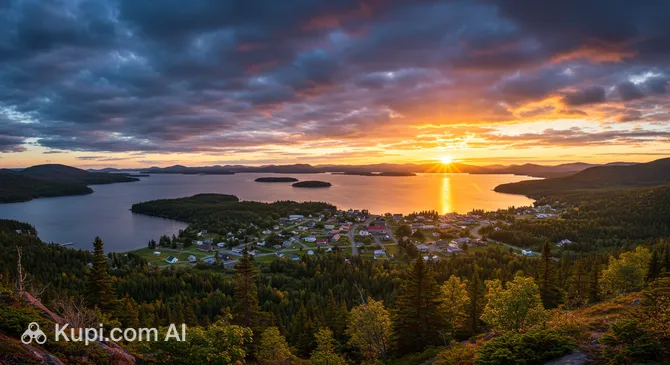
Deer Lake. Source: Kupi.Binoculars

Nature enthusiasts are particularly drawn to Deer Lake for its proximity to the world-renowned Gros Morne National Park, a UNESCO World Heritage Site located just a short drive away. The town itself is situated on the shores of the majestic Deer Lake and near the Humber River, making it a premier destination for Atlantic salmon fishing, boating, and swimming on the sandy beach. In the winter months, the area transforms into a snowmobiling paradise, boasting extensive groomed trails that attract riders from far and wide.

Whether you are passing through on your way to the Viking Trail or planning a relaxing stay by the water, Deer Lake offers a delightful mix of scenic beauty and genuine local hospitality. It is an ideal destination for those seeking to experience the rugged charm and pristine wilderness of Newfoundland.

Weather Overview

Deer Lake experiences a climate characterized by distinct seasonal changes, offering travelers a mix of conditions depending on the time of year. To help plan your activities and packing list, it is helpful to review the detailed weather in Deer Lake. Generally, the region enjoys comfortable, mild summers that contrast with cold, snowy winters, creating diverse opportunities for outdoor recreation.

The warmest months occur from June to August, where the weather is most favorable for hiking and boating. July is typically the peak of summer, with average temperatures reaching around 17.3°C and daily highs climbing up to 21.7°C. While the volume of precipitation is generally low during this period, visitors should still be prepared for some dampness, as there are typically between 12 and 14 wet days per month throughout the summer season.

In contrast, the winter season from December to February brings freezing temperatures and frequent precipitation. February is usually the coldest month, with average lows dipping to -12.3°C. The cooler months are also quite active in terms of weather, with January and November seeing up to 19 wet days each. Overall, visitors can expect pleasant, warm summers with occasional rain and cold winters marked by frequent precipitation days.

Interesting Facts

Beyond the main attractions, Deer Lake holds many fascinating secrets that reveal the town's unique character and history. From impressive engineering feats to sweet local traditions, there are several surprising aspects to discover about this community.

  • The Strawberry Capital: The town is famous for its love of strawberries, hosting the annual Deer Lake Strawberry Festival. This event is one of the longest-running festivals in the region, drawing visitors every July for a weekend filled with music, food, and community celebrations centered around the delicious local harvest.

  • A Pest-Free Haven: Visitors are often pleasantly surprised to find that the town is much more comfortable than the surrounding wilderness during fly season. Deer Lake implements a specialized biological insect control program to manage black fly and mosquito populations, making it a rare sanctuary for outdoor enthusiasts in the deep woods.

  • An Engineering Marvel: The town’s layout and existence are deeply tied to the Deer Lake Power Plant, a massive project completed in the 1920s. To make it work, engineers constructed a lengthy canal to divert water from Grand Lake, a monumental task at the time that continues to supply renewable energy to the region today.

  • A Tiny Aviation Giant: Despite having a modest population of around 5,000 residents, the town is home to the second-busiest airport in the province. It handles a surprisingly high volume of passenger traffic, serving as the primary international gateway for tourists heading to the famous fjords of the Northern Peninsula.

How to Get There

Reaching this scenic destination in Newfoundland and Labrador is relatively easy, with air travel being the most popular and time-efficient method. As the gateway to the Great Northern Peninsula, the town is well-connected to major Canadian hubs. For a complete overview of all travel options, you can read more about how to get to Deer Lake to plan your journey effectively.

The most convenient entry point is Deer Lake Regional Airport (YDF), which is situated just 3.5 km from the town center. It is a bustling regional hub that welcomes visitors year-round. Once you land, the commute to the main accommodations is very short; a taxi or shuttle ride typically takes approximately 5 to 10 minutes. This airport handles a significant volume of travelers, making it a well-equipped facility for its size.

Alternatively, some travelers may choose to fly into Gander International Airport (YQX), located in the city of Gander. It is important to note that this airport is about 210.5 km away from Deer Lake. Renting a car or taking a bus from Gander offers a scenic drive across the province, with the transfer time taking around 2 to 2.5 hours by road via the Trans-Canada Highway.

For clarity, here is a summary of the main airports:

Airport Name City Passenger Traffic Km from City
Deer Lake Regional Airport Deer Lake Medium 3.5
Gander International Airport Gander Medium 210.5
Saint Pierre Airport Saint Pierre Small 284.9

For those preferring overland travel, Deer Lake is strategically located on the Trans-Canada Highway. This makes it easily accessible by car or bus service from other parts of Newfoundland, offering a beautiful road trip experience through the island's rugged landscapes.

Main Attractions

While often viewed as a transit hub, the town itself boasts several worthwhile stops that offer a deeper look into the region's natural beauty and culture. Visitors spending time here will find a mix of educational experiences, scenic outdoor spots, and local history that make for a memorable stay.

One of the most popular highlights is the Newfoundland Insectarium. This world-class facility is housed in a charmingly restored barn and features a lush butterfly garden where visitors can walk among hundreds of flying butterflies. The museum also showcases an impressive collection of live and mounted insects from around the globe, along with a working honeybee hive, making it a fascinating destination for families and nature lovers alike.

For those seeking relaxation by the water, Deer Lake Beach provides a perfect setting. Located conveniently within the town, this stretch of fine sand is ideal for swimming, picnicking, or simply soaking up the sun during the warmer months. The shallow waters make it family-friendly, and the surrounding views of the rolling hills create a picturesque backdrop for a leisurely afternoon.

Outdoor enthusiasts will appreciate the Humber River Nature Trail, a scenic walking path that meanders along the banks of the majestic Humber River. This well-maintained trail offers a peaceful escape for walkers and joggers, featuring interpretive signs that provide insights into the local flora and fauna. It is an excellent spot for birdwatching and enjoying the tranquility of the Newfoundland wilderness without leaving the town limits.

To connect with the local heritage, a visit to the Roy Whelan Heritage Museum & Archives is highly recommended. This site preserves the history of the community, with a special focus on the forestry and hydroelectric industries that shaped the town's development. Through a collection of artifacts, photographs, and stories, visitors can gain a better understanding of the hardworking spirit that defines this corner of the province.

Local Cuisine

The culinary landscape of Deer Lake is a delightful reflection of traditional Newfoundland hospitality, offering hearty meals designed to comfort the soul. While the town is not known for high-end fine dining, it excels at serving honest, home-cooked fare using fresh local ingredients. The food scene here is deeply connected to the land and sea, making it the perfect place to experience the authentic flavors of the province.

Visitors simply cannot leave without trying the island's staple: Atlantic cod. Whether it is served pan-fried with crispy pork "scrunchions" or as classic fish and chips, the freshness is unmatched. For the adventurous eater, cod tongues are a unique local delicacy, lightly battered and fried to a golden crisp. Given the town's proximity to the wilderness, moose meat also features prominently on menus, often appearing as a savory burger, sausages, or in a rich, warming stew.

As the "Strawberry Capital" of Newfoundland, Deer Lake takes great pride in its local berry harvest. During the summer, and preserved throughout the year, you will find an array of desserts featuring these sweet gems, from strawberry shortcake and pies to luscious jams. For a traditional breakfast, look for toutons—fried bread dough typically served with a generous drizzle of molasses, providing a sweet and filling start to the day.

To wash down these hearty meals, the local beverage culture offers some distinct choices. You might encounter Newfoundland Screech, a potent dark rum with a storied history in the province's trading past. For something lighter, look for locally crafted beers, some of which are famously brewed using water harvested from ancient icebergs. Non-alcoholic options often center around a strong cup of tea, which is the standard accompaniment to almost any social visit or meal.

The dining atmosphere in Deer Lake is casual and unpretentious. Most eateries are family-style diners, cozy cafes, or roadside stops where the focus is on generous portion sizes and flavor. It is the kind of place where the service feels like being welcomed into a neighbor's kitchen, and locals are always happy to recommend their favorite daily special.

Travel Tips

Preparing for a trip to Deer Lake means getting ready for an adventure where the wilderness is right on your doorstep. To help you make the most of your time in this friendly hub in Canada, here are some practical tips to ensure your journey is as smooth and enjoyable as possible.

  1. Clothing and Gear: The weather in Newfoundland can change rapidly, so packing layers is essential regardless of the season. Bring a waterproof and windproof jacket, warm sweaters, and sturdy hiking boots if you plan to explore the nearby trails. In summer, insect repellent is a must for venturing into the woods, while winter visitors should pack heavy thermal gear, gloves, and a toque (beanie) to handle the snow and cold.

  2. Transportation: Renting a car is by far the best way to get around Deer Lake and the surrounding region. There is no public metro or comprehensive bus system for sightseeing, and while taxis are available for short local trips or airport transfers, they are not practical for exploring the Northern Peninsula. Be sure to book your rental vehicle months in advance, as fleet shortages can occur during the peak summer season.

  3. Finances: The local currency is the Canadian Dollar (CAD). Credit and debit cards are widely accepted at hotels, restaurants, and gas stations, but it is wise to carry some cash for smaller convenience stores or roadside craft stands. ATMs are easily found within the town. Tipping is customary in the country; a standard gratuity of 15% to 20% is expected for good service in restaurants and taxis.

  4. Health and Safety: Deer Lake is a very safe community with low crime rates. Pharmacies are available in town for over-the-counter needs, though they may not be open 24/7. The biggest safety concern for tourists is wildlife on the highways; moose collisions are a serious risk, so pay close attention to warning signs. For emergencies, dial 911.

  5. Communication: English is the primary language, though you may encounter the unique and fast-paced Newfoundland dialect, which includes colorful local phrases. Cell phone coverage is generally good within the town limits but can become spotty or non-existent once you venture deep into Gros Morne National Park or remote highways. Downloading offline maps before leaving your hotel is a smart move.

  6. Local Etiquette: Newfoundlanders are legendary for their hospitality and friendliness. It is common for strangers to greet you with a smile or a "How are ya?" on the street; returning the greeting is polite and appreciated. Life here moves at a slightly more relaxed pace than in big cities, so patience and a friendly attitude go a long way in interactions.

  7. What to Avoid: Avoid driving on the highways at dawn, dusk, or night if possible. These are the prime times for moose to wander onto the roads, and their dark coats make them nearly invisible until it is too late. Locals take this danger very seriously, and tourists should too.

  8. Plan Ahead: Since Deer Lake is a major transit point for a large tourism region, amenities can book up quickly. Unlike larger cities where you can find last-minute lodging or transport, here it is crucial to have your accommodation and vehicle secured well before arrival, especially for travel in July and August.

By keeping these practicalities in mind, you will be well-equipped to navigate the local customs and conditions with ease. A little preparation allows you to focus less on logistics and more on the breathtaking landscapes and warm welcomes that await you in the Humber Valley.

Entertainment & Nightlife

As a relatively small community with a population of around 5,000, Deer Lake offers a nightlife experience that is distinctively laid-back and centered around socializing rather than high-energy clubbing. The town does not have a dedicated entertainment district or a bustling strip of nightclubs. Instead, the evening scene is defined by cozy pubs, hotel lounges, and family-friendly venues where locals and travelers gather to unwind after a day of exploring the great outdoors.

The atmosphere in the evening is casual and welcoming. You will find a mix of residents catching up on local news and tourists resting after hiking in the nearby national parks. The dress code is almost universally informal; jeans, flannel shirts, and even hiking gear are perfectly acceptable in most establishments. Visitors can expect a warm, unpretentious vibe where striking up a conversation with a neighbor at the next table is the norm.

For those looking to enjoy a drink and a lively meal, Jungle Jim’s Eatery is a popular spot. Known for its fun, safari-themed decor and extensive menu, it serves as a go-to gathering place for draft beer, cocktails, and hearty food. It is often one of the livelier venues in town, especially on weekends when families and groups of friends fill the booths.

Another focal point for evening entertainment is the Deer Lake Bowl. This bowling alley offers more than just lanes; it is a social hub where visitors can enjoy a few games, grab a snack, and experience the local community spirit. It provides a fun, active alternative to a traditional bar setting and is a great way to spend a rainy evening or a night out with travel companions.

Most evening activity is concentrated along the Nicholsville Road and Main Street areas, where the main hotels and restaurants are located. Travelers staying at major accommodations like the Deer Lake Motel often frequent the on-site lounges, which serve as convenient and comfortable places to enjoy a nightcap without venturing far. Prices are generally reasonable and lower than what you would find in larger Canadian cities.

Practical advice for enjoying the night here includes checking opening hours in advance. Unlike in metropolises, kitchens may close relatively early, often by 9:00 PM or 10:00 PM, though bars may stay open a bit longer on Fridays and Saturdays. Getting around is best done by car or taxi. While the town is small, the roads can be dark, and calling a local service like Star Taxi is recommended if you plan to drink. Walking is safe in terms of personal security, but visitors should always be vigilant about traffic and wildlife on the outskirts.

During the day, entertainment shifts towards cultural and recreational activities. Before the sun goes down, visitors can explore the local history at the heritage sites or visit the famous insectarium mentioned earlier. For those seeking leisure without the hike, the town offers pleasant parks and green spaces that serve as peaceful retreats before the evening settles in.

Parks & Museums

While often recognized as a transportation hub, Deer Lake offers a surprising array of green spaces and cultural stops that celebrate the region's natural beauty and industrial heritage. Visitors taking the time to explore the town will find well-maintained parks, unique educational facilities, and historical landmarks that provide a deeper connection to the local community.

For those seeking fresh air and recreation, Schwartz Park is a central gathering place in the town. This versatile outdoor space is equipped with sports fields, a playground, and camping facilities, making it a hub for local families and visitors alike. It serves as the primary venue for major community events, including the town's famous Strawberry Festival, offering a lively atmosphere during the summer months.

Another gem for nature lovers is the Humber River Nature Trail. While mentioned as a main attraction, it deserves specific praise as a green corridor. This groomed trail system loops for approximately 6 kilometers, offering an easy and accessible route for walkers, runners, and cyclists. The path provides excellent vantage points for viewing the river and is lined with birch and spruce trees, creating a peaceful canopy that feels far removed from the busy highway.

In terms of culture and education, the Newfoundland Insectarium stands out as a truly unique institution. Housed in a beautifully converted barn, it is one of the most fascinating museums in eastern Canada. Beyond its famous butterfly garden, the facility features three floors of exhibits, including an observation beehive and a leafcutter ant colony. It offers a hands-on experience where brave visitors can hold live insects, making it an unforgettable stop for curious minds of all ages.

To understand the foundations of the community, a visit to the Roy Whelan Heritage Museum & Archives is essential. This museum focuses on the specific history of Deer Lake, particularly its origins as a logging and power-generation town. The collection includes vintage farming equipment, tools from the early forestry industry, and photographs that document the daily lives of the early settlers who tamed the rugged landscape.

Architecturally, the town is dominated by the historic Deer Lake Power Plant. Built in the 1920s, this massive hydroelectric station is a testament to early 20th-century engineering. The sight of the large black penstocks (pipes) running down the hillside into the white powerhouse is an iconic local landmark. While tours of the interior may be restricted, the exterior remains a significant site that defines the town's industrial identity.

For an authentic local experience, try visiting the Deer Lake Beach area just before sunset. It is a favorite spot for residents to walk their dogs or enjoy a quiet moment by the water. If you look closely at the riverbanks near the trail, you might spot a beaver or a muskrat, as the town's waterways are teeming with wildlife despite their proximity to the urban center.

Getting Around

Due to its modest size and population, Deer Lake does not possess a comprehensive public transport system like those found in larger cities. There is no metro, tram, trolleybus, or municipal bus network operating within the town limits. The community is designed primarily for vehicle traffic, and most residents rely on private cars to get around. For visitors, this means that navigating the area requires a bit of planning, as you cannot simply hop on a bus to reach local attractions.

The primary alternative for those without a personal vehicle is the local taxi service. Taxis essentially function as the town's public transport, providing reliable rides to hotels, the airport, and nearby shopping areas. Companies such as Star Taxi operate year-round. It is important to note that you typically cannot hail a cab from the street; you must call the dispatcher to arrange a pickup. Response times are generally quick, often within 10 to 15 minutes, but booking in advance is recommended during peak travel times or severe weather.

Regarding payment, taxis in the town accept Canadian currency, and many drivers are equipped to take credit and debit cards. However, it is always a practical travel tip to carry some cash, especially for shorter trips or in case the card machine is experiencing connectivity issues. Fares are generally reasonable and are often based on flat rates for specific zones—such as a set price from the airport to downtown hotels—rather than a running meter, though this can vary. Always confirm the estimated price with the driver before starting your journey.

For tourists wishing to explore beyond the immediate town center, renting a car is by far the most popular and practical option. Several major rental agencies have counters at the airport and locations in town. Having your own vehicle is virtually essential if you plan to visit Gros Morne National Park or other scenic spots on the Northern Peninsula, as these areas are not accessible by local transit or taxi without incurring significant costs.

While there is no intra-city bus, Deer Lake serves as a stop for DRL Coachlines, the provincial bus service that runs across the island along the Trans-Canada Highway. This bus is useful for arriving in or leaving the town but is not designed for local sightseeing or short commutes within the community. The bus makes a scheduled stop daily, connecting the town to other major centers like St. John's and Corner Brook.

For those staying in the central area near Main Street or Nicholsville Road, walking is a feasible and pleasant alternative during the warmer months. The town is relatively flat and compact, allowing you to easily reach local restaurants, the pharmacy, and the beach on foot. However, during the winter, sidewalks can be snowy or icy, making walking more challenging, and a vehicle becomes necessary for safety and comfort.

Accommodation

Accommodation in Deer Lake is designed primarily to serve travelers on the move, offering a practical selection of lodging options that prioritize comfort and convenience. As a major transportation hub and gateway to the Northern Peninsula, the town features a mix of reliable chain hotels, family-owned motels, and cozy bed and breakfasts. While you will not find ultra-luxury resorts here, the available establishments are well-equipped to provide a restful stopover for those exploring the rugged beauty of Canada.

The majority of hotels and motels are strategically located along the Trans-Canada Highway and Nicholsville Road. Staying in this area places visitors within minutes of the Deer Lake Regional Airport and provides easy access to the main road networks for day trips to Gros Morne National Park. For those seeking a quieter atmosphere, there are several cottages and B&Bs situated closer to the waterfront or on the outskirts of town, offering scenic views of the lake and river.

Visitors can expect accommodations to be clean, functional, and friendly. Many local motels offer drive-up units that are perfect for road trippers with heavy gear, while the larger hotels provide standard amenities such as on-site dining, fitness centers, and business facilities. In recent years, the rise of vacation rentals has also added more variety, giving families and larger groups the option of renting fully furnished homes or cabins for a more private experience.

Booking Tip: It is critically important to book your accommodation well in advance if you plan to visit during the peak summer months of July and August. As the primary jumping-off point for one of the most popular national parks in Newfoundland and Labrador, Deer Lake sees a high volume of tourists, and rooms can sell out months ahead of time. Traveling in the shoulder seasons of late spring or early fall often offers better availability.

In terms of pricing, the town generally falls into the mid-range category. Rates are typically reasonable compared to larger cities, though they do increase significantly during the height of the tourism season due to high demand. Booking is most commonly done through major online travel platforms or by contacting the properties directly, which can sometimes secure a better rate or specific room requests.

Nearby Cities

For those looking to explore the surroundings, Deer Lake serves as an excellent base for day trips to several interesting nearby locations:

Located just a 40-minute drive to the west, Corner Brook is the largest city on the west coast of the island and a fantastic option for a day excursion. It offers a variety of shopping and dining experiences, along with the Captain James Cook National Historic Site, which provides panoramic views of the Bay of Islands. The city is also known for its extensive trail networks, making it a great spot for urban hiking and exploring local history.

Heading north towards the national park, Rocky Harbour serves as a picturesque coastal town that captures the essence of rural Newfoundland. It is a key hub for visitors exploring Gros Morne, featuring the historic Lobster Cove Head Lighthouse and easy access to boat tours. The town offers a charming atmosphere with local craft shops and seafood restaurants, perfect for a cultural immersion just an hour away.

Another nearby gem is Pasadena, often referred to as the "Oasis of Newfoundland." Situated roughly 20 minutes away, it is famous for its sandy beach and manicured landscapes. It provides a relaxing change of pace and is an ideal spot for families looking to enjoy a picnic or a swim in the warm waters of the eastern arm of the lake.

City Population Distance (km)
St. John's 108860 391
Cape Breton 94285 416
Conception Bay South 26199 377
Mount Pearl 22957 388
Paradise 21389 384

These nearby destinations offer a glimpse into the diverse culture and landscapes of the region.

Shopping & Souvenirs

Shopping in Deer Lake reflects its character as a practical service hub rather than a high-end retail destination. Visitors will not find sprawling shopping malls or international designer boutiques here. Instead, the local retail scene is focused on essential services, outdoor outfitting, and charming local goods, making it the perfect place to stock up before heading into the wilderness of Newfoundland and Labrador.

For travelers planning to explore Gros Morne National Park or the Northern Peninsula, the town serves as a crucial supply point. The commercial area along the Trans-Canada Highway and Nicholsville Road features several large grocery stores, pharmacies, and hardware shops. This is the best opportunity to purchase camping gear, insect repellent, and food supplies, as options become significantly more limited and expensive once you leave the town limits.

Those looking for authentic souvenirs will find several hidden gems specializing in local craftsmanship. As the "Strawberry Capital" of the province, the town is an excellent place to buy homemade jams, preserves, and syrups made from locally harvested berries. These sweet treats make for delicious and portable gifts that capture the flavor of the region.

Another unique shopping stop is the gift shop at the Newfoundland Insectarium. Far from a standard museum store, it offers a curated selection of nature-themed jewelry, educational toys, and locally made art that you won't find elsewhere. Additionally, smaller craft shops and seasonal roadside stands often feature hand-knit woolens, such as traditional mittens and socks, which are both beautiful and practical for the cool Atlantic weather.

Most retail businesses operate from Monday to Saturday, typically opening around 9:00 AM and closing by 6:00 PM, though major grocery stores and pharmacies often have extended evening hours. Visitors should be aware that many smaller, family-run shops may be closed on Sundays. The Harmonized Sales Tax (HST) of 15% applies to most purchases, and major credit cards are widely accepted throughout the town.

Reached the end of the page?

That means the route is fully explored