Support

Blanc-Sablon

About

Welcome to Blanc-Sablon, a unique and captivating destination located at the easternmost tip of the Côte-Nord region in Quebec. Situated on the rugged north shore of the Gulf of St. Lawrence, this charming municipality serves as a vital gateway between the provinces of Quebec and Newfoundland and Labrador. It is a place where the road literally ends, offering a sense of adventure and tranquility in eastern Canada.
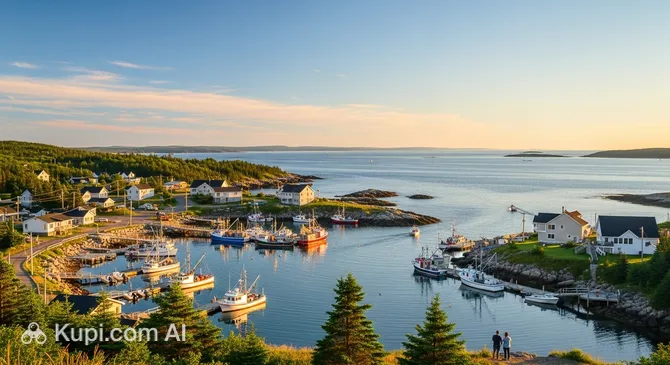
Blanc-Sablon. Source: Kupi.Binoculars

The community is steeped in a rich past, having been one of the landing spots for the explorer Jacques Cartier in 1534. Travelers intrigued by the history of Blanc-Sablon will discover a fascinating heritage linked to early European fisheries and maritime trade. With a population of approximately 1,200 residents, the town maintains a friendly, close-knit atmosphere, welcoming visitors who venture to this remote and beautiful corner of the continent.

Blanc-Sablon is renowned for its stunning natural beauty and unique geological features. Tourists can explore the archaeological sites that date back thousands of years or visit the iconic shrine of Notre-Dame-de-Lourdes on the hill. The area is also a prime spot for observing majestic icebergs and whales during the warmer months, providing spectacular photo opportunities against the backdrop of the sea.

Whether you are taking the ferry to Newfoundland or simply seeking the serenity of the Lower North Shore, Blanc-Sablon offers an unforgettable experience. We invite you to discover the raw beauty, fresh seafood, and warm hospitality that define this exceptional coastal town.

Weather Overview

The climate in this coastal region is heavily influenced by the Gulf of St. Lawrence, creating a maritime environment with distinct seasonal changes. To ensure you are fully prepared for your trip, it is helpful to review the weather in Blanc-Sablon before packing. The air remains relatively fresh and cool throughout the year, making it a refreshing escape from hotter inland areas.

Winters are cold and persist for several months, with February typically being the coldest month, featuring an average temperature of -11.3°C and lows dipping to -15.1°C. As the seasons shift, the weather warms up gradually. By August, the warmest month of the year, the average temperature rises to 14.9°C, with comfortable highs around 17.5°C, providing ideal conditions for exploring the outdoors.

Rain and snow are frequent companions here, with the number of wet days ranging from 12 to 16 days per month year-round. Expect mild, breezy summers with frequent precipitation and cold winters suitable for hearty winter clothing.

Interesting Facts

Beyond its scenic landscapes and coastal charm, Blanc-Sablon holds several fascinating details that often surprise visitors. This unique community sits at a geographical and cultural crossroads, offering more than meets the eye.

  • A Unique Time Zone: Although the town is administratively part of Quebec, it does not observe the same time as the rest of the province. Instead, Blanc-Sablon operates on Atlantic Standard Time to align its schedule with nearby Newfoundland and Labrador, facilitating easier daily commerce and travel.

  • Ancient Footsteps: The region is an archaeological treasure trove, with excavations revealing evidence of human occupation dating back approximately 9,000 years. These findings make it one of the earliest known settlement sites in Canada, showcasing a rich history long before European arrival.

  • Named by an Explorer: The name "Blanc-Sablon" translates to "White Sand" and was bestowed by Jacques Cartier during his voyage in 1534. He was struck by the fine, pale sands of the local beaches, a distinctive natural feature that visitors can still enjoy today.

  • The End of the Road: This municipality marks the eastern terminus of Route 138 on the Lower North Shore. Because there is no continuous road connecting it to the rest of the Quebec network, the town functions almost like an island on the mainland, heavily relying on maritime transport.

How to Get There

Reaching Blanc-Sablon requires a bit of planning due to its location on the eastern edge of the Côte-Nord region. Whether you are arriving by sea or air, the journey offers a chance to see the rugged beauty of the landscape. For a detailed breakdown of routes and transport options, you can read more about how to get to Blanc-Sablon on our dedicated page.

Travelers often utilize regional transport hubs to reach this destination. One significant option listed is the Deer Lake Regional Airport (IATA: YDF), situated in the city of Deer Lake. It is important to note that this airport is not located in Blanc-Sablon itself but is approximately 247 km away. The journey from Deer Lake typically involves crossing the Strait of Belle Isle, and the travel time by taxi or bus is estimated to be around 6 hours and 30 minutes. This airport handles a medium volume of passenger traffic and serves as a key access point for the broader region.

For clarity, here is a summary of the main airports:

Airport Name City Passenger Traffic Km from City
Deer Lake Regional Airport Deer Lake Medium 247.1

Main Attractions

While Blanc-Sablon is often viewed as a transit hub, it possesses a distinct charm and a collection of sites that reward those who take the time to explore. The attractions here are deeply rooted in the region's maritime history and its rugged, unspoiled natural environment, offering visitors a glimpse into the early European presence in North America.

One of the most prominent landmarks in the area is the Shrine of Notre-Dame-de-Lourdes. Perched atop a hill overlooking the town, this site is not only a place of reflection but also offers one of the best vantage points in the region. Visitors can hike up to the shrine to enjoy panoramic views of the Strait of Belle Isle and the drifting icebergs in the spring. The wooden statue of the Virgin Mary, brought from France in the early 20th century, stands as a sentinel over the community, making it a must-visit for both its cultural significance and its scenery.

Aviation history enthusiasts will find Greenly Island (Île Greenly) particularly fascinating. Located just offshore, this small island gained international fame in 1928 as the landing site of the Bremen, a German aircraft that completed the first successful non-stop east-west transatlantic flight. Although the island is a bird sanctuary and access can be limited, the story of this historic event is a proud part of local lore, and the island itself can often be viewed from the coast or by boat tours exploring the archipelago.

For nature lovers, the Brador Falls (Chutes de la rivière Brador) provide a refreshing escape into the local wilderness. Situated a short distance from the town center, the falls are accessible via a hiking trail that showcases the unique flora of the Lower North Shore. The cascading water is especially impressive during the spring thaw. It is an excellent spot for a picnic, photography, and experiencing the raw, quiet beauty of the subarctic landscape.

Finally, the Jacques Cartier Landing Site marks a pivotal moment in history. Commemorating the explorer's arrival in 1534, this area allows visitors to walk the same sandy shores that Cartier once described. It is an evocative location where you can imagine the earliest days of contact between Europeans and the indigenous peoples of the region. The site often features interpretive panels that help contextualize the immense historical weight of this small coastal community.

Local Cuisine

The culinary experience in Blanc-Sablon is defined by its intimate connection to the sea. Located on the rugged shores of the Gulf of St. Lawrence, the local cuisine is unpretentious, hearty, and centered around the incredible freshness of the catch. For visitors, this means an opportunity to taste some of the finest seafood in Quebec, often served just hours after being pulled from the cold, pristine waters.

Seafood is the undisputed star of the local table. The region is famous for its sweet, succulent scallops (pétoncles) and snow crab, which are considered delicacies across the province. You should not miss the chance to try a traditional seafood chowder, a creamy and warming soup packed with chunks of cod, shrimp, and shellfish—perfect for the cool maritime climate. During the season, fresh lobster is also a highlight, often prepared simply to let the natural flavors shine.

Beyond the sea, the Lower North Shore is renowned for a unique local treasure: the chicoutai (also known as the cloudberry or bakeapple). This amber-colored berry grows in the local peat bogs and has a distinctive tart flavor. It is a true staple of the region's gastronomy. You will find it transformed into delicious golden jams, lush dessert toppings, and traditional tarts. Sampling a dessert made with chicoutai is an essential part of the Blanc-Sablon experience.

When it comes to drinks, the chicoutai again takes center stage. Local artisans often use the berry to produce a unique cloudberry liqueur, which makes for a sweet and distinctively regional digestif. For non-alcoholic options, tea infused with local wild berries is a soothing choice often available in cafes.

The dining scene in Blanc-Sablon is casual and welcoming, reflecting the town's small-knit community spirit. There are no pretenses here; locals and tourists alike gather in family-run restaurants and casse-croûtes (snack bars). These spots serve everything from gourmet seafood platters to classic Quebecois poutine, sometimes topped with local seafood for a coastal twist. It is the kind of place where the portions are generous, and the hospitality is as memorable as the food.

Travel Tips

Visiting Blanc-Sablon requires a bit of extra preparation due to its remote location on the rugged Lower North Shore, but the reward is an authentic and unspoiled travel experience. To help you make the most of your journey to this unique corner of Canada, here are some practical tips to keep in mind.

  1. Clothing and Gear: The weather here is strictly maritime, meaning it can change rapidly. Even in summer, the wind off the Gulf of St. Lawrence can be chilly, so bring a windbreaker and warm layers. Waterproof hiking boots are essential if you plan to explore the trails or archaeological sites. Since the sun can be strong despite the cool air, sunglasses and sunscreen are also recommended.

  2. Transportation: There is no public transportation system like a metro or city bus service in Blanc-Sablon. To explore the area or drive along Route 138, renting a car is practically mandatory. Taxis are available but limited, so it is best to arrange rides in advance if you do not have a vehicle.

  3. Finances: The local currency is the Canadian Dollar (CAD). While most hotels, restaurants, and larger shops accept credit and debit cards, it is wise to carry some cash for smaller transactions or artisan shops. ATMs are available but not on every corner, so plan your withdrawals accordingly.

  4. Health and Safety: The community is very safe with a low crime rate. For medical needs, there is a local CLSC (community health center) that provides basic emergency services, but serious cases may require transport to a larger hospital. Pharmacies are not open 24/7, so ensure you pack enough prescription medication for your entire stay.

  5. Communication: Unlike many other parts of Quebec where French is dominant, Blanc-Sablon has a large English-speaking population, and you will find that English is widely spoken and understood. Cell phone coverage is generally good in the town center but can be spotty or non-existent as you venture further into the wilderness.

  6. Local Etiquette: The atmosphere is laid-back and friendly. It is customary to greet people you pass on the street or in shops. The community is small, and locals appreciate visitors who show an interest in their history and maritime way of life. Always ask for permission before photographing private homes or locals working on their fishing gear.

  7. What to Avoid: Do not underestimate the Time Zone difference. One of the biggest mistakes tourists make is missing the ferry to Newfoundland because they are on the wrong time. Blanc-Sablon observes Atlantic Standard Time (AST), which is one hour ahead of the rest of Quebec (Eastern Time). Always double-check your watch against local time upon arrival.

  8. Additional Tip: If you are planning to take the ferry across the Strait of Belle Isle, book your crossing well in advance, especially during the peak summer season. The ferry is a lifeline for the region and fills up quickly. Also, keep your camera ready during the crossing—it is one of the best opportunities to spot whales and icebergs.

By packing the right gear and keeping the local time zone in mind, you will be all set to enjoy the breathtaking landscapes and warm hospitality of Blanc-Sablon. Have a safe and memorable trip to the edge of the continent!

Entertainment & Nightlife

Entertainment and nightlife in Blanc-Sablon reflect the community's small size and remote location. You will not find bustling districts filled with neon-lit clubs or 24-hour party zones here. Instead, the evening scene is intimate, friendly, and centered around socializing with locals in cozy environments. The atmosphere is undeniably casual, where hiking boots are as welcome as dress shoes, and the "nightlife" often revolves around a shared meal, a few drinks, and stories exchanged after a day of exploring the rugged coast.

For those looking for a place to unwind, the options are concentrated within the main villages that make up the municipality, particularly in Lourdes-de-Blanc-Sablon. One of the few venues that offers a more traditional nightlife experience is Discothèque La Lune Bleue. Known locally as a gathering spot for music and dancing, it provides a rare opportunity to enjoy a lively atmosphere and meet residents in a festive setting. It is the place to go if you want to experience the local energy on a weekend evening.

If your idea of a perfect night involves good food and a relaxed drink rather than a dance floor, the local dining establishments serve as the social hubs of the town. La Perle Rare LBS is a popular spot where visitors can enjoy a hearty meal and linger over drinks in a warm, welcoming environment. Similarly, the restaurant at Auberge Motel 4 Saisons often functions as a central meeting point for travelers and locals alike, offering a comfortable space to relax with a beverage while looking out over the water.

Practical planning is essential for a night out in this region. Most venues have limited operating hours compared to big cities, often closing earlier in the evening, so it is wise to arrive early. Cash is widely used and sometimes preferred, although cards are accepted in larger establishments. Getting around at night requires foresight; there is no public transit, and taxi services can be limited or require booking in advance. Walking is generally safe due to the extremely low crime rate, but the roads are unlit and can be pitch dark, so carrying a flashlight is highly recommended if you venture out on foot.

While the nights are quiet, the daytime offers its own form of entertainment centered on culture and nature. Before the sun sets, visitors can explore the region's deep history at the Jacques Cartier Landing Site or take in the natural splendor of the Brador Falls. These daytime adventures provide the perfect prelude to a relaxing, low-key evening in this unique corner of Quebec.

Parks & Museums

While Blanc-Sablon may not feature the manicured botanical gardens found in large metropolises, its "parks" are vast, wild, and breathtakingly beautiful. The municipality serves as a gateway to the subarctic tundra, where the entire landscape functions as an open-air reserve. Visitors here are treated to a blend of raw coastal nature and deeply rooted historical sites that celebrate thousands of years of human ingenuity.

For those seeking green spaces and outdoor recreation, the Parc des Chutes de la rivière Brador is the highlight of the region. Although the waterfall is the centerpiece, the surrounding area serves as a magnificent natural park. It features well-maintained walking trails that wind through the boreal forest, offering a rare chance to see local flora up close. It is a peaceful spot perfect for a family picnic, where the sound of rushing water provides a soothing backdrop to the rugged scenery.

Another significant natural area is the vast stretch of sandy beaches that gave the town its name. These coastal zones act as the community's primary recreational space. Unlike typical city parks, these beaches are wild and uncrowded, perfect for long, contemplative walks along the Gulf of St. Lawrence. The dunes here are fragile ecosystems, home to unique vegetation and seabirds, making them an excellent location for nature photography and birdwatching.

In terms of culture and history, the Blanc-Sablon Interpretation Centre is the premier destination for learning about the region's past. This facility offers a deep dive into the 9,000 years of human occupation in the area, from the Maritime Archaic people to the arrival of Europeans. Tourists will find fascinating exhibits showcasing archaeological artifacts discovered locally, providing context to the rich heritage that permeates the Lower North Shore. It is an essential stop for anyone wanting to understand the layers of history beneath their feet.

The entire coastline of Blanc-Sablon can be considered an open-air museum. The Jacques Cartier Landing Site is a National Historic Site that functions effectively as a historical park. Here, interpretive panels guide visitors through the significance of Cartier’s 1534 arrival. Walking the boardwalks and trails in this area allows you to physically retrace the steps of early explorers while enjoying the fresh sea air, blending historical education with outdoor activity.

For a truly authentic local experience, treat the surrounding hills as a wild berry garden. In late summer, the open tundra becomes a hunting ground for the prized cloudberry (chicoutai). Asking a local for a general area to hike and spot these amber berries offers a unique connection to the land and a taste of the local way of life that you won't find in any guidebook.

Getting Around

Travelers arriving in Blanc-Sablon should be aware that the public transport infrastructure here is quite different from what one might find in a large metropolitan area. Due to the small population and the remote nature of the municipality, there is no organized municipal public transportation system. You will not find a metro, tram, trolleybus, or a scheduled city bus network circulating through the villages. The area relies almost entirely on private vehicles for getting around.

Because there is no standard public transit network, there are no travel passes, reloadable transport cards, or mobile ticketing apps to worry about. The concept of ticket zones or validation does not apply here. Instead, visitors should plan their budget around the costs of vehicle rentals or occasional taxi services. While credit cards are widely accepted for car rentals, it is highly advisable to carry cash in the local currency for taxi fares, as smaller operators may not have card terminals.

The most practical advice for navigating the area is to rent a car immediately upon arrival. This is the primary and most reliable mode of transport for tourists wishing to explore the archaeological sites, drive along Route 138, or visit neighboring communities. Since the fleet of rental vehicles can be limited, especially during the peak summer tourist season, it is crucial to book your vehicle weeks or even months in advance. Without a car, mobility is significantly restricted.

For those who cannot drive, taxi services serve as the main alternative, though they operate differently than in big cities. You cannot simply hail a cab on the street; rides must be booked by phone in advance. Service availability can be sporadic, particularly in the evenings or on weekends, so it is recommended to schedule your pick-ups ahead of time. Car-sharing apps and formalized bike rental stations are not currently part of the local transport landscape, although some accommodations might offer informal bike lending.

A unique feature of the local transport "system" is the heavy reliance on maritime travel. The ferry terminal is the bustling heart of local transit, connecting the region to Newfoundland across the Strait of Belle Isle. While not a city metro, this ferry service is a lifeline for the community and offers a scenic, albeit utilitarian, way to travel. For pedestrians staying strictly within the central village of Lourdes-de-Blanc-Sablon, walking is feasible and safe, but distances to other points of interest usually require motorized transport.

Accommodation

Accommodation in Blanc-Sablon is reflective of its remote and intimate character. You will not find sprawling luxury resorts or international hotel chains here. Instead, the options are primarily small, family-run establishments such as motels, inns (auberges), and bed and breakfasts. These places offer a cozy, authentic experience where hospitality is personal, and the owners often share local stories with their guests. The focus is on comfort, cleanliness, and providing a warm refuge from the rugged maritime weather.

The most convenient area to stay is in the village of Lourdes-de-Blanc-Sablon. This location is strategic for travelers as it sits close to the ferry terminal connecting to Newfoundland and is just a short drive from the local airport. Staying here keeps you near the few restaurants, grocery stores, and essential services available in the municipality, serving as a perfect base for exploring the surrounding archaeological sites and coastal trails.

One of the most well-known establishments in the area is the Auberge Motel 4 Saisons. Situated right by the water, it is a popular choice for visitors seeking reliable amenities and easy access to the town's main transit points. It typically offers standard hotel-style rooms and is often the go-to meeting point for tourists and locals alike. Another option often cited by travelers is the Hotel Motel Blanc-Sablon, which provides essential comforts for those passing through or staying to explore the Lower North Shore.

Booking Tip: Due to the very limited number of rooms available in the entire region, it is critical to book your accommodation well in advance. During the peak summer season (July and August), vacancies can disappear months ahead of time. Do not rely on finding a room upon arrival, as you may be left without a place to stay.

In terms of cost, prices are generally in the mid-range category. While the amenities are modest compared to big-city hotels, rates reflect the high demand and the logistical challenges of operating in a remote location. While some properties may appear on major online booking platforms, it is often more effective to contact the establishment directly by phone or email to confirm availability and secure your reservation.

Nearby Cities

Blanc-Sablon serves as a vital junction for travelers exploring the vast landscapes of eastern Canada. Rather than simple day trips, the surrounding communities act as significant regional connections and next destinations for those continuing their adventure by ferry to Newfoundland or driving further into Labrador.

A popular next stop is Corner Brook, located across the Strait of Belle Isle on the island of Newfoundland. Known for its rugged scenery and the Captain James Cook National Historic Site, it is a hub for outdoor enthusiasts and those seeking a vibrant arts scene after the quiet of the coast.

Heading north into the interior, Happy Valley-Goose Bay offers a deep dive into the region's military aviation history and indigenous heritage. It serves as a central base for exploring the Churchill River and the expansive wilderness of Labrador.

For those traversing the southwest coast of Newfoundland, Stephenville is a fascinating destination. With its unique blend of Acadian culture and American military history, it provides a rich cultural contrast to the fishing communities of the North Shore.

Travelers extending their route across Newfoundland will also find Grand Falls-Windsor and Gander to be key locations. These towns offer further amenities and insights into the province's development, making them logical waypoints on a broader journey.

City Population Distance (km)
Corner Brook 19806 281
Grand Falls-Windsor 14171 297
Gander 11688 328
Happy Valley-Goose Bay 8000 304
Stephenville 7000 336

These destinations highlight the diverse geography and culture available to those willing to travel the distances of this majestic region.

Shopping & Souvenirs

Shopping in Blanc-Sablon is a practical and authentic experience, reflecting its role as the service hub for the Lower North Shore. Visitors should not expect sprawling shopping malls or high-end fashion boutiques. Instead, the retail scene focuses on essential goods, outdoor gear suited for the rugged terrain, and unique local products that capture the spirit of the region. It is the perfect place to stock up on supplies before heading further into the wilderness or to find a meaningful keepsake made by local artisans.

The main commercial activity is concentrated along Boulevard Docteur-Camille-Marcoux (Route 138), which serves as the town's primary artery. This is where you will find the majority of the community's businesses, including grocery stores, pharmacies, and hardware shops. A stroll or drive down this road allows you to access almost everything the town has to offer, from banking services to souvenir hunting, all within a relatively short distance.

Given the small population of approximately 1,200 residents, there are no large shopping malls in Blanc-Sablon. The retail environment is dominated by general stores and a main grocery complex that serves as a catch-all for daily needs. These larger stores often carry a surprising variety of items, ranging from fresh produce to clothing and household goods, acting as a mini-department store for the local community and travelers alike.

While there are no permanent open-air markets in the traditional sense, the connection to the sea means that fresh seafood is often available directly from the source. During the fishing season, it is not uncommon to find opportunities to purchase fresh scallops, snow crab, or fish. Visitors should keep an eye out for local notices or ask residents where the freshest catch is being sold that day, as it provides a true taste of the local commerce.

For those seeking souvenirs, the region offers distinct treasures that are hard to find elsewhere. The most iconic item to bring home is anything made from the chicoutai (cloudberry). You can purchase jars of golden cloudberry jam, syrups, or even herbal teas infused with local berries. Additionally, local craft shops often feature handmade items such as knitted woolens, Indigenous-inspired art, and jewelry made from local stones or shells, making for perfect, one-of-a-kind gifts.

Opening hours in Blanc-Sablon are generally standard, with most shops opening around 9:00 AM and closing by 5:00 PM or 6:00 PM on weekdays. On Thursdays and Fridays, some larger stores may stay open a bit later. It is important to note that many businesses close early on Saturdays and may be closed entirely on Sundays. As for payment, Canadian Dollars (CAD) are the standard currency. Major credit and debit cards are widely accepted in the main stores and restaurants, but carrying some cash is advisable for smaller artisan stands or quick transactions.

Reached the end of the page?

That means the route is fully explored