Support

Gaspe

About

Gaspé is a captivating destination located at the eastern tip of the Gaspé Peninsula in Quebec, Canada. With a population of approximately 15,000 residents, this coastal city offers a perfect blend of breathtaking landscapes and rich cultural heritage. Overlooking the vast Gulf of St. Lawrence, it serves as a major hub for the region and a gateway to some of the most scenic views in the province.

Often referred to as the "Cradle of Canada," the city holds a significant place in the nation's past. It was here that Jacques Cartier planted a cross in 1534, claiming the land for France, a pivotal moment that shaped the continent's future. Visitors interested in the deep roots of this region can explore the history of Gaspé to learn more about its fascinating evolution from a fishing settlement to a vibrant tourist hub.
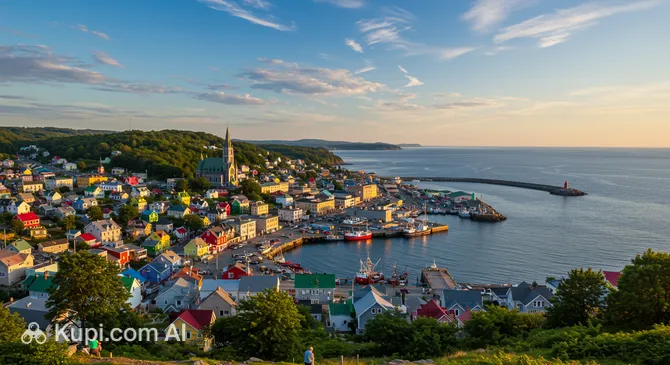
Gaspe. Source: Kupi.Binoculars

Nature lovers will be drawn to the stunning Forillon National Park, which lies just outside the city limits. This majestic park features rugged cliffs, pebble beaches, and diverse wildlife, making it a paradise for hiking and whale watching. Another key attraction is the Musée de la Gaspésie, where you can delve into local stories and view the famous Monument to Jacques Cartier. Whether you are walking along the windy shores or enjoying fresh seafood by the harbor, the atmosphere here is both relaxing and invigorating.

If you are looking for an authentic maritime experience combined with historical discovery, Gaspé is an ideal choice. Its welcoming community and picturesque surroundings make it a must-visit stop on any tour of Eastern Quebec, promising an unforgettable journey into the heart of the peninsula.
Weather Overview

The climate in this region is characterized by distinct seasons, offering a variety of atmospheric conditions depending on when you visit. To help you pack appropriately for your trip, it is recommended to check the detailed forecast for the weather in Gaspe before your arrival.

Winters are typically cold, with average temperatures in January and February hovering around -9°C and minimums dropping to approximately -13°C. In contrast, the summer months bring pleasant warmth; July is usually the hottest time of year, featuring an average temperature of 17.9°C and daily highs reaching nearly 22°C, making it an ideal time for outdoor activities.

Rainfall and precipitation are fairly consistent throughout the year in terms of frequency. Regardless of the season, you can anticipate about 10 to 14 wet days per month. Expect comfortable, warm summers and freezing winters, with a steady chance of precipitation or snow year-round.

Interesting Facts

Beyond its fame as the site where Jacques Cartier first claimed the land, Gaspé holds fascinating secrets ranging from wartime defenses to ancient linguistic roots. This coastal city is not just a scenic stop; it is a place where history and nature converge in unexpected ways.

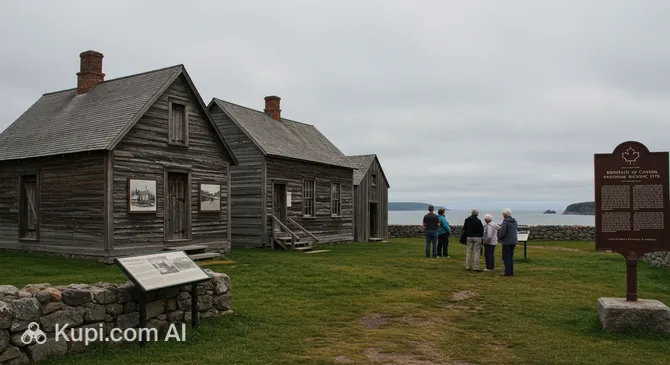
Birthplace of Canada National Historic Site. Source: Kupi.Binoculars
  • "Land's End": The name "Gaspé" is widely believed to be derived from the Mi'kmaq word Gespeg, which translates to "land's end" or "end of the world," a poetic and accurate description of its location at the very tip of the peninsula.

  • Secret WWII History: During World War II, the city served as a strategic naval base to defend against German U-boats that entered the Gulf of St. Lawrence. Today, you can visit Fort Peninsula, which remains the only completely preserved WWII shore battery in Quebec open to the public.

  • A Trio of Rivers: The city is the unique meeting point for three legendary salmon rivers—the York, Dartmouth, and Saint-Jean—which flow directly into the bay. The Saint-Jean River is particularly renowned among anglers for having some of the clearest waters in the world.

  • The Cradle of a Nation: While many know it as the "Birthplace of Canada," the specific location is marked by the Birthplace of Canada National Historic Site, home to a monolithic granite cross that commemorates the moment France laid claim to the territory in 1534.

  • Living Maritime Heritage: At the Gaspésie Museum, visitors can physically step aboard La Gaspésienne No. 20, an authentic cod fishing boat that has been preserved to offer a tangible connection to the region's seafaring past.

How to Get There

Reaching the tip of the Gaspé Peninsula is an adventure in itself, offering travelers a chance to witness the stunning landscapes of Quebec. Whether you prefer the speed of air travel or a scenic drive along the coast, there are several ways to arrive. For a detailed breakdown of all available routes and transport tips, you can read more about how to get to Gaspe.

The most convenient entry point for air travelers is the Michel-Pouliot Gaspé Airport (YGP), located directly in the city of Gaspe. Situated just 6.3 km from the city center, it offers the quickest access to local attractions. A trip from the airport to downtown by taxi or shuttle is very brief, typically taking around 10 minutes. While it is a smaller regional facility with an annual traffic of around 25,000 passengers, it provides vital links to major hubs like Montreal and Quebec City.

If flight options to Gaspe are limited, you might consider flying into Mont Joli Airport (YYY) in the city of Mont-Joli. Although the linear distance is shorter, the drive covers approximately 360 km by road. From here, visitors can rent a car or take a bus for a journey that takes roughly 4 to 5 hours, allowing you to enjoy the picturesque drive along the St. Lawrence River. Another significant regional hub is Sept-Iles Airport (YZV) in Sept-Iles. However, keep in mind that this airport is located across the Gulf of St. Lawrence, which adds logistical complexity to the final leg of the trip.

For clarity, here is a summary of the main airports in the vicinity:

Airport Name City Passenger Traffic Km from City (Linear)
Sept-Iles Airport Sept Iles Medium 201.3
Mont Joli Airport Mont-Joli Medium 275.2
Bathurst Airport Bathurst Medium 162.8
Michel-Pouliot Gaspé Airport Gaspe Small 6.3
Port Menier Port Menier Small 112.7

Regarding rail transport, there are currently no direct railway stations operating within the immediate vicinity of Gaspe for passenger service. Visitors typically rely on the extensive road network to reach the city. The drive via Route 132 is renowned for its breathtaking coastal views, looping around the peninsula. Long-distance bus services also connect Gaspe with major cities in Quebec and the Maritimes, offering a comfortable alternative for those who prefer not to drive.

Main Attractions

The city of Gaspé is a destination where history comes alive against a backdrop of stunning coastal scenery. Visitors can explore the roots of the nation, delve into maritime heritage, and enjoy the vibrant local atmosphere all within a short distance. Whether you are a history buff or a food enthusiast, the city's main sites offer a rich and varied experience.

A visit to this region would be incomplete without stopping at the Birthplace of Canada National Historic Site. Located on a picturesque point of land extending into the bay, this site commemorates the arrival of Jacques Cartier in 1534. Visitors can stroll past the reconstruction of the heritage village, admire the monolithic granite cross, and imagine the events that shaped the country's future. It is a peaceful spot perfect for walking and soaking in the views of the harbor.

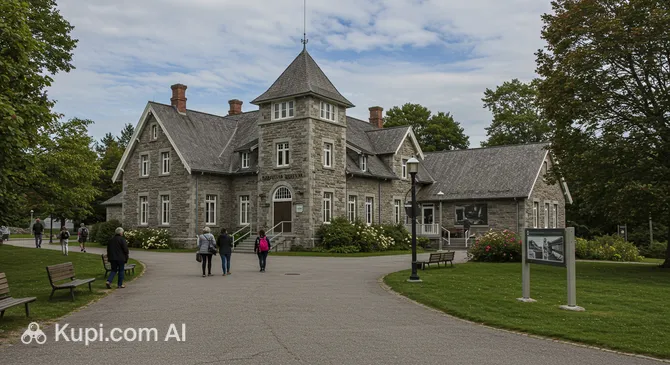
To gain a deeper understanding of the peninsula's unique culture, the Gaspésie Museum is a must-see attraction. This institution houses fascinating permanent and temporary exhibitions that tell the story of the region's people, from the Mi'kmaq inhabitants to the European settlers. A highlight for many is the authentic cod fishing boat, La Gaspésienne No. 20, which allows guests to step aboard and experience the life of local fishermen.

Gaspésie Museum. Source: Kupi.Binoculars

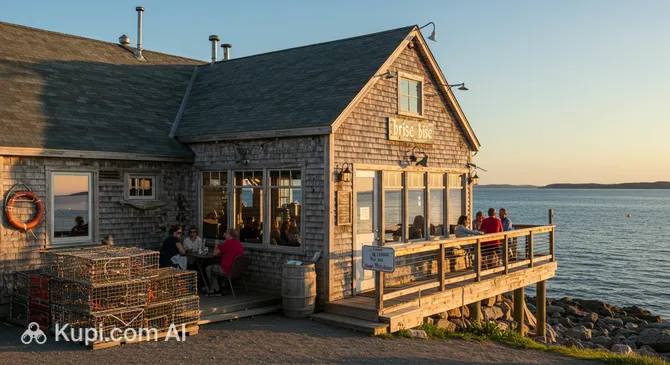
For those looking to experience the modern pulse of the city, Brise Bise offers more than just a meal. This bistro-bar has become a cultural landmark in its own right, known for its lively atmosphere, live music performances, and delicious regional cuisine. It is the perfect place to unwind after a day of sightseeing, offering a warm welcome and a genuine taste of Gaspé's hospitality.

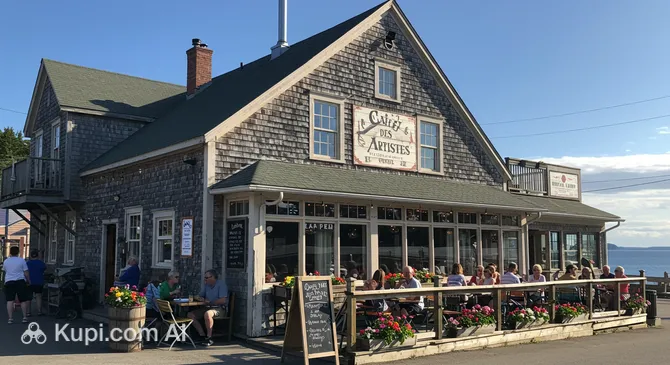
Another popular spot for relaxation and socializing is the Café des Artistes. This venue is celebrated for its artistic vibe and serves as a gathering place for both locals and tourists. Whether you are looking for a rich coffee or a light bite, it provides a cozy environment to reflect on your travels around the peninsula.

Local Cuisine

The culinary identity of Gaspé is inextricably linked to the cold, nutrient-rich waters of the Gulf of St. Lawrence, making it a premier destination for seafood lovers. The undisputed star of the local table is the Gaspé lobster, famous across the province for its hard shell and exceptionally sweet, firm meat. During the season, which typically runs from May to July, you can find it served everywhere from high-end restaurants to community feasts. Another must-try delicacy is the snow crab, often enjoyed simply with melted butter to highlight its fresh flavor, as well as the small but flavorful northern shrimp (crevettes nordiques).

For a more casual and authentic gastronomic experience, visitors should stop at one of the many roadside snack bars, locally known as cantines. These spots are the best places to try a guédille, a toasted roll similar to a hot dog bun but overflowing with fresh lobster or shrimp salad and mayonnaise. Of course, no trip to Quebec is complete without poutine. In Gaspé, this classic dish of fries, gravy, and cheese curds is frequently given a maritime twist, topped with creamy seafood sauces or generous chunks of fresh fish.

Brise Bise. Source: Kupi.Binoculars

The city's dining scene revolves around warm, social venues where food and culture intersect. A prime example is Brise Bise, a vibrant bistro-bar that serves as a central meeting point for both locals and tourists. Known for its lively atmosphere and live music, it offers a menu that highlights regional ingredients, including their signature seafood pot pies and specialty poutines. For those seeking a quieter moment, Café des Artistes provides a cozy environment to enjoy artisanal coffee and light bites amidst a creative, bohemian setting.

To accompany these meals, the local beverage scene offers excellent regional options. The Gaspé Peninsula has a booming microbrewery culture, producing craft beers that often feature local ingredients like spruce tips or maple. Spirits enthusiasts should look for locally distilled gin, which often incorporates unique botanicals from the boreal forest and the seaside, such as wild mushrooms or algae, creating a distinct taste of the terroir that pairs perfectly with the salty sea air.

Travel Tips

Planning a trip to Gaspé means preparing for adventure at the edge of the continent, where the elements play as big a role as the culture. To help you make the most of your journey to this breathtaking region, here are some essential tips to ensure a smooth and enjoyable experience.

  1. Pack for the Wind and Weather: Regardless of the season, the weather on the peninsula can be unpredictable and is often quite windy due to its coastal location. Even in summer, bring a windbreaker and warm layers for cooler evenings. If you plan to hike in the nearby national park, sturdy, waterproof hiking boots are a must. In winter, heavy thermal gear is essential as temperatures drop significantly.

  2. Transportation is Key: While there is a regional public transit system (RÉGÎM), it is designed more for locals than for sightseeing. The best way to explore Gaspé and its surrounding natural wonders is by renting a car. This gives you the freedom to drive the scenic Route 132 at your own pace. Note that ride-hailing apps like Uber are generally not available here, so rely on local taxi firms if you are without a vehicle.

  3. Managing Your Finances: The currency is the Canadian Dollar (CAD). Major credit and debit cards are widely accepted at hotels, restaurants, and supermarkets. However, it is wise to carry some cash for smaller purchases at seasonal cantines (snack bars), artisan shops, or remote entrance booths where card terminals might be unreliable. Tipping 15% to 20% in restaurants and for taxi services is the standard custom.

  4. Health and Safety on the Road: Gaspé is a very safe city for tourists, but the biggest danger often lies on the highways. Be extremely cautious when driving at dawn, dusk, or night, as moose and deer frequently cross the roads and can cause serious accidents. For medical needs, pharmacies are available in the city center, and the local hospital provides emergency care. The emergency number for police, fire, and ambulance is 911.

  5. Language and Communication: The official language is French. While Gaspé has a historically strong English-speaking community and many locals in the tourism industry speak English fluent, the primary language of daily life is French. Learning a few basic phrases like "Bonjour" (Hello) and "Merci" (Thank you) is greatly appreciated and shows respect for the local culture. Wi-Fi is common in hotels and cafes, but cell signal can be spotty in deep wilderness areas.

  6. Local Etiquette: People in the Gaspé region are known for their warmth and hospitality. It is polite to greet shopkeepers and staff upon entering an establishment. When exploring nature, strictly adhere to "Leave No Trace" principles; the locals take great pride in their pristine environment, and littering or disturbing wildlife is frowned upon.

  7. What to Avoid: Do not underestimate travel times. On a map, distances between coastal villages might look short, but winding roads and scenic stops often make trips longer than expected. Avoid rushing your drive; the "Gaspésie Tour" is meant to be savored slowly. Also, avoid assuming all businesses stay open late; in smaller towns, shops often close around 5:00 PM or 6:00 PM, especially outside the peak summer season.

  8. Seasonal Awareness: Keep in mind that Gaspé is a highly seasonal destination. Many of the best attractions, including lobster shacks and museums, operate fully only from June to mid-October. If you visit in the off-season, check opening hours in advance, as many tourist-focused businesses may be closed for the winter.

By keeping these practical tips in mind, you will be well-equipped to navigate the charming streets and rugged coastlines of Gaspé. Embrace the local rhythm, respect the powerful nature surrounding you, and enjoy your time discovering the "Cradle of Canada."

Entertainment & Nightlife

Entertainment and Nightlife:

While Gaspé is not known for sprawling nightclubs or high-energy dance floors, its nightlife offers a warm, authentic, and lively atmosphere that perfectly reflects the region's maritime character. The evening scene is centered primarily around Rue de la Reine (Queen Street), the city's main commercial artery. Here, locals and visitors mingle in cozy bistro-bars, enjoying locally crafted drinks and the sounds of talented regional musicians.

The undisputed hub of social life in the city is Brise Bise. This bustling bistro-bar is famous for its "pub style" ambiance and is the go-to spot for evening entertainment. It frequently hosts live music performances, ranging from folk singers to rock bands, making it a vibrant place to spend a Friday or Saturday night. With a wide selection of microbrewery beers on tap and a friendly crowd, it captures the essence of Gaspé’s hospitality.

For a slightly more artistic and bohemian vibe, Café des Artistes is another cultural staple. While often a daytime haunt for coffee lovers, it serves as a gathering place that pulses with creativity. It is an excellent venue to relax after a long day of exploration, often featuring local art and a laid-back environment that encourages conversation and connection.

Café des Artistes. Source: Kupi.Binoculars

The dress code in Gaspé is almost exclusively casual. You will feel comfortable in jeans and a sweater at any venue in town. Prices are generally reasonable compared to larger cities like Montreal. For transportation, it is important to note that ride-sharing apps are not available. If you plan to drink, you should rely on local taxi services, which are reliable but can be limited late at night, so keeping a taxi number handy is a practical tip. The city is incredibly safe, and walking around the downtown area or along the boardwalk at night is a peaceful and secure experience.

Before the sun goes down, the city offers plenty of daytime entertainment to fill your schedule. Nature enthusiasts can head to the nearby national park for hiking and seal watching, while culture buffs can explore the local museums or browse the charming boutiques along Rue de la Reine. Whether day or night, the pace here is relaxed, inviting you to slow down and savor the moment.

Parks & Museums

Gaspé boasts a remarkable blend of untamed wilderness and curated heritage, making it a destination where cultural discovery and outdoor exploration go hand in hand. From the rugged cliffs that overlook the Gulf of St. Lawrence to the institutions that safeguard the region's memory, the city offers diverse spaces for relaxation and learning.

The crown jewel of the region's natural spaces is undoubtedly Forillon National Park. Although it sits just outside the immediate city center, it is an essential part of the local landscape, offering dramatic scenery where the Appalachian Mountains abruptly meet the sea. Visitors can explore diverse trails that lead to breathtaking lookouts like Cap-Bon-Ami, spot whales from the shore, or relax on pebble beaches. For a more traditional seaside experience, Haldimand Beach is a favorite among locals and tourists alike. With its long stretch of golden sand and warmer waters, it is the perfect spot for swimming, picnicking, and enjoying the view of the bay.

In terms of cultural institutions, the Gaspésie Museum stands as the primary guardian of the peninsula's history. Beyond its well-known maritime exhibits, the museum houses extensive archives and a center for genealogy, making it a fascinating stop for those tracing their roots or interested in the social history of the region. It also publishes the renowned Magazine Gaspésie, reflecting its deep commitment to preserving local stories. Another vital cultural site is the Micmac Interpretation Site of Gespeg, which offers an immersive look into the traditional life of the Mi'kmaq community. Through reconstructed camps and guided tours, visitors gain insight into the ancestral skills and spiritual connection to the land that define the First Nations of this area.

History enthusiasts will also appreciate the park-like setting of the Birthplace of Canada National Historic Site. While it is famous for its historical significance, the site functions beautifully as a green space in the heart of the city. Its waterfront promenade allows for leisurely strolls with panoramic views of the harbor, and the reconstructed heritage buildings provide a charming backdrop for an afternoon walk, blending architectural appreciation with fresh sea air.

For a truly authentic experience, take the time to hunt for agates along the shores of the local beaches, particularly near the coin-du-banc area. These semi-precious stones are often washed up by the tides and make for a unique, natural souvenir of the region's geological diversity.

Getting Around

Public transportation in Gaspé is primarily managed by RÉGÎM (Régie intermunicipale de transport Gaspésie – Îles-de-la-Madeleine). This regional bus network connects the city center with surrounding communities and offers a sustainable way to travel. Unlike the frequent transit systems found in major metropolitan areas, the service here is designed for regional connectivity. Visitors should note that some routes may require a reservation up to 24 hours in advance ("Transport on Demand"), so consulting the official schedule or contacting the service provider beforehand is essential for effective planning.

When it comes to payment, the system is user-friendly but requires some preparation. Fares can be paid in cash directly to the driver, but it is necessary to have the exact change. Alternatively, single tickets and ticket booklets can be purchased at various authorized retailers throughout the city. For those staying longer, prepaid card options may be available to simplify regular travel.

Given the vast distances and scenic nature of this part of Canada, renting a car is often the most convenient choice for tourists. A private vehicle allows for the flexibility to explore remote attractions, such as the stunning Forillon National Park, without being tied to bus timetables. Rental agencies are located at the airport and in the town, but booking in advance is recommended, especially during the peak summer season.

For shorter trips within the city, local taxi services provide a reliable alternative. It is important to know that popular ride-sharing apps generally do not operate in Gaspé, so travelers should save the numbers of local taxi companies. Booking a ride in advance is advisable for early morning departures or late-night returns to ensure availability.

The downtown area is compact and well-suited for walking, allowing visitors to easily access the waterfront, museums, and restaurants on foot. In the warmer months, cycling is another enjoyable way to see the sights. While there is no large-scale bike-sharing scheme, the coastal roads offer beautiful views for those who choose to explore on two wheels.

Accommodation

Finding accommodation in Gaspé is an integral part of the travel experience, offering visitors a chance to stay close to the rugged beauty of the coast. The city and its surrounding areas provide a diverse range of lodging options, from classic roadside motels and comfortable mid-range hotels to charming bed and breakfasts run by locals. While you will not find massive luxury resort chains here, the hospitality is warm, and the establishments are often family-owned, reflecting the authentic maritime character of the region.

For those who prioritize convenience and accessibility, staying in downtown Gaspé is the best choice. This area places you within walking distance of the main commercial street, Rue de la Reine, as well as key cultural attractions and restaurants. It is the perfect base for travelers without a car or those who want to enjoy the local dining scene without worrying about driving back to a remote location. Hotels in the city center typically offer modern amenities and easy access to the waterfront promenade.

If you prefer a more scenic and tranquil setting, consider looking for accommodation on the outskirts of the city or along the coastal road leading towards Forillon National Park. This area is dotted with motels, cottages (chalets), and inns that offer breathtaking views of the Gulf of St. Lawrence. Staying here allows for a peaceful retreat where you can fall asleep to the sound of the ocean, yet you remain just a short drive away from urban conveniences.

Camping is also a hugely popular accommodation style in this region, particularly for nature lovers. The area boasts several well-maintained campgrounds, ranging from fully serviced sites for RVs to rustic tent spots deep in the wilderness. For a unique experience, some locations offer "glamping" options, such as ready-to-camp tents or yurts, allowing visitors to immerse themselves in nature without sacrificing comfort.

Booking Tips and Prices: Gaspé is a highly seasonal destination, and accommodation is in extremely high demand during the peak summer months of July and August. It is strongly recommended to book your stay several months in advance, as the best spots fill up quickly. Prices generally fall into the mid-range category, though they can rise significantly during the height of the tourist season. Most establishments can be booked via major online platforms, but contacting smaller inns and B&Bs directly can sometimes yield better availability or personal recommendations.

Nearby Cities

For those looking to explore the surroundings, Gaspe serves as an excellent base for day trips to several interesting nearby locations:

Although separated by the waters of the Gulf of St. Lawrence, Sept-Îles is a notable regional hub worth visiting for its stunning archipelago and rich Innu culture, offering a distinct North Shore experience. To the south, situated on the shores of the Chaleur Bay, Bathurst in New Brunswick invites travelers to discover its warm beaches, charming waterfront promenade, and vibrant Acadian hospitality.

City Population Distance (km)
Sept Iles 28534 206
Baie-Comeau 21536 271
Bathurst 18154 160
Miramichi 17537 214
Tracadie 16114 150

These nearby destinations offer a glimpse into the diverse culture and landscapes of the region.

Shopping & Souvenirs

Shopping in Gaspé offers a relaxed and authentic experience that mirrors the city's laid-back maritime lifestyle. While you will not find high-end luxury fashion districts or sprawling mega-malls, the city provides a charming selection of boutiques, artisan shops, and essential services. The retail scene here focuses heavily on locally made products, regional art, and practical gear suited for the rugged outdoors, making it easy to find unique treasures that reflect the spirit of the peninsula.

The heart of the city's commercial activity is undoubtedly Rue de la Reine (Queen Street). This bustling main thoroughfare runs through the downtown area and is lined with a variety of independent shops, pharmacies, and clothing stores. It is a pleasant place for a stroll, allowing visitors to pop into small boutiques selling jewelry, books, and gifts while enjoying views of the nearby water. During the summer months, the street often becomes lively with pedestrians exploring the local offerings.

For a more concentrated shopping experience, the Carrefour Gaspé (also known as Place Jacques-Cartier) serves as the region's primary indoor shopping center. Located conveniently within the city, it houses several well-known retailers, a supermarket, and service providers. It is the go-to destination for travelers who need to restock on supplies, purchase camping gear, or find standard clothing brands.

To truly taste the local culture, a visit to the Marché public de Gaspé is highly recommended. Typically operating during the summer and early autumn, this public market brings together regional farmers and artisans. Here, you can purchase fresh seasonal produce, homemade jams, maple products, and handcrafted goods directly from the producers. It is a vibrant spot to mingle with residents and discover the flavors of the region.

When searching for the perfect keepsake, the gift shop at the Gaspésie Museum is an excellent starting point. It offers a curated selection of books on local history, indigenous Mi'kmaq crafts, and high-quality regional souvenirs that go beyond typical trinkets. Other popular items to bring back from the city include semi-precious agate stones found on local beaches, smoked seafood, and locally produced gin or maple syrup.

Store hours in Gaspé generally follow standard business schedules, opening around 9:00 AM or 10:00 AM and closing by 5:30 PM on weekdays. However, many shops extend their hours on Thursdays and Fridays, staying open until 9:00 PM. On weekends, hours may be reduced, especially on Sundays. Major credit cards and debit cards are widely accepted throughout the city, though carrying a small amount of cash is advisable for smaller market stalls. Visitors should be aware that sales taxes (GST and QST) are typically added at the register and are not included in the display price.

Reached the end of the page?

That means the route is fully explored