Support

Sept Iles

About

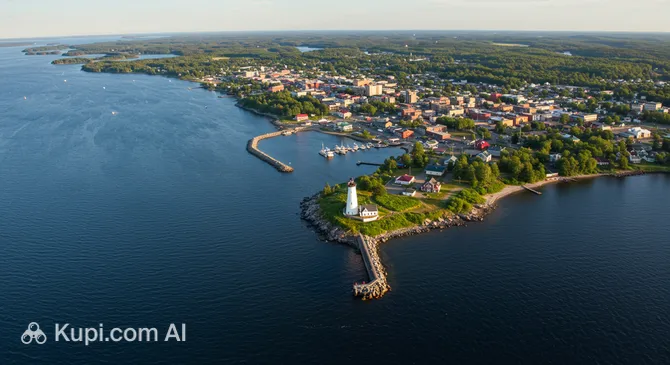
Nestled on the rugged North Shore of the Gulf of Saint Lawrence, Sept-Îles is a dynamic city where the boreal forest meets the sea. As one of the most important urban centers in the Côte-Nord region of Quebec, it serves as a gateway to the vast wilderness of eastern Canada. The city is renowned for its stunning natural harbor, a deep bay protected by the archipelago of seven islands that gives the municipality its name, creating a breathtaking coastal landscape that captivates visitors year-round.

Sept Iles. Source: Kupi.Binoculars

With a population of approximately 28,500 residents, Sept-Îles offers a unique blend of industrial vitality and outdoor adventure. The local climate is characterized by its maritime influence, offering refreshing summers perfect for exploration and snowy winters ideal for seasonal sports. The area has long been a meeting place for different cultures, and delving into the history of Sept-Îles reveals a fascinating narrative of Innu heritage and European trading posts that shaped the community into what it is today.

Travelers are drawn to the city for its exceptional access to nature and culture. A boat excursion to the Sept-Îles Archipelago is a must-do activity, allowing visitors to hike on Grande Basque Island or observe diverse seabird populations. Back on the mainland, the Musée régional de la Côte-Nord offers deep insights into the region's art and archaeology, while the reconstructed Old Trading Post (Vieux-Poste) provides an immersive look at 19th-century life. Whether you are walking along endless sandy beaches or enjoying fresh seafood, Sept-Îles welcomes you with open arms and authentic northern hospitality.

Weather Overview

The climate in Sept-Îles is characterized by significant seasonal contrasts, offering distinct experiences depending on when you visit. Winters are typically cold, with January and February seeing average temperatures around -12°C and minimums often dropping below -16°C. Conversely, the summer months bring pleasant warmth, particularly in July and August, when average temperatures hover around 17°C and daytime highs can reach nearly 22°C.

Precipitation is a consistent feature throughout the year, with the region experiencing approximately 11 to 14 wet days per month regardless of the season. Expect mild summers with occasional rain and cold winters suited for snow sports. For more specific data to help plan your packing list, you can check the detailed weather in Sept Iles.

Interesting Facts

Beyond the main attractions, Sept-Îles holds many fascinating secrets and historical nuances that define its unique character.
  • One of the archipelago's islands, Corossol, is named after a French ship that met a tragic end in 1693. The vessel sank during a violent autumn storm, becoming one of the earliest recorded shipwrecks in the region and leaving a legacy that is still remembered in local maritime lore.

  • The city is the terminus of the Quebec North Shore and Labrador Railway, a specialized train line built through rugged wilderness specifically to transport iron ore. This vital link connects the coast to the remote mines of Labrador and helps make the port of Sept-Îles one of the busiest in North America by tonnage.

  • While the city is named for its seven islands, the archipelago actually forms a near-perfect natural breakwater across the bay's entrance. This geographical quirk creates a massive, calm circular basin approximately 10 kilometers in diameter, often described by locals as an "inland sea" safe from the turbulent waves of the Gulf.

How to Get There

Reaching this northern destination is an adventure that begins with choosing the right mode of transport. While the city's location on the North Shore of the Gulf of Saint Lawrence is remote, it remains accessible for travelers. For a detailed breakdown of routes and tips, you can read more about how to get to Sept Iles to plan your journey effectively.

The most convenient and direct entry point is Sept-Iles Airport (IATA: YZV). Located within the city limits, it is situated just 7.9 km from the center. A trip from the terminal to downtown is quite quick, typically taking around 10 to 15 minutes by taxi. This facility serves as a vital regional hub, handling a significant volume of passengers and connecting the area with major urban centers like Montreal and Quebec City.

Travelers might also notice Mont Joli Airport (IATA: YYY) listed as a nearby option. However, it is important to note that this airport is located in the city of Mont-Joli, approximately 223 km away from Sept Iles. Crucially, it sits on the opposite shore of the Saint Lawrence River. Reaching Sept Iles from there requires a ferry crossing or a lengthy detour, making the local airport the far superior choice for direct access.

For clarity, here is a summary of the main airports in the wider region:

Airport Name City Passenger Traffic Km from City
Sept-Iles Airport Sept Iles Medium 7.9
Mont Joli Airport Mont-Joli Small 223.1
Bathurst Airport Bathurst Small 291.1
Michel-Pouliot Gaspé Airport Gaspe Small 210.9
Port Menier Port Menier Very Small 155.3

For those who prefer ground transportation, Route 138 offers a scenic drive along the coast, connecting the city to the rest of the province. While there are no major passenger railway stations servicing the standard intercity network directly into the downtown core for tourists, the road network remains the primary alternative to flying.

Main Attractions

Sept-Îles is a destination defined by its deep connection to the sea and its rich cultural heritage. The city’s main draw is undoubtedly the Sept-Îles Archipelago, a group of seven islands that form a protective natural barrier for the bay. This "inland sea" is a paradise for outdoor enthusiasts, offering boat excursions that allow visitors to spot whales, seals, and seabirds. Grande Basque Island is particularly popular for its hiking trails and pristine beaches, while Corossol Island serves as a vital bird sanctuary, home to razorbills and murres.

For a deep dive into the region's past, the Musée régional de la Côte-Nord is an essential stop. This museum offers a comprehensive look at the North Shore's history, spanning 8,000 years of human occupation. Its permanent exhibition, "Terres de sens," skillfully weaves together archaeology, ethnology, and art to tell the stories of the Innu people and the European settlers who shaped the territory. It is a fascinating place to understand the resilience and culture of the local communities.

History comes alive at Le Vieux-Poste de Sept-Îles, a faithful reconstruction of an 18th-century fur trading post. Located on the historic site where the first trading counters were established, this interpretation center immerses visitors in the daily life of the era. Through interactive exhibits and encounters with costumed guides, you can learn about the crucial cultural and economic exchanges that took place here between the Innu and Euro-Canadian merchants.

Nature lovers and families should not miss Parc Aylmer-Whittom, locally known as "Squirrel Park." Situated at the mouth of the Rapides River, this enchanting forest park is famous for its friendly squirrels that are often eager to approach visitors. Beyond its furry inhabitants, the park features a network of walking trails, observation towers for birdwatching, and a maritime-themed play area, making it a perfect spot for a relaxing afternoon surrounded by nature.

Local Cuisine

Local Cuisine:

The culinary identity of Sept-Îles is deeply tied to the cold, salt waters of the Gulf of Saint Lawrence. As a major fishing port, the city is celebrated for its exceptional seafood. The star of the local table is undoubtedly the Northern shrimp (crevette nordique), which is renowned for its delicate flavor and firm texture. Visitors can also feast on fresh snow crab and the local delicacy known as bourots (whelks), often served pickled or simply boiled in brine.

Beyond the catch of the day, the region offers unique flavors from the land. The chicoutai (cloudberry) is a tart, amber-colored berry found in the surrounding peat bogs. It is a must-try ingredient, widely used in jams, coulis, and artisanal liqueurs that capture the essence of the Côte-Nord terroir.

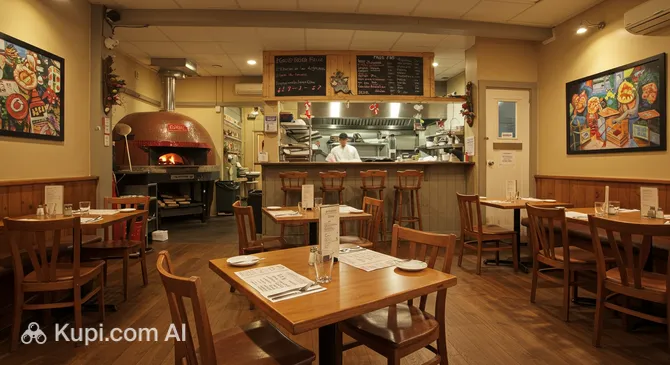
Salvatore Pizza. Source: Kupi.Binoculars

For those seeking a casual dining experience or a break from seafood, the city offers a variety of welcoming spots. Salvatore Pizza is a popular choice for families and travelers alike, serving up comforting classics in a relaxed setting. Whether you are indulging in a gourmet seafood platter or grabbing a slice of pizza, the local food scene is sure to leave a lasting impression.

Travel Tips

Visiting Sept-Îles is a journey into the heart of Quebec's rugged North Shore. To help you make the most of your time in this wild and beautiful corner of Canada, here are some practical tips to ensure a smooth and enjoyable trip.

  1. Clothing and Gear: The weather here is dictated by the sea, so dressing in layers is essential regardless of the season. Even in summer, evenings can be cool and breezy, so bring a windbreaker and a warm sweater. If you plan to explore the archipelago or hike, sturdy, waterproof walking shoes are a must. In winter, thermal underwear, a heavy parka, and insulated boots are non-negotiable. Don't forget insect repellent if you are visiting in June or July, as black flies and mosquitoes can be intense in the woods.
  2. Transportation: Public transportation in Sept-Îles differs from major metropolises; the city relies on a "Taxibus" system which requires advance booking and registration, making it less convenient for short-term visitors. The best way to get around and explore the surrounding Route 138 is to rent a car. Taxis are available for short trips within the town center, but having your own vehicle gives you the freedom to reach the beaches and trails at your own pace.
  3. Finances: The currency is the Canadian Dollar (CAD). Credit and debit cards are widely accepted at hotels, restaurants, and supermarkets. However, it is wise to carry some cash, especially if you plan to buy local crafts, visit smaller snack bars (cantines), or travel to more remote areas along the coast where card terminals might be unreliable. Tipping is standard practice in the country; expect to leave 15-20% at restaurants and bars.
  4. Health and Safety: Sept-Îles is a very safe city for tourists, but nature presents its own challenges. Be cautious of wildlife, particularly moose, when driving on highways at dawn or dusk. There is a regional hospital in the city for medical emergencies. Pharmacies are well-stocked, though they may not be open 24/7, so pick up essential medications during regular business hours.
  5. Communication: The primary language is French. While many people in the tourism industry speak English, it is not universally spoken by everyone in the community. Learning a few basic phrases like "Bonjour" (Hello) and "Merci" (Thank you) goes a long way and is appreciated by locals. Wi-Fi is available in most hotels and cafes, but cell signal can drop quickly once you leave the main urban area.
  6. Local Etiquette: People in the Côte-Nord region are known for their warm hospitality. A friendly greeting is the norm when entering a shop or boarding a boat. When exploring nature, strictly follow the "Leave No Trace" principles; the local ecosystem is fragile, and residents take great pride in preserving their pristine beaches and forests.
  7. What to Avoid: Do not underestimate the tides when walking along the shore or exploring the islands. The geography of the bay can lead to rapidly changing water levels, so always check the tide tables before venturing too far out on the sandbars. Also, avoid approaching wild animals for photos; keep a respectful distance for your safety and theirs.
  8. Additional Tip: If you are visiting in the summer, check the schedule for the Innu Nikamu festival if it coincides with your dates. It is one of the largest Indigenous music and arts festivals in North America and offers a unique opportunity to experience the rich culture of the Innu people. Also, always ask locals where to find the freshest guedille (seafood roll)—every resident has their favorite spot!

With these tips in mind, you are ready to embrace the wild beauty and maritime charm of Sept-Îles without worry. Pack your spirit of adventure, respect the local rhythm, and enjoy every moment of your exploration on the magnificent North Shore.

Entertainment & Nightlife

Entertainment and Nightlife:

The nightlife in Sept-Îles reflects the city’s warm and unpretentious character. Rather than large nightclubs or intense party districts, the evening scene is defined by cozy pubs, lively microbreweries, and welcoming bars where the focus is on good conversation and local camaraderie. The atmosphere is generally relaxed and casual, meaning you can leave the formal wear at home; jeans and a comfortable sweater are perfectly appropriate for almost any venue in town.

The hub of activity is typically found in the downtown area, particularly along Avenue Arnaud near the waterfront. This district comes alive on weekends, offering a pleasant setting for an evening stroll before heading indoors. During the summer months, the terraces here are popular spots to enjoy a drink while watching the sunset over the bay. Most bars stay open until the early hours of the morning on Fridays and Saturdays, which are the best times to experience the local vibe.

For a taste of the local craft scene, Microbrasserie La Compagnie is a standout destination. Located in a stylish industrial space, it pays homage to the region's working-class history while serving excellent beers brewed on-site. Another local favorite is Edgar Café Bar, known for its vibrant atmosphere and diverse drink menu, making it a great place to mingle with residents. If you are looking for a relaxed spot for an evening meal or a late-night bite, Salvatore Pizza is a reliable choice to satisfy your hunger after a few drinks.

When it comes to safety, Sept-Îles is a secure city for night walks, especially along the illuminated boardwalk by the sea. However, as the streets can become quite empty late at night, it is advisable to stick to well-lit areas. Public transportation is not a viable option for late-night travel, so you should plan to use a taxi. Taxis are reliable and affordable, and it is a good idea to keep the number of a local dispatch service on your phone to ensure a safe ride back to your hotel.

Beyond the bars, the city offers engaging daytime and evening entertainment options. The Salle de spectacle Jean-Marc-Dion is the cultural heartbeat of the community, hosting a variety of performances ranging from music concerts and theater to comedy shows. For a more low-key afternoon, visitors can enjoy the local cinema or bowling alley, providing fun alternatives if the weather turns grey.

Parks & Museums

Sept-Îles is a city where the rugged beauty of the boreal forest seamlessly blends with a rich tapestry of history and art. The municipality offers a surprising array of green spaces that celebrate its maritime environment, alongside cultural institutions that preserve the heritage of both the Innu people and European settlers.

One of the most beloved outdoor spaces is Parc Aylmer-Whittom, affectionately known by locals as "Squirrel Park." Located just west of the city center, this enchanting forest area is famous for its tame squirrels and blue jays that often approach visitors. Beyond the wildlife, the park features a charming miniature village, well-maintained hiking trails, and picnic areas, making it an ideal spot for families to enjoy a day surrounded by nature.

For those seeking a connection with the sea, Monaghan Beach offers a pristine stretch of coastline perfect for long walks and contemplation. Known for its distinctive ferrous sand, which hints at the region's geological wealth, the beach provides sweeping views of the archipelago. It is a fantastic location for birdwatching or simply breathing in the fresh, salty air of the Gulf, away from the hustle of the town.

The cultural landscape is anchored by the Musée Shaputuan, a vital institution dedicated to the history and culture of the Innu people. Located in the Uashat community within the city's urban limits, the museum serves as a place of meeting and dialogue. Its permanent exhibition, "Innu Uassi" (Innu Land), guides visitors through the cycle of the seasons and the traditional nomadic life, offering a profound understanding of the indigenous heritage that defines the region.

Another key cultural venue is the Musée régional de la Côte-Nord. This museum acts as a guardian of the region's collective memory, housing extensive collections related to archaeology, ethnology, and contemporary art. It frequently hosts temporary exhibitions that showcase local artists and explore diverse themes, providing a comprehensive look at the artistic and historical evolution of the North Shore.

History enthusiasts should visit the Vieux-Poste de Sept-Îles. This historic site features a reconstructed 18th-century trading post, marking the location where the first significant exchanges between Indigenous peoples and French merchants took place. The site includes a chapel and a trading counter, offering an immersive architectural experience that transports visitors back to the days of the fur trade.

For a truly authentic local experience, take a stroll along the Promenade du Vieux-Quai at sunset. This boardwalk is the heartbeat of the city's social life in the summer, where you can watch fishing boats return to the harbor and see local artisans displaying their crafts in small kiosks.

Getting Around

Navigating Sept-Îles requires a bit of planning, as the city does not utilize a traditional public transportation network with fixed-route buses or a metro system. Instead, the local transit authority operates a unique service known as Taxibus. This system uses a fleet of shared taxis that function as public transport, picking up and dropping off passengers at designated, numbered stops throughout the municipality. While efficient for residents, it operates differently from standard bus lines you might be used to in larger cities.

The Taxibus system is designed primarily for locals and requires a specific registration process. To use the service, passengers must first visit the Taxibus office in person to purchase a membership card for a small fee. Once registered, trips must be reserved by telephone at least one hour in advance. The fare for each ride is fixed and must be paid in cash directly to the driver upon boarding. Because of the mandatory membership and advance booking requirement, this system is often impractical for tourists visiting for only a few days.

For most visitors, the most convenient and flexible option is to rent a car. Several major rental agencies operate desks at the airport and in the downtown area. Having your own vehicle allows you to easily access the surrounding nature parks, beaches, and the marina, which are spread out and can be difficult to reach otherwise. Standard private taxis are also available for spontaneous trips without a reservation; they are reliable and can be hailed or called directly, offering a hassle-free alternative to the public system.

Active travelers can take advantage of the city's scenic layout by renting bicycles. During the summer months, the Maison du Tourisme (Tourist Office) and local shops offer bike rentals, including fat bikes which are perfect for riding on the sandy beaches. the city features a growing network of cycle paths that connect the downtown core with the waterfront and nearby recreational areas, providing a pleasant and eco-friendly way to explore.

While there is no historic tram or subway, Sept-Îles serves as the departure point for two of the most unique transport experiences in Canada. The city is the southern terminus for the Tshiuetin Rail Transportation, a passenger train owned by First Nations that winds through the remote wilderness to Schefferville, offering an unforgettable journey into the north. Additionally, the port is a key stop for the Bella Desgagnés, a supply ship that carries cargo and passengers to the isolated villages of the Lower North Shore, serving as a lifeline for these communities and a bucket-list voyage for adventurous travelers.

Accommodation

Sept-Îles offers a practical selection of accommodation options designed to meet the needs of both business travelers and tourists exploring the Côte-Nord. The city’s hospitality landscape is dominated by mid-range hotels and motels, many of which provide comfortable, standard amenities suitable for road trippers and families. You will not find ultra-luxury resorts here; instead, the focus is on cleanliness, functionality, and warm local service. For those seeking a more personal touch or a connection with nature, there are also a few charming bed and breakfasts (gîtes) and well-equipped campgrounds located on the outskirts of the city.

The most convenient area to stay is undoubtedly the downtown core and along the main commercial artery, Boulevard Laure. Choosing a hotel in the city center places you within walking distance of the waterfront boardwalk, the marina, and various restaurants. Meanwhile, accommodations located along Boulevard Laure offer easy access to Route 138 and usually provide ample parking, making them an excellent choice for visitors with a rental car who plan to use the city as a base for exploring the surrounding parks and beaches.

Regarding costs, prices in Sept-Îles are generally moderate compared to major metropolitan areas, falling largely into the mid-range category. However, availability can be surprisingly tight. It is highly recommended to book your accommodation well in advance, particularly if you are visiting during the summer months (July and August). The city is a major industrial hub, and hotels frequently fill up with business travelers and contract workers year-round. While major hotels are listed on standard online booking platforms, contacting smaller motels or B&Bs directly can sometimes yield better availability or specific room arrangements.

Nearby Cities

For those looking to explore the surroundings, Sept Iles serves as an excellent base for day trips to several interesting nearby locations. The vastness of the Côte-Nord region and the proximity to the Gulf of St. Lawrence provide unique opportunities for discovering other communities, each with its own character and maritime heritage.

One notable neighbor is Baie-Comeau. Situated to the west, this city is renowned for its impressive natural surroundings and industrial history. Visitors are often drawn to the region's hydroelectric heritage, particularly the massive dams that harness the power of the local rivers. The city also offers beautiful parks and access to the boreal forest, making it a great stop for nature enthusiasts looking to experience the rugged beauty of Quebec's North Shore.

Across the estuary, although requiring a journey that often involves a ferry crossing or a longer drive, lies Rimouski. Known as a maritime hub, it boasts a vibrant cultural scene and significant historical sites. Attractions like the Pointe-au-Père Maritime Historic Site offer a deep dive into the maritime history of the St. Lawrence, including the story of the Empress of Ireland. Its lively downtown area and waterfront make it an attractive destination for a visit.

City Population Distance (km)
Rimouski 48664 252
Baie-Comeau 21536 169
Bathurst 18154 293
Edmundston 16580 347
Tracadie 16114 319

These nearby destinations offer a glimpse into the diverse culture and landscapes of the region.

Shopping & Souvenirs

Shopping in Sept-Îles serves as a commercial hub for the entire Côte-Nord region, offering a blend of functional convenience and local charm. While you will not find high-end luxury fashion houses, the city provides a solid selection of retailers ranging from well-known national chains to independent boutiques. Visitors can easily find everything from outdoor gear suitable for the rugged landscape to unique regional products that reflect the area's maritime and indigenous heritage.

The city's retail activity is concentrated primarily along two main arteries. Boulevard Laure acts as the commercial spine of Sept-Îles, lined with larger stores, supermarkets, and service centers. This is where you will go for practical necessities or big-brand shopping. In contrast, Avenue Arnaud, located near the waterfront, offers a more scenic experience. This downtown area is perfect for a leisurely stroll, featuring smaller shops, gift stores, and cafes where you can browse for local treasures while enjoying views of the bay.

For a concentrated shopping experience, the city features a couple of key shopping centers. Place de Ville is situated right in the heart of downtown and hosts a variety of fashion retailers, electronics stores, and services under one roof. Another significant destination is Galeries Montagnaises, located in the Uashat sector. As one of the largest malls in the region, it offers a wide range of shops and is a popular gathering spot for locals, providing a comfortable indoor environment especially during the colder months.

During the summer season, the shopping scene expands outdoors to the Promenade du Vieux-Quai. Here, local artisans often set up kiosks in the "Casse-Croûte du Pêcheur" area or along the boardwalk. These seasonal markets are the best places to find authentic handmade goods, jewelry, and crafts directly from the creators. It is a vibrant atmosphere where commerce meets culture, often accompanied by the fresh sea breeze.

When looking for souvenirs, the most iconic items are edible treats derived from the land. Cloudberry products (chicoutai) are the signature purchase; look for jams, jellies, teas, or the famous cloudberry liqueur. Additionally, the region's strong indigenous presence makes it an excellent place to purchase Innu arts and crafts. You can find beautiful beaded moccasins, dreamcatchers, and sculptures that support local First Nations artists. Canned seafood is another popular choice for those wanting to bring a taste of the Gulf back home.

Store hours in Sept-Îles generally follow standard Quebec schedules. Most shops are open from 9:00 AM or 10:00 AM to 5:30 PM on Mondays, Tuesdays, and Wednesdays. On Thursdays and Fridays, hours are typically extended until 9:00 PM, making these the best evenings for shopping. Weekend hours are usually reduced, with Saturday operation until 5:00 PM and Sundays often from 12:00 PM to 5:00 PM. Credit and debit cards (Visa, Mastercard, Interac) are widely accepted everywhere, though carrying a small amount of cash is useful for smaller artisan stalls.

Travelers should be aware that sales taxes are not included in the shelf price. In Quebec, a combined tax rate of approximately 15% (comprising the federal GST and provincial QST) is added at the register. Unlike in some other countries, there is no general VAT refund system available for international tourists on standard goods purchased in shops, so the price you pay at the checkout is final.
Reached the end of the page?

That means the route is fully explored