Support

Nemiscau

About

Welcome to Nemiscau, a vibrant and modern Cree community located in the heart of the Eeyou Istchee territory in Northern Quebec. As a significant administrative center and a place of cultural pride, this unique destination offers travelers a rare glimpse into the contemporary life of the Cree Nation within the vast wilderness of Canada. Situated on the picturesque shores of Lake Champion, the village combines striking modern architecture with the timeless beauty of the surrounding boreal forest.
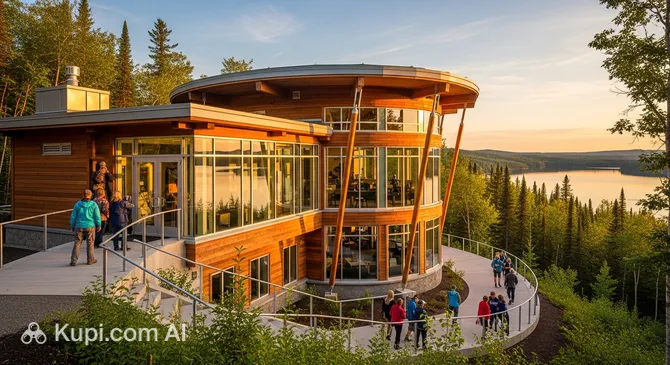
Nemiscau. Source: Kupi.Binoculars

The geography of the region is defined by its pristine lakes, rivers, and dense forests, creating a serene atmosphere perfect for nature lovers. Although it is a relatively small community, Nemiscau plays a major role as the seat of the Grand Council of the Crees. The history of Nemiscau is particularly compelling, as the current village was established in the late 20th century, representing a new chapter of resilience and growth for its people following the era of the "Old Nemiscau" trading post.

Visitors to Nemiscau can immerse themselves in a variety of outdoor activities and cultural experiences. The area is renowned for its excellent fishing and canoeing opportunities on Lake Champion and nearby waterways. Architecture enthusiasts will appreciate the community's thoughtful layout and design, particularly the distinct circular structure of the central administration building. Whether you are looking to connect with Indigenous culture or simply escape to the tranquility of the north, Nemiscau invites you to experience its warmth and breathtaking scenery.

Weather Overview

Nemiscau experiences a climate typical of Northern Quebec, characterized by distinct seasonal changes with long, cold winters and short, pleasant summers. When planning your trip to this region, it is advisable to check the weather in Nemiscau to ensure you pack suitable clothing for the conditions.

The winter months are rigorous, with January being the coldest time of the year, seeing average temperatures around -17.0°C and lows dipping to -20.6°C. In contrast, summers are mild and offer comfortable conditions for exploring the outdoors; July is generally the warmest month, with average temperatures of 17.6°C and highs reaching up to 22.4°C. While total precipitation accumulation is relatively low, visitors should expect frequent wet days throughout the year, ranging from 10 to 19 days per month.

Interesting Facts

Beyond its scenic beauty and modern infrastructure, Nemiscau holds fascinating stories of resilience and cultural significance that many visitors might not know. This community is not just a settlement but a testament to the determination of its people to preserve their heritage and land.

  • The Village That Was Reborn: One of the most unique aspects of Nemiscau is its history of relocation. The original settlement, known as Old Nemaska, was abandoned in 1970 due to the planned James Bay hydroelectric project, which was expected to flood the area. However, the community members never gave up on their land and returned to build the modern village on the shores of Lake Champion in the late 1970s.

  • A Name Rooted in Nature: The name "Nemiscau" (often referred to as Nemaska) is of Cree origin and roughly translates to "where the fish spawn." This moniker highlights the region's historical importance as a bountiful summer gathering place for Indigenous families to fish and trade long before modern roads were built.

  • A Capital in the Wilderness: Despite its remote location and small population, Nemiscau serves as the administrative capital of the Eeyou Istchee territory. It houses the headquarters of the Grand Council of the Crees in a striking modern facility. This building acts as the central hub for the region's governance, reflecting the progressive spirit and unity of the community.

How to Get There

Reaching the remote community of Nemiscau requires some preparation, as it is located deep within the Eeyou Istchee territory. While the journey involves traversing the scenic landscapes of Northern Quebec, the destination is well worth the effort. You can find all ways to reach the city and detailed route planning information on our dedicated transport page.

The primary practical gateway for air travelers is Chibougamau Airport (YMT), located in Chibougamau, approximately 240 km from Nemiscau. This regional hub serves as the starting point for the drive north via the Route du Nord. This gravel road offers a true wilderness driving experience and is the main ground connection to the community.

Although Moosonee (YMO) appears geographically close at roughly 259 km away, it is important to note that there is no road connection between Moosonee and Nemiscau. Consequently, it is not a viable option for ground transfers, and visitors should focus on routes through the Quebec side to ensure accessibility.

For clarity, here is a summary of the airports in the wider region:

Airport Name City Passenger Traffic Km from City
Chibougamau Airport Chibougamau Small 239.8
Moosonee Moosonee Small 258.8

Main Attractions

Lake Champion is the scenic heart of the community and a primary draw for visitors to Nemiscau. As the body of water that the modern village overlooks, it offers breathtaking views, particularly during the vibrant sunsets that paint the northern sky. True to the Cree meaning of Nemaska, "Place of Plentiful Fish," the lake is a paradise for anglers looking to catch walleye, pike, and whitefish. In the warmer months, the calm waters are perfect for canoeing and kayaking, allowing travelers to experience the serenity of the Eeyou Istchee wilderness firsthand.

A significant landmark in the village is the Grand Council of the Crees Administration Building. Since Nemiscau serves as the administrative capital of the Cree Nation of Eeyou Istchee, this facility is more than just a government office; it is a symbol of Indigenous governance and resilience. The building features distinctive modern architecture that incorporates traditional design elements, reflecting the community's forward-looking spirit while honoring its roots. Visitors interested in architecture and cultural history will appreciate seeing the hub where important decisions shaping the future of the territory are made.

For those interested in history and cultural heritage, the site of Old Nemaska holds deep significance. Located approximately 60 kilometers from the current village, this was the original location of the community before it was abandoned in 1970 due to a hydroelectric project that never flooded the area as predicted. Today, it serves as a cherished summer gathering place where community members return to reconnect with their ancestral land. While it requires some planning to visit, it offers a poignant glimpse into the resilience of the Cree people and their enduring connection to the land.

The journey to the village is an attraction in itself, primarily via the Route du Nord (North Road). This gravel highway winds through the dense boreal forest, offering an authentic road trip experience for adventurous travelers. Along the way, the rugged landscape of Northern Quebec unfolds with pristine rivers, endless trees, and the occasional sighting of wildlife such as caribou or black bears. Driving this route provides a true sense of the remoteness and majestic scale of the region, setting the tone for a visit to this welcoming northern community.

Local Cuisine

The culinary landscape of Nemiscau is deeply rooted in the traditions of the Cree Nation, offering a unique opportunity to taste what is locally known as "country food." The cuisine here is defined by the seasons and the bounty of the Eeyou Istchee territory, focusing on wild game, freshwater fish, and berries harvested from the surrounding boreal forest. For visitors, the food experience is less about fine dining restaurants and more about authentic, hearty meals that provide warmth and sustenance in the northern climate.

One of the most iconic staples you must try is bannock. This traditional bread, which can be baked or fried, is a comforting accompaniment to almost any meal, often served with stews or spread with jam made from local cloudberries or blueberries. Given the village's location on the shores of Lake Champion, freshwater fish is a dietary cornerstone. Walleye and pike are frequently prepared, either pan-fried fresh from the water or traditionally smoked to preserve their rich flavor. During specific times of the year, particularly spring and autumn, wild goose becomes a celebrated dish, coinciding with the culturally significant "Goose Break" holidays.

The dining scene in Nemiscau is modest and centered around community and hospitality rather than commercial tourism. There are very limited options for eating out, with the main dining facilities typically located within the local hotel or the administrative complex. These venues usually serve a mix of standard Canadian favorites and traditional Cree dishes. For a truly authentic experience, visitors are often encouraged to engage with locals, as the best traditional meals—such as moose stew or roasted goose—are often shared at community gatherings, feasts, or private homes. As for drinks, hot tea is the universal beverage of choice to stay warm, often enjoyed alongside meals or during breaks while exploring the outdoors.

Travel Tips

Visiting Nemiscau offers a unique opportunity to experience the rich culture of the Cree Nation, but its remote location in Northern Quebec requires careful preparation. To ensure your journey to this welcoming community is safe, respectful, and enjoyable, here are some essential practical tips to keep in mind.

  1. Clothing and Gear: The weather in the north can be unpredictable. In winter, thermal layers, a heavy parka, and insulated boots are mandatory, as temperatures drop significantly. In summer, while days are mild, the evenings can be cool, so pack layers. Crucially, bring high-quality insect repellent and a bug net for your head if you plan to hike, as black flies and mosquitoes can be intense during the warmer months.
  2. Transportation: There is no public transportation, metro, or ride-hailing service within the village. The community is small enough to navigate on foot, but having a vehicle is essential for getting there and exploring the surroundings. If you are driving the Route du Nord, a sturdy vehicle—preferably a 4x4 or SUV—is highly recommended to handle the gravel roads comfortably.
  3. Finances: The local currency is the Canadian Dollar (CAD). While the local hotel and grocery store generally accept credit and debit cards, it is wise to carry some cash for smaller transactions or in case of system outages. ATMs are limited, so withdraw sufficient funds before leaving larger urban centers like Chibougamau.
  4. Health and Safety: Medical facilities are limited to a local clinic (CMC) that handles basic care and emergencies; for serious conditions, medical evacuation may be necessary. Ensure you bring a sufficient supply of any prescription medications and a basic first-aid kit. The area is generally very safe, but always be aware of wildlife, such as black bears, when exploring the outskirts.
  5. Communication: The primary language spoken is Cree, but English is widely spoken and understood throughout the community. French is less common here than in other parts of the province. Wi-Fi is typically available at the hotel and the administration building, but mobile network coverage can be spotty depending on your provider, so download offline maps beforehand.
  6. Local Etiquette: The community values respect and modesty. When greeting locals, a friendly handshake and a smile are appropriate. Always ask for permission before taking photographs of residents or their property. If you are invited to a community feast or gathering, it is polite to accept food and show appreciation for the hospitality.
  7. What to Avoid: Do not ignore the rules of the road on the access highways. The gravel roads are used by heavy trucks and can be slippery; speeding or stopping in the middle of the road to take photos can be dangerous. Also, avoid leaving any trash behind in nature—respect for the land is a core value of the Eeyou Istchee people.
  8. Seasonal Insight: Be aware of the "Goose Break" periods in spring and autumn. During these times, many community members leave the village to participate in traditional hunting activities. As a result, some services may operate on reduced hours, and the village might feel quieter than usual.

By packing the right gear and approaching your visit with an open heart and respect for local traditions, you will find Nemiscau to be a deeply rewarding destination. Embrace the slower pace of life in the north and enjoy the incredible hospitality of the Cree people.

Entertainment & Nightlife

Travelers planning a visit to Nemiscau should adjust their expectations regarding nightlife before arrival. Unlike the bustling urban centers of southern Quebec, this remote Cree community does not feature nightclubs, dance halls, or a designated "nightlife district." Instead, the evening atmosphere here is defined by tranquility, community connection, and the breathtaking beauty of the natural world. The "nightlife" in Nemiscau is best experienced by stepping outside to witness the pristine silence of the North or joining a local gathering if your visit coincides with a community event.

The primary hub for evening social activity for visitors is the Nemaska Hotel & Restaurant. As the main commercial accommodation in the village, its dining area serves as a de facto gathering spot where travelers, workers, and locals can enjoy a warm meal after a day of exploring. The atmosphere is casual and welcoming, with no formal dress code required—comfortable outdoor clothing is the norm. It is the best place to relax, chat with fellow travelers, and experience the slow-paced hospitality of the region. Note that dining hours may be earlier than in big cities, so it is wise to plan your dinner between 5:00 PM and 7:00 PM.

For a different kind of evening entertainment, keep an eye out for activities at the Nemaska Community Centre or the local sports complex. These venues often host community feasts, bingo nights, or cultural gatherings that are sometimes open to respectful visitors. Participating in these events offers a genuine glimpse into the social fabric of the Cree Nation. Additionally, the true star of the show in Nemiscau is often the sky itself. On clear nights, free from light pollution, the area offers spectacular opportunities for stargazing and, if conditions are right, viewing the mesmerizing Aurora Borealis (Northern Lights).

When planning your evening, be aware that access to alcohol in Eeyou Istchee communities can be restricted compared to the rest of Quebec. Regulations regarding the sale and consumption of alcohol vary and can change; it is respectful and practical to inquire locally about the current rules upon arrival. Safety in Nemiscau is generally excellent, and night walks are peaceful, but visitors should remain vigilant regarding wildlife. Black bears can be active near the village, especially at dusk, so it is advisable to walk in groups and carry a flashlight. There are no taxi services, so getting around at night is done by personal vehicle or on foot within the compact village center.

During the daylight hours, entertainment shifts towards cultural and outdoor immersion. Visitors can explore the shores of Lake Champion or learn about the region's heritage. While there are no large museums or amusement parks, the cultural richness of the land itself serves as the main attraction, offering a profound contrast to the quiet, star-filled nights.

Parks & Museums

Nemiscau offers a unique blend of pristine wilderness and deep-rooted cultural heritage, where the "parks" are vast expanses of boreal forest and the "museums" are often the land and the people themselves. Unlike urban destinations with manicured gardens and ticketed galleries, this community invites visitors to experience nature and history in their most authentic, unpolished forms. The green spaces here are defined by the majestic Eeyou Istchee landscape, while the cultural sites stand as testaments to the resilience and artistic spirit of the Cree Nation.

Lake Champion Shoreline serves as the community's premier natural recreation area. Rather than a fenced city park, this expansive waterfront offers an open invitation to connect with the outdoors. Visitors can walk along the banks to enjoy serene views of the water, which is central to the village's identity. In the summer, the shoreline transforms into a vibrant spot for community gatherings, picnics, and sunset viewing, offering a peaceful retreat where the silence of the North can be fully appreciated.

Surrounding the modern village, the Boreal Forest Trails provide an immersive nature experience that rivals any formal botanical garden. These informal paths and tracks weave through the dense coniferous woods, offering opportunities for berry picking—a popular local activity—and wildlife observation. Walking these trails allows tourists to see the flora that has sustained the Cree people for generations, from medicinal plants to the Labrador tea that grows in abundance among the mossy ground cover.

While you will not find a conventional museum building in the village, the site of Old Nemaska acts as a profound open-air historical landmark. Located roughly 60 kilometers from the modern town, this area was the original trading post and settlement before the community relocated. Today, it stands as a poignant place of memory and education. Visitors who make the journey can explore the remnants of the past and understand the deep connection the people have with this specific geographic point, effectively serving as a historical sanctuary.

The Grand Council of the Crees Administration Building is a cultural masterpiece that functions as a living gallery of Indigenous design. Architecturally striking, the building is shaped to resemble a traditional goose tent, symbolizing the importance of the goose hunt in Cree culture. Inside and around the structure, visitors can often see displays of local craftsmanship and art that reflect the governance and history of the Eeyou Istchee territory. It is a must-see for anyone interested in how traditional values are woven into modern institutional life.

For a truly authentic experience, look for the Shaptuan, a traditional long tent often set up during community festivals or cultural days. When active, this structure becomes a temporary cultural center where elders share stories, traditional food is prepared, and artisans display their beadwork and tamarack decoys. Stepping inside a Shaptuan offers an intimate glimpse into the communal lifestyle that defines the region, far more interactive and personal than a standard museum exhibit.

Getting Around

Navigating Nemiscau is a straightforward experience, primarily because the community does not operate a public transport system. Visitors accustomed to urban centers with metros, trams, or extensive bus networks will find a completely different pace here. The village is compact and designed with a focus on personal mobility, meaning there are no scheduled public transit routes, trolleybuses, or minibuses servicing the area.

Given the absence of a formal transit network, there is no ticketing or payment system to navigate. Tourists do not need to worry about purchasing travel passes, validating smart cards, or downloading transport apps. Movement within the community is free of charge, relying entirely on your own means of transportation or the hospitality of local residents.

For practical advice, the most reliable way to get around is by personal vehicle. Since there are no car rental agencies located directly within the village, it is essential to rent a sturdy vehicle—preferably a truck or SUV suitable for gravel roads—at your point of arrival in the region, such as Chibougamau or Val-d'Or, before driving up. Once in the village, the distances between the hotel, the administration building, and the general store are relatively short. Walking is a viable and pleasant option for getting between these central points, especially during the milder summer months.

Alternative transport options such as taxis, ride-hailing services, or official bike-sharing schemes are not available in this remote location. If you do not have a vehicle, you will be strictly limited to where you can walk. While the lack of a historic metro or cable car might seem like a drawback, the simplicity of getting around allows visitors to focus entirely on the stunning natural surroundings without the stress of navigating complex transit maps.

Accommodation

Finding a place to stay in Nemiscau is a straightforward affair, though options are significantly more limited than in southern tourist destinations. The accommodation landscape is primarily designed to serve business travelers, government officials, and workers in the region. As a result, tourists will not find a wide array of budget hostels, luxury resorts, or vacation rentals. Instead, the available lodging focuses on providing comfortable, functional, and clean amenities suitable for short-term stays in a remote northern environment.

Most visitors stay in the heart of the community. Given the compact size of the village, the main accommodation facility is centrally located, placing you within walking distance of the administrative center, the general store, and the shores of Lake Champion. This central convenience means you are never far from the essential services or the natural beauty that defines the area.

The primary establishment serving the village is the Nemaska Hotel (often referred to as Auberge Nemaska). This facility acts as the cornerstone of hospitality in the community, offering standard rooms that are typically equipped with modern necessities such as Wi-Fi and television. It is more than just a place to sleep; it also houses the local restaurant, making it the social hub where guests can enjoy meals and mingle with locals. The atmosphere is casual and welcoming, reflecting the warm spirit of the Cree people.

When planning your trip, it is crucial to book your accommodation well in advance. Because lodging capacity is limited and often utilized by fly-in workers or contractors, rooms can fill up quickly, especially during weekdays or major community events. It is not uncommon for the hotel to be fully booked weeks ahead of time, so securing your reservation should be the first step in your travel planning.

Regarding costs, travelers should expect prices to fall into the mid-range to higher bracket. This pricing reflects the logistical challenges of operating in the north rather than luxury amenities. Booking is typically done directly via phone or email, as the local hotel may not be listed on all major global booking platforms. Be prepared to confirm your stay directly with the front desk to ensure your room is guaranteed upon arrival.

Nearby Cities

For those looking to explore the surroundings, Nemiscau serves as an excellent base for day trips to several interesting nearby locations:

City Population Distance (km)
Rouyn-Noranda 42,334 375
Dolbeau-Mistassini 14,250 235
Dolbeau-Mistassini 14,102 429
Amos 12,823 318
Saint-Félicien 10,278 435

Although the distances in this vast northern region are significant, Dolbeau-Mistassini offers a rewarding destination for those willing to undertake the journey. Known as the "World Capital of Wild Blueberries," this town is celebrated for its lush natural surroundings and the scenic beauty of the Mistassibi and Mistassini rivers. Visitors can enjoy the charm of the Vauvert-sur-le-Lac-Saint-Jean sector, which features beautiful sandy beaches and hiking trails, making it a perfect spot for nature lovers seeking a change of scenery from the boreal forest.

Another notable destination is Rouyn-Noranda, the cultural and industrial hub of the Abitibi-Témiscamingue region. It offers a vibrant mix of history and modern urban amenities. Travelers can explore the city's rich mining heritage at historical sites or enjoy its dynamic arts scene, including festivals and galleries. The city is also known for the scenic Osisko Lake, located right in the urban center, providing a lovely backdrop for a walk or a picnic.

Amos stands out for its unique claim to fame regarding its pristine water quality and its location on the Harricana River. The town is home to the impressive Cathedral of Saint-Thérèse-d'Avila, a striking Roman-Byzantine style structure that dominates the skyline. For wildlife enthusiasts, the nearby Refuge Pageau is a must-visit sanctuary that rehabilitates wild animals, offering an educational and heartwarming experience close to nature.

These nearby destinations offer a glimpse into the diverse culture and landscapes of the region.

Shopping & Souvenirs

Shopping in Nemiscau is a modest and practical experience, strictly defined by the remote nature of this Northern Quebec community. Visitors will not find high-street fashion brands, luxury boutiques, or sprawling retail complexes here. Instead, the local retail scene focuses primarily on providing essential goods for residents and workers, while offering a unique and rewarding opportunity to purchase authentic Cree handicrafts directly from the source.

There is no designated shopping street or district in the traditional sense. The retail activity is concentrated entirely around the central services area of the village. The primary commercial outlet is the community's general store, which serves as a one-stop shop for everything from groceries and fresh produce to outdoor gear, hardware, and basic household supplies. This is where locals and visitors alike go for their daily necessities.

Travelers should be aware that there are no shopping malls in Nemiscau. The village is small and self-sufficient for basic needs only. For extensive shopping, electronics, or department stores, one would need to travel back to larger regional hubs like Chibougamau or Val-d'Or, which are several hours away by car. The focus here is on utility and survival in the north rather than recreational retail therapy.

Traditional open-air markets are not a standard feature of daily life in the village. However, the Nemaska Community Centre occasionally hosts craft sales, bazaars, or holiday markets where local artisans gather to sell their wares. These events are not held on a fixed schedule, so it is worth checking local bulletin boards or asking at the hotel reception if any community sales are taking place during your visit.

The most valuable items to bring back from Nemiscau are authentic pieces of Cree art and craftsmanship. The region is renowned for its intricate beadwork, handmade leather moccasins, and traditional tamarack twig geese (decoys). These items are not mass-produced souvenirs but cultural artifacts made with skill and tradition. You may find these displayed in the lobby of the administration building, at the hotel, or by connecting directly with artisans through word-of-mouth recommendations.

The general store typically operates on standard business hours, roughly from 9:00 AM to 6:00 PM, though hours may be reduced on weekends and holidays. The local currency is the Canadian Dollar (CAD). Major credit and debit cards are generally accepted at the main store and the hotel. However, if you plan to purchase crafts from individual artisans, carrying cash is highly recommended, as private sellers often do not have access to electronic payment terminals.

Tourists should note that Canada does not offer a general sales tax refund system for individual international visitors shopping for goods. The price you see on the shelf usually excludes taxes, and the combination of the federal Goods and Services Tax (GST) and the Quebec Sales Tax (QST) will be added at the register. These taxes are not refundable upon departure.

Reached the end of the page?

That means the route is fully explored