Support

Waskaganish

About

Welcome to Waskaganish, a captivating destination known for its deep historical roots and stunning natural surroundings. This vibrant Cree community is situated at the mouth of the Rupert River on the southeastern shore of James Bay in Quebec. As a place where tradition and nature converge, it offers visitors a unique opportunity to experience the authentic lifestyle of the Eeyou Istchee territory.

Waskaganish holds a special place in the development of the nation, being one of the oldest settlements in Canada. The history of Waskaganish dates back to 1668 when it was established as the first Hudson's Bay Company trading post, originally known as Charles Fort. Today, with a population of approximately 2,000 residents, the community proudly preserves its heritage while embracing the present, creating a warm and welcoming atmosphere for travelers.
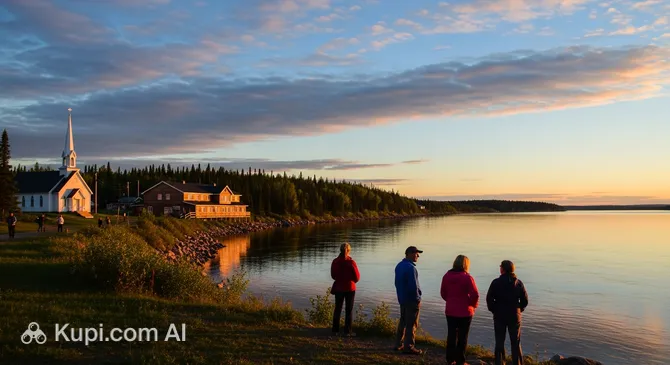
Waskaganish. Source: Kupi.Binoculars

Nature enthusiasts will be drawn to the majestic Rupert River, which is famous for its powerful rapids and exceptional fishing opportunities. One of the most significant cultural and natural landmarks is Smokey Hill, a traditional fishing spot that has been used by the Cree people for generations. Here, visitors can often observe traditional dip-net fishing and learn about the deep connection the locals have with the land and water.

Whether you are interested in exploring the origins of the fur trade or simply want to immerse yourself in the tranquility of the northern wilderness, Waskaganish is a remarkable place to visit. We invite you to discover the rich culture, breathtaking landscapes, and friendly hospitality that make this community a true gem of the North.

Weather Overview

The climate in this region is characterized by significant seasonal contrasts, typical of a subarctic environment. Winters are long and cold, with January being the coldest month, seeing average temperatures around -16.0°C and lows dipping to -19.9°C. If you are visiting during the colder months, from November through March, heavy winter clothing is essential as temperatures consistently remain below freezing.

Summer offers a pleasant change with milder conditions. July is the warmest month, featuring an average temperature of 17.4°C and daily highs that can reach 22.5°C, making it an ideal time for outdoor activities. Generally, you can expect mild to warm summers with frequent precipitation and cold winters. While the total rainfall amount might be low, the number of wet days is consistent year-round, peaking in November with about 19 days of precipitation.

For a more detailed forecast and to help you pack accordingly, we recommend checking the current weather in Waskaganish before your trip.

Interesting Facts

Beyond its scenic river views and welcoming atmosphere, Waskaganish holds a treasure trove of stories that have influenced the history of Canada. From pioneering conservation efforts to ancient traditions that defy time, this community is a living guardian of the North.

  • The "Little House" Etymology: The name "Waskaganish" translates from Cree as "Little House." This is a literal reference to the modest size of the original Charles Fort established in 1668. While the trading post launched a massive commercial era, the Indigenous name persisted, serving as a linguistic reminder of the first small structure that started it all.

  • A Conservation Pioneer: In the 1930s, the region became the site of a groundbreaking environmental rescue. Facing the near-extinction of beavers, the local Cree community partnered with the Watt family to establish the Rupert House Beaver Preserve. This sanctuary successfully restored the population and became a model for wildlife conservation across the continent.

  • The Cisco Run: The rapids at Smokey Hill are ecologically significant for the migration of the sea-run whitefish, known as cisco. The traditional scoop-netting method used here is specifically adapted to harvest this species from the turbulent water. It is a unique seasonal event where knowledge of the fish's behavior is as crucial as the strength required to wield the nets.

  • Oral History Confirmed: For decades, historians debated the exact location of the original 17th-century fort, but Cree Elders had always passed down stories of its specific site. Archaeological excavations eventually proved the Elders right, uncovering artifacts like trade beads and bricks exactly where the oral traditions indicated the "Little House" had stood.

How to Get There

Reaching this remote community requires some planning, as it is situated in the northern wilderness of Quebec. The journey itself is part of the adventure, offering glimpses of the stunning landscapes of the Eeyou Istchee territory. You can find more details on how to get to Waskaganish on our dedicated page, which covers various travel options.

For those looking at air travel options in the wider geographical region, the Moosonee Airport (YMO) is a significant facility located across James Bay in the neighboring province of Ontario. It serves as a regional hub and is situated approximately 131 km from Waskaganish. While geographically close, travelers should be aware of the logistical separation created by the bay.

Other airports in the broader vicinity include the Fort Albany Airport (YFA), located in Fort Albany, roughly 219 km away. Additionally, the Attawapiskat Airport (YAT) serves the area further north, situated approximately 299 km from Waskaganish. These facilities contribute to the air network of the James Bay lowlands.

For clarity, here is a summary of the main airports in the surrounding region:

Airport Name City Distance from Waskaganish
Moosonee Airport Moosonee 131.3 km
Fort Albany Airport Fort Albany 218.8 km
Attawapiskat Airport Attawapiskat 299.2 km

Main Attractions

While Waskaganish is remote, it offers deeply enriching experiences for travelers seeking a connection with nature and history. The attractions here are not typical tourist traps but rather authentic sites of cultural significance and breathtaking natural beauty. Visitors are encouraged to engage with local guides to fully appreciate the stories and traditions behind these landmarks.

The most iconic site in the area is undoubtedly Smokey Hill. Located on the Rupert River, this spot is famous for its turbulent rapids and serves as a traditional gathering place for the Cree people. It is particularly fascinating for tourists because it is one of the few places in the world where you can witness the traditional dip-net fishing method. Watching local fishermen skillfully scoop whitefish from the foaming waters is a mesmerizing cultural spectacle that highlights the community's enduring bond with the river.

The Rupert River itself is a major attraction for outdoor enthusiasts. As one of the largest rivers in Quebec, it offers spectacular scenery and a sense of raw wilderness that is hard to find elsewhere. Visitors can arrange boat tours with local guides to explore the waterways, view the stunning landscapes from a different perspective, and perhaps spot wildlife along the banks. The river is not just a body of water; it is a historic highway that has sustained the region for centuries.

For those interested in local architecture and history, St. Peter’s Anglican Church is a notable landmark within the community. This charming white wooden structure stands as a testament to the town's history since the arrival of missionaries. It is a peaceful site for photography and offers a glimpse into the post-contact history of the settlement. Walking through the community, you will also feel the historical weight of the area, known as the birthplace of the Hudson's Bay Company, where the past and present of the Cree Nation coexist harmoniously.

Local Cuisine

The culinary landscape of Waskaganish is a direct reflection of the community's deep connection to the land and the changing seasons. Rather than a typical commercial restaurant scene, the local cuisine focuses on traditional "country food"—wild game and fish harvested from the surrounding Eeyou Istchee territory. For visitors, this offers a rare chance to taste organic, locally sourced ingredients prepared using methods passed down through generations.

Fish is a dietary staple here, with the Rupert River providing an abundance of whitefish, trout, and sturgeon. A signature delicacy you must try is the smoked whitefish, particularly the cisco caught at the nearby Smokey Hill rapids. Prepared over an open fire in traditional smoking tents, the fish acquires a rich, distinct flavor that is cherished by the locals. Another essential component of any meal is bannock, a dense and comforting fried bread that pairs perfectly with stews or is simply enjoyed with jam made from local cloudberries or blueberries.

Meat dishes often feature wild game, which varies by season. During the spring and autumn, the community observes the "Goose Break," a cultural holiday centered around the goose hunt. Consequently, roasted goose is a celebrated dish, often served during community feasts. Moose and caribou are also common, typically prepared as hearty soups or roasts that provide warmth and sustenance during the colder months.

When it comes to beverages, the culture is centered around warmth and hospitality. Tea is the universal drink of choice, often brewed strong and enjoyed throughout the day, whether in a modern kitchen or out at a bush camp. It is the standard gesture of welcome offered to guests. Visitors should note that while regulations regarding alcohol have evolved, the focus in Waskaganish remains on social gatherings where food and conversation take center stage, rather than a nightlife-oriented drinking culture.

For tourists looking to dine out, options are generally limited to the dining facilities within local accommodations, such as the restaurant at the Kanio Kashee Lodge, which serves a mix of standard Canadian fare and traditional dishes. However, the most authentic gastronomic experiences are found at community gatherings, cultural festivals, or traditional feasts. If you are fortunate enough to visit during a public celebration, you will likely be welcomed to share in a communal meal, which is the true heart of the Waskaganish food scene.

Travel Tips

Planning a trip to Waskaganish requires a bit more preparation than the average vacation, as visiting a remote northern community comes with its own set of unique considerations. To help you make the most of your adventure in Eeyou Istchee, here are some practical tips to ensure a safe, respectful, and enjoyable experience.

  1. Clothing and Gear: The weather in James Bay can be unpredictable. In summer, the days are mild, but evenings can be cool, so layering is key. A high-quality insect repellent is absolutely essential during the warmer months to ward off black flies and mosquitoes. If you are visiting in winter, you must bring heavy-duty thermal clothing, a parka, insulated boots, and windproof accessories, as temperatures drop severely.
  2. Transportation: Waskaganish is a small, walkable community, and most key locations like the lodge, the Northern Store, and the riverfront are within walking distance of each other. There is no public transit system, metro, or car rental agency within the village. If you arrive by air, arrange your transfer from the airport to your accommodation in advance with your lodge or a local host.
  3. Finances: The local currency is the Canadian Dollar (CAD). While credit and debit cards are generally accepted at the main store and the lodge, it is highly recommended to carry cash. You will likely need cash for purchasing traditional crafts from local artisans or for small convenience items. There is usually an ATM available at the Northern Store, but it is wise not to rely on it exclusively in case of service interruptions.
  4. Health and Safety: The community is served by a local clinic (CMC) for basic medical needs, but serious emergencies may require medical evacuation by air to a larger city. Ensure your travel insurance covers this. In terms of safety, be mindful of wildlife; black bears can be present in the area, so keep a safe distance and never feed animals. Always inform someone of your plans if you intend to hike or go out on the river.
  5. Communication: Cree is the primary language spoken by residents, but English is widely spoken and understood throughout the community. French is also spoken by some, but English is the common bridge language for visitors. Cell phone coverage can be limited to major national carriers (often Bell or networks sharing their towers), so check your provider's coverage map before departure. Wi-Fi is typically available at the lodge.
  6. Local Etiquette: Waskaganish is a tight-knit community with deep respect for tradition and Elders. Always ask for permission before taking photographs of local residents, their children, or their property. If you are invited to a cultural gathering, observe and follow the lead of the locals. A friendly handshake and a smile go a long way in establishing a connection.
  7. Alcohol Regulations: Be aware that many Cree communities have strict bylaws regarding the possession and consumption of alcohol to promote community wellness. Waskaganish has historically been a "dry" community or has had strict limits. It is crucial to verify the current regulations before attempting to bring any alcohol into the village to avoid legal issues and to show respect for local laws.
  8. Sunday Closures: Life moves at a different pace here, and Sunday is traditionally a day of rest and church services. Expect the local store and other services to have reduced hours or be closed entirely. Plan your shopping for food or supplies on Saturday to avoid being caught without essentials.

By keeping these tips in mind, you will be well-equipped to navigate the logistics of northern travel and focus on what truly matters: the stunning landscape and the warm hospitality of the Cree people. Enjoy your journey to the edge of the bay!

Entertainment & Nightlife

Entertainment and nightlife in Waskaganish differ significantly from the bustling urban scenes found in southern cities. As a remote Cree community with a deep respect for tradition and a focus on wellness, you will not find nightclubs, discos, or a district lined with bars here. Instead, the evening atmosphere is defined by tranquility, community connection, and the breathtaking beauty of the natural world. The "nightlife" is often provided by the sky itself, with the Aurora Borealis (Northern Lights) frequently putting on a spectacular display of dancing green and purple lights that rivals any laser show.

Social life in the evenings tends to revolve around community facilities and organized events rather than commercial entertainment venues. The Kanio Kashee Lodge is the central hub for visitors. Its dining room serves as the main social gathering spot where you can enjoy a warm meal and conversation in a relaxed setting. It is the closest experience to a night out dining, offering a chance to meet locals and other travelers. Note that the kitchen typically closes earlier than restaurants in big cities, so it is wise to plan your dinner for the early evening.

Another focal point for evening activity is the Charles Hester Arena. In the winter months, hockey is more than just a sport here; it is a passion that unites the village. Attending a local game or tournament is one of the best ways to immerse yourself in the community spirit. The atmosphere is energetic and welcoming, offering a genuine slice of life in Eeyou Istchee. Community bingo nights and feasts at the gathering hall are also common evening pastimes that visitors may be lucky enough to witness.

Travelers must be aware that Waskaganish is a community with very strict regulations regarding the sale and consumption of alcohol. There are no liquor stores, pubs, or cocktail bars. The culture emphasizes sobriety and family values, so visitors should not expect to find places to drink. The best advice is to embrace the peacefulness of the evening, perhaps with a thermos of hot tea while stargazing by the river, where the lack of light pollution offers a view of the cosmos that is simply unforgettable.

Getting around at night is generally done on foot or by local taxi services. The community is small, and most key locations are within walking distance. However, safety in this northern context involves being mindful of the environment. While the streets are safe from a crime perspective, the presence of wildlife, such as black bears, is a reality, even on the outskirts of town. It is advisable to walk in groups and stay in well-lit areas. If you need a ride, local taxi dispatch numbers are usually posted at the lodge or the Northern Store.

During the daylight hours, entertainment shifts towards cultural and outdoor exploration. Visitors can spend time learning about the region's heritage at the local cultural centre or simply enjoying the outdoors. While there are no amusement parks or large theaters, the cultural department often organizes activities that offer deep insights into the archaeology and history of the area, making it a fascinating experience before the sun goes down.

Parks & Museums

Exploration in Waskaganish offers a different perspective on parks and museums compared to urban centers. Here, the "parks" are vast, untamed expanses of subarctic wilderness, and the "museums" are living institutions dedicated to preserving thousands of years of Cree history and the legacy of the fur trade. The community invites visitors to experience culture and nature not through glass cases or fenced gardens, but through direct engagement with the land and its people.

The most significant natural area is Smokey Hill (Namiska), located just up the river from the main village. While not a manicured city park, this site is the cultural heart of the community and a spectacular natural landmark. It features viewing areas overlooking the turbulent rapids of the Rupert River. Tourists visit to witness the raw power of the water and to observe the traditional dip-net fishing practiced by local families. It is a place where the natural landscape serves as a classroom for cultural education and a sanctuary for biodiversity.

For those seeking a scenic walk, the banks of the Rupert River serve as the community's primary green space. Walking along the shoreline offers uninterrupted views of the water meeting James Bay, particularly stunning during sunset. In the winter, the landscape transforms into a vast playground for snowshoeing and cross-country skiing, with trails often forged by locals heading out onto the land. The connection to the water is immediate and profound, offering a peaceful retreat for nature lovers.

In terms of cultural preservation, the Waskaganish Cultural Centre acts as the custodian of the region's rich heritage. This facility plays a pivotal role in managing the archaeological history of the area, specifically the artifacts recovered from the site of Fort Charles. Visitors can learn about the excavations that confirmed Waskaganish as the site of the first Hudson’s Bay Company trading post established in 1668. The centre often displays beadwork, traditional tools, and items that tell the story of the first contact between the Cree and Europeans.

Another key site reflecting the town's history is St. Peter’s Anglican Church. While it functions as a place of worship, it stands as a historical monument to the missionary era of the James Bay coast. The simple yet elegant architecture of the church, set against the backdrop of the northern sky, makes it a focal point for the community. Inside, the atmosphere reflects the blending of Anglican traditions with Cree spirituality, offering a quiet space for reflection on the community's journey through the centuries.

For a truly authentic experience, keep an eye out for local artisans working from their homes or small workshops. Waskaganish is renowned for its tamarack twig decoys, a traditional craft where artists weave distinctively shaped birds from the branches of the tamarack tree. These beautiful sculptures are not only artistic masterpieces but also functional tools used in hunting, representing a perfect marriage of art, culture, and survival skills that you won't find in a standard gallery.

Getting Around

Navigating Waskaganish offers a refreshing change of pace from the complex logistics of major urban centers. As a small, remote community with a population of approximately 2,000 people, there is no formal public transport infrastructure such as a metro, tram, or municipal bus system. The village is compact and designed on a human scale, meaning that getting around is straightforward and often involves personal interaction rather than automated ticket machines or schedules.

For visitors without a personal vehicle, local taxi services are the primary means of motorized transport. Unlike in large cities where you might hail a cab on the street, here you typically need to call a dispatch number to arrange a pick-up. These taxis act as a vital link within the community, especially for transporting luggage from the airport or traveling during the colder months. Since there are no travel passes, smart cards, or transport apps, payment is almost exclusively made in cash. Fares are generally fixed or zone-based within the village, but it is always wise to confirm the price with the driver before starting your journey.

Walking is frequently the most practical and enjoyable way to explore the area. Most key amenities, including the Kanio Kashee Lodge, the Northern Store, and the cultural centre, are located within reasonable walking distance of one another. Strolling through the community allows you to take in the views of the Rupert River and experience the local atmosphere up close. However, tourists should be mindful of the season; while walking is pleasant in the summer, the extreme winter cold makes booking a taxi or arranging a ride with your host a safety necessity rather than just a convenience.

Regarding alternatives, services like Uber, car-sharing platforms, or commercial bike rentals do not operate in this region. If you are arriving by air, it is highly recommended to coordinate your arrival transfer with your accommodation provider in advance, as there are no shuttle buses waiting at the terminal. The transport system here relies on community connection and simplicity, so keeping a few local taxi numbers saved in your phone and carrying small bills for fare will ensure you can navigate the village with ease.

Accommodation

Accommodation in Waskaganish is quite different from what you might expect in a typical tourist destination. Due to its remote location and small population, the range of lodging options is very limited. You will not find international hotel chains, sprawling luxury resorts, or budget youth hostels here. Instead, accommodation is functional, community-oriented, and designed to provide a comfortable base for those visiting for business or cultural tourism.

The primary place to stay is the Kanio Kashee Lodge. Located centrally in the village, this facility serves as the hospitality hub for the entire community. It offers standard hotel-style rooms that are clean, warm, and equipped with essential amenities such as private bathrooms, cable television, and Wi-Fi. The lodge is more than just a place to sleep; it also houses a restaurant and conference facilities, making it the main meeting point for visitors and locals alike. Its central location means you are within walking distance of the Rupert River and the Northern Store.

When planning your stay, it is crucial to understand that availability can be tight. Because there is essentially only one main provider for accommodation, rooms can fill up quickly, especially when there are construction projects, government meetings, or community events taking place. Booking in advance is not just a recommendation; it is a necessity to ensure you have a guaranteed place to sleep upon arrival.

Regarding costs, prices are generally in the mid-range category. Rates reflect the higher operational costs associated with running a facility in the North. Booking is typically done directly with the lodge via phone or email, as you may not find them listed on major global booking platforms. Travelers should also confirm payment methods in advance, though credit cards are generally accepted at the lodge.

Nearby Cities

Due to the remote location of Waskaganish on the shores of James Bay, the concept of a "nearby" city is relative. The community is situated deep within the Eeyou Istchee territory, far removed from the densely populated southern regions of Quebec. The closest major urban centers act primarily as gateways for travelers entering or leaving the James Bay region, often requiring significant travel time by road or air to reach.

The nearest significant town is Amos, located approximately 327 km to the south. Known as the "Cradle of the Abitibi," it often serves as a key transit point for those driving up the James Bay Road. Further south lies Rouyn-Noranda, a major regional hub about 361 km away, which offers more extensive services, shopping, and transportation connections, including a regional airport.

Travelers may also look towards the neighboring province of Ontario for other regional centers. Kapuskasing is situated roughly 348 km to the southwest, while the larger city of Timmins is about 382 km away. To the southeast, in the Lac-Saint-Jean region, Dolbeau-Mistassini offers another connection point to civilization, though the route involves navigating the vast northern forestry roads.

Here is a summary of the closest cities to Waskaganish, highlighting the vast distances characteristic of this northern region:

City Population Distance
Amos 12,823 327 km
Kapuskasing 8,000 348 km
Rouyn-Noranda 42,334 361 km
Dolbeau-Mistassini 14,250 362 km
Timmins 41,788 382 km

Shopping & Souvenirs

Shopping in Waskaganish is a unique experience that differs greatly from the retail therapy found in large urban centers. As a remote northern community, the town does not feature shopping malls, boutiques, or commercial districts. Instead, the shopping scene is focused on essential goods required for daily life in the subarctic and the incredible artistic output of the local Cree artisans. For visitors, this is an opportunity to purchase authentic cultural items directly from the source rather than browsing through mass-produced souvenirs.

The primary commercial hub of the community is the Northern Store. In many ways, this facility acts as the village's "shopping mall," department store, and grocery market all rolled into one. Here, you can find a wide range of products, including fresh food, outdoor clothing, hardware, electronics, and household goods. It is the lifeline for residents and the go-to spot for travelers needing to restock supplies, buy snacks, or purchase warm gear suitable for the local weather.

While there are no formal flea markets or souvenir shops, the Waskaganish Cultural Centre often serves as a focal point for purchasing local goods. It frequently showcases the work of local artists and can connect visitors with community members who have items for sale. Occasionally, during community festivals or special events, you may find pop-up craft tables or small markets where residents sell homemade food, traditional bannock, and handmade crafts.

The most sought-after souvenir from Waskaganish is undoubtedly the tamarack twig decoy, known locally as ka-che-pway-yos. Waskaganish is renowned as the home of this traditional craft, where artisans weave distinctively shaped geese and other birds from the aromatic branches of the tamarack tree. These decoys are not just beautiful sculptures; they are historically significant tools used in the goose hunt. Bringing one home is a way to own a piece of Cree heritage. Other popular items include intricate beadwork, handmade moccasins using moose hide, and carvings.

When planning to shop, it is important to note that opening hours are generally limited compared to southern cities. The Northern Store is typically open daily, but hours may be reduced on weekends, and it is often closed or has very short hours on Sundays. Smaller convenience stores, if available, follow similar patterns.

Regarding payment, the Northern Store and the lodge accept major credit and debit cards. However, if you intend to purchase arts and crafts directly from local artisans or buy food at a community event, cash is essential. Many local creators do not have electronic payment terminals. It is advisable to withdraw sufficient cash from the ATM at the Northern Store before heading out to visit an artist or attend a local gathering.

Reached the end of the page?

That means the route is fully explored