Support

Fort Albany

About

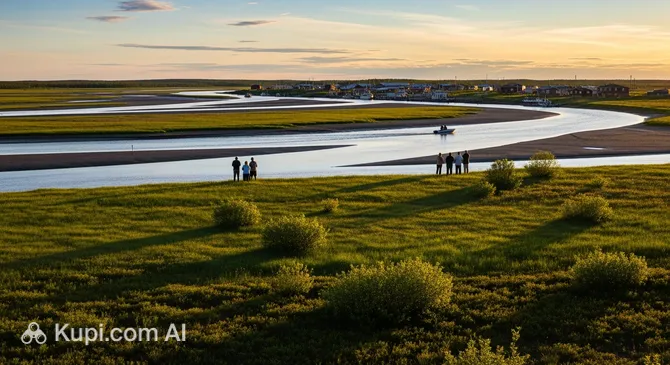
Fort Albany. Source: Kupi.Binoculars

Nestled along the southern bank of the Albany River, Fort Albany is a historic and culturally rich community in Northern Ontario. This unique destination offers travelers a glimpse into the remote beauty of Canada, far removed from the hustle and bustle of major urban centers. With a population of approximately 870 residents, it is a tight-knit First Nations community that welcomes visitors looking to experience the authentic lifestyle of the James Bay lowlands.

The settlement holds a significant place in the region's past, originally established as one of the oldest fur trading posts in the province. Exploring the history of Fort Albany reveals a fascinating timeline connecting the Hudson's Bay Company era with the enduring traditions of the local Cree people. Today, the area is accessible primarily by air or via a seasonal winter road, adding to its allure as an exclusive adventure for intrepid travelers.

Visitors to Fort Albany are treated to pristine wilderness that is perfect for outdoor enthusiasts. The majestic Albany River provides excellent opportunities for fishing and boating, while the surrounding landscape transforms into a snowy wonderland in winter, ideal for snowmobiling. For those seeking a connection with nature and indigenous culture, a trip to Fort Albany promises an unforgettable and serene experience under the vast northern skies.

Weather Overview

The climate in this northern community is characterized by significant seasonal contrast, offering distinct experiences depending on when you visit. Winters are long and cold, with average temperatures in January dropping to -17.5°C and lows often reaching beyond -21°C. In contrast, the summer months bring milder weather, with July being the warmest time of year, featuring average highs of around 21.7°C.

Precipitation is generally light in volume but frequent throughout the year, with wet days ranging from 7 to 13 days per month. Travelers should expect pleasant, cool summers with occasional light rain and very cold, dry winters ideal for snow-based activities. To pack appropriately for your trip, it is best to review the current weather in Fort Albany closer to your departure date.

Interesting Facts

Beyond the main attractions, Fort Albany holds many fascinating secrets that highlight its deep historical roots and unique geography. This remote community is defined by a resilience and way of life that has adapted to the challenging northern environment over centuries.

  • The settlement is recognized as one of the oldest permanent establishments in Ontario. Founded around 1679, it served as a critical hub for the Hudson's Bay Company and was a site of intense historical rivalry between English and French traders long before the formation of modern Canada.

  • The community was not always located at its current site on the mainland. For much of its history, the trading post and homes were situated on Albany Island in the river delta, but the entire town was eventually relocated to the southern bank to escape the persistent threat of spring ice jams and flooding.

  • While the town is accessible only by air for most of the year, the landscape undergoes a dramatic transformation in winter. A temporary winter road is constructed over the frozen muskeg and waterways, creating a seasonal lifeline that connects the community to the provincial highway system and the rest of the province.

  • Fort Albany is a stronghold for the Mushkegowuk Cree language. Unlike in many areas where native dialects have declined, the language remains vibrant and is spoken fluently by a large portion of the population, preserving cultural traditions that have existed in the James Bay lowlands for millennia.

How to Get There

Reaching this remote destination in Northern Ontario is an adventure in itself, as the community is primarily accessible by air. For travelers planning their journey, you can find more about how to get to Fort Albany and the specific logistics required for this northern expedition. Due to its isolated location, there are no all-season roads connecting the town to the rest of the province, making flight planning essential.

The most direct point of entry is the local Fort Albany (YFA) airport. This facility serves as the community's main lifeline, welcoming scheduled flights from regional hubs. The airport is located approximately 11.9 km from the center of the settlement. Upon arrival, the transfer to the main town area typically takes about 40 minutes by local taxi or shuttle, depending on road conditions. It is a small regional facility, so services may be limited compared to larger urban airports.

Most visitors will connect through Moosonee (YMO), which acts as a major transportation hub for the James Bay coast. Situated in the city of Moosonee, roughly 137 km from Fort Albany, this airport handles a higher volume of passengers and connects the region to cities further south like Timmins. Since there is no summer road access between Moosonee and Fort Albany, travelers must catch a connecting flight from here to reach their final destination.

For clarity, here is a summary of the main airports:

Airport Name City Passenger Traffic Km from City
Fort Albany Fort Albany 11.9
Attawapiskat Attawapiskat Small 84.0
Moosonee Moosonee Small 136.8

The city of Fort Albany does not have a railway station, and direct rail access is not available to the community. However, adventurous travelers often take the famous Polar Bear Express train, which runs from Cochrane to Moosonee. Once in Moosonee, you can transfer to a flight to complete the final leg of the journey to Fort Albany. This combination of rail and air travel is a popular route for those wishing to experience the diverse landscapes of Northern Ontario.

Main Attractions

Old Fort Albany is a site of immense historical significance, offering a window into the early days of the fur trade in North America. Established in the late 17th century by the Hudson's Bay Company, this post was once a bustling hub of commerce and a focal point of rivalry between English and French traders. Today, the archaeological remains located on the nearby islands serve as a silent testament to this turbulent past. For history enthusiasts, visiting the area provides a rare opportunity to stand on ground that played a pivotal role in the development of the region centuries ago.

The majestic Albany River is the lifeblood of the community and a primary attraction for outdoor lovers. As one of the longest rivers in Northern Ontario, it winds through the rugged Canadian Shield and offers exceptional opportunities for fishing and boating. Anglers can cast their lines for walleye and northern pike in its pristine waters, while canoeists can navigate its historic routes. In the winter months, the frozen river transforms into a vast thoroughfare for snowmobiles, allowing visitors to experience the landscape in a completely different but equally breathtaking way.

For those seeking a true wilderness adventure, the Albany River Provincial Park is a must-mention feature of the broader region. Although it is a backcountry park with no visitor facilities, it protects a substantial stretch of the river and offers unparalleled solitude for experienced canoeists and campers. The park features a dramatic landscape of granite outcrops and boreal forest, making it an ideal destination for intrepid travelers looking to disconnect from the modern world and immerse themselves in the raw beauty of the northern taiga.

Exploring the local culture and natural phenomena is also a highlight of a trip to Fort Albany. The community is situated in a prime location for viewing the Northern Lights (Aurora Borealis), which frequently dance across the expansive dark skies during the colder months. Additionally, visitors can experience the warm hospitality of the local Cree residents, gaining insight into a way of life that has harmonized with this challenging yet stunning environment for generations.

Local Cuisine

The culinary landscape of Fort Albany is defined not by a bustling restaurant scene, but by the enduring traditions of the Mushkegowuk Cree people and their deep connection to the land. In this remote part of Canada, the local diet is heavily influenced by the seasons and the availability of "country food"—wild game and fish harvested from the surrounding wilderness. For the adventurous traveler, tasting these traditional foods offers a rare and authentic glimpse into the subsistence lifestyle of the James Bay lowlands.

At the heart of the local cuisine is wild game, with Canada goose being a revered staple, particularly during the spring and fall migrations. It is often roasted over an open fire or prepared in rich soups. Moose meat is another common source of protein, served in everything from hearty stews to dried strips. The Albany River provides an abundance of fresh fish, with walleye (pickerel) and whitefish being local favorites. These are typically pan-fried or smoked, offering a fresh and smoky flavor profile that is unique to the north.

Accompanying almost every meal is bannock, a dense and satisfying traditional bread that is a comfort food staple across Northern Ontario. Whether baked or fried, it is best enjoyed warm, perhaps topped with jam made from local wild berries such as cloudberries or high bush cranberries. To combat the subarctic cold, hot tea is the ubiquitous drink of choice, shared freely in homes and at gatherings. Visitors should be aware that alcohol availability may be restricted in the community, and tea or coffee are the standard social beverages.

Travelers should not expect a typical array of cafes or dining establishments in Fort Albany. The community relies primarily on the local Northern Store for imported groceries and quick snacks, as the high cost of shipping makes fresh commercial produce a luxury. The true culinary culture is found in the homes of residents and at community feasts. These gatherings are central to social life, where the catch of the day is shared communally, reflecting the generous hospitality that defines this tight-knit First Nations community.

Travel Tips

Visiting Fort Albany is a unique adventure into the heart of the James Bay lowlands, requiring careful planning due to its remote location and distinct northern environment. To help you make the most of your journey to this isolated community, here are some essential practical tips to ensure a safe and respectful experience.

  1. Clothing and Gear: The weather dictates your wardrobe here. In winter, you need extreme cold weather gear, including a heavy parka, insulated boots, and thermal layers to withstand temperatures below -30°C. In summer, while temperatures are milder, the most critical item is heavy-duty insect repellent and a bug jacket; the muskeg terrain breeds swarms of blackflies and mosquitoes that can be overwhelming without protection.

  2. Transportation: There is no public transit, metro, or ride-sharing service like Uber in Fort Albany. The community is small enough to walk, but locals primarily get around using pickup trucks, ATVs, or snowmobiles depending on the season. It is vital to arrange airport transfers and local transport with your host or lodge beforehand, as you cannot simply hail a taxi upon arrival.

  3. Finances: The Canadian Dollar (CAD) is the currency. The local Northern Store accepts credit and debit cards, but systems can occasionally go down due to connectivity issues. It is highly recommended to bring enough cash for the duration of your trip, especially if you plan to buy traditional crafts from local artisans or pay for informal rides/guiding services.

  4. Health and Safety: Medical facilities are limited to a local nursing station for basic care; serious emergencies require a medical evacuation flight to a hospital in a larger city. Bring a full supply of any prescription medications you need, as there is no commercial pharmacy. Always pack a personal first-aid kit.

  5. Communication: English is widely spoken, though many residents also speak Cree. Cell phone service is available within the community (typically via major providers like Bell or Rogers), but signals drop off quickly once you leave the town center. Wi-Fi is often available at community buildings or the Northern Store, but speeds may be slower than what you are used to.

  6. Local Etiquette: The community is tight-knit and values respect. A friendly handshake and a smile go a long way. It is customary to show deference to Elders; let them speak first and listen attentively. Always ask for explicit permission before taking photographs of people, their homes, or cultural activities.

  7. What to Avoid: Do not attempt to explore the surrounding wilderness alone without a local guide. The terrain is rugged, weather can change rapidly, and wildlife such as black bears and polar bears (closer to the coast) pose real risks. Additionally, be very careful regarding alcohol; many northern communities have strict regulations or are "dry/damp," so check the specific rules before attempting to bring any in.

  8. Shopping Tip: The Northern Store is the commercial hub of the town, selling everything from groceries to hardware. Be prepared for significantly higher prices than in southern Canada due to the cost of air freight. If you have specific dietary needs, it is best to pack those items in your luggage.

By preparing for the elements and respecting the local way of life, your visit to Fort Albany will be a rewarding exploration of Northern Ontario's heritage. Embrace the slower pace, connect with the welcoming locals, and enjoy the unparalleled beauty of the subarctic landscape.

Entertainment & Nightlife

Travelers planning a visit to Fort Albany should adjust their expectations regarding nightlife. Unlike the bustling cities of southern Canada, this remote First Nations community does not have a district filled with nightclubs, cocktail bars, or late-night discos. The "nightlife" here is defined by the rhythm of the community and the spectacular natural environment rather than commercial entertainment venues. Evenings are typically quiet, spent with family, or centered around community gatherings.

The primary form of evening entertainment in Fort Albany is provided by nature itself. Located in the James Bay lowlands, the community offers front-row seats to the Aurora Borealis (Northern Lights). On clear, dark nights, especially in winter, the sky comes alive with dancing ribbons of green and violet light. This natural light show surpasses any club atmosphere and is a major draw for visitors. The best "venue" for this is simply stepping outside away from the streetlights, perhaps near the riverbank, though caution regarding wildlife is always necessary.

Social life in the community often revolves around the Community Hall or the local recreation centre. These facilities serve as the hub for social gatherings, feasts, and the ever-popular bingo nights, which are a staple of entertainment in many northern communities. While not a bar, the hall is where the energy of the town is most palpable in the evenings. Visitors might also find activity at the local Ice Arena during hockey season, where residents gather to cheer on local teams. It is a wholesome, energetic atmosphere that welcomes respectful spectators.

It is important to note that access to alcohol is restricted. Fort Albany is generally a "dry" or restricted community, meaning there are no liquor stores or bars where you can purchase a drink. Public consumption of alcohol is not part of the local culture, and travelers should respect these regulations strictly. Instead of a pub crawl, a typical night might involve a warm cup of tea and storytelling with locals, or grabbing snacks from the Northern Store before it closes to enjoy a quiet evening in your accommodations.

For daytime entertainment, the focus remains on the outdoors and cultural appreciation. Visitors can explore the rugged landscape, go fishing on the Albany River, or visit the site of the historic Hudson's Bay Company post. While there are no amusement parks or large museums, the cultural richness of the area serves as a living museum. In the evenings, safety is paramount; the streets are unlit in many areas, and the presence of wildlife, including black bears and occasionally polar bears, means that walking alone at night is strongly discouraged. Always use a vehicle or arrange a ride with a local guide if you need to travel after dark.

Parks & Museums

Unlike the manicured gardens and curatorial halls of major urban centers, the "parks" and "museums" of Fort Albany are defined by the raw, unpolished beauty of the Northern Ontario wilderness and the living history of its people. Here, the land itself serves as a vast natural reserve, while the cultural heritage is preserved not in glass cases, but in the archaeological remains of the fur trade and the enduring traditions of the local community.

For those seeking immersion in nature, the Albany River Provincial Park is the region's premier protected area. Stretching west from the community, this waterway park encompasses a significant portion of the river and its banks. It is a destination for experienced adventurers, offering a rugged landscape of boreal forest and granite outcrops. The park is less about picnic benches and playgrounds, and more about untouched wilderness where visitors can canoe historic routes and observe wildlife in its natural habitat.

Closer to the settlement, the banks of the Albany River function as the community's central recreational space. While not a formal municipal park, the riverfront is the heart of local activity. In the summer, the grassy verges and shorelines offer spots for fishing and watching the sunset over the water. In winter, the frozen river effectively becomes a vast, open-air playground for snowmobiling and ice fishing, serving as a seasonal "park" that connects the community with the land.

In terms of history, Old Fort Albany stands as the most significant cultural site, effectively functioning as an open-air archaeological museum. Located on nearby islands in the river delta, these ruins mark the site of one of the oldest Hudson's Bay Company posts. Although there is no visitor center with ticketed entry, the site allows travelers to walk on ground that was pivotal to the 17th-century fur trade rivalry between the English and French. It is a place of quiet reflection on the colonial history of Canada.

Architectural heritage can be found in the community's religious structures, such as the local Catholic Mission church. These buildings have historically served as gathering points and landmarks within the settlement. While they are active places of worship rather than museums, their architecture and presence tell the story of the missionary era in the James Bay lowlands. Visitors interested in local history often find the design and resilience of these structures to be a testament to the community's past.

For a deeper understanding of the local culture, the Peetabeck Academy and local community centers often act as informal cultural venues. During community events or feasts, these spaces showcase the artistic heritage of the Mushkegowuk Cree, from intricate beadwork to tamarack geese decoys. These are not static exhibits; they are vibrant displays of a culture that continues to thrive.

Insider Tip: For a truly unique "gallery" experience, look to the sky. The lack of light pollution makes the area around Fort Albany a world-class location for viewing the aurora borealis. Ask a local guide to take you a short distance from the town lights on a clear winter night; the celestial display is far more moving than any planetarium show.

Getting Around

Travelers visiting Fort Albany should be aware that the community does not possess a formal public transport system. There are no subways, trams, municipal buses, or trolleybuses operating within the settlement. The infrastructure is designed for a small, remote population, meaning the complex transit networks found in major cities are entirely absent here. Visitors should not expect to find bus stops, ticket machines, or transport maps.

The primary method of hired transport within the community consists of local taxi services. These are typically informal operations run by residents using private vehicles, usually pickup trucks or SUVs, which are well-suited to the rugged local roads. There are no ride-sharing apps like Uber or Lyft available. To secure a ride, you generally need to have the phone number of a local driver or ask your accommodation host to arrange a transfer for you, especially upon arrival at the airport.

Regarding payment, cash is the absolute standard. There are no electronic travel cards, passes, or tap-to-pay systems for transport. Fares are usually a flat rate per person or per trip within the town limits. It is highly recommended to carry sufficient small bills, as drivers may not always have change for large denominations, and credit card terminals in vehicles are virtually non-existent.

A unique feature of transport in this region is its heavy reliance on seasonal vehicles. During the summer months, ATVs (All-Terrain Vehicles) are a common sight and a popular way for locals to navigate the terrain. In the winter, when snow covers the ground for months, snowmobiles become the dominant form of transportation, effectively replacing cars for many daily tasks. While tourists typically do not rent these for simple point-to-point travel, they are integral to the local way of life.

For those staying within the main community area, walking is a viable option, as the settlement is compact. However, practical advice dictates that you must dress appropriately for the weather, particularly in winter when temperatures drop drastically. If you plan to travel between the town and the airport or explore areas further afield, arranging a taxi in advance is essential, as you cannot simply hail a vehicle on the street.

Accommodation

Accommodation in Fort Albany is quite different from what travelers might expect in more populated southern regions. Due to its remote location in the James Bay lowlands, the community does not host major international hotel chains, luxury resorts, or sprawling motel complexes. Instead, the options are limited, functional, and primarily designed to serve visiting professionals, contractors, and government workers. Tourists will typically find lodging in the form of a community-run hotel or small bed-and-breakfast style facilities that offer a warm, albeit rustic, welcome.

The main accommodation facilities are generally situated within the heart of the community, offering convenient access to essential services like the Northern Store, the nursing station, and the airport. Since the town is compact, staying centrally means you are never far from the Albany River or the local administrative buildings. The "downtown" area is not a bustling district but rather a cluster of homes and services where the community's daily life unfolds, making any location relatively convenient for getting around.

Travelers should be aware that booking accommodation here requires a proactive approach. Unlike in major cities, you cannot rely on global online booking platforms or apps to secure a room. Most facilities do not have a digital presence on sites like Expedia or Booking.com. The most effective way to reserve a place to stay is to contact the local establishment or the Band Office directly by telephone. It is highly recommended to book well in advance, as the limited number of rooms can fill up quickly with visiting workers, especially during the winter road season or community events.

Regarding costs, visitors should anticipate prices that are in the mid-to-high range, often comparable to or higher than hotels in larger cities. This reflects the high cost of operating and maintaining facilities in a remote fly-in community. Payment methods can also be limited; while some places may accept credit cards, systems can be unreliable due to internet connectivity. It is a smart travel tip to confirm payment options when booking and to carry sufficient cash as a backup to ensure a smooth check-in experience.

Nearby Cities

Given the remote location of Fort Albany on the James Bay coast, the surrounding "nearby" cities function primarily as essential regional hubs rather than day-trip destinations. These communities are vital connecting points for air travel and winter road logistics, bridging the gap between the isolated north and the rest of the province.

As the major urban center for the region, Timmins serves as the main gateway for flights and supplies heading to the coast. It offers a mix of modern amenities and mining history that contrasts with the wilderness of the lowlands. Kapuskasing, known as the "Model Town of the North," is another key location, particularly significant for its role in the railway and forestry industries.

Travelers exploring the broader geography of Northern Ontario may also pass through Kirkland Lake, which sits on the famous "Mile of Gold." Additionally, communities like Geraldton and La Sarre act as distant but important markers in the vast network of northern settlements.

City Population Distance (km)
Timmins 41788 427
Kapuskasing 8000 325
Kirkland Lake 7645 478
Geraldton 20000 465
La Sarre 7700 429

These destinations provide the necessary infrastructure and services that support travel into the remote reaches of the James Bay lowlands.

Shopping & Souvenirs

Shopping in Fort Albany is a strictly utilitarian experience, quite unlike the retail therapy found in larger Canadian cities. As a remote fly-in community with a small population, the town does not possess commercial shopping districts, boutiques, or luxury outlets. Instead, the local retail scene is focused entirely on providing essential goods to residents, ranging from groceries and clothing to outdoor gear and hardware. For visitors, the "shopping" experience is less about browsing for fashion and more about observing the logistics of life in the north or finding rare, handmade indigenous crafts.

The primary and essentially sole "shopping district" is the central area of the community where the Northern Store is located. This general store serves as the lifeline for the settlement, functioning as a grocery store, department store, and pharmacy all rolled into one. Here, you can find everything from fresh produce (flown in at a premium) to winter parkas and snowmobiles. It is the hub of daily commerce and the only place where visitors can purchase supplies, snacks, or personal items during their stay.

Travelers should be aware that there are no shopping malls in Fort Albany. The infrastructure is not designed to support large commercial centers. The retail landscape is purely functional, designed to meet the survival and daily needs of the community in a subarctic environment. Those accustomed to wandering through shopping centers will find the single general store to be a stark but fascinating contrast.

While there are no permanent public markets, the community is rich in artistic talent. "Markets" here are often informal and event-based. During community feasts, gatherings at the hall, or special cultural days, local artisans may set up tables to sell their wares. In some cases, purchasing local goods involves being invited to an artisan's home or asking a local guide to connect you with someone who has items for sale. This personal interaction is often the most rewarding way to "shop" in the region.

When it comes to souvenirs, Fort Albany offers the chance to acquire authentic Cree handicrafts that are difficult to find elsewhere. The most iconic item from the James Bay coast is the tamarack goose decoy. These beautiful birds are hand-woven from the twigs of the tamarack (larch) tree and emit a distinct, pleasant wood scent. Other prized items include intricate beadwork, moose hide moccasins, and mittens lined with fur. Buying these items directly supports local artists and preserves traditional skills.

Opening hours for the Northern Store are generally standard, typically opening around 9:00 AM or 10:00 AM and closing by 6:00 PM or 7:00 PM, with reduced hours on weekends. Regarding payment, the store accepts major credit and debit cards. However, due to the remote location, satellite internet connections can sometimes be unstable, causing card terminals to go offline. It is highly recommended to carry sufficient cash (Canadian Dollars) to cover your purchases, especially if you plan to buy crafts directly from locals who likely will not have card readers.

Regarding taxes, visitors should note that the standard Harmonized Sales Tax (HST) of 13% applies to most goods and services in Ontario. Canada does not offer a tax refund program (GST/HST refund) for international visitors on goods bought for export. Therefore, the price you see at the till, plus the applicable tax, is the final price you will pay.
Reached the end of the page?

That means the route is fully explored