Support

Fort Albany

About the Airport

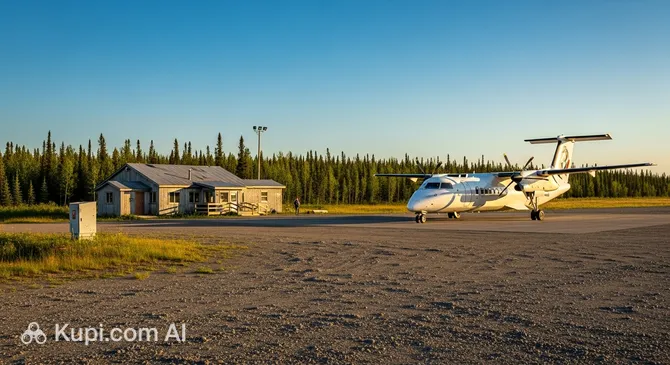
Fort Albany. Illustration.
Source: Kupi.com AI

Fort Albany Airport is not merely a transport hub, but a vital "lifeline" for the First Nation community of the same name in Northern Ontario. Situated amidst the rugged beauty of the James Bay lowlands, this small airfield connects the isolated settlement with the outside world, ensuring the delivery of food and mail. You will not find the hustle and bustle of giant terminals here: passengers are greeted with an atmosphere of northern hospitality and the sense of a true adventure at the edge of civilization.

PropertyValue
IATA CodeYFA
ICAO CodeCYFA
CityFort Albany
CountryCanada
TimezoneAmerica/Toronto
ScheduleOnline Timetable

Despite its modest size, the airport plays a critical role in the region's life, especially during the shoulder seasons when the winter roads (ice roads) are not yet open or have already melted. The runway here is gravel, which requires special skill from pilots and imposes restrictions on the types of aircraft accepted. The terminal is a small building with a basic set of amenities necessary for a short wait for flights to hubs such as Timmins or Moosonee.

Contact Information

  • Official Airport Website: There is no dedicated website. The airport is managed by the Ministry of Transportation of Ontario (MTO); flight information should be verified via the air carriers' resources.
  • Help Desk Phone: +1 705-278-1011 (Airport Administration).
  • Airport Address: General Delivery, Fort Albany, Ontario P0L 1H0, Canada.
  • Email: No official public email address is provided for inquiries. For urgent matters, telephone communication is recommended.
  • Airport Social Media: Official profiles are absent. News can be tracked on the social media pages of the serving airlines.
  • Lost Luggage Information: Airlines handle the search and return of items. Please contact your carrier's representative or call their hotline.
  • Passenger Support Contacts (Airlines):
    • Air Creebec: +1-800-567-6567 (General number)
    • Thunder Airlines: +1-800-464-2799 (General number)

How to Get to the Airport

Transport accessibility to Fort Albany Airport has its own specifics, dictated by the remoteness of the region and the lack of year-round road connections with the rest of the province of Ontario. Since the airport is located just a few kilometres from the main settlement, logistics here are simple but require advance planning.

Public Transport in the conventional sense (scheduled buses, trains, or metro) is absent in Fort Albany. It is a small community where there is no need for a complex route system. The main mode of transport for local residents is personal vehicles (pick-ups, SUVs) and ATVs in summer, as well as snowmobiles during the winter period.

Taxis and Transfers operate on a private arrangement basis. There are no official taxi services with branding or apps like Uber here. Travellers are advised to arrange a meeting with the host party (representatives of the hotel, lodge, or local administration) in advance. Locals often give visitors a lift for a small fee in cash. The trip from the village centre to the terminal takes 5–10 minutes.

Car Rental is unavailable at the airport or in the village itself. There are no counters for international rental agencies here. If you plan to travel via winter roads (when they are open), a vehicle must be rented in larger southern cities, such as Timmins, and driven up yourself, though this requires experience in driving under extreme conditions.

Parking at the Airport consists of an open dirt lot next to the terminal. It is free and not specifically guarded, as the crime rate regarding vehicles is extremely low here. There is usually enough space for everyone.

It is important to note that Fort Albany is part of a network of remote airports along the James Bay coast. Routes here are often built with a transfer through hub centres. For example, the main flow of passengers and cargo goes through Victor M. Power Airport (Timmins), which is located approximately 400 km to the south and serves as the region's main air gateway.

There are also flights connecting the community with neighbouring settlements. The nearest neighbour is Attawapiskat, located less than 100 km away, and Moosonee, which is about 126 km away. These flights are often operated on small turboprop aircraft and may depend on weather conditions.

For further travel across northern Quebec, routes via Kuujjuarapik Airport or Rouyn-Noranda Airport are used, although there are usually no direct flights from Fort Albany to these locations, and a complex connection will be required.

Recommendations for Tourists:

  • Always carry Canadian dollars in small denominations to pay private drivers.
  • In winter (from January to March), a "winter road" operates — a temporary ice road connecting the village to the south. This is the only way to get here by car, but the journey takes many hours and requires preparation.
  • Confirm your transfer when booking accommodation — this is the most reliable way to avoid being left at the closed doors of the terminal.

Terminals and Map

The infrastructure of Fort Albany Airport (YFA) is extremely concise and functional, which fully corresponds to the status of a remote northern airfield. There are no complex diagrams, multi-level crossings, or confusing corridors here. The entire airport complex is represented by one compact passenger terminal. This small single-storey building serves both departing and arriving flights, and also processes cargo shipments, which are vital for supporting the community.

Terminal Layout and Navigation are intuitive at first glance. Upon entering through the main entrance, passengers find themselves in a general hall. The space is zoned logically, but without physical partitions:

  • Check-in Zone: Airline counters (mainly Air Creebec and Thunder Airlines) are located immediately at the entrance. Ticket processing and baggage drop-off take place here.
  • Waiting Area: A small zone with seats for passengers awaiting boarding. Given the region's harsh climate, the room is well-heated to ensure comfort during winter time.
  • Restroom Facilities: The terminal provides basic amenities, including washrooms.

The concept of "transfers between terminals" does not exist here. Departure and Arrival Zones are effectively combined. Access for boarding is through a door leading directly onto the apron. A feature of Fort Albany Airport is the absence of jet bridges and buses: passengers cover the distance from the terminal building to the aircraft on foot across the airfield surface. This requires attentiveness and caution, especially during icy conditions or snowfall.

Processing Time here is minimal compared to major international hubs. Queues are practically non-existent, yet airlines recommend arriving at the airport 45–60 minutes before departure. This time is sufficient to check in and weigh luggage without haste. It is important to remember that on small flights, weight control (for both checked luggage and carry-on) can be stricter due to load limitations of small turboprop aircraft.

Security screening procedures (CATSA) in such small airports are often simplified or absent in the conventional format with full-body scanners, however, airline staff conduct visual checks and document verification. Always keep your identification document at hand.

Recommendations for Navigation and Comfort:

The main advice for tourists is to dress according to the weather. Since boarding takes place outdoors, even a short walk from the warm terminal to the aircraft stairs can be very cold with the wind from James Bay. It is also worth listening carefully to staff announcements: there may be no electronic display boards, and the boarding call is often announced by the voice of an airline employee.

Airport History

The history of Fort Albany Airport (YFA) is inextricably linked with the development of aviation in the remote corners of Canada and the dramatic changes in the life of the local community. Unlike major international hubs, the emergence of this airfield was dictated not by commercial tourism, but by the vital necessity to ensure a stable connection with the "mainland" amidst a harsh climate and the absence of permanent roads.

Before the appearance of modern infrastructure, air communication with Fort Albany was carried out by "bush pilots" — heroic aviators of polar aviation. In the first half of the 20th century, planes landed directly on the water of the Albany River in summer (on floats) or on the ice in winter (on skis). During periods of ice drift and freezing, the settlement found itself completely cut off from the outside world. The construction of a permanent dirt strip became a turning point, allowing wheeled aircraft to be accepted year-round, regardless of the river's condition.

A crucial stage in the airport's history was the relocation of the settlement itself. Historically, the Fort Albany trading post was located on an island, but due to regular floods and the risk of inundation, in the 1970s the community began moving to a new location on the mainland (Sinclair Island). It was during this period that the formation of the modern airport infrastructure began at its current site. The airfield became a key facility for the new village, ensuring the delivery of building materials and equipment for housing construction.

For decades, the facility has been under the management of the Ministry of Transportation of Ontario (MTO). During this time, the airport has undergone several stages of modernization. Initially a simple dirt patch, it was improved to a full-fledged gravel strip capable of accepting turboprop aircraft like the Dash-8 and King Air, which form the backbone of the local airline fleet. A lighting system was installed, allowing flights to be operated during the polar night and in low visibility, significantly increasing flight safety.

Among the interesting facts and achievements of the airport, its role in the Ornge medical evacuation system is worth noting. Thanks to maintaining the runway in operational condition 24/7, air ambulance pilots have saved hundreds of lives by evacuating patients to major hospitals in Timmins and Kingston when minutes mattered. For local residents, this airport is a true record-holder for reliability: staff maintain the runway's working condition even after severe blizzards when winter roads are closed.

Today, Fort Albany Airport remains a witness and participant in preserving the traditional way of life, harmoniously combining modern navigation technologies with the spirit of the wild north. They do not chase passenger traffic numbers here, but take pride in every successfully received flight in conditions where the weather changes every half hour.

Services and Amenities

Given the remoteness and modest size of Fort Albany Airport (YFA), passengers should adjust their expectations regarding the level of service in advance. The terminal is designed to fulfill one main function — to provide a safe and warm shelter before departure. You will not find the luxury of international hubs here, but rather a functional minimalism characteristic of northern outposts.

Dining and Shops

The terminal building lacks full-service cafés, restaurants, or Duty-Free shops. Travellers are strongly advised to:

  • Bring food and drinks with them from the village, especially if a long wait or transfer lies ahead.
  • Carry a supply of water.
  • Vending machines with a basic set of snacks and carbonated drinks may be present in the waiting hall, but their availability and functionality are not guaranteed year-round.

Connectivity and Electronics

Access to Wi-Fi in the terminal is not a guaranteed service. The ability to connect to the internet often depends on the current state of satellite communications in the region. Passengers should rely on mobile internet (coverage from major Canadian operators reaches the village, but the signal can be unstable). There are no specialized gadget charging stations, but standard power outlets can be found in the waiting area. It is recommended to carry a fully charged power bank.

Financial Services

There are no ATMs, currency exchange points, or bank branches at the airport. Most transactions in the village and for transfer payments may require cash. Ensure you withdraw a sufficient amount of Canadian dollars in advance, in major departure cities (Timmins or Moosonee), as card terminals may not work due to connectivity interruptions.

Comfort and Lounges

The airport features a single general waiting hall. There is no separation into economy and business class, nor are there separate VIP lounges. The hall is equipped with seating and a heating system, which is critically important during the winter period.

Services for Passengers with Children

There are no specialized mother-and-child rooms or play areas in the terminal. Parents are advised to bring books, toys, or tablets with downloaded cartoons to entertain children while waiting for the flight. Restrooms are available, but changing tables may be absent.

Medical Services and Accessibility

  • Medical: There is no pharmacy or medical point at the airport. The nearest qualified medical aid is available at the Fort Albany Hospital in the village itself. In emergencies, airport staff will contact rescue services.
  • Passengers with Reduced Mobility: The terminal building is single-storey, which facilitates movement. However, boarding the aircraft is done from outside via stairs. Airline staff (Air Creebec, Thunder Airlines) provide assistance with boarding and disembarking, but the carrier must be notified of the need for such assistance at least 48 hours before departure.

Accommodation and Hotels

There are no hotels on the airport territory itself. Capsule hotels or sleeping zones are also absent. Accommodation is possible only in the village of Fort Albany, located a few kilometres from the runway. Accommodation options are limited to small guest houses or lodges for contractors. Booking a stay is necessary well in advance, as places are often occupied by workers or government employees seconded to the region.

Business Services

Conference rooms and business centres are absent at the airport. If you need to hold negotiations or work with documents, it is better to do this in the administrative buildings of the village before arriving at the airport.

Where to Eat

The gastronomic infrastructure of Fort Albany Airport (YFA) is entirely dictated by its remote location and low passenger traffic. It is important for travellers to understand: you will not find the usual attributes of major aviation hubs here — food courts, coffee chains, or restaurants with panoramic views of the runway. Meal organization requires independence and advance planning from the tourist.

Restaurants, Cafés, and Dining

In the sole passenger terminal, dining outlets are completely absent. There are no cafeterias or lounges in either the general zone (landside) or the secure zone (airside). The terminal is intended exclusively for short waits before flights, so the concept of "dining at the airport before departure" is not applicable here.

Vending Machines and Snacks

The only accessible source of provisions on the airport territory may be vending machines located in the waiting hall. However, their assortment is extremely limited and usually includes:

  • Chocolate bars and chips;
  • Carbonated drinks and bottled water;
  • Packaged biscuits.

It is important to note that restocking of machines happens irregularly, and relying on them as a guaranteed source of food is not advisable. Generally, only cash (Canadian coins) is accepted.

Local Cuisine and Specialities

It is impossible to try local dishes, such as traditional bannock bread, game dishes, or northern fish, at the airport itself. If you wish to enjoy the culinary traditions of the region, this must be done in guest houses or at community events in the village of Fort Albany before departing for the airport.

Dietary Recommendations and Halal Options

Due to the absence of service, ensuring Halal, vegetarian, vegan, or gluten-free meals is entirely the passenger's responsibility. Airlines serving this route (Air Creebec, Thunder Airlines) usually do not provide hot meals on short flights, limiting service to light snacks or beverages (sometimes only water).

Tips for Passengers:

  • Full Meal: It is strongly recommended to eat a substantial meal at your place of accommodation before leaving for the airport.
  • Food to Go: Purchase groceries at the local store (e.g., Northern Store) in the village. Sandwiches, fruits, or pastries brought with you will be the best solution, especially if a transfer in Timmins lies ahead. For those requiring Halal options, please prepare your own meals in advance as specific certified products may be scarce.
  • Drinks: After passing visual screening (if conducted), access to drinking water may be limited to the contents of vending machines, so having a supply of water is a sensible decision.

Price Range

Since public catering is absent, food costs are limited to prices in village stores (which are usually higher than in southern Canada due to complex logistics) or the cost of snacks in a machine (about 2–4 CAD per item).

Travel Tips

Travelling to the remote corners of Northern Ontario is always a unique experience requiring special preparation. Fort Albany Airport, being a vital artery for the local community, operates under rules different from major international hubs. Here are some useful tips to help make your trip as comfortable and calm as possible.

Recommendations on Arrival Time and Check-in

Despite the miniature dimensions of the terminal, where it is just a couple of steps from the entrance to the counter, do not arrive at the last minute. The optimal arrival time is 60 minutes before departure. Check-in counters close strictly according to schedule (usually 30–45 minutes prior), as pilots need to calculate the balance and load of the small aircraft in advance. Being late by even 5 minutes may result in missing the flight.

Security and Screening Specifics

The screening procedure here is faster than in big cities, but document requirements remain strict. Always keep your photo ID at hand. The airport may not have metal detector frames and scanners (CATSA) in the usual form, but airline staff conduct visual checks. Be prepared to open your bag for a manual search upon staff request.

Choosing a Seat on the Plane

Flights to Fort Albany are operated on turboprop aircraft (most often Dash-8 or King Air).

  • For the best views: Try to take a window seat. The flight over the James Bay lowlands and winding rivers reveals stunning panoramas of the wild nature, especially at sunset.
  • For comfort: If you are sensitive to noise, choose seats in the rear of the cabin, further away from the propellers.
  • Open Seating: Often on such flights, there is no fixed seat assignment on the boarding pass — passengers occupy any free seats (open seating). In this case, it is worth proceeding to board among the first.

Carry-on and Luggage: What is Important to Know

The main rule of light aviation flights is strict weight control.

  • Type of Bags: Instead of rigid plastic suitcases, it is better to use soft travel bags or backpacks. They are easier to place in the limited cargo hold of a small plane.
  • Carry-on: Overhead bins in the cabin are very small. A standard "cabin size" suitcase will not fit there. Take only the essentials (documents, gadgets, medication) into the cabin in a small backpack that fits under the seat.
  • Restricted Items: Rules for carrying liquids and sharp objects are standard. Pay special attention to bear sprays or hunting gear — their transport requires special processing and is prohibited in carry-on luggage.

Recommendations for Transit Passengers

Most often, the route to Fort Albany lies through Timmins or Moosonee. When planning connections, allow at least 2–3 hours between flights. Weather in the north is unpredictable, and flight delays due to fog or snowfall are common. If you have separate tickets from different airlines, remember that luggage will likely need to be collected and checked in again.

Customs Control

Fort Albany Airport serves exclusively domestic flights. There are no customs or border control zones here. If you are flying from abroad, you will pass all formalities at the first point of entry into Canada (for example, in Toronto or Montreal) before transferring to a local flight.

Tips for Saving Time and Money

  • Cash: Always have cash with you. Cards may not be accepted by taxi drivers, and there are no ATMs at the airport.
  • Food: Buy food and water in advance in the village. Food prices in the north are high, and there is no food at the airport at all. Your own sandwich will save you both money and nerves.
  • Transfer: Arrange a meeting in advance. Trying to "hitch a ride" in the freezing cold is not the best idea and a waste of time.

What to Do in Case of Delay or Cancellation

Weather conditions are the main "conductor" of the schedule in this region. If a flight is delayed or cancelled:

  1. Do not leave the terminal building until an official announcement is made; the weather can improve suddenly.
  2. Keep the contact details of the place where you stayed in Fort Albany on your phone. There is no hotel at the airport, and in case of flight cancellation, you will have to return to the village.
  3. Stock up on entertainment: download movies, music, or books to your devices in advance, as Wi-Fi may be absent, and mobile internet may work intermittently.
Reached the end of the page?

That means the route is fully explored