Support

Attawapiskat

About

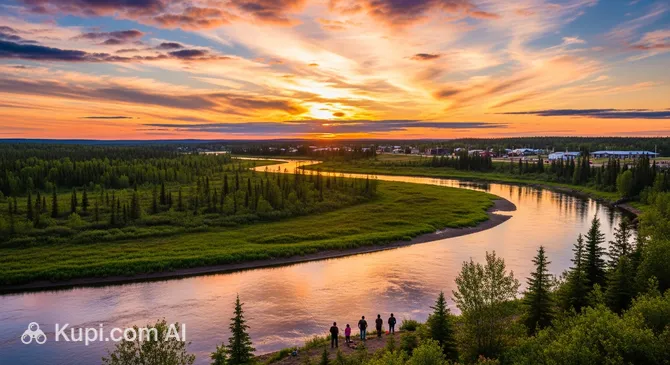
Attawapiskat is a remote and culturally rich First Nation community located in the Kenora District of Northern Ontario. Situated at the mouth of the Attawapiskat River where it meets the expansive James Bay, this settlement offers a glimpse into the serene and rugged beauty of the north. With a population of approximately 1,800 residents, it is a tight-knit community deeply connected to the land and waters that surround it.

Visitors traveling to this part of Canada will find a destination defined by its isolation and pristine wilderness. The area is accessible primarily by air via the local airport or by a seasonal winter road, making the journey itself an adventure. The local culture is rooted in the traditions of the Omushkego Cree, and the community serves as a gateway to understanding the enduring lifestyle of the Indigenous people of the James Bay lowlands.

Attawapiskat. Source: Kupi.Binoculars

For those interested in the past, the history of Attawapiskat reveals a story of resilience and adaptation to the subarctic environment. The river is a focal point for life here, providing excellent opportunities for fishing and canoeing, particularly for species like walleye and northern pike. In the colder months, the landscape transforms into a snowy wonderland, often illuminated by the mesmerizing Northern Lights, offering a truly atmospheric experience for intrepid travelers.

If you are seeking an off-the-beaten-path experience far removed from bustling city life, Attawapiskat offers a unique perspective on the vast northern frontier and a chance to witness the quiet majesty of the James Bay coast.

Weather Overview

The climate in this region is defined by distinct seasonal changes, offering travelers a true northern experience. Winters are typically long and cold, with January being the coldest month, featuring average temperatures of -18.4°C and lows plunging to -22.4°C. In contrast, summers are short but pleasantly mild, with July seeing average highs of 22.8°C, making it the ideal time for outdoor activities.

Precipitation remains relatively low in terms of volume, usually around 1mm to 3mm per month, though the frequency of wet days increases during the warmer season, peaking in July with about 13 wet days. Expect cool, crisp air during the transition months and comfortable warmth in mid-summer. For the most accurate packing advice and forecasts, checking the weather in Attawapiskat before your journey is essential.

Interesting Facts

Beyond its remote location and rugged wilderness, Attawapiskat holds fascinating geographical secrets and unique traditions that define life in the north. This community is not just a point on the map but a place where the land itself tells a story of resilience and natural wonder.

  • The Meaning of the Name: The name "Attawapiskat" is derived from the Swampy Cree language, translating roughly to "People of the parting of the rocks" or "River between the rocks." This poetic description refers to a specific area upstream where the river splits around towering limestone cliffs and islands, a dramatic geological feature in an otherwise flat landscape.

  • The "Birthday Cakes": The limestone islands mentioned in the town's name are locally famous for their unique appearance. Carved by the river over centuries, these high rock formations are often affectionately called the "Birthday Cakes" by locals and canoeists due to their distinct, stacked layers that resemble the tiers of a cake.

  • A Seasonal Ice Highway: For a few weeks each winter, the community becomes accessible by road through an engineering marvel known as the James Bay Winter Road. This seasonal ice road connects Attawapiskat to the south, allowing residents to transport heavy supplies that are too expensive to fly in. Driving on this "ice highway" is a unique northern experience, requiring skill and respect for the elements.

  • A Border Oddity: Just off the coast of the community lies Akimiski Island, the largest island in James Bay. Although it is visibly close to the Ontario shoreline, the island is technically part of the territory of Nunavut. It serves as a critical migratory bird sanctuary and a summer retreat for polar bears, making it a wild neighbor to the community.

How to Get There

Reaching the remote community of Attawapiskat is an adventure in itself, primarily relying on air travel due to its isolated location in Northern Ontario. For travelers planning their journey, understanding the flight connections is crucial, as year-round road access is not available. You can find more details and tips on our dedicated page about how to get to Attawapiskat.

The most convenient and direct way to arrive is by flying into the local Attawapiskat Airport (YAT). Situated just 0.3 km from the heart of the community, the airport allows for a quick and easy transfer to your accommodation upon landing. It handles a modest amount of traffic, primarily serving regional flights that connect residents and visitors to the rest of the province. Since the airport is practically within the town, the transit time to the center is negligible, often taking just a few minutes.

Flights to Attawapiskat often connect through the Moosonee Airport (YMO), located in the town of Moosonee, approximately 220 km southeast of Attawapiskat. Moosonee serves as a vital transportation hub for the James Bay coast. While you cannot take a taxi from Moosonee to Attawapiskat due to the lack of all-season roads, this airport is a key transfer point for travelers making their way north from major cities like Timmins or Toronto.

For clarity, here is a summary of the main airports serving the region:

Airport Name City Passenger Traffic Km from City
Moosonee Moosonee Medium 220.6
Attawapiskat Attawapiskat Small 0.3
Fort Albany Fort Albany Small 94.7

Main Attractions

Attawapiskat is a destination for those who seek the raw beauty of the subarctic wilderness rather than traditional tourist sites. The attractions here are forged by nature, offering visitors a chance to disconnect and immerse themselves in a landscape defined by water, rock, and sky. Here are some of the key highlights to explore in and around the community.

The Attawapiskat River is the lifeblood of the region and a primary draw for outdoor enthusiasts. Stretching far inland from James Bay, this mighty river serves as a highway for traditional travel and a prime location for angling. Fishermen travel here to challenge themselves against abundant populations of walleye, northern pike, and whitefish. In the summer months, the river offers excellent canoeing routes, allowing travelers to paddle through serene waters while observing the local wildlife along the banks.

Located upstream from the main settlement, the Limestone Islands are a unique geological wonder often referred to by locals as the "Birthday Cakes." These towering rock formations rise dramatically from the river, featuring distinct, stacked layers of limestone that have been sculpted by water and time. They are a favorite stop for canoeists and photographers looking to capture the striking contrast between the grey stone and the surrounding boreal greenery.

Just off the coast lies Akimiski Island, the largest island in James Bay. While technically part of Nunavut, it dominates the seaward view from Attawapiskat. The island and its surrounding waters are part of a federally protected Migratory Bird Sanctuary. During migration seasons, the area becomes a spectacular haven for thousands of snow geese, Canada geese, and other waterfowl. For birdwatchers and nature lovers, witnessing these vast flocks against the backdrop of the bay is an unforgettable experience.

Finally, the sky itself is one of the area's greatest attractions. Due to its northern latitude and lack of light pollution, Attawapiskat is a prime viewing spot for the Northern Lights (Aurora Borealis). From late autumn through early spring, the night sky frequently comes alive with dancing ribbons of green, violet, and pink. Standing on the shores of the bay or the frozen river to watch this celestial display provides a profound sense of connection to the natural world.

Local Cuisine

The culinary landscape of Attawapiskat is deeply rooted in the traditions of the Omushkego Cree and the resources of the surrounding subarctic wilderness. For visitors, the "food scene" here is not about fine dining restaurants or bustling markets, but rather an authentic connection to Country Food—wild game and fish harvested directly from the land and waters. This subsistence lifestyle is central to the local culture, offering a taste of the north that is fresh, organic, and prepared with generations of knowledge.

One of the most iconic staples you are likely to encounter is Bannock. This simple yet delicious unleavened bread is a dietary cornerstone across Northern Canada. In Attawapiskat, it is often served alongside meals or as a snack, prepared either baked in an oven or fried in a pan until golden and crispy. It pairs perfectly with stews or can be enjoyed on its own with jam and tea, providing the hearty energy needed for the cold climate.

Given the community's location on the river and near James Bay, fish plays a major role in the local diet. Walleye (often called pickerel locally) and whitefish are caught fresh and prepared in various ways, from pan-frying to smoking. During the spring and autumn migrations, wild goose becomes a celebrated delicacy. The goose hunt is a culturally significant event, and the meat is traditionally roasted or made into rich soups that reflect the flavors of the season.

Travelers should be aware that commercial dining options are very limited in this remote community. There are no standard tourist restaurants; instead, visitors often rely on the local general store, which supplies groceries and sometimes offers quick, prepared meals. However, the true gastronomic experience often comes from the hospitality of the community, where sharing food is a way of life. Hot beverages, particularly strong tea, are the standard drink to warm up after a day outdoors, serving as a gesture of welcome in almost every home.

Travel Tips

Visiting Attawapiskat requires a bit more preparation than the average trip, as this remote community on the James Bay coast operates at a different pace and with different resources than southern cities. These practical tips are designed to help you pack the right gear, respect local customs, and ensure a safe and memorable experience in the subarctic wilderness.

  1. Prepare for the Elements: The weather here dictates your wardrobe. In winter, you need heavy-duty, rated cold-weather gear, including a high-quality parka, insulated pants, and boots rated for at least -30°C. In summer, the temperatures are mild, but the insects can be intense. A bug jacket or head net, along with high-concentration insect repellent, is absolutely essential for enjoying the outdoors without discomfort.

  2. Getting Around: There are no car rental agencies, subways, or public bus systems in Attawapiskat. The community is compact and largely walkable, with most key locations situated within a short distance of each other. For longer trips or winter travel, locals rely on ATVs and snowmobiles; you may be able to arrange transport with a local guide or lodge, but do not expect ride-hailing apps like Uber to exist here.

  3. Cash is King: While the local Northern Store generally accepts debit and credit cards, telecommunication outages can occur, rendering electronic payments temporarily unavailable. It is highly recommended to carry enough Canadian dollars in cash to cover your basic expenses. There are no currency exchange bureaus, so ensure you have obtained local currency before flying north.

  4. Health and Supplies: The community is served by a nursing station / hospital that provides essential care, but it is not a full-service city hospital. You should bring an ample supply of any prescription medications you need, as the local pharmacy stock may be limited. Additionally, it is often advisable for visitors to drink bottled water or check current advisories regarding tap water quality upon arrival.

  5. Communication and Connectivity: English is widely spoken, but the primary language for many residents is Cree. Learning a simple greeting like "Wachay" (Hello) is a great way to show respect. Cell phone coverage is available but can be spotty and is typically limited to major regional carriers; check your provider's coverage map for Northern Ontario before you go. Wi-Fi is available in some public buildings but speeds may be slower than you are used to.

  6. Respect Local Norms: Attawapiskat is a close-knit First Nation community. Always ask for explicit permission before photographing residents, their homes, or cultural ceremonies. Be mindful that this is people's private living space, not a museum. Additionally, check local by-laws regarding alcohol, as many remote communities have strict regulations or are "dry," prohibiting the possession of alcohol.

  7. Wildlife Awareness: Never wander into the wilderness surrounding the community alone without informing someone of your plans. The area is home to black bears and, occasionally, polar bears, especially near the coast. It is best to explore the land with a knowledgeable local guide who understands animal behavior and the terrain.

  8. Grocery Prices: Be prepared for significantly higher prices at the grocery store compared to southern Canada. Due to the high cost of freight shipping (often by air), fresh produce and heavy items can be expensive. If you have dietary restrictions or specific snack preferences, it is a smart "life hack" to pack some lightweight, non-perishable food items in your luggage.

By planning ahead and approaching your visit with an open mind and respect for the local way of life, you will find the community welcoming and the landscape unforgettable. A trip to Attawapiskat is a rare opportunity to disconnect from the hustle of modern life and connect with the raw beauty of the North.

Entertainment & Nightlife

Nightlife in Attawapiskat is not defined by neon lights, dance clubs, or bustling bar districts. As a remote First Nation community, the evening atmosphere is tranquil and deeply connected to the natural rhythms of the land. Visitors should be aware that there are no commercial nightclubs, pubs, or discos here. Instead, the "nightlife" is often found in the spectacular display of the Northern Lights overhead or in the warmth of community gatherings.

The social hub for the community is often the Reg Louttit Sportsplex. While not a nightclub in the traditional sense, this facility frequently hosts community events, hockey tournaments, and gatherings that run into the evening, serving as a vibrant center of local life. Another focal point is the Community Hall, where events like Bingo nights, feasts, or cultural celebrations may take place. These gatherings are the best way to experience the local culture and meet residents in a relaxed, welcoming setting.

Practical advice for evenings here centers on preparation and respect. It is important to note that Attawapiskat has strict regulations regarding alcohol, and it is often a "dry" community or has very limited access; travelers should not expect to find bars, lounges, or liquor stores. The best time to venture out is during clear winter nights for stargazing, but always dress in heavy layers. There are no taxi services or ride-sharing apps like Uber; the community is small enough to walk, but visitors should be cautious of local dogs and wildlife, such as bears, especially on the outskirts of town.

During the day, entertainment shifts to outdoor adventures and cultural immersion. Visitors can explore the local landscape, engage in fishing on the river, or visit the local churches which stand as architectural landmarks in the town. For those lucky enough to visit during a cultural celebration, daytime activities might include traditional drumming and dancing, offering a profound contrast to the quiet, star-filled nights.

Parks & Museums

Travelers visiting Attawapiskat will quickly discover that the community does not adhere to the standard definition of city tourism with manicured gardens or enclosed museums. Instead, the entire region serves as an immense, open-air park of subarctic wilderness, and the "museums" are the living traditions and stories of the Omushkego Cree people. The cultural and natural heritage here is woven directly into the landscape and the daily lives of the residents.

While you won't find fenced city parks with playgrounds and fountains, the Attawapiskat River functions as the community's primary recreational space. In the summer, the riverbanks are bustling with activity, serving as a launch point for canoes and boats. It is a natural corridor that invites visitors to explore the surrounding wetlands and boreal forest. The river is not just scenery; it is an interactive space for fishing, swimming, and experiencing the raw beauty of the James Bay Lowlands.

Just off the coast, the Akimiski Island Migratory Bird Sanctuary offers a natural spectacle that rivals any biological park. Although technically part of the Nunavut territory, this massive island is a defining feature of the local geography. It is a critical habitat for hundreds of thousands of migratory birds, including snow geese and Atlantic brant. For nature lovers, the sight of these vast flocks congregating in the coastal wetlands is a world-class wildlife experience that highlights the ecological importance of the region.

Attawapiskat does not currently have a dedicated public museum or commercial art gallery. However, the culture of the Swampy Cree is vibrant and accessible through the community's artisans. The area is renowned for its traditional Tamarack Geese—handcrafted sculptures made from the twigs of the tamarack (larch) tree. These distinct and aromatic creations are a unique art form specific to the James Bay Cree. Visitors interested in local art should inquire about purchasing these authentic pieces directly from local creators, effectively turning a visit into a personal cultural exchange.

For a touch of history and architecture, the St. Francis Xavier Church stands as a significant landmark in the community. While the original historic structures have faced challenges over the decades, the church remains a central pillar of spiritual and social life. It represents the intersection of Indigenous traditions and the history of the Oblate missionaries in Canada. The building itself is a focal point for the town and offers a quiet place for reflection amidst the rugged surroundings.

To truly appreciate the local "green spaces," consider visiting during the blueberry picking season in late summer. The muskeg and forests surrounding the community transform into a rich harvest ground. Joining locals (with permission and guidance) to pick wild berries is not only a great way to see the land but also offers a delicious taste of the region's natural bounty that you won't find in any guide.

Getting Around

Travelers planning a visit to Attawapiskat should be aware that the community does not have a formal public transport system. There are no subways, trams, municipal buses, or trolleybuses operating within the settlement. The infrastructure is designed for a remote, small-population environment where the distances are short and the terrain dictates the mode of travel. Consequently, you will not find ticket machines, travel passes, or transport apps typically associated with urban centers.

The primary way to get around the community is by walking. The town is compact, with most essential services, the airport, and the Northern Store located within a reasonable walking distance of one another. For longer distances or when carrying heavy loads, locals rely heavily on private vehicles. In this subarctic terrain, the "standard" vehicles are often pickup trucks and SUVs, which are better suited for the unpaved roads and rugged conditions than compact city cars.

A unique feature of transport in Attawapiskat is the prevalence of seasonal recreational vehicles used for daily commuting. In the summer months, All-Terrain Vehicles (ATVs) are a common sight on the roads, while in the winter, snowmobiles become the dominant form of transportation. These vehicles are essential for navigating the snow-covered landscape and crossing the frozen river. Visitors should be cautious when walking, as these vehicles share the roadways and trails.

Regarding "taxis" or hired transport, there are no commercial taxi companies with metered cabs, nor do ride-sharing services like Uber or Lyft operate here. However, informal taxi services run by locals are often available. These are typically private vehicles whose owners offer rides for a flat fee. Payment is almost exclusively in cash, so it is crucial to carry small bills. You can usually find the phone numbers for these local drivers posted on community bulletin boards or by asking at the airport or general store.

Since there is no scheduled transport, tourists do not need to worry about timetables or validating tickets. The most practical advice for navigating the town is to dress appropriately for the weather, as you will likely spend time outside moving between locations. If you require a vehicle for a specific excursion, such as visiting a fishing spot or exploring further inland, this usually requires arranging a private guide or chartering a boat or vehicle through a local outfitter, rather than renting a car or bike on your own.

Accommodation

Accommodation in Attawapiskat is quite different from what travelers might expect in a typical tourist destination. Due to its remote location and small population, the community does not have a wide array of commercial hotels, hostels, or luxury resorts. Instead, lodging options are functional and limited, primarily designed to cater to visiting professionals, contractors, government workers, and the occasional adventurer visiting the James Bay coast.

The available accommodation is generally concentrated in the center of the community, within walking distance of the airport and the Northern Store. Since the town is compact, location is rarely an issue; staying anywhere in the settlement places you close to essential services and the river. Visitors should expect modest, clean, and basic facilities rather than hotel chains or vacation rentals. These establishments are often community-owned and serve as a hub for anyone passing through.

Booking and Prices

Because options are so scarce, securing a room can sometimes be a challenge, especially during times when construction crews or medical staff are rotating through the community. It is highly recommended to book your accommodation well in advance of your arrival. Do not rely on online travel agencies or booking apps, as local lodgings rarely appear on these platforms.

The most effective way to make a reservation is to search for the local community inn or lodge contact number and call directly. Be prepared for prices that may seem higher than average for the level of amenities provided; this reflects the high cost of operating and shipping supplies to the subarctic. Payment is typically accepted via credit card or cash, but it is always wise to confirm the payment method over the phone when booking.

Nearby Cities

For travelers navigating the vast expanses of Northern Canada, Attawapiskat is part of a wider network of remote communities. While the distances between settlements are significant, understanding these regional connections is useful for planning a broader itinerary or understanding the logistics of travel in the James Bay lowlands:

City Population Distance (km)
Chisasibi 5000 262
Hearst 5000 370
Kapuskasing 8000 390
Geraldton 20000 475
Timmins 41788 501

It is important to note that "nearby" is a relative term in this region. There are no all-season roads connecting these towns to Attawapiskat, meaning travel is primarily conducted by air or, for a few weeks in winter, via seasonal ice roads. Chisasibi, located across the bay in Quebec, is geographically the closest major community listed. As a prominent Cree nation, it offers a cultural parallel to Attawapiskat, showcasing the traditions of the Eeyou Istchee Cree, though travel between the two usually requires complex routing.

Further south, the communities of Hearst and Kapuskasing serve as key points along the northern highway system of Ontario. Hearst, known as the "Moose Capital of Canada," offers a distinct French-Canadian cultural atmosphere and serves as a terminus for the winter road network. These towns are often the last stops of "civilization" for those transporting goods north during the ice road season, bridging the gap between the remote wilderness and the provincial highway network.

For most travelers, Timmins is the most significant regional connection. Although it lies over 500 kilometers away, it functions as the primary economic and transportation hub for Northeastern Ontario. Most flights into Attawapiskat originate or connect here. Timmins offers full urban amenities, including shopping centers, museums, and diverse dining, making it the logical staging ground for any expedition to the James Bay coast or a comfortable place to return to after a stay in the north.

Shopping & Souvenirs

Shopping:

Shopping in Attawapiskat is a unique experience that differs significantly from visiting a typical tourist destination. As a remote northern community, the retail landscape is primarily utilitarian, focused on providing essential goods and services to residents rather than recreational shopping for visitors. Travelers should be prepared for a limited selection of stores and significantly higher prices than in southern Canada, reflecting the high cost of transporting goods to this isolated region by air or winter road.

Main Shopping Areas

There is no designated "shopping district" or high street in Attawapiskat. The commercial activity of the town revolves almost entirely around the Northern Store (often referred to as Northmart). This large general store serves as the lifeline of the community, functioning as a grocery store, department store, hardware shop, and pharmacy all in one. Here, you can find everything from fresh produce and dry goods to winter clothing, snowmobiles, and electronics. It is located centrally and serves as a common meeting place for residents.

Shopping Malls

Visitors should be aware that there are no shopping malls or large commercial centers in Attawapiskat. The retail infrastructure is designed to meet basic needs rather than leisure. The Northern Store essentially acts as a one-stop-shop for the entire town, eliminating the need for separate specialty stores found in larger cities.

Markets

The community does not host permanent public markets like flea markets or farmers' markets. However, informal commerce is a part of local life. You may occasionally find "yard sales" or community fundraisers held at the Community Hall or outside private homes, where residents sell baked goods or second-hand items. These events are sporadic and often advertised via word of mouth or signs posted on community bulletin boards.

Souvenirs and Local Crafts

While standard souvenir shops do not exist, Attawapiskat is an excellent place to purchase authentic Indigenous art directly from the creators. The region is famous for Tamarack Geese, distinctive decoys handcrafted from the twigs of the tamarack tree. These aromatic and beautifully shaped sculptures are iconic to the Cree people of James Bay. Additionally, visitors can often find exquisite beadwork, moose hide moccasins, and mittens. To find these items, it is best to ask at the Northern Store if they have any local consignments or inquire politely with locals about active artisans in the community.

Opening Hours and Payment

The Northern Store typically operates during standard business hours, often opening around 9:00 AM and closing by 6:00 PM or 7:00 PM, with reduced hours on weekends. Smaller convenience stores, if open, may have varying schedules. regarding payment, cash is essential. While major credit and debit cards are generally accepted, telecommunication outages can occur, rendering card terminals useless. There is usually an ATM available in town, but it may run out of cash or be out of service, so bringing sufficient Canadian currency with you is highly recommended.

Tax Information

In Ontario, a Harmonized Sales Tax (HST) of 13% is applied to most goods and services. Tourists visiting Canada generally cannot claim a rebate for the sales tax paid on goods and accommodation, as the visitor rebate program was discontinued several years ago. Prices displayed on shelves usually do not include this tax, so expect the final total at the checkout to be higher than the sticker price.
Reached the end of the page?

That means the route is fully explored