Support

Kashechewan

About

Kashechewan. Source: Kupi.Binoculars

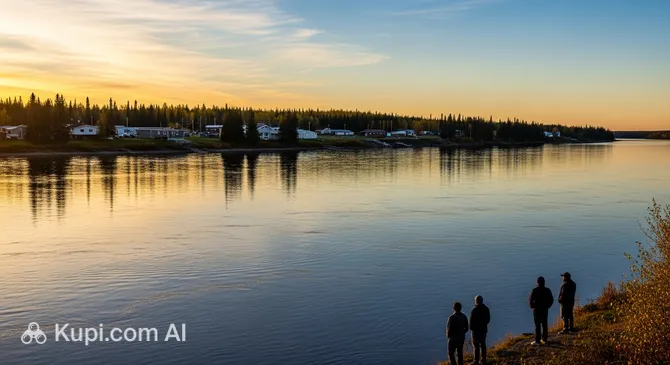
Welcome to Kashechewan, a remote and culturally rich community located in the northern reaches of Ontario. Situated on the northern bank of the majestic Albany River, near the coast of James Bay, this destination offers a unique perspective on life in the subarctic wilderness. As part of the vast landscape of Canada, Kashechewan is primarily a Cree First Nation community, known for its deep connection to the land and resilient spirit.

With a population of approximately 1,700 residents, the community maintains a close-knit atmosphere where traditional values play a significant role in daily life. The geography here is defined by the flat, expansive lowlands of the James Bay region, characterized by winding rivers and boreal forests. The climate is subarctic, meaning visitors can experience crisp, invigorating air and distinct seasons, from snowy winters perfect for ice fishing to milder summers ideal for exploring the riverbanks.

For those interested in the past and development of this region, exploring the history of Kashechewan provides essential context. The community's heritage is deeply rooted in the traditions of the Mushkegowuk Cree, and visitors may have the opportunity to learn about local customs, language, and the enduring importance of the Albany River as a lifeline for travel and sustenance.

Travelers venturing to this off-the-beaten-path location can witness the raw beauty of the Albany River, which is a focal point for the community. In the winter months, the area becomes accessible via winter roads, offering a true northern driving adventure. Additionally, the lack of light pollution makes it an exceptional spot for viewing the Northern Lights, which frequently dance across the night sky in vibrant colors.

A visit to Kashechewan is an invitation to step away from the hustle of urban life and immerse yourself in the quiet power of the North. Whether you are drawn by the prospect of cultural exchange or the serene landscapes of the James Bay lowlands, this community offers a memorable and authentic experience.

Weather Overview

The climate in Kashechewan is defined by its northern latitude, offering a true subarctic experience with distinct seasonal changes. Winters are long and rigorously cold, particularly in January and February when average temperatures hover around -17.5°C and can drop significantly lower at night. Conversely, the summer months provide a brief but welcome thaw, with July typically being the warmest month, featuring average highs of 21.3°C.

Precipitation is frequent but generally light in volume, with the number of wet days ranging from 7 to 13 per month throughout the year. To help plan your clothing and activities, it is useful to check the detailed report on the weather in Kashechewan. Generally, you can expect mild, comfortable summers with occasional light rain and cold, snowy winters.

Interesting Facts

Beyond the scenic views of the river and the subarctic wilderness, Kashechewan holds several fascinating details that define its unique character. This community is not just a point on the map but a place with a distinct history and a deep connection to its surroundings.

  • A Name of Power: The name "Kashechewan" is derived from the Cree word Kishichiwan, which translates to "where the current is strong" or "fast flowing water." This poetic title pays homage to the powerful Albany River that flows beside the community and has sustained its people for generations.

  • Twin Communities: Kashechewan is located directly across the river from the community of Fort Albany. Historically, these two settlements were part of a single trading post area known as "Old Post." In the mid-20th century, they developed into separate communities on opposite banks, yet they remain closely linked by geography and shared heritage.

  • A Seasonal Highway Network: While the community is fly-in for much of the year, winter transforms the isolation. The construction of the seasonal winter road connects Kashechewan to its neighbors and the provincial highway system south of Moosonee, creating a temporary but vital ice artery over the frozen muskeg and rivers.

How to Get There

Reaching this remote community requires careful planning, as it is primarily accessible by air and seasonal ice roads. For a detailed guide on all available transport options and routes, you can read more about how to get to Kashechewan.

The community is directly served by Kashechewan Airport, which handles local flights and connects residents to the wider region. Since there are no permanent all-season roads leading into the town, this local airfield is the main point of entry for visitors and essential supplies throughout the year.

For those connecting from further afield, the journey often involves a stop at a regional hub. The most prominent connection point is Moosonee Airport (YMO), located in the city of Moosonee, approximately 132 km away. This hub serves as a key gateway to the James Bay coast, handling a significant volume of passengers. From here, travelers typically catch a connecting flight to Kashechewan.

Alternative entry points include Fort Albany Airport (YFA), situated in the neighboring community of Fort Albany. It is located just 10.7 km away, making it geographically the closest neighbor. In winter, an ice road connects the two, while summer travel is often by boat. Further north, Attawapiskat Airport (YAT) in Attawapiskat lies roughly 89 km away and offers another link within the coastal network.

For clarity, here is a summary of the regional airports facilitating travel to the area:

Airport Name City Passenger Traffic Km from Kashechewan
Moosonee Moosonee 35,000 132.2
Attawapiskat Attawapiskat 12,000 88.8
Fort Albany Fort Albany - 10.7

Main Attractions

While Kashechewan is a remote community rather than a commercial tourist destination, its appeal lies in its pristine natural surroundings and deep cultural heritage. Visitors here do not come for crowded landmarks, but rather to experience the raw beauty of the subarctic wilderness and the enduring traditions of the Cree people. The attractions here are defined by the land, the water, and the sky.

The Albany River is undoubtedly the centerpiece of the region. As one of the longest rivers in Northern Ontario, it offers exceptional opportunities for outdoor enthusiasts. In the summer, the river is a highway for boats and canoes, allowing visitors to explore the waterways much like the ancestors of the local residents did. Anglers will find the river particularly rewarding, with healthy populations of walleye and northern pike making for a memorable fishing experience in the solitude of the north.

Located near the mouth of the river, the James Bay Coast offers a unique geographical experience. This vast inland sea creates a distinct ecosystem characterized by expansive tidal flats and salt marshes. For nature lovers and birdwatchers, this area is significant as a migratory stopover for geese and other waterfowl. Standing on the edge of the bay provides a profound sense of scale and isolation, offering views of a horizon that stretches endlessly over the water.

During the darker months, the Northern Lights (Aurora Borealis) transform the sky into a spectacular natural attraction. Due to Kashechewan's high latitude and the complete absence of urban light pollution, the aurora is frequently visible and exceptionally vivid. Watching the green and purple bands dance across the starry sky is a bucket-list experience that defines the magic of a northern winter trip.

For those interested in local culture, the Community of Kashechewan itself serves as a living point of interest. Walking through the town offers insight into life in a fly-in First Nations community. Visitors may have the chance to see traditional activities such as the preparation of wild food or local crafts, which reflect a lifestyle that remains closely tuned to the rhythms of the seasons and the resources of the land.

Local Cuisine

The culinary landscape of Kashechewan is deeply rooted in the traditions of the Cree people and the resources of the surrounding subarctic wilderness. Here, food is more than just sustenance; it is a connection to the land and a way of life. Visitors should not expect a conventional dining scene with varied restaurants and cafes. Instead, the local cuisine focuses on "country food"—wild game and fish harvested directly from the region, prepared with methods passed down through generations.

One of the most iconic staples you are likely to encounter is bannock. This simple yet delicious bread is a cornerstone of Indigenous cuisine across Canada. In Kashechewan, it is often served baked or fried, boasting a golden, crispy exterior and a soft, warm inside. It serves as the perfect accompaniment to hearty meals or can be enjoyed on its own with jam and butter. Another significant aspect of the local diet is the seasonal harvest of wild geese. particularly during the spring and fall migrations. Roasted goose is a celebrated dish, often shared during community feasts, reflecting the importance of the hunt in local culture.

Given the community's location on the banks of the Albany River, freshwater fish is a dietary mainstay. Walleye (often called pickerel locally) and northern pike are frequently caught and prepared fresh. You might find them pan-fried over an open fire or smoked to preserve the flavor. These meals offer a true taste of the north, characterized by freshness and a distinct lack of artificial processing.

When it comes to dining out, options for tourists are very limited as there are no standard commercial restaurants in the community. Residents typically buy groceries and supplies at the local Northern Store, which may offer a small selection of ready-to-eat hot items like fried chicken or pizza wedges. However, the true heart of Kashechewan's food culture is found in home kitchens and community gatherings. If you are fortunate enough to be invited to a community event or a feast, you will experience the genuine hospitality of the region, where sharing food is a powerful social bond.

As for beverages, hot tea is the drink of choice, especially when out on the land or warming up after a cold winter day. It is often brewed strong and enjoyed socially. Visitors should be aware that alcohol regulations can vary in northern First Nation communities, and it is respectful to inquire locally about current rules regarding the possession and consumption of alcoholic drinks.

Travel Tips

Visiting Kashechewan is a unique adventure that takes you deep into the heart of the James Bay lowlands, far removed from the conveniences of urban tourism. To ensure your trip to this remote First Nation community is both safe and respectful, a higher degree of preparation and cultural awareness is required than for a standard vacation.

  1. Clothing and Gear: The weather dictates your wardrobe here. In winter, you need professional-grade cold-weather gear, including a heavy parka, insulated wind pants, and rated winter boots (mukluks are ideal), as temperatures can drop below -40°C. In summer, the mosquitos and black flies can be intense; bringing a bug jacket, high-quality insect repellent, and long, loose clothing is non-negotiable. Waterproof boots are also recommended year-round due to the muskeg and muddy terrain.

  2. Transportation: There is no public transit, car rental agencies, or taxi service in the traditional sense. The community is compact and walkable, which is how most visitors get around. Locals primarily use ATVs in the summer and snowmobiles in the winter. If you need to transport gear or travel further, you will likely need to arrange a ride privately with a local host or guide.

  3. Finances: The local currency is the Canadian Dollar (CAD). While the main general store (Northern Store) accepts debit and credit cards, cash is essential for purchasing local arts and crafts or paying for informal rides. There is typically an ATM at the store, but it can be out of service, so it is highly advisable to bring sufficient cash with you from the south. Be prepared for significantly higher prices on groceries and goods due to freight costs.

  4. Health and Safety: Medical facilities are limited to a local nursing station for basic care; serious emergencies require a medical evacuation flight. Always travel with a full supply of any prescription medications. It is also standard practice for visitors to drink bottled water, which can be purchased locally, as water advisories can occur. Regarding safety, be mindful of wildlife; black bears and stray dogs are common in and around the community.

  5. Communication: English is widely spoken and understood, though Cree is the primary language for many residents. Learning a few words, such as "Wachay" (Hello), is a great way to show respect. Cell phone coverage is available but can be spotty and is often limited to major national carriers; check your provider's coverage map before departure. Wi-Fi is generally available at community buildings but may be slower than what you are used to.

  6. Local Etiquette: Kashechewan is a close-knit community where respect for elders and tradition is paramount. Always ask for explicit permission before taking photographs of people, their homes, or children. When interacting with elders, it is polite to listen more than you speak and avoid rushing the conversation. A friendly wave to passersby is customary and polite.

  7. What to Avoid: Do not bring alcohol or drugs into the community without strictly verifying the current local bylaws. Many First Nation communities in the north have "dry" or restricted status to promote community wellness, and possessing alcohol can be a serious offense. Additionally, avoid wandering into the bush alone without a local guide, as the terrain is treacherous and getting lost is a real risk.

  8. Shopping Tip: The Northern Store is the central hub for food, clothing, and supplies. If you plan to cook your own meals, try to bring lightweight, non-perishable food items with you to save money, as fresh produce and dairy in the north are flown in and priced accordingly.

By packing the right gear and approaching your visit with an open heart and respect for local customs, you will find Kashechewan to be a welcoming place. The challenges of remote travel are quickly forgotten when you experience the genuine hospitality of the people and the serene beauty of the northern wilderness.

Entertainment & Nightlife

Travelers planning a trip to Kashechewan should be aware that the concept of "nightlife" here differs vastly from the urban standard. There are no nightclubs, cocktail bars, pubs, or late-night discos in this community. Instead, evening entertainment is defined by community-oriented gatherings, sports, and the spectacular natural displays of the subarctic sky. The atmosphere is quiet, intimate, and deeply rooted in social connection rather than commercial entertainment.

Because Kashechewan is a community that prioritizes wellness and traditional values, there are no establishments licensed to sell alcohol for on-site consumption. You will not find a "bar scene" or a nightlife district. The streets are generally peaceful after dark, with activity centered around specific community buildings or private homes where families and friends gather. Visitors seeking a party atmosphere will not find it here; instead, the evenings offer a chance to disconnect and experience the serenity of the North.

The primary hub for evening activity, particularly during the long winter months, is the local Kashechewan Arena. Hockey is more than just a sport here; it is a passion that unites the town. On many evenings, the arena is bustling with excitement as residents gather to watch local youth and adult teams compete. The atmosphere is energetic and welcoming, making it one of the best places for a visitor to witness the community spirit firsthand. Even if there isn't a game, general skating sessions often run into the evening, serving as a social meet-up point for the youth.

Another popular form of evening entertainment is Radio Bingo, which is a beloved pastime in many northern communities. Often broadcast via the local radio station, this activity engages households across the town. While not a "venue" in the traditional sense, the excitement is palpable, and community fundraisers or special events are occasionally held at the Community Hall. If you are invited to join a game or attend a feast at the hall, it is a culturally enriching way to spend an evening.

For nature enthusiasts, the "nightlife" is provided by the cosmos. Without the light pollution found in cities, the night sky in Kashechewan is a dazzling entertainment venue in itself. Stargazing is exceptional here, and from late autumn to early spring, the Northern Lights often put on a breathtaking show. The best "club" in town is simply stepping outside your accommodation, looking up, and watching the green and purple auroras dance across the horizon.

Practical Advice for Evenings:

  • Dress Code: Practicality rules. Leave the dress shoes at home and wear insulated boots and thermal layers. The temperatures drop drastically at night.
  • Safety: The community is generally safe for walking, but the lack of streetlights in some areas means you should carry a flashlight or headlamp. Be cautious of loose dogs, which are common in the community.
  • Transport: There are no taxis. If you attend an event at the arena or hall, you will likely walk or catch a ride with a local host.
  • Alcohol Policy: Remember that there are no bars, and strict regulations often apply to alcohol possession. It is respectful and safer to abstain or strictly follow local guidance during your stay.

During the daytime, entertainment shifts to the outdoors. Visitors can explore the banks of the Albany River or visit the Northern Store, which acts as a general meeting place for shopping and catching up on local news. While there are no museums or amusement parks, the cultural experience of walking through the community and observing daily life is the main attraction for those who venture this far north.

Parks & Museums

In Kashechewan, the concept of parks and museums differs significantly from what you might find in a southern metropolis. Here, the "parks" are the boundless expanses of the subarctic wilderness that surround the community, and the "museums" are the living traditions, stories, and crafts maintained by the residents. Visitors come here not for manicured gardens or ticketed exhibitions, but to experience the raw beauty of the James Bay Lowlands and the enduring culture of the Cree people.

The Albany River Shoreline serves as the community’s primary natural recreational space. Rather than paved paths and flowerbeds, you will find a rugged and dynamic waterfront that changes with the seasons. In the summer, the riverbanks are a hub of activity where families gather, anglers cast lines for walleye, and boats set off for travel. It is a place to sit and watch the powerful currents of the river, offering a peaceful connection to nature that is central to local life.

Surrounding the town lies the vast Muskeg and Boreal Forest, a natural area that offers a unique landscape for those willing to explore. This terrain is characterized by spongy moss, stunted spruce trees, and wetlands that are teeming with wildlife. For birdwatchers and nature photographers, the outskirts of the community provide an opportunity to spot migratory geese, eagles, and other northern species in their undisturbed habitat. It is a wild, uncurated parkland that stretches as far as the eye can see.

As for cultural institutions, Kashechewan does not have a formal museum or art gallery. Instead, the history and artistic expression of the community are woven into daily life. The local churches, particularly the Anglican church, often serve as historical landmarks and community gathering points. They represent the long-standing relationship between the community and the history of missions in the region. Visitors interested in history can learn much simply by attending a service or speaking with the elders who act as the keepers of the community's oral history.

Artistic culture is vibrant but informal, often found in Home-Based Studios rather than commercial galleries. Many residents are skilled artisans who produce traditional Cree crafts, such as intricate beadwork, tamarack geese decoys, and moose hide moccasins. These items are not displayed behind glass but are made for use and sale within the community. Visitors hoping to see or purchase local art should ask around or look for notices at the Northern Store or Band Office, as sales are often direct from the artist.

For a unique local perspective, take a walk along the Community Dyke. Built for flood protection, this raised earthen wall effectively functions as a scenic promenade for residents. Walking the top of the dyke provides the best vantage point in town, offering elevated panoramic views of the community on one side and the sweeping Albany River on the other—a perfect spot for an evening stroll to watch the sunset.

Getting Around

Travelers arriving in Kashechewan should immediately adjust their expectations regarding urban mobility. As a small, remote community, the city does not possess a formal public transport system. There are no subways, trams, trolleybuses, or scheduled municipal bus routes operating within the town. The infrastructure is designed for a close-knit population where distances are short, and the layout is simple enough to navigate without complex transit networks.

For most visitors, the primary method of getting around the community is simply walking. The town is compact, and key locations such as the Northern Store, the health clinic, and the airport are situated relatively close to one another. However, weather conditions often dictate the feasibility of walking; during extreme cold or muddy seasons, finding a motorized ride becomes a necessity rather than a convenience.

While there are no licensed commercial taxi companies with metered vehicles or dispatch apps like Uber, an informal "community taxi" system often exists. Local residents with pickup trucks or SUVs frequently offer rides for a flat fee. These services are unadvertised and rely on word-of-mouth. If you need a lift, asking a local resident or inquiring at the main store is often the best way to find a driver who is currently available.

Regarding payment, the system is exclusively cash-based. There are no travel passes, transport cards, or mobile ticketing applications. If you manage to secure a ride with a local driver, the cost is typically a standard flat rate per trip, usually ranging between $5 and $10 CAD, regardless of the distance within the community. It is essential to carry small bills and coins, as drivers are unlikely to have change for large denominations.

A unique feature of transport in Kashechewan is its heavy reliance on seasonal recreational vehicles as primary movers. In the summer months, All-Terrain Vehicles (ATVs) are ubiquitous, used by residents for everything from grocery shopping to visiting neighbors. In the winter, the town transforms, and snowmobiles become the dominant mode of transport. Visitors should be aware that these are personal vehicles, and there are no rental shops for tourists to hire their own ATVs or snowmobiles; you would generally be a passenger if offered a ride.

For those arriving by air, transport from the airport to the town center is not automatic. There are no shuttle buses waiting at the terminal. It is highly advisable to arrange a pickup in advance with your host or the organization you are visiting. If you arrive without arrangements, you may need to wait at the airfield until a local vehicle passes by, as the hospitality of the community often fills the gap left by the absence of formal infrastructure.

Accommodation

Finding accommodation in Kashechewan requires a different approach than booking a stay in a typical tourist destination. As a remote First Nation community, the town does not have commercial hotel chains, hostels, or vacation rentals listed on major online booking platforms. Accommodation options here are functional and limited, designed primarily to house visiting professionals, contractors, government officials, and medical staff rather than leisure travelers.

The available lodging is generally concentrated in the center of the community, close to essential services like the Northern Store, the airport, and the Band Office. Because the town is compact, any accommodation you secure will be within walking distance of key facilities. Visitors should expect basic, clean, and comfortable amenities suitable for short-term stays, but without the luxuries or services found in standard hotels.

Most visitors stay in community-run transient units or a local lodge managed by the First Nation or local organizations. These facilities often operate somewhat like a bed and breakfast or a small motel. Rooms typically provide the essentials: a bed, a desk, and sometimes a private bathroom, though shared facilities are also common in some units. Kitchen access might be available, allowing guests to prepare their own meals using groceries purchased at the local store.

Booking Tip: You cannot book accommodation in Kashechewan online. Reservations must be made directly, often weeks in advance. It is highly recommended to contact the Kashechewan Band Office or the local economic development officer by phone before you travel. They can provide the most current contact information for the lodge or transient units and confirm availability.

Regarding costs, prices tend to be in the mid-to-high range compared to southern standards. This reflects the high cost of operating and maintaining facilities in a remote fly-in location. Payment methods can vary; while some places may accept credit cards or company cheques, it is wise to carry sufficient cash or confirm payment options when you make your booking. Due to the limited number of rooms, arriving without a confirmed reservation is risky and not recommended.

Nearby Cities

Situated in the remote James Bay lowlands, Kashechewan relies on connections to larger urban centers further south. While not close enough for casual daily travel, the following cities serve as vital transportation hubs, service centers, and stopover points for travelers navigating the vast Northern Ontario region.

One of the most prominent destinations in the wider network is Timmins. Known as the "City with a Heart of Gold," it serves as a major logistical hub for the north, offering essential services, shopping, and transit connections that support remote coastal communities. Visitors passing through can explore the city's deep roots in mining or enjoy the extensive outdoor trails that characterize this part of the province.

Another key location often utilized as a transit point is Kapuskasing, often referred to as the "Model City of the North." Located along the Kapuskasing River, this town is a significant stop on the highway system south of the winter road network. It offers a vibrant French-Canadian culture and a welcoming atmosphere, making it a comfortable place to rest during a long journey through the boreal forest.

For those traveling extensively through northeastern Ontario, Kirkland Lake provides a fascinating look into the region's history. Famous for its "Mile of Gold," the town hosts the Museum of Northern History in the historic Sir Harry Oakes Chateau. Beyond its industrial heritage, the area features rugged landscapes that define the Canadian Shield, offering a distinct contrast to the lowlands of the coast.

City Population Distance (km)
Timmins 41,788 425
Geraldton 20,000 469
Kapuskasing 8,000 324
La Sarre 7,700 424
Kirkland Lake 7,645 475

These locations highlight the vast scale of the region and the networks that connect remote communities to the rest of the province.

Shopping & Souvenirs

Shopping in Kashechewan is a functional necessity rather than a leisure activity. As a remote fly-in community, the retail landscape is completely different from what you would find in a typical city or tourist town. There are no shopping promenades, boutiques, or souvenir shops lining the streets. Instead, commerce is centralized and focused on providing essential goods to residents, from groceries and clothing to hardware and outdoor gear.

The primary and virtually only commercial retail establishment in town is the Northern Store. Operated by The North West Company, this general store acts as the lifeline for the community. It functions as a supermarket, department store, and pharmacy all rolled into one. Here, you can purchase everything from fresh produce (flown in regularly) to winter parkas, snowmobile oil, and household electronics. For a visitor, a trip to the Northern Store offers a fascinating glimpse into the logistics of life in the north, where the price of goods reflects the complex journey they took to arrive on the shelf.

There are no shopping malls or large commercial complexes in Kashechewan. The retail infrastructure is strictly limited to the essential services mentioned above. Visitors should not expect to find fashion chains, electronics retailers, or brand-name outlets. If you require specific items for your trip—such as specialized camera batteries, specific medications, or luxury toiletries—it is imperative that you purchase them in a larger city before departing for the north.

While there are no formal markets, the local artisan scene offers a unique "shopping" experience for those interested in culture. The most valuable goods to buy here are authentic Indigenous crafts. Kashechewan is located in a region famous for its Tamarack Geese—beautifully crafted decoys made from the twigs of the tamarack tree. These distinctive birds are a signature art form of the James Bay Cree. Additionally, you may find exquisite hand-beaded moccasins, mitts, and jewelry. These items are rarely sold in a store; instead, they are usually purchased directly from the artisans at their homes or during community gatherings at the local hall.

Regarding opening hours, the Northern Store typically operates from morning until early evening, Monday through Saturday, with reduced hours or closure on Sundays. When it comes to payment, the store accepts major credit and debit cards as well as cash. However, if you plan to purchase crafts from local artists, cash is essential. Most artisans do not have card terminals, so carrying a sufficient amount of Canadian currency is highly recommended to support the local economy and secure a one-of-a-kind souvenir.

Tourists should be aware that the standard Goods and Services Tax (GST) or Harmonized Sales Tax (HST) applies to purchases made at the store, just as it does elsewhere in Canada. There is no special tax-free status for general visitors in the region.

Reached the end of the page?

That means the route is fully explored