Support

Moosonee

About

Welcome to Moosonee, a captivating town in Northern Ontario often referred to as the "Gateway to the Arctic." Situated on the banks of the majestic Moose River, just 19 kilometers (12 miles) south of James Bay, this unique community offers a rare glimpse into the remote beauty of Canada. Unlike most destinations, Moosonee is not accessible by year-round roads, making the journey here—typically aboard the famous Polar Bear Express train—an adventure in itself.

With a population of approximately 1,725 residents, Moosonee maintains a close-knit, small-town atmosphere amidst the vast wilderness of the Hudson Bay Lowlands. The local climate is subarctic, characterized by crisp, snowy winters and pleasant, mild summers, which shapes the lifestyle and culture of the region. Visitors are drawn here to experience the raw power of nature, from the shifting tides of the river to the pristine landscapes that surround the town.
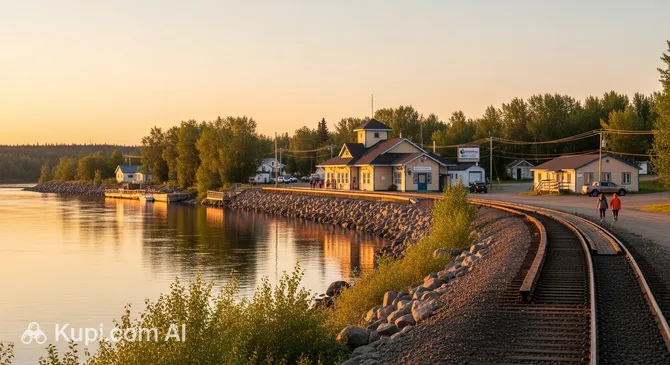
Moosonee. Source: Kupi.Binoculars

The area is rich in heritage, serving as a vital transportation and logistics hub for the coastal communities of James Bay. Exploring the history of Moosonee reveals its deep connections to the fur trade era and its evolution into a modern northern railhead. Just across the river lies the historic Moose Factory, one of the oldest settlements in the province, which adds another layer of historical depth to your visit.

For nature enthusiasts, Moosonee is a paradise. You can take a water taxi to Tidewater Provincial Park, located on an island in the Moose River, offering excellent camping and hiking opportunities. In the winter months, the dark northern skies provide a perfect canvas for viewing the spectacular Northern Lights (Aurora Borealis). Whether you are looking to immerse yourself in Indigenous culture or simply escape the hustle of city life, Moosonee invites you to discover the serene charm of the True North.

Weather Overview

Planning a trip to this northern destination requires understanding its distinct seasonal shifts. The weather in Moosonee is classified as subarctic, offering visitors a true taste of the Canadian North with long, crisp winters and pleasantly mild summers. Whether you are arriving for the snowy landscapes or the lush greenery of the warmer months, dressing in layers is always recommended.

Winter dominates the calendar with cold temperatures and snowy conditions. January is typically the coldest month, with an average temperature of -16.2°C and lows often dropping to -20.2°C. Despite the chill, the winter air is generally dry, though you can expect about 9 wet days per month during this season.

Summer brings a welcome transformation, making it an ideal time for outdoor exploration. By July, the average temperature rises to a comfortable 17.5°C, with daily highs reaching up to 22.6°C. This season is also the wettest, with precipitation occurring on approximately 15 days of the month. Expect pleasant, warm summers with occasional rain and cold, snowy winters.

Interesting Facts

Beyond the well-known train journey, Moosonee holds fascinating secrets that reveal its unique position in the geography and history of Canada.

  • Born from Rivalry: While neighboring Moose Factory was established by the Hudson's Bay Company in the 17th century, Moosonee itself was founded much later, in 1903, by the French company Revillon Frères. It was created specifically to compete with the English fur traders across the river, marking a distinct chapter in the region's commercial history.

  • The Winter Highway: Although the town is famous for having no year-round road access, locals utilize a remarkable engineering feat during the coldest months known as the Wetum Road. This temporary winter road is constructed over frozen terrain and ice, connecting the community to the provincial highway network and allowing vehicles to drive south for a brief window each year.

  • Ontario's Saltwater Port: Moosonee is widely considered to be Ontario's only saltwater port. Despite being located about 19 kilometers upstream from James Bay, the Moose River is tidal and deep enough to serve as a critical barge terminal, transporting heavy supplies to remote coastal communities along the bay during the ice-free summer season.

How to Get There

Reaching the "Gateway to the Arctic" is a unique travel experience, primarily relying on air and rail connections due to the absence of all-season roads. For a comprehensive overview of travel options and logistics, you can read more about how to get to Moosonee.

The most direct way to arrive by air is via the Moosonee Airport (YMO), which is conveniently located within the town limits, just 3 km from the center. As the primary aviation hub for the James Bay coast, it handles a steady flow of regional traffic, connecting the town to southern destinations like Timmins. The airport serves as a crucial lifeline for the community, with an annual passenger volume of approximately 35,000. Upon landing, reaching the town center is quick and straightforward, with a taxi ride taking roughly 5 to 10 minutes.

For clarity, here is a summary of the main airports serving the wider region:

Airport Name City Passenger Traffic Km from City
Moosonee Moosonee ~35,000 3.0
Attawapiskat Attawapiskat ~12,000 221.3
Fort Albany Fort Albany - 126.5

It is important to note that Moosonee is not connected to the rest of Ontario by a year-round road network. While a winter road exists seasonally, the most popular and iconic method of ground transportation is the Polar Bear Express train. This passenger rail service runs from Cochrane to Moosonee, offering a scenic journey through the northern wilderness and serving as the main terrestrial link for visitors and residents alike.

Main Attractions

Exploring Moosonee is an experience defined by its remote northern charm, deep historical roots, and connection to the wild waters of the Moose River. While the town is small, it serves as the launching point for unique adventures that allow visitors to touch the "Edge of the Arctic" and immerse themselves in the culture of the James Bay frontier.

One of the most accessible natural highlights is Tidewater Provincial Park. Located on five islands in the Moose River estuary between Moosonee and Moose Factory, this park is a short water taxi ride away. It offers a rare opportunity to camp and hike in a subarctic environment without traveling too far from civilization. The park is famous for its views of the river and the chance to spot northern wildlife, including seals and occasionally beluga whales, making it a favorite spot for nature enthusiasts.

For a dive into local history, the Railway Car Museum is a must-visit attraction situated on First Street near the train station. Housed inside a refurbished Ontario Northland baggage car, this unique museum showcases the story of the region's development, including the construction of the railway and the history of the fur trade. Since the closure of the Revillon Frères Museum, many of its artifacts have been moved here, offering a comprehensive look at the town's past as a transportation hub.

The Moose River itself is perhaps the town's greatest attraction. As the "highway" of the north, it bustles with freighter canoes and water taxis. Visitors can book boat tours to travel downstream toward James Bay, the southernmost part of the Arctic Ocean. These excursions often lead to the Shipsands Island Migratory Bird Sanctuary, a haven for birdwatchers, and offer the thrilling possibility of seeing seals basking on sandbars or white beluga whales swimming in the saltwater tides.

Just across the river lies the historic island of Moose Factory, which is an essential excursion for anyone visiting Moosonee. Accessible by a quick boat ride, it is one of the oldest settlements in Ontario and home to the Centennial Park. Here, you can walk among 19th-century buildings from the Hudson's Bay Company era, including the 1850 Staff House and the historic St. Thomas Anglican Church, providing a tangible link to the early days of the Canadian fur trade.

Local Cuisine

The culinary landscape of Moosonee is defined by its remote northern location and deep Indigenous roots. While you will not find fine dining establishments or extensive international menus here, the local food scene offers a warm, hearty welcome that reflects the character of the region. Dining in this "Gateway to the Arctic" is about comfort, community, and a connection to the land, with meals designed to fuel you through the crisp subarctic days.

For a true taste of the region, freshwater fish is the undisputed highlight. Walleye (often locally called pickerel) and Northern Pike are caught fresh from the Moose River and its tributaries. You will often find pickerel pan-fried or battered, served as a simple yet delicious meal that highlights the quality of the local catch. Another staple of the local culture is bannock, a traditional type of fried or baked bread. Dense, filling, and slightly savory, it is the perfect accompaniment to a hot meal, and while it is not always on every restaurant menu, it is a fixture at community gatherings and cultural events.

The traditional food culture of the local Cree population revolves around "Country Food"—wild game harvested from the land, such as moose, caribou, and goose. While regulations often prevent these wild meats from being sold in standard restaurants, they are the heart of the local diet. If you are visiting during a cultural festival like the "Gathering of Our People" or booking a guided tour with a local outfitter, you might be lucky enough to witness traditional cooking methods, such as sagabon, where goose is slowly roasted over an open fire.

When looking for a place to eat, options are limited but welcoming. The Sky Ranch Restaurant is a well-known local fixture, offering a classic diner experience with home-style favorites like burgers, club sandwiches, and all-day breakfasts. It is a casual spot where locals and visitors mix, providing a friendly atmosphere to warm up after a day of exploring. For quick bites or supplies, the Northern Store serves as the town's primary grocery hub and often includes a counter for fast food items like fried chicken and pizza, which are popular among residents.

As for drinks, the cold climate makes hot beverages a daily necessity. A steaming cup of coffee or tea is the standard way to start the day or warm up after a boat ride on the river. While there are no signature local cocktails, the dining spots in town offer standard selections of beer and spirits. The focus here is less on mixology and more on the simple pleasure of a hot drink and a filling meal shared in good company amidst the wild beauty of the North.

Travel Tips

Visiting Moosonee is a true adventure into the Canadian North, and a little preparation goes a long way in ensuring your trip is comfortable and memorable. Since this remote community operates differently from southern cities, keeping these practical tips in mind will help you navigate the local lifestyle and environment with ease.

  1. Clothing and Gear: Your packing list depends entirely on the season. In winter, you need industrial-strength cold weather gear, including a heavy parka, insulated boots, and thermal layers, as temperatures drop significantly below freezing. In summer, the weather is mild, but the real challenge is insects. Bring high-quality insect repellent (with DEET) and consider a "bug jacket" or mesh head net, as black flies and mosquitoes can be intense in the bush. Comfortable, waterproof walking shoes are essential year-round.

  2. Transportation: There is no public transit system like a metro or bus network. The town is small enough to walk, but to cross the river to Moose Factory, you will need to take a water taxi. These are typically 20-foot freighter canoes operated by locals. In winter, these turn into "ice taxis" (vehicles driving on the frozen river). Car rentals are generally not available or necessary, as there are no roads connecting the town to the outside world.

  3. Finances: The currency is the Canadian Dollar (CAD). While the main grocery store (The Northern Store) and hotel accept credit and debit cards, cash is essential for water taxis and purchasing crafts from local artisans. There is a bank and an ATM in town, but it is wise to arrive with some small bills in hand. Tipping follows standard Canadian norms (15-20% for service), though it is less expected for simple taxi crossings.

  4. Health and Safety: Moosonee is generally safe, but medical facilities are specific. The primary medical center, the Weeneebayko General Hospital, is located across the river in Moose Factory. In Moosonee, there is a health clinic, but for emergencies, you may need to cross the water (or ice). Pharmacy supplies can be limited, so bring an adequate supply of any prescription medications you need. Be "bear aware" if you venture to the outskirts of town or Tidewater Provincial Park.

  5. Communication: English is widely spoken and is the primary language for commerce. You will also hear Cree spoken by many residents; learning the friendly greeting "Wachay" (meaning "hello" or "good day") is a great way to break the ice. Cell phone coverage is available from major Canadian providers (like Rogers and Bell) within the town, but signals often drop off quickly once you leave the immediate area. Wi-Fi is available at the hotel and some public spots but can be slower than in major cities.

  6. Local Etiquette: The atmosphere here is relaxed and community-focused. It is polite to greet people you pass on the street with a nod or a "hello." Life operates on "Northern time," meaning things may happen at a slower pace than in Toronto or Ottawa. Patience and a friendly attitude are highly valued. If you visit religious sites or community gatherings, dress modestly and observe quietly.

  7. What to Avoid: Do not take photographs of local residents, their children, or their homes without asking for explicit permission first; many locals value their privacy and may find unauthorized photography intrusive. Also, avoid wandering into the wilderness or onto the river ice without local knowledge or a guide, as conditions can change rapidly and be dangerous for the inexperienced.

  8. Alcohol Regulations: Be aware of the differences in alcohol regulations between the two sides of the river. While you can purchase alcohol at the LCBO store in Moosonee, the neighboring island of Moose Factory is often a "dry" community with restrictions on the sale and sometimes possession of alcohol. Always check and respect the local bylaws before transporting any beverages across the river.

By packing the right gear and embracing the local pace of life, you will be well-equipped to enjoy the unique hospitality of the James Bay frontier. Moosonee offers a rare opportunity to disconnect from the rush of the modern world, so take your time, respect the land and the people, and enjoy the incredible northern experience.

Entertainment & Nightlife

Entertainment and nightlife in Moosonee reflect the town's character: quiet, community-focused, and deeply connected to the rhythms of the North. Visitors expecting bustling nightclubs, neon-lit districts, or late-night raves will find a very different reality here. The evening scene is low-key and revolves around casual socializing, hearty meals, and relaxing after a day of outdoor adventure. It is the kind of place where "nightlife" means sharing a table with locals, listening to stories about life on the James Bay coast, and enjoying the serene silence of the subarctic night.

There is no specific "nightlife district" in this small community of roughly 1,725 people. Instead, social activity tends to concentrate along the main thoroughfares near the waterfront and the train station, particularly on First Street. The atmosphere is universally relaxed and informal. The dress code is purely functional; jeans, flannel shirts, and outdoor gear are the standard attire. You will fit in perfectly wearing the same clothes you wore for your daytime hike, provided they are clean and comfortable.

For a place to unwind with a drink or a late meal, options are limited but welcoming. The Super 8 by Wyndham Moosonee serves as a central hub for visitors. Its on-site restaurant and lounge area often act as the default gathering spot for travelers and workers in the region, offering a warm place to enjoy a beverage and a meal. Another local staple is the Sky Ranch Restaurant, which, while primarily a diner, stays open into the evening and provides a cozy setting for a comforting dinner. For a true slice of local culture, the Royal Canadian Legion Branch 284 occasionally hosts social events and gatherings where visitors are generally welcome to sign in and enjoy a reasonably priced drink in a friendly, unpretentious environment.

Practical advice for a night out in Moosonee centers on timing and logistics. Venues tend to close much earlier than in southern cities, often winding down by 9:00 PM or 10:00 PM, so it is best to start your evening early. Prices are generally comparable to or slightly higher than the provincial average due to the cost of transporting goods to the north. While the town is walkable, navigating at night requires caution. Street lighting can be sparse on the outskirts, and local wildlife—including stray dogs and occasionally black bears—can be active after dark.

Safety is generally not an issue regarding crime, but environmental awareness is key. If you are moving between the hotel and the waterfront or visiting friends, it is advisable to use a taxi rather than walking alone in poorly lit areas. Taxis do not typically cruise for fares; you must call a local dispatch to arrange a pickup, which usually arrives within 5 to 10 minutes. Always carry cash, as small local operators may not accept cards, and having small bills makes splitting fares easier.

During the daylight hours, entertainment shifts toward cultural and outdoor experiences. While there are no large amusement parks or shopping malls, the town offers unique attractions like the Railway Car Museum, which provides a fascinating look into the area's transportation history. Nature acts as the primary theater here; visitors spend their days taking boat tours on the Moose River, exploring the trails of Tidewater Provincial Park, or simply watching the tide shift at the docks, observing the busy flow of freighter canoes that serve as the lifeblood of the coast.

Parks & Museums

While Moosonee is a small community, its connection to the vast wilderness of the Hudson Bay Lowlands makes it a fascinating destination for nature lovers and history buffs. The town does not boast the manicured gardens of southern cities; instead, its "green spaces" are raw, rugged, and authentic, offering a direct link to the subarctic environment. Similarly, the local cultural venues are intimate and deeply rooted in the stories of the fur trade and the railway that shaped the region.

The crown jewel of the area's natural attractions is Tidewater Provincial Park. Located on five islands in the Moose River estuary, just a short water taxi ride from the town docks, this park offers a unique camping and hiking experience. It is one of the few provincial parks in Canada that provides a glimpse into the subarctic landscape without requiring a flight further north. Visitors can walk along boardwalks through spruce bogs, spot seals in the river, and, if lucky, witness the mesmerizing Northern Lights away from the town's lights. It is a fantastic spot for a day trip or an overnight adventure to truly feel the isolation and beauty of the North.

Another significant natural area is the Shipsands Island Migratory Bird Sanctuary, located at the mouth of the Moose River where it meets James Bay. While harder to access and typically requiring a guided boat tour, it is a world-class destination for birdwatching. In the spring and fall, the mudflats and marshes teem with thousands of waterfowl, shorebirds, and geese migrating to and from the Arctic. It offers a raw, unpolished nature experience where the sky and water seem to merge endlessly.

For those interested in the region's heritage, the Railway Car Museum is the primary cultural attraction within Moosonee itself. Situated on First Street near the train station, this museum is housed inside a converted Ontario Northland baggage car, fittingly paying tribute to the railway that serves as the town's lifeline. Inside, you will find artifacts and photographs detailing the construction of the rail line through the muskeg and the history of the area's development. It also houses items from the former Revillon Frères Museum, preserving the memory of the French fur trading company that founded the town in 1903.

Just across the river, the Moose Factory Centennial Park offers an open-air museum experience that is essential for understanding the local culture. This historic site preserves 19th-century buildings from the Hudson's Bay Company post, including the 1850 Staff House and a working blacksmith shop. Walking through this area provides a tangible connection to the fur trade era and the deep Indigenous history of the Cree people who have lived here for millennia. It serves as a quiet, reflective space where history stands still amidst the tall grasses and river breezes.

For a truly authentic local experience, spend an evening walking along the Moose River waterfront near the docks. There is no admission fee or formal gate; it is simply the heart of the community. Watching the freighter canoes navigate the strong tides and chatting with locals preparing for a trip upriver offers more insight into the daily life and culture of the "Gateway to the Arctic" than any guidebook could provide.

Getting Around

Public transport in Moosonee operates quite differently from large metropolitan areas. There is no municipal bus network, subway system, or tram line serving the town. Due to the community's small size and remote location, the transport infrastructure is informal and relies primarily on private taxi services and walking. Visitors should not expect to find scheduled routes, travel apps, or electronic ticket machines here.

The most common way to get around the town itself is by taxi. Local taxi companies operate fleets of vans and sedans that function somewhat like a shared shuttle service. You typically do not hail them on the street; instead, you must call a dispatcher to arrange a pickup. It is common for drivers to pick up multiple passengers heading in the same general direction, so be prepared to share your ride with locals. Fares are generally charged as a flat rate per person for travel within the town limits, rather than by a meter.

A unique feature of the local transport system is the connection to the neighboring island of Moose Factory. In the summer months, water taxis—typically long motorized freighter canoes—ferry passengers across the Moose River. These boats depart from the public docks and offer a swift, scenic commute. During the winter, once the river freezes thick enough to support vehicles, the water taxis are replaced by "ice taxis" that drive directly across the frozen river on a plowed ice road. This seasonal transition is a distinct aspect of life in the region.

Regarding payment, cash is the standard method for all local transport. There are no travel passes, transit cards, or mobile payment apps available. While some ground taxi companies may accept credit cards, it is not guaranteed, and water taxi operators almost exclusively require cash. The cost for a standard trip within town or a river crossing is relatively low, usually just a few dollars per person. It is highly recommended to carry a supply of small bills (5 and 10 dollar notes) and coins to pay your fare exactly.

For tourists, the best advice is to plan ahead, especially if you have a tight schedule like catching the train or a flight. Taxis generally operate from early morning until late evening, but service can be slower during peak times or late at night. If you are arriving by train, taxis are usually waiting at the station to take passengers to their accommodations. Since the town is compact, walking is also a viable and pleasant alternative during good weather, allowing you to easily reach the waterfront, hotels, and shops on foot.

Accommodation

To ensure a comfortable stay in Moosonee, it is essential to plan ahead. As a remote community on the edge of the Arctic, accommodation options are limited and can fill up quickly, especially during the busy summer season or when the Polar Bear Express train arrives. Unlike larger cities, you will not find a wide variety of international hotel chains here; instead, the town relies on a few specific establishments to cater to the needs of tourists, government workers, and contractors.

The primary hotel within the town is the Super 8 by Wyndham Moosonee. Conveniently located on First Street, this modern facility serves as the main hub for visitors. It is situated within walking distance of the train station and the Moose River docks, making it an ideal base for exploring the area. The hotel provides essential amenities such as Wi-Fi, comfortable rooms, and an on-site restaurant, which is a popular gathering spot for a warm meal after a day of northern adventure.

Beyond the main hotel, accommodation choices are quite scarce and distinct from typical tourist destinations. Travelers looking for alternatives might find availability at small local guesthouses or Bed & Breakfasts, such as The Moosonee Lilypad, which offers a quieter, more home-like atmosphere. However, these spots have very limited capacity, so securing a reservation well before your arrival is critical to avoid being left without a place to stay.

Travelers should be aware that nightly rates in Moosonee are generally higher than in southern Canada, reflecting the increased costs of operating in a subarctic environment. Amenities are functional and cozy, designed to provide a warm refuge from the northern elements. Whether you choose the convenience of the main hotel or a smaller guesthouse, booking your room well in advance is the best way to ensure a smooth trip to the "Gateway to the Arctic."

Nearby Cities

Situated in the vast wilderness of Northern Ontario, Moosonee is geographically isolated, yet it shares a connection with several key communities across the region and into neighboring Quebec. These cities often serve as vital transportation hubs or stopovers for travelers navigating the extensive distances of the Canadian North. Whether flying in or driving to the rail connection points, visitors frequently interact with these regional centers on their journey toward the James Bay coast.

Kapuskasing is a notable community located along the northern highway corridor. It provides a glimpse into the industrial history of the region and serves as a significant point for those traveling by road before heading further north. Timmins acts as the primary economic and aviation hub for Northeastern Ontario. With its strong mining heritage, it connects many remote communities, including Moosonee, to the rest of the province through regular flights. Crossing into Quebec, Rouyn-Noranda stands out as a vibrant cultural and industrial center, showcasing the rich copper mining legacy of the Abitibi-Témiscamingue region.

City Population Distance (km)
Rouyn-Noranda 42,334 358
Timmins 41,788 315
Amos 12,823 352
Temiskaming Shores 9,920 425
Kapuskasing 8,000 242

These destinations highlight the diverse character of the wider region, from industrial powerhouses to historic northern towns.

Shopping & Souvenirs

Shopping in Moosonee is a unique experience that differs significantly from the commercial bustle of southern cities. As a remote community and a supply hub for the James Bay coast, the retail scene here is primarily functional, focused on providing essential goods to residents and visitors. However, for those with a keen eye, it is also a fantastic place to discover authentic Indigenous artistry. You will not find designer boutiques or sprawling outlet centers; instead, you will encounter general stores that stock everything from groceries to snowmobiles, alongside opportunities to purchase handcrafted items directly from local Cree artisans.

The main commercial activity in the town is concentrated along First Street and the areas adjacent to the train station and the waterfront. This district serves as the economic heart of the community, where the primary businesses, hotels, and services are located. It is a compact area that is easily navigable on foot. Visitors arriving by the Polar Bear Express will find themselves stepping almost immediately into the center of the town's limited but vital shopping zone.

There are no traditional shopping malls in Moosonee. The closest equivalent and the most important retail establishment in town is The Northern Store. Operated by The North West Company, this large department store acts as the community's "one-stop-shop." Inside, you can find a wide range of products including groceries, clothing, electronics, outdoor gear, and hardware. For tourists, it is an interesting place to observe the logistics of northern living, where a single store supplies almost every daily necessity for the population.

While the town does not host permanent flea markets or large covered bazaars, the spirit of a market exists in the informal trade of local crafts. Community gatherings and special events often feature tables set up by local creators selling their wares. In the absence of a formal market hall, the best way to find these unique items is often by asking locals or checking bulletin boards at the hotel and the train station for announcements about craft sales or pop-up vendors.

When it comes to souvenirs, Moosonee offers treasures that you cannot find anywhere else. The region is famous for Tamarack Geese, exquisite decoys handcrafted from the twigs of the tamarack (larch) tree by Cree artisans. These birds are a signature art form of the James Bay coast and make for a distinctive and meaningful keepsake. Other popular items include moose hide moccasins, mitts trimmed with beaver fur, and intricate beadwork. These goods are not mass-produced; buying them supports the local culture and economy directly.

Store opening hours in Moosonee are generally standard, with major retailers like The Northern Store open seven days a week, often until 6:00 PM or later on weekdays. Smaller businesses may have more limited hours and might close on Sundays. Regarding payment, major credit and debit cards are widely accepted at established businesses. However, cash is essential if you plan to purchase crafts from individual artisans or pay for small services, as many local creators do not have electronic payment terminals.

Visitors should be aware that the Harmonized Sales Tax (HST) of 13% applies to most goods and services in Ontario. Prices displayed on shelves typically do not include this tax, which is added at the register. Unlike in some international destinations, there is no general sales tax refund program for tourists in Canada, so the price you pay at the checkout is final.

Reached the end of the page?

That means the route is fully explored