Support

Sanikiluaq

About

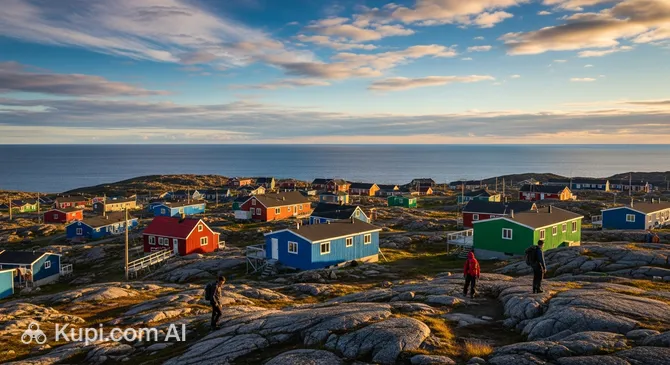
Sanikiluaq is the southernmost community in the territory of Nunavut, offering a truly unique perspective on Arctic life. Located on Flaherty Island within the Belcher Islands archipelago in Hudson Bay, this remote settlement is geologically distinct from the mainland. While it is a vital part of Canada, the landscape here features dark rock cliffs and rolling hills that contrast beautifully with the sea ice in winter and the deep blue waters in summer. With a population of roughly 950 residents, the town maintains a close-knit, welcoming atmosphere where traditional Inuit culture is vibrant and daily life is closely tied to the land and sea.

Sanikiluaq. Source: Kupi.Binoculars

The community is renowned worldwide for its exceptional arts and crafts, particularly its exquisite soapstone carvings. The local artisans are highly skilled, creating intricate works that reflect the natural world around them. Another significant feature of the local culture is the sustainable harvesting of eider down, which is used to create some of the warmest parkas and clothing in the world. Visitors interested in the region's heritage can delve into the history of Sanikiluaq to understand how the Inuit have thrived in this specific environment for generations, adapting to the unique challenges of island life.

Nature lovers will find plenty to admire here, from the rugged coastlines to the abundance of wildlife, including reindeer, seals, and occasionally polar bears. The Belcher Islands provide excellent opportunities for kayaking, hiking, and observing the Northern Lights during the darker months. For travelers seeking an authentic, peaceful, and off-the-beaten-path northern experience, Sanikiluaq is a hidden gem waiting to be discovered.

Weather Overview

Sanikiluaq experiences a cold Arctic climate, heavily influenced by its location within Hudson Bay. The weather is characterized by long, frigid winters and short, cool summers. Travelers should be prepared for significant cold, particularly in February, which is typically the coldest month with average temperatures around -22.6°C and lows dropping to -25.1°C.

During the warmer season, conditions become much milder, though they remain cool by southern standards. August is generally the warmest month, seeing average temperatures of 9.2°C and highs reaching up to 11.0°C. For a more comprehensive look at what to expect during your visit, you can consult the detailed weather in Sanikiluaq guide.

Precipitation in the region is quite unique; while the actual volume is consistently low—often just 1mm to 2mm per month—the frequency of precipitation events varies. You can expect drier conditions in late winter, with February seeing only about 5 wet days. In contrast, the end of the year becomes much damper, with December experiencing up to 19 wet days, often in the form of snow or light mist.

Interesting Facts

Beyond the main attractions, Sanikiluaq holds many fascinating secrets that highlight its distinct environment and resourceful culture. This remote island community offers a glimpse into a way of life that has adapted ingeniously to its specific surroundings.
  • Reindeer on the Islands: Unlike most of the Canadian Arctic where caribou are common, Sanikiluaq is home to a population of reindeer. These animals were introduced to the Belcher Islands in 1978 to replace the native caribou herds that had disappeared nearly a century earlier, and they now thrive on the rocky terrain.

  • The Eider Down Capital: The community is world-renowned for its sustainable production of eider down. Locals harvest this incredibly warm, lightweight insulation from the nests of wild eider ducks without harming the birds or their eggs, using it to create some of the warmest parkas in existence.

  • Rare Handicrafts: While soapstone carving is popular across the north, Sanikiluaq artists are famous for unique items not commonly found elsewhere, such as fish-skin dolls and intricate baskets woven from lyme grass. These baskets often feature small soapstone figures attached to the handles, blending two distinct art forms.

  • A Treeless Anomaly: Despite being the southernmost community in Nunavut, Sanikiluaq remains completely treeless. Although it lies south of the Arctic Circle, the islands maintain a true Arctic tundra landscape with dark rock cliffs and moss, defying the expectations of their latitude.

  • A Legendary Namesake: The hamlet is named after Sandy Kiluaq, a legendary figure in local oral history. According to tradition, he was an adopted child who overcame significant hardships to become the region's most skilled hunter and a hero to his people.

How to Get There

Reaching this remote island community is an adventure in itself, primarily relying on air travel due to its location in Hudson Bay. Since there are no roads or rail links connecting the Belcher Islands to the mainland, flying is the only practical option for visitors. For a comprehensive guide on planning your journey, you can read more about how to get to Sanikiluaq and the available flight connections.

The town is served by its own facility, Sanikiluaq Airport (YSK), which acts as the main gateway for all travelers. Located very close to the settlement, it is convenient for arrivals. The airport is situated just 1.6 km from the center of Sanikiluaq, making the transfer quick and easy; a taxi or shuttle ride typically takes just a few minutes. Although it is a smaller regional hub with an annual traffic of around 4,500 passengers, it provides essential links to the mainland.

Another significant regional hub in the vicinity is Kuujjuarapik Airport (YGW), located in the town of Kuujjuarapik. It is approximately 167 km away from Sanikiluaq. While you cannot drive from there to the islands, this airport often serves as a key connecting point for flights heading north into Hudson Bay. It handles a larger volume of travelers, with roughly 15,000 passengers passing through annually.

For clarity, here is a summary of the main airports:

Airport Name City Passenger Traffic Km from City
Kuujjuarapik Airport Kuujjuarapik Medium 167.1
Sanikiluaq Airport Sanikiluaq Small 1.6

Main Attractions

Kinngaaluk Territorial Park is a standout destination for those looking to immerse themselves in the region's natural beauty and history. Located just north of the community, this protected area spans approximately 3,300 acres and offers a dedicated space for camping, hiking, and cultural activities. It is particularly fascinating for history enthusiasts, as the park preserves significant archaeological sites from the Thule and Dorset cultures, providing a tangible link to the ancient peoples who first inhabited these islands.

The Belcher Islands Archipelago itself is arguably the greatest attraction, offering a landscape that is geologically distinct from the rest of the Arctic. Consisting of over 1,500 islands, this area is a paradise for kayakers and canoeists who can navigate the sheltered waterways between the dark, folding rock cliffs. The treeless, tundra terrain is perfect for hiking, allowing visitors to see for miles across the rugged hills and the vast expanse of Hudson Bay.

For a deep dive into the local art scene, a visit to the Mitiq Co-operative is essential. This community hub is not just a store but a showcase for Sanikiluaq’s world-famous craftsmanship. Here, tourists can find and purchase the unique Sanikiluaq grass baskets (also known as lyme grass baskets). These intricate, hand-woven vessels are often embellished with a tuft of qisiq (seal skin) on the lid, adding a distinctive cultural touch. The Co-op is also the best place to find carvings made from the local dark argillite stone, which is prized by collectors globally for its distinct color and quality.

Wildlife enthusiasts will find the area teeming with unique viewing opportunities, particularly for the famous Eider Ducks. These birds are central to the local culture and economy, and their down is sustainably harvested to create incredibly warm clothing. Additionally, unlike many other parts of Nunavut, the islands are home to a population of reindeer, introduced in the 1970s, which can often be spotted grazing on the lichen-rich tundra along with other Arctic species like snowy owls and beluga whales.

Local Cuisine

The culinary experience in Sanikiluaq is deeply rooted in the traditions of the Inuit and the unique geography of the Belcher Islands. Unlike typical tourist destinations filled with diverse restaurants, the "food scene" here revolves around Country Food—wild harvest gathered directly from the land and sea. For visitors, this offers a rare opportunity to taste some of the freshest and most organic ingredients on the planet, often prepared simply to highlight their natural flavors.

The absolute highlight of Sanikiluaq’s gastronomy is its exceptional shellfish. Thanks to the strong currents that keep patches of water, known as polynyas, open throughout the winter, locals can harvest blue mussels and sea urchins year-round. These are considered some of the finest in the Arctic. Eating fresh mussels or scooping the rich roe from a sea urchin just moments after it has been pulled from the icy waters of Hudson Bay is a signature experience for any adventurous traveler visiting the community.

Meat also plays a central role in the local diet, but with a distinct twist compared to the mainland. Since the islands are home to a resident herd of reindeer, reindeer meat is a common staple, often enjoyed in stews, dried as jerky, or roasted. You will also find Arctic char, a delicious pink-fleshed fish that is a favorite across Nunavut. It is versatile and can be served raw (frozen or fresh), smoked, or fried, often accompanied by bannock, the dense and comforting fried bread that is a beloved essential at every meal.

When it comes to beverages, hot tea is the undisputed king of social gatherings. In Sanikiluaq, a pot of tea is always brewing, serving as a gesture of hospitality and warmth against the cold. While alcohol regulations in Nunavut communities can be strict and availability is often limited or restricted, the focus here is on warming, non-alcoholic drinks that keep spirits high during the long winters. Drinking water is also noteworthy; melted ice or fresh water from the local lakes is incredibly pure and refreshing.

Dining out in Sanikiluaq requires a shift in expectations. There are no street food stalls or wide arrays of cafes. Instead, visitors typically eat at the dining rooms of local hotels, such as the Amaulik Hotel, which serve a mix of standard Canadian fare and local specialties when available. For snacks and supplies, the Mitiq Co-operative store is the community hub. However, the best way to experience the true flavor of the islands is through the generosity of the locals, where sharing a meal of country food is a fundamental part of the culture.

Travel Tips

Visiting Sanikiluaq requires a bit more preparation than your average trip, given its remote location on the Belcher Islands. To ensure your Arctic adventure is safe and enjoyable, here are some essential practical tips to keep in mind before you pack your bags.

  1. Clothing and Gear: Dress for the Arctic climate, regardless of the season. In winter, a heavy parka, insulated windproof pants, and rated winter boots are non-negotiable. Even in summer, the wind off Hudson Bay makes it cool, so layers are essential. Bring a backup power bank for your electronics, as the extreme cold can drain batteries very quickly.

  2. Transportation: The community is compact and easily walkable. For airport transfers or moving luggage, local taxis are available and typically charge a flat rate per person. There are no car rental agencies; locals primarily travel by ATV in the summer and snowmobile in the winter. If you need to travel far from town, you must arrange a guided trip with a local outfitter.

  3. Finances: The official currency is the Canadian Dollar (CAD). While the Mitiq Co-op and the local hotel accept credit and debit cards, it is highly recommended to carry cash. You will need it for taxi fares and, most importantly, if you wish to purchase soapstone carvings or baskets directly from local artists.

  4. Health and Safety: Sanikiluaq has a Health Centre staffed by nurses for routine care and minor emergencies, but serious medical situations require an evacuation flight to a southern hospital. Ensure you have comprehensive travel insurance that covers medevacs. Always be "bear aware" if you leave the town limits; polar bears are present in the area, and hiring a guide is the safest way to explore.

  5. Communication: English is widely spoken and understood, though Inuktitut is the first language for most residents. A friendly "Ullaakkut" (Good morning) goes a long way. Mobile coverage is available (mostly via the Bell network), but data speeds can be slow. Wi-Fi is satellite-based and may be limited or weather-dependent.

  6. Local Etiquette: The community is warm and welcoming; it is polite to smile and wave at passersby. When entering a home or the hotel, it is customary to remove your boots at the door to avoid tracking in mud or snow. Always ask for explicit permission before taking photographs of local people, children, or their property.

  7. What to Avoid: Do not bring alcohol without understanding the strict local regulations. Sanikiluaq is a restricted community, meaning there are specific limits and rules regarding the possession and import of alcohol, and there are no bars or liquor stores in town. Public intoxication is frowned upon and can lead to legal trouble.

  8. Additional Tip: Be prepared for "weather delays." Flights to and from the island are frequently cancelled or delayed due to fog, blizzards, or high winds. Pack extra medication and essential supplies in your carry-on, and keep your travel itinerary flexible.

By respecting these local customs and coming prepared for the elements, you will find the community of Sanikiluaq to be incredibly hospitable. Embrace the slower pace of life and the unique rhythm of the North for a truly unforgettable travel experience.

Entertainment & Nightlife

Entertainment and nightlife in Sanikiluaq offer a distinct departure from the bustling clubs and neon-lit districts found in southern cities. Here, the evening atmosphere is defined by tranquility, community warmth, and the spectacular natural phenomena of the Arctic. Visitors should adjust their expectations; instead of bar-hopping, the "nightlife" revolves around intimate social gatherings, traditional feasts, and the awe-inspiring display of the Northern Lights. The community is "restricted," meaning there are no bars, liquor stores, or nightclubs, and the possession of alcohol is strictly regulated. This creates a peaceful, family-oriented environment where evenings are often spent enjoying the company of locals or relaxing after a day of outdoor adventure.

The social heart of the community in the evenings is undoubtedly the Amaulik Hotel. As the primary accommodation and dining facility in town, its dining room serves as the de facto gathering spot for travelers and visiting workers. Here, you can enjoy a warm meal—often featuring local ingredients like Arctic char or reindeer when available—in a casual and welcoming setting. It is the best place to meet people, exchange stories about the day's travels, and experience the local hospitality. The atmosphere is relaxed and informal; there is no dress code, and jeans or comfortable outdoor gear are the standard attire.

While there are no designated nightlife districts, the central area of the hamlet, near the hotel and the Mitiq Co-operative, is where most activity takes place. Occasionally, the community organizes events at the local Community Hall, such as square dances, traditional games, or feasts, especially during holidays or special celebrations. If you are fortunate enough to be in town during one of these events, it is a vibrant cultural experience where the entire town comes together. Visitors are generally welcomed warmly, but it is polite to ask locally about the schedule and etiquette.

The most spectacular show in Sanikiluaq happens overhead. The Kinngaaluk Territorial Park and the darker outskirts of the hamlet offer front-row seats to the Aurora Borealis. From late autumn through early spring, the night sky frequently dances with vibrant curtains of green, purple, and pink light. For photographers and nature lovers, this is the ultimate evening entertainment. The best time to view them is on clear, crisp nights between 10:00 PM and 2:00 AM. Safety is paramount when venturing out at night; while the town is safe from crime, polar bears can be a real danger on the perimeter. It is advisable to stay within the lighted areas of the community or hire a local guide if you plan to go further afield for photography.

For daytime entertainment, the focus shifts to cultural immersion and outdoor exploration. The Mitiq Co-operative is not just a store but a cultural treasure trove where you can view and purchase the region's famous soapstone carvings and unique grass baskets. Unlike a typical museum, this is a living gallery where the art supports the local economy. Hiking and kayaking are the primary recreational activities while the sun is up, offering a chance to connect with the raw beauty of the Belcher Islands before settling in for a quiet, cozy evening.

Practical advice for enjoying evenings in Sanikiluaq includes dressing in layers, as temperatures drop significantly after sunset. Taxis are available but can be infrequent late at night; however, since the town is compact, most places are within a short walking distance. Always carry cash, as card machines can be unreliable due to internet connectivity. If you are looking for a night out, remember that in Sanikiluaq, the best memories are made sharing a pot of tea with locals or standing in awe under the vast, shimmering Arctic sky.
Parks & Museums

In Sanikiluaq, the concept of parks and museums is defined not by manicured gardens or glass-walled exhibits, but by the raw, untouched beauty of the land and the living culture of its people. The entire archipelago serves as an open-air playground for nature lovers, while the artistic heritage of the community is woven into the daily life of its residents rather than confined to display cases.

Kinngaaluk Territorial Park is the premier designated green space in the area, situated just a short distance from the community. Unlike urban parks, this protected area preserves the rugged Arctic tundra and offers a genuine wilderness experience. It is an excellent location for camping and hiking, featuring designated tent platforms and fire pits that allow visitors to stay comfortably amidst the landscape. The park is also culturally significant, protecting archaeological remains that tell the story of the Thule and Dorset people who inhabited these islands centuries ago.

Beyond the official park boundaries, the Belcher Islands Coastline functions as a vast, natural recreational area. In the summer months, the rolling hills and rocky shores transform into a hiker's paradise, covered in moss, lichens, and wildflowers. This area is particularly popular for berry picking in late summer, where locals and visitors alike can forage for cloudberries, blueberries, and cranberries. Walking these natural trails offers uninterrupted views of Hudson Bay and the chance to spot local wildlife in their natural habitat.

While there is no formal museum building, the Mitiq Co-operative serves as the community's de facto art gallery and cultural center. Sanikiluaq is world-famous for its distinct style of soapstone carving and intricate grass basket weaving. At the Co-op, visitors can view a rotating selection of these masterpieces before they are shipped to galleries around the world. It offers a rare opportunity to see the art in the place of its creation and to appreciate the skill involved in making the famous "Sanikiluaq doll" baskets and dark stone sculptures.

For a glimpse into the architectural and spiritual history of the hamlet, St. Edmund’s Anglican Church is a notable landmark. Its modest yet distinct structure stands out against the rocky terrain, serving as a gathering place for the community. The church represents the historical intersection of Inuit culture and the arrival of missionaries in the region. Inside, the atmosphere reflects the tight-knit nature of the congregation, where hymns are often sung in Inuktitut, blending tradition with faith.

An authentic way to experience the local culture is to simply walk through the hamlet and observe the outdoor carving sites. Many artists prefer to work outside their homes during the warmer months to keep the stone dust outdoors. Seeing a carver transform a raw block of argillite into a polar bear or a hunter is a "living museum" experience that offers more insight into the local heritage than any static display could provide.

Getting Around

Due to its small size and remote location on the Belcher Islands, Sanikiluaq does not possess a conventional public transport system. There are no subways, buses, trams, or trains operating within the community. The hamlet is compact, and the infrastructure is designed for a population of fewer than 1,000 residents, meaning that the complex transit networks found in larger cities are neither necessary nor available here.

The primary form of motorized transport for visitors is the taxi service. Local taxis operate somewhat informally compared to southern standards; they function more like a shuttle service than a metered cab. You will not find designated taxi stands or ride-hailing apps. Instead, taxis are dispatched by phone. They are reliable for getting from the airport to your accommodation or for moving heavy gear across town, but they may pick up multiple passengers along the way.

Payment for transport is strictly a cash-based affair. There are no travel cards, passes, or electronic ticketing systems. Taxis typically charge a flat rate per person, per trip, regardless of the distance within the hamlet limits. Visitors are strongly advised to carry Canadian currency in small denominations (coins and $5 or $10 bills), as drivers may not always have change for large notes, and credit card payment is generally not an option inside the vehicle.

For most tourists, walking is the most practical and enjoyable way to navigate Sanikiluaq. The community is small enough to traverse on foot in a short amount of time. Key facilities like the hotel, the Co-op store, and the health center are all located within close proximity to one another. Walking also provides the best opportunity to interact with locals and take in the unique sights of the town, though proper winter clothing is essential if you are visiting during the colder months.

While not "public transport" in the traditional sense, the local mode of commuting changes with the seasons. In the summer, ATVs (All-Terrain Vehicles) are ubiquitous, while in the winter, snowmobiles become the standard engine of the town. Tourists generally do not rent these for self-transport within the town; however, if you book a guided tour or an excursion to the floe edge, your transport will almost certainly involve riding on a qamutik (a traditional wooden sled) pulled by a snowmobile. This offers a uniquely Arctic travel experience that replaces the need for buses or trains.

Accommodation

Accommodation in Sanikiluaq is straightforward and limited, reflecting the remote nature of this small Arctic community. Visitors should not expect a wide array of options such as budget hostels, luxury resorts, or extensive vacation rental networks. Instead, the available lodging is functional and comfortable, designed primarily to serve the needs of visiting professionals, government workers, and the intrepid tourists who venture to the Belcher Islands.

The main establishment in town is the Amaulik Hotel (often associated with the Inns North network). As the primary provider of hospitality in the hamlet, it serves as a comfortable home base for travelers. The hotel typically offers standard amenities including private bathrooms, cable television, and laundry facilities. It also houses a dining room that provides full meal services, which is particularly convenient given the absence of other restaurants in the area. Staying here offers a warm and social atmosphere where guests often meet locals and other travelers.

Regarding location, the entire community is compact, so staying at the hotel places you in a central and convenient spot. You will be within easy walking distance of key facilities such as the Sanikiluaq Airport, the Mitiq Co-operative store, and the hamlet office. This proximity is a significant advantage, especially during the winter months when minimizing time spent outdoors in extreme cold is a priority.

When planning your stay, it is crucial to book well in advance. Due to the limited number of rooms, accommodation can fill up quickly, especially during bad weather when flights are delayed or during community events. Prices generally fall into the mid-to-high range, reflecting the higher costs of logistics and operations in the North. Reservations are typically made by contacting the hotel directly via phone or email, as online booking platforms may not always reflect real-time availability.

Nearby Cities

Nearby Cities:

Sanikiluaq’s location on the Belcher Islands in the heart of Hudson Bay makes it one of the most geographically distinct communities in Canada. Unlike towns connected by highways, "nearby" in this context refers to settlements across the water, often hundreds of kilometers away on the mainland shores of Quebec and Ontario. These neighboring communities share a similar connection to the bay and the rugged northern landscape, though they are separated by the vast expanse of the sea.

The closest substantial community is Chisasibi, located on the eastern coast of James Bay in Quebec. While these towns appear relatively close on a map of the Arctic, travel between them is not direct and requires air transport, often routing through regional hubs like Kuujjuarapik or larger cities further south. The following table lists the nearest populated places to Sanikiluaq, providing a sense of the region's scale and the distances involved.

City Name Population Distance (km)
Chisasibi 5,000 325
Wemindji 1,766 390
Attawapiskat 1,800 452
Waskaganish 2,000 565
Tasiujaq 2,000 604

It is important for travelers to note that despite the proximity in kilometers, there are no seasonal ice roads or ferry services connecting Sanikiluaq to these mainland towns. Each community functions as an independent fly-in destination. Chisasibi and Wemindji are Cree communities in the Eeyou Istchee territory of Quebec, while Attawapiskat lies to the southwest in Northern Ontario. Exploring multiple locations in this region typically requires careful logistical planning and separate flights.

Shopping & Souvenirs

Shopping in Sanikiluaq is a unique experience focused on local artistry and essential supplies rather than high-street fashion or luxury brands. Visitors will not find sprawling retail complexes or designer boutiques here. Instead, the shopping scene is intimate and centered around the community's rich cultural heritage. The primary draw for tourists is the opportunity to purchase authentic Inuit art directly from the source, alongside basic travel necessities available at the general stores.

Given the compact size of the hamlet, there are no distinct shopping districts or commercial promenades. The "shopping area" is effectively the town center, where the main community buildings are located. A short walk through the central roads connects you to the primary general store and the hotel, which often acts as a meeting point for transactions with local artists.

Sanikiluaq does not have shopping malls in the traditional sense. The retail anchor of the community is the Mitiq Co-operative. This large general store functions as a "one-stop-shop" for the town, selling everything from groceries and hardware to clothing and electronics. For a visitor, it is also a cultural hub where one can often view and purchase high-quality local handicrafts displayed for sale.

There are no formal open-air markets with fixed stalls. However, a dynamic "informal market" exists within the community. Local carvers and weavers often bring their finished works to the local hotel or the Co-op to sell directly to visitors. This direct interaction allows tourists to meet the artists, hear the stories behind the pieces, and purchase items at a fair price without gallery markups.

The souvenirs here are world-class museum pieces. The most iconic item to buy is a Sanikiluaq grass basket, hand-woven from lyme grass and often topped with a small soapstone figure. These are unique to the Belcher Islands. Soapstone carvings made from the local dark argillite are also highly prized for their distinct color and smooth finish. Additionally, due to the local eider down industry, travelers might find exquisite eider down clothing, which is incredibly warm and sustainable.

Stores like the Co-op typically operate from Monday to Saturday, with opening hours usually ranging from 9:00 AM to 5:00 PM or 6:00 PM. They may have reduced hours or be closed on Sundays. While the main store accepts credit and debit cards, cash is essential if you plan to buy art directly from locals. There is limited banking infrastructure, so bringing sufficient Canada currency is highly recommended.

Canada does not have a VAT refund system for general tourist purchases like some European countries. However, Nunavut has one of the lowest sales tax structures in the country, charging only the 5% federal Goods and Services Tax (GST) and no additional provincial sales tax. This makes purchasing high-value art items here relatively more affordable compared to other Canadian jurisdictions with higher harmonized taxes.

Nearby cities

Reached the end of the page?

That means the route is fully explored