Support

Qikiqtarjuaq

About

Welcome to Qikiqtarjuaq, a friendly Inuit hamlet situated on Broughton Island in the Qikiqtaaluk Region. Known as the "Big Island" in Inuktitut, this remote destination offers a truly authentic Arctic experience in the vast wilderness of Canada. With a population of approximately 600 residents, it is a tight-knit community where traditional culture thrives amidst stunning polar landscapes and abundant marine life.

Geographically, the village is located just north of the Arctic Circle off the east coast of Baffin Island in the Nunavut territory. This unique location makes it a prime spot for witnessing the raw beauty of the North, from the Midnight Sun in summer to the dancing Northern Lights in winter. Visitors interested in the region's past can explore the fascinating history of Qikiqtarjuaq, which was formerly known as Broughton Island and has long served as a vital gathering place for Inuit families and a strategic point for Arctic exploration.
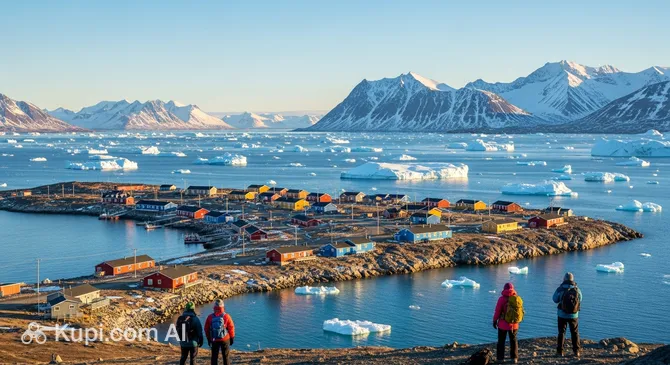
Qikiqtarjuaq. Source: Kupi.Binoculars

Often celebrated as the "Iceberg Capital of the North", the waters surrounding the island are frequently dotted with majestic ice formations drifting down from Greenland, creating a photographer's paradise. It also serves as the northern gateway to the spectacular Auyuittuq National Park, famous for its dramatic peaks and glaciers. Nature enthusiasts flock here for unparalleled opportunities to spot wildlife, including polar bears, whales, and narwhals in their natural habitat.

If you are seeking an adventure off the beaten path, Qikiqtarjuaq is the perfect place to immerse yourself in the serenity of the Arctic. Whether you are hiking through rugged terrain or taking a boat tour among massive icebergs, this captivating destination promises an unforgettable journey into the heart of the North.

Weather Overview

Travelers planning a trip to this Arctic destination should prepare for a polar climate characterized by long, frigid winters and short, cool summers. To help pack appropriately for your expedition, it is essential to check the current weather in Qikiqtarjuaq before you go. The conditions here are extreme and dictate the rhythm of daily life and outdoor activities.

Winter dominates the calendar, with temperatures remaining well below freezing for most of the year. February is typically the coldest month, seeing average temperatures drop to around -26.7°C. In contrast, the brief summer season brings milder conditions, though it remains quite cool by southern standards. August is generally the warmest time of year, with average temperatures hovering near 3.6°C.

While the overall volume of precipitation is low, often recording just a few millimeters per month, the frequency of wet or snowy days increases significantly during the warmer season. Expect cool summers with frequent damp days and extremely cold, dry winters, making sturdy, insulated gear a necessity year-round.

Interesting Facts

Beyond the main attractions and scenic vistas, Qikiqtarjuaq holds fascinating secrets that reveal the unique lifestyle and history of this remote Arctic community. From its surprising underwater industries to its strategic military past, there is much more to this hamlet than meets the eye.

  • Arctic Clam Diving: Surprisingly, this frozen region supports a thriving commercial clam diving industry. Brave divers plunge into the icy waters to hand-harvest Arctic surf clams from the ocean floor, a rare and perilous profession in the high North that supplies high-quality seafood to international markets.

  • Cold War Legacy: The modern development of the community was heavily influenced by the construction of the Distant Early Warning (DEW) Line in the 1950s. The site, known as FOX-5, was a radar station designed to detect potential aerial threats during the Cold War, which led to increased infrastructure and a permanent settlement on the island.

  • A Natural "Bear Highway": The island sits directly on a major migration route for polar bears moving along the coast of Baffin Island. This geographic quirk results in a higher density of bear activity compared to many other settlements, requiring residents to maintain a vigilant and respectful coexistence with these majestic predators.

  • The Deep Water Advantage: Unlike many Arctic coastal areas with shallow shelves, the waters off the local coast are exceptionally deep. This geological feature allows massive icebergs from Greenland to drift incredibly close to the shore without running aground, creating the towering, dynamic ice sculptures the village is famous for.

How to Get There

Reaching the remote Arctic wilderness of Nunavut requires careful planning, as there are no roads connecting the communities in this vast territory. Air travel is the lifeline for the region and the only practical way to arrive. For travelers looking for all ways to reach the city, booking a flight is the essential first step of the journey.

The community is served directly by Qikiqtarjuaq (IATA: YVM). This small regional airport is located just 1.1 km from the center of the hamlet, making the transfer to your accommodation incredibly quick and convenient; a taxi or shuttle ride typically takes only a few minutes. With an annual passenger traffic of around 4,000 people, it is a quiet facility that handles essential flights connecting the island to the rest of Nunavut.

Another airport in the broader region is Pangnirtung Airport (IATA: YXP), situated in the city of Pangnirtung approximately 173.9 km away. It is important to note that because Qikiqtarjuaq is on an island and there are no interconnecting highways in the Arctic, you cannot drive from Pangnirtung. Instead, this airport often serves as a neighboring hub or a stopover point on flight itineraries within the Qikiqtaaluk Region.

For clarity, here is a summary of the main airports:

Airport Name City Passenger Traffic Km from City
Pangnirtung Airport Pangnirtung Small 173.9
Qikiqtarjuaq Qikiqtarjuaq Small 1.1

Main Attractions

For many adventurers, the primary reason to visit this remote hamlet is its status as the northern gateway to Auyuittuq National Park. Known in Inuktitut as "the land that never melts," this spectacular reserve offers some of the most dramatic scenery in the Arctic, including the jagged peaks of Mount Asgard and the vertical cliff face of Mount Thor. Visitors can access the park via boat or snowmobile from the community to reach the Akshayuk Pass, a legendary hiking route that traverses glaciers and rugged valleys.

Living up to its nickname as the "Iceberg Capital of Nunavut," the village is a premier destination for Iceberg Watching. The deep waters of the Davis Strait allow massive icebergs, calved from the glaciers of Greenland, to drift incredibly close to the shoreline. Local outfitters offer boat tours that let you navigate safely among these towering, sculpted formations, providing a unique perspective on their sheer scale and beauty that is hard to find anywhere else.

The region is also world-renowned for its exceptional Wildlife Viewing opportunities. The nutrient-rich waters surrounding Broughton Island attract a diverse array of marine life, including narwhals, bowhead whales, and seals. It is also one of the best places to safely observe polar bears in their natural habitat, often seen roaming the coast or drifting on ice floes, making it a dream destination for wildlife photographers and nature enthusiasts.

For a more accessible outdoor experience, Local Hiking Trails around the community offer breathtaking panoramic views of the hamlet and the surrounding ocean. Trekking through the hills during the summer months allows visitors to experience the Midnight Sun and admire the delicate beauty of the tundra wildflowers. In winter and spring, these same landscapes become a playground for cross-country skiing and snowmobiling, deeply connecting visitors to the local way of life.

Local Cuisine

The culinary landscape of Qikiqtarjuaq is defined not by commercial restaurants, but by the rich traditions of the Inuit diet, known locally as "country food." In this remote Arctic hamlet, food is a direct connection to the land and sea. Visitors will find that the local cuisine relies heavily on the harvest of the season, featuring fresh, organic proteins that have sustained the community for generations. While dining options are limited, the opportunity to taste these authentic northern flavors is a highlight for any adventurous traveler.

Among the dishes worth trying, Arctic Char is a staple found in almost every household. It is prepared in various ways: smoked, dried (known as pipsi), frozen and eaten raw (quaq), or simply boiled. Another distinct local delicacy is Muktuk, consisting of whale skin and blubber, which is prized for its high energy and vitamin C content. For a comforting carbohydrate, look for Bannock, a dense and filling fried bread that is often served warm with butter or jam and accompanies many meals.

When it comes to beverages, hot tea is the undisputed drink of choice, serving as a vital source of warmth and social connection in the cold climate. Locals often keep a pot brewing all day to welcome guests. For a truly unique refreshment, you can drink water melted directly from glacial ice, widely considered some of the purest water on Earth. Travelers should be aware that Qikiqtarjuaq is a restricted community regarding alcohol; there are no bars or liquor stores, and bringing alcohol requires special permits, so the social scene revolves around non-alcoholic gatherings.

Tourists should not expect a conventional dining scene with cafes or street food stalls. Instead, most visitors eat at the dining room of the local hotel or purchase supplies from the community's grocery stores, such as the Northern Store or the Co-op, to prepare their own meals. However, the legendary hospitality of the North means that if you are invited to a community feast or a local's home, you will experience the true heart of Qikiqtarjuaq's food culture, where sharing the catch of the day is a cherished way of life.

Travel Tips

Visiting the remote hamlet of Qikiqtarjuaq requires a bit more preparation than your average holiday, but the reward is an authentic Arctic adventure unlike any other. To help you navigate the unique logistics and cultural nuances of this welcoming Inuit community in Canada, here are some essential practical tips for your journey.

  1. Clothing and Gear: The weather here is the boss, so dress accordingly. Even in summer, temperatures can hover near freezing, so layers are non-negotiable. Bring thermal base layers, a fleece mid-layer, and a high-quality windproof and waterproof outer shell. In winter, an expedition-grade parka, insulated pants, and boots rated for at least -40°C are mandatory. Don't forget sunglasses to prevent snow blindness and a bug net for summer hiking, as mosquitoes can be intense on the tundra.
  2. Transportation: Forget about subways or ride-hailing apps; Qikiqtarjuaq is a small, compact community where most places are within walking distance. The airport is very close to town, and your accommodation provider will typically arrange a pickup for you. For travel outside the hamlet, locals rely on ATVs in the summer and snowmobiles in the winter. If you need to go further afield, you must hire a local outfitter, as renting a vehicle is not an option.
  3. Finances: The local currency is the Canadian Dollar (CAD). Credit and debit cards are widely accepted at the two main stores (The Northern Store and the Co-op) and the hotel. However, it is highly recommended to bring some cash, as local artisans selling soapstone carvings or traditional clothing often prefer or require cash payments. Be prepared for higher prices on groceries and supplies due to the high cost of freight shipping to the North.
  4. Health and Safety: There is a local Health Centre staffed by nurses for basic medical needs, but there is no full-service hospital; serious emergencies require a medical evacuation by air. The biggest safety concern here is wildlife. Qikiqtarjuaq is in polar bear country, and bears frequently pass near or through town. Never wander outside the community boundaries without an experienced local guide or proper bear deterrents.
  5. Communication: English is widely spoken and understood, but the primary language of the community is Inuktitut. Learning a simple greeting like "Ullaakkut" (Good morning) is a great way to show respect and break the ice. Be aware that internet and mobile service relies on satellite connections; speeds can be slow, and service may be interrupted by bad weather. It is best to view your trip as a chance to unplug.
  6. Local Etiquette: The community is warm and friendly, but it is important to respect local norms. Always remove your boots when entering a home or the hotel, as this keeps the living spaces clean from mud and snow. If you see locals working on traditional activities like preparing sealskins or carving, feel free to watch respectfully, but always ask for permission before taking close-up photographs of people or their private property.
  7. What to Avoid: Do not bring alcohol without checking the current regulations. Qikiqtarjuaq is a restricted community regarding liquor, meaning there are strict rules on importation and possession, and there are no bars or liquor stores in town. Ignoring these rules is culturally insensitive and can lead to legal issues. Also, avoid walking on sea ice unless a local expert confirms it is safe, as currents can make ice unstable even in cold weather.
  8. Shopping Tip: The local stores, the Northern Store and the Co-op, are the heart of daily commerce. They sell everything from groceries to hardware. If you are self-catering, try to shop shortly after the "sealift" (annual supply ship) or cargo flights arrive for the best selection of fresh produce, which can sell out quickly.

By packing the right gear and arriving with an open mind and a respectful attitude, you will find that Qikiqtarjuaq offers a heartwarming welcome that defies the chilly climate. Embrace the slower pace of life, listen to the stories of the locals, and enjoy the pristine beauty of the Arctic with confidence.

Entertainment & Nightlife

Travelers expecting a bustling urban nightlife with neon lights, dance clubs, and cocktail bars will find Qikiqtarjuaq to be a completely different, yet equally mesmerizing, experience. As a small, traditional Inuit hamlet with a population of around 600, there are no nightclubs, pubs, or discos. Instead, evening entertainment is defined by the rhythms of the Arctic nature and the warmth of community gatherings. The atmosphere is quiet, peaceful, and deeply connected to the environment, offering a chance to disconnect from the noise of the modern world.

It is important to note that Qikiqtarjuaq is a restricted community regarding alcohol. There are no liquor stores or bars where you can buy a drink, and bringing alcohol into the hamlet requires special permission from the local Alcohol Education Committee. Consequently, the social scene does not revolve around drinking. Instead, evenings are often spent sharing stories, drinking tea, or enjoying a meal at the Tulugak Hotel. The hotel's dining room serves as the de facto social hub for visitors, where you can meet fellow travelers, researchers, and locals in a casual, relaxed setting.

The true "nightlife" in this part of Canada takes place in the sky. During the long winter nights, from October to April, the lack of light pollution makes the village a world-class destination for viewing the Northern Lights (Aurora Borealis). Stepping outside your accommodation to watch green and purple ribbons dance across the starry sky is the premier nocturnal activity. Conversely, during the summer months, the sun does not set. The Midnight Sun allows for "night" activities that are impossible elsewhere, such as hiking or boating at 2:00 AM under bright daylight, completely blurring the line between day and night entertainment.

For cultural engagement, keep an eye out for events at the local Community Hall. This venue is the heart of the village's social life, hosting feasts, traditional Inuit games, and square dances that sometimes last late into the evening. While these are not commercial tourist shows, respectful visitors are often welcomed to observe or participate. Dress codes are purely functional: wear your warmest layers, as comfort and survival always trump style in the Arctic.

Safety at night in Qikiqtarjuaq is less about crime and more about wildlife. The hamlet is located in prime polar bear country. Bears can, and do, enter the town, especially when it is quiet. It is strictly advised not to walk around the perimeter of the village or down to the shore alone at night. If you must go out, travel in groups, stay in well-lit central areas, and remain vigilant. There are no taxi services or Uber here; getting around is done on foot or by arrangement with your host.

During the daytime, entertainment shifts to exploring the local culture and landscape. A visit to the Parks Canada Office is highly recommended to learn about Auyuittuq National Park and see exhibits on the local geography. The local hamlet office may also have information on cultural displays or artifacts. Whether day or night, the entertainment in Qikiqtarjuaq is about witnessing a way of life that has adapted to one of the most beautiful and challenging environments on Earth.

Parks & Museums

In the remote hamlet of Qikiqtarjuaq, the concept of parks and museums takes on a different meaning. Here, the vast Arctic wilderness serves as an open-air gallery, and the living culture of the Inuit replaces the static exhibits of traditional museums. While you will not find manicured botanical gardens or sprawling art complexes, the region offers profound encounters with nature and heritage in their rawest forms.

The most significant natural area is undoubtedly Auyuittuq National Park. Qikiqtarjuaq serves as the northern gateway to this world-renowned reserve, which translates to "the land that never melts." Visitors can access the park via a boat ride or snowmobile trip up the fjord. Once there, you are greeted by a landscape of towering granite peaks, deep valleys, and the massive Penny Ice Cap. It is a pristine wilderness that offers hiking and climbing opportunities unrivaled in their dramatic beauty, acting as a sanctuary for Arctic wildlife and a playground for adventurous souls.

Closer to the community, the Kikistan Territorial Park offers a unique blend of natural beauty and history. Located on the Kikistan Islands nearby, this protected area is significant for its archaeological remains. In the summer, the boat trip to the islands reveals rugged coastlines and nesting grounds for seabirds. It is a poignant place where the stark geography of the Arctic meets the ancestral footprints of the people who have called this land home for millennia.

For those interested in culture and history, the local Parks Canada Office functions as a small but informative interpretation center. Staffed by knowledgeable locals, it offers exhibits on the geography, glaciology, and wildlife of Auyuittuq National Park. It is an essential stop for any visitor, providing context to the sweeping landscapes you see outside and offering safety briefings for those venturing further afield. The office also frequently displays information about the cultural history of the region.

While there is no formal art museum, the entire hamlet acts as a living gallery for Inuit Art and Carving. Qikiqtarjuaq is famous for its skilled artisans, particularly those who work with soapstone and whale bone. Visitors can often meet carvers working outside their homes or in community workshops. Viewing these intricate sculptures, which depict animals, hunters, and mythological figures, offers a direct insight into the artistic heritage of the community that is far more personal than viewing objects behind glass.

A significant historical site to look out for is the Fox-5 DEW Line Station. While access to the active military installation is restricted, its presence on the landscape is a reminder of the Cold War era that permanently changed the settlement patterns in the Arctic. Additionally, visitors will spot Inukshuks—stone landmarks built by humans—scattered throughout the rocky hills surrounding the village. These structures traditionally served as navigational aids or hunting markers and stand as silent, enduring monuments to Inuit ingenuity and survival.

For a truly authentic experience, ask a local guide to take you to the sites of Old Sod Houses (qammaq). remnants of which can still be found on nearby islands like Kikistan. Seeing the depressions in the earth and the whale bone supports used in traditional dwellings provides a powerful perspective on the resilience and adaptation required to thrive in this unforgiving environment before the advent of modern housing.

Getting Around

Navigating Qikiqtarjuaq is a unique experience that differs significantly from typical travel destinations. As a small, remote hamlet with a population of just a few hundred people, there is no public transportation system. You will not find buses, subways, or trains here, and ride-sharing services like Uber or Lyft are non-existent. Instead, getting around is simple, informal, and largely dependent on the season.

Walking is the primary and most practical way for visitors to explore the community. The village is compact, with most essential services—such as the hotel, the Northern Store, the Co-op, and the community hall—located within a short distance of each other. The roads are unpaved gravel, which can be dusty in the summer and icy in the winter, so sturdy, waterproof footwear is essential for comfort and safety.

For locals, the mode of transport shifts with the weather. In the summer months, All-Terrain Vehicles (ATVs) and pickup trucks are the standard way to move people and supplies. Once the snow settles, the town transforms, and snowmobiles become the undisputed kings of the road. While visitors cannot typically rent these vehicles for personal use within the town, they are the main form of transport used by local outfitters for guided tours into the wilderness.

Regarding taxis and car rentals, travelers should manage their expectations. There are no commercial car rental agencies in Qikiqtarjuaq. Traditional taxi services do not exist, though your accommodation provider will almost always arrange a shuttle or pickup from the airport upon your arrival. If you require transport for heavy gear or a specific trip, it is best to ask at the hotel or the hamlet office, where you may be able to hire a local resident or guide to assist you.

Ultimately, the lack of heavy traffic is part of the charm of this Arctic community in Canada. The streets are quiet, often shared with children playing or locals heading out to the land, allowing you to slow down and appreciate the stunning surroundings without the noise and rush of urban transit.

Accommodation

Finding a place to stay in Qikiqtarjuaq is a straightforward affair, primarily because the options are extremely limited in this remote corner of Nunavut. Unlike larger tourist destinations with a wide array of hostels, luxury resorts, or vacation rentals, this small hamlet typically relies on a single main establishment to host all visitors, from government officials and researchers to adventure travelers. The accommodation landscape here is functional, welcoming, and designed to keep you warm and comfortable in the harsh Arctic climate.

The primary choice for almost all travelers is the Tulugak Hotel, which is part of the Inns North network. Located centrally within the community, it serves as the logistical base for your stay. The hotel provides standard, comfortable rooms with private bathrooms and essential amenities like Wi-Fi and cable TV. Since there are no standalone restaurants in town, the hotel also features a full-service dining room that offers meal plans for guests, making it the convenient hub for both sleeping and eating.

Beyond the main hotel, alternative options are scarce and often depend on the nature of your trip. Some visitors may find accommodation through local outfitters who arrange homestays or manage small cabins for tourists embarking on multi-day expeditions into Auyuittuq National Park. These options offer a more immersive cultural experience or a rustic stay closer to nature, but they are generally only available as part of a guided tour package and are not standard bookable rentals.

Booking Tips and Prices: Travelers should be aware that accommodation in the High Arctic falls into a higher price range compared to southern destinations, reflecting the significant costs of operating in such a remote location. Capacity is very limited, so it is absolutely essential to book your room well in advance. During peak seasons or when research teams are in town, the hotel can be fully booked for weeks. It is recommended to confirm your reservation by phone or email months before your arrival to ensure you have a guaranteed place to stay.

Nearby Cities

In the vast and roadless expanse of Nunavut, the concept of a "nearby city" is quite different from what travelers might expect elsewhere. Qikiqtarjuaq is an isolated island community situated off the coast of Baffin Island, and there are no highways connecting it to its neighbors. The closest settlements are hundreds of kilometers away, separated by rugged tundra, mountains, and the icy waters of the Davis Strait.

The nearest community is Pangnirtung, located approximately 173 km to the south. Like Qikiqtarjuaq, it serves as a gateway to the majestic Auyuittuq National Park, and the two hamlets share close cultural and family ties. Further away lies Iqaluit, the territorial capital and the primary transportation hub for the region. Almost all travel between these Arctic communities requires a flight, as the distances are too great for casual travel, though locals sometimes traverse the land by snowmobile in winter.

Here is a list of the closest cities and settlements to Qikiqtarjuaq, offering a glimpse into the remote geography of the Canadian Arctic:

City Population Distance (km)
Pangnirtung 1,600 173
Iqaluit 7,740 472
Igloolik 1,700 753
Pond Inlet 1,600 777
Tasiujaq 2,000 1,030

Exploring these neighboring towns offers a broader perspective on life in the North. While Pond Inlet is renowned for its stunning views of Bylot Island and narwhal watching, Igloolik is a cultural center known for its strong traditions and history. Despite the distances, these communities form a network of resilience and hospitality across the frozen landscape.

Shopping & Souvenirs

Shopping in Qikiqtarjuaq is a unique experience that reflects the practical needs and artistic traditions of a remote Arctic community. Visitors should not expect a commercial shopping district or luxury boutiques. Instead, commerce here is centered around survival essentials and the incredible craftsmanship of local Inuit artisans. For travelers, the "shopping" highlight is undoubtedly the opportunity to purchase authentic indigenous art directly from the creators, offering a connection to the culture that mass-produced souvenirs cannot match.

There are no designated shopping streets or districts in the hamlet. The community is small enough that everything is located within a few minutes' walk. The commercial life of the village revolves around two main general stores. These establishments serve as the lifeline for the residents, stocking everything from groceries and dry goods to snowmobile parts, hardware, and outdoor clothing suitable for the polar climate.

Travelers looking for Shopping Malls will not find any in Qikiqtarjuaq. The retail landscape is purely functional. The Northern Store and the Tulugak Co-op act as the "department stores" of the North. While they are not malls, they are fascinating places to visit to understand the logistics of life in the High Arctic, where a single cabbage might cost significantly more than in the south due to air freight costs.

While there are no formal flea markets or street bazaars, the local art market operates on a more personal level. The "market" often comes to you; local carvers and craftspeople may visit the hotel dining room to display their wares to visitors. Additionally, the local Co-op often keeps a display case of locally made items. If you are interested in purchasing art, asking at the hamlet office or the hotel can often point you in the right direction to meet artists at their home workshops.

When it comes to Souvenirs, Qikiqtarjuaq is renowned for its high-quality Inuit art. The most prized items are soapstone carvings depicting Arctic wildlife like polar bears, seals, and walruses, as well as figures from Inuit mythology. You may also find intricate jewelry made from bone or antler, and beautifully handcrafted clothing such as kamiks (seal skin boots) or crocheted pang hats. Buying these items supports the local economy directly. Note: Be aware of export regulations regarding marine mammal products if you are traveling internationally.

Opening Hours and Payment follow a relaxed but steady schedule. The main stores typically operate from Monday to Saturday, often opening around 10:00 AM and closing by 5:00 PM or 6:00 PM, with reduced hours or closures on Sundays. While the Northern Store and Tulugak Co-op accept major credit and debit cards, cash is essential if you plan to buy art directly from locals. There are no banks, but ATMs are usually available inside the main stores; however, they can run out of cash, so bringing Canadian currency with you is highly recommended.

Regarding taxes, Canada applies a federal Goods and Services Tax (GST) of 5%. One of the financial benefits of shopping in Nunavut is that there is no Provincial Sales Tax (PST), making the tax burden lower than in many other parts of the country. Tourists generally cannot claim a rebate on the GST for goods bought and taken out of the country, so the price you see (plus the 5%) is the final price.

Nearby cities

Reached the end of the page?

That means the route is fully explored